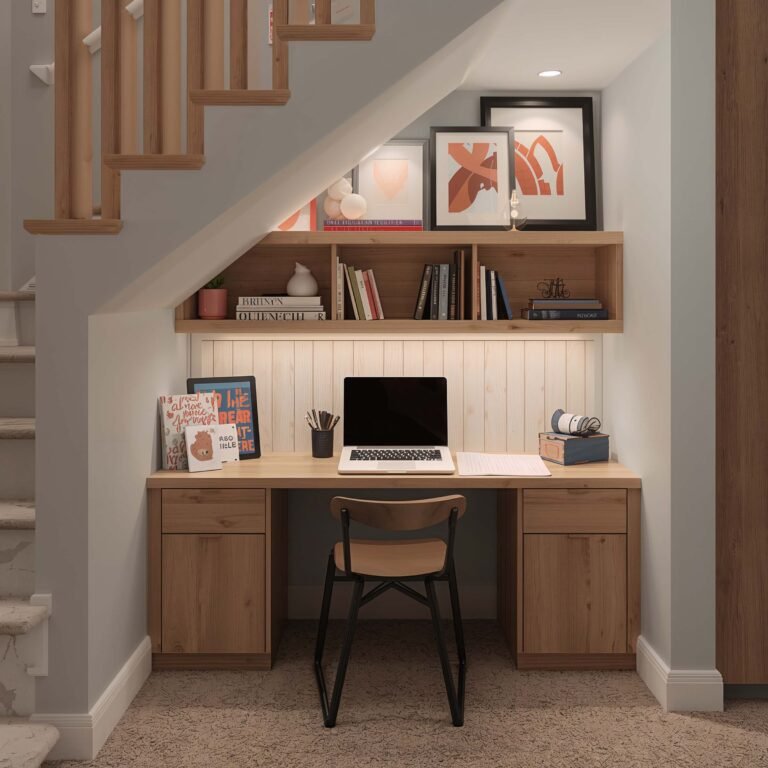
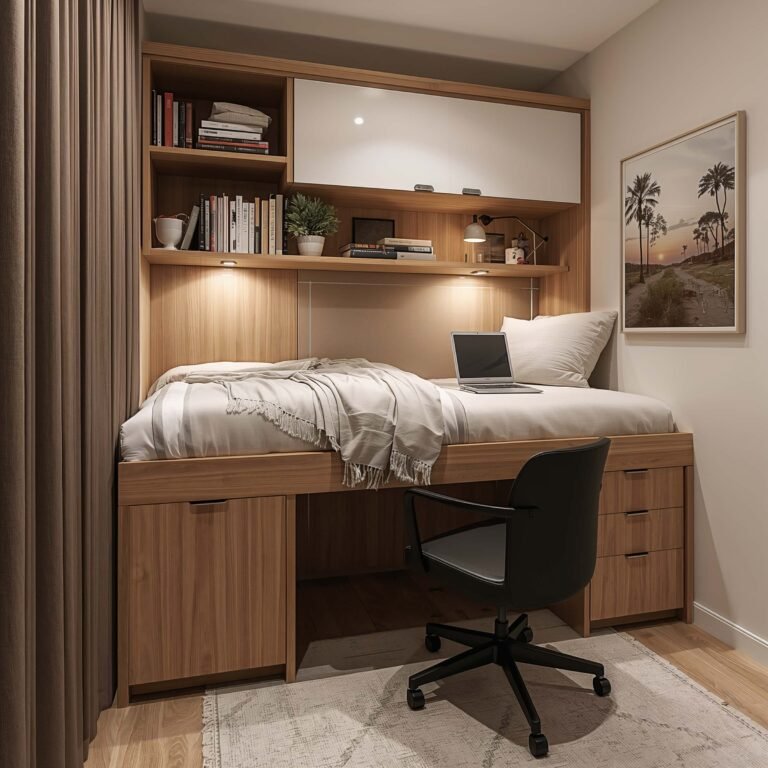
10 Inspiring Study Desk Decor Ideas to Boost Productivity

Let’s be real – your study desk probably looks like a tornado hit it, right? Papers scattered everywhere, pens that don’t work, and that coffee mug from three days ago that’s practically growing its own ecosystem.
I’ve been there, and honestly, it’s hard to feel motivated when your workspace looks like chaos central.
But here’s the thing: transforming your study space doesn’t require a complete room makeover or a trust fund. Sometimes all it takes is a few strategic changes to turn your desk from disaster zone to productivity paradise.
I’ve experimented with countless desk setups over the years (some epic fails included), and I’m excited to share the ideas that actually work.
Whether you’re cramming for finals, working from home, or just trying to make homework less painful, these ten desk decor ideas will help you create a space that actually makes you want to sit down and get stuff done. Trust me on this one.
1. Minimalist White Workspace
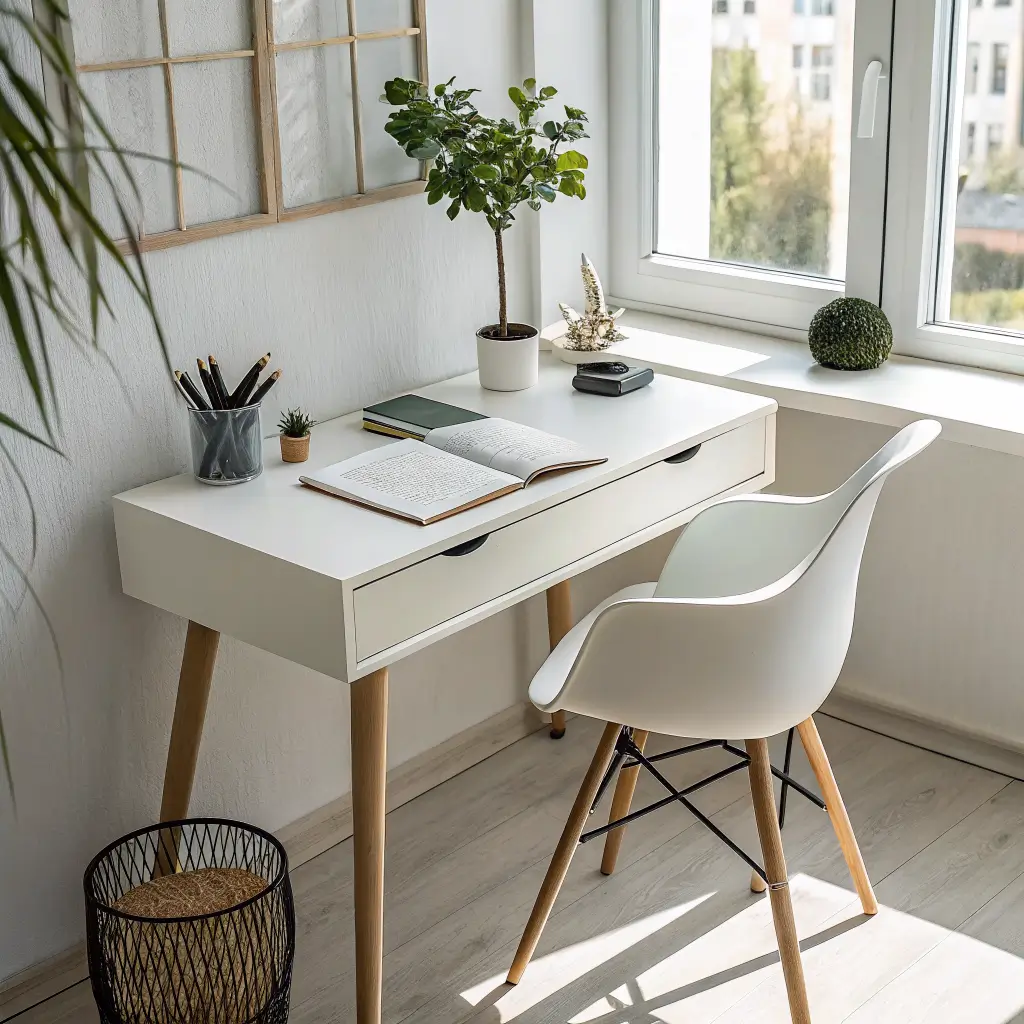
Clean lines, clear mind – that’s the motto behind minimalist white workspaces, and honestly, there’s something almost therapeutic about this approach. I used to think minimalism was just a fancy way of saying “boring,” but after trying it myself, I’m completely converted.
The beauty of a white minimalist setup lies in its simplicity. Start with a clean white desk (IKEA’s LINNMON is perfect and won’t cost you a fortune), add a sleek white desk lamp, and keep only the essentials visible. Your laptop, one notebook, and maybe a single plant – that’s it.
Key elements for nailing this look:
- White or light wood desk surface
- Minimal desk accessories in white, black, or natural materials
- Hidden storage solutions to keep clutter out of sight
- One statement piece (like a beautiful desk lamp or small succulent)
The trick here is being ruthless about what stays on your desk. Everything else gets tucked away in drawers or organizers. I keep a small white tray for my daily essentials – phone, lip balm, and a good pen. It sounds almost too simple, but the mental clarity that comes with a clutter-free space is genuinely game-changing.
Pro tip: Invest in some good cable management. Nothing ruins a minimalist vibe faster than a tangle of charging cables 🙂
2. Boho Chic Study Corner
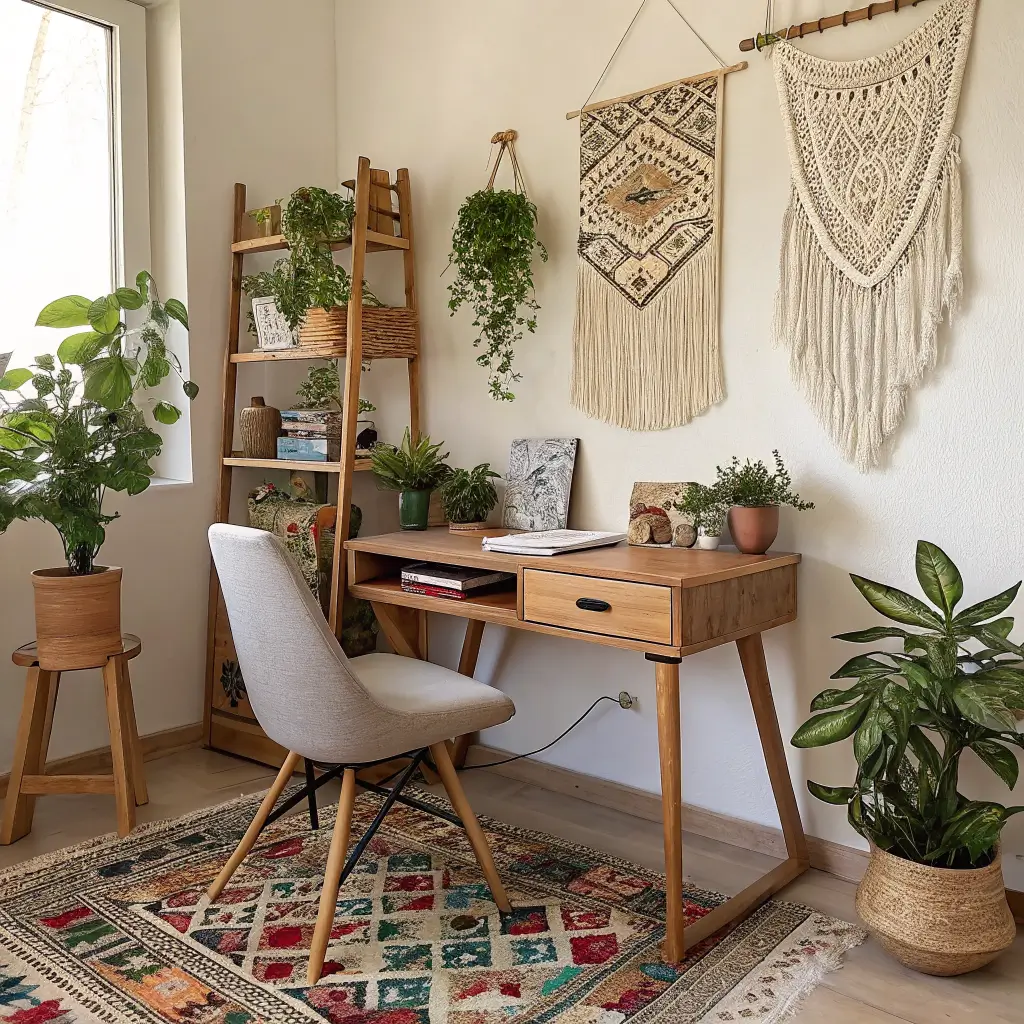
If minimalism feels too sterile for your taste, boho chic might be your perfect match. This style is all about mixing textures, warm colors, and personal touches to create a space that feels lived-in and inspiring. Think macrame wall hangings, woven baskets, and plants galore.
I fell in love with boho style during college when my roommate transformed her corner with just a few thrift store finds and some creativity. The key is layering different textures and incorporating natural elements that make the space feel cozy and inviting.
Essential boho elements:
- Macrame wall hangings or woven tapestries
- Warm-toned desk accessories (terracotta, brass, wood)
- Multiple plants in woven or ceramic planters
- Textured desk pad or small area rug
- Vintage or antique-looking storage boxes
The beauty of boho style is that it’s incredibly forgiving – nothing has to match perfectly, and imperfections actually add to the charm. I love mixing different wood tones and adding personal touches like vintage postcards or small crystals (hey, whatever helps with those study vibes, right?).
Don’t go overboard though. The goal is “curated bohemian,” not “I raided every thrift store in town.” Start with a few key pieces and build from there.
3. Nature-Inspired Green Desk
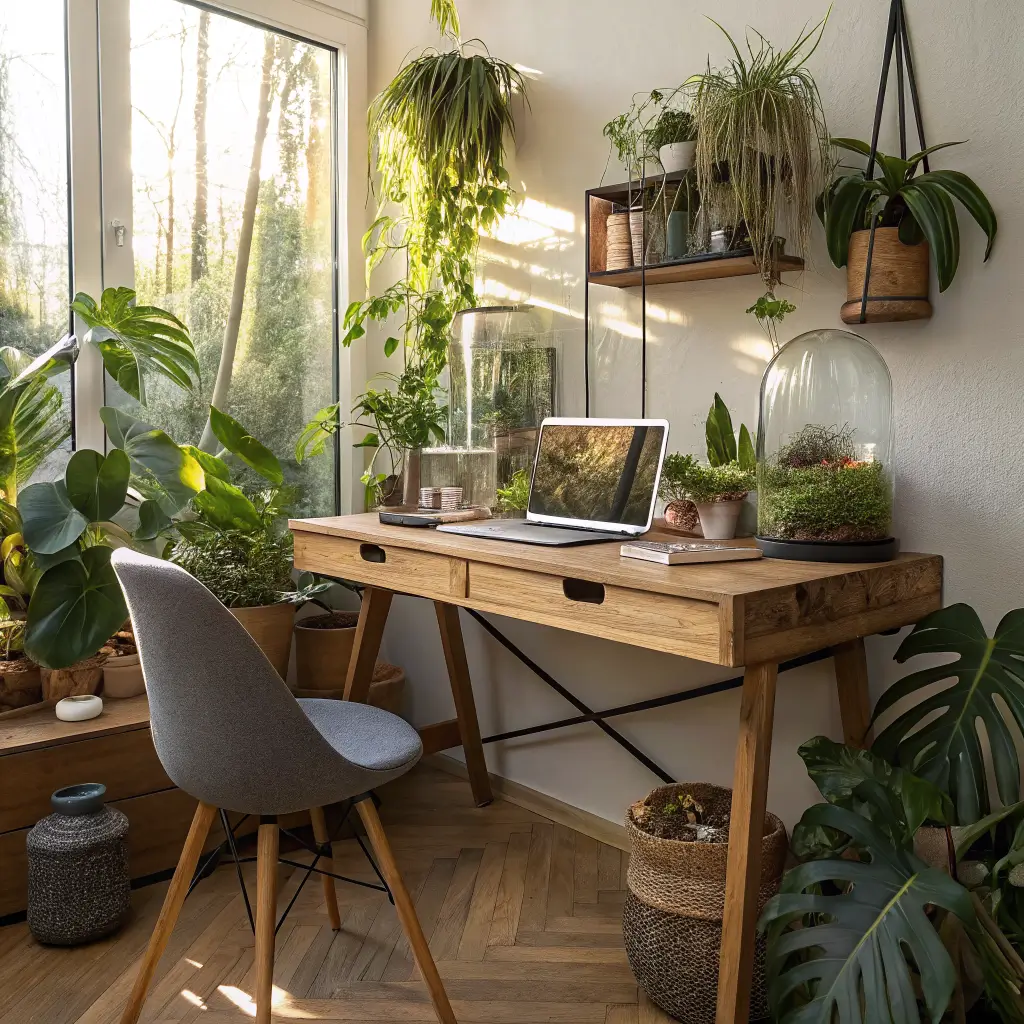
Bringing the outdoors in isn’t just Instagram-worthy – it’s actually scientifically proven to boost productivity and reduce stress. A nature-inspired green desk setup can transform your study sessions from mind-numbing to genuinely refreshing.
I started incorporating more plants into my workspace after reading about biophilic design, and the difference was immediate. There’s something about having living, breathing greenery around that makes even the most tedious tasks feel more bearable.
Must-have elements for your green oasis:
- Multiple plants of varying sizes (start with low-maintenance options like pothos or snake plants)
- Natural wood desk accessories
- Earth-tone color palette (greens, browns, creams)
- Natural lighting or full-spectrum desk lamp
- Organic shapes and textures
The trick is choosing plants that actually thrive in your space. I learned this the hard way after killing three fiddle leaf figs in a row (RIP, beautiful plants). Stick with hardy options like ZZ plants, pothos, or succulents if you’re just starting out.
Consider adding a small water feature if you have the space – even a tiny desktop fountain can add that peaceful, nature-inspired ambiance. Just make sure it’s not so loud that it becomes distracting during video calls!
Also Read: 10 Elegant 50th Birthday Decor Ideas for a Glam Celebration
4. Compact Floating Desk Setup
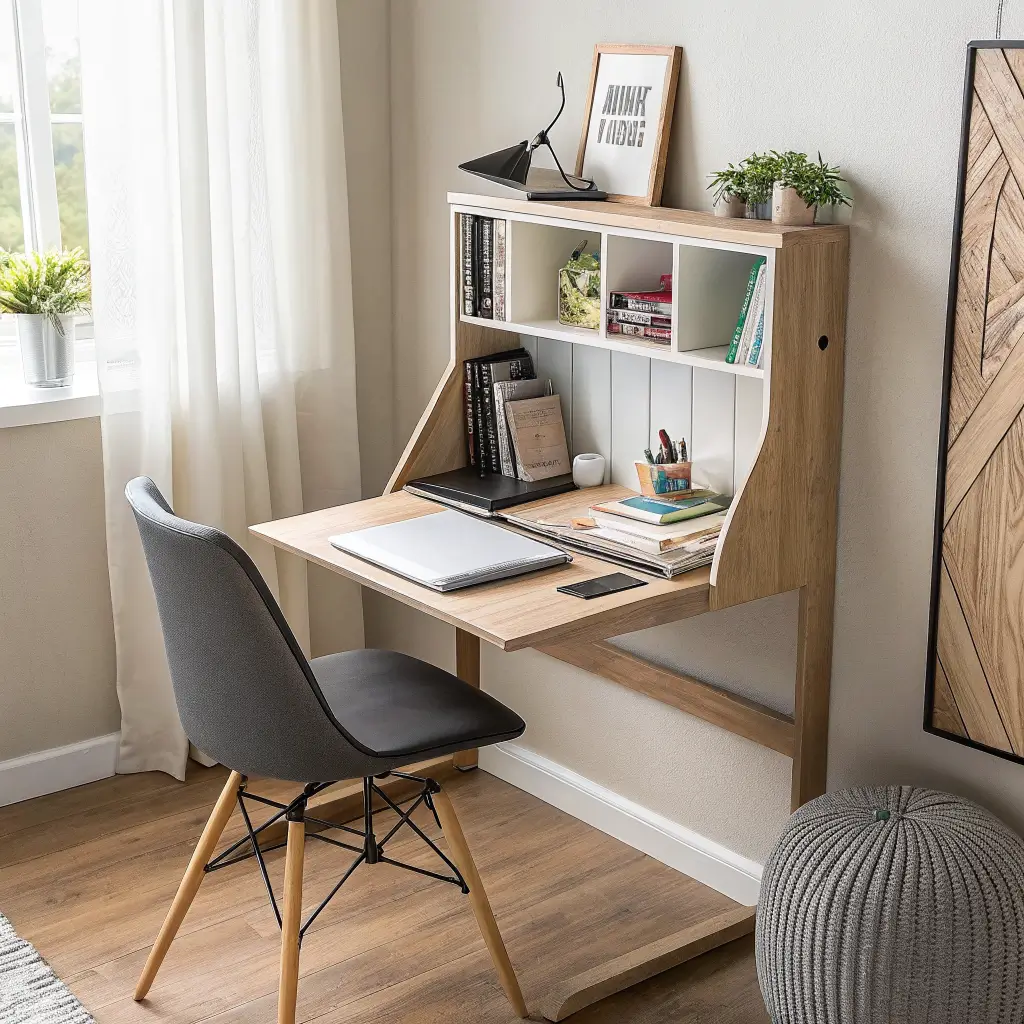
Small space, big style – that’s what floating desk setups are all about. If you’re working with limited square footage (hello, dorm rooms and tiny apartments), a floating desk can be a total game-changer.
I discovered floating desks when I was living in a studio apartment where every inch counted. The ability to mount a desk at the perfect height while keeping floor space open underneath was honestly revolutionary for my productivity and my sanity.
Key components for floating desk success:
- Wall-mounted desk shelf (ensure it’s properly anchored!)
- Vertical storage solutions (floating shelves, pegboards)
- Compact, multi-functional accessories
- Good task lighting mounted above or beside the desk
- Under-desk storage baskets or bins
The beauty of floating desks is their versatility. You can mount them at the perfect height for your chair, and the open space underneath can be used for storage, a small trash bin, or even just to stretch your legs.
Word of warning: Make sure you’re mounting into studs or using appropriate wall anchors. I once had a floating shelf come crashing down during a particularly intense study session – not fun, and definitely not good for the laptop that was on it :/
5. Color-Coordinated Stationery Display
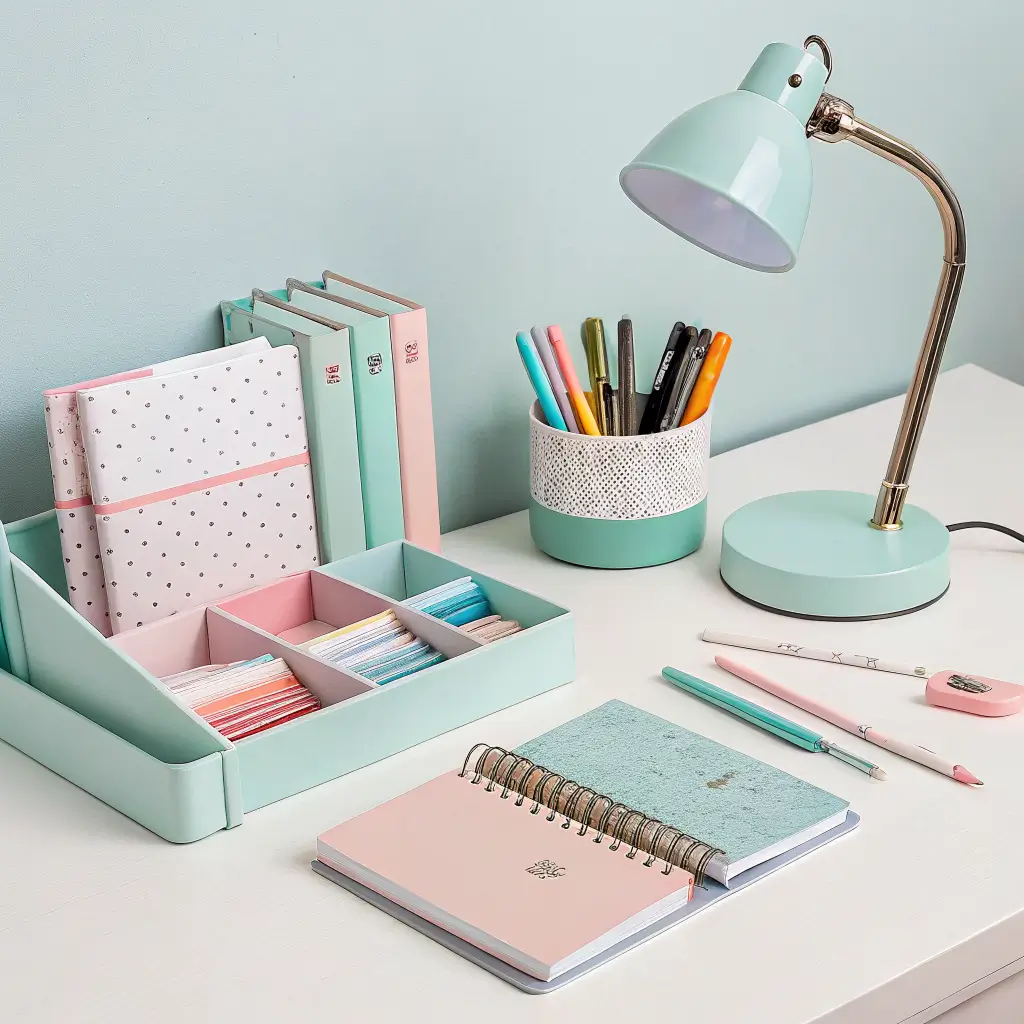
Organization meets aesthetics – and honestly, there’s something deeply satisfying about having all your supplies perfectly coordinated and beautifully displayed. This approach turns your everyday study tools into decorative elements.
I used to be the person who just threw pens into whatever container was handy, but organizing by color completely changed how I felt about my workspace. It’s amazing how much more motivated you feel when everything looks intentional and put-together.
Steps to create your color-coordinated paradise:
- Choose a cohesive color palette (2-3 colors max)
- Invest in matching desk organizers and containers
- Sort supplies by color and function
- Display frequently used items prominently
- Store backup supplies in coordinated containers
The key is finding the right balance between function and form. Your most-used pens should be easily accessible, while seasonal supplies can be stored in prettier containers that add to the overall aesthetic.
I love using clear acrylic organizers because they keep everything visible while maintaining a clean look. Plus, they work with any color scheme you choose. Pro tip: Label everything, even if it seems obvious. Future you will thank present you when you’re frantically searching for that specific highlighter during finals week.
6. LED & Fairy Light Ambience Desk
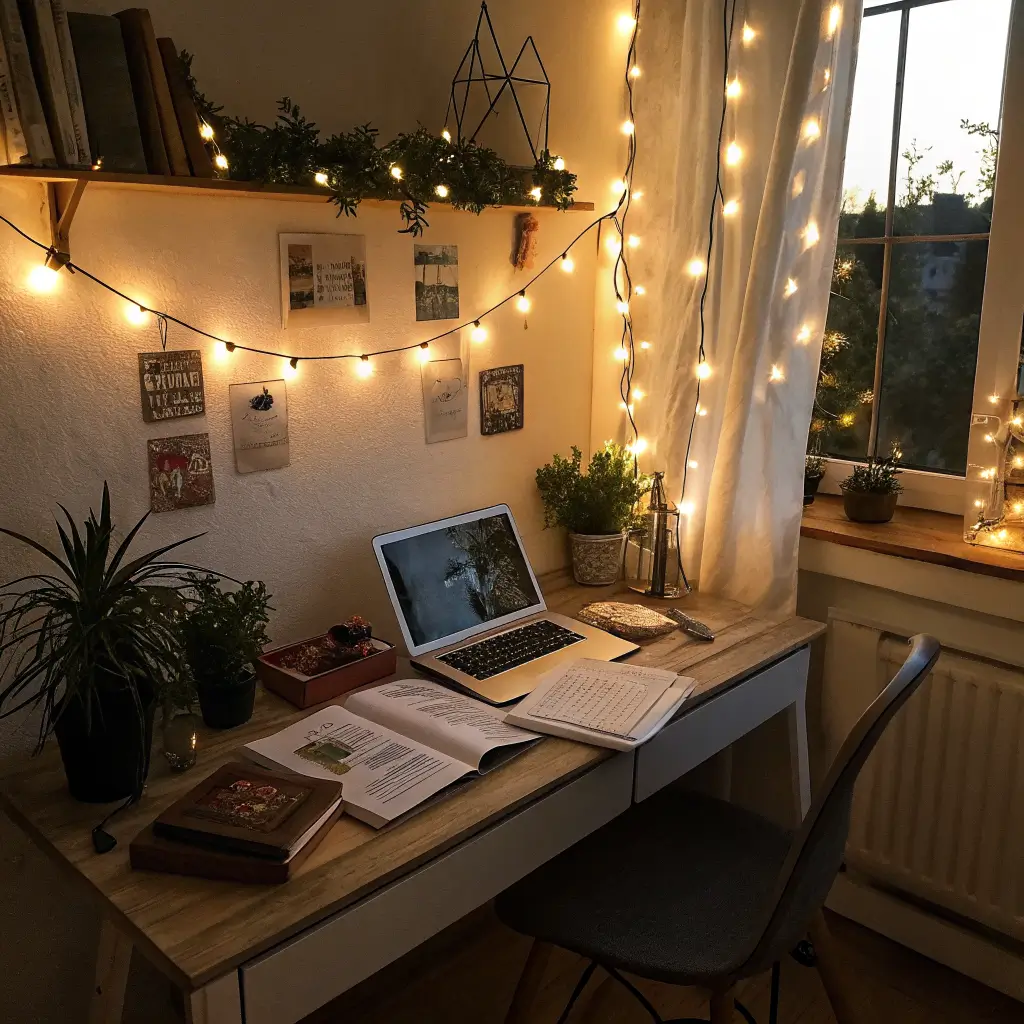
Mood lighting isn’t just for restaurants – the right lighting can completely transform your study experience. I used to think desk lamps were purely functional, but incorporating ambient lighting has made my workspace feel so much more inviting and comfortable.
The science behind this is actually pretty cool. Different types of lighting can affect your circadian rhythm, mood, and even cognitive performance. Harsh fluorescent lighting can cause eye strain and fatigue, while warm, adjustable lighting can help you stay focused and comfortable during long study sessions.
Essential lighting elements:
- Adjustable LED desk lamp with multiple brightness settings
- Warm white fairy lights for ambient lighting
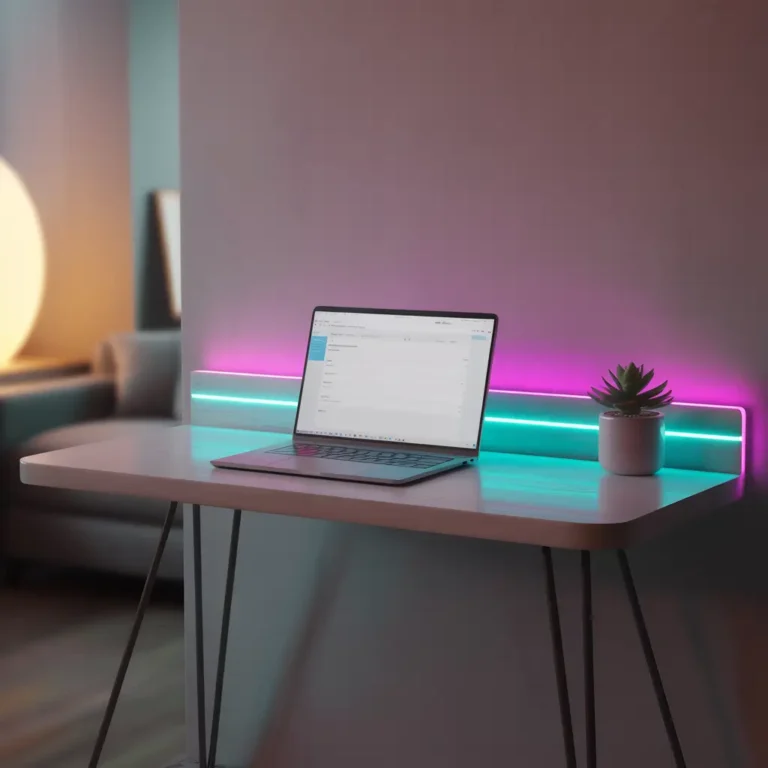
- Color-changing LED strips (optional, but fun for mood setting)
- Natural light source when possible
- Dimmable overhead lighting
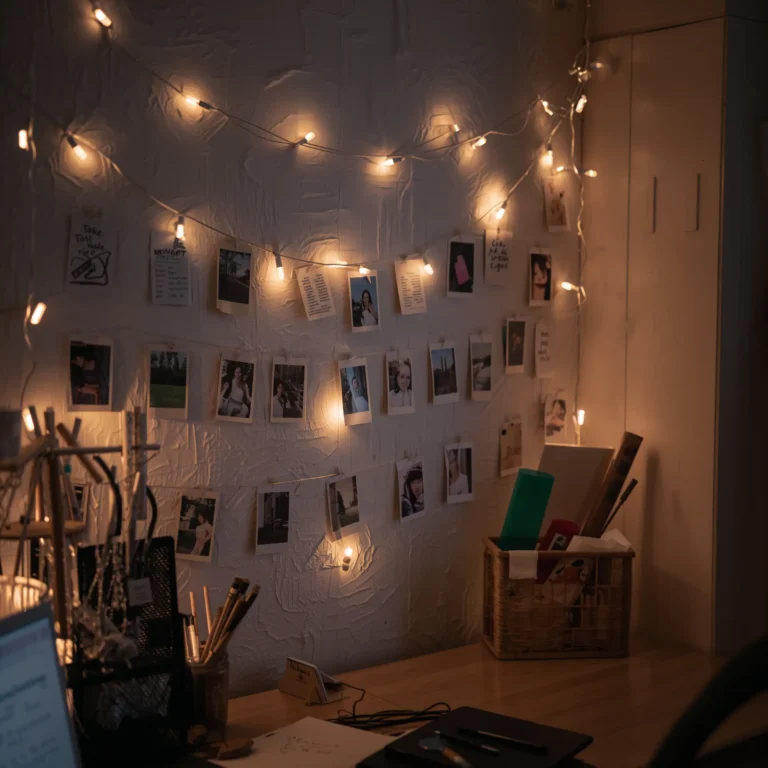
I love using fairy lights as accent lighting – they add a cozy, almost magical quality to the space without being distracting. String them around a bulletin board, along the edge of floating shelves, or even around your monitor for a soft glow.
Important note: Make sure your task lighting is bright enough for reading and writing. Ambient lighting is great for mood, but you don’t want to strain your eyes trying to see your notes. I learned this lesson during a particularly long study session that left me with a headache that lasted for hours.
Also Read: 10 Stunning Minimalist Birthday Decor Ideas for Chic Celebrations
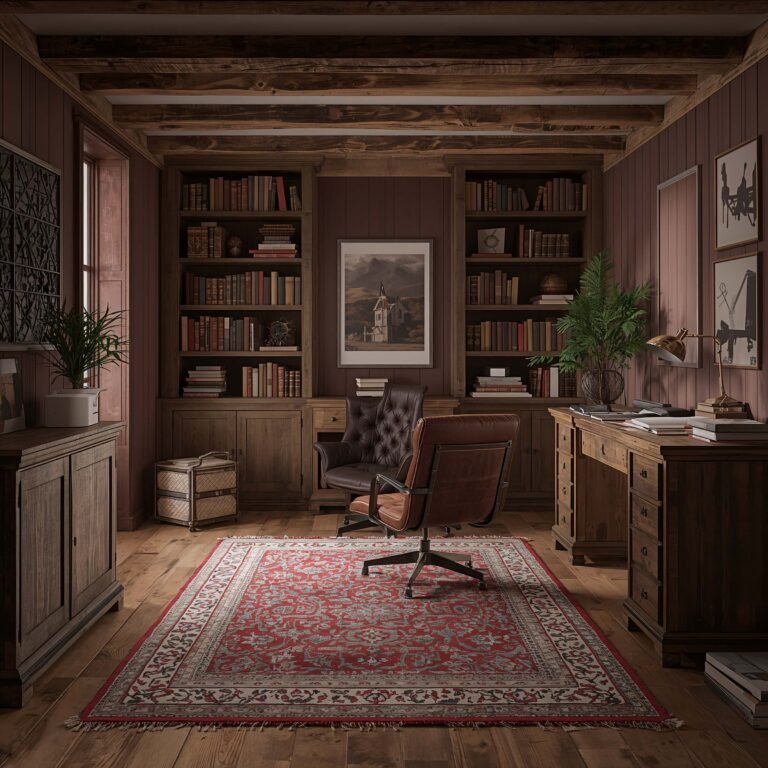
7. Rustic Wooden Study Nook
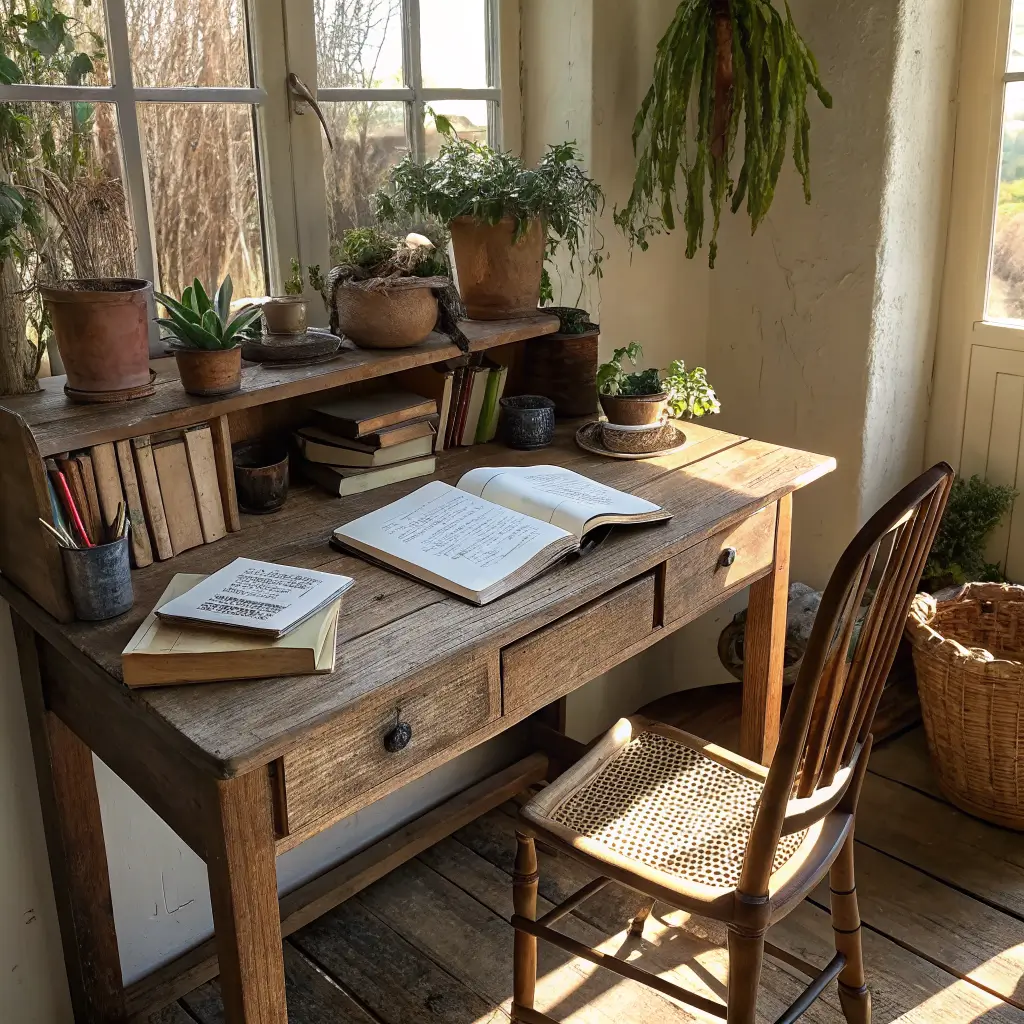
Warmth meets functionality in rustic wooden setups, and there’s something incredibly grounding about working surrounded by natural materials. This style works especially well if you’re someone who finds modern, sleek designs a bit cold or impersonal.
I grew up in a house full of antique furniture, so rustic wood has always felt like home to me. There’s something about the texture and warmth of natural wood that makes even the most stressful study sessions feel more manageable.
Key elements for rustic charm:
- Reclaimed or distressed wood desk surface
- Vintage-inspired desk accessories (brass, copper, iron)
- Natural fiber textures (jute, burlap, linen)
- Warm, soft lighting
- Antique or vintage storage solutions
The beauty of rustic style is that imperfections are features, not flaws. That old wooden desk with character marks and scratches? Perfect. Those mismatched vintage containers? Even better.
You don’t need to spend a fortune on authentic antiques either. Thrift stores, estate sales, and even some clever DIY distressing can help you achieve this look on a budget. I’ve found some of my favorite pieces at garage sales for just a few dollars.
Styling tip: Mix different wood tones and textures to avoid the “matchy-matchy” look. The goal is collected-over-time, not bought-all-at-once.
8. Monochrome Modern Workspace
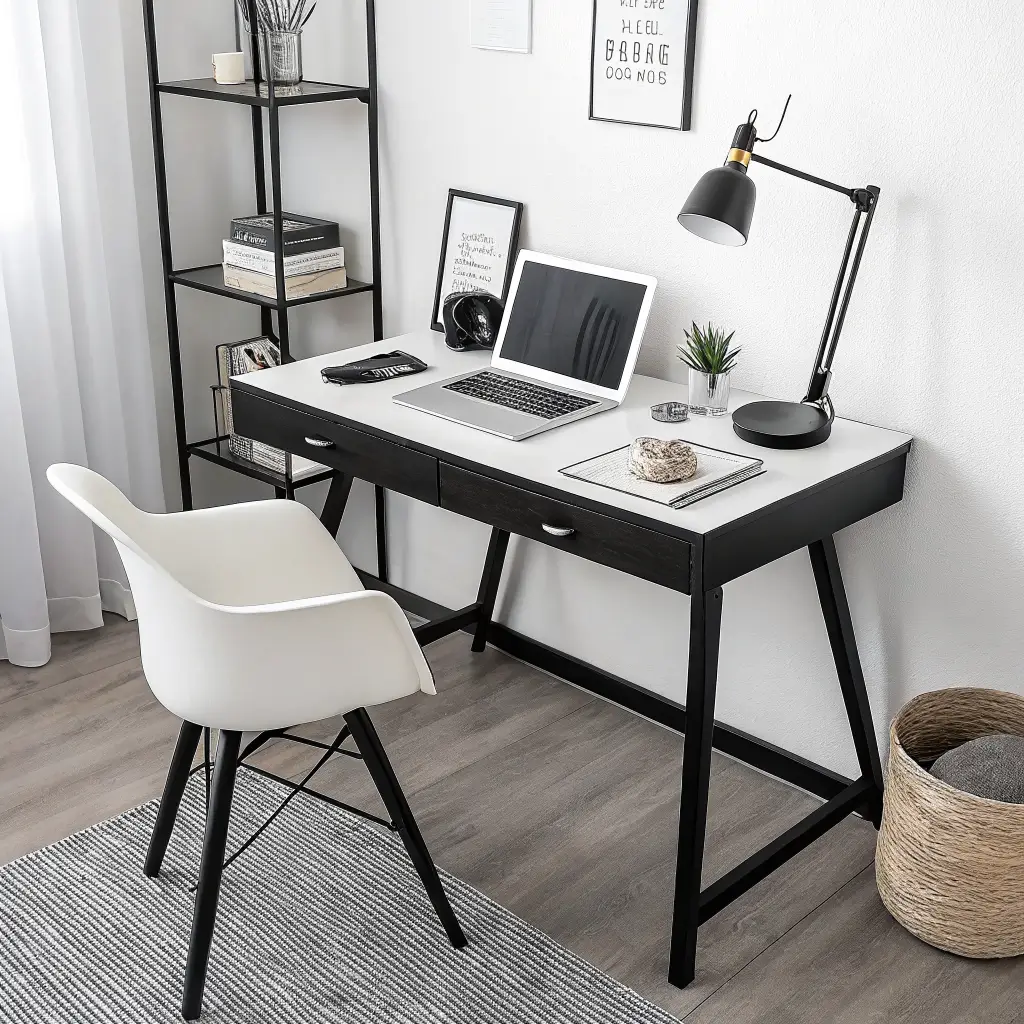
Black, white, and shades of gray – sometimes the most sophisticated look is also the simplest. Monochrome workspaces have this sleek, professional quality that can make you feel like you’ve got your life together (even when you definitely don’t).
I experimented with monochrome after getting tired of trying to coordinate multiple colors. The simplicity was liberating, and honestly, it’s much easier to maintain a cohesive look when you’re working within such a defined palette.
Monochrome essentials:
- Black or white desk with clean lines
- Accessories in varying shades of gray, black, and white
- Geometric shapes and modern designs
- High-contrast elements for visual interest
- Minimal color accents (if any)
The trick to making monochrome interesting is playing with textures and shapes rather than colors. A matte black desk lamp next to a glossy white pen holder creates visual interest without breaking the color scheme.
Don’t forget about functionality – just because something looks sleek doesn’t mean it has to be impractical. I love finding modern organizers that are both beautiful and genuinely useful for keeping supplies sorted and accessible.
One small pop of color can work if you want to add personality – maybe a single green plant or one colorful notebook. But use restraint; the power of monochrome lies in its simplicity.
9. Personalized Photo & Memo Wall
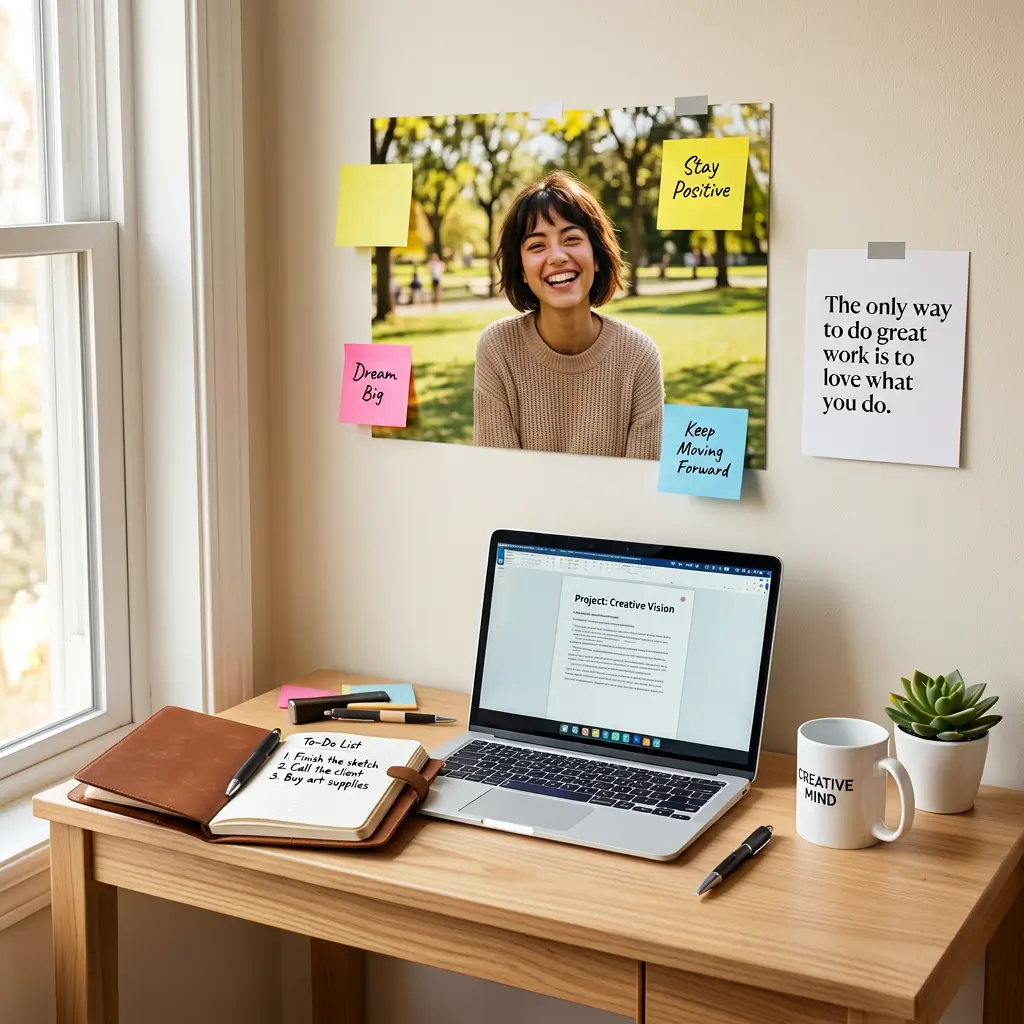
Your memories as motivation – there’s something incredibly powerful about surrounding yourself with photos of people you love, places you’ve been, and goals you’re working toward. A personalized photo and memo wall can turn your study space into a source of inspiration and positive energy.
I started adding personal photos to my workspace during a particularly challenging semester, and it made such a difference in my motivation levels. Having visual reminders of why I was working so hard helped me push through those late-night study sessions.
Creating your inspiration wall:
- Mix photos of different sizes and orientations
- Include motivational quotes or personal mantras
- Add goal-setting elements (vision boards, progress trackers)
- Use removable adhesive or a bulletin board system
- Update regularly to keep it fresh and relevant
The key is making it personal and meaningful to you. Maybe it’s photos from your last vacation, pictures of your family, or even screenshots of your dream job posting. Whatever motivates you, put it where you can see it.
I love using a large cork board or magnetic board as the base – it makes it easy to rearrange and update things without damaging the wall. Plus, you can pin up important deadlines, assignment reminders, and other practical information alongside the inspirational stuff.
Balance is important – you want enough visual interest to be inspiring without creating a distracting collage that pulls your attention away from your work.
Also Read: 10 Beautiful Red Theme Birthday Party Decor Ideas to Try Now
10. DIY Upcycled Desk Decor
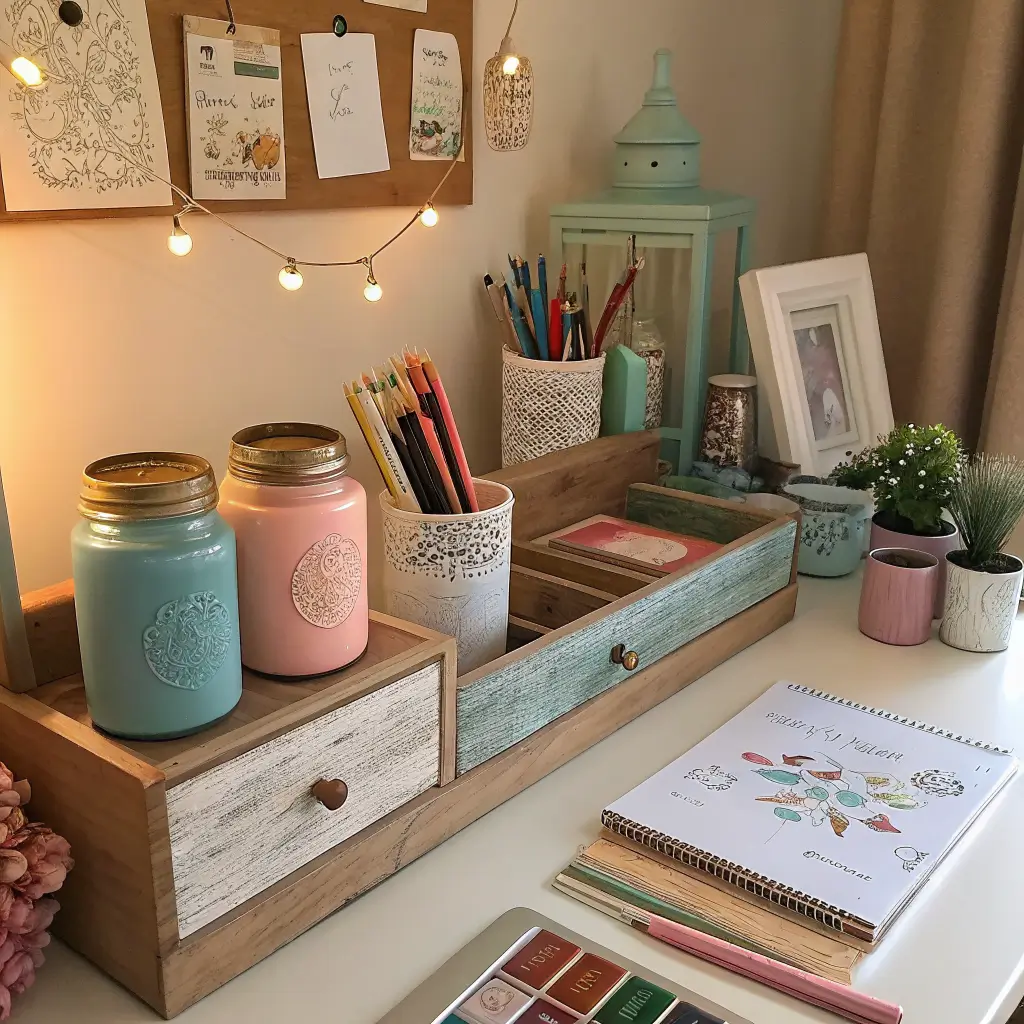
Creativity meets sustainability – and honestly, some of the most unique and personal desk accessories come from upcycling projects. There’s something incredibly satisfying about transforming something old or discarded into a functional piece of desk decor.
I got into upcycling during college when my budget was basically nonexistent, but I discovered that I actually preferred my handmade organizers to anything I could buy in stores. They had character, they were exactly what I needed, and they told a story.
Easy upcycling projects to try:
- Mason jar desk organizers with painted lids
- Tin can pencil holders wrapped in decorative paper
- Old book storage boxes (hollow out damaged books)
- Wine cork bulletin boards
- Repurposed wooden crates as desk organizers
The beauty of DIY upcycling is that you can customize everything to fit your exact needs and style preferences. Need a specific size organizer? Make it yourself. Want colors that match your room perfectly? You’re in control.
Start small if you’re new to DIY projects. A simple painted mason jar or decorated tin can is a great way to test the waters without committing to a major project. Plus, if it doesn’t turn out perfectly, you’re only out a few dollars and some time.
IMO, the imperfections in handmade pieces are what make them special. That slightly wonky paint job or uneven cut just adds character and reminds you that you made something with your own hands.
Bringing It All Together
Creating the perfect study desk setup isn’t about following rules or copying someone else’s style exactly – it’s about finding what works for you and makes you excited to sit down and get stuff done. Maybe you’re drawn to the clean simplicity of minimalism, or perhaps the cozy chaos of boho chic speaks to your soul.
The best workspace is one that reflects your personality while supporting your productivity goals. Don’t be afraid to mix and match elements from different styles, or to evolve your setup as your needs change. I’ve probably rearranged my desk setup at least a dozen times over the years, and each iteration taught me something new about what helps me focus and feel motivated.
Remember: Your desk decor should serve you, not stress you out. If maintaining a perfectly curated Instagram-worthy workspace becomes another source of anxiety, you’re missing the point. The goal is to create a space that makes studying feel a little less like torture and a little more like something you actually want to do.
Start with one or two elements that really speak to you, and build from there. Your future self (and your GPA) will thank you for creating a space that actually supports your success. Now stop procrastinating by reading about desk decor and go make your workspace awesome! 🙂