10 Cozy Tiny Bedroom Aesthetic Ideas Soft Minimal Vibes

Let’s be real for a second—tiny bedrooms can feel like trying to live inside a shoebox, right? But here’s the thing I’ve learned after years of dealing with my own microscopic sleeping quarters: size doesn’t dictate style.
Actually, some of my favorite bedroom transformations have happened in the tiniest spaces. There’s something magical about maximizing every square inch and creating a room that feels both functional and Instagram-worthy.
If you’re stuck with a bedroom that barely fits your bed (been there!), don’t throw in the towel just yet. I’ve gathered ten aesthetic ideas that’ll make your tiny space feel like a luxury retreat. Trust me, these aren’t your typical “just add more mirrors” suggestions—we’re going deeper than that.
Cozy Minimal Glow Bedroom
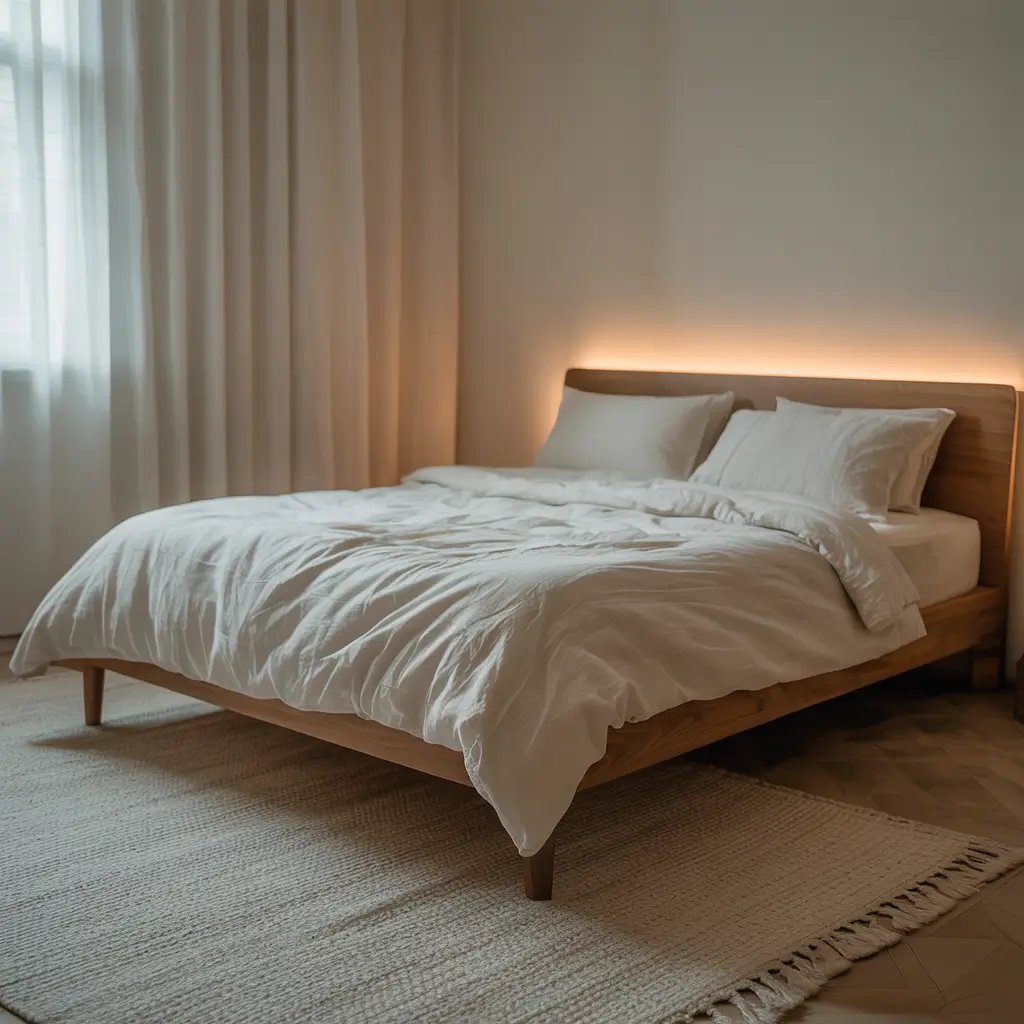
You know what’s funny about minimalism? People think it means boring, but a cozy minimal glow bedroom is anything but dull. This aesthetic is all about creating warmth through lighting while keeping everything else beautifully simple.
The secret sauce here is layered lighting. I’m talking about combining warm LED strips behind your headboard, a couple of strategically placed table lamps, and maybe some battery-operated candles. The goal is to create this gorgeous, diffused glow that makes your tiny room feel like you’re sleeping inside a sunset.
For the minimal part, stick to a neutral color palette—think warm whites, soft beiges, and maybe a touch of cream. Your bedding should be simple but luxurious (cotton or linen work great), and furniture pieces should serve multiple purposes. A sleek nightstand that doubles as storage? Perfect. A bench at the foot of your bed that opens up for extra blankets? Even better.
Here’s what I love about this aesthetic: it makes small spaces feel larger because there’s no visual clutter, but the warm lighting prevents that cold, sterile feeling that sometimes comes with minimalism. Plus, it photographs beautifully for those late-night bedroom selfies we all pretend we don’t take 🙂
Soft Boho Tiny Room Aesthetic
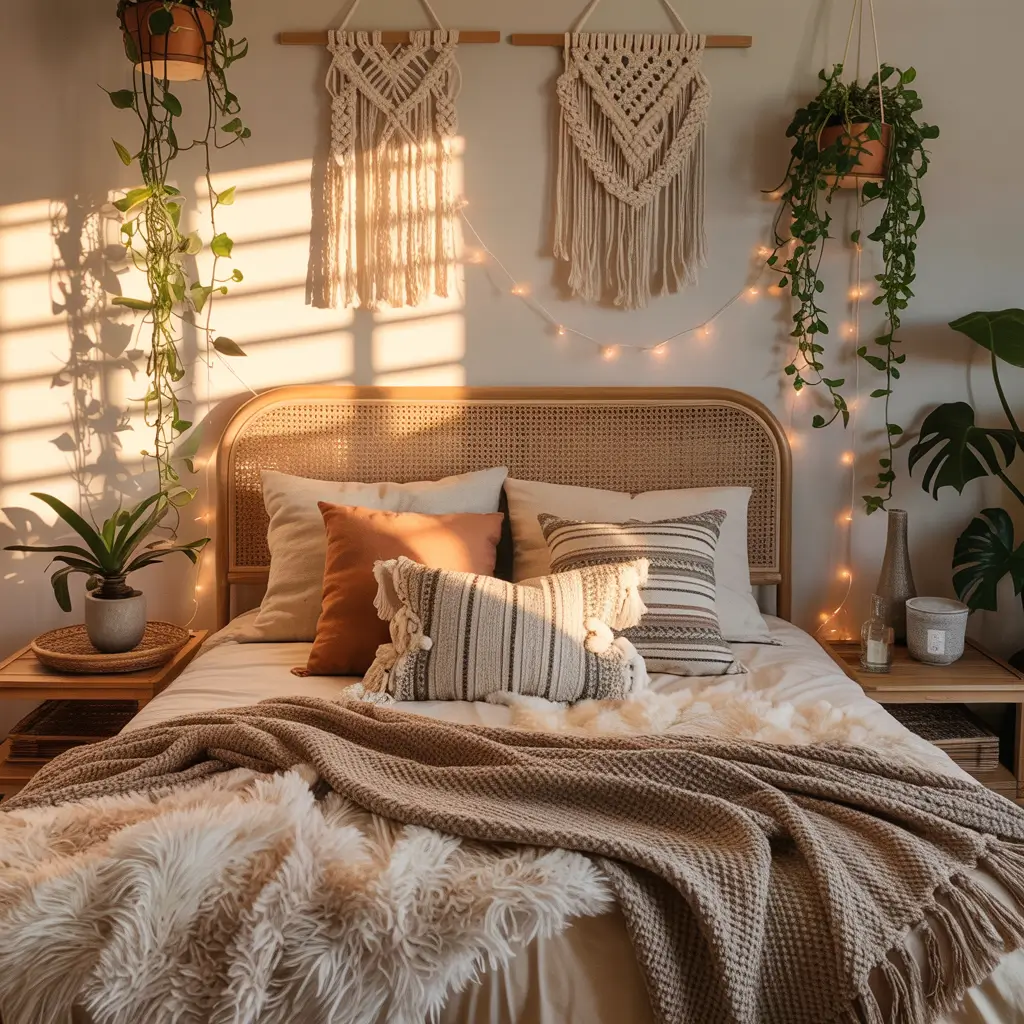
Can we talk about how boho style got this reputation for being cluttered? Because a soft boho tiny room is actually the perfect solution for small spaces when done right. The key is choosing softer, more muted boho elements instead of going full-on festival tent.
Start with textured textiles in earthy tones. Think macrame wall hangings (but just one statement piece, not an entire wall), woven baskets for storage, and layered rugs if your floor space allows. The magic happens when you mix different textures—a chunky knit throw, smooth cotton sheets, and maybe a velvet pillow or two.
Plants are non-negotiable in this aesthetic, but choose wisely. Hanging plants work wonders because they add that boho vibe without eating up floor space. A few trailing pothos or string of hearts can completely transform the mood of your room. FYI, if you’re plant-challenged like I used to be, start with something impossible to kill—trust me on this one.
The color palette should lean toward warm, muted tones: dusty pinks, sage greens, terracotta, and cream. These colors create that dreamy, relaxed vibe without overwhelming a small space. And here’s a pro tip I learned the hard way: stick to three main colors max, or your tiny room will start looking chaotic instead of cozy.
White Dream Small Bedroom Setup
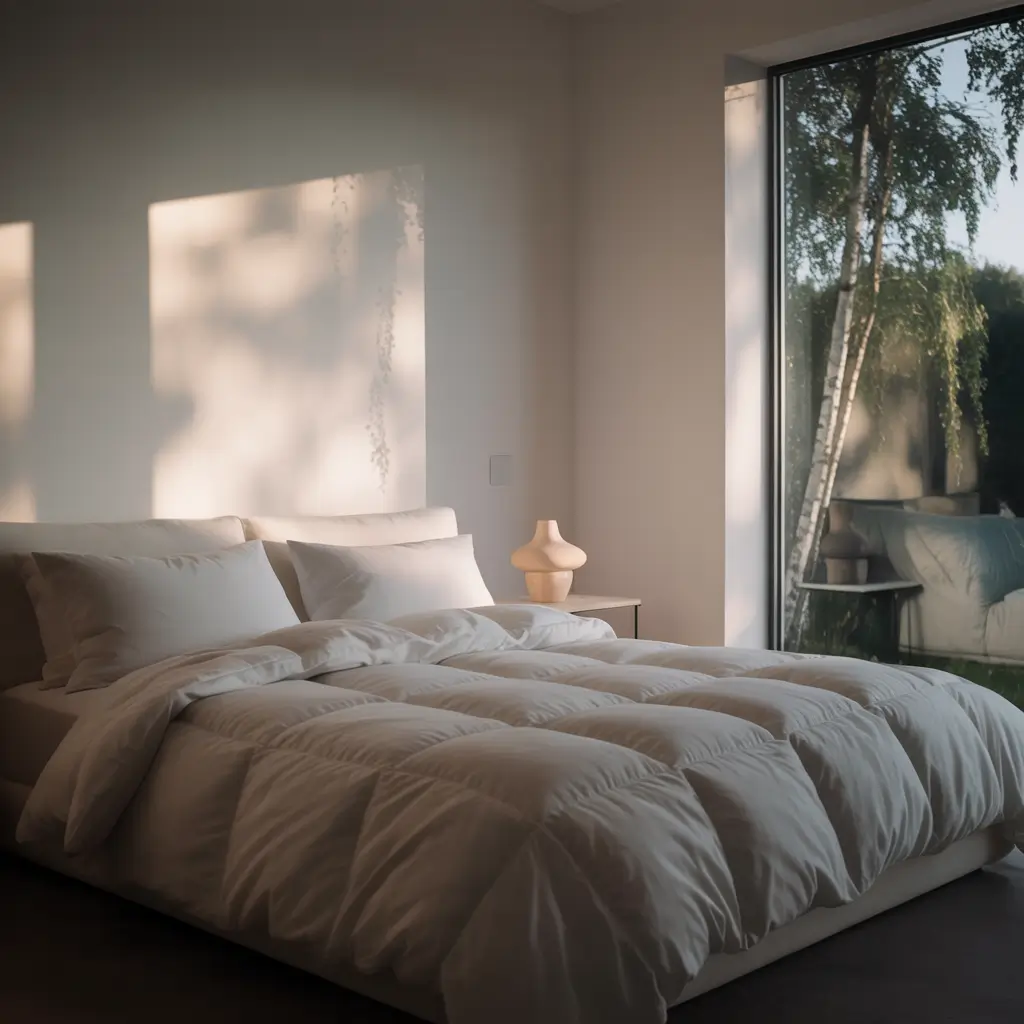
There’s something about an all-white bedroom that just screams luxury hotel vibes, doesn’t it? But creating a white dream setup in a tiny space requires some finesse—you want pristine and airy, not sterile hospital room.
The trick is playing with different shades and textures of white. Pure white walls, off-white bedding, cream curtains, and maybe some ivory accents. This creates depth without adding color chaos. I’ve found that mixing warm whites with cool whites can actually make a space feel larger because your eye doesn’t know exactly where one surface ends and another begins.
Texture is absolutely crucial here. Without it, your white room will feel flat and boring. Think fluffy area rugs, knitted throw blankets, linen curtains, and maybe a faux fur accent pillow. Each different texture catches light differently, creating visual interest while maintaining that clean aesthetic.
Lighting becomes super important in an all-white room. Natural light is your best friend during the day, so keep window treatments minimal. For evening ambiance, warm LED bulbs are essential—cool white lights will make your dreamy white room feel like an interrogation chamber, and nobody wants that.
Storage is key in this setup because clutter shows up like a sore thumb against all that white. Invest in white storage solutions that blend seamlessly with your walls—floating shelves, under-bed storage boxes, and maybe a white dresser that doubles as a TV stand.
Also Read: 10 Creative Tiny Boys Bedroom Ideas for Cozy Modern Style
Warm Fairy Light Aesthetic Corner
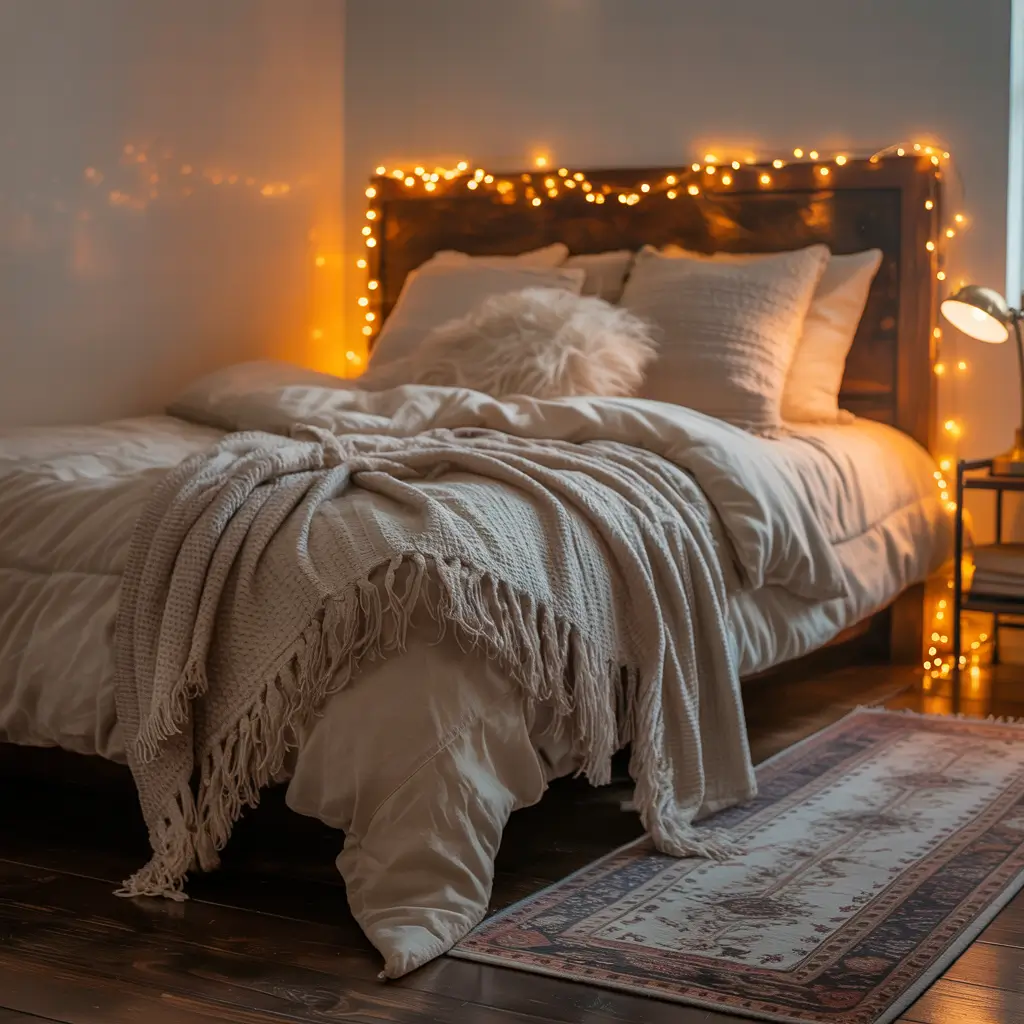
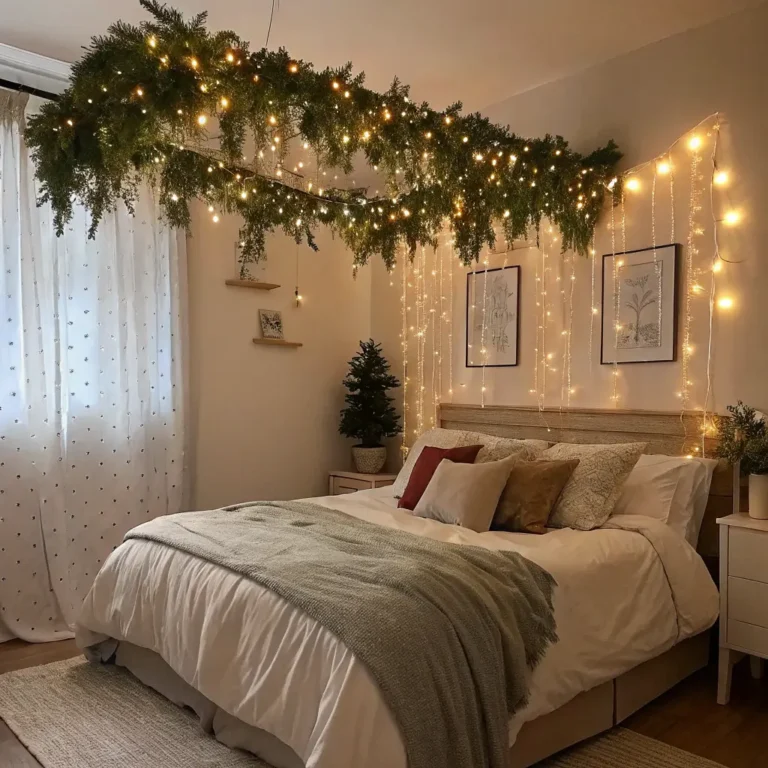
Ever wonder why fairy lights make everything look magical? It’s because they create this soft, diffused light that mimics starlight, and our brains are basically hardwired to find that enchanting. A warm fairy light corner can become the focal point of your tiny bedroom and create the coziest reading nook ever.
Here’s how I set up my fairy light corner: Start with warm white LED fairy lights (not the cool blue ones—those feel too harsh). You can drape them around a window frame, create a light curtain behind your bed, or even outline a cozy chair if you have the floor space.
The key is layering your lighting. Fairy lights provide ambient lighting, but you’ll want to add a small table lamp or floor lamp for task lighting. A string of lights paired with a vintage-style Edison bulb lamp creates this perfect warm glow that makes tiny spaces feel intimate rather than cramped.
Soft furnishings complete the look—think fuzzy pillows, a plush throw blanket, and maybe a small area rug to define the space. If you’re working with a corner next to your bed, a few floor cushions can create additional seating without taking up much room.
Pro tip: Use battery-operated fairy lights with timers. There’s nothing worse than having to crawl behind your bed every night to unplug lights, and the timer function means you’ll wake up to a beautifully lit room every morning.
Space-Saving Floating Bed Design
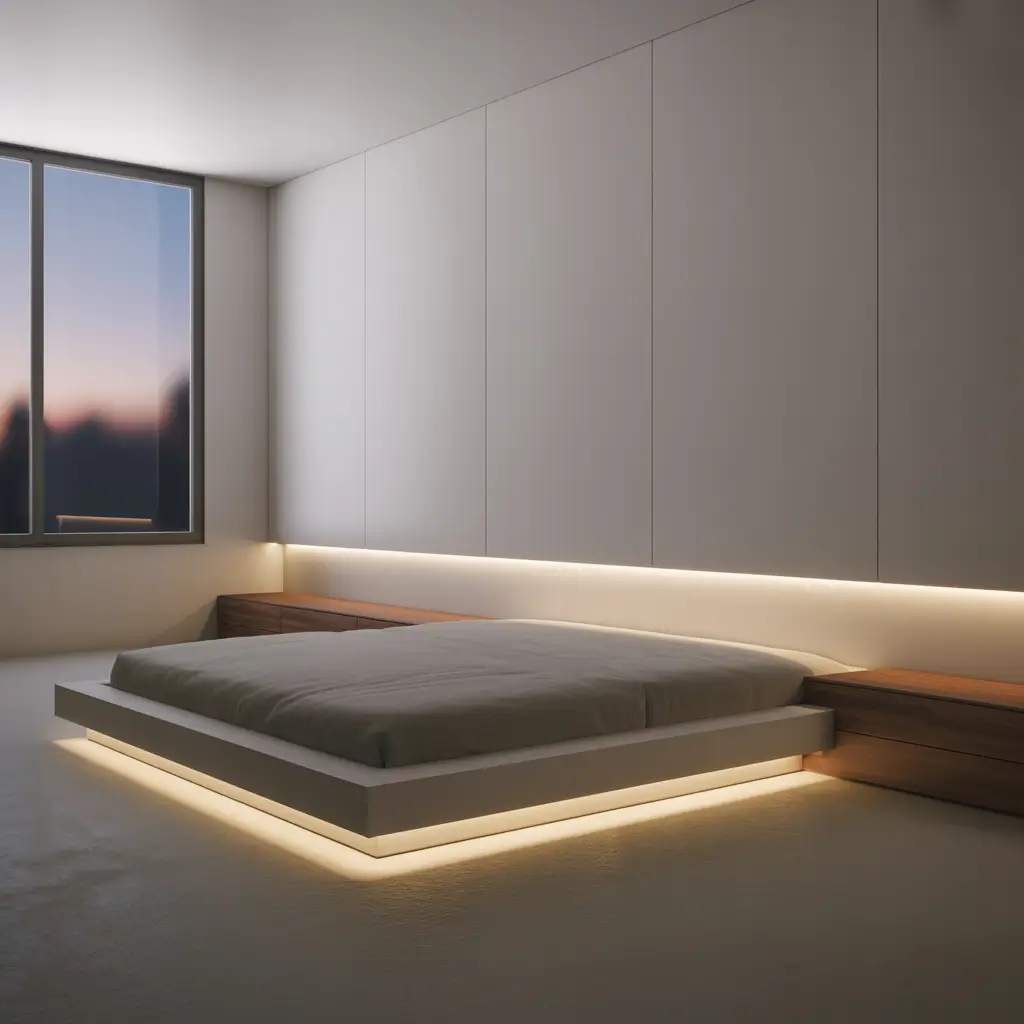
Okay, let’s talk about the floating bed trend—and no, I’m not suggesting you defy gravity! A floating bed design creates the illusion that your bed is hovering above the floor, which makes your tiny room feel way more spacious than it actually is.
The most common way to achieve this look is with a platform bed with hidden support legs. The bed frame extends beyond the mattress edges, creating shadows underneath that give that floating effect. Some designs use LED strip lighting underneath for an even more dramatic look—imagine going to sleep feeling like you’re floating on a cloud of light!
Storage integration is where this design really shines in tiny spaces. Many floating bed frames include built-in drawers or compartments underneath. You can hide everything from extra bedding to out-of-season clothes without adding any additional furniture to your room.
The visual benefits are incredible. By lifting your bed off the floor and creating that shadow gap, you’re essentially adding visual square footage to your room. Your eye perceives more floor space, even though the actual dimensions haven’t changed. It’s like a magic trick for interior design!
Just make sure your ceiling height can handle this look. If your room has low ceilings, a floating bed might make the space feel more cramped rather than larger. IMO, you need at least 8 feet of ceiling height to pull this off effectively.
Pastel Calm Tiny Bedroom Theme
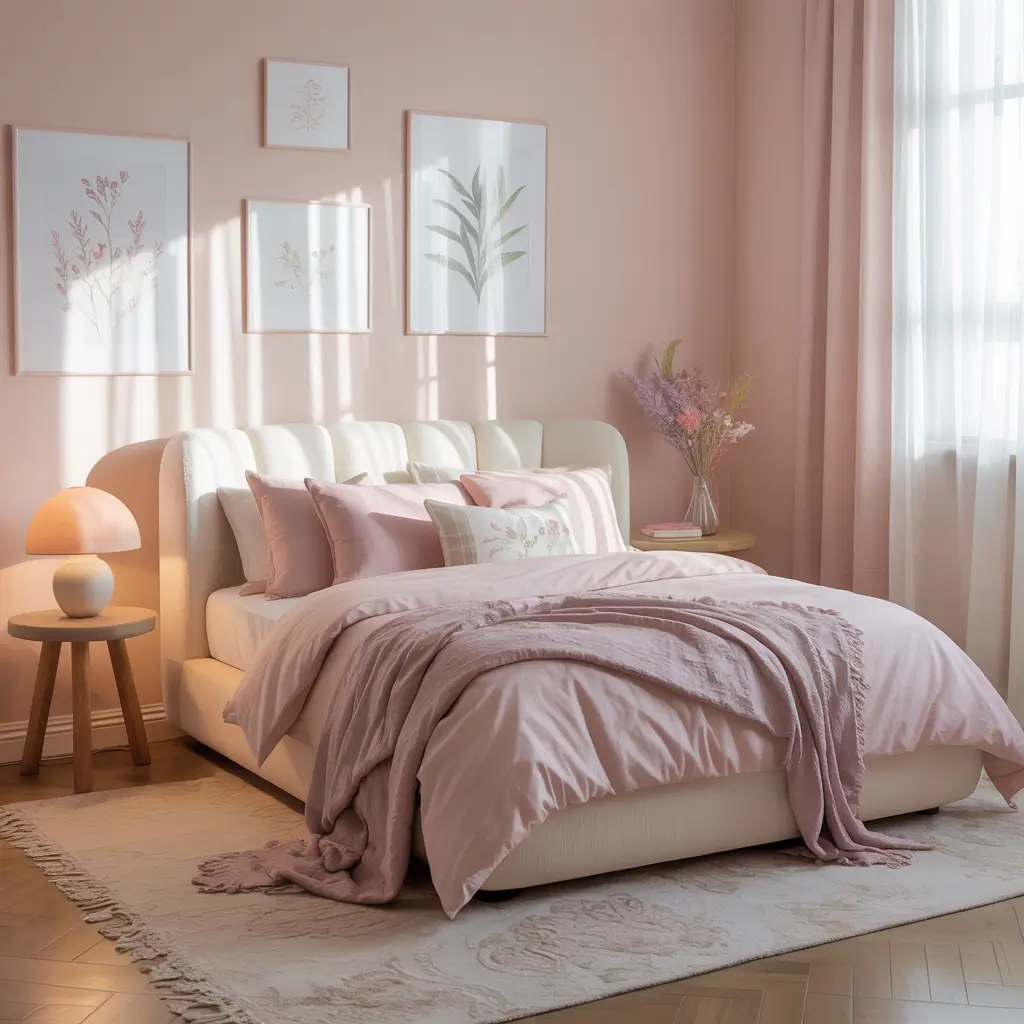
Sometimes you need a bedroom that feels like a gentle hug after a long day, and that’s exactly what a pastel calm theme delivers. We’re talking soft lavenders, dusty pinks, sage greens, and the palest yellows—colors that make your nervous system immediately relax.
The beauty of pastels in tiny spaces is that they reflect light beautifully while maintaining a cozy, intimate feeling. Unlike stark whites that can feel cold, pastels add just enough color to create warmth without overwhelming a small room.
Color coordination is crucial here. Pick two, maybe three pastel shades and stick with them throughout the room. I learned this lesson the hard way after creating what looked like a rainbow explosion instead of a calming retreat. Sage green walls with blush pink accents and cream whites? Perfection. Throw in some lavender and yellow too? Disaster.
Soft textures amplify the calming effect. Think cotton bedding, velvet throw pillows, and maybe a chunky knit blanket in complementary pastel shades. The goal is to create a space that feels like being wrapped in a soft cloud.
Lighting should be warm and diffused. Harsh overhead lighting will kill the peaceful vibe you’re trying to create. Instead, opt for table lamps with fabric shades, string lights, or even salt lamps for that extra zen factor.
Also Read: 10 Beautiful Tiny Attic Bedroom Ideas for Smart Space Living
Japandi Style Small Bedroom Look
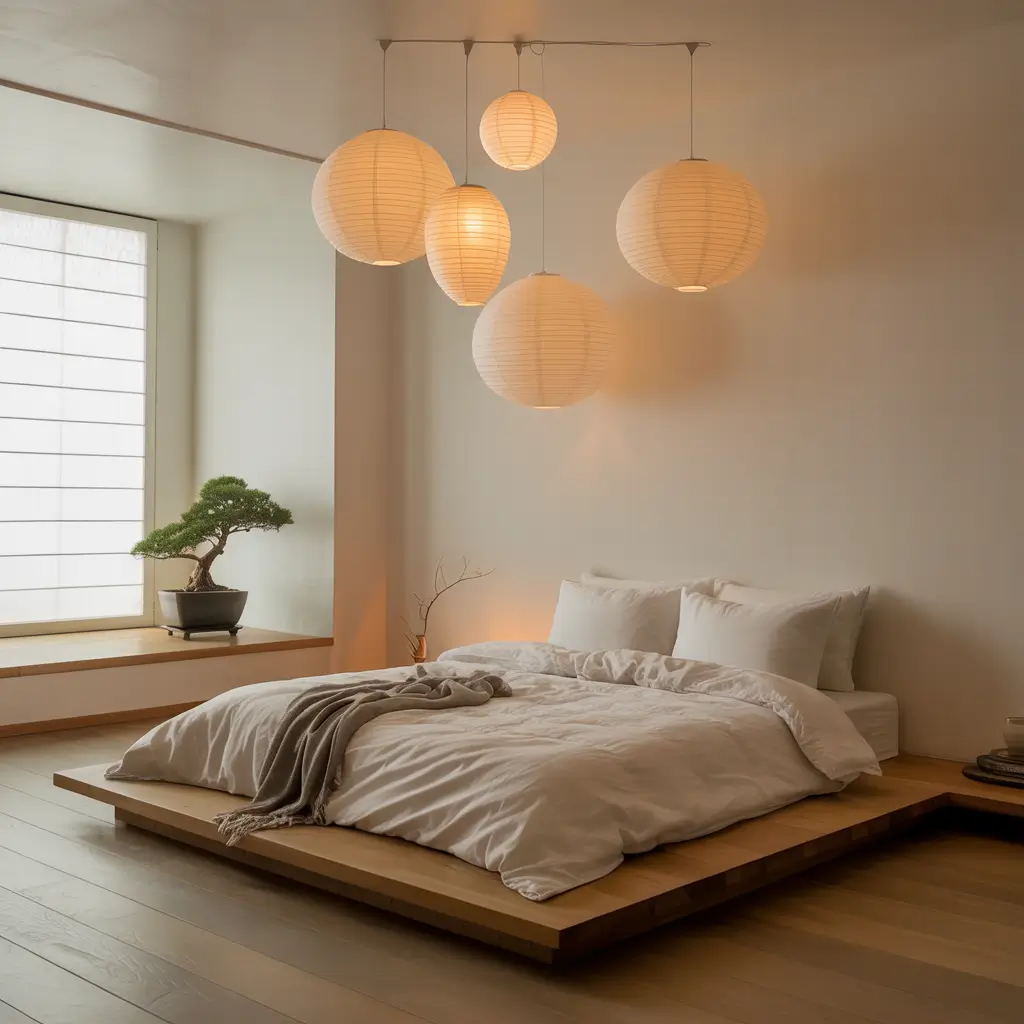
Japandi style is like minimalism’s more sophisticated cousin—it combines Japanese simplicity with Scandinavian functionality, and it’s absolutely perfect for tiny bedrooms. This aesthetic is all about finding beauty in simplicity and creating a space that promotes actual rest and relaxation.
The color palette is naturally neutral: warm whites, soft grays, natural wood tones, and maybe a touch of sage green. The idea is to create a space that feels connected to nature even when you’re in the middle of a concrete jungle.
Natural materials are non-negotiable in Japandi design. Think bamboo, rattan, natural wood, linen, and cotton. Your bed frame should be simple—maybe a low platform bed in natural wood. Storage solutions should blend seamlessly with the design, like wooden floating shelves or woven baskets.
Plants play a huge role, but we’re talking about carefully chosen, sculptural plants rather than a jungle explosion. A single fiddle leaf fig in a ceramic planter, or a few small succulents on a windowsill. The goal is intentional greenery that adds life without creating clutter.
Functionality is key—every piece in your room should serve a purpose. A meditation cushion that doubles as extra seating, a wooden stool that works as both a nightstand and a plant stand, bedding that’s beautiful but also incredibly comfortable for actual sleeping.
Mirror Magic Space Expansion Room
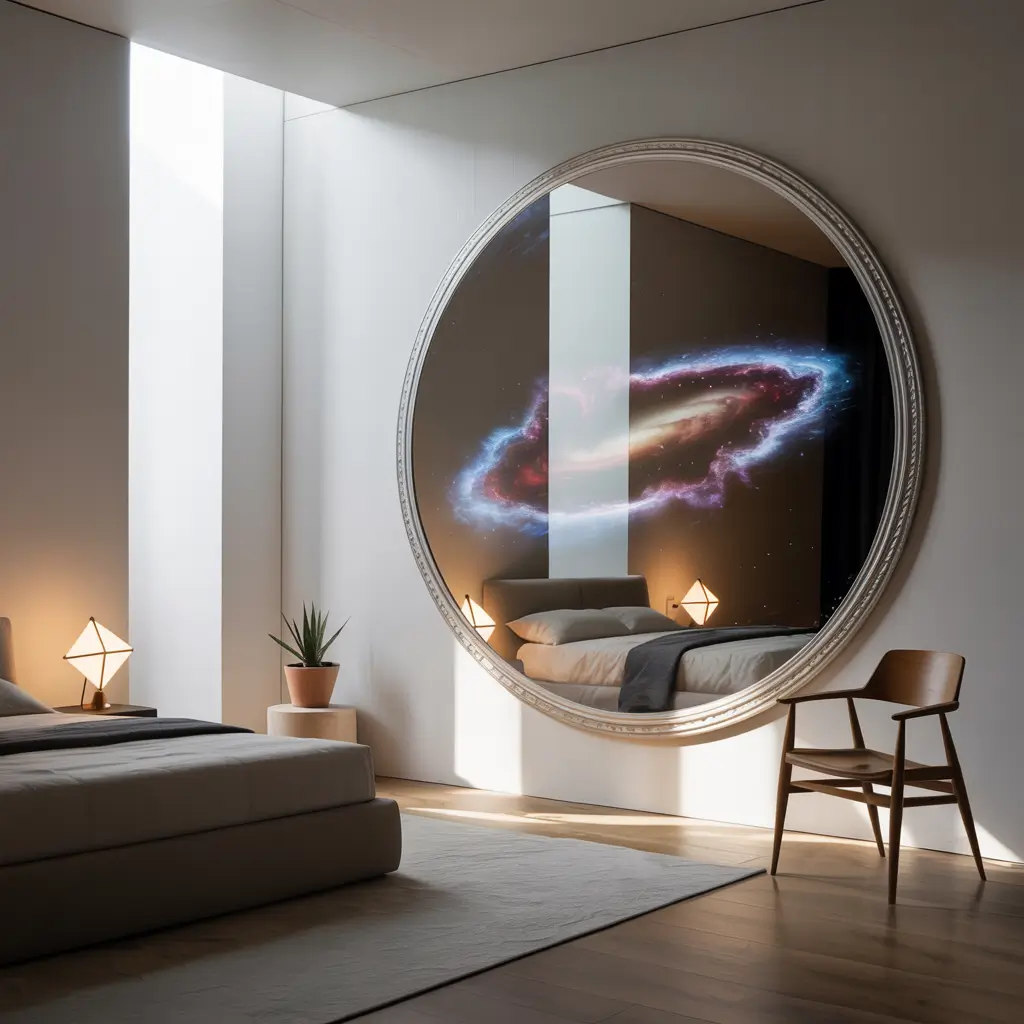
Let’s get real about the mirror trick—yes, it actually works, but there’s a right way and a wrong way to do it. The wrong way is cramming random mirrors everywhere and hoping for the best. The right way involves strategic placement that genuinely makes your space feel larger and brighter.
Large mirrors work better than lots of small ones for creating the illusion of space. A big mirror placed opposite a window will reflect natural light and make your room feel twice as large. I’ve seen tiny bedrooms that feel genuinely spacious just because someone placed a floor-length mirror in the perfect spot.
Mirrored furniture can be incredibly effective, but use it sparingly. A mirrored nightstand or dresser can disappear visually while still providing function. The key is balance—too many reflective surfaces and your room starts feeling like a funhouse instead of a relaxing retreat.
Placement strategy matters more than mirror size sometimes. A mirror positioned to reflect your prettiest corner—maybe where you have plants and fairy lights—creates the illusion of having two beautiful spaces instead of one. It’s like getting bonus room real estate for the price of a mirror.
Here’s something I discovered by accident: angled mirrors can be more effective than perfectly flat ones. Leaning a large mirror against the wall at a slight angle reflects more of your ceiling, which tricks your brain into thinking the room is taller than it actually is.
Hidden Storage Aesthetic Bedroom
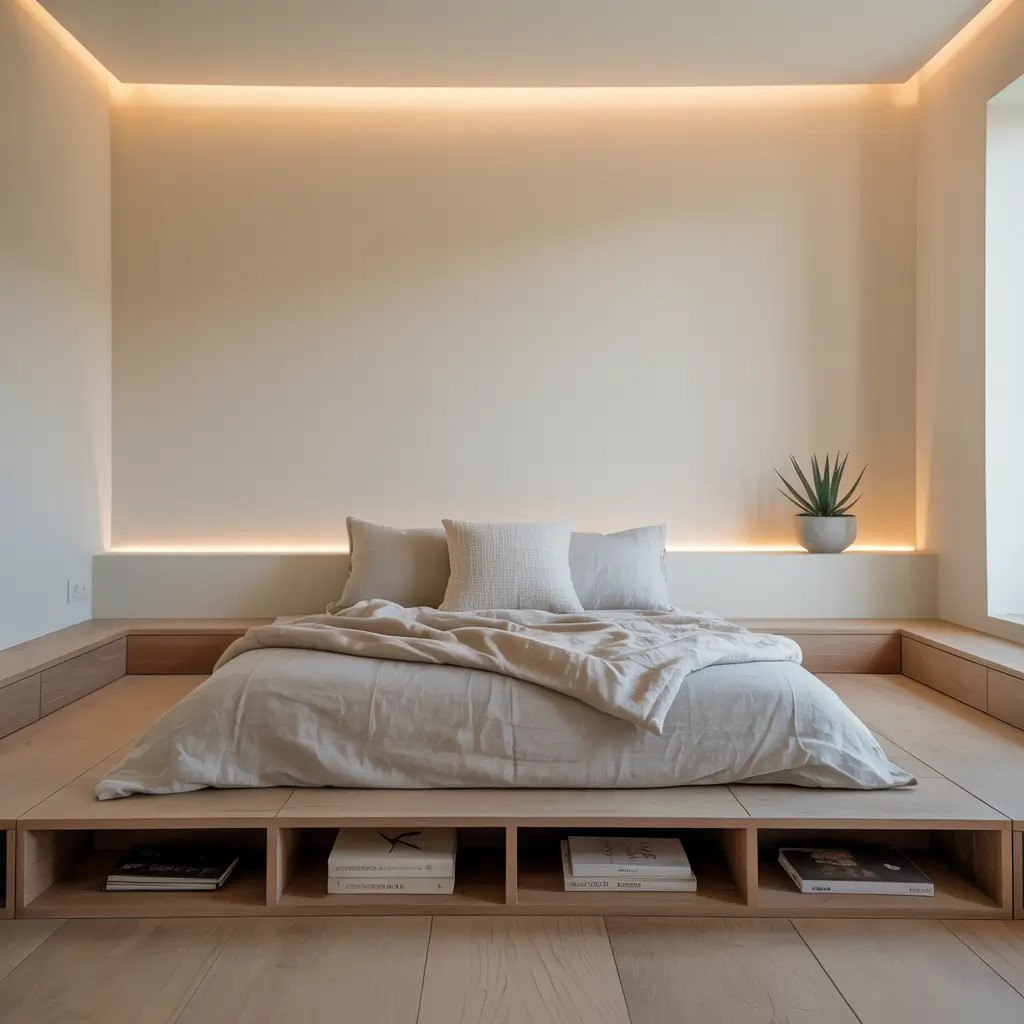
Hidden storage is the secret weapon of tiny bedroom design—it’s like having a room that’s bigger on the inside than the outside. The trick is making storage so seamless that guests can’t even tell it exists.
Ottoman storage is probably my favorite hidden storage solution. A beautiful ottoman at the foot of your bed provides seating, a place to put on shoes, and storage for extra blankets or out-of-season clothes. Your guests just see stylish furniture, but you know you’ve got a secret treasure chest.
Under-bed storage doesn’t have to mean ugly plastic boxes sticking out everywhere. Bed frames with built-in drawers look intentional and beautiful. Or invest in matching fabric storage boxes that slide perfectly under your bed—when everything matches, it looks like part of the design rather than desperate storage solutions.
Wall-mounted nightstands with hidden compartments are game-changers for tiny rooms. They provide the surface space you need for a lamp and your phone without taking up floor space, and many have hidden drawers or compartments for storing personal items.
Floating shelves with hidden brackets create clean lines while providing display and storage space. The key is styling them so they look intentional—mix books with small plants and decorative objects rather than just cramming stuff up there.
Also Read: 10 Stunning Tiny Bedroom Ideas for Couples Cozy Bliss
Scandinavian Tiny Cozy Setup
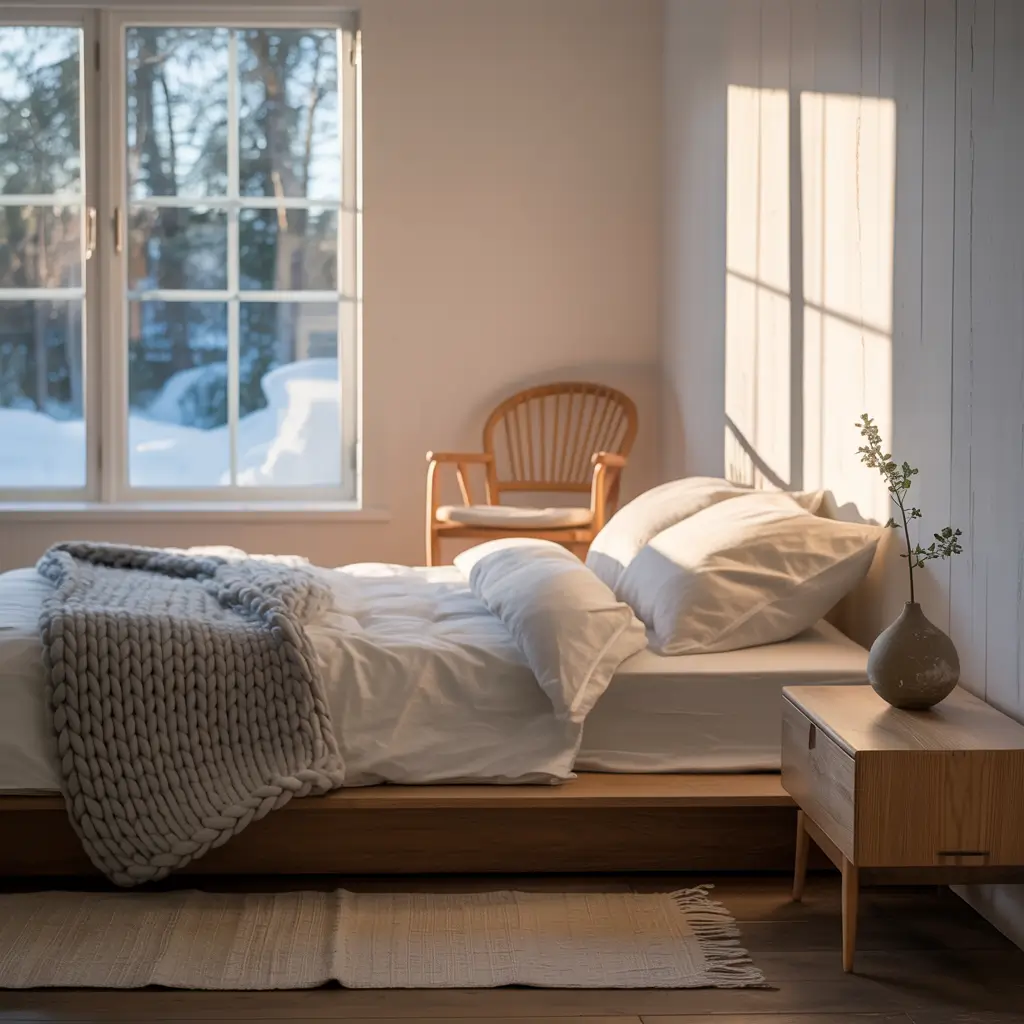
There’s a reason Scandinavian design has taken over Pinterest—it’s basically designed for making small spaces feel cozy and functional. The whole hygge movement isn’t just about candles and fuzzy socks (though those help); it’s about creating a space that genuinely supports your wellbeing.
Light wood tones are essential for this aesthetic—think pale pine, birch, or blonde oak. Your bed frame, nightstands, and any other furniture should lean toward these natural, light wood finishes. They reflect light while adding warmth, which is exactly what tiny spaces need.
Cozy textiles make all the difference between Scandinavian sterile and Scandinavian cozy. We’re talking chunky knit blankets, sheepskin rugs, linen bedding in soft grays or whites, and maybe some plaid throw pillows for pattern without chaos.
Functional decor is key—everything should be beautiful but also serve a purpose. A gorgeous wooden tray that holds your jewelry, a beautiful ceramic mug that’s also your pen holder, decorative baskets that actually store your extra blankets.
The color palette stays neutral but warm: whites, soft grays, natural wood tones, and maybe a touch of sage green or dusty blue for accent colors. The goal is creating a space that feels like a peaceful mountain cabin, even if you’re in a city apartment.
Natural light is treasured in Scandinavian design, so window treatments should be minimal and light-filtering rather than blocking. Sheer curtains or simple roman shades work perfectly.
Making It All Work Together
Here’s the thing about tiny bedroom aesthetics—the most beautiful rooms aren’t necessarily the ones that follow one style perfectly, but the ones that combine elements in ways that make sense for the person living there. Maybe you love the clean lines of Japandi but want some boho plants, or you’re drawn to Scandinavian coziness but want to incorporate some fairy lights for extra magic.
The key is choosing a primary aesthetic and then borrowing elements from others that enhance rather than fight with your main theme. Your tiny bedroom should feel like you, not like a Pinterest board come to life.
Lighting remains crucial across all these aesthetics. Whether you go with fairy lights, warm lamps, or natural light emphasis, getting the lighting right will make any of these styles work better in your space.
Personal touches are what transform an aesthetic from pretty to perfect. Your favorite books, a photo that makes you smile, a plant you’ve managed to keep alive for more than six months—these things matter more than perfect color coordination.
Remember, the goal isn’t to impress anyone else. It’s to create a space where you actually want to spend time, where you sleep better, and where you feel genuinely relaxed. Whether that happens with floating beds and fairy lights or hidden storage and pastel walls is totally up to you.
Your tiny bedroom might be small, but with the right aesthetic choices, it can feel like the coziest, most beautiful space in your home. And honestly? Sometimes the smallest rooms make the biggest impact when you get them right.