10 Magical Witch Garden Design Ideas for Enchanted Spaces

Let’s be real – you’ve probably scrolled through Pinterest a million times, drooling over those dreamy witch gardens that look like they’re straight out of a fairytale.
Well, guess what? You can absolutely create that magical vibe in your own backyard, and it doesn’t require selling your soul (though a little garden center splurge never hurt anyone).
I’ve been cultivating my own witchy garden spaces for years, and let me tell you, there’s something incredibly satisfying about stepping outside into your own little slice of enchanted paradise.
Whether you’re a seasoned green witch or just someone who thinks black roses are cooler than regular ones, these garden design ideas will help you create a space that’s both mystical and actually functional.
Moonlit Herb Witch Garden Sanctuary
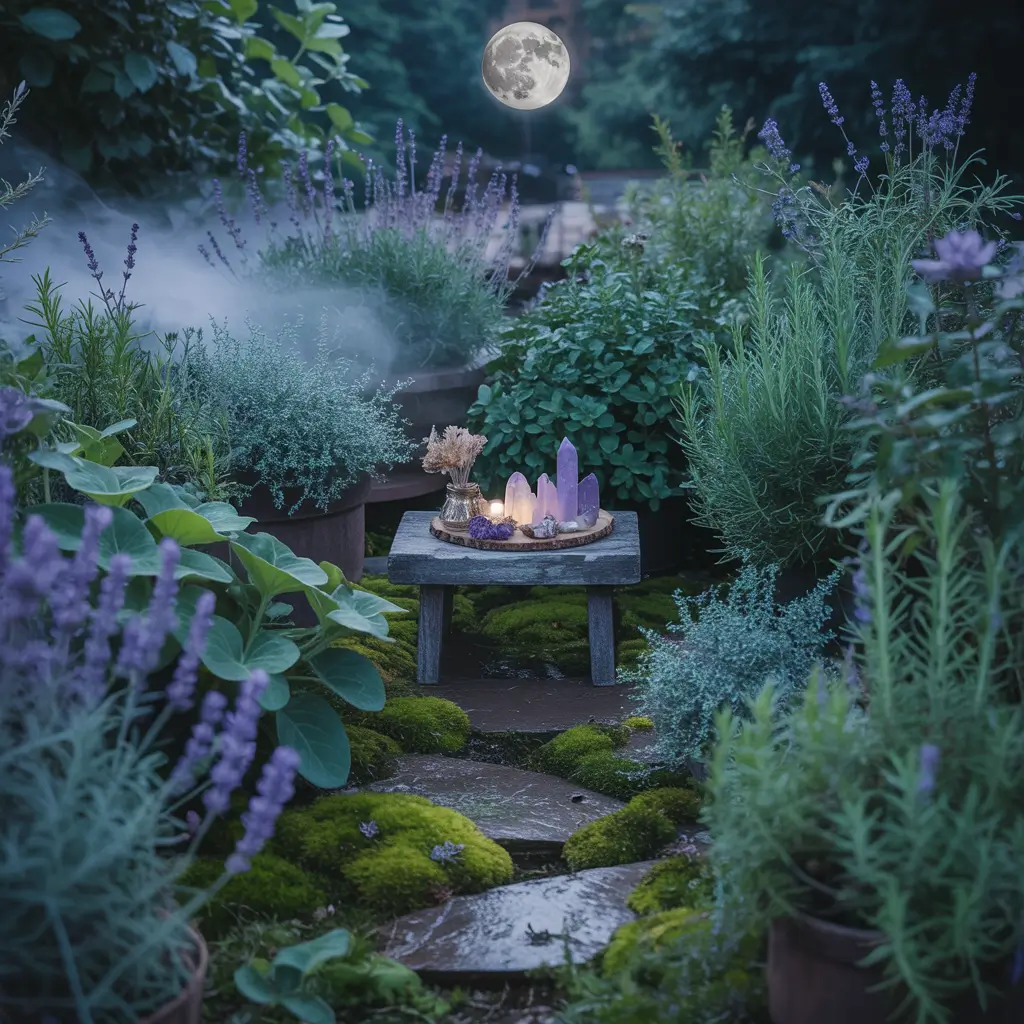
Picture this: stepping into your garden at night and being greeted by silvery herbs that practically glow under moonlight. This design focuses on creating a dedicated herb space that looks absolutely magical when the sun goes down.
The Magic Behind the Design
I’ve found that certain herbs have this incredible ability to catch and reflect moonlight in the most enchanting way. Plants like silver artemisia, lamb’s ear, and white sage become these luminous focal points that transform your garden into something otherworldly. The trick is positioning these silvery beauties where they’ll catch the most natural light.
For the layout, consider creating curved pathways using pale gravel or white stones that lead to a central circular herb bed. This isn’t just about aesthetics – the circular design has deep symbolic meaning in many magical traditions, representing cycles and wholeness. Plus, it makes harvesting your herbs super convenient.
Plant Selection That Actually Works
Here’s what I’ve learned works best for this design:
- Moonwort and evening primrose for plants that literally open at night
- White lavender and silver thyme for that silvery, ethereal look
- Mugwort because, come on, the name alone is perfect for a witch garden
- Night-blooming jasmine for incredible fragrance that draws you outside after dark
Pro tip: Add some solar-powered string lights with warm white bulbs woven through taller herbs. They’ll provide just enough illumination without killing that mysterious moonlit vibe.
Dark Cottagecore Enchanted Garden Pathway
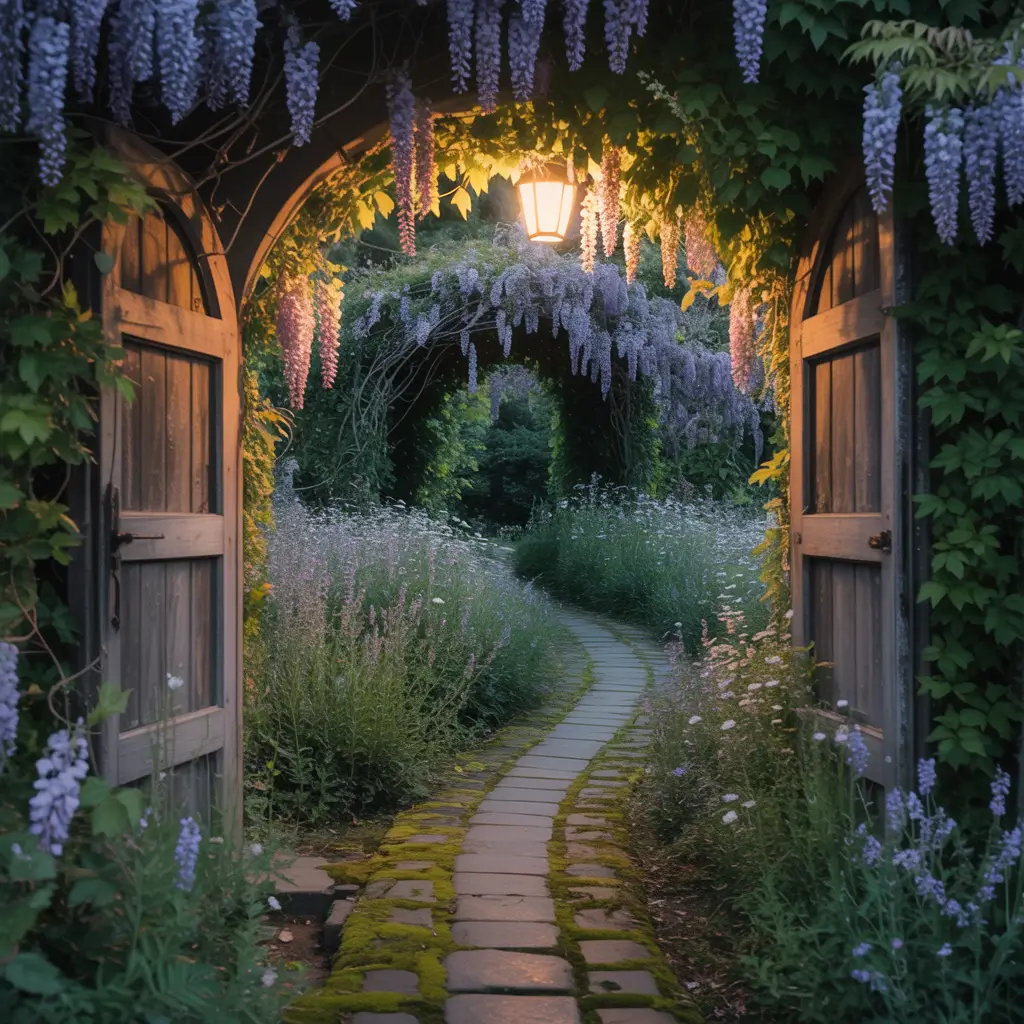
Ever wanted to feel like you’re wandering through a mystical forest every time you walk to your mailbox? This design combines the cozy cottage aesthetic with darker, more mysterious elements that’ll make your neighbors wonder if you’ve got some magical secrets.
Creating the Perfect Moody Path
The key to nailing this look is layering textures and heights while keeping things slightly wild and overgrown. I’m talking about letting certain plants spill over your pathway, creating that “barely maintained by forest spirits” vibe that’s so Instagram-worthy.
Start with a pathway made from irregular flagstones or reclaimed brick – nothing too perfect or modern. Then, plant dark purple heuchera, black hollyhocks, and deep burgundy astilbe along the edges. These plants create natural borders while maintaining that cottage garden charm with a gothic twist.
The Plants That Make It Work
- Black petunias and chocolate cosmos for drama
- Purple sage and dark opal basil for both beauty and kitchen use
- Foxgloves in deep purples (just remember they’re toxic if you have pets)
- Black-eyed Susans because irony is everything
What really makes this pathway special is adding unexpected elements like an old iron gate covered in dark ivy, or vintage lanterns hanging from shepherd’s hooks. These details transform a simple walkway into something that feels like it has centuries of stories to tell.
Crystal Circle Ritual Garden Design
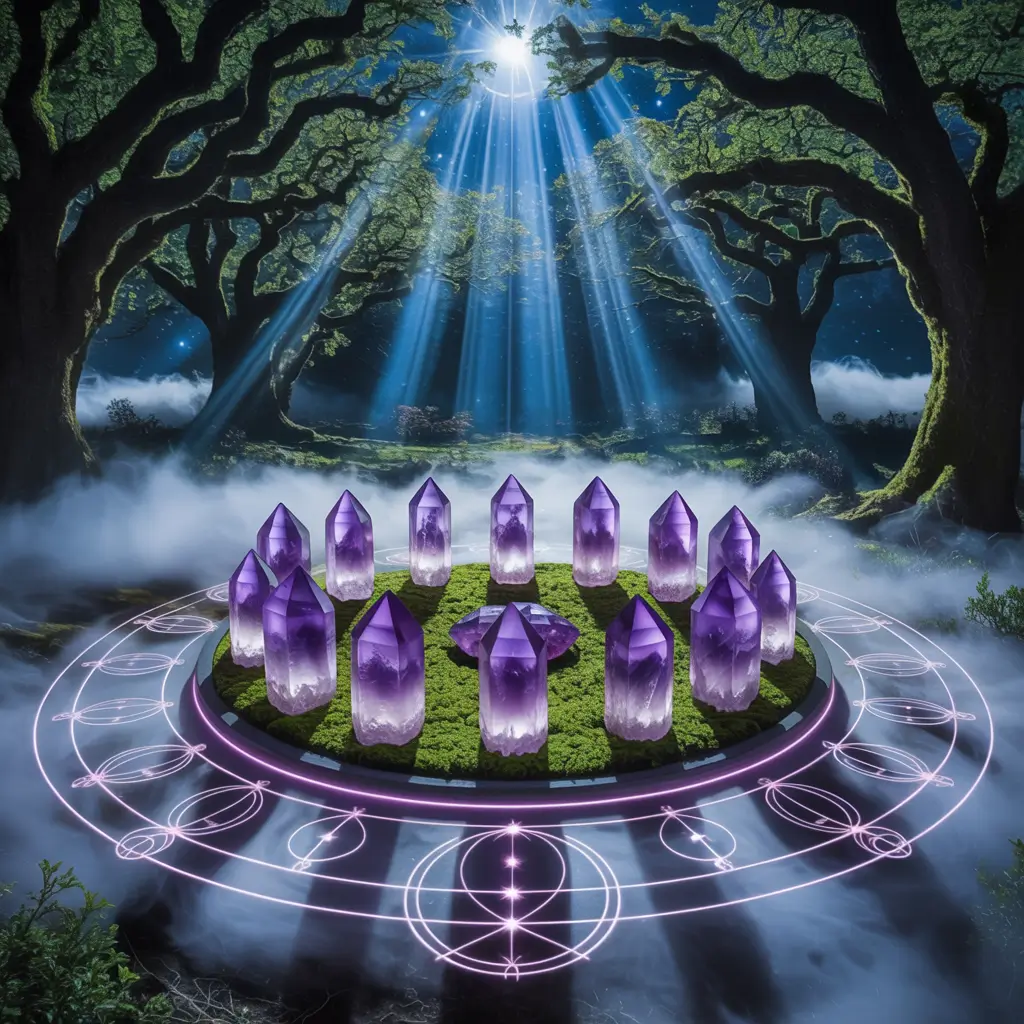
Now we’re getting into the really fun stuff. This design is for those who want to incorporate actual ritual space into their garden planning. You don’t have to practice witchcraft to appreciate the beauty of a well-designed circular garden space – it’s just good design sense with some mystical flair.
Building Your Sacred Circle
I’ve experimented with different materials for creating the actual circle, and honestly, natural stones work best. They weather beautifully, feel authentic, and you can often find them locally (or “borrow” them from your next hiking trip – kidding! Sort of. 🙂 ).
The circle should be large enough to comfortably fit a few people if you plan to use it for gatherings, but even a smaller 6-foot diameter works for personal meditation or just because it looks cool. Inside the circle, consider four distinct planting areas that correspond to the elements or seasons.
Strategic Plant Placement
Each quadrant can represent different magical or seasonal themes:
- North quadrant: Earth-element plants like moss, ferns, and grounding herbs like patchouli
- East quadrant: Air-element plants with feathery textures like grasses and lavender
- South quadrant: Fire-element plants in reds and oranges like marigolds and red sage
- West quadrant: Water-element plants like blue lobelia and water-loving herbs
The center can house a small fire bowl, water feature, or even just a beautiful piece of driftwood. FYI, I’ve found that keeping the center relatively simple prevents the whole thing from looking cluttered.
Also Read: 10 Elegant Formal Garden Design Ideas for Luxury Space
Mystical Lavender Moon Phase Garden
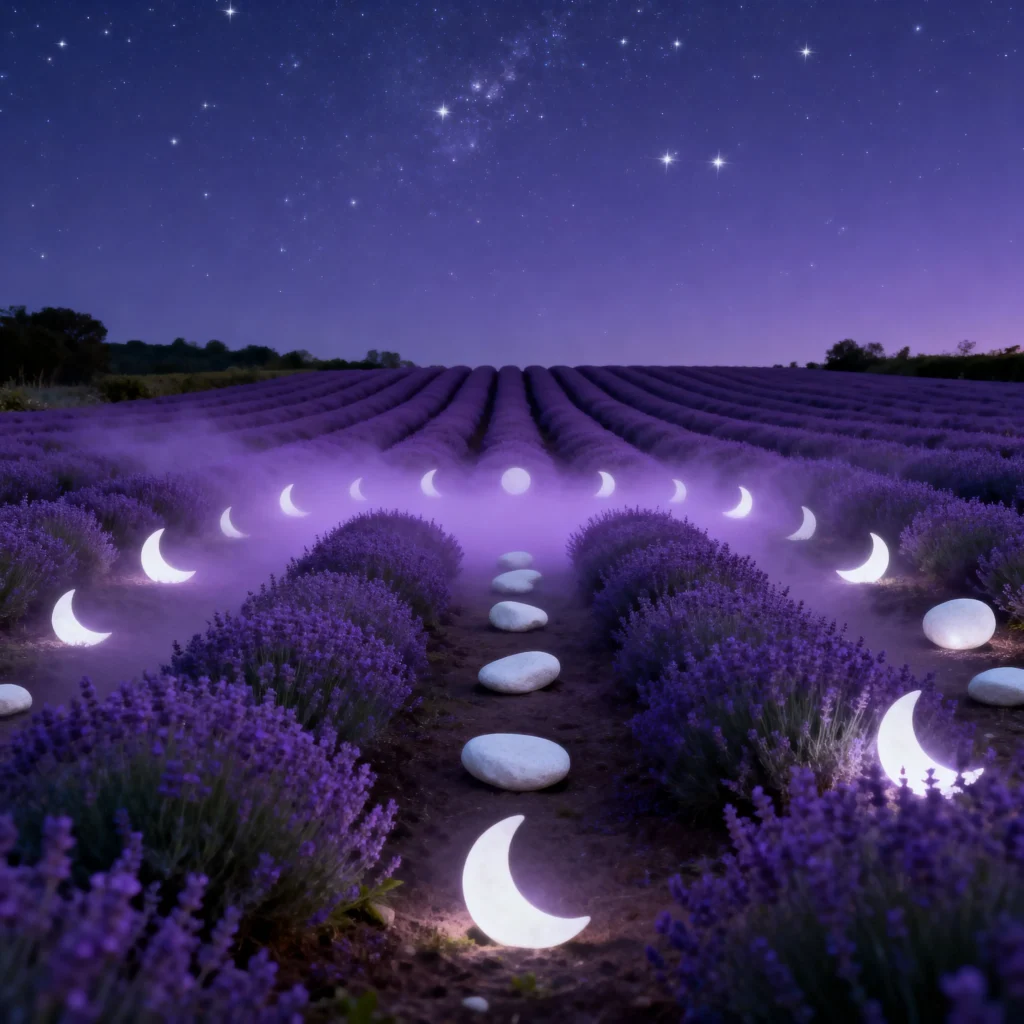
This design takes the classic lavender garden and gives it a celestial twist that’ll make you want to spend every clear night stargazing. The concept revolves around planting lavender in patterns that represent different moon phases – it’s both beautiful and surprisingly meditative to maintain.
Designing Your Lunar Landscape
The trick here is using different varieties of lavender to create varying heights and colors that mimic the progression of moon phases. Start with a large circular bed and divide it into crescents and circles using different lavender types.
French lavender works great for the “new moon” sections because of its compact, dark green foliage. English lavender creates perfect “full moon” areas with its silvery leaves and classic purple blooms. For the crescent phases, try Spanish lavender with its distinctive rabbit-ear blooms.
Making It More Than Just Pretty
What I love about this design is how functional it becomes. Different lavender varieties bloom at slightly different times, so you get this amazing progression of color and fragrance throughout the growing season. Plus, you’ll have enough lavender to make sachets, teas, and homemade soaps for the next decade.
Add some white gravel pathways between the moon phase sections and maybe a comfortable bench positioned where you can see the actual moon rising. Trust me, there’s something magical about sitting in your lavender moon garden during an actual full moon – it’s like nature’s own aromatherapy session.
Poison Garden Inspired Witch Aesthetic Space
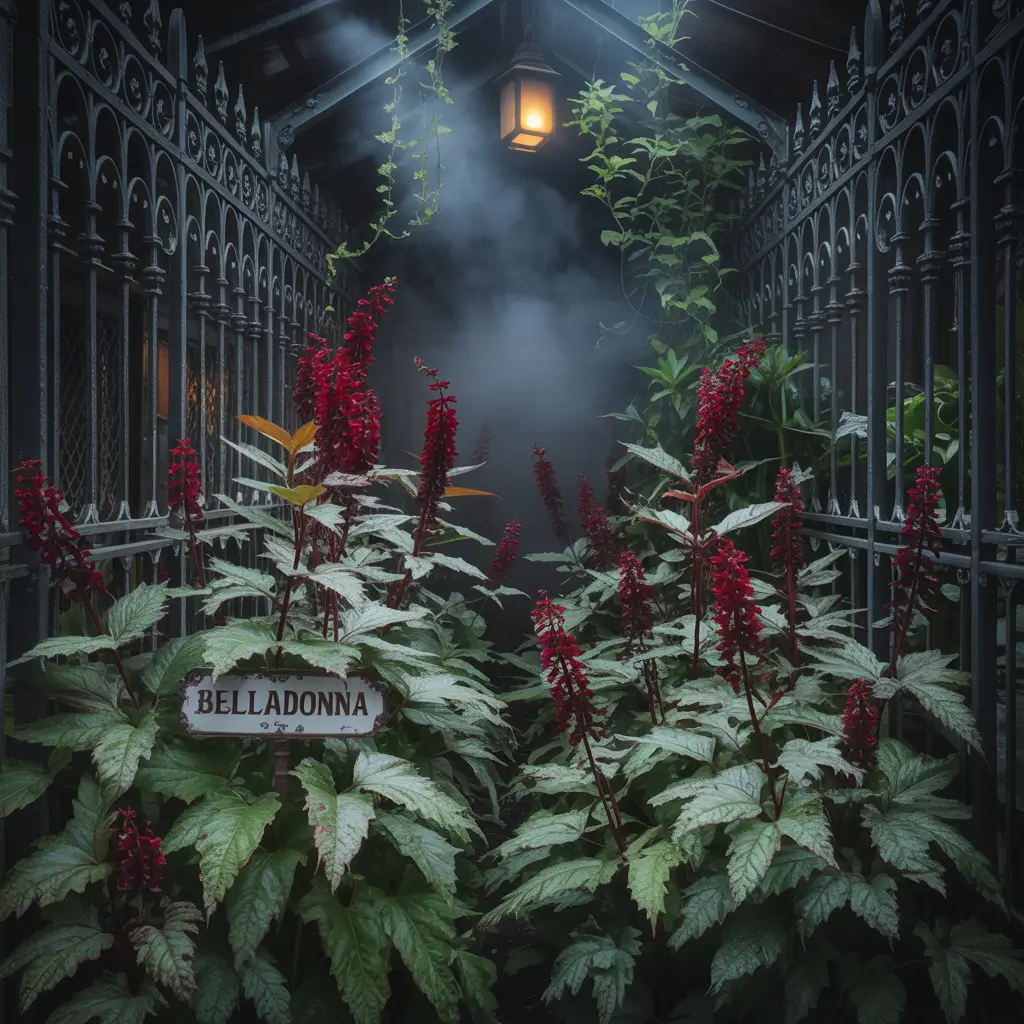
Before you panic – I’m not suggesting you actually grow deadly nightshade in your backyard (please don’t). This design is about capturing the dark, mysterious aesthetic of historical poison gardens while using plants that are beautiful, safe, and totally legal to grow.
The Dark Beauty Approach
This garden style focuses on plants with dramatic foliage, unusual flowers, and names that sound like they belong in a Harry Potter potion recipe. Think plants that look dangerous but are actually harmless garden varieties.
Black tulips, purple passion plant, and black pearl ornamental peppers give you that ominous vibe without any actual risk. Lamb’s ear (despite its innocent name) has this silvery, almost ghostly appearance that works perfectly for the aesthetic.
Safe Plants with Sinister Style
Here’s my go-to list for achieving the poison garden look safely:
- Black magic elephant ears for dramatic tropical vibes
- Purple ruffles basil because it’s gorgeous and you can cook with it
- Black-eyed Susan for flowers that sound more dangerous than they are
- Dusty miller for that perfect “mysterious herb” appearance
- Black petunias and burgundy coleus for rich, dark colors
IMO, the secret to making this work is adding some gothic garden accessories – think wrought iron plant markers with spooky plant names, dark wooden planting boxes, or even some strategically placed vintage glass bottles. It’s all about creating atmosphere while keeping things completely family-friendly.
Forest Witch Wildflower Secret Garden
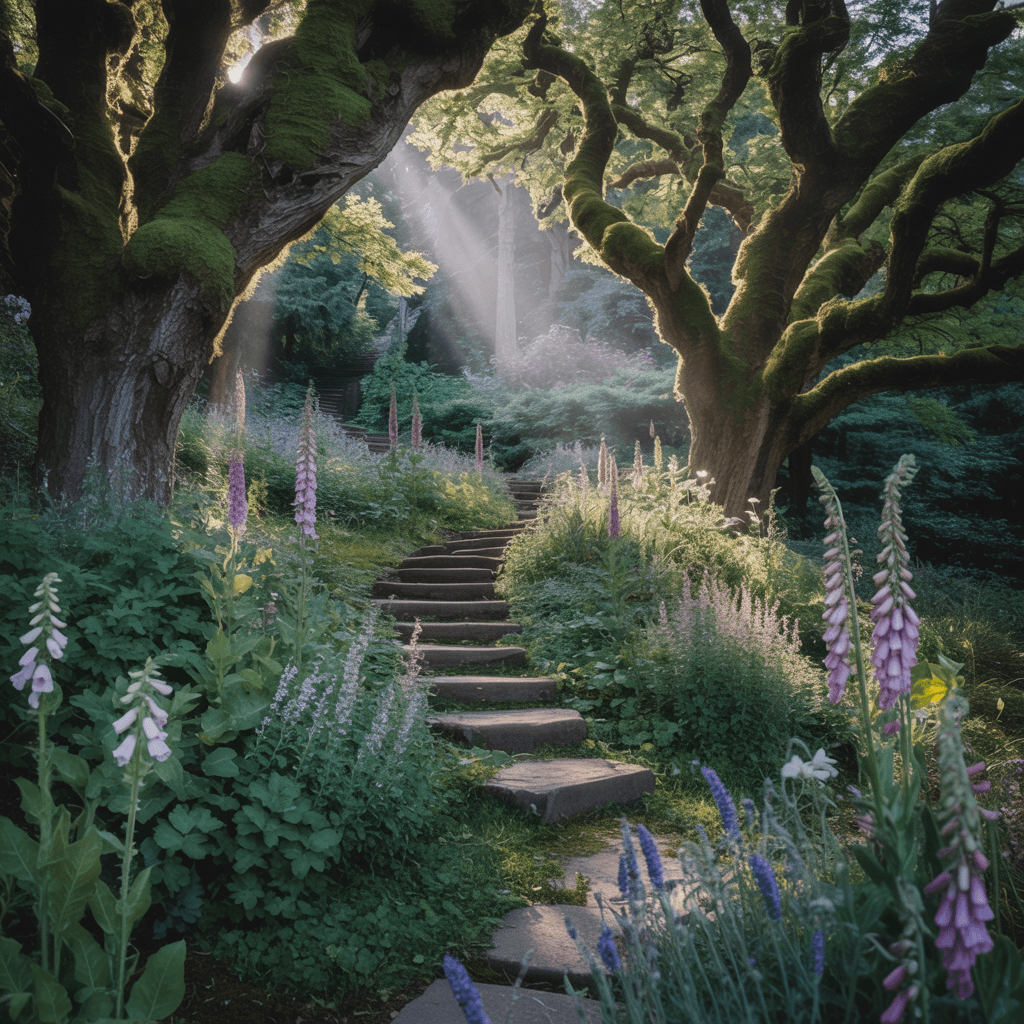
This design is for anyone who’s ever wanted their garden to look like it was planted by woodland fairies and maintained by a witch who definitely knows her way around medicinal herbs. It’s deliberately wild, naturalistic, and designed to attract every butterfly and beneficial insect in the neighborhood.
Embracing Beautiful Chaos
The forest witch aesthetic is all about working with nature rather than trying to control it. This means choosing native wildflowers, allowing plants to self-seed, and creating layers that mimic natural forest ecosystems.
Start with taller plants like purple coneflowers and wild bergamot as your “canopy” layer. Add medium-height plants like black-eyed Susans and wild columbine for the middle story. Ground-covering plants like wild ginger and creeping phlox fill in the forest floor.
The Secret to Natural-Looking Design
Here’s what I’ve learned about creating wildflower gardens that look genuinely wild: plant in drifts and odd numbers. Instead of spacing everything perfectly, cluster plants together the way they’d naturally grow. Let some areas be dense and others more sparse.
Native plants work best because they’re already adapted to your climate and soil. Plus, they’ll attract native pollinators, which adds to that magical “alive with creatures” feeling. Purple bee balm, wild lupine, and native asters are fantastic for creating that authentic woodland meadow vibe.
Add some natural elements like fallen logs for seating, moss-covered stones, or even a small fairy house tucked among the ferns. The goal is creating a space that feels like you discovered it rather than designed it.
Also Read; 10 Gorgeous Small Backyard Garden Design Ideas for Peaceful Retreats
Gothic Black Rose Witch Garden Corner
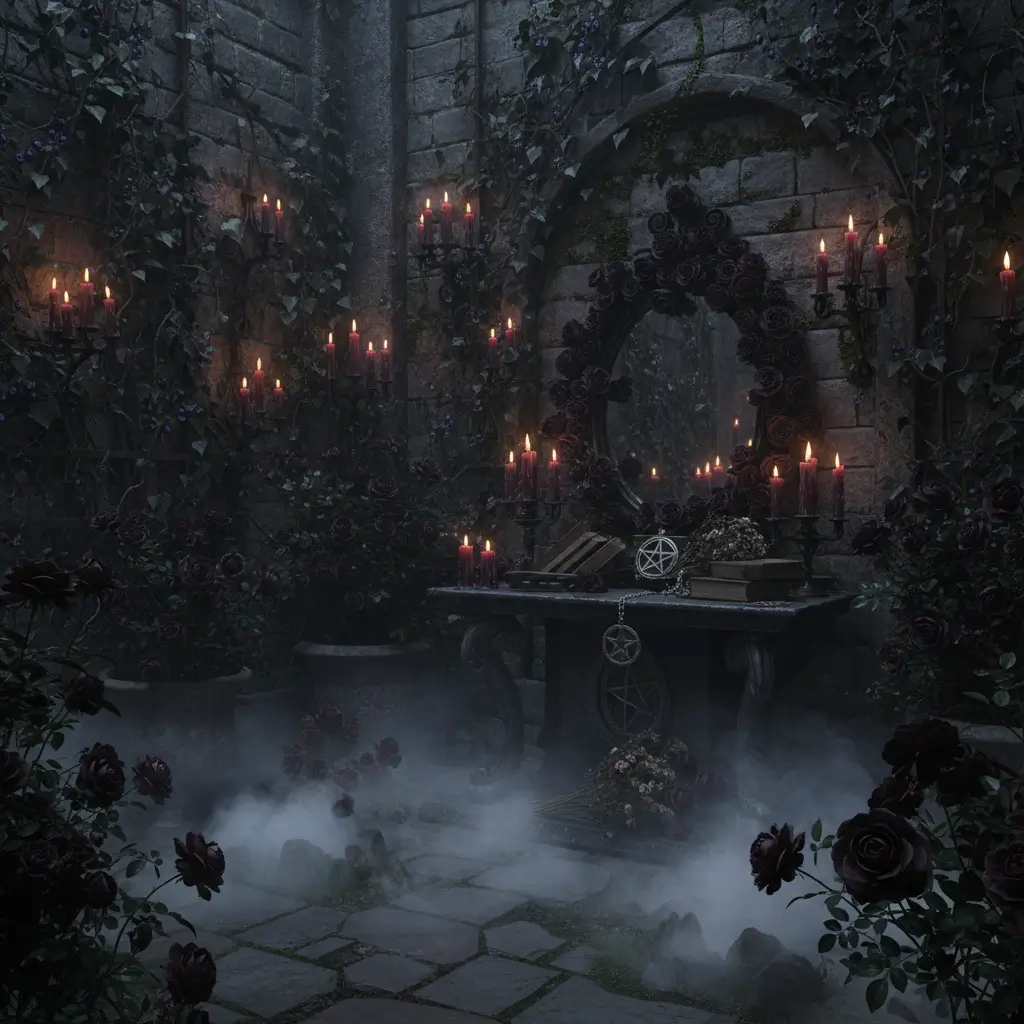
Let’s talk about the garden equivalent of wearing all black to a summer wedding – it’s dramatic, it’s gorgeous, and it definitely makes a statement. This design focuses on creating a dedicated corner or section that’s all about dark, romantic plants with serious gothic appeal.
Mastering the Dark Palette
Black roses are obviously the star here, but they’re not actually black – they’re deep, dark reds and purples that appear black in certain light. Black Baccara and Oklahoma roses are my favorites for achieving that almost-black look.
But roses alone don’t make a garden, so you’ll want to add supporting plants that enhance the gothic mood without competing for attention. Black hollyhocks provide dramatic height, while dark purple heuchera creates perfect ground cover with leaves that look almost black in shade.
Creating Layers of Drama
The trick to making this work is building in layers like you’re designing a really beautiful, plant-based Gothic novel:
- Back layer: Tall black hollyhocks and dark purple clematis on a trellis
- Middle layer: Your black roses and dark purple lavender
- Front layer: Black coral bells and dark purple sweet alyssum
- Accent layer: Black pansies and burgundy coleus for seasonal color
Add some wrought iron garden elements – an arbor, decorative stakes, or even just a black metal garden bench. The contrast between dark plants and dark metal creates this incredibly sophisticated look that’s dramatic without being over-the-top.
Celestial Stargazing Meditation Garden
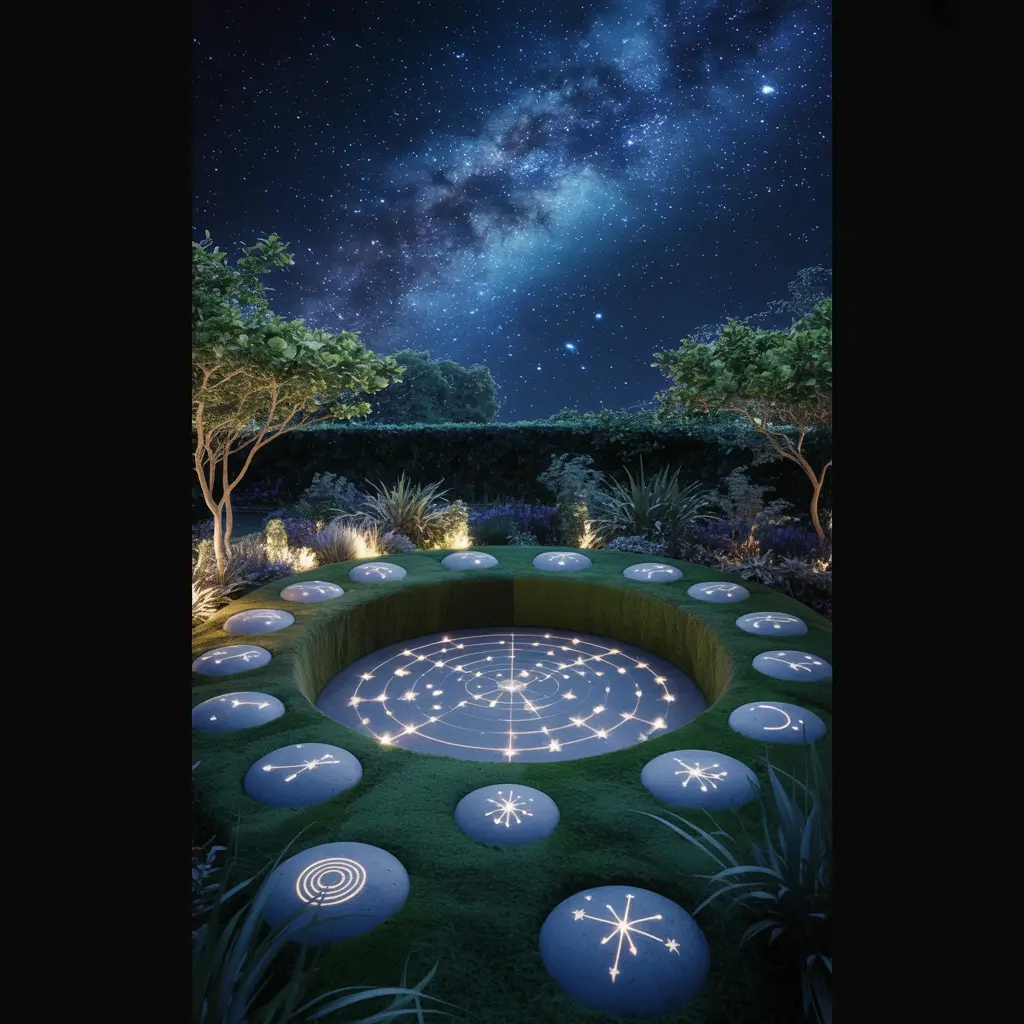
This design combines the practical need for a comfortable outdoor meditation space with the aesthetic appeal of celestial-themed plants and design elements. It’s perfect for anyone who wants their garden to feel connected to the cosmos.
Designing for Dual Purpose
The key is creating a space that’s beautiful during the day but truly magical at night. This means choosing plants that look good in moonlight and positioning seating where you’ll have the best view of the night sky.
White and silver plants work beautifully here – think white roses, silver artemisia, and white-flowering herbs like chamomile and white lavender. These plants practically glow under starlight and create a serene, otherworldly atmosphere perfect for meditation.
Practical Magic Elements
Your seating area should be positioned away from artificial light sources and surrounded by plants that won’t tower over you when you’re sitting. Low-growing white sweet alyssum and silver sage create beautiful borders without blocking your sky view.
Consider adding a small water feature – the sound of trickling water enhances meditation and the reflection of stars in water adds to the celestial theme. Solar-powered lights along pathways help with safety while maintaining the natural night atmosphere.
Plant choices that enhance the experience:
- Night-blooming cereus for rare, spectacular nighttime blooms
- Four o’clocks that open in late afternoon
- Evening primrose for gentle fragrance
- White moonflowers that bloom only at night
Herbal Apothecary Witch Garden Setup
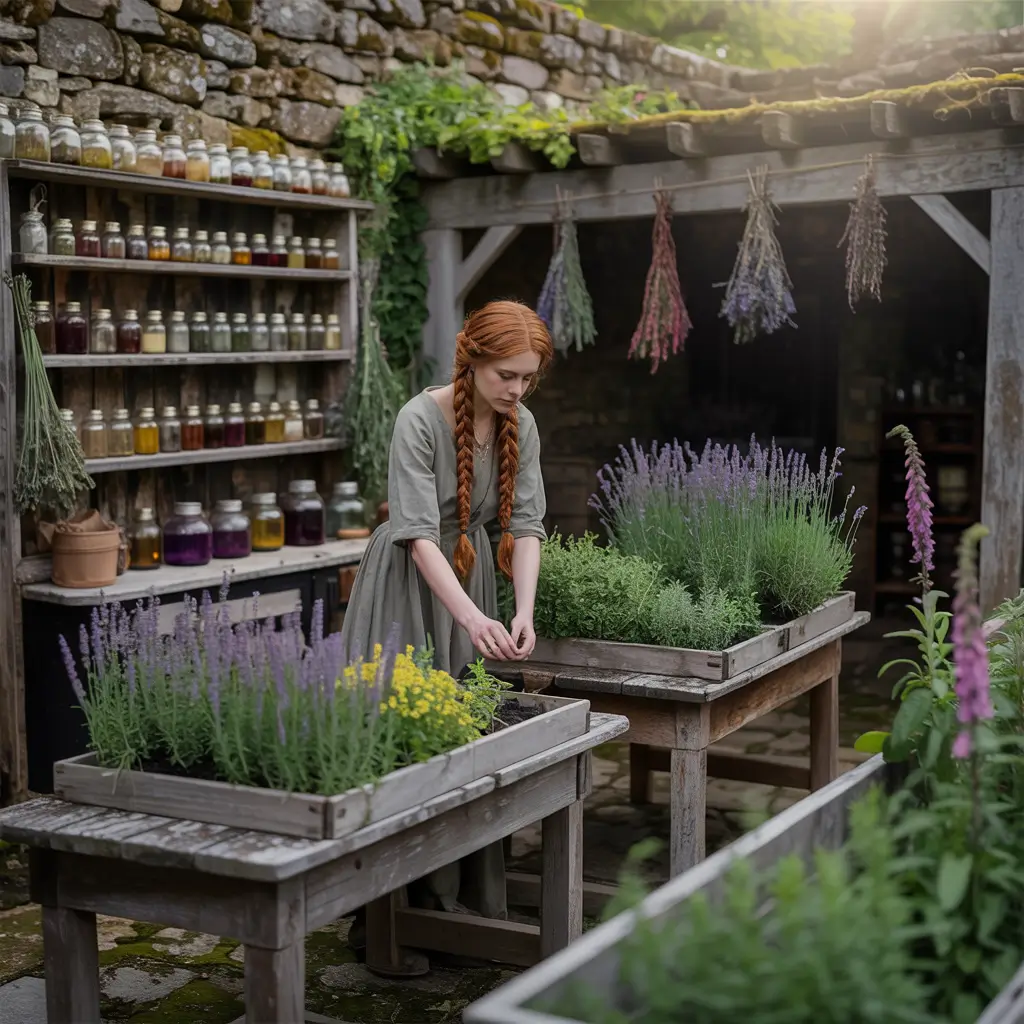
Now we’re getting into the really practical stuff. This design is all about creating a beautiful, functional space for growing medicinal and culinary herbs while maintaining that witchy aesthetic we’re all after.
Organized Chaos That Actually Works
The secret to a good apothecary garden is organization that doesn’t look organized. You want easy access to your herbs for harvesting, but you also want the whole thing to look magical and abundant rather than like a commercial farm.
I like to group herbs by use rather than botanical family. Keep your culinary herbs like rosemary, thyme, and oregano closest to the house for easy cooking access. Position medicinal herbs like echinacea, calendula, and comfrey in a dedicated section where you can tend and harvest them regularly.
Making It Look Professional
Here’s what elevates an herb garden from “random plants scattered around” to “legitimate witch apothecary”:
- Proper plant labels made from slate, wood, or metal with both common and botanical names
- Dedicated drying areas like a small pergola with hooks for hanging herb bundles
- Storage solutions integrated into the design – like weatherproof containers for harvested herbs
- A work surface such as a potting bench where you can process your harvest
Essential herbs that look and work great:
- Purple sage for beauty and culinary use
- Lemon balm for tea and its incredible fragrance
- Calendula for healing salves and gorgeous orange flowers
- Lavender for relaxation, cooking, and pest control
- Rosemary for memory, cooking, and year-round structure
Also Read: 10 Creative Cactus Garden Design Ideas for Stylish Spaces
Enchanted Candlelit Garden Nook
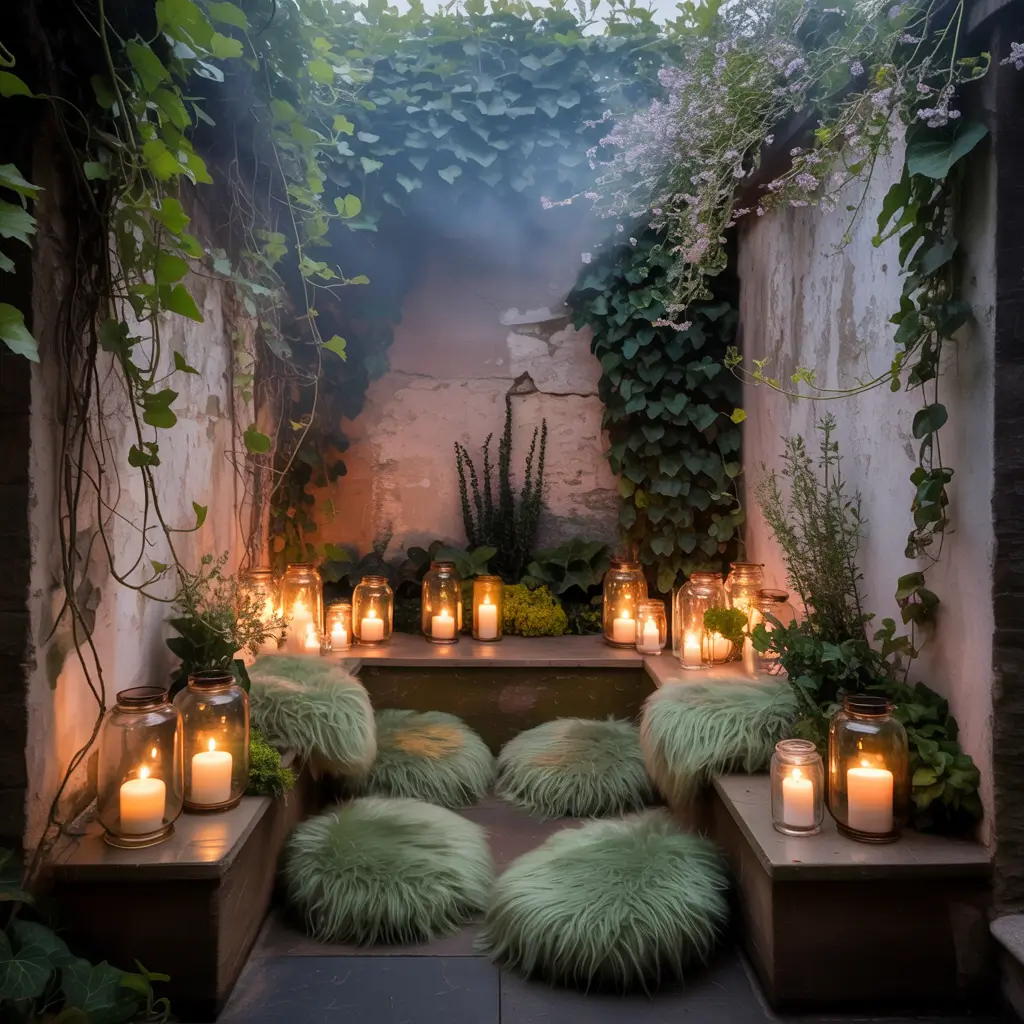
This final design is all about creating an intimate outdoor space that feels magical from the moment you step into it. It’s smaller in scale than some of the other ideas, making it perfect for apartment balconies, small yards, or as a special corner within a larger garden.
Creating Intimate Magic
The goal here is intimacy and atmosphere. You want a space that feels separate from the everyday world – somewhere you can escape with a cup of tea and a good book, or have quiet conversations under the stars.
Enclosed spaces work best for this feeling. Use tall plants like purple fountain grass or black bamboo to create natural walls. Add climbing vines on trellises or arbors for overhead coverage. Jasmine, moonflower, and night-blooming honeysuckle provide evening fragrance that enhances the magical atmosphere.
Lighting That Sets the Mood
Obviously, candles are the star here, but you need to think practically about wind protection and safety. Hurricane lanterns, enclosed candle holders, and battery-operated LED candles that flicker like real flames all work beautifully.
String lights with warm white bulbs create ambient lighting without overwhelming the intimate feel. Position them high enough to provide gentle illumination but low enough to create that cozy, enclosed feeling.
Plants that enhance the evening experience:
- Night-scented stock for incredible evening fragrance
- White nicotiana for tubular flowers that glow in candlelight
- Silver-leaved plants that catch and reflect soft light
- Low-growing herbs like chamomile that release fragrance when brushed against
Add comfortable seating – even just a few weatherproof cushions on a wooden bench – and you’ve got yourself a perfect little retreat that feels worlds away from whatever chaos is happening in the rest of your life.
The Bottom Line
Creating a witch garden isn’t about following rigid rules or spending a fortune on exotic plants. It’s about designing outdoor spaces that feel magical, purposeful, and authentically you. Whether you go full gothic drama with black roses or keep things subtle with a simple herb spiral, the most important thing is creating a space that makes you want to spend time outside.
Start small, experiment with what works in your climate and space, and remember that the most magical gardens are the ones that are actually used and enjoyed. Your plants don’t care if your aesthetic is perfectly curated – they just want good soil, appropriate light, and someone who notices when they need water.
So grab some seeds, get your hands dirty, and start creating your own little slice of garden magic. Trust me, there’s nothing quite like stepping into your own enchanted outdoor space after a long day.