10 Stunning Garden Design Ideas for Dream Outdoor Spaces

You know that feeling when you step outside and your backyard just… disappoints? Yeah, I’ve been there.
Staring at a patch of grass (or weeds, let’s be honest) and wondering how some people manage to create these Instagram-worthy outdoor sanctuaries while you’re stuck with what looks like nature’s equivalent of a blank canvas gone wrong.
Well, here’s the thing – creating an amazing garden doesn’t require a degree in landscape architecture or a trust fund.
After years of trial and error (and yes, killing more plants than I care to admit), I’ve figured out that good garden design is really about working with what you’ve got and making smart choices that fit your lifestyle.
Ready to transform your outdoor space? Let’s explore ten garden design ideas that range from “I have five bucks and a weekend” to “I want my neighbors to weep with envy.”
Minimalist Modern Backyard Garden Layout
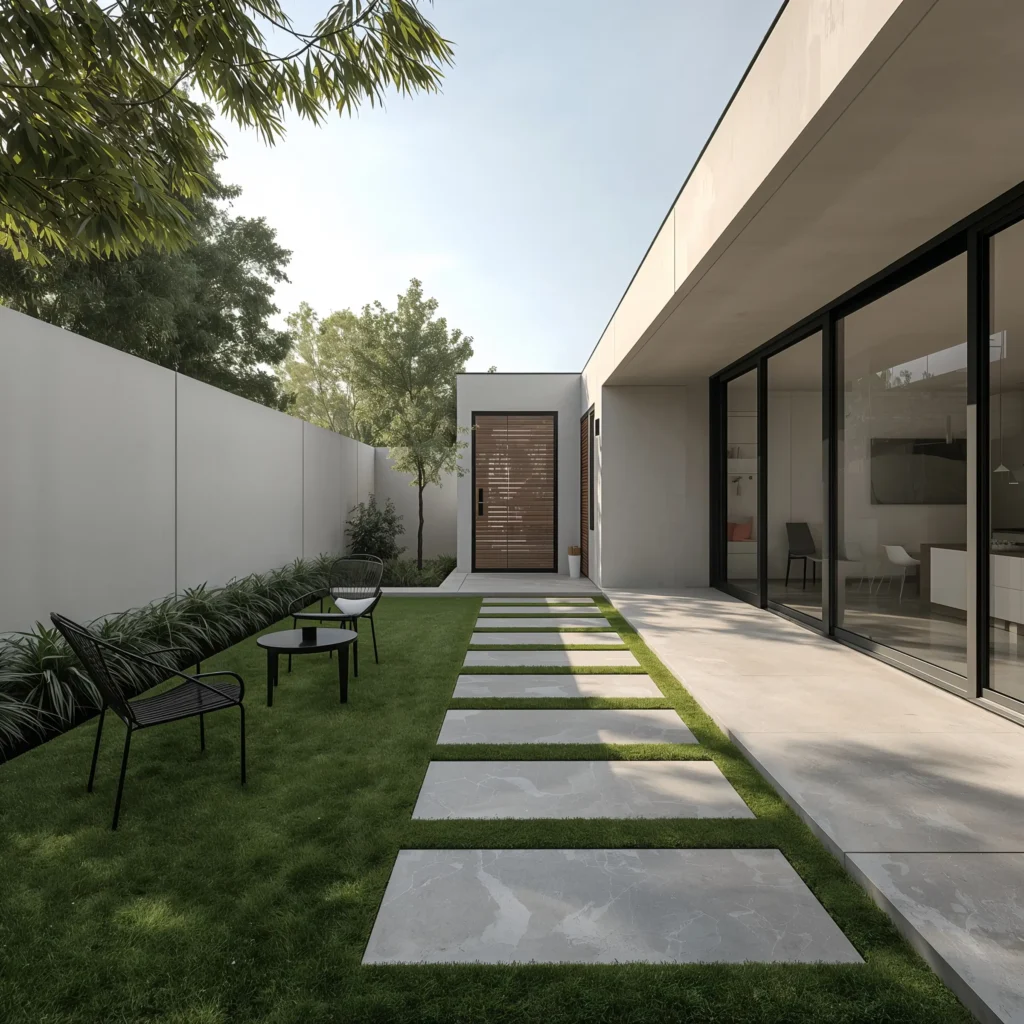
Ever notice how the most stunning gardens often have the least stuff in them? That’s minimalist design working its magic, and honestly, it’s perfect for those of us who don’t want to spend every weekend playing plant parent to a jungle.
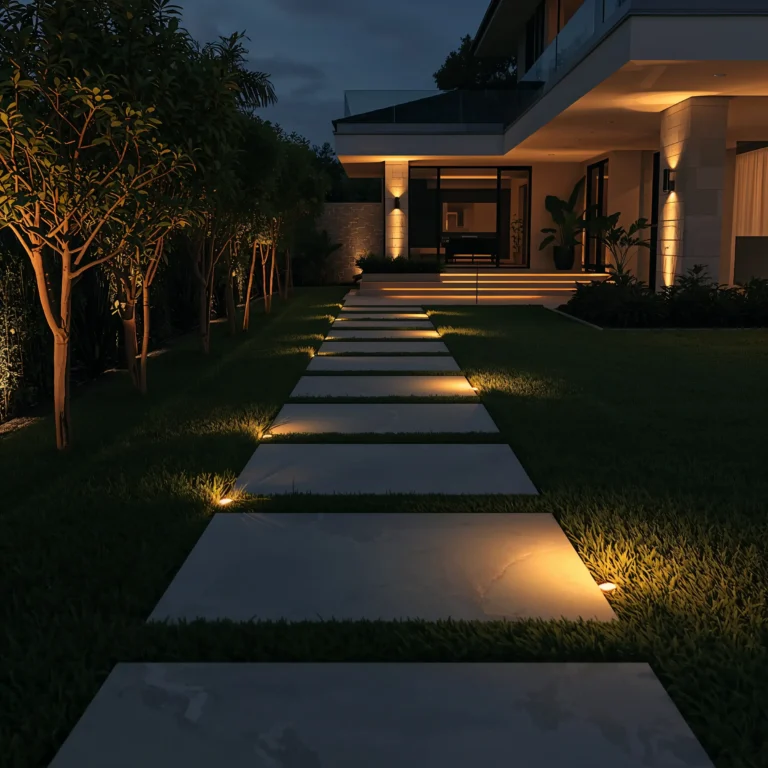
The beauty of a minimalist modern garden lies in its clean lines and purposeful simplicity. Think geometric raised beds, maybe some sleek concrete planters, and a carefully curated selection of plants that actually complement each other instead of competing for attention.
Key Elements That Make It Work
Start with structural plants like ornamental grasses, boxwood hedges, or architectural succulents. These become your backbone – plants that look good year-round without much fuss. Then add pops of color with seasonal flowers, but keep it restrained. Maybe three types of plants max in any given area.
Hardscaping is your friend here. Clean gravel paths, modern metal edging, or simple wooden decking can define spaces without cluttering them. And here’s a pro tip I learned the hard way: negative space (aka empty areas) is just as important as the planted ones. Your garden needs room to breathe.
The maintenance factor? Chef’s kiss – minimal. You’re basically creating a garden that looks intentional even when you forget to water it for a week. IMO, that’s winning at life right there.
Small Space Vertical Garden Wall Design
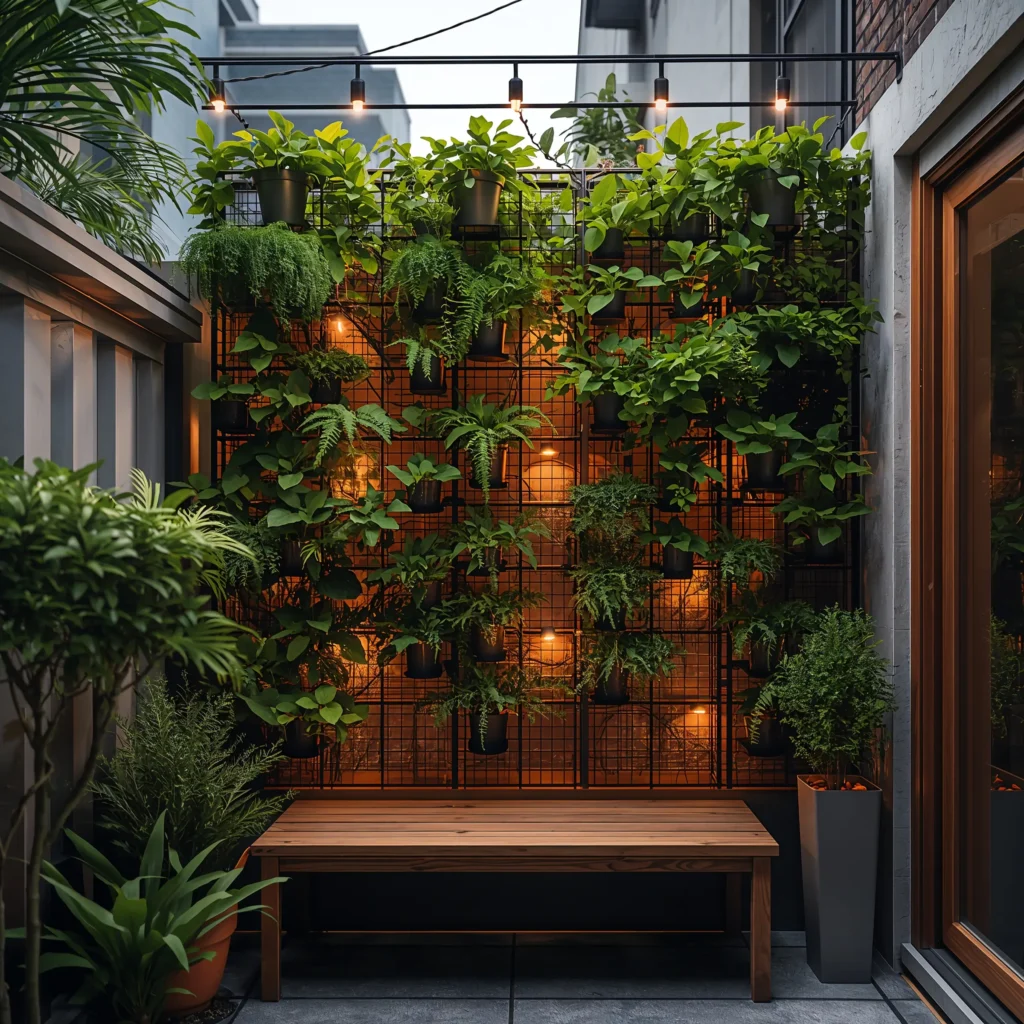
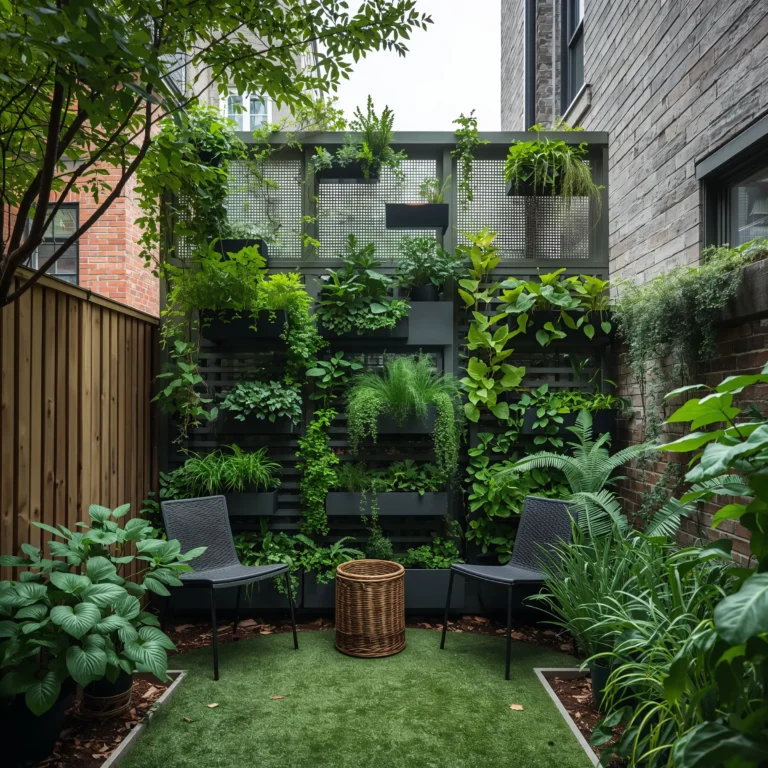
Small backyard? Tiny balcony? No problem! When you can’t grow out, you grow up. Vertical gardens are like the bunk beds of the plant world – maximizing space while looking absolutely brilliant.
I remember my first apartment had this sad little concrete balcony that got decent morning sun. Instead of accepting defeat, I went vertical with a trellis system and suddenly had herbs, flowers, and even some trailing tomatoes. My neighbors went from “oh, that’s cute” to “how did you DO that?”
Creating Your Vertical Masterpiece
Living walls don’t have to be complicated. You can start with something as simple as pocket planters hung on a fence or go all out with a modular green wall system. The key is choosing the right plants – ones that actually want to grow vertically.
Try these vertical superstars:
- Trailing plants like pothos or string of pearls for dramatic cascades
- Compact herbs that you’ll actually use (hello, fresh basil!)
- Air plants for those “how is that even alive?” moments
- Climbing vegetables like peas or beans that give you dinner and privacy
Irrigation is crucial when you’re working vertically. Gravity is not always your friend here. Drip irrigation systems or self-watering planters can save you from the daily balancing act of watering overhead plants without drowning the ones below.
The best part? You can completely change the look by swapping out a few plants seasonally. It’s like redecorating, but cheaper and with better air quality.
Japanese Zen Garden with Stone Pathways
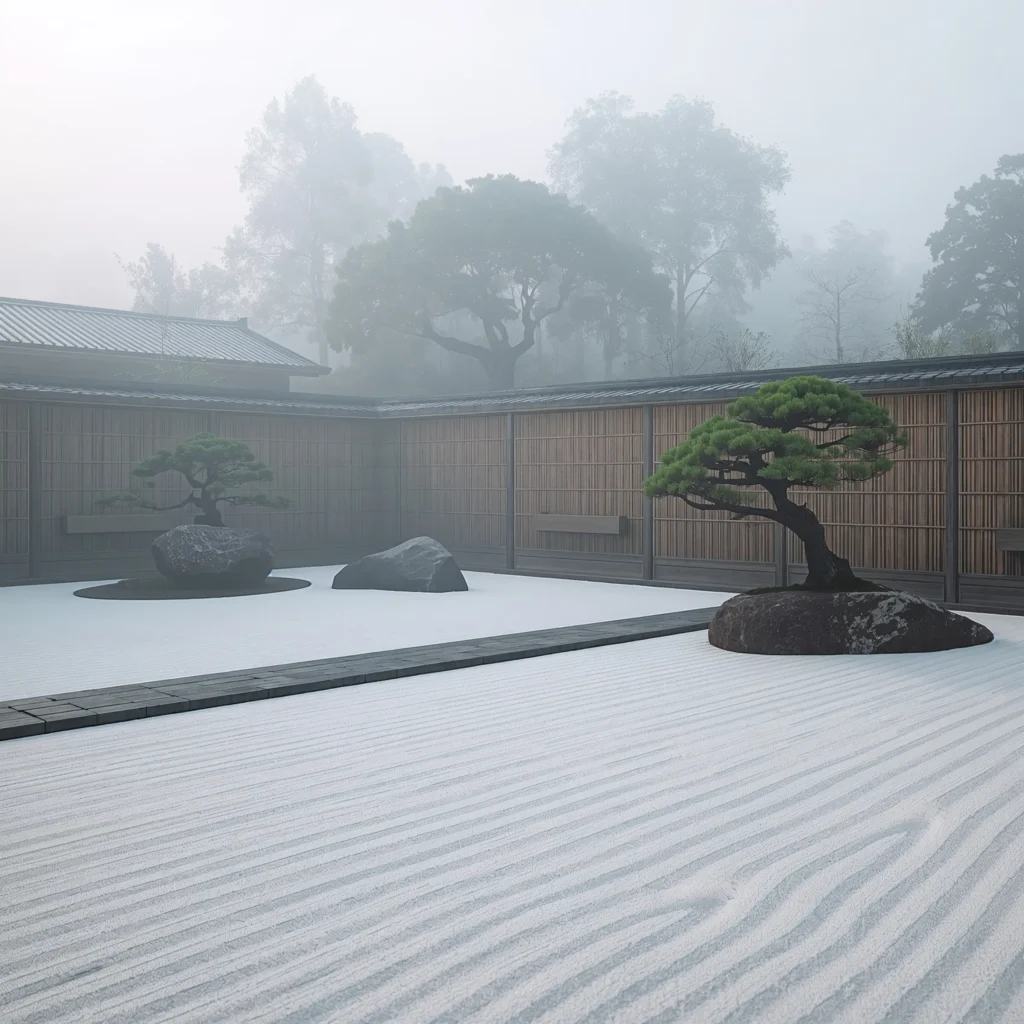
Want to create a space that makes you feel instantly calmer? A Japanese-inspired zen garden might be your answer. These gardens are all about balance, harmony, and the art of making “less” feel like “more.”
The philosophy behind zen gardens focuses on creating peaceful contemplation spaces. Every element has purpose, from the placement of stones to the curve of pathways. It’s garden design as meditation – which honestly sounds way more relaxing than my usual approach of “throw plants at dirt and hope something grows.”
Essential Zen Garden Components
Stone pathways are the backbone of this design. Use natural stepping stones or create a simple gravel path that curves gently through the space. The curve is important – straight lines feel too rigid for the zen vibe you’re after.
Plant selection focuses on texture and form over flashy colors. Think bamboo for movement and sound, Japanese maples for graceful structure, and moss for that soft, ancient feeling. Add some ornamental grasses that whisper in the breeze – trust me, it’s more soothing than any meditation app.
Water features don’t have to be elaborate. A simple bamboo fountain or even a strategically placed bowl that catches rainwater can add that peaceful water sound. And here’s something cool – even fake water features can work if you focus on the visual elements like smooth river rocks arranged thoughtfully.
The maintenance routine becomes part of the zen experience. Raking gravel, trimming plants mindfully, deadheading flowers – it’s garden therapy at its finest.
Also Read: 10 Inspiring Glass Wall Partition Design Ideas for Dream Homes
Budget-Friendly DIY Container Garden Setup
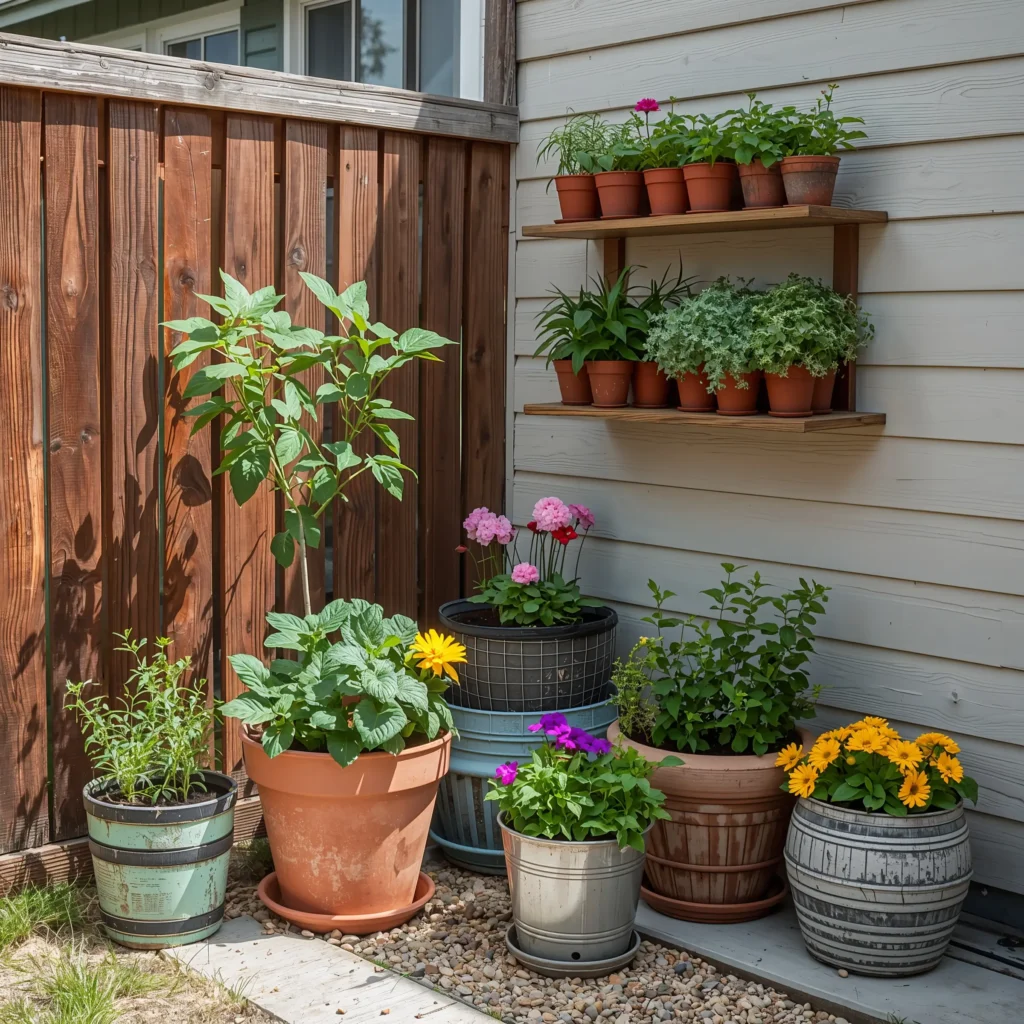
Let’s talk about container gardens – the ultimate solution for renters, beginners, and anyone who’s ever looked at their soil situation and thought “nope.” Container gardening gives you total control over your plants’ environment, plus you can literally take your garden with you if you move.
I started container gardening out of pure necessity (and a landlord who was very clear about not changing the landscaping). What began as a few pots on my patio turned into a serious addiction. The best part? You can create an amazing container garden for less than the cost of a fancy dinner out.
Smart Container Choices That Won’t Break the Bank
Repurposing is everything in budget container gardening. Old buckets, wooden crates, even large yogurt containers can work if you drill proper drainage holes. Hit up garage sales, check Facebook Marketplace, or sweet-talk your friends who are renovating – you’d be amazed what people throw away.
For drainage (which is absolutely critical), layer some gravel or broken pottery in the bottom before adding soil. This prevents your plants from drowning, which I learned after killing several promising herb gardens. Oops.
Soil strategy: Don’t fill huge containers entirely with potting mix – it’s expensive and heavy. Fill the bottom third with lightweight filler like empty plastic bottles or packing peanuts, then add landscape fabric before your soil layer.
Group containers of different heights and sizes for visual interest. Mix large statement plants with trailing varieties that spill over edges. Herbs are perfect for beginners – they’re forgiving, useful, and many varieties actually prefer slightly neglectful care.
Luxury Outdoor Patio Garden with Seating Area
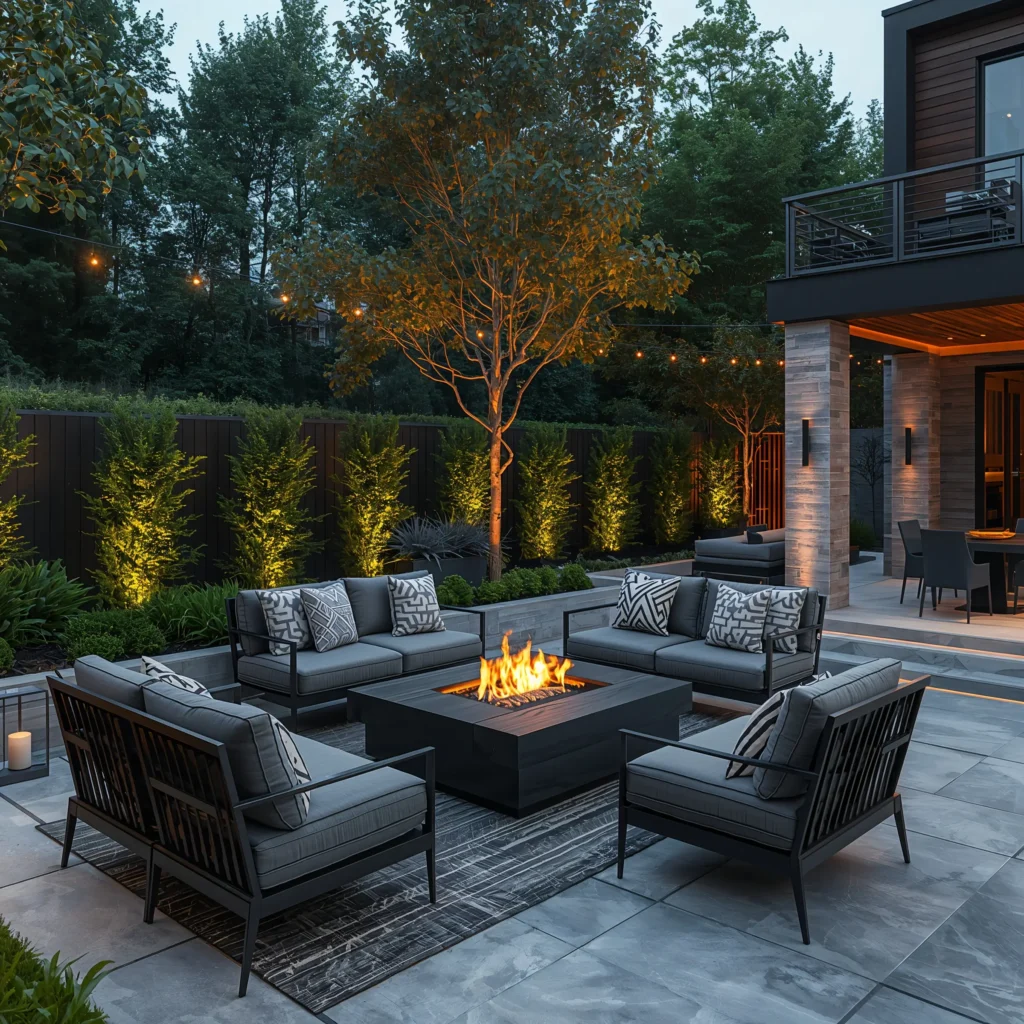
Ready to go all out? A luxury patio garden combines the best of outdoor living with serious plant game. This is where you create that indoor-outdoor flow that makes your space feel like a high-end resort (even if your budget is more “suburban weekend warrior”).
The goal here is creating multiple zones that work together seamlessly. You want dining areas, lounging spots, and planted areas that complement rather than compete with each other.
Creating Resort-Level Vibes
Outdoor furniture sets the tone, but don’t forget that plants can create natural room dividers and privacy screens. Large planters with architectural plants like bird of paradise or tall grasses can define spaces better than any fence.
Lighting transforms everything after dark. String lights are classic, but consider uplighting for dramatic plant shadows, pathway lights for safety and ambiance, and maybe some candles for that restaurant patio feel.
Material choices matter for that luxury look. Natural stone, quality hardwood, powder-coated metals – these materials age beautifully and give you that “money is no object” vibe even if you’re shopping smart and waiting for sales.
Plant selection should include year-round structure plants plus seasonal color. Large statement plants in beautiful containers become living sculptures. Think olive trees, Japanese maples, or well-shaped conifers as your anchor pieces.
Water features add that extra touch of luxury. Even a simple fountain creates ambiance and helps mask neighborhood noise. The sound of water instantly elevates any outdoor space from “nice patio” to “personal retreat.”
Tropical Green Garden with Dense Plant Layers
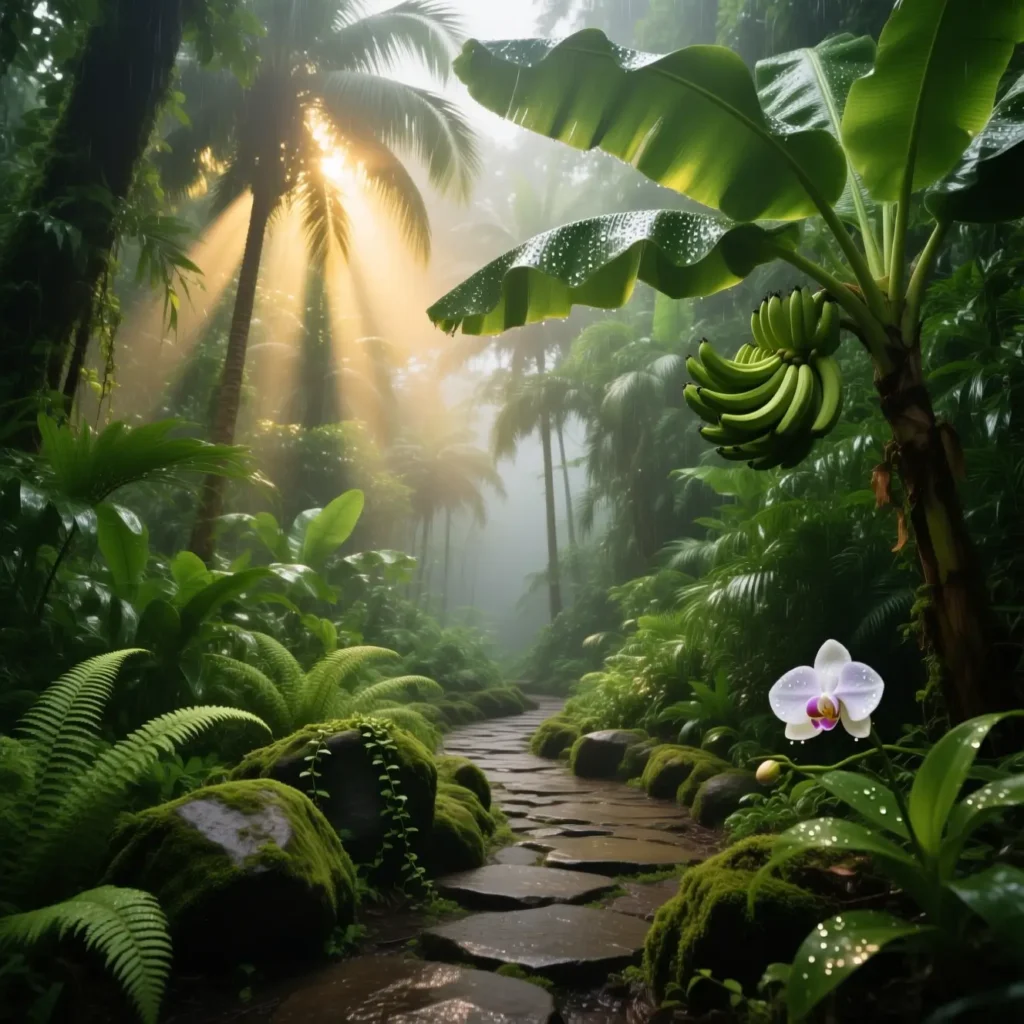
Want to feel like you’re vacationing in Costa Rica every time you step outside? A tropical-style garden brings that lush, jungle-like density that makes you forget you’re probably nowhere near the equator.
The secret to tropical garden design is layering – creating different levels of plants that work together to form a dense, green canopy effect. It’s organized chaos at its finest, and surprisingly achievable even in temperate climates if you choose the right plants.
Building Your Personal Jungle
Canopy plants form your top layer – think large-leafed beauties like banana plants, elephant ears, or if you’re in a warmer climate, actual palm trees. These create the dramatic backdrop that says “tropical paradise.”
Mid-level plants fill in the gaps with colorful foliage – crotons, coleus, caladiums, and flowering plants like hibiscus or bougainvillea. This layer provides the color and visual interest that keeps your eye engaged.
Ground cover and understory plants complete the effect. Ferns, begonias, and creeping plants fill every available space, creating that dense jungle floor feeling.
Texture mixing is crucial – combine broad leaves with fine foliage, smooth surfaces with textured ones. The goal is creating visual complexity that feels natural rather than designed.
For colder climates, many tropical plants work beautifully as annuals or can overwinter indoors. Honestly, having an excuse to bring some green friends inside for winter isn’t exactly a hardship 🙂
Also Read: 10 Elegant TV Partition Wall Interior Design Ideas for Stylish Spaces
Courtyard Garden Design with Water Feature
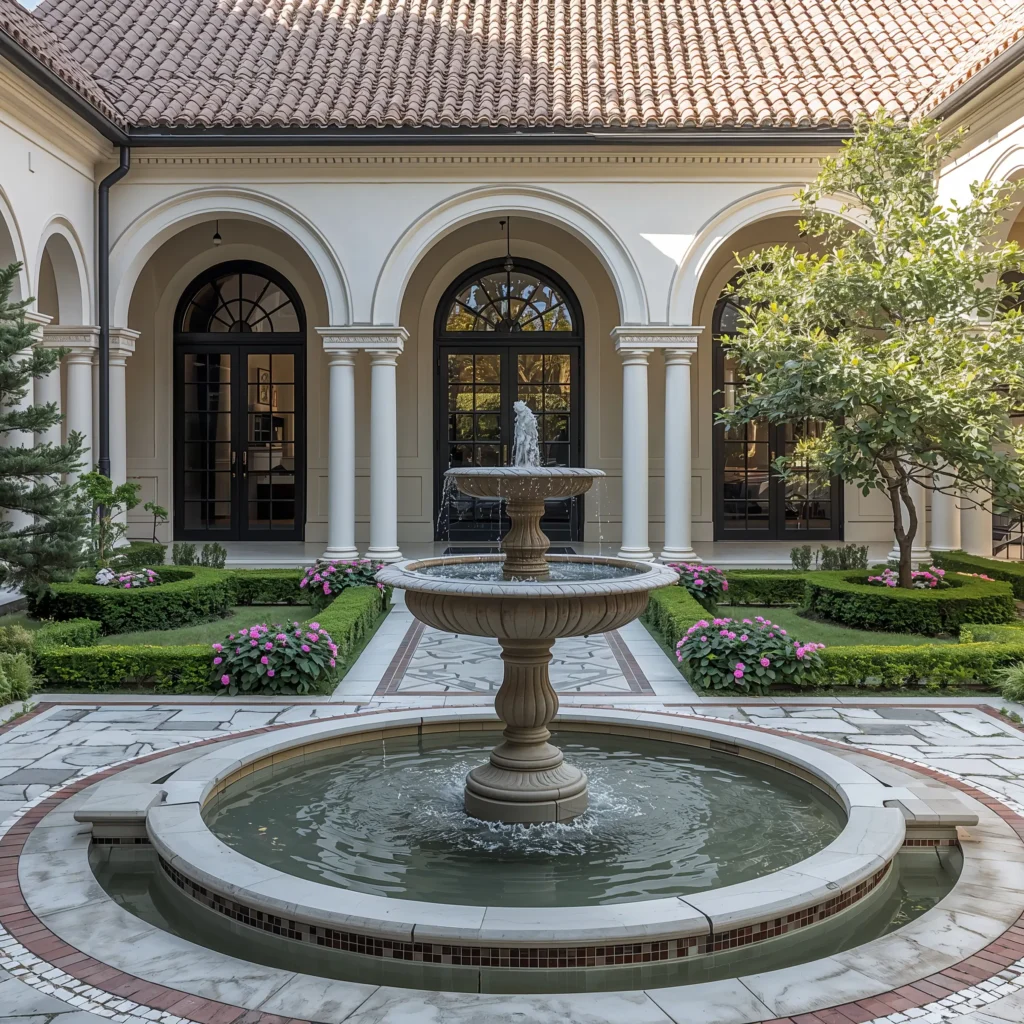
Courtyard gardens have this magical ability to create intimate, private spaces that feel completely separate from the outside world. Whether you’re working with an actual courtyard or just want to create that enclosed garden room feeling, the principles are the same – maximize privacy and create a focal point that draws you in.
The beauty of courtyard design lies in its contained nature. You’re creating a complete experience within defined boundaries, which actually makes design decisions easier because you have clear parameters to work within.
Designing Your Private Retreat
Vertical elements are essential for creating that enclosed feeling. Use tall plants, trellises with climbing vines, or even strategically placed mirrors to make the space feel larger while maintaining intimacy.
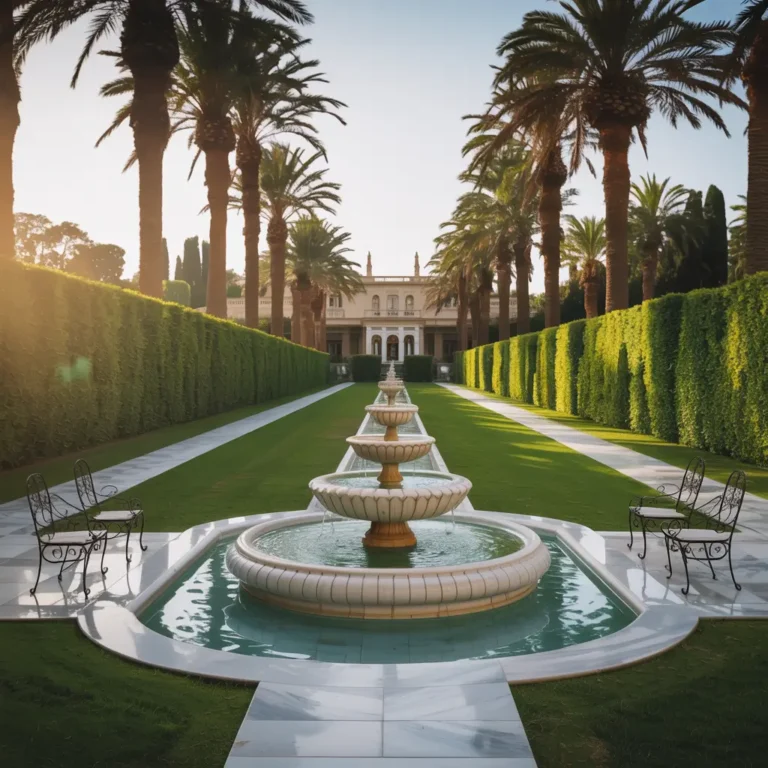
Water features work particularly well in courtyards because the walls help amplify sound. A simple fountain becomes much more impactful when its sound bounces softly off surrounding surfaces. Plus, the acoustic benefits help mask outside noise, enhancing that “private oasis” feeling.
Paving choices can make or break a courtyard garden. Natural stone, brick, or decorative concrete create different moods – choose materials that complement your home’s architecture while creating the atmosphere you want.
Seating placement should take advantage of the best views and most comfortable microclimates. A bench positioned to view your water feature, a chair tucked into a plant-surrounded nook, or a small table for morning coffee can transform a courtyard from pretty to functional.
Cottage Style Flower Garden with Natural Charm
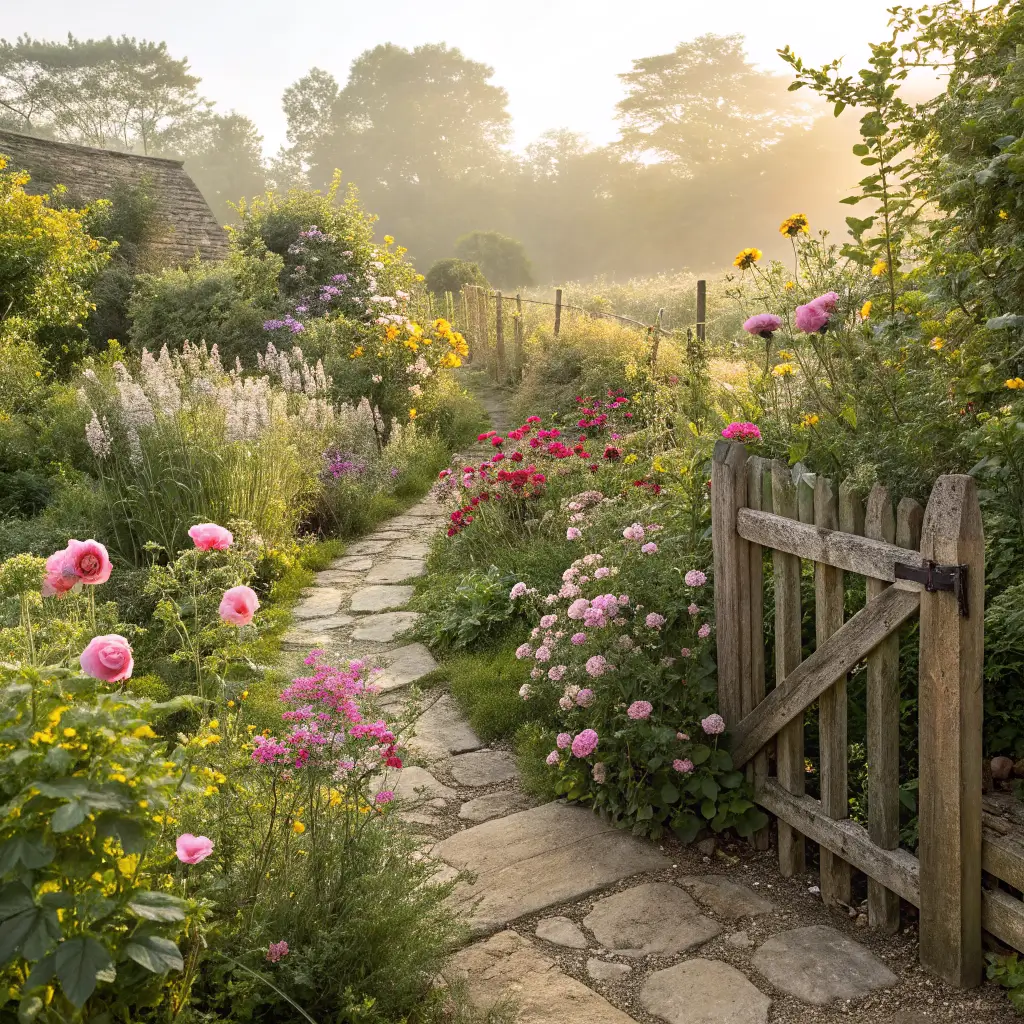
There’s something irresistibly charming about cottage gardens – that “effortless” abundance that looks like flowers just decided to grow exactly where they’d be happiest. Spoiler alert: achieving that natural look actually requires some planning, but the results are totally worth it.
Cottage gardens embrace the organized chaos philosophy. Plants spill over pathways, self-seed in unexpected places, and create layers of color and texture that change throughout the seasons. It’s gardening with a relaxed attitude that welcomes happy accidents.
Creating Controlled Chaos
Plant selection focuses on old-fashioned favorites that tend to be hardy and self-reliant. Roses (especially climbing varieties), lavender, delphiniums, hollyhocks, and cottage pinks form the backbone of this style.
Mixed plantings are key – vegetables nestled between flowers, herbs sprawling along pathways, fruit trees providing structure and shade. Everything has a purpose, but beauty comes first.
Pathways should feel organic, maybe slightly meandering, with plants allowed to soften hard edges. Gravel, brick, or stone work well, but the goal is integration with plantings rather than stark separation.
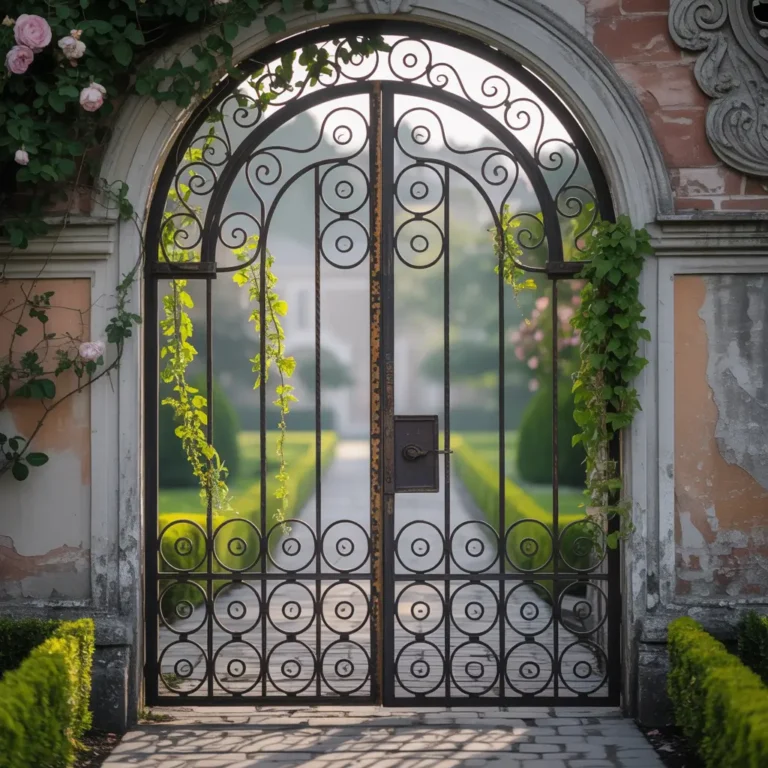
Structures like arbors, gates, or simple trellises add vertical interest and support for climbing plants. These elements should look like they’ve been there forever – weathered wood or aged metal fits the aesthetic perfectly.
The maintenance approach? Relaxed but regular. Deadheading, light pruning, and seasonal cleanup keep things healthy, but perfect edges and formal pruning would kill the cottage garden vibe entirely.
Rooftop Urban Garden with Relaxing Corner
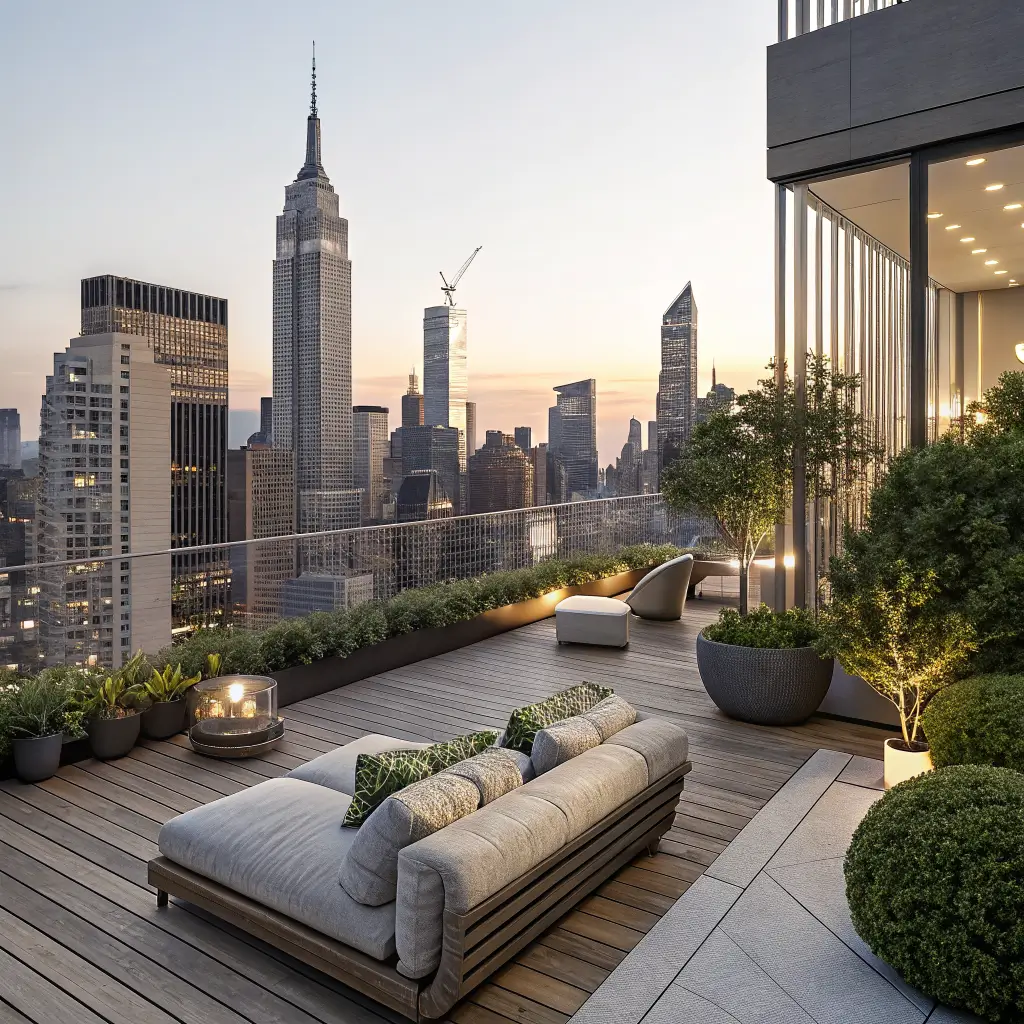
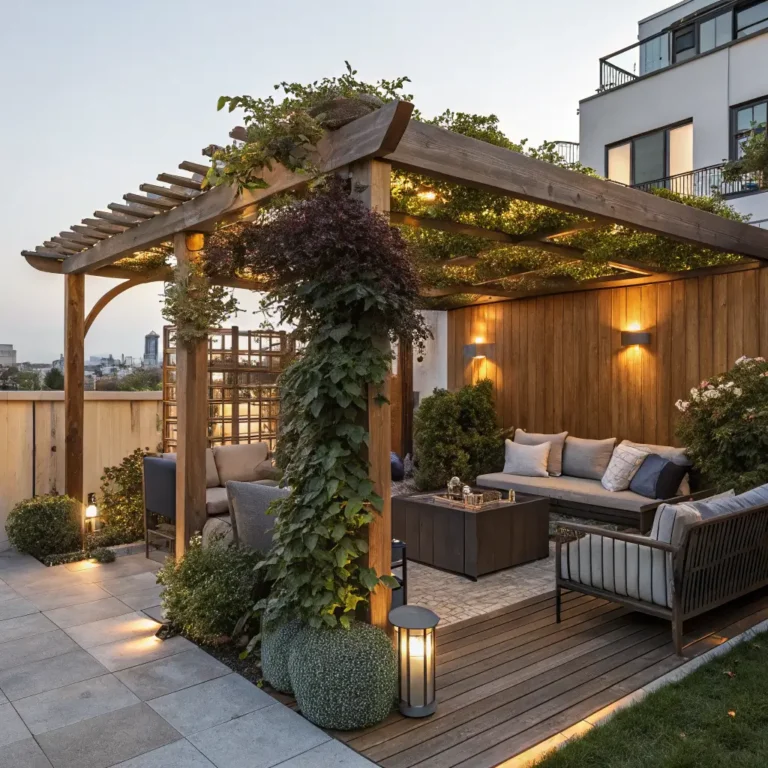
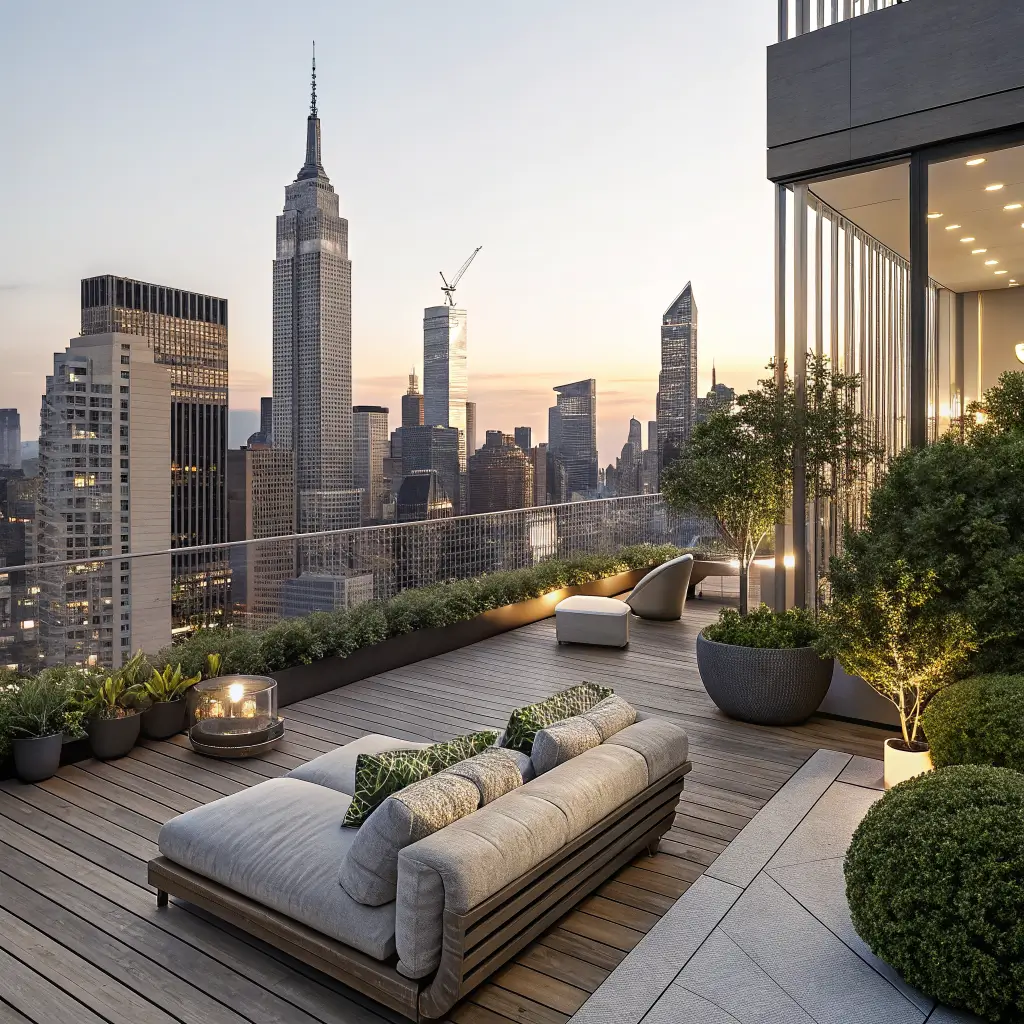
Rooftop gardens face unique challenges – wind, sun exposure, weight restrictions, and often limited water access – but the rewards include amazing views, complete privacy, and the satisfaction of creating green space where none existed before.
Urban rooftop gardening is all about working with constraints creatively. You’re essentially creating an outdoor room in the sky, which requires thinking about comfort, plant survival, and making the most of often spectacular views.
Conquering the Sky Garden Challenge
Wind protection is absolutely crucial. Nothing will kill your garden mood faster than being constantly buffeted by wind. Use screens, tall planters, or even temporary windbreaks to create calmer microclimates.
Container selection needs to consider weight restrictions (check with building management first!), drainage, and plant needs. Large, heavy containers actually work better because they resist wind better, but you need to balance size with safety.
Plant choices should be tough enough to handle exposure. Ornamental grasses, drought-tolerant perennials, and herbs often thrive in rooftop conditions. Avoid plants that need constantly moist soil unless you’re prepared for daily watering duty.
Comfort elements like weather-resistant seating, shade structures, or even outdoor rugs help create that “room” feeling that makes the space actually usable rather than just pretty to look at.
Irrigation planning saves your sanity during hot summer months. Drip irrigation systems or self-watering containers can mean the difference between a thriving garden and a daily watering marathon.
Also Read: 10 Amazing PVD Partition Design Ideas for Stylish Spaces
Desert Style Low-Maintenance Garden Design
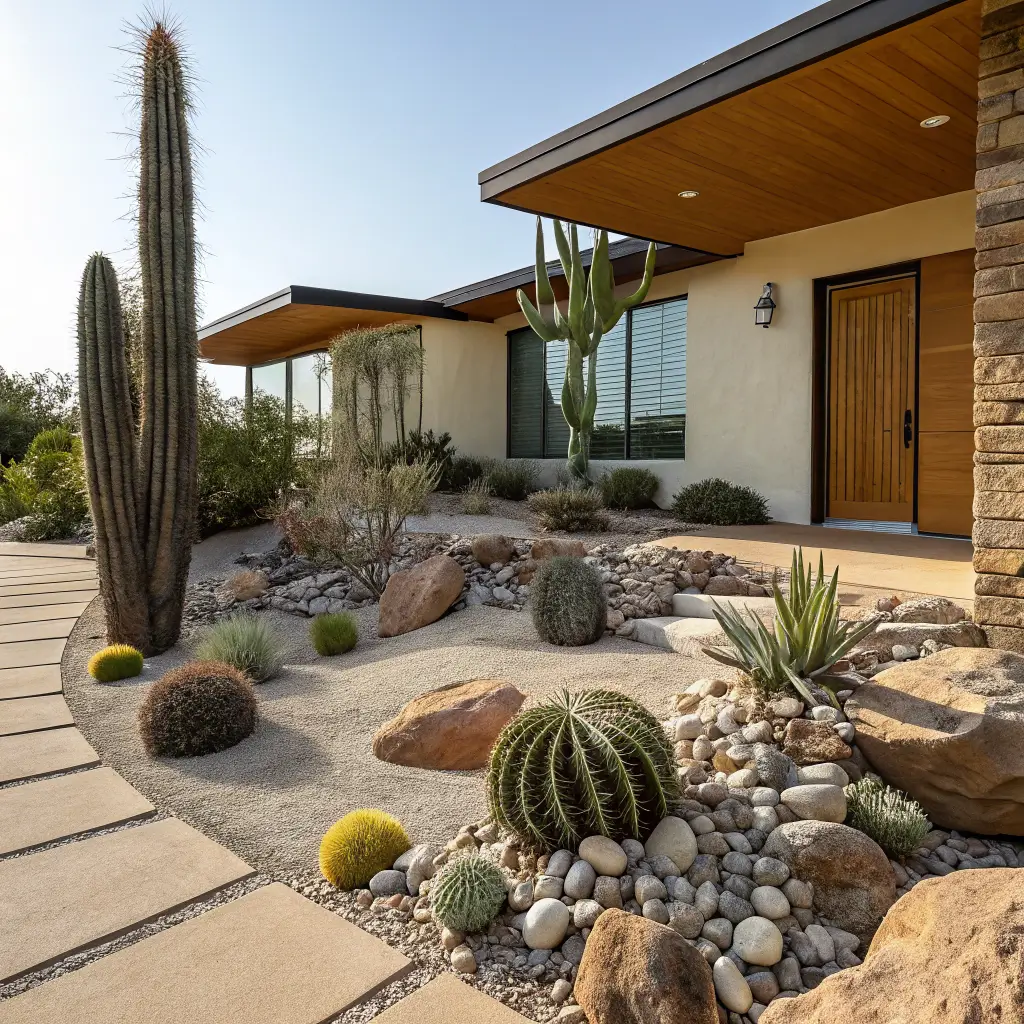
Desert gardens prove that less water doesn’t mean less beauty. Whether you’re dealing with actual desert conditions or just want a stunning low-maintenance landscape, desert-style gardens offer incredible variety with minimal upkeep.
The key to successful desert gardening is understanding that “low water” doesn’t mean “no design.” These gardens rely on plant form, texture contrasts, and hardscape elements to create visual interest without depending on lush greenness or constant bloom.
Mastering the Art of Dry Gardening
Succulent variety provides endless design possibilities. From architectural agaves to colorful echeveria clusters, succulents offer shapes and sizes for every garden role. Plus, many bloom spectacularly when happy.
Native plant integration ensures your garden works with local conditions rather than fighting them. Native grasses, wildflowers, and shrubs adapted to your specific climate will always outperform imports that need constant life support.
Gravel and stone become major design elements rather than just practical necessities. Different colored gravels can create patterns, define planting areas, or provide textural contrast to plant materials.
Seasonal interest comes from plant forms, seed heads, and the changing light on stone and gravel surfaces. Desert gardens can be surprisingly dynamic even without traditional flower power.
Water-wise doesn’t mean plant-free. Strategic placement of slightly thirstier plants in naturally moister microclimates (near downspouts, in slight depressions) lets you include some favorites without compromising your low-maintenance goals.
Conclusion
Creating your dream garden doesn’t require a massive budget or professional training – just a clear vision of how you want to use your space and some willingness to experiment. Whether you’re drawn to the clean lines of modern minimalism or the abundant charm of cottage gardens, success comes from choosing a style that matches both your aesthetic preferences and your maintenance reality.
Start with one area, get comfortable with that success, then expand your confidence (and your garden) from there. After all, the best garden is the one you’ll actually enjoy spending time in, not the one that looks perfect in magazines but stress you out in real life. Happy gardening! 🙂