10 Creative Pet Shop Design Ideas for Dream Interiors

Picture this: you walk into a pet shop and instead of the usual chaos of barking, scattered toys, and that weird smell you can’t quite identify, you’re greeted by a space so thoughtfully designed that even your pickiest friend would snap an Instagram story.
Yeah, that’s the power of smart pet shop design, and trust me, it’s a game-changer.
I’ve spent way too many hours wandering through pet stores (both as a pet parent and someone who just loves good design), and I can tell you this: the shops that nail their design don’t just sell products—they create experiences.
They turn casual browsers into loyal customers and transform shopping trips into mini-adventures. Ready to explore some seriously clever design ideas that could revolutionize your pet retail game?
Modern Minimalist Pet Boutique Layout
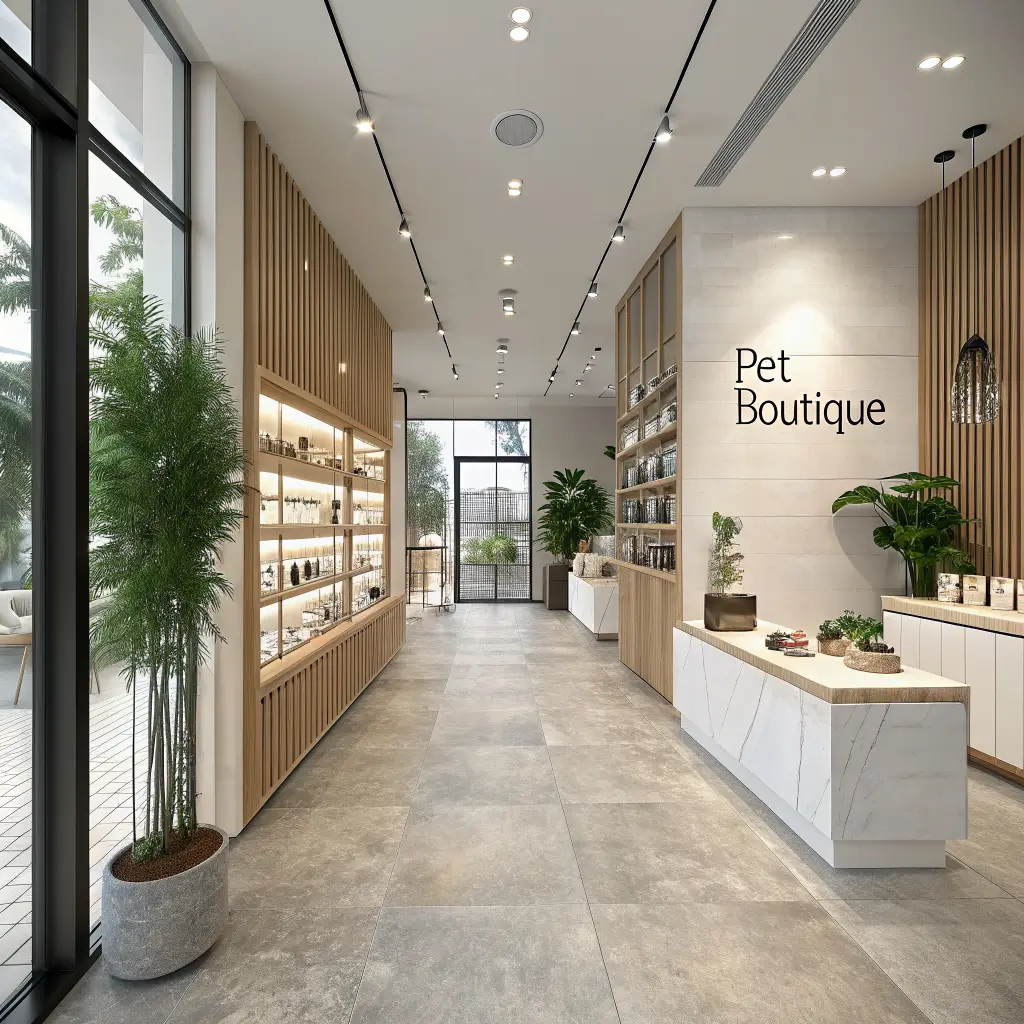
Less really is more when you’re dealing with pet retail, and I learned this the hard way after visiting one too many cluttered pet stores where I couldn’t find anything I actually needed. A minimalist approach strips away the noise and lets your products shine.
Think clean white walls, sleek metal fixtures, and strategic pops of color from the pet accessories themselves. You want customers to focus on what matters: your carefully curated selection of premium pet products. The key here is negative space—it gives both pets and their humans room to breathe and actually enjoy the shopping experience.
Creating Visual Hierarchy
Your layout should guide customers naturally through the space. Place your high-margin items at eye level and use floating shelves to create that airy, uncluttered feeling. I’ve noticed that when stores do this right, customers actually spend more time browsing instead of feeling overwhelmed and rushing out.
The beauty of minimalist design? It photographs amazingly well, which means your customers become your marketing team every time they post about their visit. Smart, right?
Luxury Glass Display Pet Store Concept
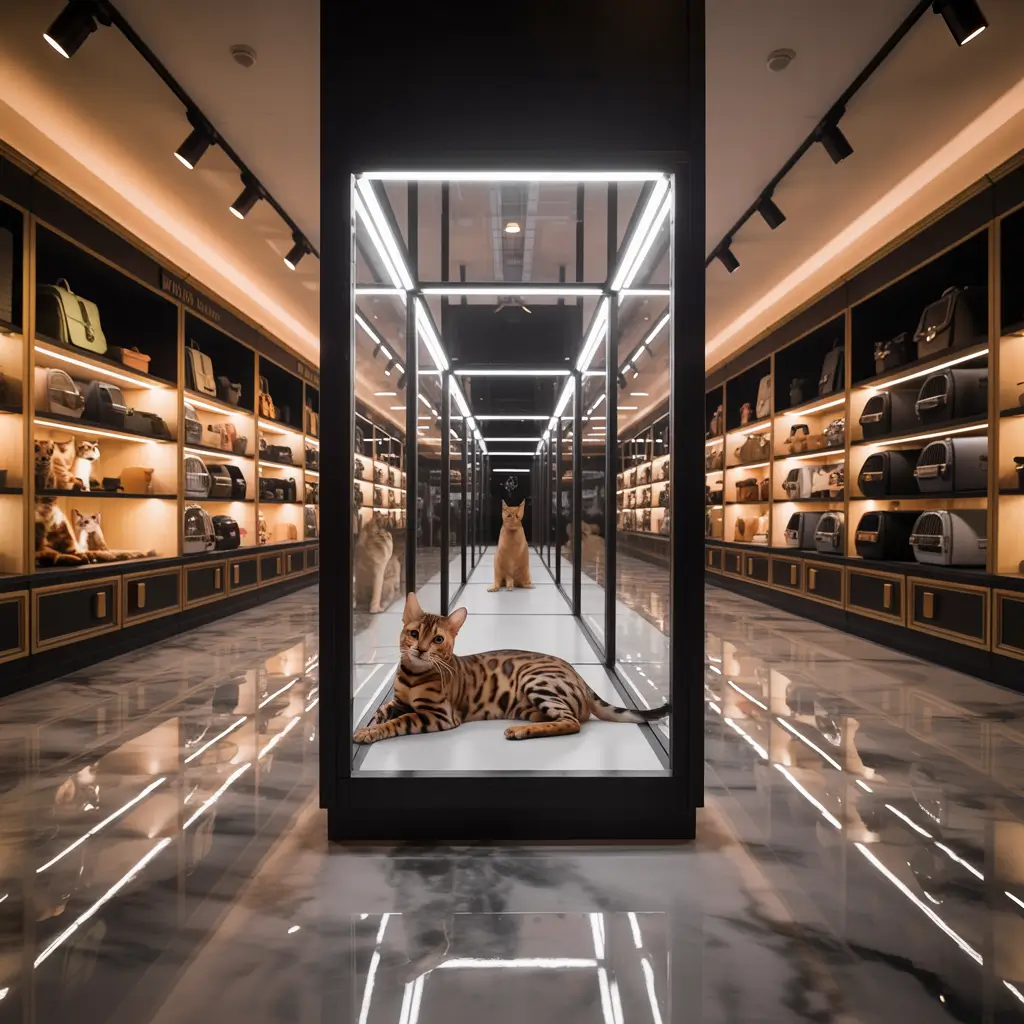
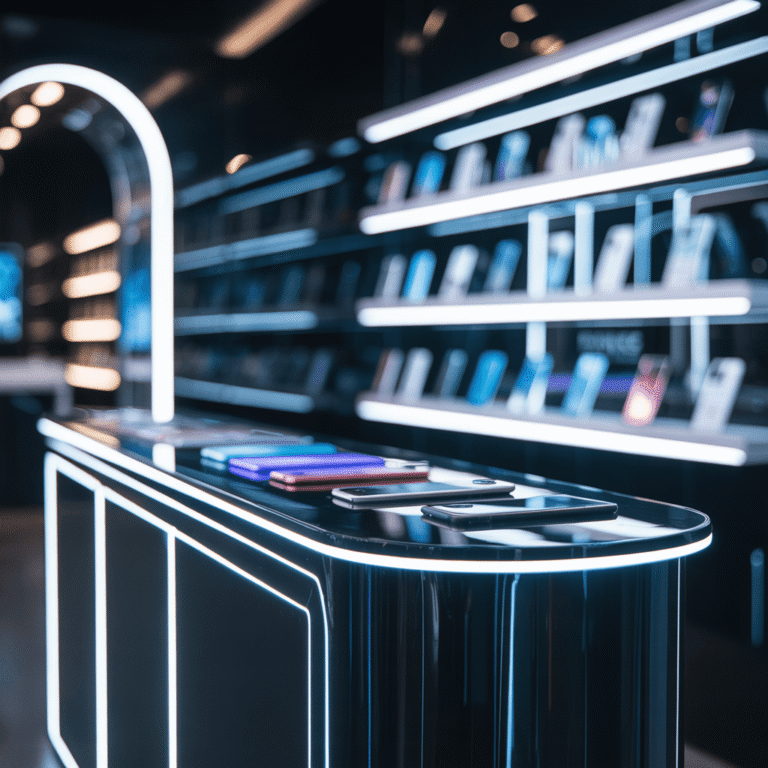
Ever walked into an Apple Store and felt like everything was precious and worth touching? That’s exactly what you want to achieve with glass display cases for your premium pet products.
I’m talking about illuminated glass shelving that makes a $50 dog collar look like jewelry (because honestly, some of them cost as much). This approach works particularly well for high-end accessories, specialty foods, and grooming products that need that extra touch of sophistication.
Investment Pieces That Pay Off
The initial cost might make you wince a little, but here’s what I’ve observed: customers perceive higher value when products are displayed like treasures. You can literally charge more for the same items simply because the presentation suggests premium quality.
Temperature-controlled glass cases work fantastic for treats and specialized foods, while LED-lit displays turn collars, leashes, and toys into irresistible focal points. Just make sure everything stays fingerprint-free—nothing kills the luxury vibe like smudged glass 🙂
Small Space Smart Pet Shop Design
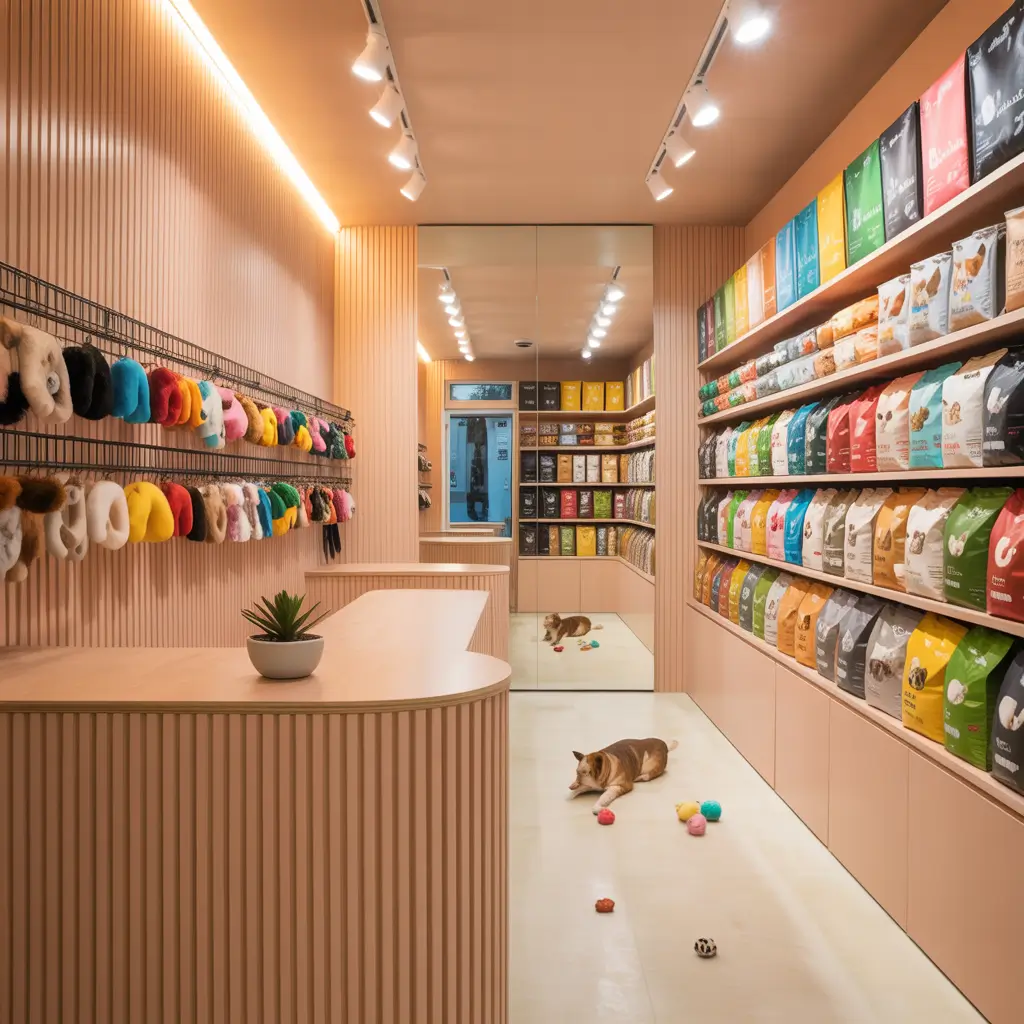
Working with a tiny space? Welcome to the club! Some of my favorite pet shops are squeezed into spaces that most people would write off as impossible. The secret lies in vertical thinking and multi-functional everything.
Wall-mounted storage becomes your best friend when floor space is at a premium. Install ceiling-to-floor shelving systems and use every inch of vertical real estate. I’ve seen brilliant shops that use sliding ladder systems (like in old libraries) to access higher shelves—customers love the unique experience.
Maximizing Every Square Foot
Create modular displays that you can reconfigure based on seasonal needs or new product lines. Fold-out tables, rolling carts, and stackable storage solutions give you flexibility without permanent commitment to any single layout.
The checkout counter? Make it work double-duty as additional display space for impulse purchases. Those last-minute treat add.
Also Read: 10 Beautiful Small Shop Design Ideas for Modern Spaces
Nature-Inspired Green Pet Store Interior
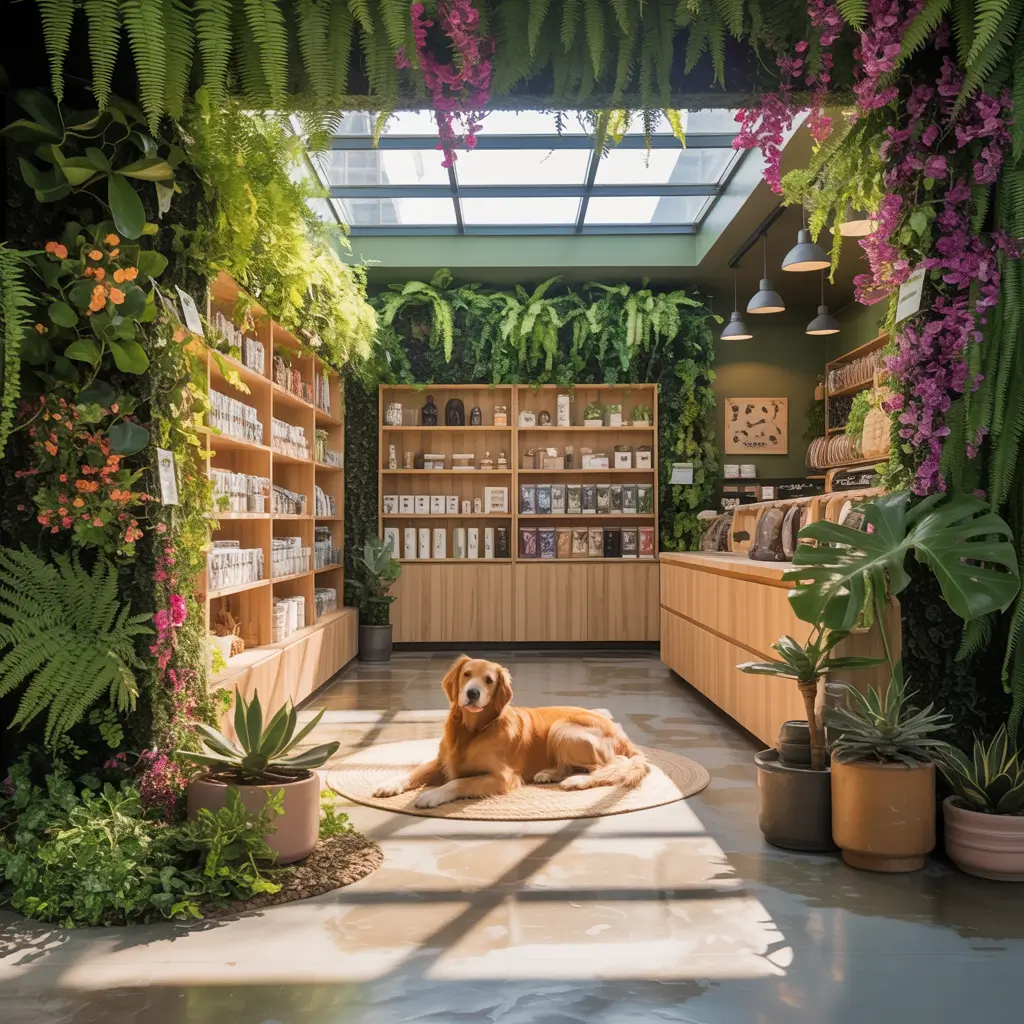
This concept hits different, especially if your local competition looks like a sterile warehouse. Biophilic design isn’t just trendy—it actually makes sense for a business centered around animals and their connection to nature.
I’m talking about living walls, natural wood fixtures, and earthy color palettes that make both pets and humans feel more relaxed. Indoor plants (pet-safe varieties, obviously) create natural air purifiers and add that fresh, organic feeling that screams “healthy choices for your pet.”
Creating an Outdoor Feeling Indoors
Use reclaimed wood for shelving and display areas—it adds character and supports the eco-friendly narrative that many pet parents care about. Natural stone elements for pathways or accent walls create textural interest without overwhelming the space.
The lighting strategy becomes crucial here. Warm, natural lighting mimics outdoor conditions and makes colors appear more vibrant. I’ve noticed that pets seem calmer in these environments, which means happier shopping experiences for everyone involved.
Industrial Style Urban Pet Shop Setup
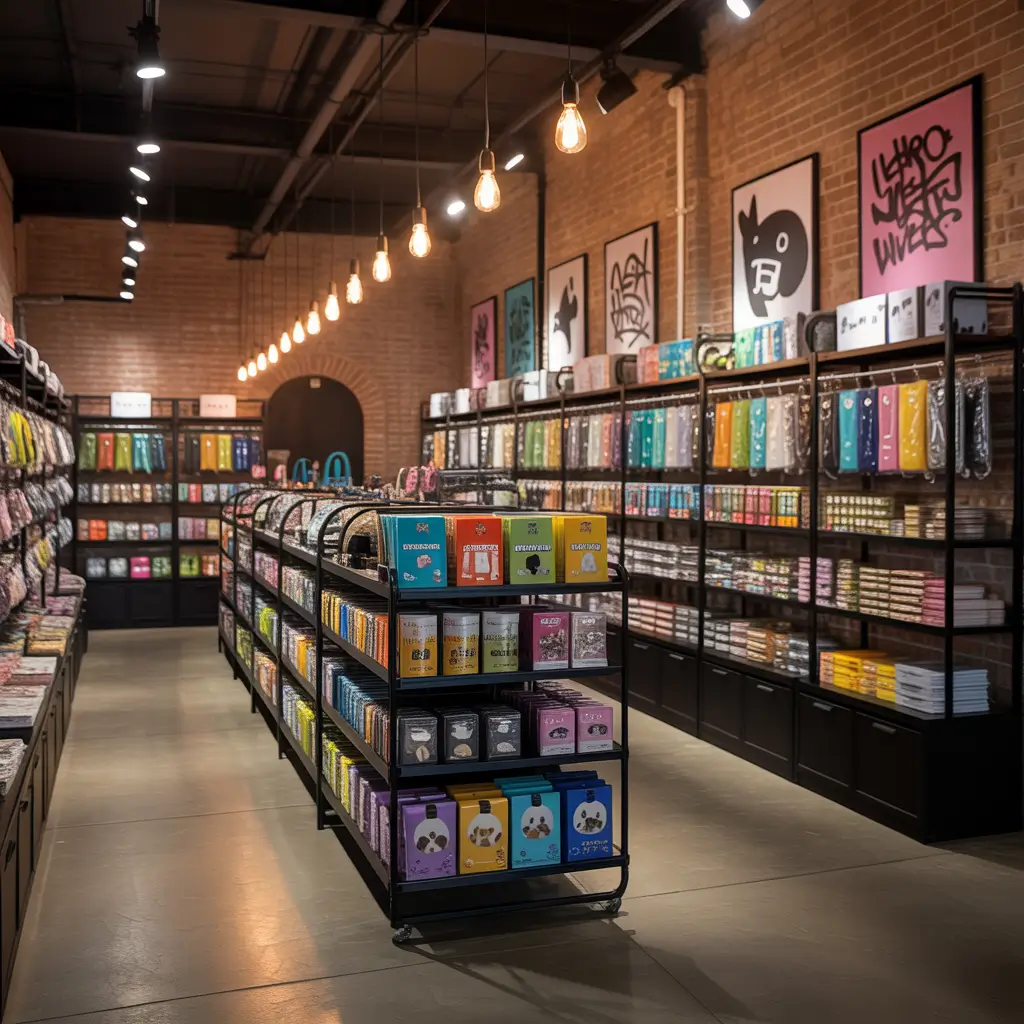
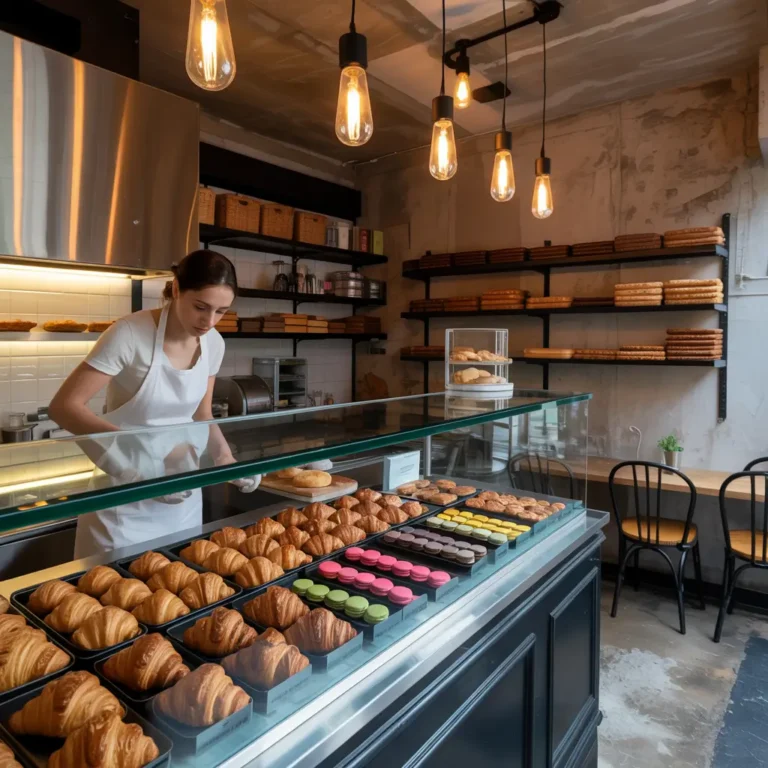
Raw, edgy, and surprisingly practical—industrial design works brilliantly for pet retail, especially in urban locations. Exposed brick walls, steel fixtures, and concrete floors create a backdrop that’s both Instagram-worthy and incredibly durable.
The best part? Industrial materials actually handle the wear and tear of pet traffic better than delicate finishes. Those metal pipe fixtures you see in trendy boutiques? They’re not just for show—they’re practically indestructible when curious pets decide to investigate.
Balancing Tough and Welcoming
The trick is softening the hard edges with strategic additions. Edison bulb lighting adds warmth without sacrificing the industrial aesthetic. Colorful product displays pop beautifully against neutral industrial backgrounds, making your inventory the star of the show.
I love how this style celebrates functionality—every element serves a purpose, just like your customers want their pet products to do. It’s honest design that builds trust with practical pet parents.
Cozy Café-Style Pet Store Design
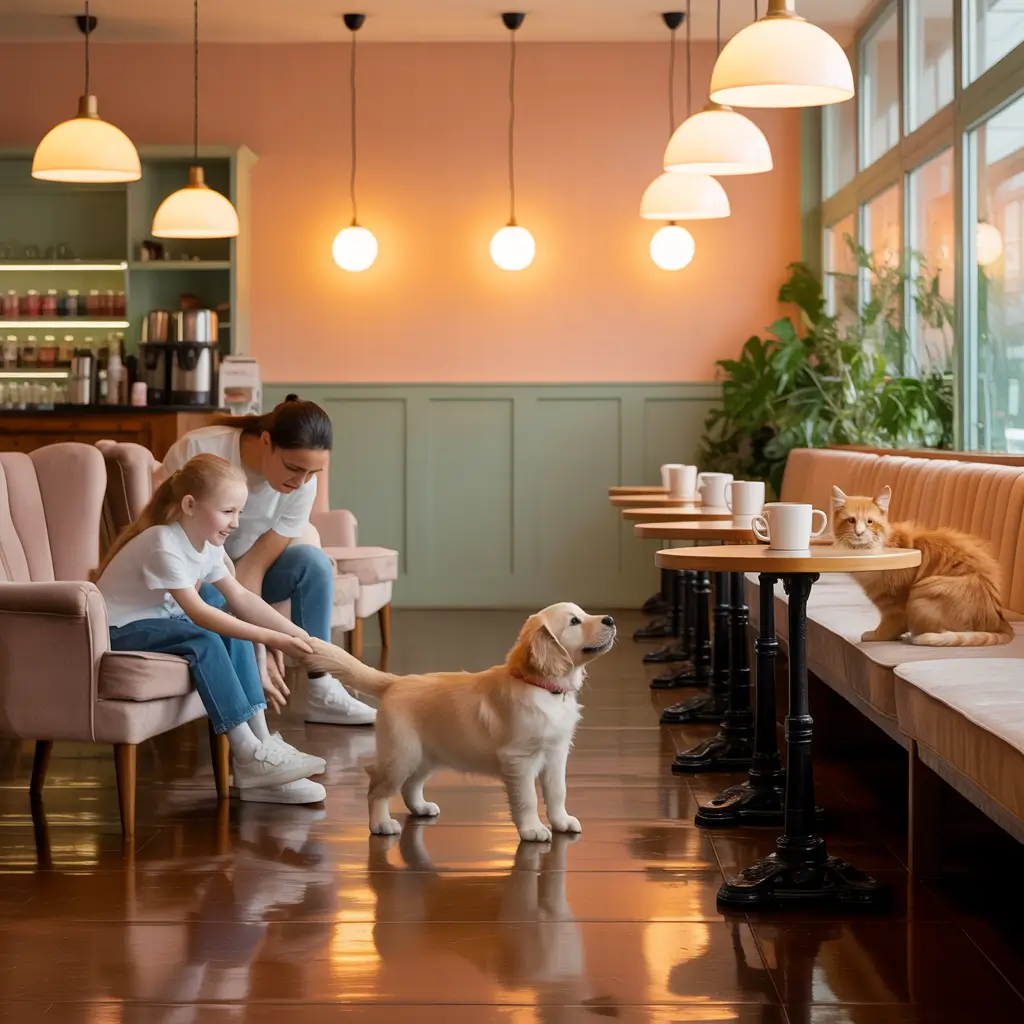
Why sell just pet supplies when you can create a community hub? The café concept transforms your pet shop from a quick-stop destination into a place where customers want to linger, socialize, and inevitably spend more money.
Picture comfortable seating areas where pet parents can grab coffee while their dogs socialize, built-in treat bars where pets can sample goodies, and reading nooks stocked with pet care books and magazines. This isn’t just retail—it’s an experience.
Building Community Through Design
Communal tables encourage conversations between pet parents, creating natural word-of-mouth marketing opportunities. I’ve watched friendships form over discussions about the best dog foods, and those connections often translate into loyal customer relationships.
The key is creating distinct zones: a quiet area for introverts who prefer to browse alone, and social spaces for the extroverts who want to chat about their pets’ latest adventures. Both personality types leave happy, which is exactly what you want.
Also Read: 10 Stunning Flower Shop Design Ideas for Dreamy Spaces
High-End Luxury Pet Grooming & Retail Combo
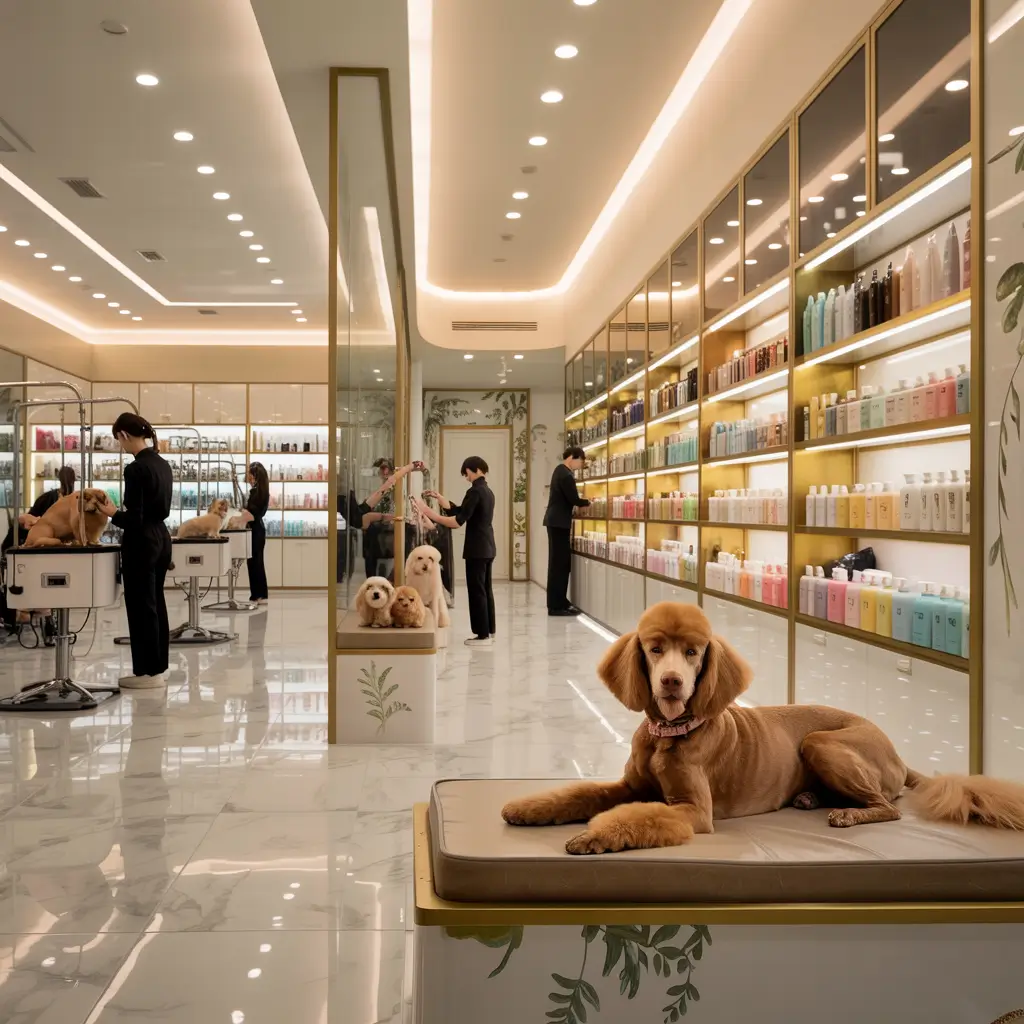
This concept tackles the biggest challenge in pet retail: recurring revenue. By combining grooming services with premium retail, you create multiple touchpoints and revenue streams that keep customers coming back regularly.
Design-wise, you need clear separation between retail and service areas while maintaining visual connection. Glass partitions let customers watch the grooming magic happen (building trust) while keeping noise and distractions manageable.
Creating Premium Service Experiences
The grooming area becomes your showroom for premium products. When customers see professional groomers using specific shampoos or tools, they’re much more likely to purchase those same products for home use.
Appointment waiting areas should showcase your retail offerings strategically. I’m talking about comfortable seating surrounded by carefully curated displays of products that complement the grooming services. It’s passive selling at its finest.
Open Concept Interactive Pet Experience Store
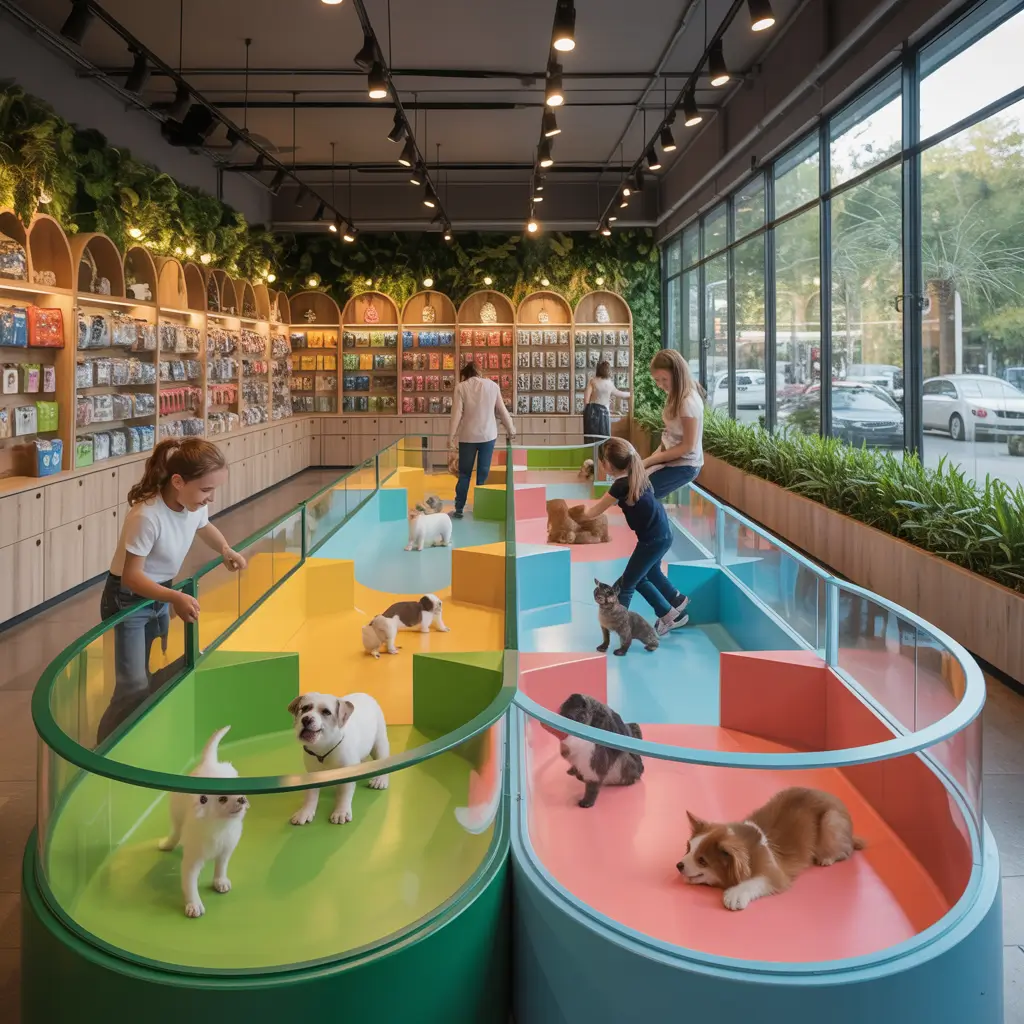
Traditional pet shops ask customers to imagine how products will work with their pets. Interactive experience stores let them actually test everything out. This concept requires more space and planning, but the customer engagement levels are off the charts.
Create product testing zones where dogs can try different toys, beds, and accessories. Include training areas where customers can see how certain products work in real situations. FYI, this approach dramatically reduces returns because customers know exactly what they’re buying.
Designing for Interaction
Flexible spaces that can be quickly reconfigured for different activities become essential. Think modular furniture, retractable barriers, and easy-to-clean surfaces that can handle anything pets might throw at them (literally).
The layout needs clear sight lines so staff can supervise multiple interactions simultaneously. Central service desks positioned strategically throughout the space ensure help is always available when customers have questions.
Colorful Kids-Friendly Pet Shop Design
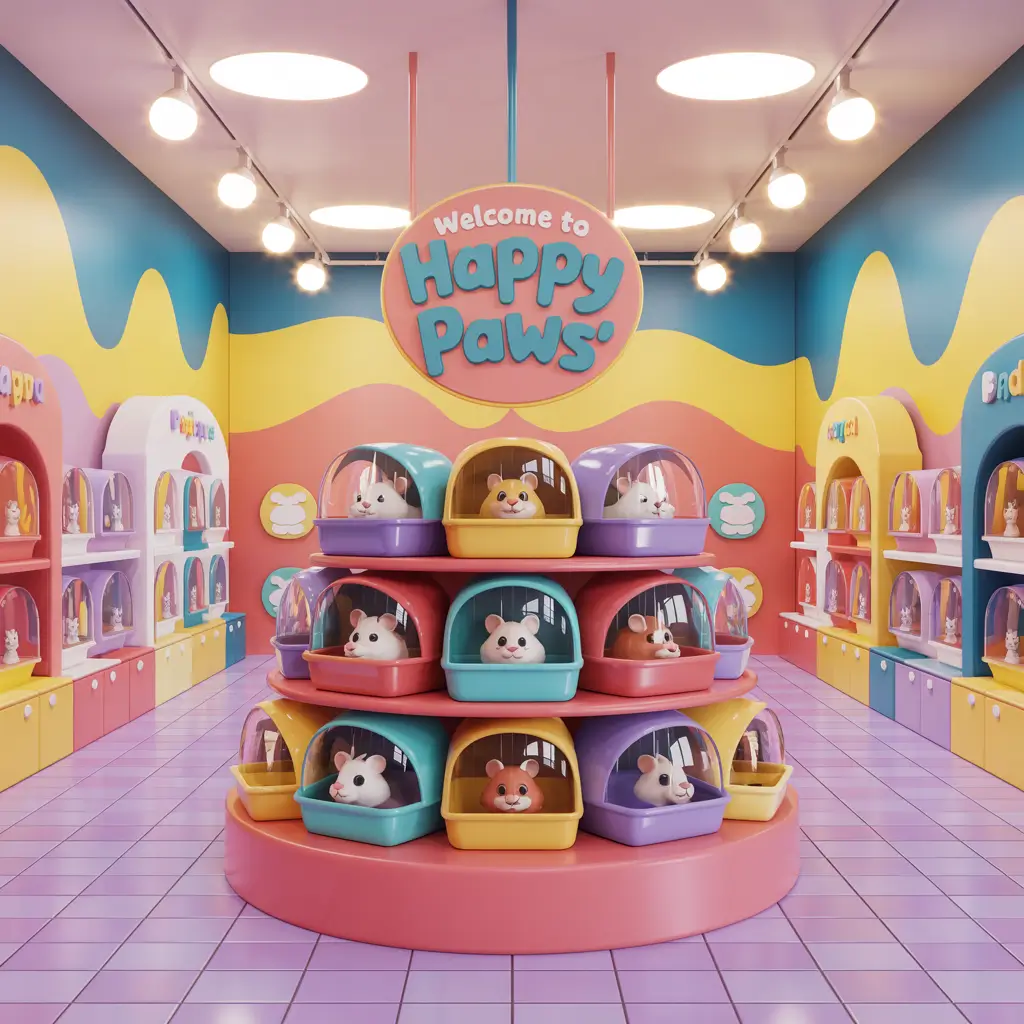
If you want to capture the family market, your design needs to speak to the smallest members of the household. Kid-friendly pet shops acknowledge that children often drive pet-related purchasing decisions (hello, “can we please get a hamster?” conversations).
Lower display heights put products within children’s view, bright color schemes create excitement, and interactive elements keep little hands busy while parents make actual purchasing decisions.
Safety Meets Fun
Rounded corners on all fixtures eliminate sharp edges, while durable materials handle the inevitable touching, dropping, and general chaos that follows kids anywhere. I’ve learned that parents appreciate design choices that show you understand their challenges.
Educational displays that teach kids about pet care turn shopping trips into learning experiences. When children feel knowledgeable about pet ownership, parents feel more confident about making purchases.
Also Read: 10 Creative Barber Shop Design Ideas for Fresh Interiors
Compact Budget-Friendly Pet Shop Layout
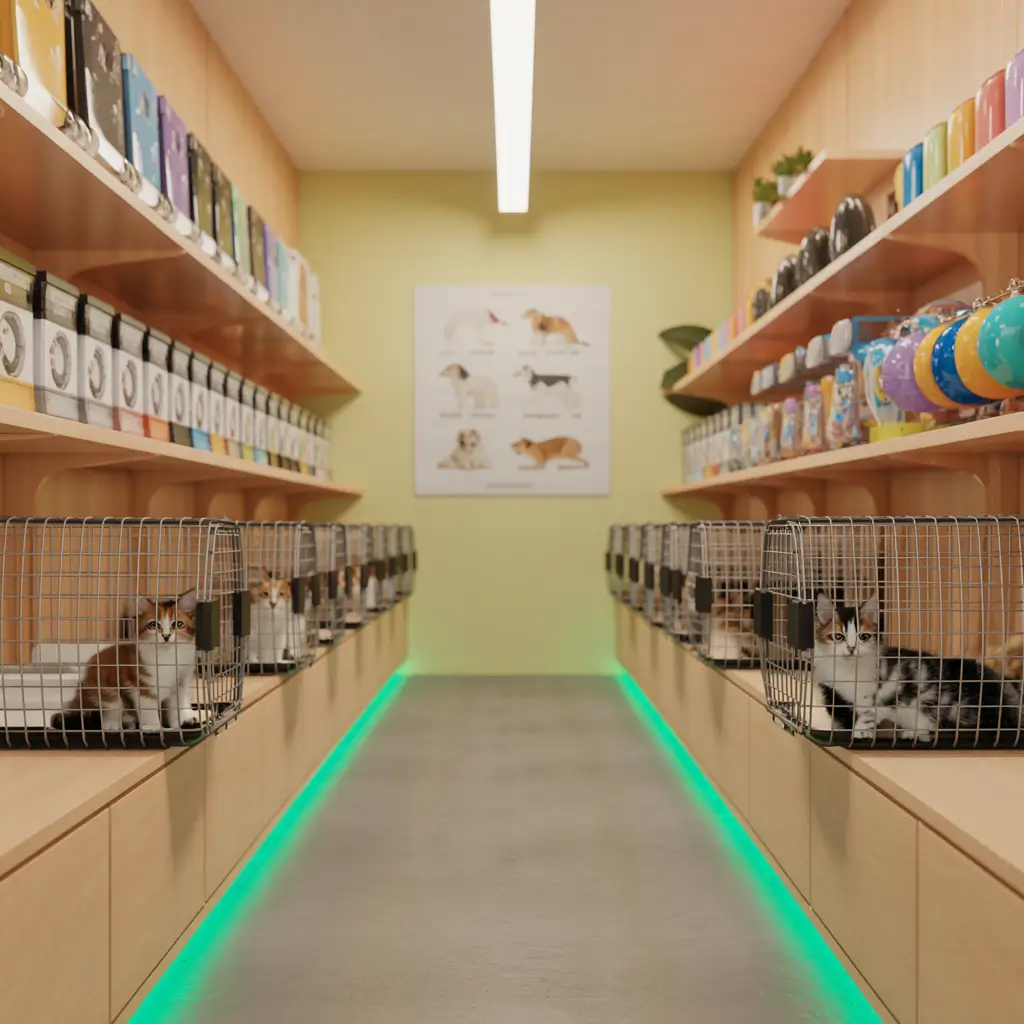
Smart design doesn’t require unlimited budgets, and some of the most memorable pet shops I’ve visited achieved amazing results with creativity instead of cash. DIY solutions and repurposed materials can create unique character that expensive custom work sometimes misses.
Pallet wood becomes rustic shelving, PVC pipe transforms into modern fixture systems, and creative paint jobs add personality without breaking budgets. The key is making intentional choices that serve both function and aesthetics.
Maximizing Impact with Minimal Investment
Focus your budget on high-impact areas like the entrance and checkout counter where customers spend the most time. Strategic lighting can transform even basic spaces into welcoming environments, and creative signage adds professional polish without professional prices.
Flexible solutions give you room to evolve as your business grows. Modular systems that you can expand or reconfigure mean your design investment grows with you instead of becoming an expensive limitation.
Conclusion
The bottom line? Great pet shop design isn’t about following trends or spending the most money—it’s about understanding your customers (both two-legged and four-legged) and creating spaces that serve their needs while supporting your business goals. Whether you’re planning a complete renovation or just looking for ways to refresh your current space, the right design choices can transform casual visitors into loyal customers who can’t wait to bring their friends by.
Every pet deserves a great shopping experience, and every pet parent deserves a store that makes their life a little easier. IMO, when you nail both of those goals, the business success follows naturally.