10 Stylish Tiny Bedroom Design Ideas for Modern Homes

Look, let’s be honest here – tiny bedrooms are basically a rite of passage for most of us. Whether you’re dealing with a shoebox apartment in the city or that awkward spare room that’s technically a bedroom but feels more like a glorified closet, I’ve been there.
And after years of bumping into furniture and playing Tetris with my belongings, I’ve picked up some seriously game-changing tricks that’ll transform your space from claustrophobic nightmare to cozy sanctuary.
Ready to make your tiny bedroom work harder than a barista during morning rush? Let’s jump into these space-maximizing ideas that actually work (no Pinterest-perfect nonsense here).
1. Minimal Scandinavian Tiny Bedroom Layout
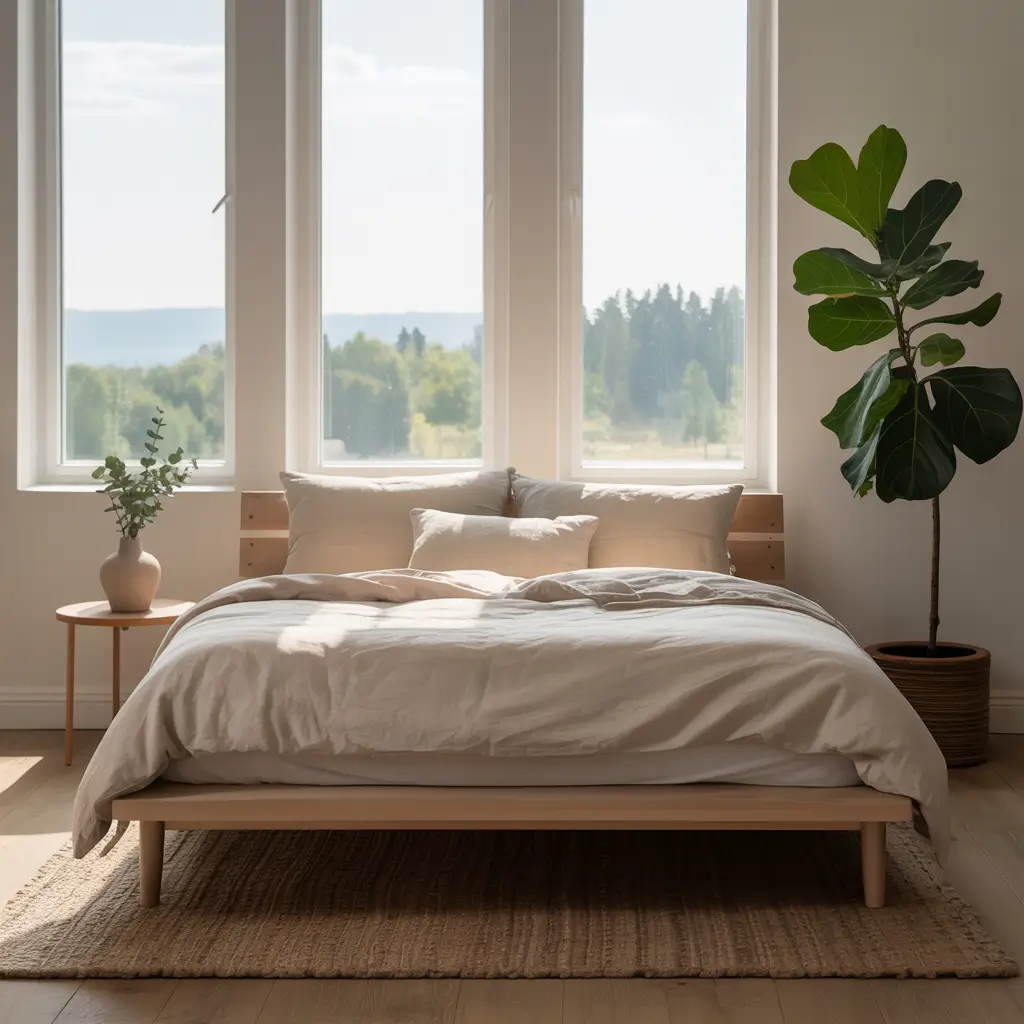
The Scandinavians really nailed this whole “less is more” thing, and honestly, it’s perfect for tiny spaces. I stumbled onto this style when I was desperately trying to make my 8×10 bedroom feel less like a prison cell, and wow – what a difference.
The magic lies in three key principles: clean lines, functional furniture, and a seriously restrained color palette. Think white walls, light wood tones, and maybe one or two carefully chosen accent pieces. The beauty of this approach is that everything serves a purpose – there’s no room for decorative clutter that just makes your space feel smaller.
Start with a simple platform bed in light wood or white. Skip the bulky headboard and opt for a sleek, low-profile design. I learned this the hard way after my massive upholstered headboard made my room feel like a cave. Pair this with floating nightstands (more on those later) and keep your bedding crisp and white.
Here’s where it gets interesting: Scandinavian design embraces negative space as a design element. That empty corner you’ve been trying to fill? Leave it empty. That wall space above your bed? Keep it minimal with maybe one simple piece of art. This approach tricks your brain into perceiving more space than actually exists.
The key is choosing furniture with visible legs – it creates visual flow underneath and makes everything appear to float. Trust me, this simple trick alone will make your room feel significantly larger.
2. Loft Bed Storage Space Saver Design
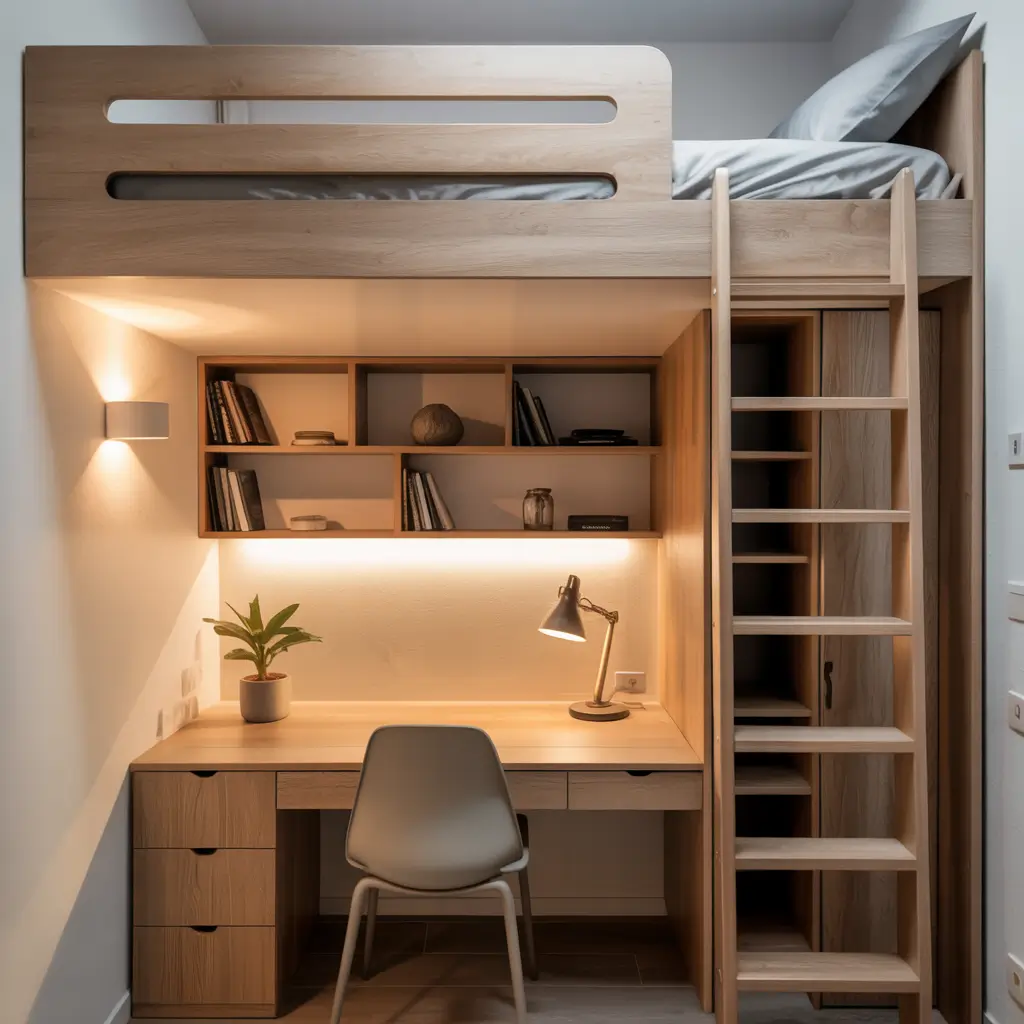
Okay, I know what you’re thinking – “Aren’t loft beds just for college dorms?” But hear me out. Modern loft bed designs are sophisticated and can literally double your usable floor space. I’ve seen tiny bedrooms transformed into multi-functional spaces that include a work area, reading nook, and storage – all thanks to going vertical.
The secret is choosing the right height. You don’t need a sky-high loft that requires a ladder worthy of a fire department. A mid-height loft (around 4-5 feet) gives you enough space underneath for a desk or seating area while keeping the sleeping space accessible with just a few steps.
Consider these underneath options:
- Home office setup with a compact desk and ergonomic chair
- Reading nook with floor cushions and a small bookshelf
- Storage zone with built-in drawers and hanging space
- Lounging area with a small sofa or bean bags
I’ve personally used this setup in a 9×11 room, and the transformation was incredible. Suddenly, I had a bedroom, office, and relaxation space all in one. The trick is ensuring your mattress isn’t too thick (memory foam works great) and investing in good lighting for the area below.
Pro tip: Choose a loft bed with built-in storage in the frame itself. Some designs include stairs that double as drawers – talk about maximizing every inch!
3. Mirror Trick Small Bedroom Expansion Idea
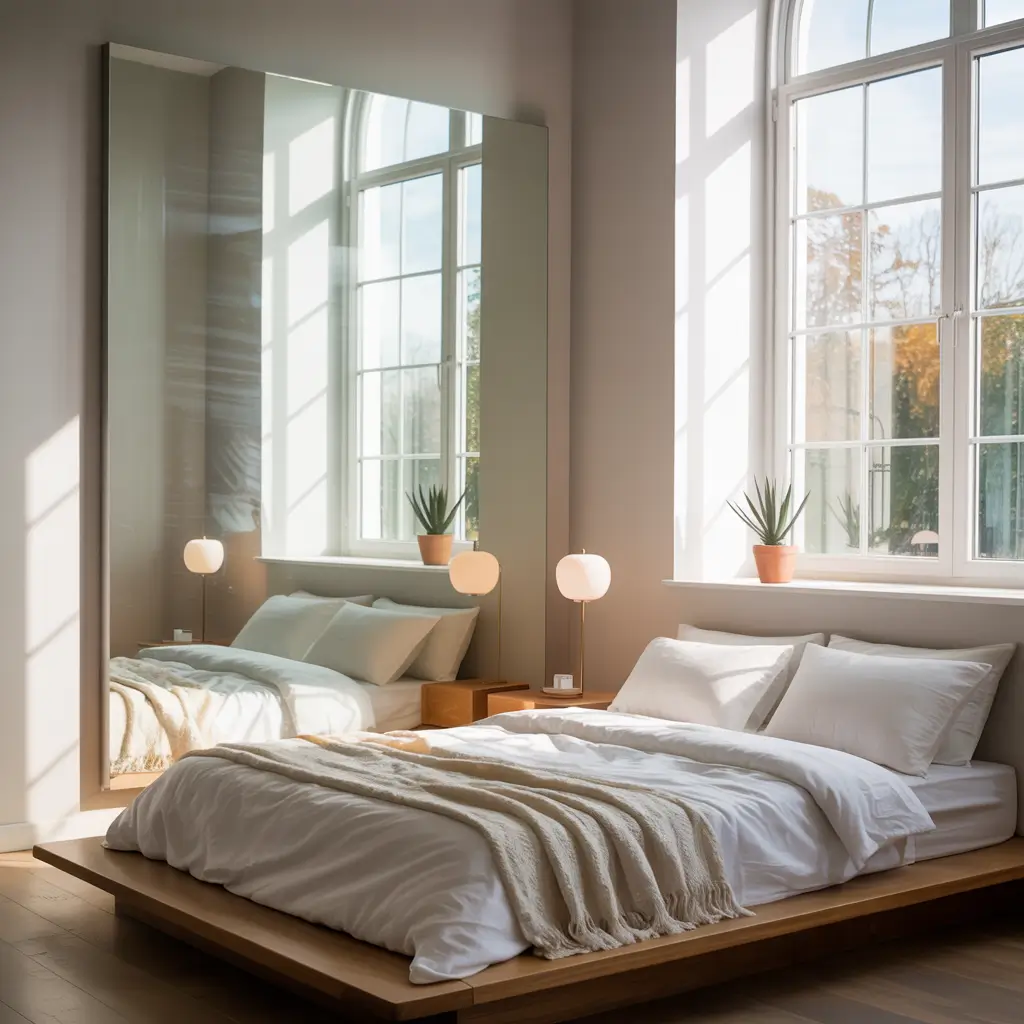
This one’s basically cheating, but in the best possible way. Mirrors are the ultimate space-expanding hack, and I’m not talking about just hanging one random mirror on the wall. We’re going strategic here.
The psychology behind this is fascinating – our brains interpret reflected light and images as additional space. I learned this when I placed a large mirror directly across from my bedroom window. Suddenly, my room felt twice as wide because the reflection created the illusion of another window and more natural light.
Here are the mirror placements that actually work:
Across from windows: This doubles your natural light and creates the impression of another view outside. I use a full-length mirror leaning against the wall opposite my window, and guests consistently overestimate my room size.
Behind your bed: A large mirror behind your headboard creates depth and makes the room feel longer. Just make sure it’s securely mounted – nobody wants a midnight mirror avalanche.
Closet doors: Mirrored closet doors are a classic for a reason. They reflect the entire room and eliminate the visual barrier that solid doors create.
Adjacent to your bed: A mirror on the side wall reflects the length of your room, making it appear wider.
The key is using larger mirrors rather than a collection of small ones. Small mirrors can make a space feel choppy, while one large mirror creates a seamless expansion effect. FYI, this trick works so well that some people feel disoriented when they first walk into the room 🙂
Also Read: 10 Dreamy Office and Dressing Room Combo Ideas for Luxury Spaces
4. Cozy Neutral Tiny Bedroom Aesthetic Setup
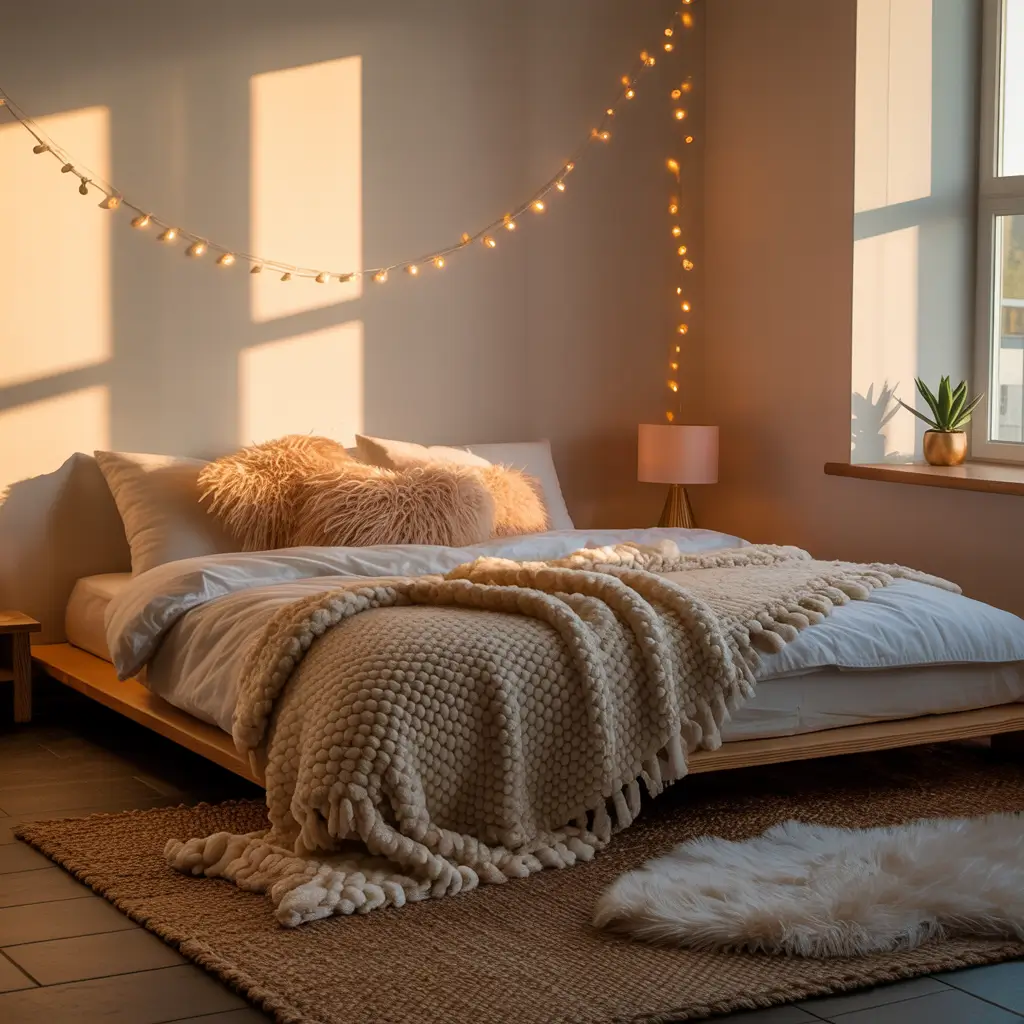
Sometimes the goal isn’t to make your room look bigger – sometimes you want to lean into the coziness and create a space that feels like a warm hug. I discovered this approach during a particularly stressful period when I needed my bedroom to be a true sanctuary.
Neutral doesn’t mean boring. We’re talking about creating layers of texture and warmth using creams, soft grays, warm whites, and natural tones. The magic happens when you combine different textures within this palette.
Start with your base layer – bedding in soft, natural fabrics like linen or cotton in cream or soft white. Add a chunky knit throw in a slightly deeper neutral tone. Layer in some textured pillows – maybe one in a basket weave pattern, another in soft bouclé.
The flooring makes a huge difference. If you’re stuck with hard flooring, add a plush area rug in a neutral tone. I use a large jute rug with a soft padding underneath, and it instantly makes the space feel grounded and cozy.
Lighting is crucial for this aesthetic. Forget harsh overhead lights. Instead, use:
- Table lamps with warm LED bulbs
- String lights (but classy ones, not your college dorm variety)
- Candles for ultimate cozy vibes
- Salt lamps for a warm, amber glow
The goal is creating multiple light sources at different heights to eliminate harsh shadows and create ambiance. This approach transforms even the tiniest bedroom into a retreat that you actually want to spend time in.
5. Under Bed Storage Organization Hack Design
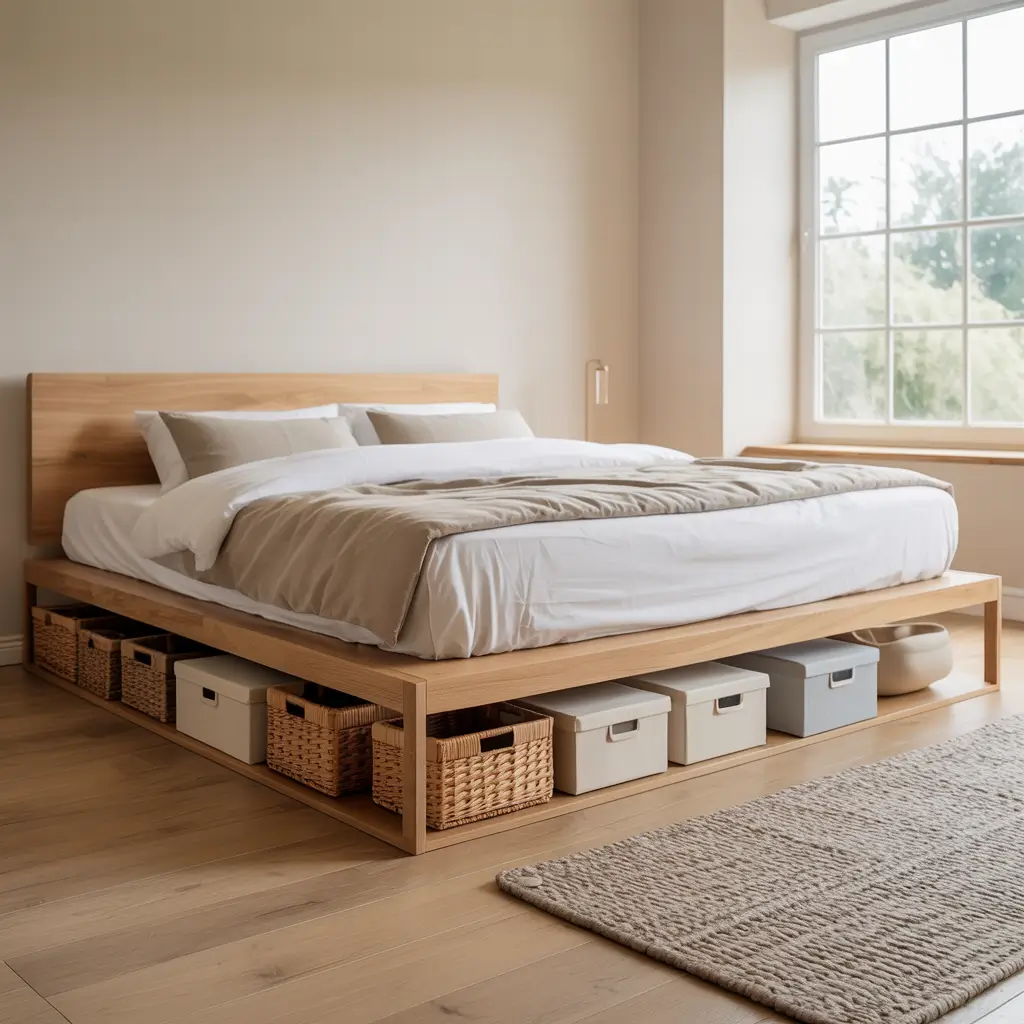
Let’s talk about the most underutilized real estate in your bedroom – the space under your bed. I used to think this area was just for dust bunnies and the occasional lost sock, but it’s actually prime storage territory that can solve major organization problems.
The key is making this storage both functional and accessible. Rolling storage boxes are your best friend here. I use clear, shallow containers that slide out easily and let me see what’s inside without playing a guessing game.
Here’s how to organize this space effectively:
Seasonal clothing: Store out-of-season clothes in vacuum-sealed bags. I rotate my summer and winter wardrobes this way, keeping only current season items in my closet.
Shoes: Low-profile shoe boxes or clear shoe containers work perfectly. Label them if you’re using opaque containers.
Extra bedding: Guest sheets, extra comforters, and pillows live happily under here in breathable storage bags.
Books and documents: Flat storage boxes are perfect for books you’re not currently reading or important documents you need to keep but don’t access frequently.
The game-changer: Bed risers. These little devices lift your bed 3-6 inches higher, creating significantly more storage space without changing the room’s proportions. I initially resisted this because I thought it would make my bed awkwardly tall, but the extra storage space was so worth the minimal height increase.
Some beds come with built-in storage drawers, but if yours doesn’t, you can create this functionality with the right storage solutions. Just remember to keep frequently used items toward the foot of the bed for easier access.
6. Vertical Wall Storage Tiny Room Solution
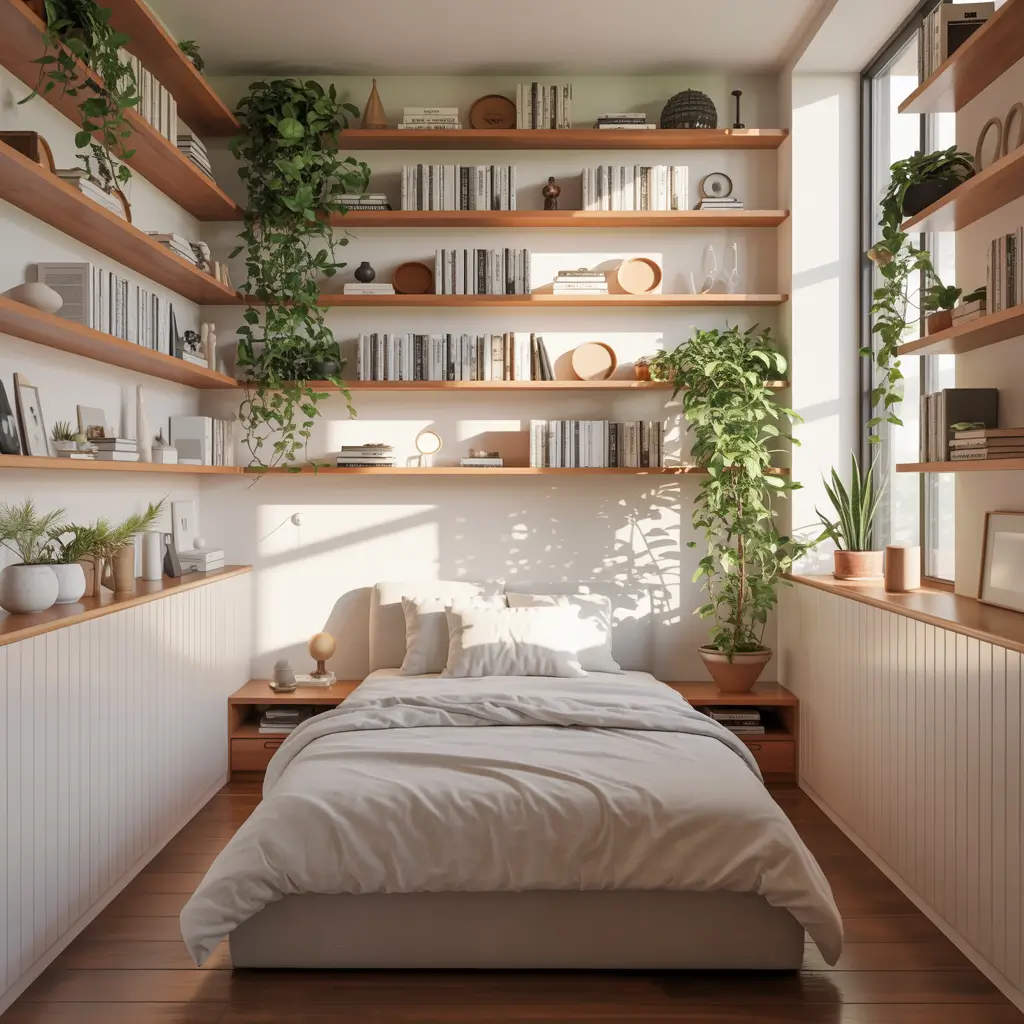
When floor space is at a premium, it’s time to think vertically. I learned this lesson the hard way after trying to cram too much furniture into a small room and creating what I generously called “an obstacle course.”
Wall-mounted storage is your secret weapon. We’re not just talking about shelves here – though floating shelves are definitely part of the solution. Think about every vertical surface as potential storage real estate.
Floating shelves with purpose: Install them at varying heights to create visual interest while maximizing storage. I use a combination of deep shelves for books and storage baskets, and shallow shelves for decorative items and frequently used objects.
Wall-mounted nightstands: These free up floor space while providing the surface area you need. Choose ones with drawers for hidden storage, or go for simple floating shelves with a small basket underneath.
Vertical clothing storage: Wall-mounted hooks, peg rails, and even hanging organizers can hold tomorrow’s outfit, bags, or accessories. I have a simple wooden peg rail that holds my robe, next day’s clothes, and favorite jacket.
Picture ledge storage: These narrow shelves are perfect for displaying books, small plants, or decorative objects without taking up much wall space.
The trick is creating a cohesive look rather than a cluttered mess. Choose storage pieces in similar colors or materials, and don’t fill every single inch of wall space. Leave some breathing room to maintain that sense of openness.
IMO, the biggest mistake people make is mounting everything at eye level. Use the full height of your walls – put less frequently used items higher up and everyday essentials within easy reach.
Also Read: 10 Gorgeous Pink Dressing Room Ideas for Aesthetic Glow Up
7. Japandi Style Compact Bedroom Design
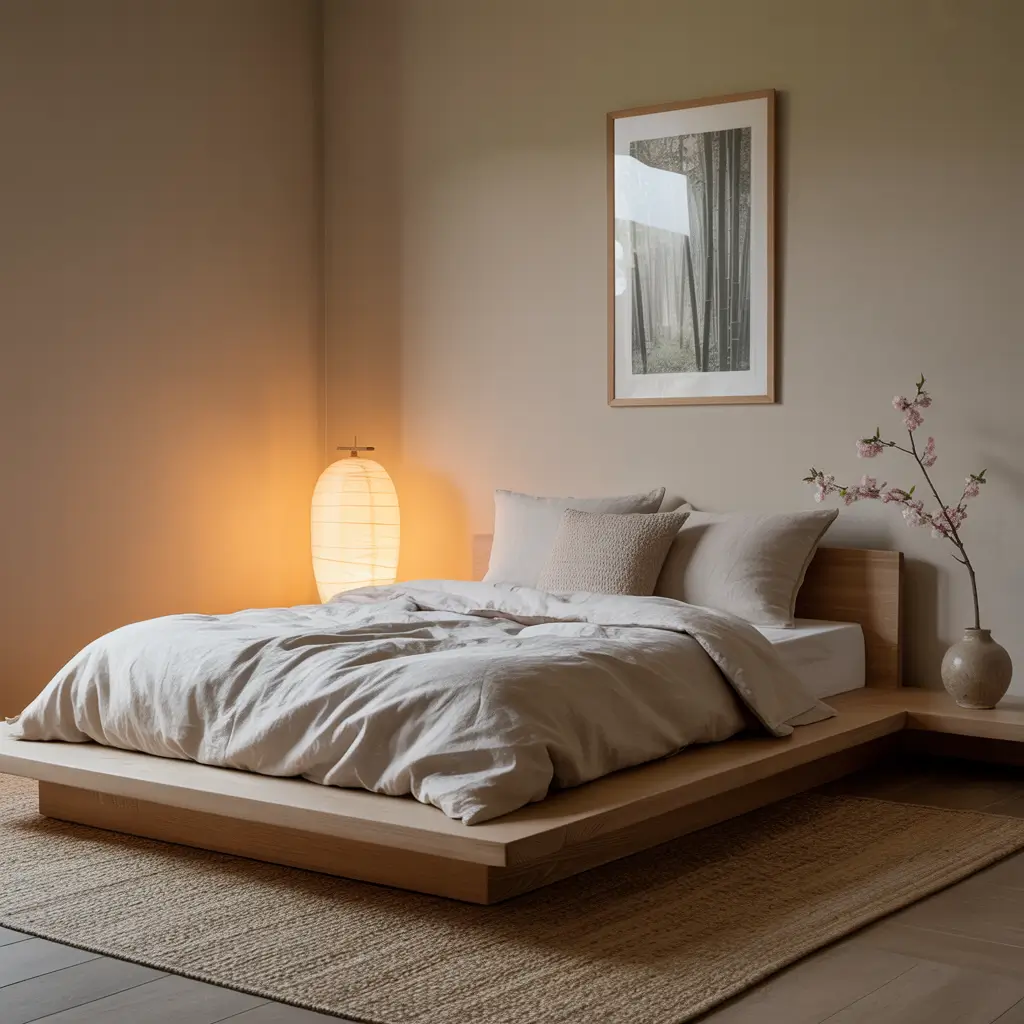
Japandi style is basically what happens when Japanese minimalism meets Scandinavian functionality, and it’s absolutely perfect for tiny bedrooms. I discovered this aesthetic when I was burned out on trying to make my small space “work” and instead decided to embrace simplicity.
The philosophy centers on mindful living and finding beauty in imperfection. This means choosing fewer, higher-quality pieces and creating a space that promotes calm and rest.
Key elements include:
Natural materials: Wood, bamboo, linen, and cotton create warmth without clutter. I use a low wooden platform bed, bamboo storage baskets, and linen bedding in neutral tones.
Earth tones: Think warm whites, soft beiges, muted greens, and natural wood tones. The color palette should feel cohesive and calming.
Functional beauty: Every item should serve a purpose while looking beautiful. A wooden stool doubles as seating and a side table. A beautiful ceramic bowl holds jewelry and keys.
Negative space: This style embraces empty space as an essential design element. That bare wall isn’t waiting for decoration – it’s providing visual rest.
Natural textures: Layer different natural textures to add interest without adding clutter. A jute rug, linen curtains, and a wool throw create depth while maintaining the calm aesthetic.
The key to making this work in a tiny space is restraint. Choose your pieces carefully and resist the urge to fill every corner. I found that this approach actually made my small room feel more spacious because there’s intentional space around each item.
This style also embraces the beauty of natural light, so keep window treatments minimal and let the outside in.
8. Floating Furniture Small Bedroom Arrangement
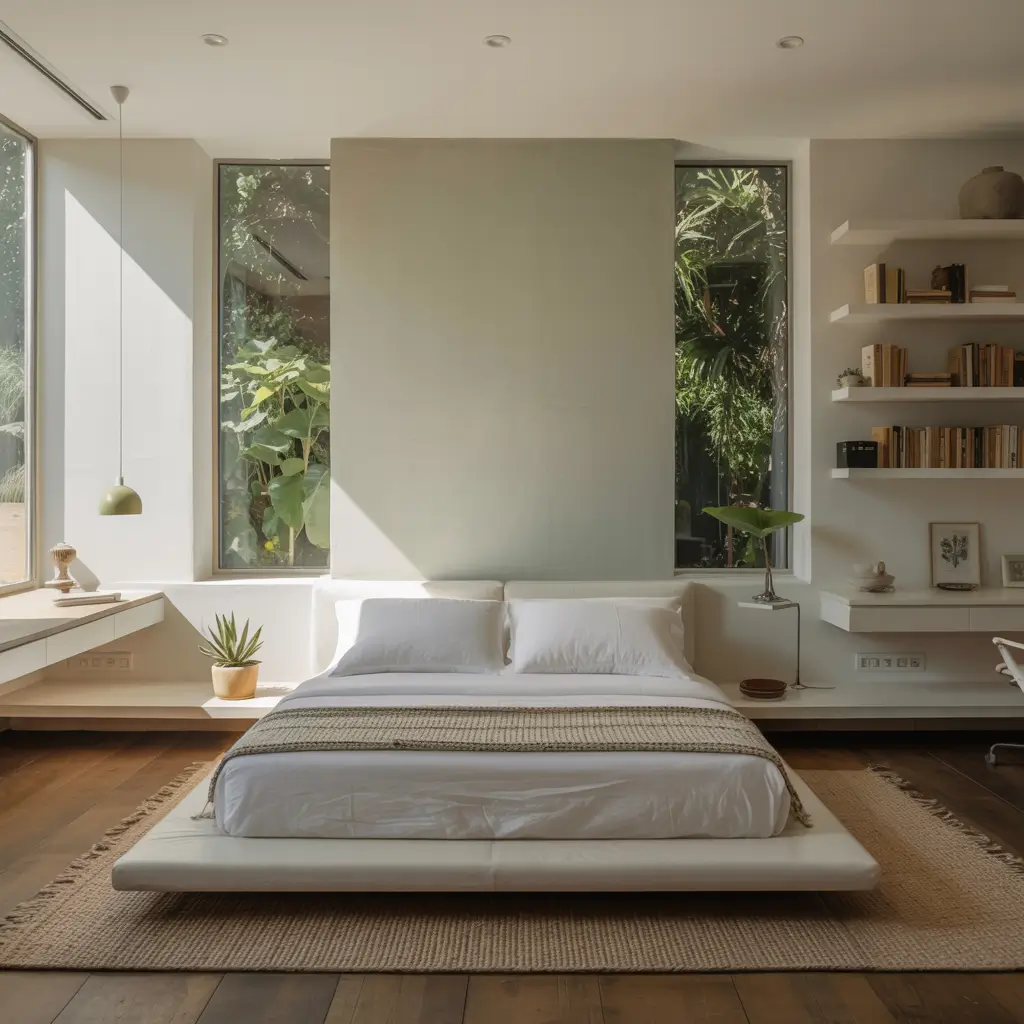
Here’s something I wish I’d learned earlier: furniture that touches the floor visually “stops” your eye and makes a space feel smaller. Floating furniture creates visual flow and tricks your brain into perceiving more space.
Wall-mounted pieces are game-changers. I replaced my bulky traditional nightstands with floating ones, and the difference was immediately noticeable. Suddenly, I could see more floor space, and the room felt significantly larger.
Floating nightstands: Mount them at the perfect height for your bed and choose designs with drawers for hidden storage. The visible floor space underneath creates an airy feeling.
Floating desk: If you need workspace in your bedroom, a wall-mounted floating desk takes up zero floor space and can fold down when not in use.
Floating shelving: Replace traditional bookcases with floating shelves arranged in interesting configurations. You get the same storage with a much lighter visual footprint.
Suspended lighting: Pendant lights or wall-mounted sconces free up surface space on nightstands while providing necessary lighting.
The trick is ensuring your floating furniture is properly anchored – nobody wants their nightstand falling at 3 AM. Use appropriate wall anchors for your wall type and the weight you’re supporting.
Another floating furniture hack: Choose a bed frame with visible legs rather than a solid base. This creates visual flow underneath and makes the bed appear to float slightly off the ground.
This approach works especially well in rental spaces because most floating furniture can be installed with minimal wall damage and easily removed when you move.
9. Soft Lighting Tiny Bedroom Cozy Makeover
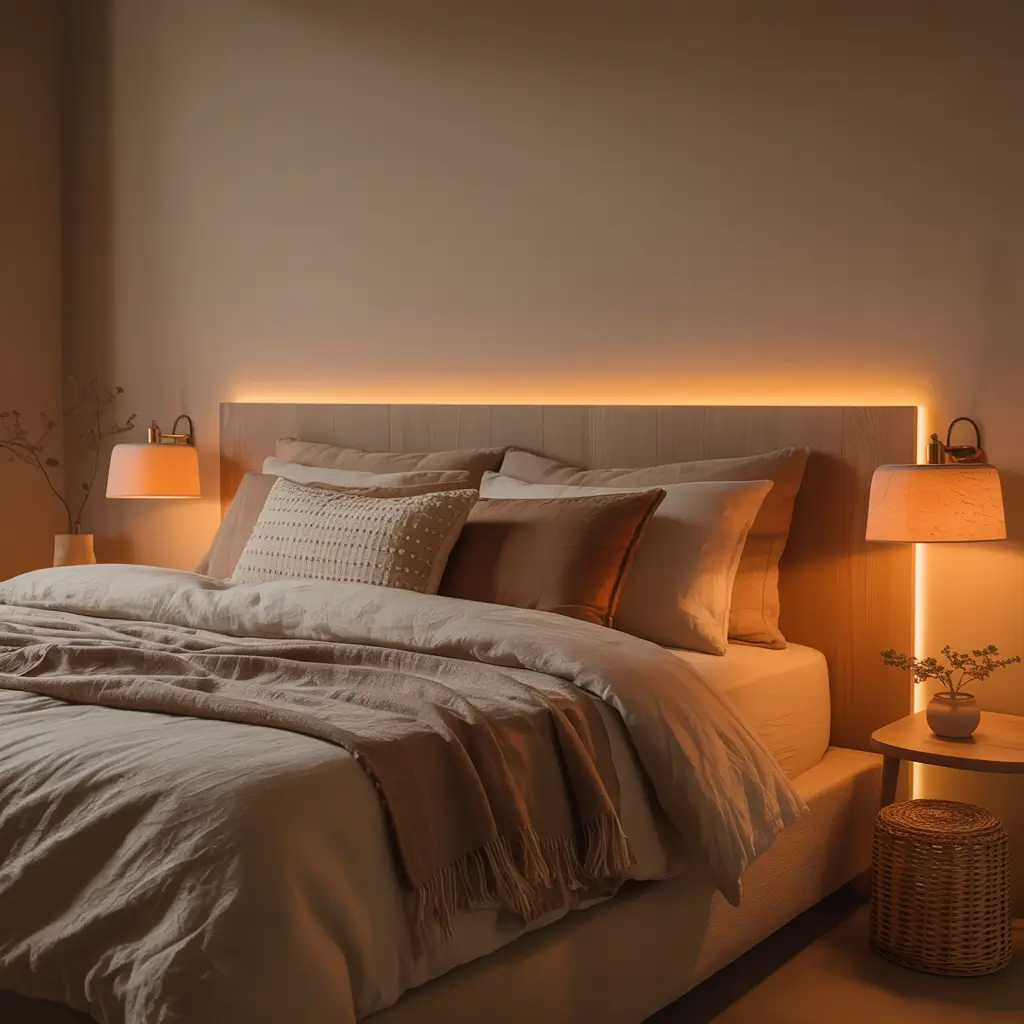
Harsh overhead lighting is the enemy of cozy small spaces. I learned this after spending months wondering why my tiny bedroom felt more like a hospital room than a relaxing retreat, even after decorating it carefully.
The secret is layering multiple soft light sources at different heights. This eliminates harsh shadows and creates the kind of warm ambiance that makes any space feel larger and more inviting.
Start with ambient lighting: This is your room’s base lighting. Table lamps, floor lamps, and wall sconces provide this gentle, overall illumination. I use warm LED bulbs (2700K-3000K) that mimic the glow of traditional incandescent bulbs without the heat.
Add task lighting: Reading lights, bedside lamps, and under-shelf lighting serve specific purposes while contributing to the overall ambiance. Adjustable wall-mounted reading lights save nightstand space while providing focused light exactly where you need it.
Create accent lighting: String lights, candles, and decorative lamps add personality and warmth. I string warm white LED lights along one wall behind my headboard – it creates a soft glow that makes the entire room feel magical.
Control is everything: Install dimmer switches where possible, or choose lamps with multiple brightness settings. Being able to adjust your lighting throughout the day helps your tiny bedroom serve multiple purposes – bright for getting ready in the morning, soft for evening relaxation.
The goal is never relying on just one light source. Even during the day, having soft lamps on makes the space feel welcoming. And here’s a weird thing I discovered: multiple small light sources actually make a room feel larger than one bright overhead light because they create depth and eliminate stark shadows that can make walls feel closer.
Also Read: 10 Elegant Luxury Dressing Room Ideas Dream Spaces
10. Sliding Door Closet Small Space Design
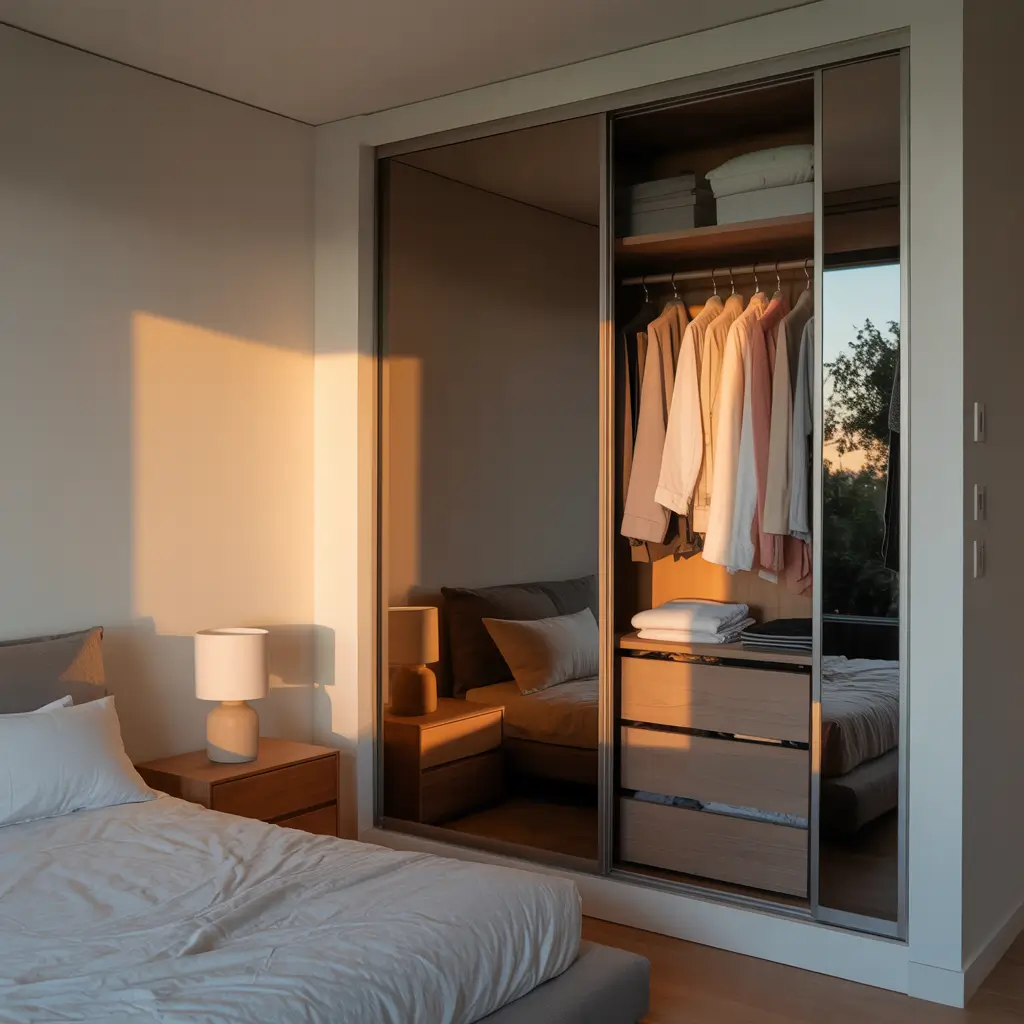
Traditional hinged closet doors are space hogs in tiny bedrooms. I realized this when I calculated that my closet door swing took up almost 10 square feet of floor space when fully open – that’s significant real estate in a small room!
Sliding doors eliminate this problem entirely. They move parallel to the wall instead of into your room, freeing up that floor space for furniture placement or just easier movement around the room.
But here’s where it gets interesting: the type of sliding door you choose can dramatically impact your room’s feel.
Mirrored sliding doors: These combine the space-saving benefits of sliding doors with the room-expanding effects of mirrors. I’ve used this combination in multiple small bedrooms, and it consistently makes the space feel twice as large.
Barn doors: These add character while saving space. Choose a design that complements your bedroom style – rustic wood for farmhouse vibes, sleek metal for modern aesthetics.
Frosted glass doors: These create a sense of depth and allow light to filter through while hiding closet clutter. They work especially well in bedrooms with limited natural light.
Fabric panels: Budget-friendly and customizable, hanging fabric panels on a track system can hide your closet while adding color and texture to your room.
The installation is usually simpler than you’d expect, and many systems work with existing closet openings. Just make sure you have enough wall space on either side for the doors to slide open completely.
Pro tip: If you’re renting and can’t modify the existing doors, hang a curtain or fabric panel in front of your closet opening. It achieves the same space-saving effect and adds softness to your room’s design.
Bringing It All Together
After years of living in various tiny bedrooms and trying every trick in the book, I’ve learned that the best small space designs combine multiple strategies rather than relying on just one solution.
Maybe you’ll use floating nightstands with under-bed storage and strategic mirror placement. Or perhaps a loft bed with Japandi-inspired minimal furnishing and soft layered lighting is your perfect combination. The key is choosing strategies that work together and match how you actually live in your space.
Remember: a tiny bedroom doesn’t have to feel cramped or compromised. With the right approach, it can become your favorite room in the house – a cozy retreat that works exactly as hard as you need it to. And honestly? Some of my happiest living situations have been in the smallest bedrooms, because when you get the design right, there’s something truly special about a perfectly organized, beautiful small space that’s entirely yours.
Start with one or two of these ideas and build from there. Your tiny bedroom transformation doesn’t have to happen overnight, but trust me – once you start seeing the possibilities in your small space, you’ll wonder why you ever wanted anything bigger 🙂