10 Inspiring Garden Landscape Design Ideas for Peaceful Spaces

You know that feeling when you step outside and your yard just… doesn’t spark joy? Maybe it’s a bland patch of grass with a sad shrub in the corner, or perhaps it’s giving off major “abandoned lot” vibes.
Trust me, I’ve been there. After years of trial and error (and let’s be honest, some spectacular plant failures), I’ve learned that the right landscape design can completely transform not just your space, but your entire relationship with your backyard.
The best part? You don’t need a degree in landscape architecture or a trust fund to create something amazing.
Whether you’re working with a tiny balcony or sprawling acreage, there’s a design style that’ll make your outdoor space feel like your personal sanctuary.
Let’s explore ten landscape design ideas that range from sleek and modern to wild and tropical—because life’s too short for boring gardens.
Modern Minimalist Garden Landscape Layout
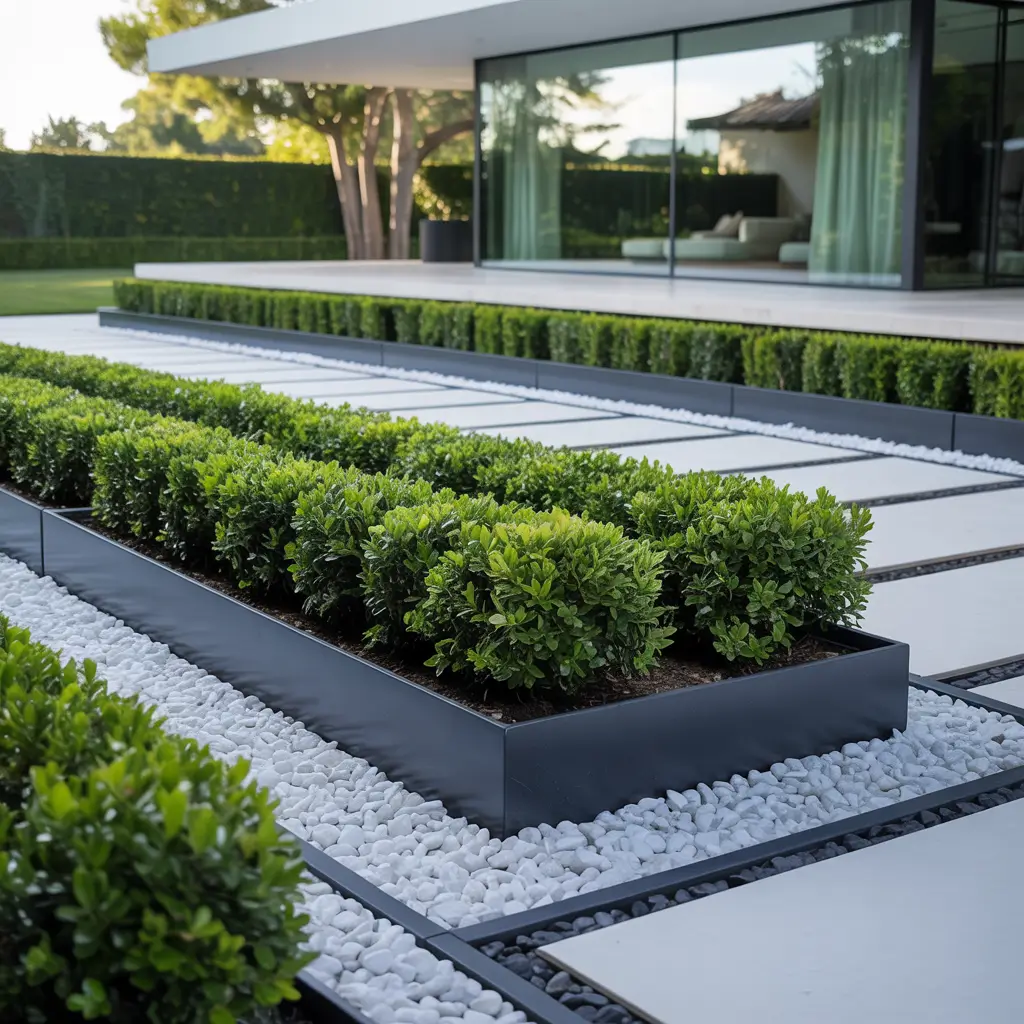
Ever notice how the most stunning spaces often have the least “stuff” in them? That’s the magic of minimalist design, and it works just as well outdoors as it does in your living room.
A modern minimalist garden focuses on clean lines, geometric shapes, and strategic plant placement. Think rectangular planters filled with ornamental grasses, concrete pathways that create visual flow, and maybe a single specimen tree as your showstopper. The color palette stays neutral—whites, grays, and varying shades of green dominate the space.
What I love about this approach is how low-maintenance it becomes once established. You’re not dealing with complicated flower rotations or intricate pruning schedules. Instead, you’re working with plants that look good year-round and hardscaping that ages beautifully.
Key elements for nailing the minimalist look include:
- Structural plants like boxwood spheres or fountain grass clusters
- Gravel or decomposed granite pathways
- Simple water features (think rectangular reflecting pools, not elaborate fountains)
- Strategic lighting that highlights architectural elements
- Limited but impactful furniture pieces
The trick here is restraint. Every element needs to earn its place in the design. If something doesn’t serve a clear purpose or contribute to the overall aesthetic, it probably doesn’t belong.
Cozy Cottage Style Backyard Garden Design
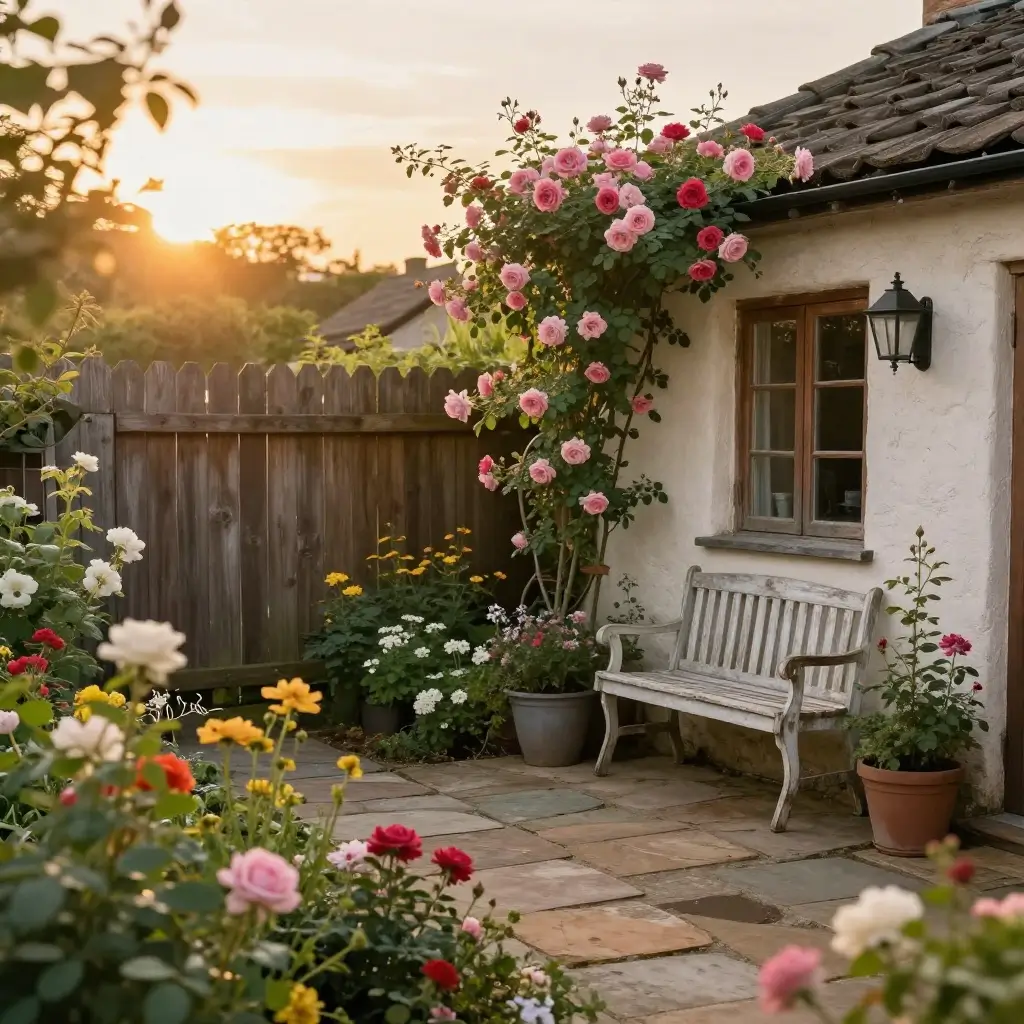
Now, if minimalism feels too sterile for your taste, let’s swing completely in the other direction. Cottage garden style is basically the warm hug of landscape design—it’s romantic, slightly chaotic, and absolutely charming.
I stumbled into cottage gardening by accident when I inherited a yard full of mismatched perennials from the previous owner. Instead of ripping everything out, I learned to work with the beautiful chaos. The secret to cottage style is creating controlled wildness that looks effortless but actually requires thoughtful planning.
Traditional cottage gardens feature:
- Mixed borders packed with perennials, annuals, and bulbs
- Climbing roses or clematis on trellises and arbors
- Meandering pathways made from brick, stone, or even wood chips
- Picket fences or low stone walls
- Herbs and vegetables mixed right in with ornamental plants
The color scheme can be whatever makes you happy, but pastels tend to create that dreamy, English countryside vibe most people associate with cottage style. Don’t be afraid to let plants spill over edges and self-seed—that “organized mess” look is exactly what you’re going for.
Pro tip: Start with a backbone of reliable perennials like lavender, catmint, and hardy geraniums, then fill in with seasonal favorites. This gives you structure while maintaining that carefree cottage feeling.
Small Space Vertical Garden Landscape Ideas
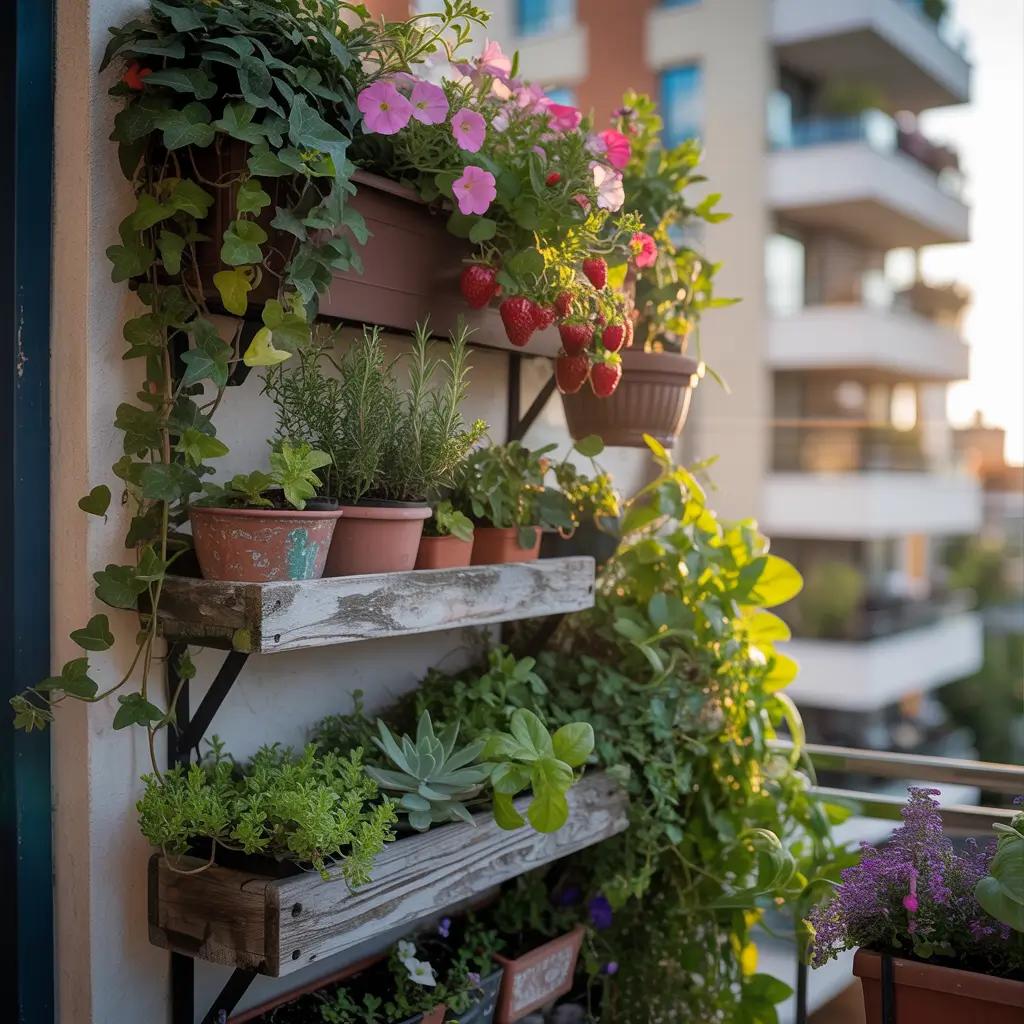
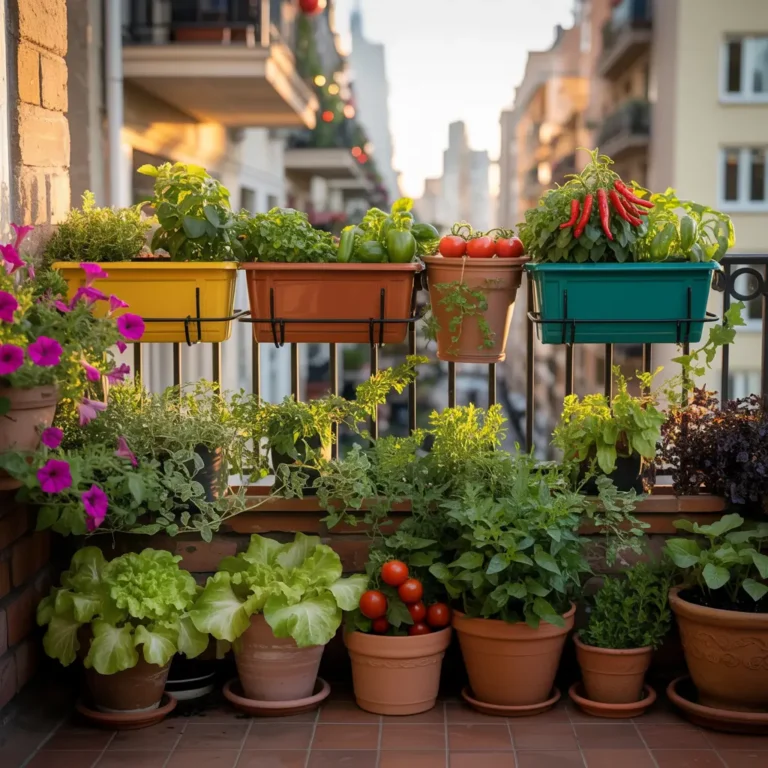
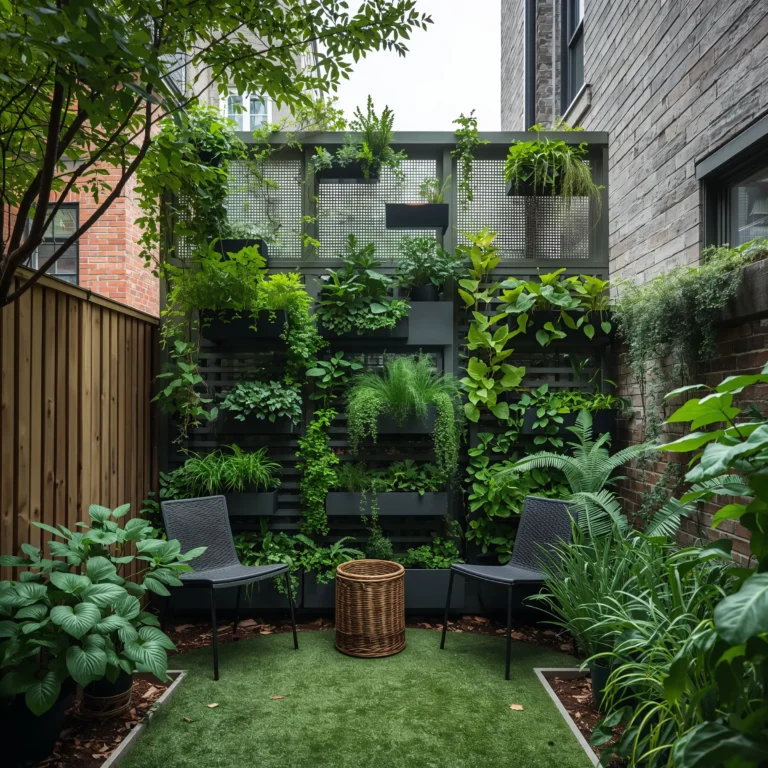
Small yard problems require creative solutions, and vertical gardening is honestly a game-changer for cramped spaces. Why limit yourself to ground-level growing when you can use walls, fences, and even ceiling space?
I learned this lesson the hard way in my first apartment’s tiny patio. After trying to cram everything into containers on the ground (spoiler: it looked terrible), I finally looked up and realized I had tons of unused wall space. Vertical gardens don’t just save space—they create dramatic focal points that make small areas feel more intentional and designed.
Your vertical garden arsenal can include:
- Living walls with built-in irrigation systems
- Trellises for climbing plants like jasmine or passion vine
- Hanging planters at varying heights
- Wall-mounted planter boxes for herbs and small vegetables
- Espaliered fruit trees trained flat against walls
The key is creating visual layers. Mix trailing plants with upright growers, and vary your container sizes to avoid that “everything lined up in a row” look. Plants like pothos, ferns, and succulents work beautifully in vertical systems, plus they’re pretty forgiving if you’re still figuring out the watering schedule.
FYI, don’t forget about weight considerations. Make sure whatever you’re mounting can actually support soil, plants, and water without pulling down your fence or damaging your walls.
Also READ: 10 Elegant Japanese Garden Design Ideas for Calm Spaces
Luxury Villa Style Garden Landscape Design
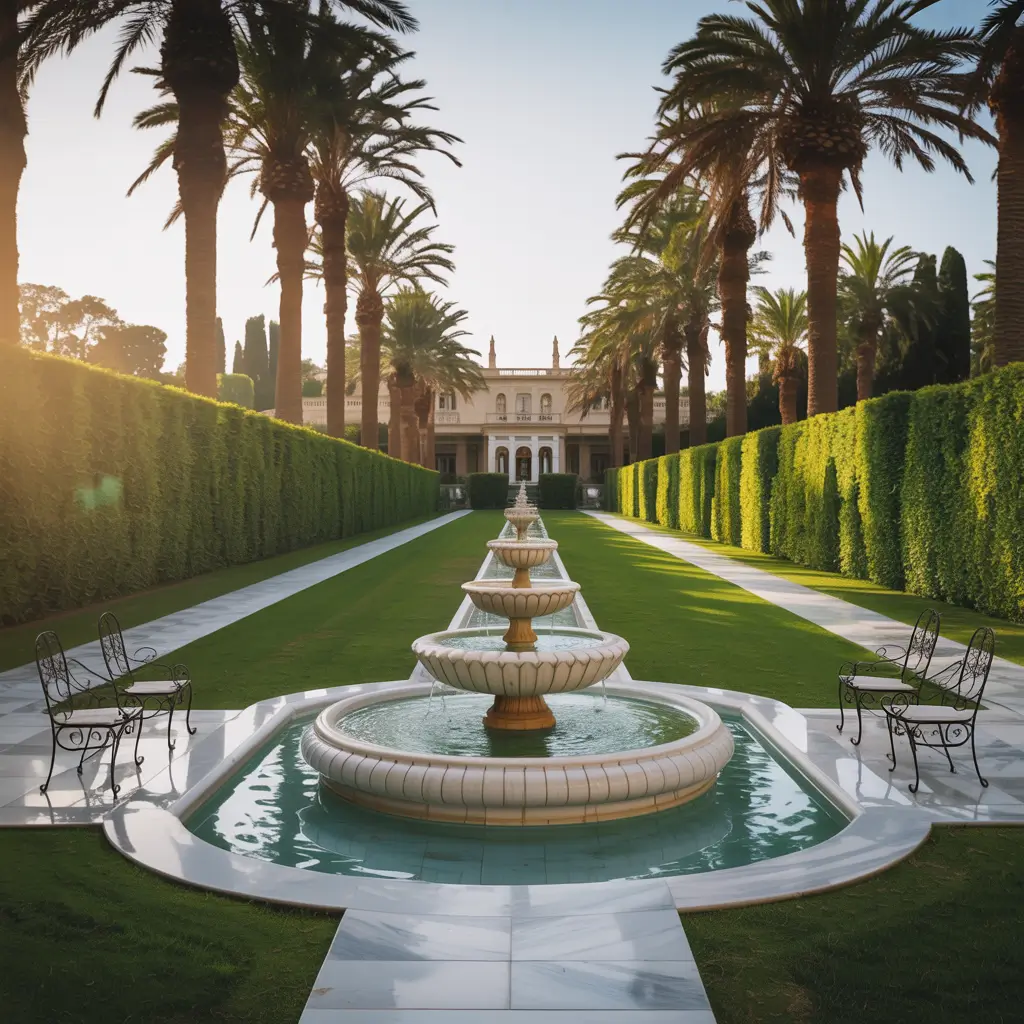
Sometimes you want your backyard to feel like a five-star resort, even if your budget is more “three-star motel.” Luxury villa style is all about creating sophisticated outdoor living spaces that blend seamlessly with your home’s architecture.
The villa aesthetic draws heavily from Mediterranean and contemporary design principles. Think expansive terraces, sophisticated water features, and outdoor rooms that feel like extensions of your indoor living space. This style works especially well if your home has stucco walls, tile roofs, or other Mediterranean-inspired architectural elements.
Essential luxury villa elements include:
- Multi-level terracing with natural stone retaining walls
- Swimming pools or elaborate water features as centerpieces
- Outdoor kitchens and dining areas with weather-resistant furniture
- Mature trees for instant shade and privacy
- Sophisticated lighting systems for evening entertaining
The plant palette typically features architectural specimens like olive trees, cypress, and large ornamental grasses. Everything should look polished and well-maintained—this isn’t the style for wild cottage gardens or xeriscaping experiments.
Obviously, this approach requires a bigger investment upfront, but you can achieve the look gradually by focusing on one “room” at a time. Start with a well-designed patio area, then expand outward as your budget allows.
Japanese Zen Garden Landscape Inspiration
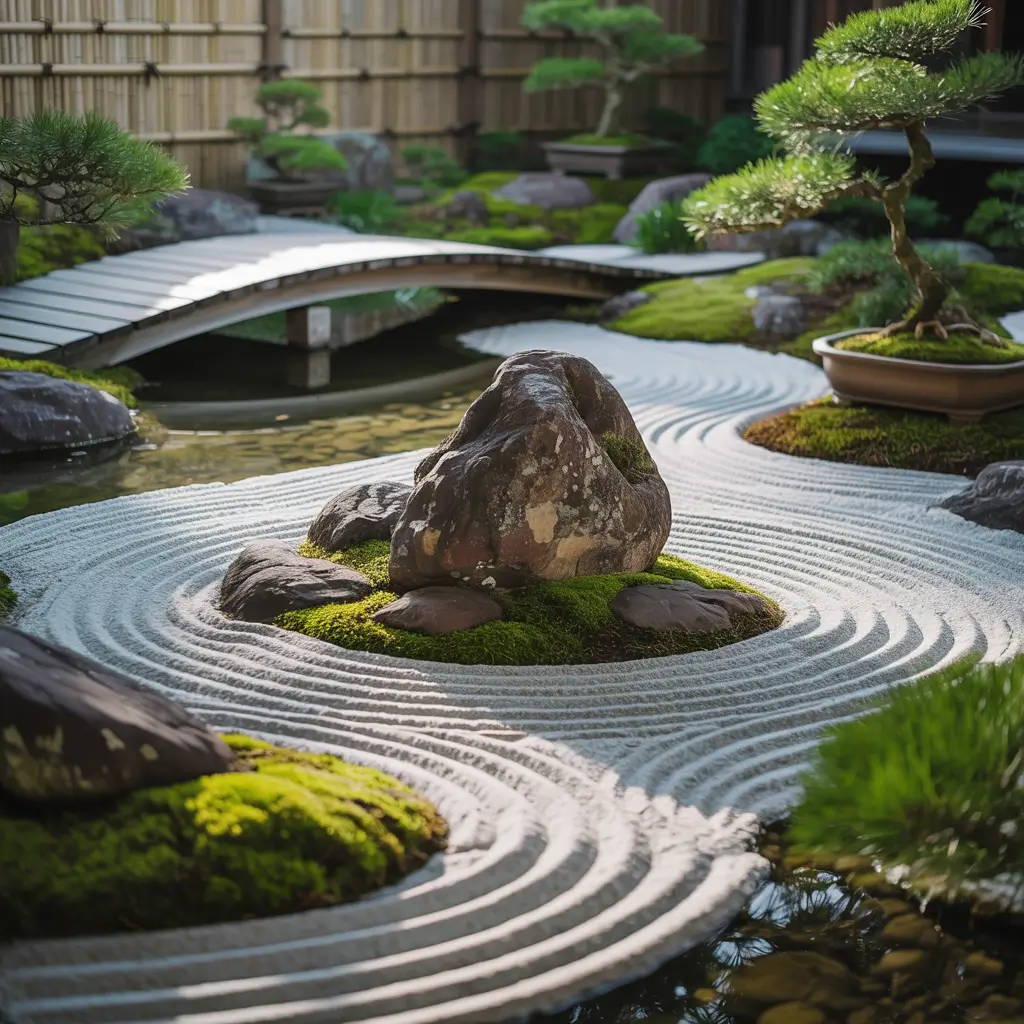
There’s something deeply calming about Japanese garden design. Maybe it’s the careful balance of elements, or perhaps it’s the way every component serves both aesthetic and philosophical purposes. Either way, incorporating Zen principles into your landscape creates spaces that genuinely soothe the soul.
Traditional Japanese gardens emphasize harmony, simplicity, and the beauty of natural materials. Water, stone, and plants work together to create contemplative spaces that change subtly with the seasons. The goal isn’t flashy drama—it’s quiet perfection.
Core elements of Japanese garden design include:
- Carefully placed stones as sculptural focal points
- Water features like koi ponds or gentle fountains
- Raked gravel or sand areas for meditation
- Bamboo fencing and natural wood elements
- Plants like Japanese maples, bamboo, and moss
The beauty lies in the details and the relationships between elements. A single well-placed boulder can become a meditation on permanence, while a small bridge over a dry creek bed suggests journeys and transitions.
You don’t need acres to create a Zen corner in your yard. Even a small area with a few carefully chosen plants, some smooth river rocks, and a simple water feature can provide that peaceful retreat feeling.
Mediterranean Style Outdoor Garden Design
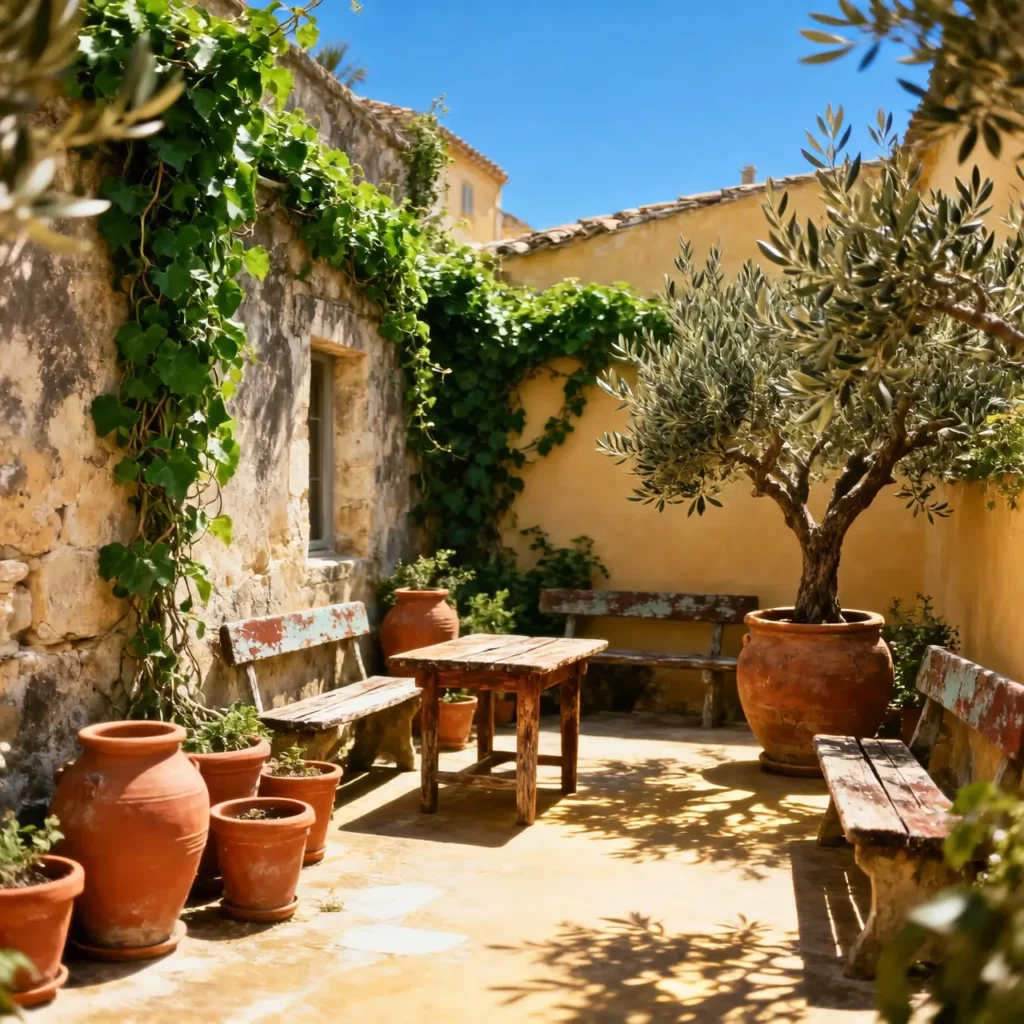
Mediterranean gardens transport you to hillside villas and coastal terraces without requiring a passport. This style celebrates sun-loving plants, natural materials, and outdoor living—perfect for warm climates or anyone who dreams of endless summer.
I fell in love with Mediterranean gardening during a trip to Greece, where every tiny courtyard seemed to overflow with olive trees, lavender, and terra cotta pots. The secret is embracing plants that actually thrive in heat and drought rather than fighting against your climate.
Classic Mediterranean garden features include:
- Gravel or decomposed granite pathways
- Terra cotta and ceramic containers in earth tones
- Drought-tolerant plants like rosemary, sage, and cistus
- Pergolas and arbors for climbing vines
- Natural stone walls and terracing
The color palette draws from the landscape itself—think olive greens, lavender purples, and the warm earth tones of terracotta and natural stone. Fragrant plants are essential; you want your garden to smell like herbs and blooming shrubs.
This style works beautifully in dry climates but can be adapted anywhere by focusing on good drainage and choosing appropriate plant varieties. Plus, once established, Mediterranean gardens are incredibly low-maintenance—definitely a win in my book 🙂
Also Read: 10 Beautiful Roof Garden Design Ideas for Modern Homes
Budget-Friendly DIY Garden Landscape Ideas
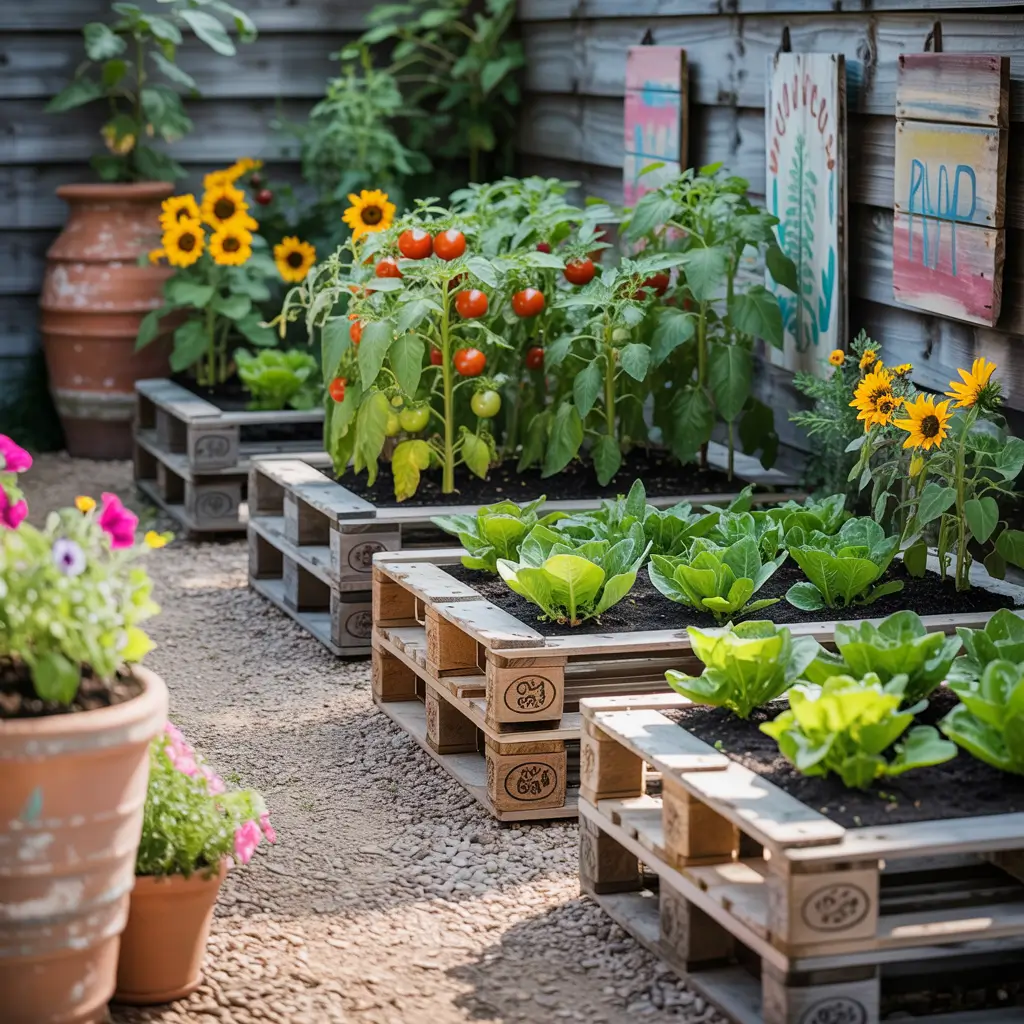
Let’s be real—not everyone has thousands of dollars to throw at landscape design. But here’s the thing: some of the most charming gardens I’ve seen were created by resourceful DIYers who focused on creativity over cash.
The key to budget gardening is thinking like a designer but shopping like a bargain hunter. You want the same visual impact as expensive landscapes, just achieved through clever plant choices, DIY projects, and strategic splurges on high-impact elements.
Money-saving strategies that actually work:
- Start plants from seed or propagate from friends’ gardens
- Use inexpensive materials like gravel and mulch for major visual impact
- Build raised beds from reclaimed wood or concrete blocks
- Shop end-of-season sales at nurseries for discounted plants
- Focus on fast-growing plants for quick results
Some of my favorite budget-friendly projects include creating pathways with stepping stones (way cheaper than full hardscaping), building simple trellises from bamboo poles, and making dramatic planters from repurposed materials.
The trick is to tackle your space in phases rather than trying to do everything at once. Start with one area, get it looking amazing, then move on to the next section. This approach spreads out costs and lets you learn what works in your specific space.
Tropical Backyard Garden Landscape Transformation
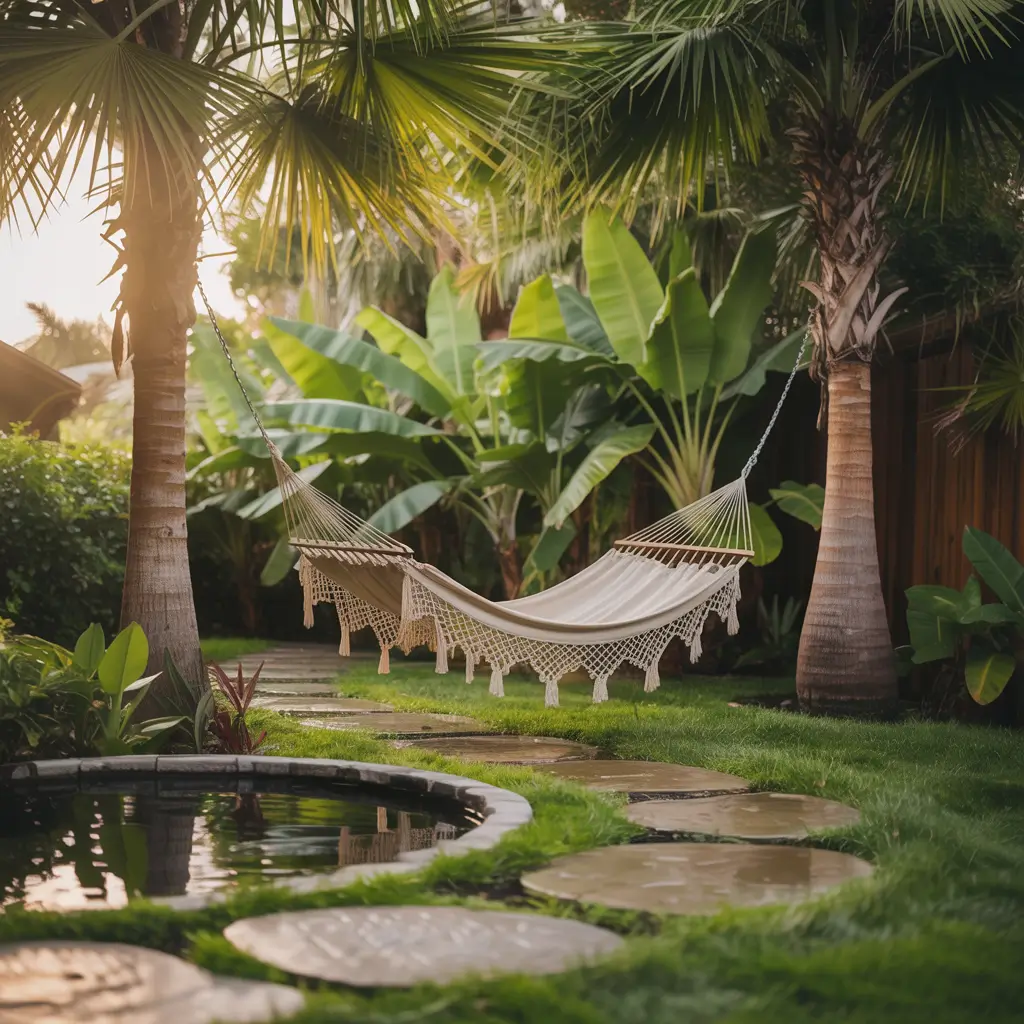
Want to feel like you’re vacationing in your own backyard? Tropical landscaping creates lush, jungle-like environments that make every day feel like a retreat to somewhere exotic.
The tropical look is all about bold foliage, vibrant colors, and creating layers of vegetation that mimic natural jungle environments. Think big, dramatic leaves, bright flowering plants, and the sound of water moving through the space.
Essential tropical garden elements include:
- Large-leafed plants like banana trees, elephant ears, and giant bird of paradise
- Bright, tropical flowers such as hibiscus, bougainvillea, and plumeria
- Multiple water features for humidity and sound
- Natural materials like bamboo and teak for furniture and structures
- Warm lighting to extend evening enjoyment
Even if you live in a cooler climate, you can achieve tropical vibes by using cold-hardy plants with tropical-looking foliage and bringing tender plants indoors during winter. Cannas, hardy hibiscus, and certain palm varieties can survive surprisingly cold temperatures.
The goal is creating spaces that feel abundant and wild, even if they’re carefully planned. Layer plants at different heights, let things spill over edges, and don’t be afraid of bold color combinations that might seem overwhelming in other garden styles.
Desert Rock Garden Landscape Design Ideas
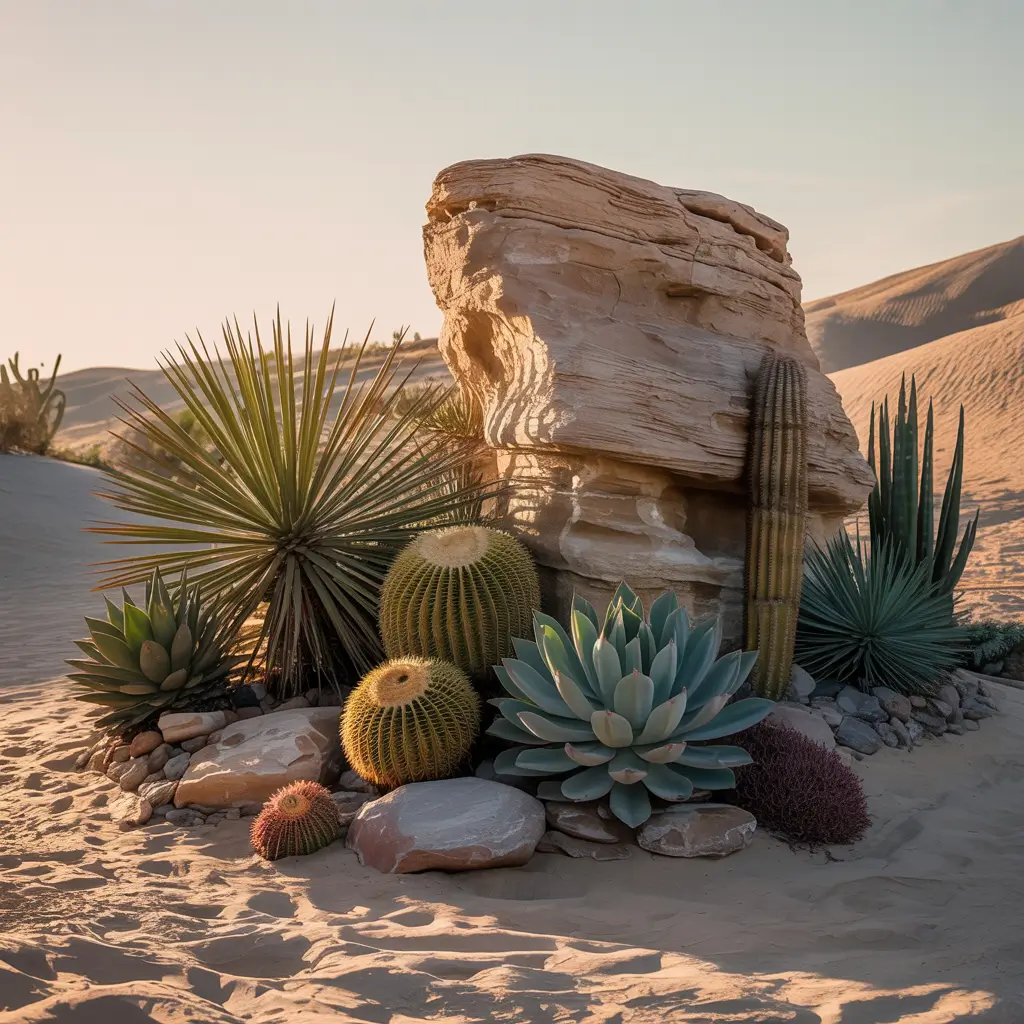
Desert landscaping isn’t just for Arizona anymore. Water-wise gardening has become essential everywhere, and desert plant communities offer incredible beauty along with environmental responsibility.
I used to think desert gardens looked sparse and boring until I visited some truly spectacular xeriscaped spaces. The beauty lies in architectural plant forms, stunning rock formations, and subtle color variations that change dramatically with light and seasons.
Successful desert garden elements include:
- Sculptural succulents and cacti as living artwork
- Dramatic rock formations and boulder placement
- Decomposed granite or gravel ground covers
- Native grasses for movement and texture
- Strategic shade structures for comfort
The plant palette goes way beyond basic barrel cacti. Agaves, yuccas, and ornamental grasses create incredible textural contrasts, while desert wildflowers provide seasonal color explosions that’ll knock your socks off.
This style requires completely rethinking traditional gardening approaches. Instead of fighting drought conditions, you embrace them. Instead of green lawns, you create beautiful compositions with stones and drought-adapted plants that actually look better with minimal water.
Also Read: 10 Stunning Front Yard Garden Design Ideas That Wow
Contemporary Courtyard Garden Layout Design
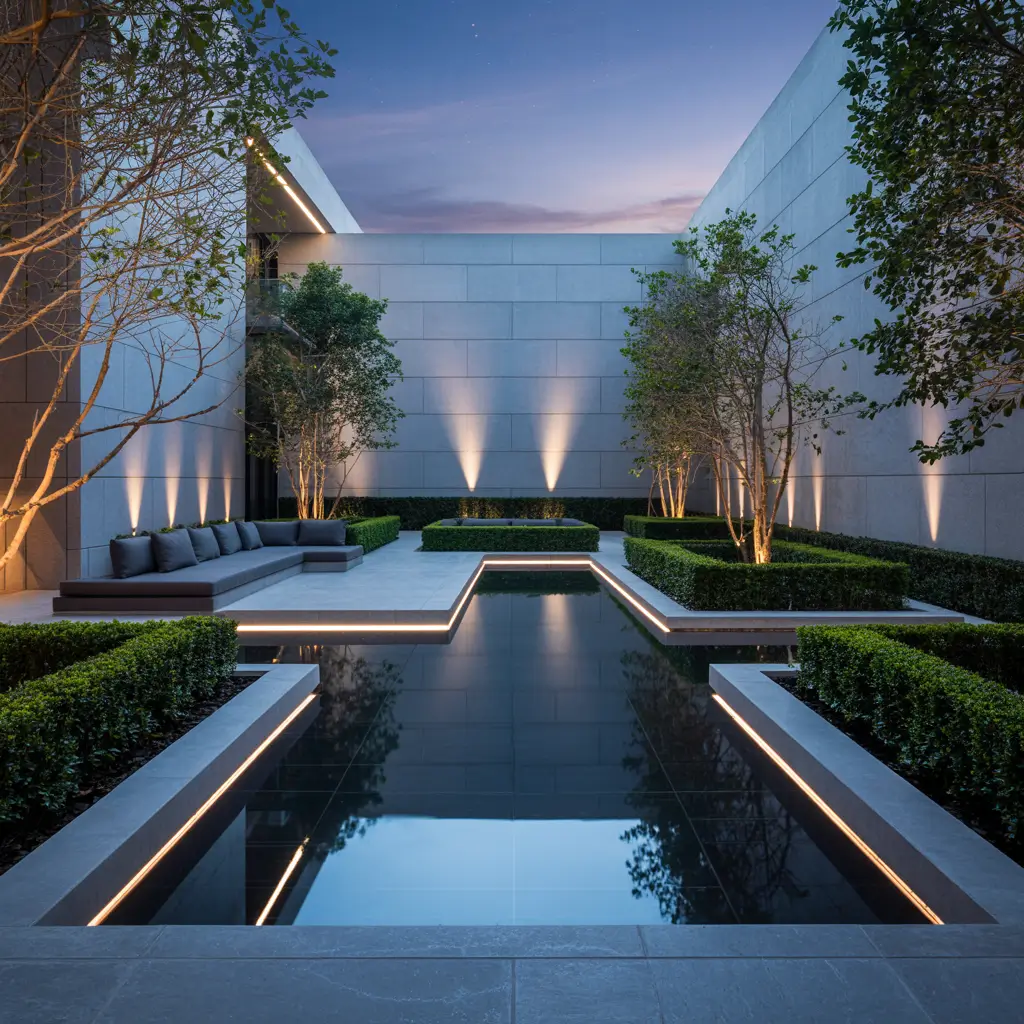
Courtyard gardens solve one of modern life’s biggest challenges: creating private outdoor space in increasingly crowded environments. Whether you’re dealing with a tiny urban lot or want to carve out an intimate space within a larger yard, courtyard design principles can transform awkward areas into sophisticated retreats.
The magic of courtyard design lies in creating enclosed spaces that feel separate from the outside world. High walls, strategic plantings, and carefully planned sight lines make even small spaces feel private and intentional.
Key courtyard design strategies include:
- Creating “rooms” with different functions (dining, lounging, gardening)
- Using vertical elements like tall plants or screens for privacy
- Incorporating water features for sound masking
- Choosing furniture and plants that work at intimate scale
- Adding overhead elements like pergolas or shade sails
The style can range from ultra-modern with concrete and steel to traditional with brick and climbing roses. What matters most is creating spaces that feel intentionally separate from their surroundings while maintaining visual interest throughout the seasons.
IMO, courtyard gardens work best when every element serves multiple purposes. A raised planter bed can provide privacy screening, growing space, and seating all in one feature.
Conclusion
The truth is, the best garden landscape design is whatever makes you want to spend time outside. Maybe you’re drawn to the zen-like simplicity of Japanese gardens, or perhaps tropical abundance speaks to your soul. The important thing is choosing a direction that fits both your lifestyle and your environment.
Start with one area that excites you most, whether it’s creating a cozy seating nook or establishing a dramatic focal point. Gardens evolve over time anyway—what you create today will grow and change, just like you do. And hey, if something doesn’t work out, that’s what shovels are for, right? 🙂