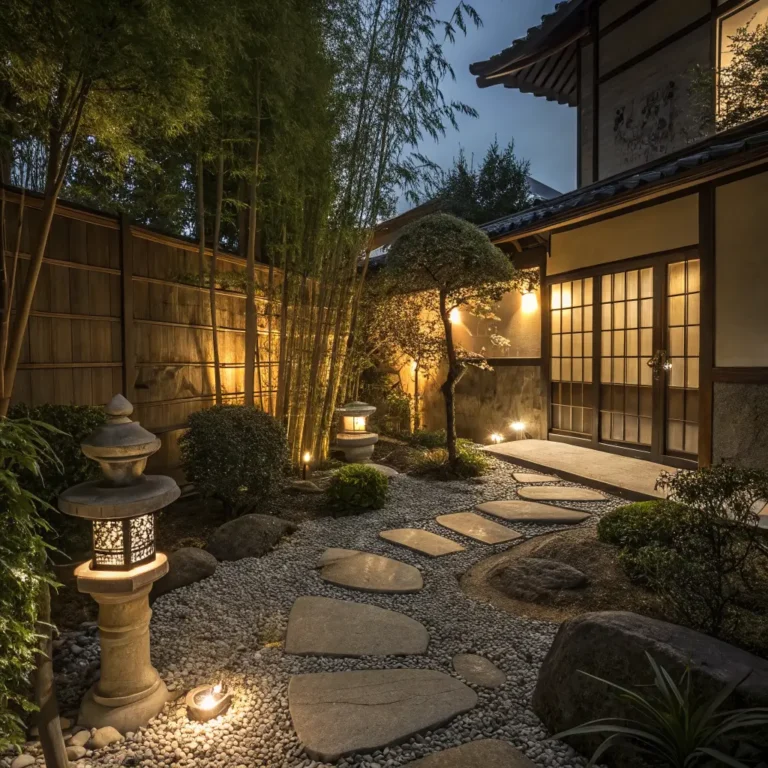
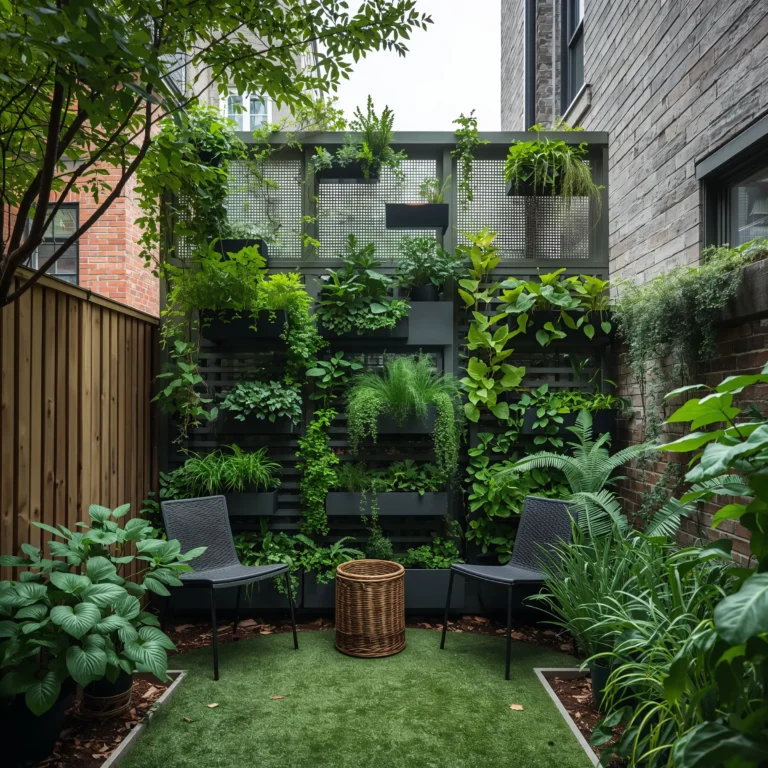
10 Elegant Terrace Garden Design Ideas for Luxury Vibes

Picture this: You step out onto your terrace with your morning coffee, and instead of staring at concrete and the neighbor’s laundry line, you’re greeted by a lush, Instagram-worthy garden that makes you feel like you’ve escaped to a resort.
Sounds like a dream? Well, buckle up because I’m about to show you exactly how to make that dream a reality.
I’ve been obsessing over terrace gardens for the past few years, and let me tell you – the transformation possibilities are endless. Whether you’re working with a tiny balcony or a sprawling rooftop, there’s a design style that’ll make your outdoor space absolutely stunning.
Plus, you don’t need to be Martha Stewart or have a trust fund to pull it off. Some of the most gorgeous terrace gardens I’ve seen were created on shoestring budgets with nothing but creativity and determination.
Ready to turn your boring outdoor space into the envy of the neighborhood? Let’s explore ten incredible terrace garden designs that’ll inspire you to grab your gardening gloves and get started.
Minimal Zen Terrace Garden with Bamboo Corner
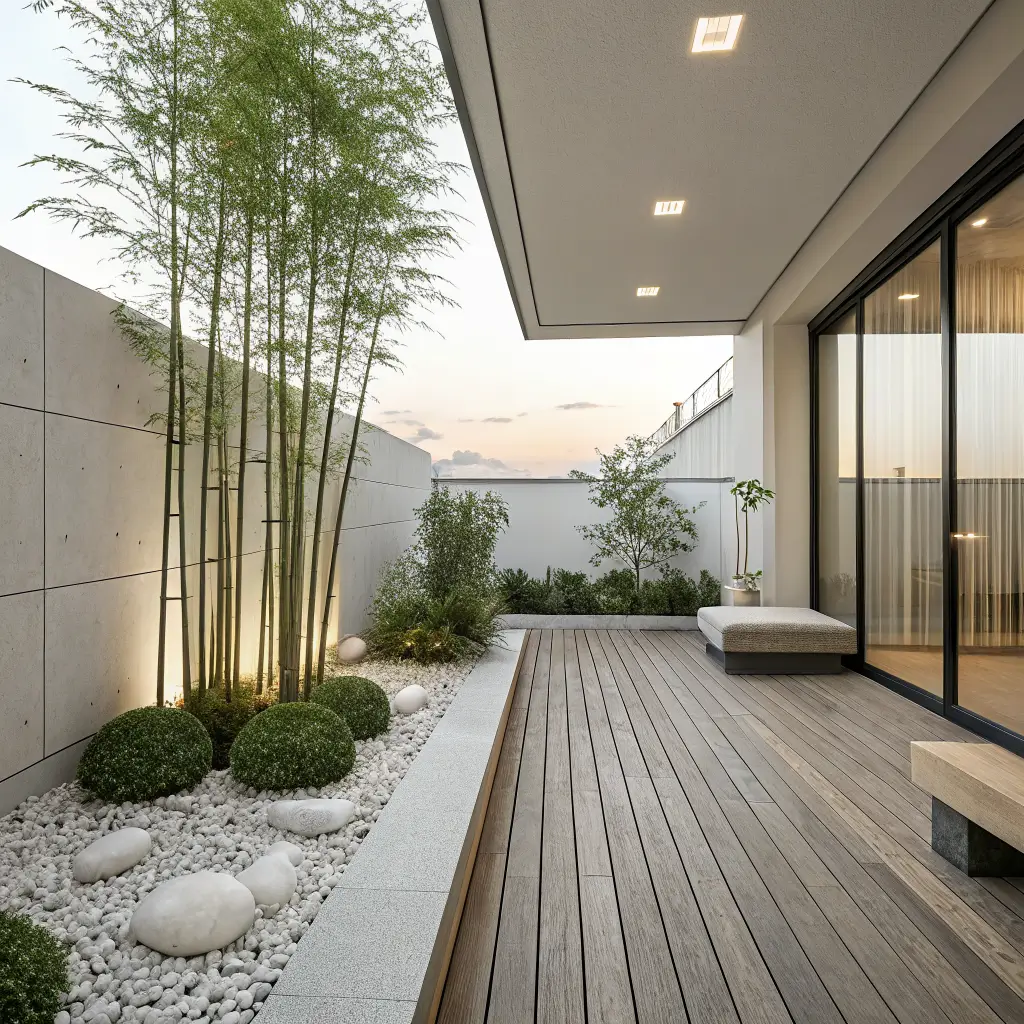
Ever noticed how stepping into a zen garden instantly makes your shoulders drop and your breathing slow down? That’s the magic we’re going for here. A minimal zen terrace garden isn’t just about looking pretty – it’s about creating a space that genuinely helps you decompress after those soul-crushing workdays.
The beauty of this design lies in its simplicity. Think clean lines, neutral colors, and carefully chosen elements that serve both form and function. The star of this setup is definitely the bamboo corner, which acts as both a natural privacy screen and a statement piece. I’ve used clumping bamboo varieties like Bambusa multiplex, and honestly, it’s been one of my best gardening decisions. The gentle rustling sound when the wind hits it? Pure therapy.
Here’s what makes this design work so well:
- Stone or concrete planters in geometric shapes that create visual harmony
- White gravel or river rocks as ground cover for that clean, minimalist look
- Strategic placement of a single statement plant like a Japanese maple or ornamental grass
- Simple wooden benches without any frills – just clean, functional seating
The color palette should stick to whites, grays, and natural wood tones with just hints of green from your plants. I learned this the hard way after my first attempt looked more like a confused rainbow than a zen retreat. Less really is more with this style.
What I love most about this approach is how low-maintenance it becomes once established. The bamboo practically takes care of itself, and the minimal plant selection means less watering, pruning, and general fussing around. Perfect for those of us who want beauty without the constant upkeep 🙂
Modern Boho Rooftop Garden with Fairy Lights
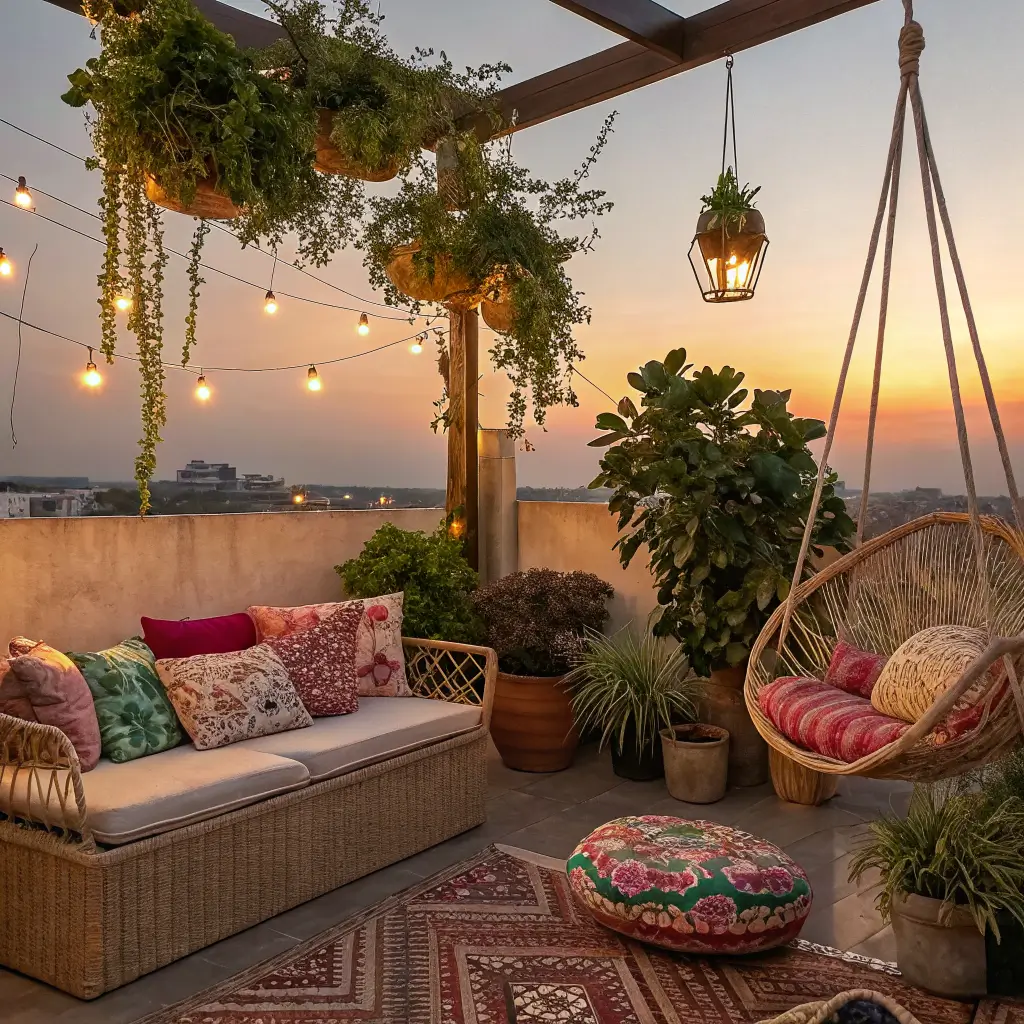
Now, if zen isn’t your vibe and you’re more of a “let’s make this space Instagram-worthy” person, the modern boho style might just be your calling. This design trend has absolutely taken over Pinterest for good reason – it’s effortlessly cool, incredibly photogenic, and surprisingly achievable even on a budget.
The modern boho terrace garden is all about mixing textures, creating cozy nooks, and adding those magical fairy lights that make everything look like a scene from a romantic movie. The fairy lights aren’t just decoration; they’re the secret ingredient that transforms your terrace from daytime garden to evening entertainment space.
Key elements that make this style pop:
- Macrame hanging planters filled with trailing plants like pothos or string of hearts
- Colorful floor cushions and poufs scattered around for flexible seating
- Vintage or distressed wooden furniture that looks like you found it at a charming flea market
- Layered rugs in natural fibers like jute or cotton to define different areas
- String lights crisscrossing overhead to create that magical ambiance
The plant selection here is crucial. You want lush, flowing plants that create that overgrown-but-intentional look. Think fiddle leaf figs in oversized baskets, cascading ivy, and plenty of succulents in quirky containers. I’ve found that mixing plant heights and textures creates the most dynamic visual impact.
One thing I’ve learned about fairy lights – invest in quality ones from the start. Those cheap strings from the dollar store will leave you restringing lights every few months, and trust me, untangling fairy lights is nobody’s idea of fun. Solar-powered LED strings are your best bet for both durability and energy efficiency.
Small Urban Terrace Garden with Vertical Planters
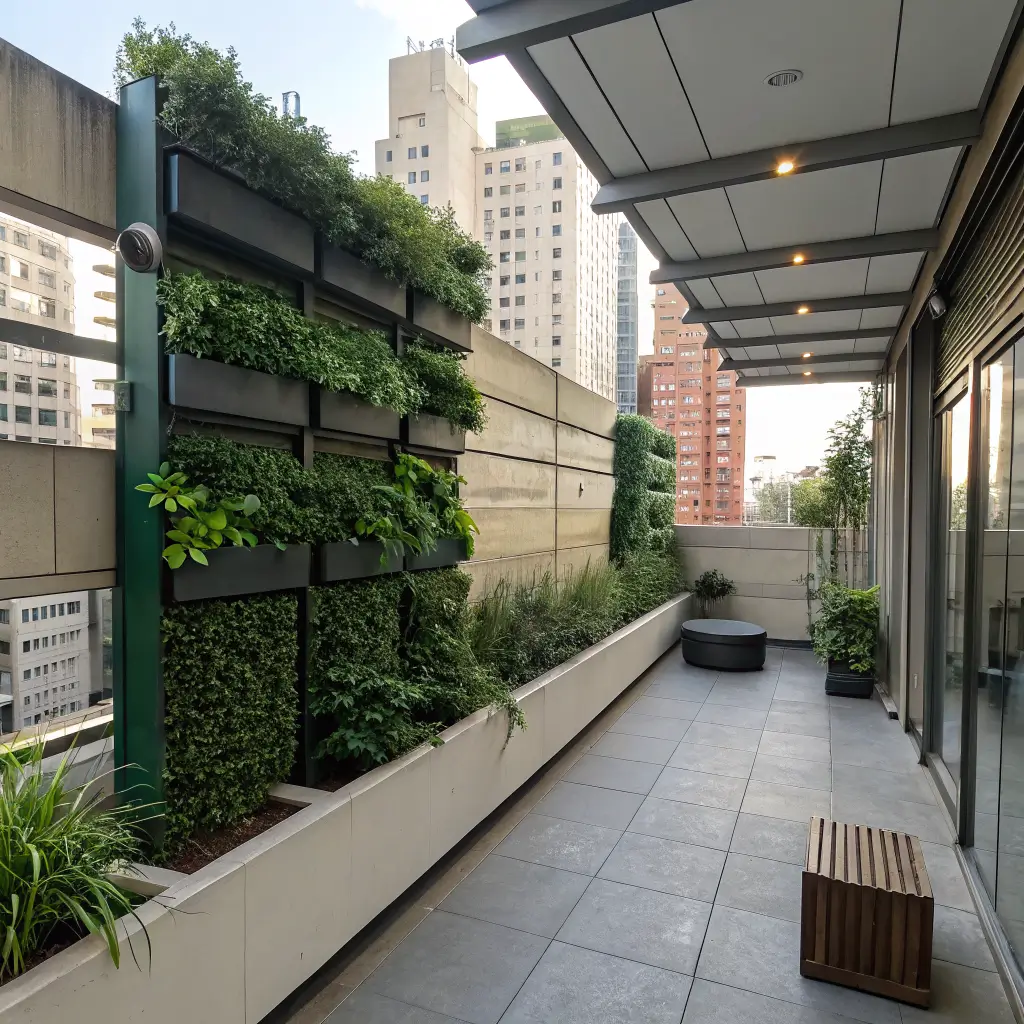
Space constraints got you down? Join the club! Most of us urban dwellers are working with terraces that are about as spacious as a walk-in closet. But here’s the thing – vertical space is your secret weapon, and once you start thinking upward instead of outward, the possibilities become endless.
I remember staring at my tiny 6×8 foot balcony thinking there was no way I could create anything impressive. Fast-forward two years, and my vertical garden setup produces enough herbs and vegetables to actually make a dent in my grocery bill. The trick is maximizing every square inch of wall space.
Vertical planter systems come in countless varieties, and you can either buy ready-made units or DIY your own. Here’s what works best in my experience:
- Modular wall-mounted planters that you can expand as your confidence grows
- Hanging pocket planters made from felt or canvas – perfect for herbs and small vegetables
- Ladder-style plant stands that create multiple levels without taking up floor space
- Trellis systems for climbing plants like peas, beans, or flowering vines
The plant selection for vertical gardens requires a bit more strategy. Root depth becomes your limiting factor, so focus on shallow-rooted plants like lettuce, herbs, strawberries, and most succulents. I’ve had amazing success with cherry tomatoes in hanging baskets – they trail beautifully and produce like crazy.
Pro tip: Drainage is absolutely critical in vertical systems. I learned this lesson after killing more plants than I care to admit with waterlogged roots. Make sure every planter has proper drainage holes, and consider installing a drip system if you’re going bigger than a few containers.
Also Read: 10 Creative Home Garden Design Ideas for Cozy Living
Luxury Rooftop Garden with Lounge Seating Area
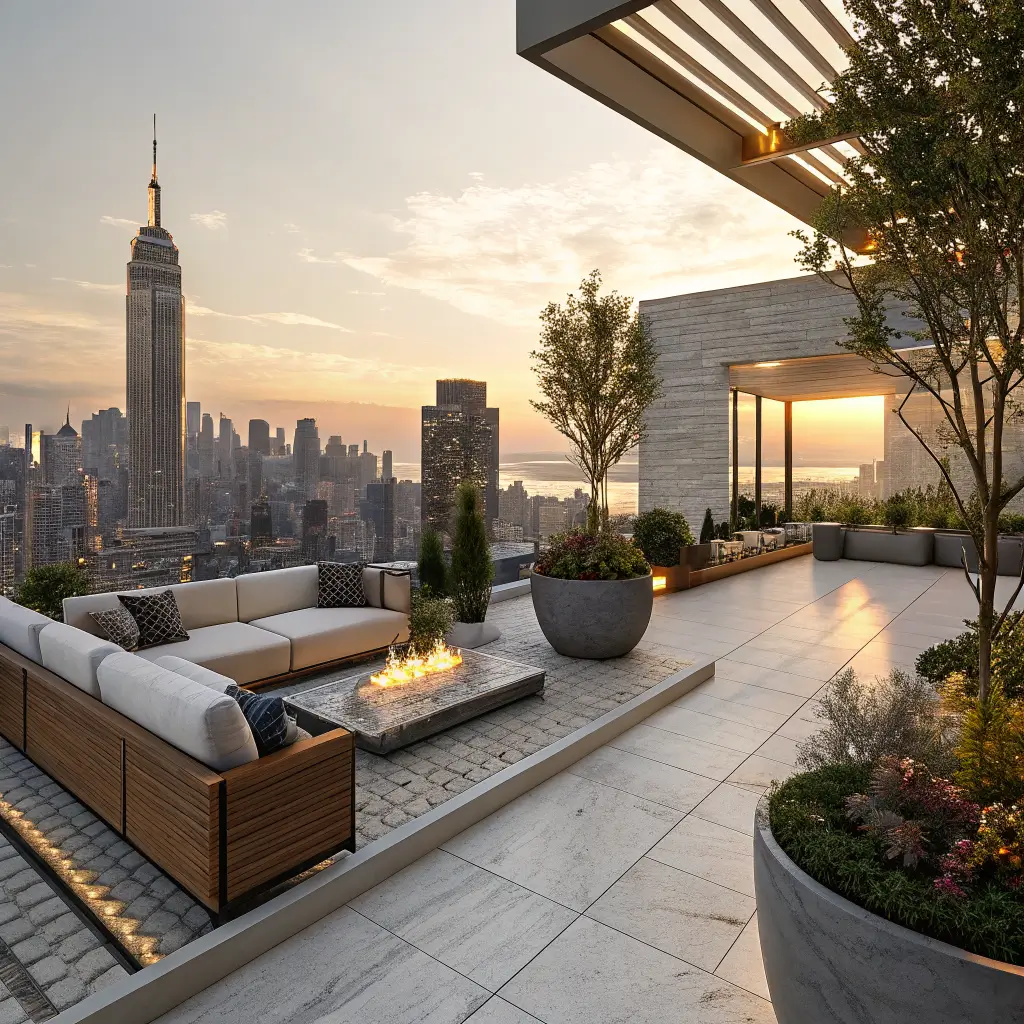
Alright, let’s talk about going all out. If you’ve got the space and budget to create something truly spectacular, a luxury rooftop garden with a proper lounge area is the ultimate outdoor upgrade. This isn’t just gardening – this is outdoor room design at its finest.
The goal here is to create a space that feels like an extension of your home’s interior. Think hotel rooftop vibes where you could legitimately host dinner parties or just sprawl out with a book on Sunday afternoons. The lounge seating area becomes the focal point, with the garden elements providing the perfect backdrop.
Essential components for the luxury approach:
- Weather-resistant sectional seating with plush cushions in coordinating colors
- Large planters with architectural plants like ornamental grasses or small trees
- Ambient lighting including floor lamps, lanterns, or even a fire feature
- High-quality outdoor rugs that tie the whole space together
- Built-in storage solutions hidden within planters or seating
The plant selection here should lean toward low-maintenance, high-impact varieties. You want plants that look expensive but don’t require daily attention. Boxwood topiaries, ornamental grasses like fountain grass, and architectural succulents like agave create that upscale resort feeling.
Comfort is king in this design style. If you’re going to invest in one thing, make it quality outdoor furniture. I’ve sat on too many outdoor sofas that feel like park benches with cushions. The good stuff actually makes you want to spend time outside, which is kind of the whole point, right?
Weather protection becomes crucial when you’re investing in nice furniture. Consider retractable awnings or pergolas to provide shade and protection from unexpected rain. Your beautiful setup won’t stay beautiful if it’s constantly battling the elements.
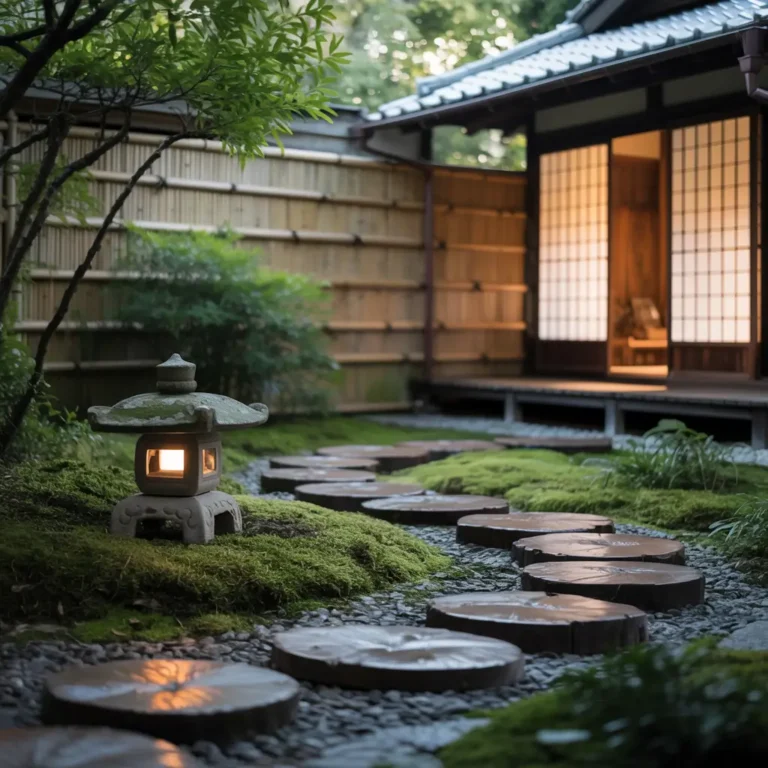
Japanese-Inspired Terrace Garden with Stone Pathway
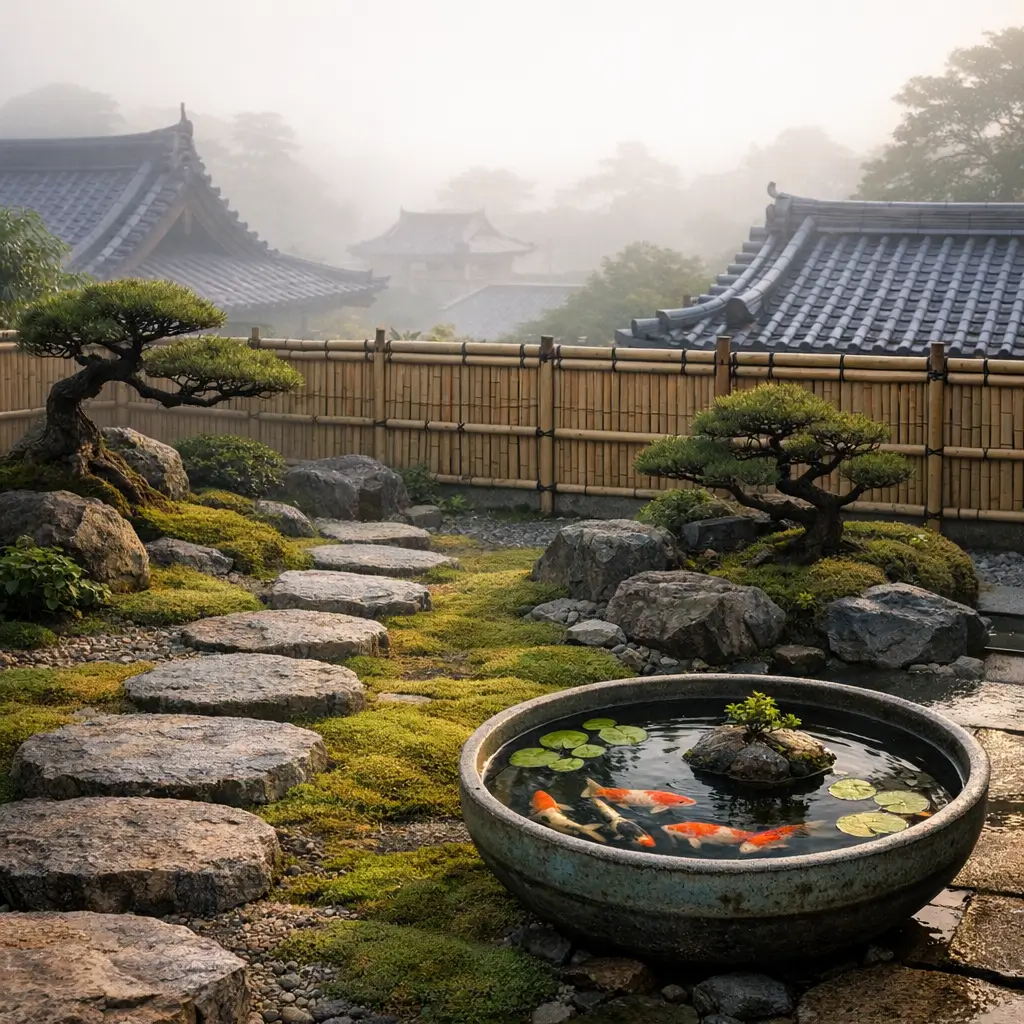
There’s something profoundly calming about Japanese garden design principles, and they translate beautifully to terrace spaces. The focus on asymmetrical balance, natural materials, and thoughtful plant placement creates gardens that feel both intentional and effortless. The stone pathway isn’t just functional – it’s the design element that ties everything together and guides visitors through your space.
Traditional Japanese garden design emphasizes the principle of borrowed scenery and creating views that change as you move through the space. Even on a small terrace, you can achieve this by strategically placing plants and hardscape elements to create different focal points along your stone path.
Core elements that capture the Japanese aesthetic:
- Natural stone stepping stones in irregular shapes and sizes
- Carefully pruned shrubs like Japanese maples or azaleas
- Ornamental grasses that add movement and texture
- Water features even if it’s just a simple bamboo fountain
- Moss or fine gravel between stepping stones
The stone pathway should feel natural and unforced. I’ve seen too many attempts that look like someone just lined up pavers in a straight line. The path should curve gently and create interesting sight lines, even if your terrace is rectangular. Sometimes the most beautiful paths are the ones that seem to meander for no particular reason.
Plant selection follows the Japanese principle of less is more. Choose plants with interesting shapes, textures, or seasonal changes rather than flashy flowers. Japanese maples are absolutely stunning if you have the right climate, but even simple hostas or ornamental grasses can create that serene, contemplative feeling.
Maintenance becomes meditative with this garden style. The regular pruning, raking, and tending required actually becomes part of the garden’s appeal. It forces you to slow down and really connect with your space in a way that other garden styles don’t quite achieve.
Cozy Green Terrace Garden with Wooden Deck Flooring
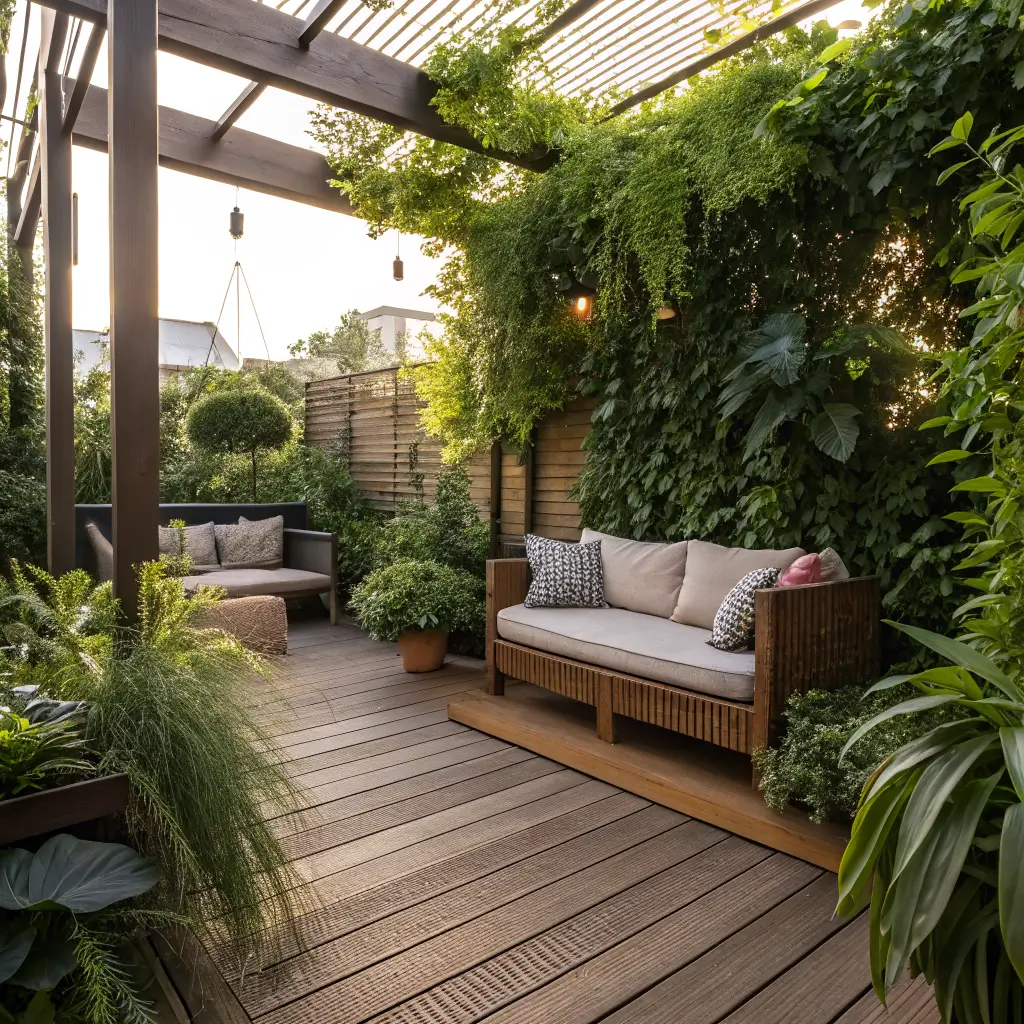
Sometimes the simplest approaches create the most inviting spaces. A cozy green terrace garden with wooden deck flooring feels like a warm hug – it’s welcoming, comfortable, and has that lived-in charm that makes you want to kick off your shoes and stay awhile. The wooden decking creates an instant sense of warmth that concrete or tile just can’t match.
This design style is all about creating a space that feels like an outdoor living room. The wooden deck flooring provides the foundation, but the real magic happens when you layer in plenty of green plants, comfortable seating, and those little touches that make a space feel personal.
What makes this approach so appealing:
- Natural wood tones that complement any plant color palette
- Mix of container sizes from large floor planters to small accent pots
- Comfortable outdoor furniture in natural materials like wicker or teak
- Soft textiles like throw pillows and blankets for added coziness
- Plenty of lush green plants to create that garden room feeling
The plant selection here should emphasize foliage over flowers. Think ferns, hostas, snake plants, and other leafy varieties that create that dense, green backdrop. I love adding different shades and textures of green – it’s amazing how many variations you can achieve with just foliage plants.
Wooden decking does require maintenance, but it’s worth the effort. Regular cleaning and occasional staining keep it looking fresh, and there’s something satisfying about caring for natural materials. Plus, walking barefoot on warm wood on a summer evening beats cold tile every time.
The key to making this style work is layering different elements at various heights. Floor planters, plant stands, hanging baskets, and wall-mounted containers create depth and visual interest without overwhelming the space.
Also Read: 10 Amazing Vegetable Garden Design Ideas for Modern Homes
Budget-Friendly Terrace Garden with DIY Pots Setup
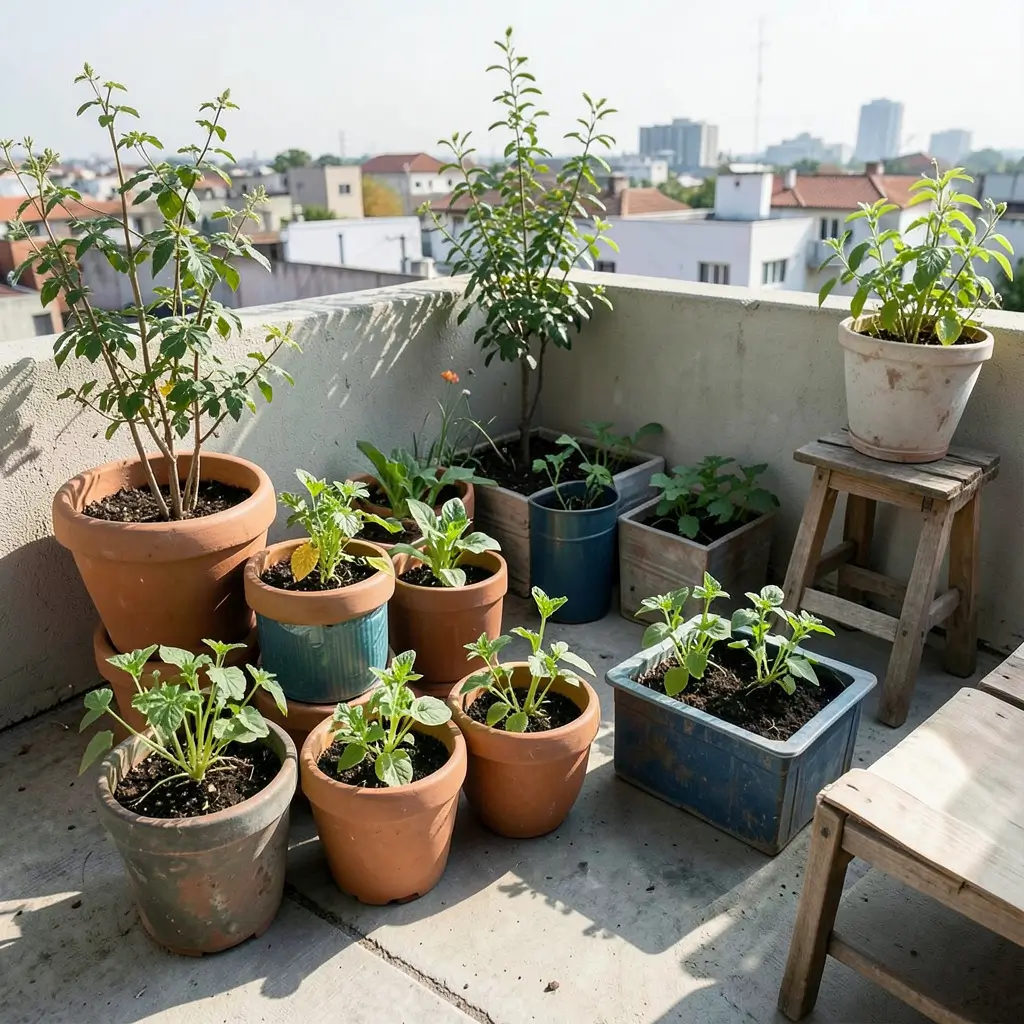
Let’s be real – not everyone has hundreds of dollars to drop on fancy planters and designer outdoor furniture. Some of the most charming terrace gardens I’ve ever seen were created by resourceful people who knew how to make magic happen with thrift store finds and a little creativity. Budget-friendly doesn’t mean cheap-looking if you approach it with the right strategy.
The DIY pot setup is where you can really let your personality shine through. I’ve made gorgeous planters from everything from old tires painted bright colors to wooden crates lined with landscape fabric. The key is choosing a theme and sticking with it so your collection looks intentional rather than random.
Money-saving strategies that actually work:
- Repurpose household items like buckets, baskets, or storage containers as planters
- Paint everything in a coordinating color scheme to create visual unity
- Start plants from seeds instead of buying mature plants
- Trade plants with neighbors and friends to diversify without spending
- Make your own plant stands from stacked bricks or wooden crates
One of my favorite budget hacks is using a consistent paint color across all your DIY planters. Even if you’re using mismatched containers, painting them all the same shade instantly makes them look like a coordinated set. I’ve used everything from spray paint to leftover wall paint with great results.
Seed starting becomes your best friend when you’re gardening on a budget. A pack of tomato seeds costs about the same as one tomato seedling, but you get 20+ plants. The initial investment in seed starting supplies pays for itself incredibly quickly.
Don’t overlook free plant sources in your community. Many gardeners are happy to share divisions of perennials, and some cities have plant swaps or community gardens where you can get started materials for little to no cost.
Tropical Terrace Garden with Dense Green Foliage
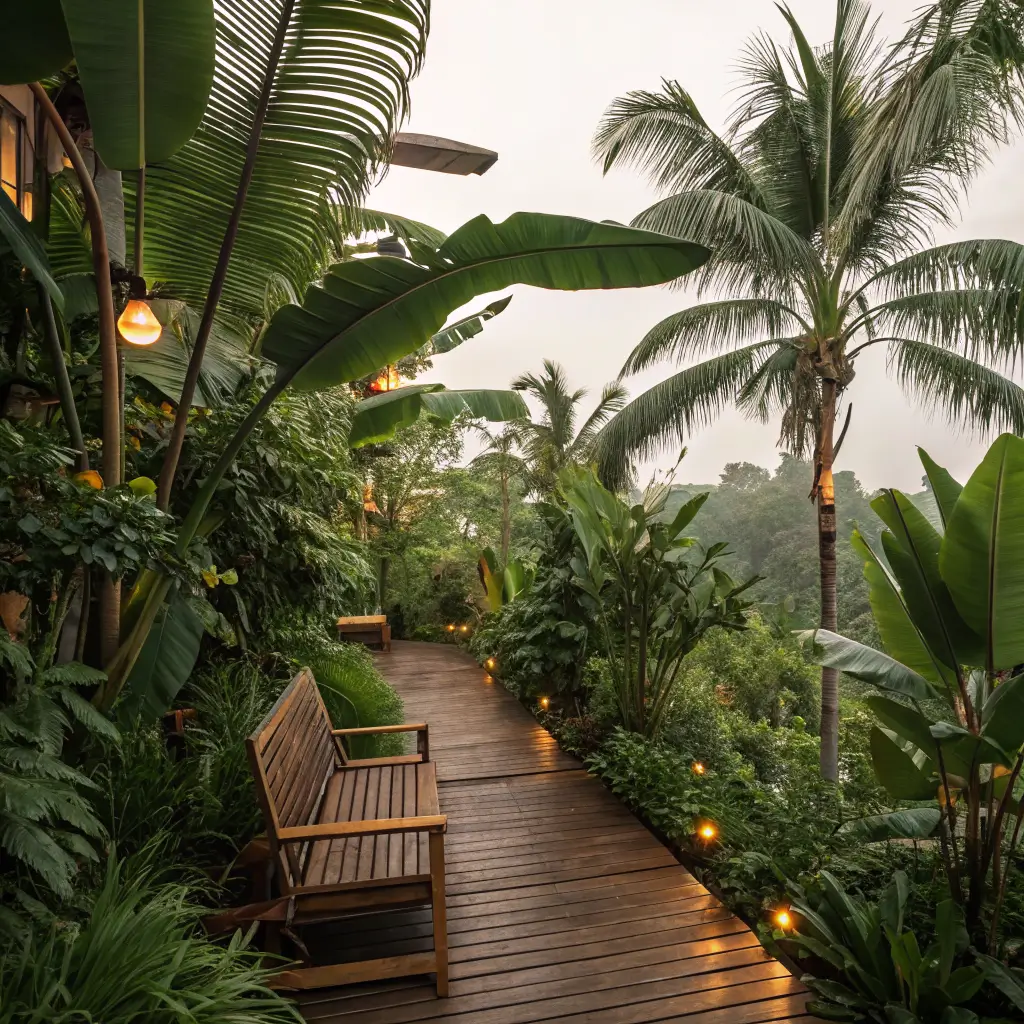
Want to feel like you’re vacationing in Costa Rica every time you step onto your terrace? A tropical terrace garden with dense green foliage creates that lush, exotic atmosphere that makes you forget you’re in the middle of the city. The secret is layering plants of different heights and textures to create that jungle-like density.
This style is all about abundance. Where minimalist gardens focus on carefully chosen single specimens, tropical gardens embrace the “more is more” philosophy. The goal is to create such dense foliage that you feel completely surrounded by greenery.
Plants that create the tropical vibe:
- Large-leafed plants like elephant ears or banana plants for drama
- Palm varieties that can handle container growing
- Bromeliads and air plants for exotic color and texture
- Trailing vines like philodendron or monstera for vertical interest
- Flowering tropical plants like hibiscus or bird of paradise for pops of color
Climate considerations become crucial with tropical plants. If you don’t live in a tropical zone, you’ll need to plan for bringing plants indoors during winter or choose cold-hardy varieties that mimic the tropical look. I’ve had great success with plants like Japanese fatsia and certain palm varieties that can handle cooler temperatures.
The layering technique is what makes or breaks this style. Start with large plants in the back or corners, add medium-height plants in the middle, and finish with trailing or ground-cover plants in front. The goal is to eliminate any visible gaps or empty spaces.
High humidity is essential for many tropical plants, which can be challenging in typical urban environments. Grouping plants together, using humidity trays, and regular misting help create the microclimate these plants crave.
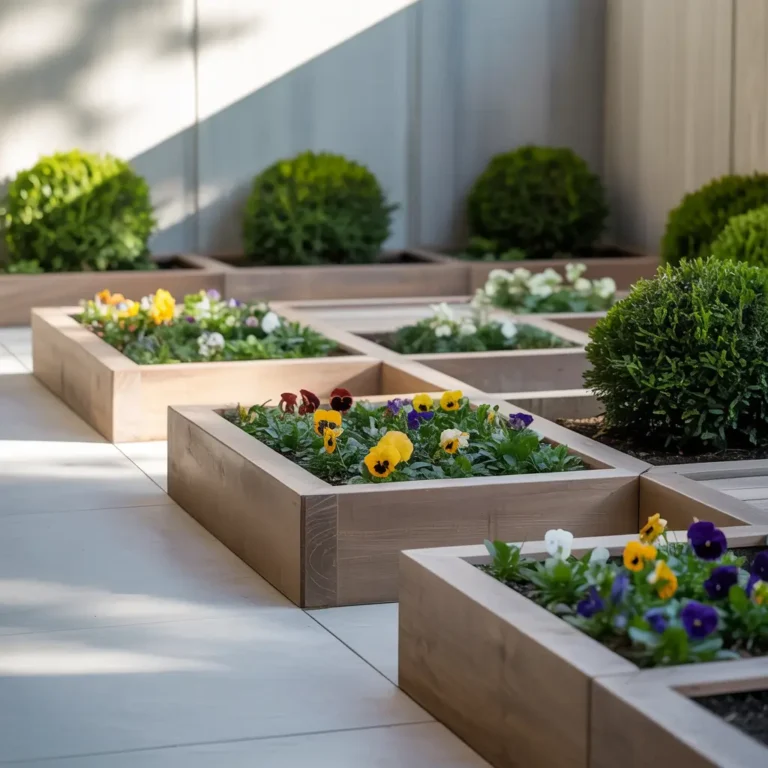
Rooftop Vegetable Garden with Smart Planter Beds
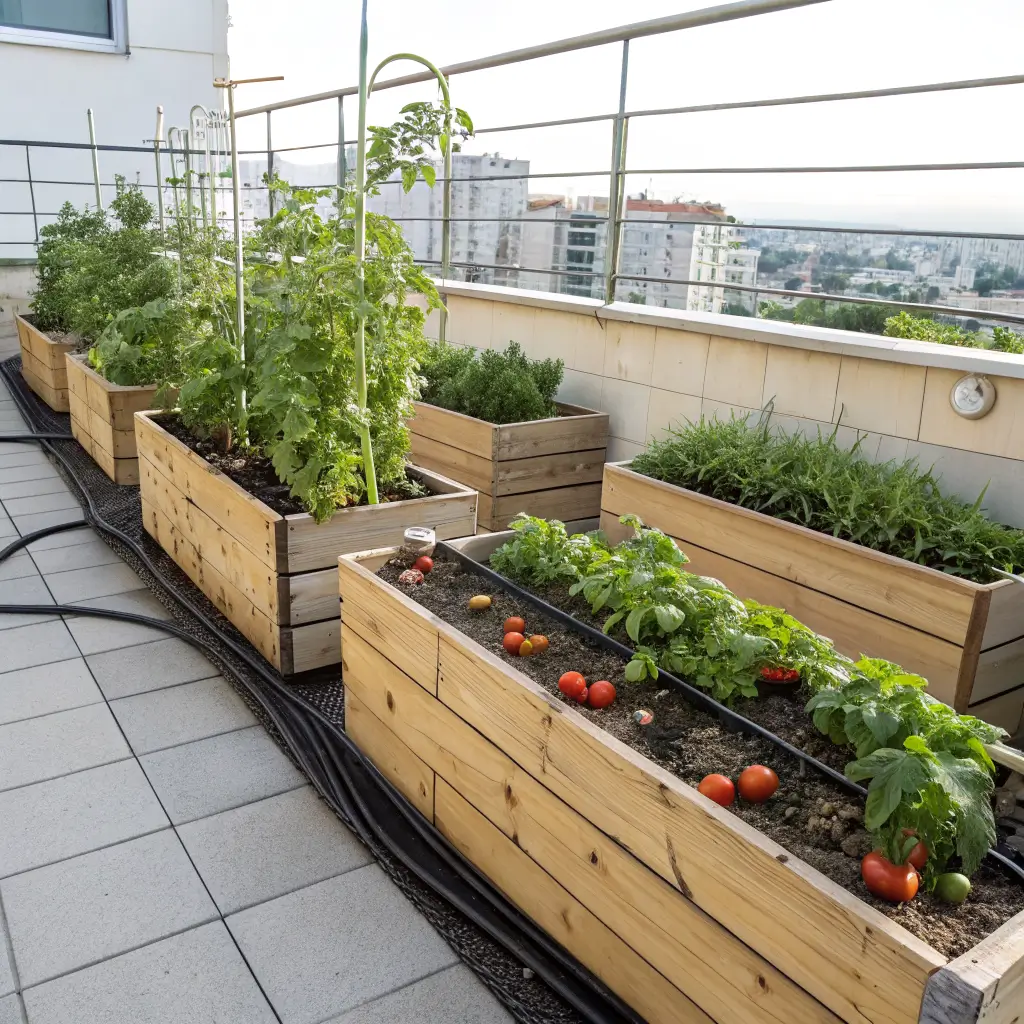
Who says terrace gardens can’t be functional and beautiful? A rooftop vegetable garden with smart planter beds proves that you can have Instagram-worthy aesthetics while actually growing food that reduces your grocery bill. Smart planter beds aren’t just about convenience – they’re about maximizing productivity in limited space.
I’ll admit, I was skeptical about smart planters at first. They seemed like unnecessary tech for something as basic as growing plants. But after dealing with constant watering issues and poor drainage in traditional containers, the automated systems actually solve real problems rather than creating new ones.
Benefits of smart planter systems:
- Automated watering that adjusts based on plant needs and weather
- Better drainage systems that prevent the root rot that kills so many container plants
- Optimal soil depth for different types of vegetables
- Modular design that lets you expand your garden gradually
- Built-in fertilizer systems for consistent plant nutrition
The vegetable selection for rooftop growing requires some strategy. Wind exposure and intense sun can stress plants that would thrive in ground-level gardens. Focus on hardy varieties like tomatoes, peppers, herbs, and leafy greens that can handle the rooftop environment.
Succession planting becomes even more important in container gardens since you’re working with limited space. Rather than planting all your lettuce at once, plant new seeds every two weeks to ensure continuous harvests throughout the growing season.
One unexpected benefit I’ve discovered is how educational this setup becomes. There’s something incredibly satisfying about understanding exactly what goes into your food and being able to harvest dinner from your own terrace. FYI, nothing tastes quite like a tomato that was growing on your roof that morning 🙂
Also Read: 10 Beautiful Small Garden Design Ideas for Dreamy Yards
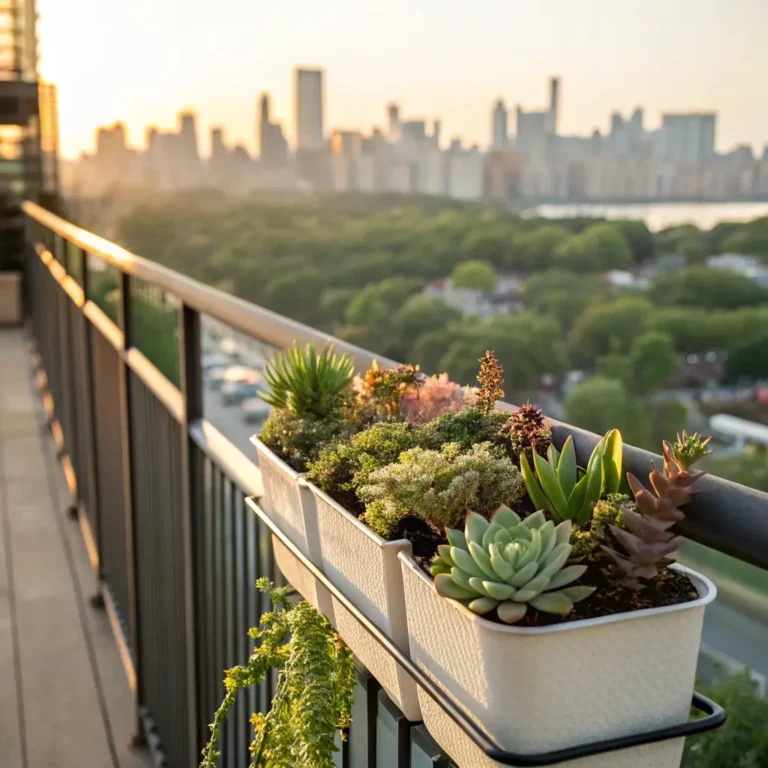
Desert-Inspired Terrace Garden with Cactus Arrangement
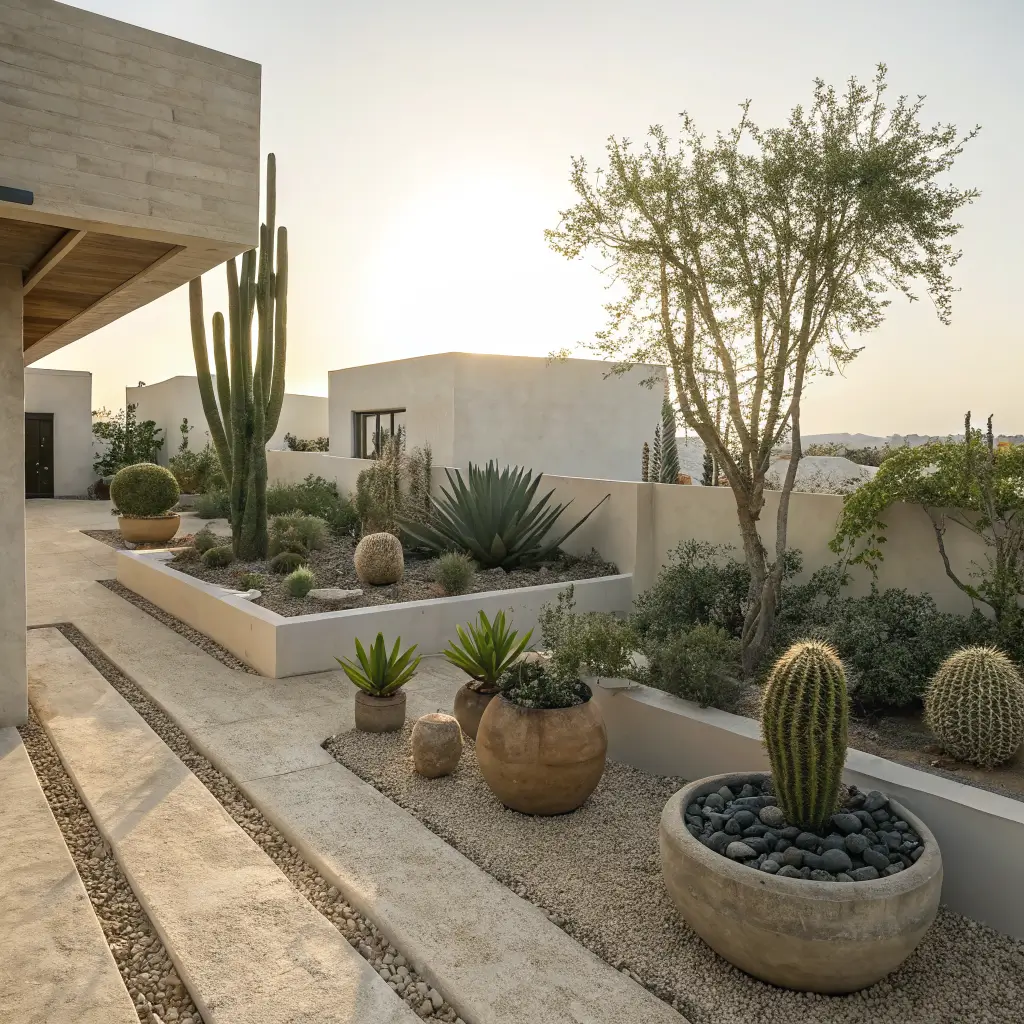
Desert gardens are having a major moment right now, and for good reason – they’re stunning, low-maintenance, and perfect for those of us who love plants but struggle to keep them alive. A desert-inspired terrace garden with carefully arranged cacti and succulents creates a landscape that looks like modern art while requiring minimal care. The cactus arrangement becomes living sculpture that changes and grows over time.
The appeal of desert gardening goes beyond just low water requirements. These plants have evolved to create incredible forms and textures that you simply can’t achieve with traditional garden plants. Plus, there’s something deeply satisfying about creating a thriving garden that barely needs watering – especially during those summer months when you’re traveling or just too busy to fuss with high-maintenance plants.
Essential elements for the desert aesthetic:
- Varied cactus heights and shapes from tall columnar varieties to round barrel cacti
- Decorative gravel or sand in warm earth tones as ground cover
- Natural stone accents like river rocks or weathered boulders
- Terra cotta or concrete planters that complement the southwestern vibe
- Architectural succulents like agave or aloe for dramatic focal points
The key to making desert arrangements work is understanding the growth patterns of different cacti and succulents. Some varieties spread horizontally while others grow tall and narrow. I learned this lesson after cramming too many plants into containers and watching them compete for space. Now I plan for mature plant sizes and give each specimen room to show off its natural form.
Drainage becomes absolutely critical with desert plants. These species are adapted to well-draining soils and will literally rot if they sit in moisture. I use a mix of cactus soil, perlite, and coarse sand in containers with multiple drainage holes. It might seem excessive, but trust me – overwatering kills more cacti than underwatering ever will.
One of my favorite aspects of desert gardening is the surprising variety of flowers these plants produce. Sure, they might not bloom constantly like petunias, but when a prickly pear cactus erupts in bright yellow flowers or an aloe sends up a dramatic spike covered in orange blooms, it’s absolutely spectacular.
Temperature considerations matter if you live in areas with freezing winters. Many desert plants can’t handle frost, so you’ll either need to choose cold-hardy varieties or plan to move containers to protected areas during winter months.
Your Terrace Garden Journey Starts Now
Look, I’ve thrown a lot of ideas at you, and your head might be spinning with possibilities right now. But here’s the bottom line: your terrace has incredible potential, no matter its size or your current skill level.
Whether you’re leaning toward that zen bamboo corner or dreaming of a tropical jungle escape, the magic happens when you stop planning and start planting. Pick one style that genuinely excites you, grab a few plants and containers, and just begin. You don’t need perfection – you need progress.
The best terrace garden is the one you’ll actually use and enjoy. So forget about creating the next Pinterest sensation and focus on building a space that makes you smile every time you step outside. Your morning coffee tastes better surrounded by plants you’ve nurtured, and trust me, there’s no better stress relief than tending to your own little green paradise.
Stop overthinking it and start growing. Your future self will thank you when you’re sipping that coffee in your own outdoor sanctuary.