10 Gorgeous Small Backyard Garden Design Ideas for Peaceful Retreats

You know that feeling when you step outside and your backyard looks more like a forgotten wasteland than a peaceful retreat? Yeah, I’ve been there too.
Standing in my tiny patch of outdoor space, wondering how on earth people create those Instagram-worthy gardens when I’m working with the square footage of a large closet.
But here’s the thing I’ve learned after years of trial, error, and way too many dead plants – small backyards can pack just as much punch as sprawling estates. Sometimes even more, because you’re forced to be creative with every single inch.
Whether you’re dealing with a postage stamp patio or a narrow strip behind a townhouse, these ten garden design ideas will transform your space from “meh” to “wow.”
And trust me, I’ve tried most of these myself – some with spectacular success, others with… well, let’s just say my neighbors got a good laugh.
1. Minimal Zen Corner Backyard Garden
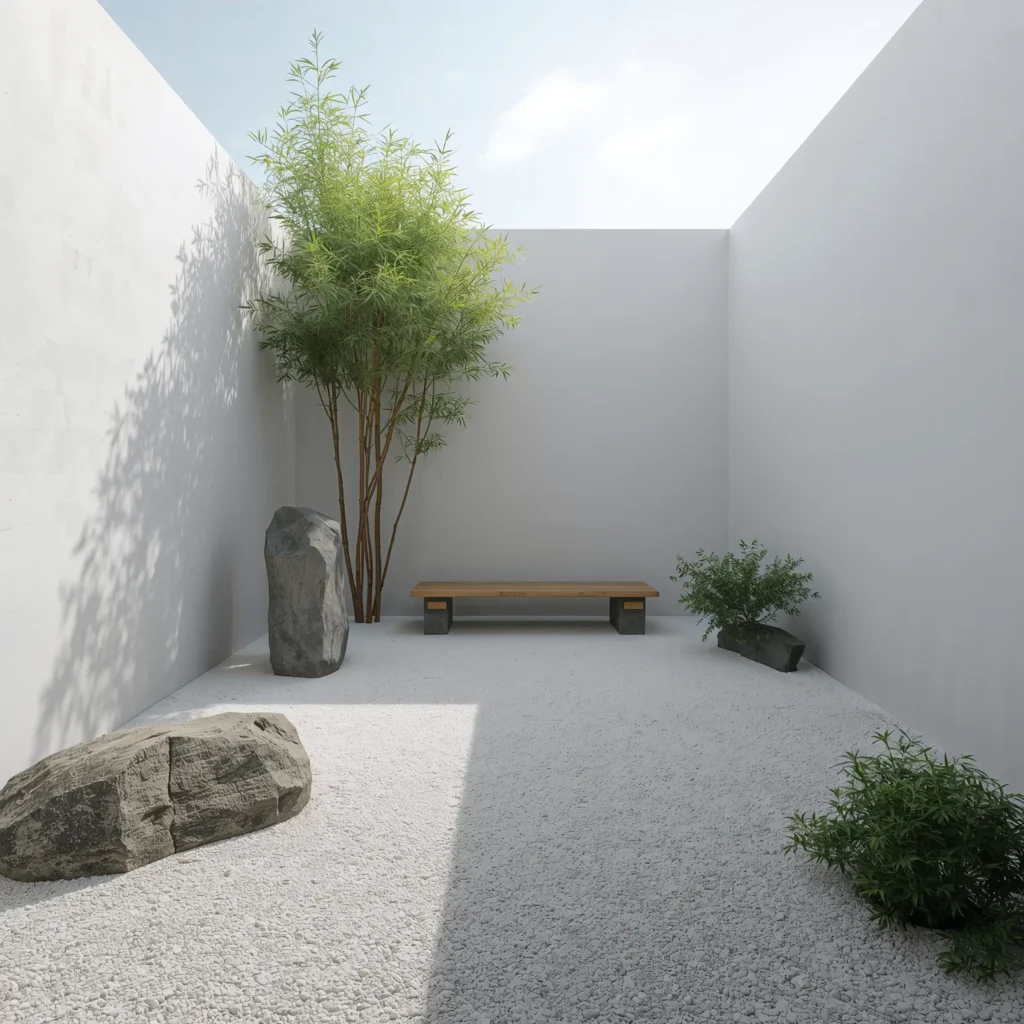
Ever notice how some spaces just instantly calm your mind? That’s the magic of a zen garden, and you don’t need acres of land to create one.
I stumbled into zen gardening completely by accident. After killing my third attempt at a flower garden, I basically gave up and just left some smooth stones and a small bench in the corner. Turns out, that “failure” became my favorite spot in the entire yard.
The beauty of a zen corner lies in its simplicity. You’re looking at clean lines, natural materials, and a serious commitment to the “less is more” philosophy. Think carefully placed river rocks, maybe a small meditation cushion, and one or two statement plants that won’t demand constant attention.
Key Elements for Your Zen Space:
- Gravel or sand base – creates that authentic zen garden feel
- Large, smooth stones as focal points and natural seating
- Bamboo or ornamental grass for gentle movement and sound
- Single specimen plant like a Japanese maple or sculptural succulent
The trick is restraint. I know it’s tempting to add “just one more thing,” but resist that urge. Your zen corner should feel like a deep breath in garden form.
What I love most about this approach? Maintenance is practically non-existent. No weekly weeding marathons, no complex watering schedules, just the occasional rake through your gravel and you’re golden.
2. Vertical Wall Green Garden Layout
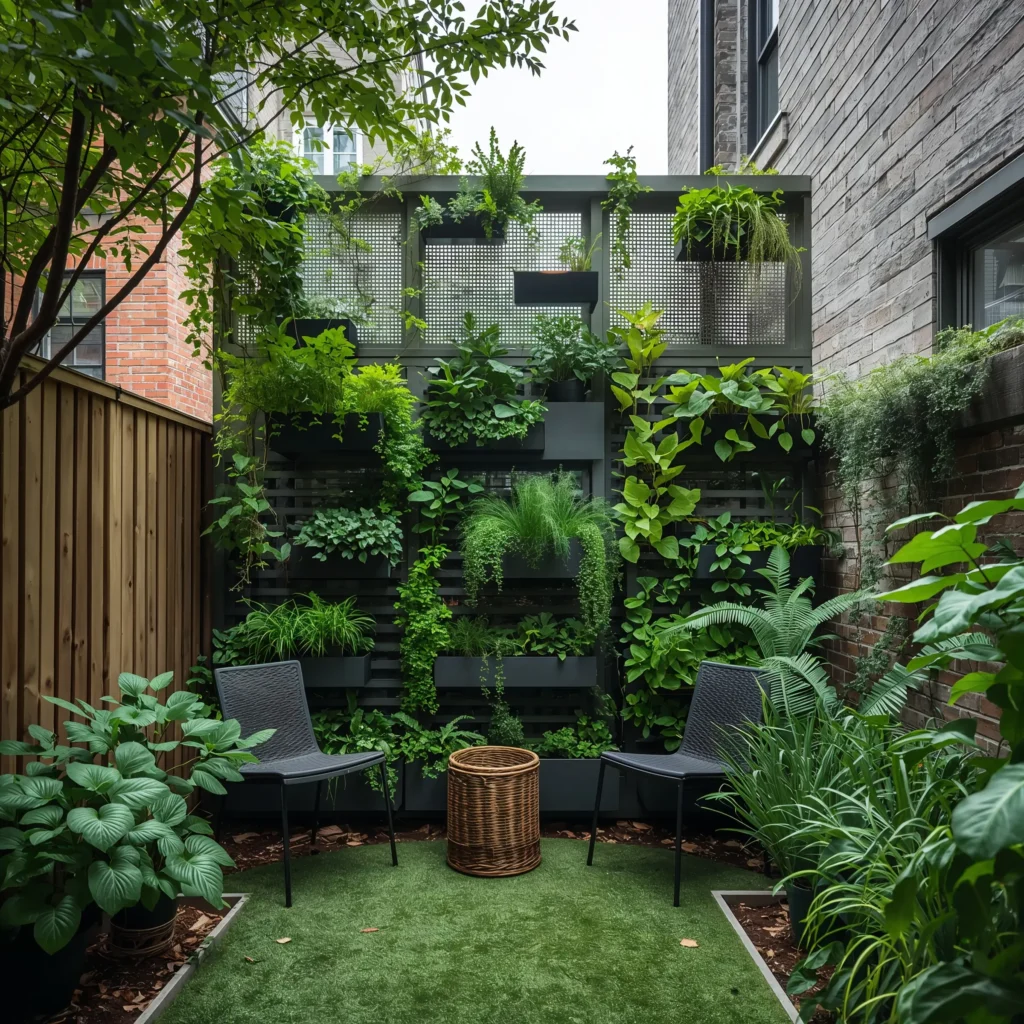
When floor space is limited, it’s time to think vertical. And no, I’m not talking about those sad little hanging baskets that always seem to dry out at the worst possible moment.
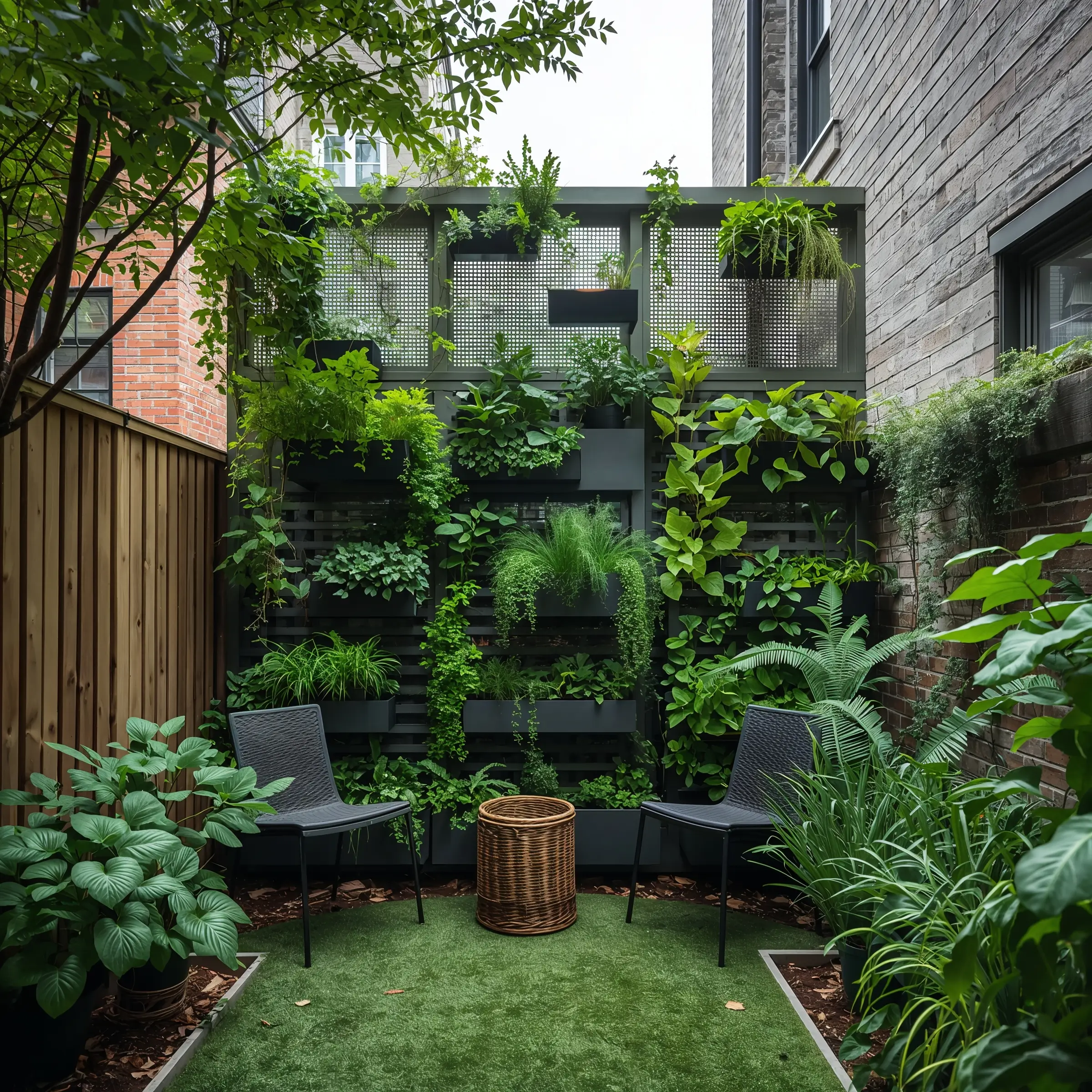
Vertical gardens are having a serious moment right now, and for good reason. You can pack an incredible amount of green into the smallest footprint. Plus, there’s something undeniably cool about a living wall – it’s like bringing a piece of the rainforest to your urban space.
I installed my first vertical garden system three years ago, and honestly? It was a game-changer. Suddenly I had herbs within arm’s reach of my kitchen door, cascading flowers that actually thrived, and a conversation starter that had every visitor asking, “How did you do that?”
Building Your Vertical Oasis:
- Modular planting systems – think stackable planters or pocket gardens
- Drip irrigation setup – trust me, hand-watering a wall gets old fast
- Mix of trailing and upright plants for visual interest
- Sturdy wall mounting – because nobody wants a plant avalanche
Pro tip: Start with proven performers like pothos, spider plants, or herbs. Once you’ve got the system dialed in, then you can experiment with more temperamental varieties.
The best part? You can customize this setup for any wall size. Got a tiny balcony? A narrow strip of planters works perfectly. Have a larger fence? Go wild with a full green wall installation.
3. Cozy Patio Seating Garden Setup
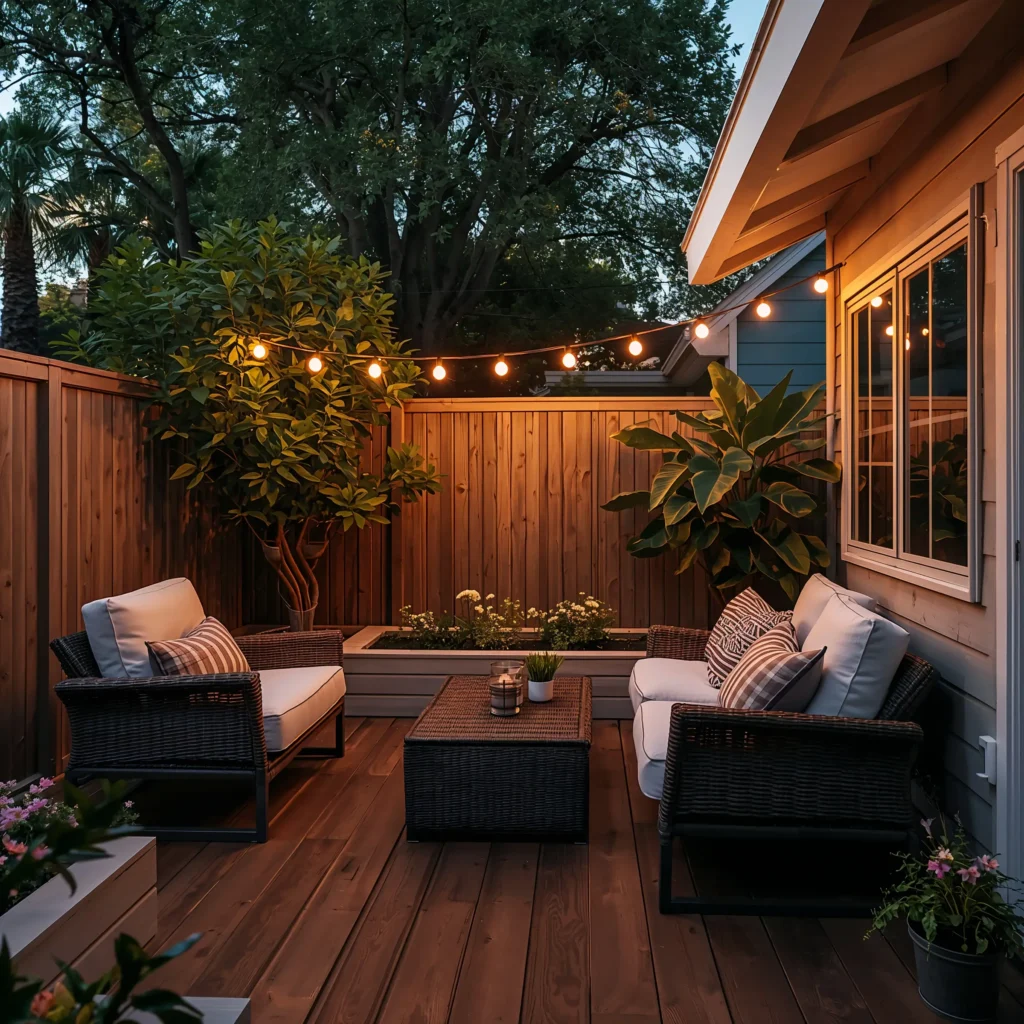
Sometimes the best gardens are the ones designed around relaxation. I mean, what’s the point of a beautiful space if you can’t actually enjoy it with a morning coffee or evening glass of wine?
Creating a cozy seating area doesn’t require expensive outdoor furniture or a huge budget. The secret is layering comfort with plants that create natural boundaries and privacy. Think of it as your outdoor living room – but with better air quality and the occasional butterfly visitor.
When I redesigned my patio seating area, I focused on creating distinct zones within a small space. A comfortable chair becomes the anchor point, while container gardens and strategic plantings create walls without feeling closed in.
Essential Elements for Maximum Coziness:
- Comfortable seating positioned to take advantage of morning or evening light
- Container gardens that can be moved and rearranged as needed
- Soft lighting options like solar lanterns or string lights
- Privacy plants such as tall grasses or climbing vines on trellises
The key is making everything feel intentional rather than just “stuff scattered around.” Group your container plants in odd numbers, vary the heights, and choose a cohesive color palette for both plants and containers.
I learned this the hard way after my first attempt looked like a plant nursery explosion. Now I stick to a simple color scheme – mostly greens with white and cream containers, plus seasonal pops of color.
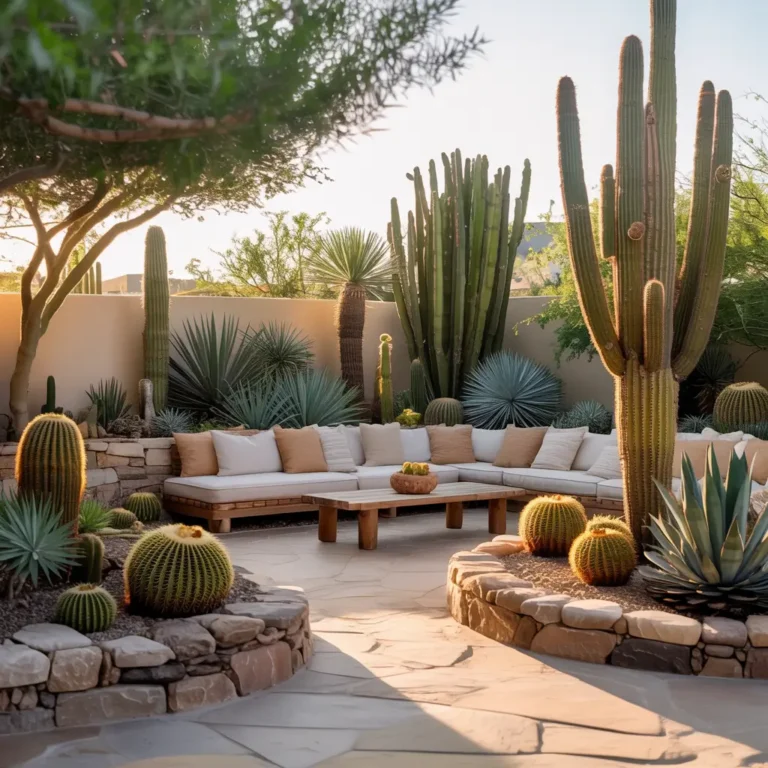
Also Read: 10 Creative Cactus Garden Design Ideas for Stylish Spaces
4. Small Backyard Lush Tropical Escape
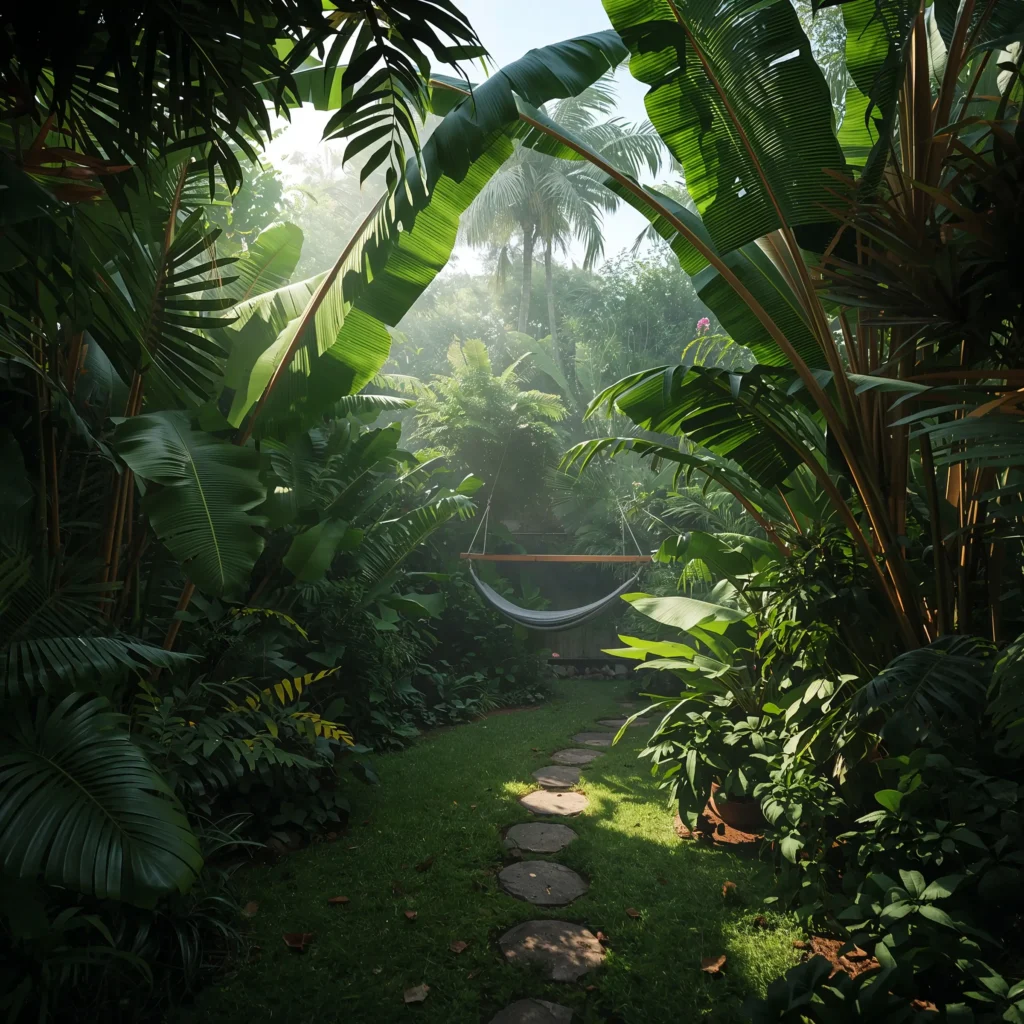
Who says you need to live in the tropics to feel like you’re on vacation? Creating a tropical vibe in a small space is all about embracing bold foliage and layering different textures.
This might sound impossible if you live somewhere with actual winters, but hear me out. Many tropical-looking plants are surprisingly hardy, and others can be grown in containers and brought indoors when temperatures drop.
I went full tropical in one corner of my yard last summer, and it became everyone’s favorite photo backdrop. The secret was choosing plants with dramatic leaves and creating dense plantings that felt lush and jungle-like.
Tropical Garden Must-Haves:
- Large-leaf plants like elephant ears, bananas, or cannas
- Palm-like specimens such as windmill palms or ponytail palms
- Colorful foliage from coleus, caladiums, or crotons
- Dense understory plantings to create that jungle floor feeling
Layer your plantings from tall to short, and don’t be afraid to pack them in tighter than you would in a traditional garden. The goal is abundance and drama, not neat, separated specimens.
Even in my Zone 6 climate, I keep this tropical look going year-round by using containers for the tender plants. Come fall, the most exotic specimens move into my sunroom, while the hardy palms and ornamental grasses keep the structure through winter.
5. Modern Gravel Path Garden Design
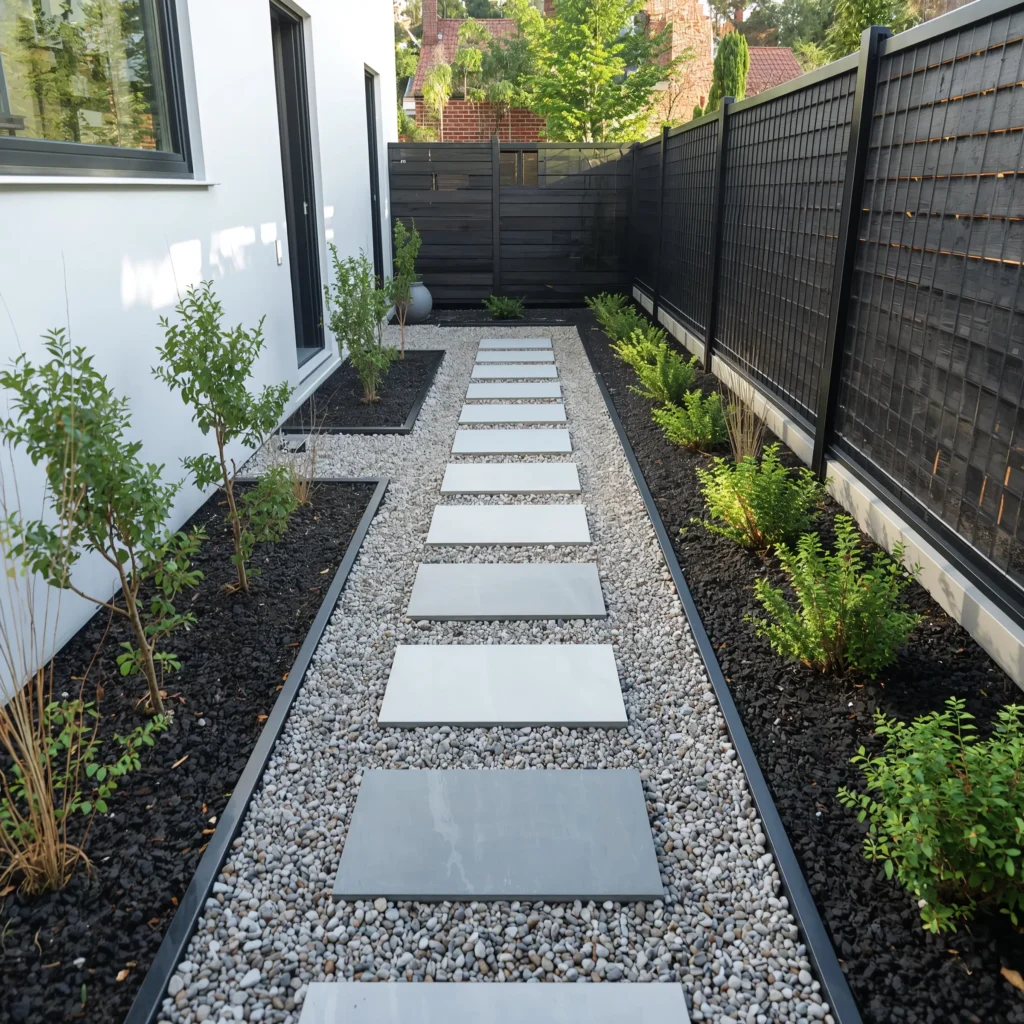
There’s something incredibly satisfying about clean geometric lines and the satisfying crunch of gravel underfoot. Modern garden design strips away the fussy details and focuses on strong structural elements and carefully chosen plants.
I fell in love with this style after visiting a contemporary art museum with an incredible minimalist garden. The entire space used maybe six different plant varieties, but the impact was stunning because every element was perfectly placed.
The beauty of a gravel path design is how it creates movement and structure even in the smallest space. Your eye follows the path, making the garden feel larger than it actually is.
Elements for Modern Garden Success:
- Clean gravel paths that define circulation and create structure
- Geometric planting beds with sharp edges and defined boundaries
- Architectural plants like ornamental grasses, yucca, or sculptural succulents
- Limited color palette focusing on foliage rather than flowers
The trick is restraint and repetition. Pick three to five plant varieties maximum, and use them in bold masses rather than scattering single specimens around. Think rhythm and repetition rather than random variety.
Maintenance is actually pretty minimal with this style – the gravel suppresses weeds, and most architectural plants are chosen for their low-maintenance characteristics. Perfect for busy lifestyles or anyone who wants maximum impact with minimum fuss.
6. Fairy Light Evening Garden Space
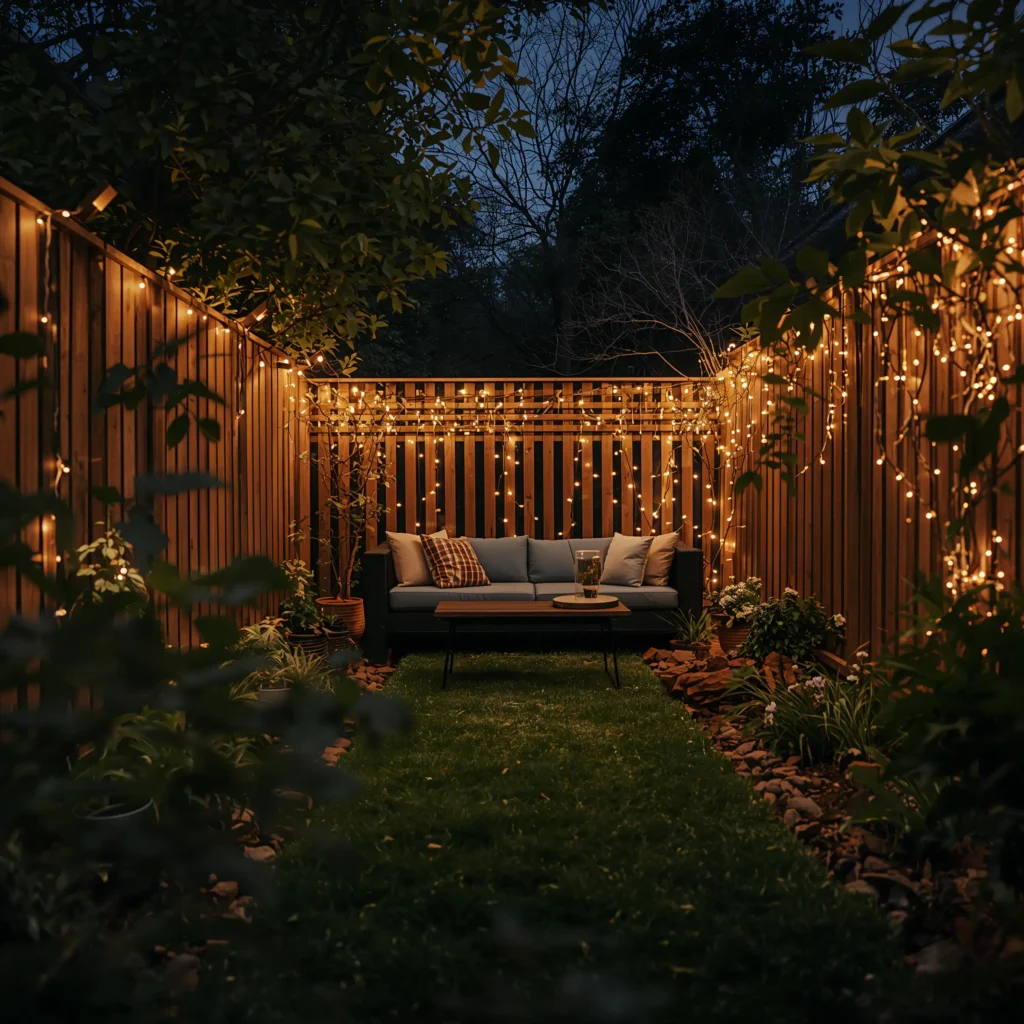
Magic hour in the garden shouldn’t end when the sun goes down. Strategic lighting transforms any small space into an enchanting evening retreat.
I used to think outdoor lighting meant expensive hardwired fixtures and electrical work. Then I discovered the world of solar fairy lights, battery-powered lanterns, and creative DIY solutions. Game changer? Absolutely.
The goal isn’t to light up your space like a football stadium. Instead, you want to create pools of warm light that highlight key features and create atmosphere. Think restaurant patio vibes rather than interrogation room brightness.
Creating Your Evening Magic:
- String lights draped through trees, along fences, or around pergolas
- Solar stake lights to define pathways and highlight plants
- Lanterns and candles for intimate seating areas
- Uplighting for trees or architectural plants for dramatic shadows
Warm white lights feel more natural and inviting than cool white. I learned this after my first attempt made my garden look like a science lab rather than a cozy retreat.
Layer different types of lighting at various heights – string lights overhead, lanterns at eye level, and path lights at ground level. This creates depth and interest while ensuring you can actually navigate safely after dark.
Pro tip: Solar lights have come a long way in recent years. The good ones actually provide decent light output and last most of the evening. Just make sure they get adequate sun exposure during the day, or you’ll end up with disappointingly dim results.
Also Read: 10 Inspiring Front Garden Design Ideas for Cozy Entrances
7. Raised Bed Vegetable Garden Layout
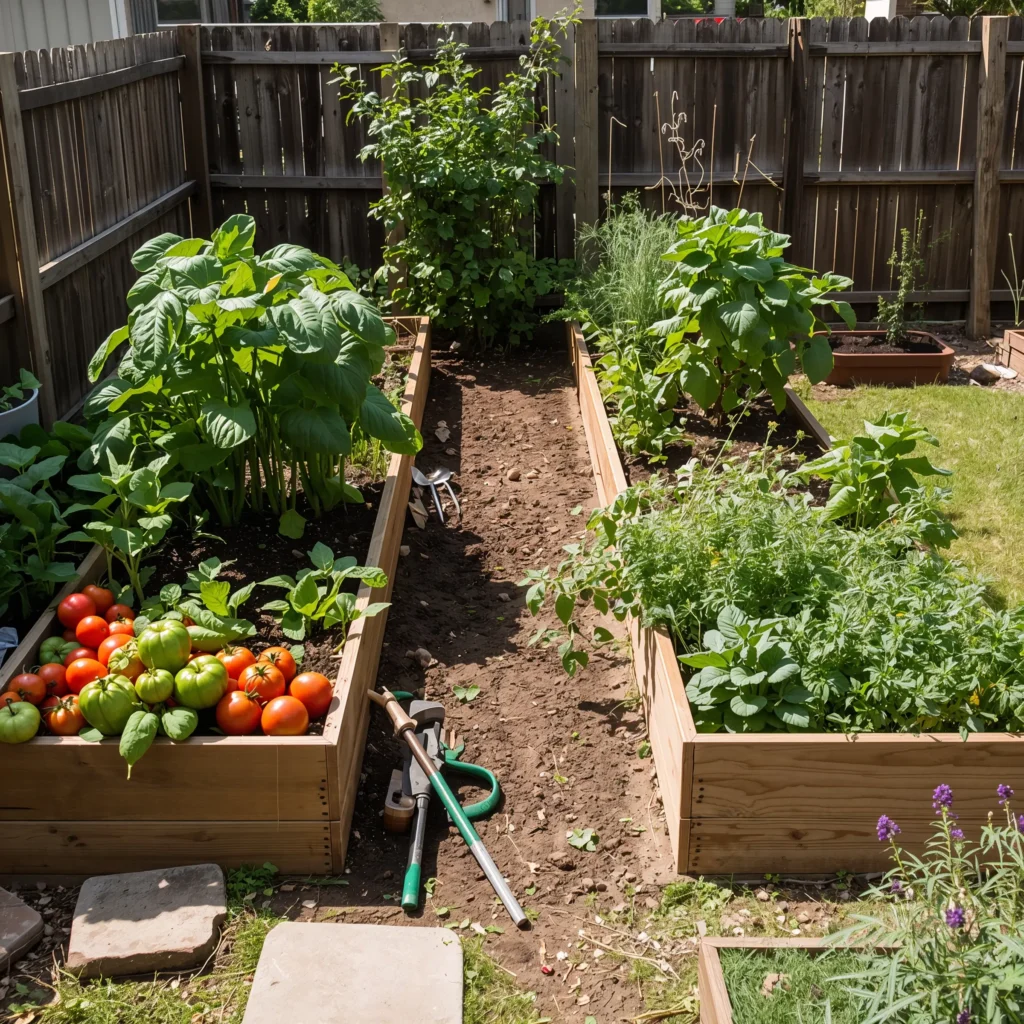
Nothing beats the satisfaction of growing your own food, even in a tiny space. Raised beds maximize your growing potential while keeping everything organized and manageable.
I started my vegetable garden journey with grand plans and terrible execution. Plants scattered everywhere, no real plan, and vegetables competing with weeds for space and resources. The raised bed revolution changed everything.
The beauty of raised beds is control. You control the soil quality, drainage, spacing, and access. Plus, they look infinitely more organized than traditional in-ground gardens, which matters when you’re working with limited space.
Raised Bed Garden Essentials:
- Proper bed sizing – 4 feet wide maximum so you can reach the center from either side
- Quality soil mix designed for containers and raised beds
- Succession planting to maximize harvest from minimal space
- Companion planting to make the most of every square foot
Square foot gardening techniques work brilliantly in raised beds. Instead of traditional rows, you divide your bed into square foot sections and plant according to the mature size of each crop.
I fit an incredible variety of vegetables into just two 4×8 foot beds by planning carefully and using vertical supports for climbing crops like tomatoes and peas. The key is thinking three-dimensionally and making use of every inch of growing space.
The maintenance is so much easier too – no weeding between rows, easier watering with drip irrigation, and harvest is comfortable since you’re not bending over constantly.
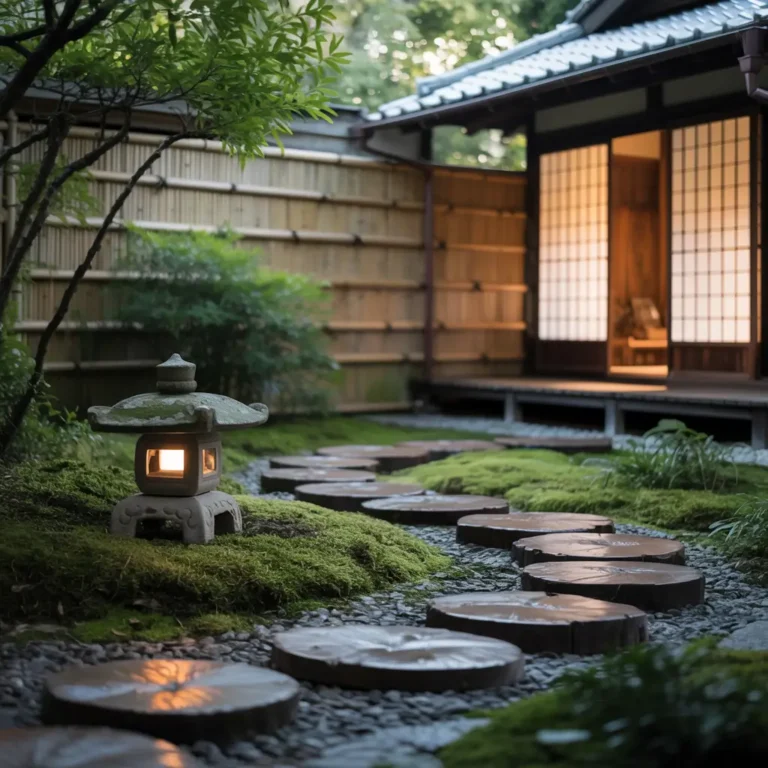
8. Compact Japanese Style Backyard Garden
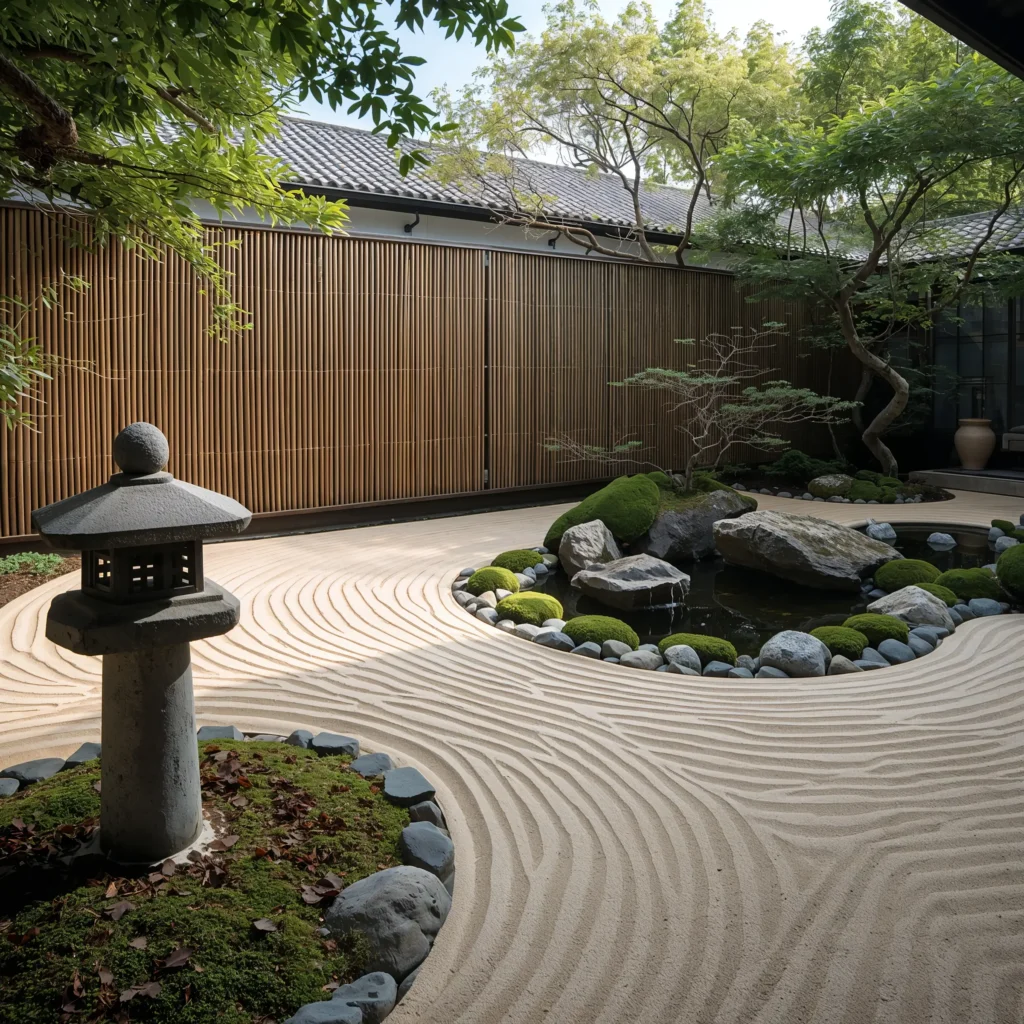
Japanese garden design principles work incredibly well in small spaces because the philosophy emphasizes harmony, balance, and making the most of every element.
I visited a traditional Japanese garden a few years ago and was struck by how peaceful and complete it felt, despite being quite small. The secret was how every stone, plant, and pathway served multiple purposes while contributing to the overall harmony.
You don’t need to go full authenticity to incorporate these principles. The key concepts – asymmetrical balance, natural materials, and thoughtful plant placement – translate beautifully to any small backyard.
Japanese Garden Elements to Consider:
- Natural stone pathways that curve gently rather than cutting straight lines
- Water feature like a small basin or bamboo fountain
- Evergreen plants for year-round structure and interest
- Carefully pruned specimens that show the hand of the gardener
Asymmetrical balance is crucial – think odd numbers of elements and avoiding perfect symmetry. Three stones look more natural than four, and a slightly off-center focal point feels more organic than something perfectly centered.
The maintenance philosophy is also appealing. Instead of constant additions and changes, Japanese gardens emphasize slow, thoughtful development and careful tending of what you already have. Perfect for small spaces where every element needs to earn its place.
I incorporated some of these principles by adding a small stone lantern, replacing my straight concrete path with a gently curving gravel one, and focusing on the shapes and textures of my existing plants rather than constantly adding new ones.
9. Budget-Friendly DIY Garden Makeover
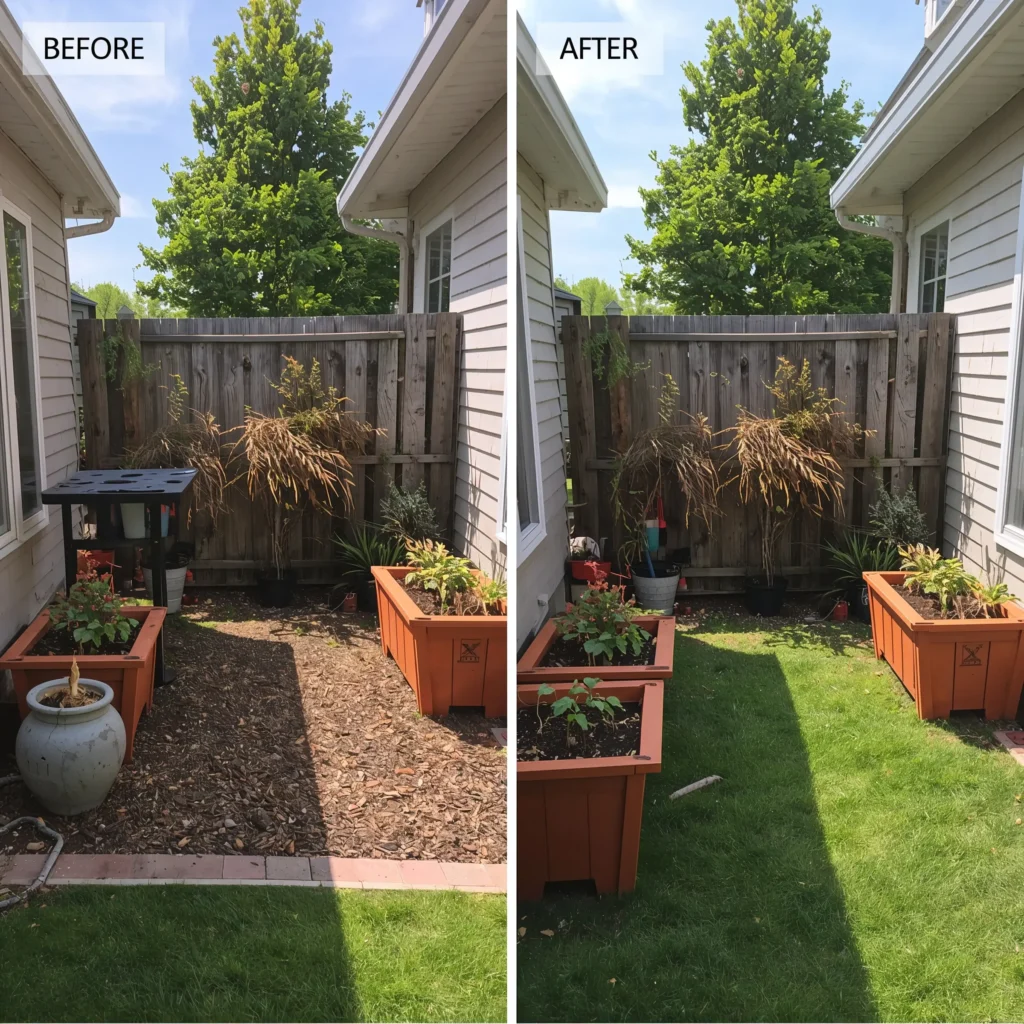
Let’s be real – garden design inspiration photos often feature budgets that would make your credit card weep. But transforming a small space doesn’t require a huge investment, just creativity and some elbow grease.
I’ve done several budget makeovers over the years, and some of my favorite elements came from thrift stores, clearance sales, and creative repurposing. The satisfaction of creating something beautiful without breaking the bank? Priceless.
The secret to budget success is focusing on a few high-impact changes rather than trying to do everything at once. Sometimes a fresh coat of paint, some strategic plantings, and better organization create more dramatic results than expensive hardscaping.
Budget-Friendly Transformation Ideas:
- Paint existing elements like fences, planters, or outdoor furniture
- DIY planters from thrift store finds or repurposed materials
- Propagate plants from friends’ gardens or divide existing perennials
- Create pathways using free or cheap materials like wood chips or gravel
Start with cleaning and organizing what you already have. You’d be amazed how much better a space looks when it’s decluttered and the existing elements are properly maintained.
I once transformed a tired corner for under $75 by painting an old wooden fence white, creating planters from vintage crates, and filling them with clearance perennials and propagated cuttings from friends. The before and after photos looked like a professional makeover, but the only professional involved was the local hardware store paint mixer 🙂
Timing your purchases around end-of-season sales can stretch your budget significantly. Late summer perennial clearances, post-holiday light sales, and spring furniture markdowns can provide high-quality materials at fraction of retail prices.
Also Read: 10 Beautiful Rose Garden Design Ideas for Cozy Outdoors
10. Small Backyard Water Feature Oasis
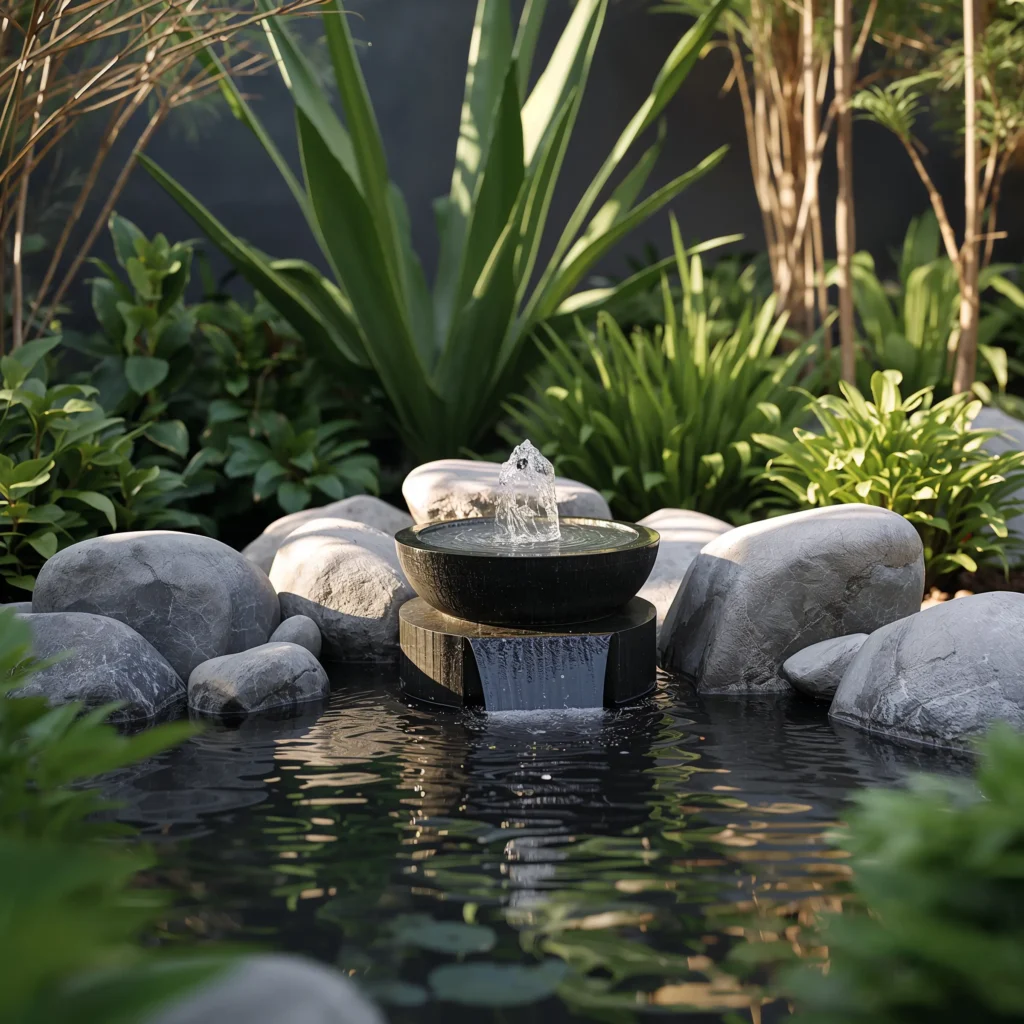
Water transforms a garden like nothing else can. The sound masks urban noise, the movement catches light, and the cooling effect makes hot days more bearable. Plus, there’s something primal about being near water that just feels good.
I was intimidated by water features for years, thinking they required complex plumbing and constant maintenance. Then I discovered how many simple, self-contained options exist for small spaces. My first successful water feature was literally a large ceramic pot with a small solar fountain pump – total game changer.
The key is choosing the right scale for your space and keeping the maintenance realistic. A small, well-designed water feature beats an elaborate one that becomes a chore to maintain.
Water Feature Options for Small Spaces:
- Container water gardens in large pots or half-barrels
- Wall-mounted fountains that don’t require floor space
- Bubble rocks for the sound of water without open pools
- Recirculating mini-streams using flexible liners and small pumps
Solar-powered pumps have revolutionized small water features. No electrical work required, and they automatically shut off when the sun goes down, giving beneficial bacteria time to process the water without constant agitation.
I learned to keep fish out of small water features unless you’re prepared for the maintenance commitment. A simple water garden with aquatic plants and maybe some beneficial bacteria treatments is much easier to manage than trying to balance fish waste in a small volume of water.
Mosquito prevention is crucial – either keep the water moving with a pump, or add mosquito dunks containing beneficial bacteria that eat mosquito larvae. Standing water becomes a problem fast in warm weather.
The psychological benefits of a water feature are real. There’s something about the gentle sound of flowing water that creates instant relaxation. Even my smallest container water garden becomes a meditation focal point during stressful days.
Making Your Small Garden Dreams Reality
Here’s what I wish someone had told me when I started designing small gardens: perfection isn’t the goal, and you don’t need to do everything at once. The best small gardens evolve over time as you learn what works in your specific space and climate.
Start with one area or one design idea that really speaks to you. Get that dialed in, enjoy it for a season, then think about what comes next. Gardens are living, changing spaces – embrace the evolution rather than trying to create instant perfection.
Remember that small doesn’t mean less impactful. Some of my most memorable garden experiences have been in tiny, thoughtfully designed spaces where every element served a purpose. When you’re working with limited square footage, every choice matters more, which often leads to better design decisions.
The most successful small gardens I’ve seen share a few common characteristics: they have a clear purpose (relaxation, food production, entertaining), they use space efficiently without feeling cramped, and they reflect the personality of their owner rather than trying to copy someone else’s style.
So grab a cup of coffee, step into your backyard, and start imagining. Your small space transformation awaits – and trust me, your neighbors are going to be asking for your secrets before you know it! 🙂