10 Inspiring Garden Layout Design Ideas for Perfect Yards

Let’s be honest – staring at your backyard wondering how to turn that patch of grass into something Instagram-worthy can feel overwhelming.
Trust me, I’ve been there, standing with my coffee at 6 AM, squinting at what looks like a green void and thinking, “Where do I even start?”
The good news? You don’t need a degree in landscape architecture or a celebrity budget to create a stunning garden. What you need are solid layout ideas that actually work in real life – not just in glossy magazines.
After years of trial and error (and yes, some spectacular plant failures), I’ve gathered ten garden layout designs that’ll help you transform your space from “meh” to “wow.”
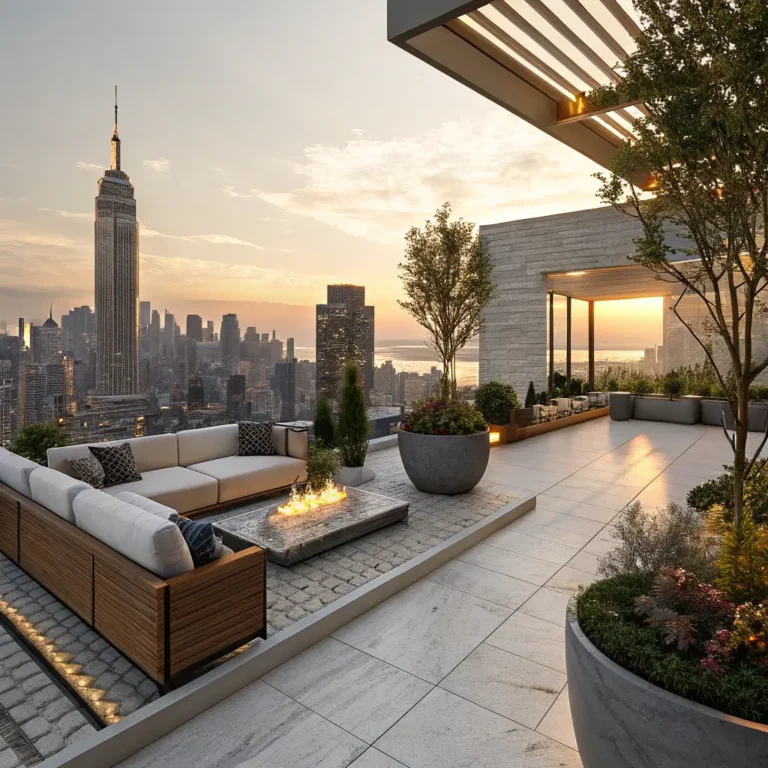
1. Modern Minimalist Garden Layout Design
Clean Lines Meet Maximum Impact
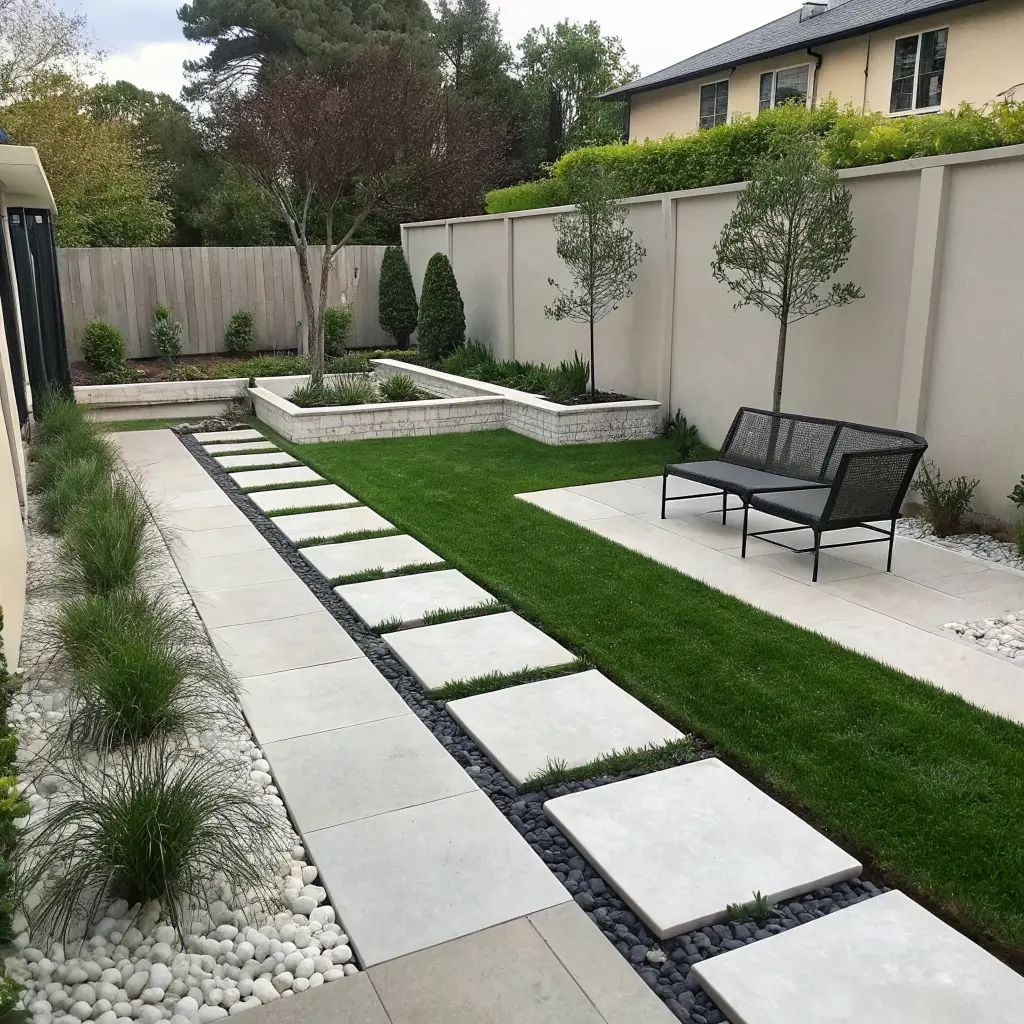
Ever notice how the most impressive gardens sometimes have the fewest elements? That’s minimalist design working its magic. Modern minimalist gardens focus on simplicity, clean geometric lines, and purposeful plant selection rather than cramming every available inch with greenery.
I love this approach because it’s practically maintenance-friendly. You’re not dealing with complicated planting schemes or fussy arrangements that need constant tweaking. Instead, you’re creating bold statements with fewer, carefully chosen elements.
Key Design Elements
The foundation of minimalist garden design revolves around these core principles:
- Geometric shapes – think rectangular planters, square stepping stones, and linear pathways
- Limited color palette – usually three colors maximum, often focusing on greens, whites, and one accent color
- Negative space – empty areas that give your eye a place to rest
- Quality over quantity – fewer plants, but each one carefully selected for maximum impact
Plant Selection Strategy
When choosing plants for a minimalist garden, architectural plants become your best friends. Ornamental grasses like fountain grass or maiden grass create stunning focal points without requiring elaborate care routines. Boxwood hedges offer clean lines and year-round structure, while succulents provide interesting textures and shapes.
The trick is repetition. Rather than having one of everything, choose three to five plant types and repeat them throughout your space. This creates visual cohesion without complexity.
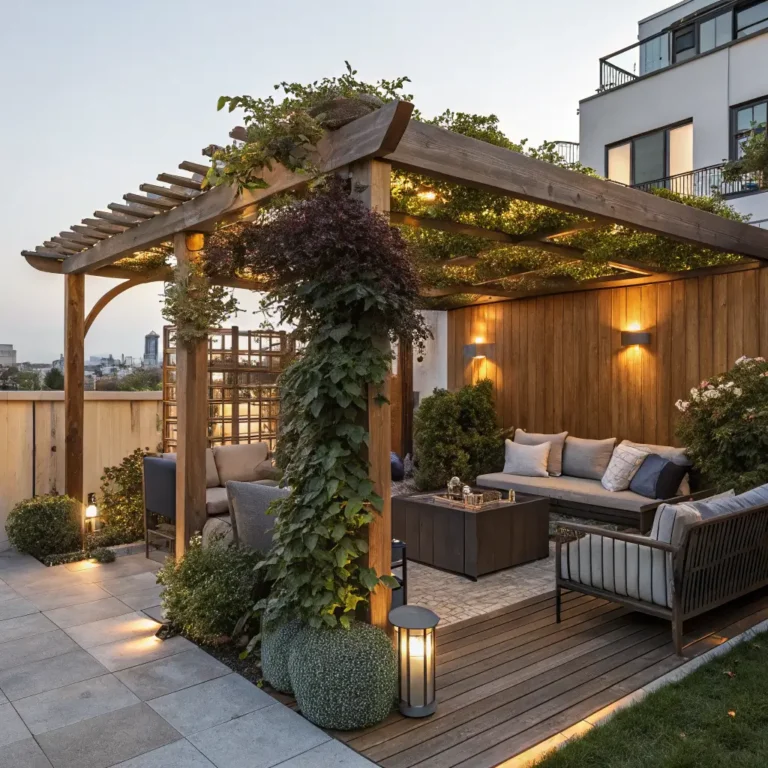
2. Small Space Vertical Garden Layout Ideas
Going Up When You Can’t Go Out
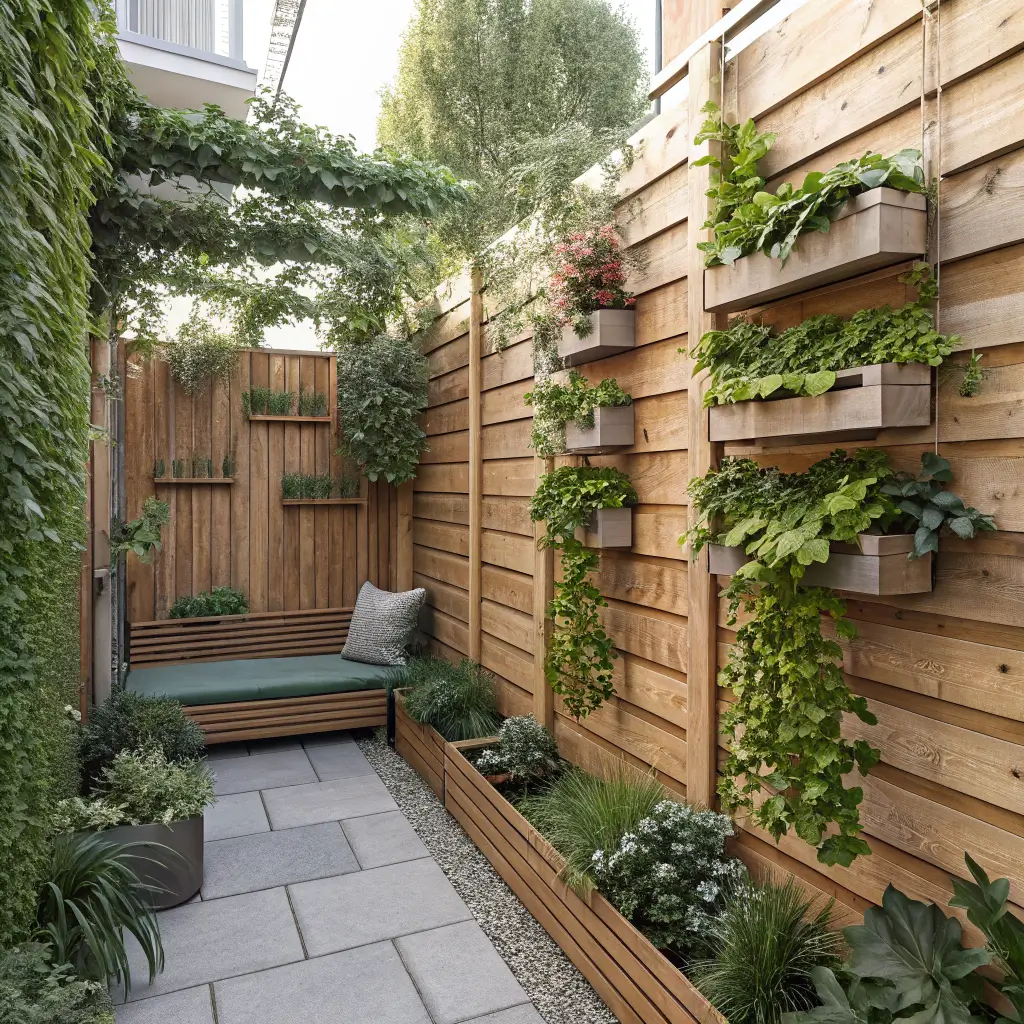
Small backyard? No problem! Vertical gardening maximizes your growing space by utilizing walls, fences, and vertical structures instead of relying solely on ground space. It’s like adding extra rooms to your house – but for plants 🙂
I discovered vertical gardening out of necessity when my first apartment had a balcony roughly the size of a postage stamp. Turns out, some of my most successful gardens have been vertical ones because they force you to get creative with space usage.
Vertical Structure Options
Your vertical garden can take many forms depending on your space and budget:
- Wall-mounted planters – perfect for herbs and small vegetables
- Trellises and arbors – ideal for climbing plants like beans, peas, or flowering vines
- Hanging baskets – great for trailing plants and adding layers at different heights
- Living walls – more complex but stunning for creating green focal points
- Ladder gardens – repurpose old ladders as tiered planting shelves
Plant Recommendations for Vertical Spaces
Lightweight plants work best in vertical arrangements since you’re dealing with weight limitations and wind exposure. Herbs like basil, thyme, and oregano thrive in vertical planters and give you fresh ingredients for cooking. Strawberries cascade beautifully from hanging baskets, while lettuce and spinach grow well in wall-mounted containers.
For purely ornamental vertical gardens, consider plants with interesting textures and colors like coleus, ferns, and trailing ivy varieties.
3. Japanese Zen Garden Layout Design
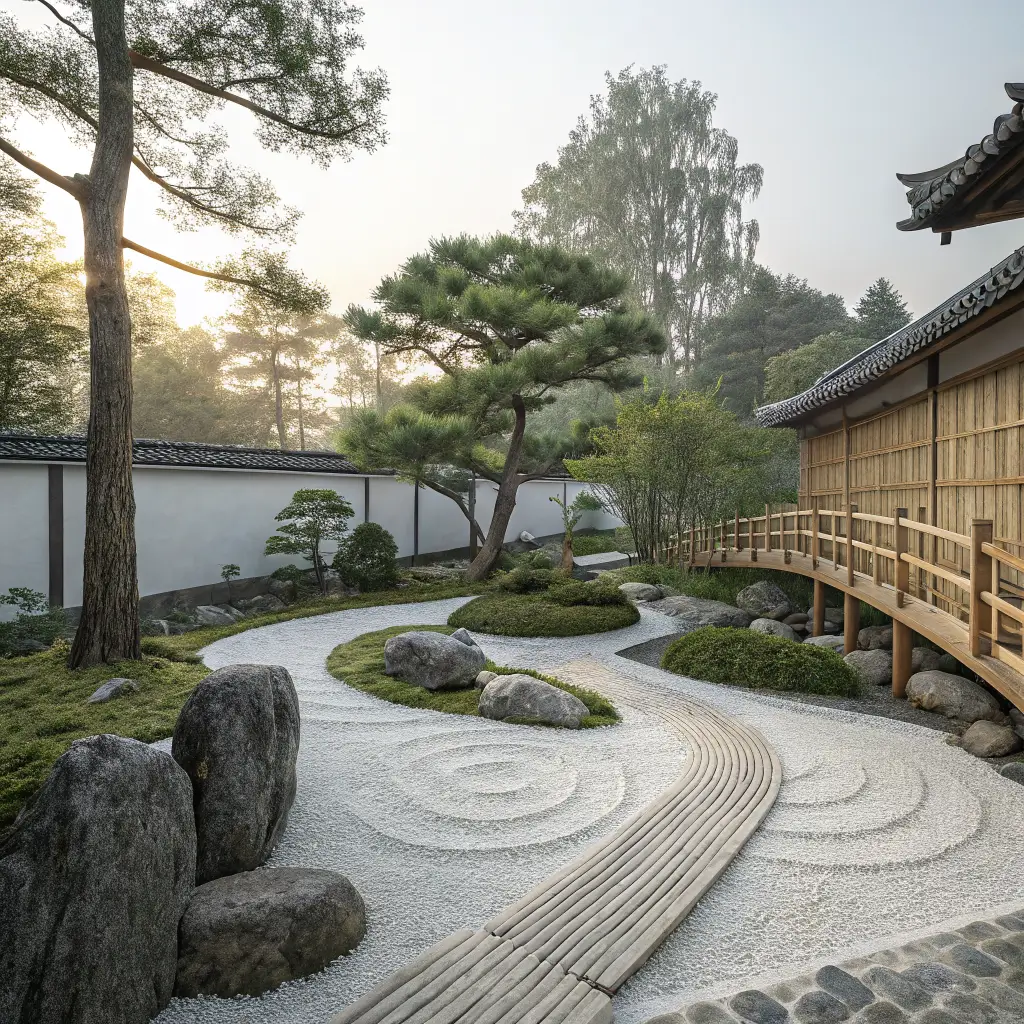
Finding Peace in Your Backyard
There’s something almost magical about Japanese garden design – the way it creates tranquility through intentional simplicity. Japanese Zen gardens emphasize balance, natural materials, and creating spaces for contemplation rather than showy displays.
What draws me to this style is how it transforms your garden into a retreat space. After a stressful day, having a corner of your yard designed for peaceful reflection beats any expensive spa treatment.
Essential Zen Garden Elements
Creating an authentic Japanese-inspired garden involves incorporating these traditional elements:
- Water features – even a small fountain or birdbath adds the soothing sound of moving water
- Natural stone – for pathways, borders, and decorative accents
- Bamboo – provides natural screening and rustling sounds in the breeze
- Carefully pruned plants – emphasizing natural forms rather than forced shapes
- Asymmetrical balance – avoiding perfectly symmetrical layouts in favor of natural harmony
Creating Contemplative Spaces
Zen gardens need quiet spots where you can actually sit and enjoy the peace you’ve created. A simple wooden bench positioned to overlook your water feature or a small meditation area with natural stone seating can transform how you use your outdoor space.
The goal isn’t perfection – it’s creating a space that feels harmonious and calming. IMO, that’s way more valuable than any elaborate landscape feature.
Also Read: 10 Creative Tiny Garden Design Ideas for Small Spaces
4. Cottage Style Garden Layout Ideas
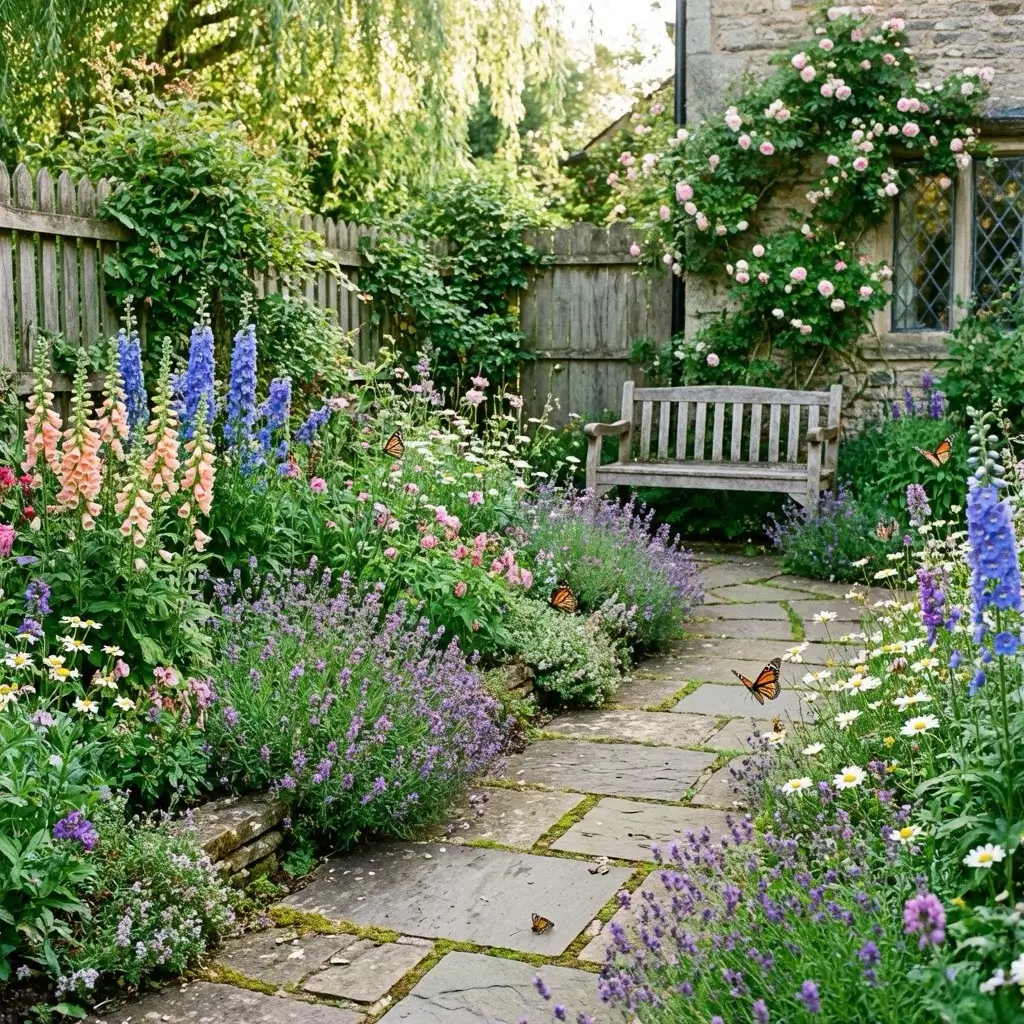
Embracing Beautiful Chaos
Cottage gardens represent the complete opposite of minimalist design – and that’s exactly their charm! This style celebrates abundance, mixing flowers, herbs, vegetables, and ornamental plants in seemingly casual arrangements that actually require quite a bit of planning to pull off successfully.
I’ll admit, cottage gardens can look overwhelming at first glance. But once you understand the underlying structure, they become incredibly rewarding to create and maintain.
The Organized Chaos Approach
Despite their wild appearance, successful cottage gardens follow some basic organizational principles:
- Layered planting – tall plants in back, medium in middle, short in front
- Repetition of key plants – prevents the space from looking completely random
- Winding pathways – creates discovery moments and visual interest
- Mixed purposes – combining edible and ornamental plants throughout
- Seasonal succession – ensuring something’s always blooming or producing
Plant Combinations That Work
The magic of cottage gardens happens when you combine plants that complement each other naturally. Try pairing roses with lavender (the lavender helps repel pests from the roses), or interplanting vegetables like carrots and lettuce between flower borders.
Traditional cottage garden plants include foxgloves, hollyhocks, delphiniums, and sweet peas for height, with catmint, lady’s mantle, and various herbs filling middle layers.
5. Mediterranean Courtyard Garden Layout
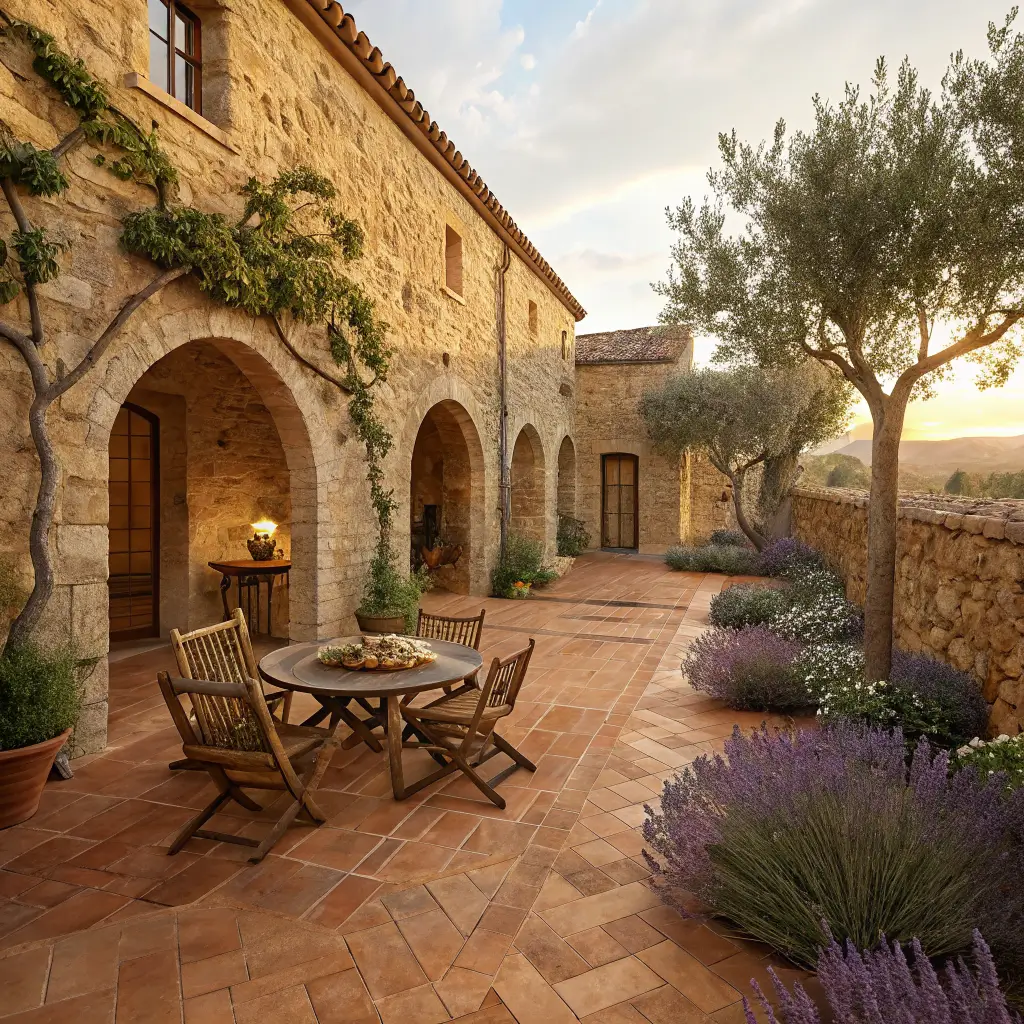
Bringing Vacation Vibes Home
Mediterranean gardens capture that relaxed, sun-soaked feeling you get wandering through Italian hill towns or Greek islands. This style emphasizes drought-tolerant plants, natural stone, and creating outdoor living spaces that extend your home’s functionality.
What I love about Mediterranean design is how it makes water-wise gardening look absolutely luxurious instead of like a compromise.
Signature Mediterranean Features
Creating an authentic Mediterranean feel involves incorporating these characteristic elements:
- Terra cotta and ceramic containers – for flexible planting arrangements
- Natural stone surfaces – limestone, travertine, or local stone alternatives
- Outdoor living areas – patios, pergolas, and dining spaces integrated into the garden
- Water features – fountains, small pools, or decorative water vessels
- Aromatic plants – herbs and fragrant flowers that release scent when touched
Climate-Appropriate Plant Choices
Mediterranean plants thrive in hot, dry conditions once established, making them perfect for water-conscious gardening. Olive trees provide beautiful structure and silver-grey foliage, while lavender, rosemary, and sage offer both culinary and ornamental value.
For color, consider bougainvillea (where climate permits), oleander, and various salvias. Ornamental grasses like fountain grass add movement and texture without requiring frequent watering.
6. L-Shaped Backyard Garden Layout Design
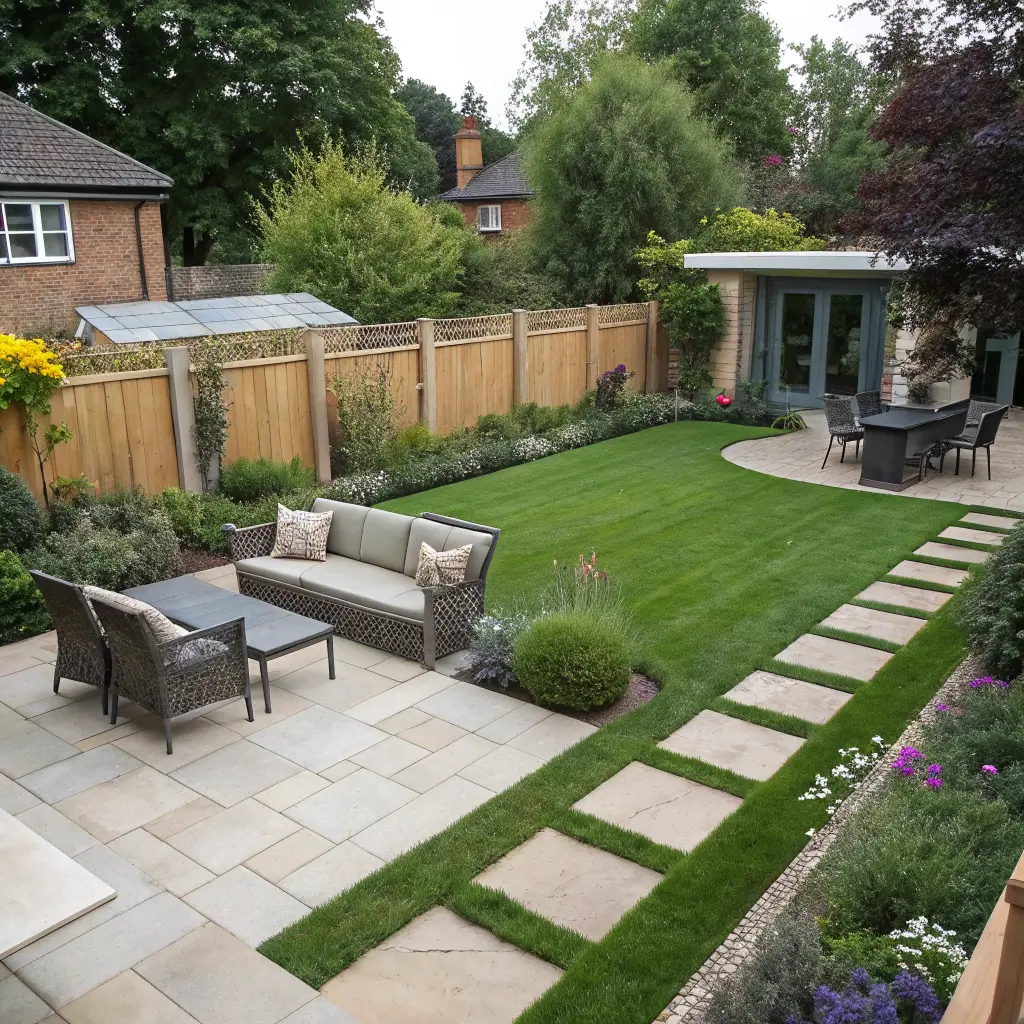
Making Awkward Spaces Work
L-shaped yards present unique challenges – and opportunities! These spaces often result from property lines, building additions, or natural terrain features, but they can create distinct garden “rooms” when designed thoughtfully.
I actually prefer L-shaped gardens now because they force you to think creatively about how different areas connect and flow together.
Designing Connected Zones
The key to successful L-shaped garden design is treating each section as a distinct area while maintaining visual connection between zones. Consider using one section for entertaining and dining, while the other becomes a quiet garden retreat or productive growing space.
Pathways become crucial in L-shaped designs. Curved walkways can soften angular corners and create smooth transitions between different areas of your garden.
Maximizing Corner Areas
Corner spaces in L-shaped gardens often become dead zones if not planned properly. Transform these areas into focal points using specimen trees, water features, or striking plant combinations that draw the eye and create visual anchors for your overall design.
Raised beds work particularly well in L-shaped corners, providing definition and making maintenance easier in areas that might otherwise feel neglected.
Also Read: 10 Beautiful Succulent Garden Design Ideas for Aesthetic Spaces
7. Raised Bed Vegetable Garden Layout Ideas
Practical Meets Beautiful
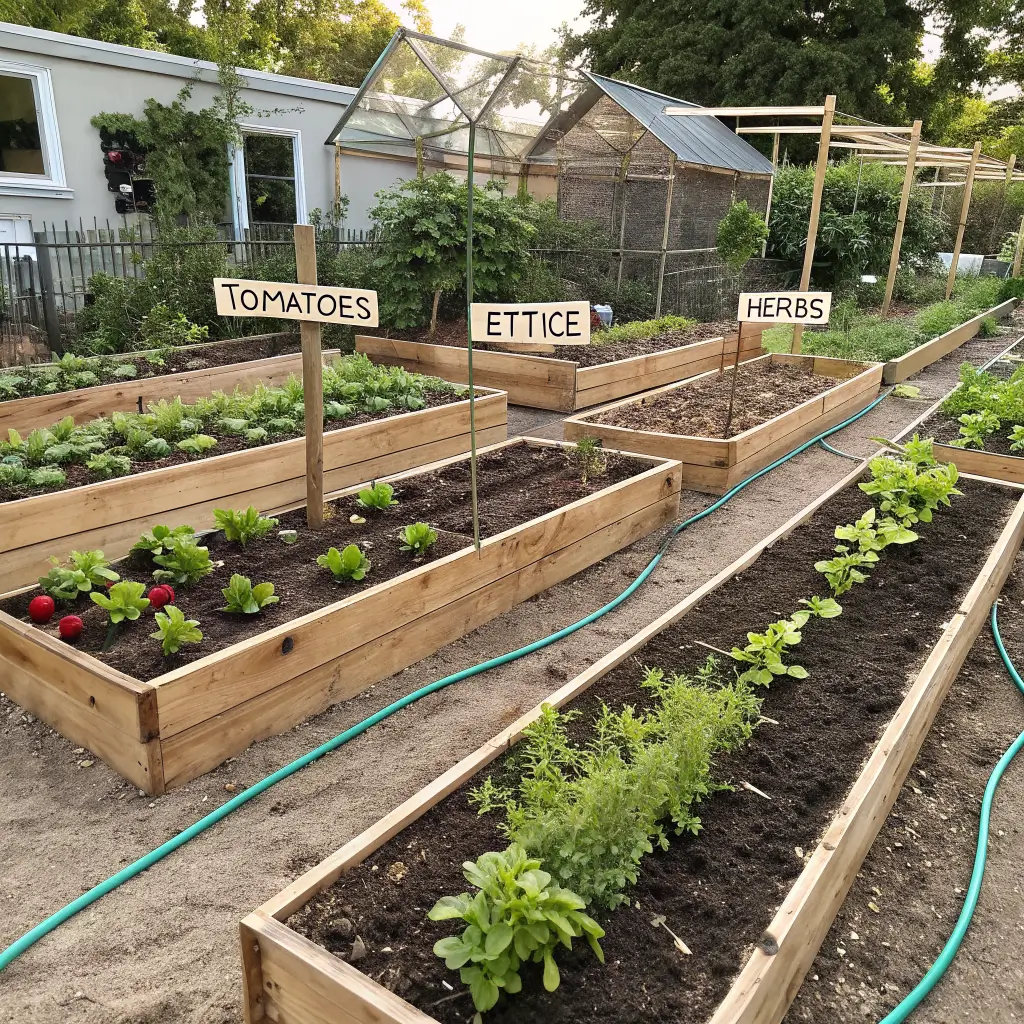
Raised bed gardens solve so many common gardening problems – poor soil, drainage issues, weed control, and accessibility concerns. Well-designed raised bed layouts can be both highly productive and visually appealing, proving that functional doesn’t have to mean ugly.
FYI, raised beds also extend your growing season since the soil warms up faster in spring and stays workable longer in fall.
Strategic Layout Planning
Successful raised bed gardens require careful planning of bed sizes, pathways, and crop rotation systems. Standard bed widths of 3-4 feet allow you to reach the center from either side without stepping on planted areas.
Consider these layout strategies:
- Parallel beds with 2-3 foot pathways for easy access
- Geometric patterns that create visual interest while maintaining functionality
- Companion planting zones grouping plants that benefit each other
- Succession planting areas for continuous harvests throughout the season
Material Choices and Construction
Choose raised bed materials based on your budget, aesthetic preferences, and local climate conditions. Cedar and redwood offer natural rot resistance, while composite materials provide longevity with minimal maintenance. Stone or concrete block beds create permanent, substantial-looking installations.
Height matters too – beds 8-12 inches high work for most vegetables, while 18-24 inch beds provide better drainage and easier access for people with mobility concerns.
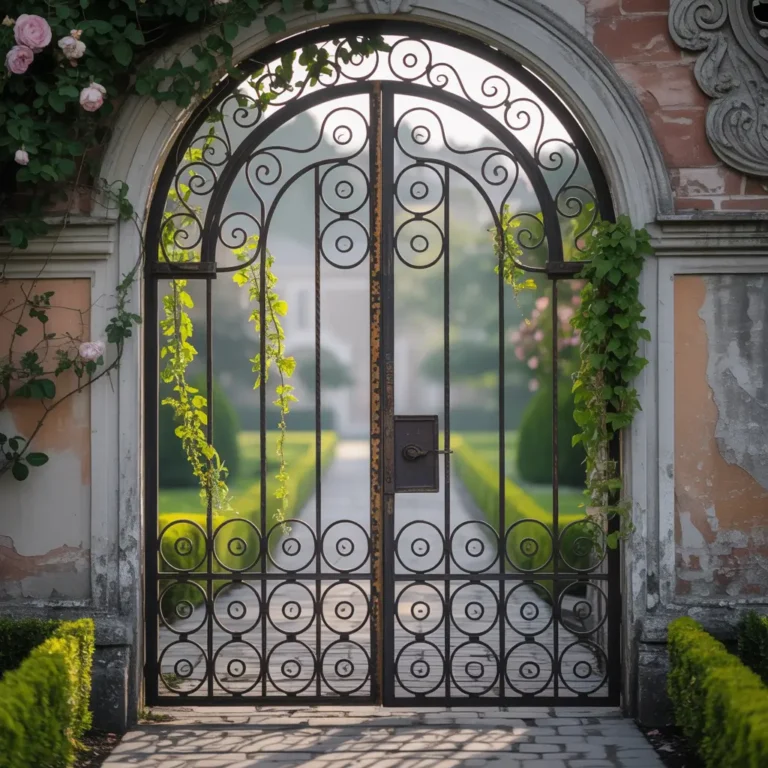
8. Symmetrical Formal Garden Layout Design
Classic Elegance Never Goes Out of Style
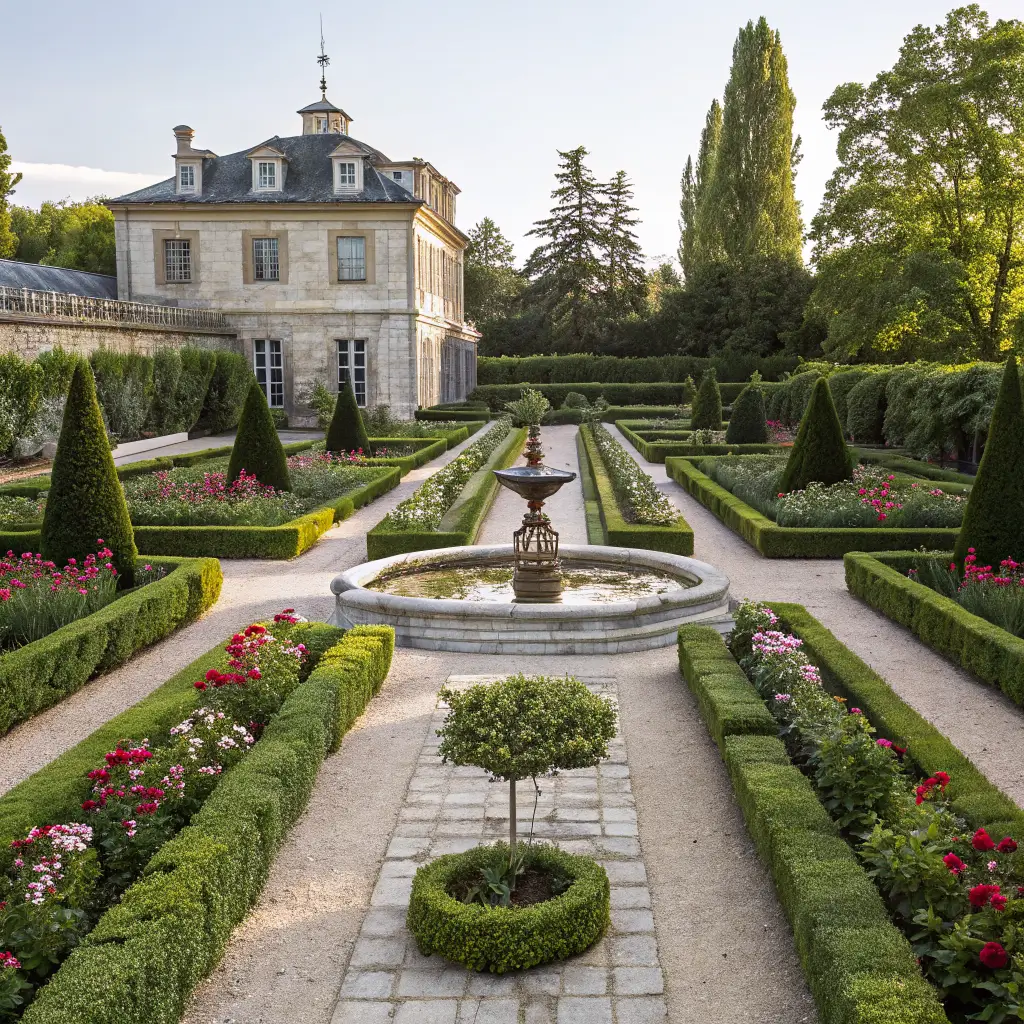
Formal gardens represent the height of controlled design – every element carefully planned and positioned to create balanced, symmetrical compositions. While they require more maintenance than casual garden styles, the results can be absolutely stunning.
I’ll be honest, formal gardens aren’t for everyone. They demand precision and regular upkeep. But when you nail it? Pure garden magic.
Creating Balanced Compositions
Formal garden design relies on symmetry, repetition, and geometric precision. Central focal points – fountains, statues, or specimen plants – anchor the design while repeated elements create rhythm and unity throughout the space.
Key principles include:
- Bilateral symmetry – mirroring elements on either side of a central axis
- Geometric shapes – circles, squares, and rectangles defining planting areas
- Formal pathways – straight lines or geometric curves rather than meandering routes
- Clipped hedges – providing structure and definition between garden areas
- Seasonal color schemes – planned succession of blooms and foliage interest
Maintenance Considerations
Formal gardens demand regular attention to maintain their crisp appearance. Hedge trimming, edge maintenance, and deadheading become essential tasks rather than optional garden chores.
However, the payoff is a garden that looks professionally designed and photographically perfect throughout the growing season.
9. Tropical Backyard Garden Layout Ideas
Creating Your Personal Paradise
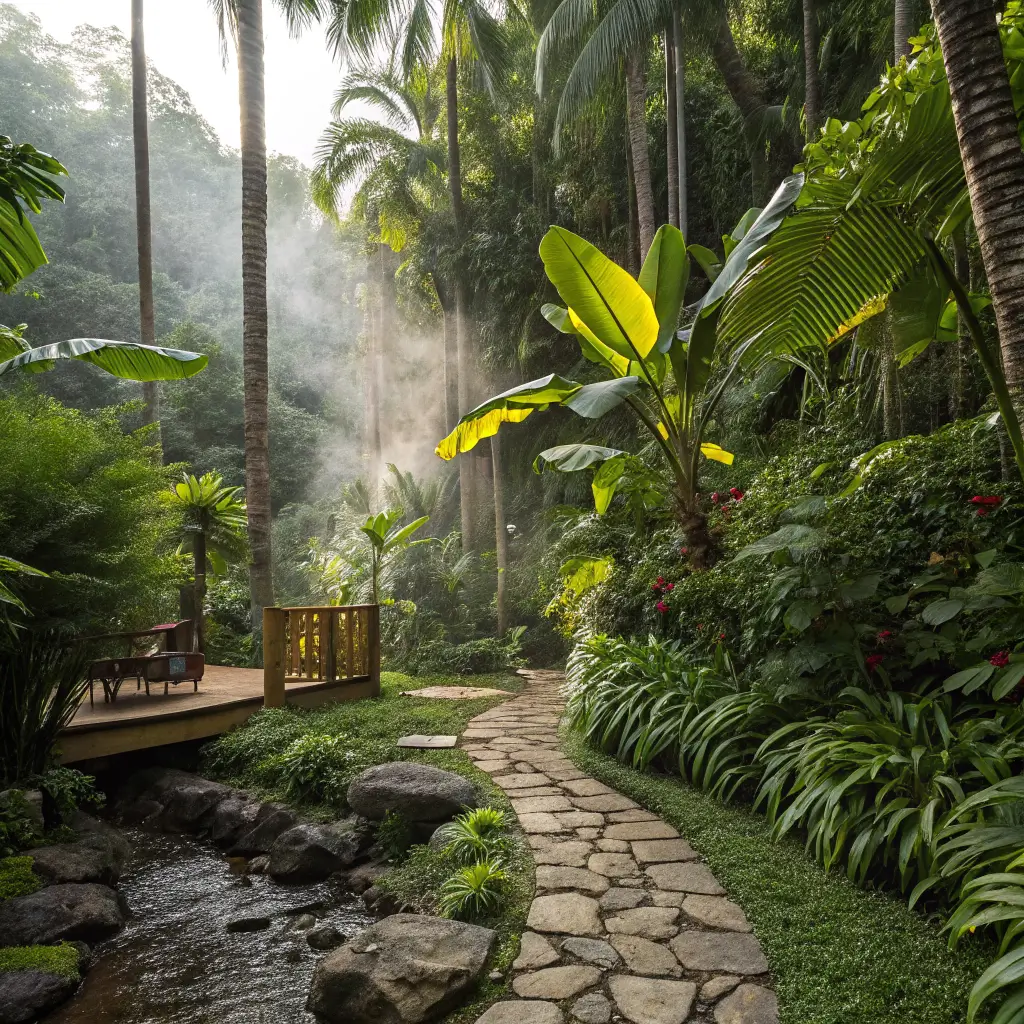
Tropical garden design brings lush, resort-style relaxation to your backyard – emphasizing bold foliage, exotic flowers, and creating the feeling of abundant growth and natural abundance.
Even in non-tropical climates, you can capture this aesthetic using cold-hardy plants that mimic tropical appearances, plus container plants that can winter indoors.
Essential Tropical Elements
Successful tropical gardens layer different plant heights and textures to create that jungle-like abundance:
- Canopy plants – large-leafed specimens like elephant ears or hardy banana plants
- Mid-story plants – colorful coleus, caladiums, and flowering tropicals
- Ground covers – spreading plants that create lush carpet effects
- Accent plants – striking specimens with unusual forms or brilliant colors
Creating Tropical Ambiance
Water features enhance the tropical feeling – consider adding a small waterfall, pond, or even a large decorative bowl with aquatic plants. Outdoor lighting extends the usability of tropical gardens into evening hours, with string lights or lanterns adding to the resort atmosphere.
Comfortable seating areas surrounded by lush plantings complete the tropical retreat feeling, making your backyard feel like a vacation destination.
Also Read: 10 Stunning Garden Design Layout Ideas for Dreamy Spaces
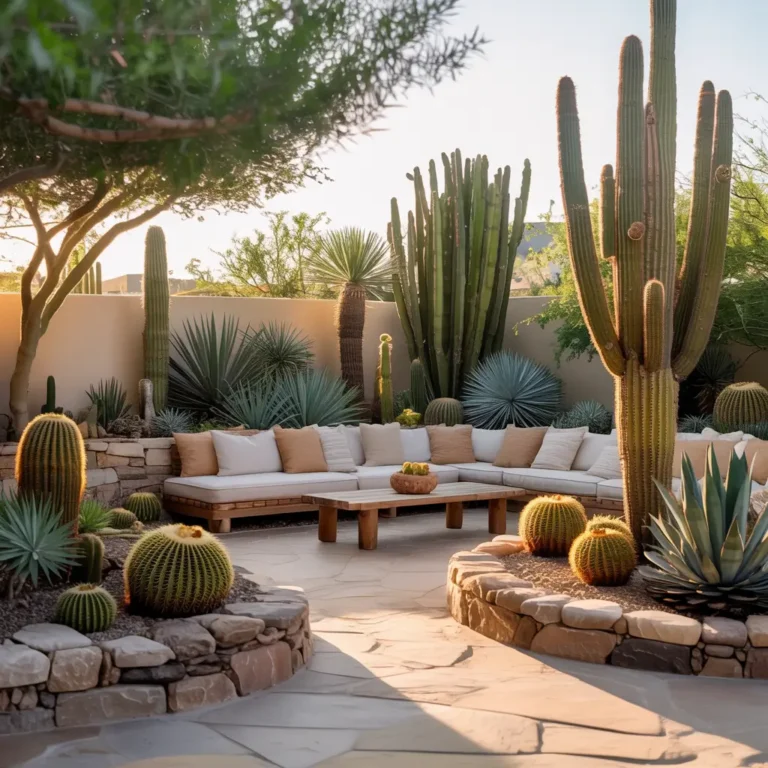
10. Desert Xeriscape Garden Layout Design
Beauty in Water-Wise Design
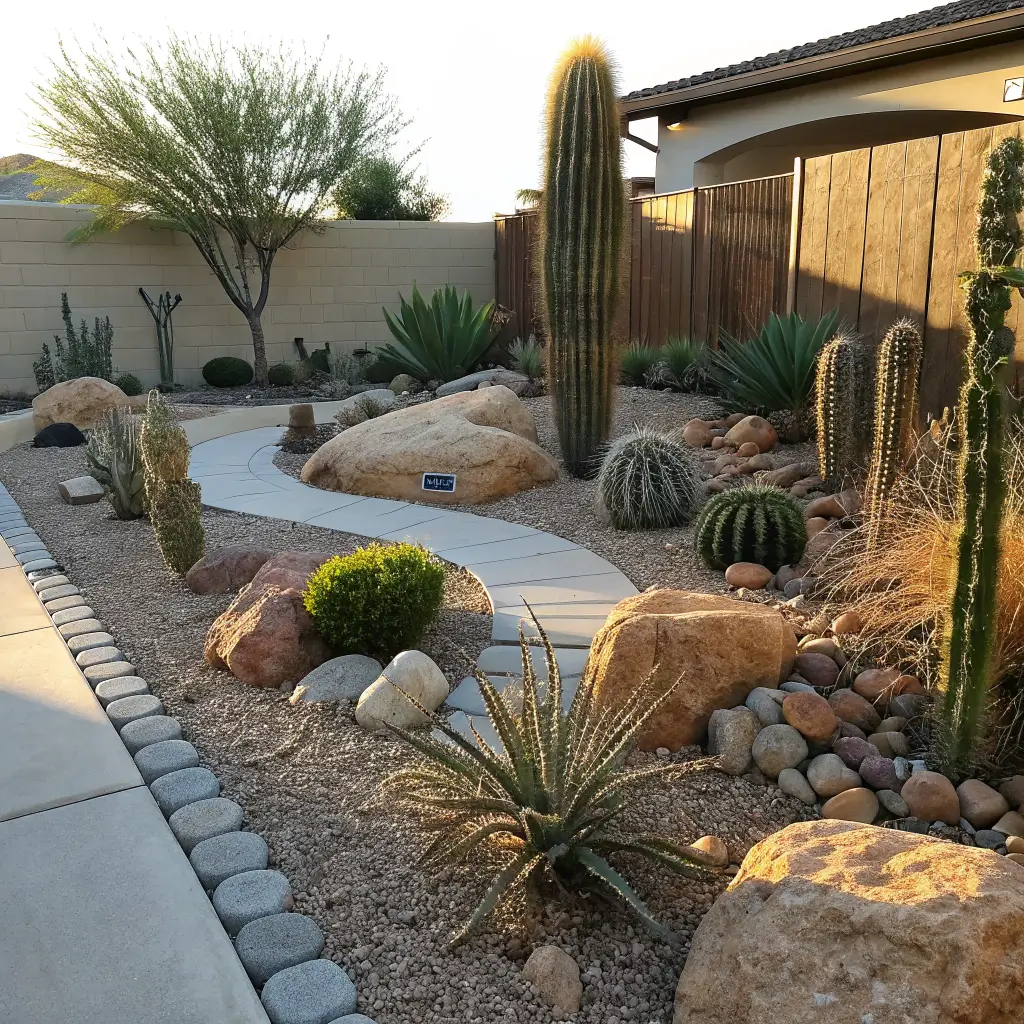
Xeriscape gardens prove that low-water gardening can be absolutely gorgeous rather than just environmentally responsible. These designs celebrate the natural beauty of drought-adapted plants while creating striking, sustainable landscapes.
Living in increasingly water-conscious times, I’ve grown to really appreciate how xeriscape design challenges us to see beauty in different ways.
Design Principles for Dry Gardens
Effective xeriscape design groups plants by water needs and emphasizes hardscape elements like decorative rocks, gravel, and sculptural features:
- Hydrozones – grouping plants with similar water requirements
- Mulching strategies – using decorative stone or gravel to retain moisture and suppress weeds
- Architectural plants – specimens with striking forms that serve as living sculptures
- Seasonal interest – planning for year-round visual appeal through varied plant textures and forms
Plant Selection for Water-Wise Gardens
Native and adapted plants form the backbone of successful xeriscape gardens. Succulents offer incredible variety in forms, colors, and bloom times, while ornamental grasses provide movement and seasonal change.
Consider agaves, yuccas, and cacti for dramatic architectural statements, balanced with softer textures from drought-tolerant perennials like lavender, sage, and ornamental grasses.
Bringing It All Together
After exploring these ten distinct garden layout approaches, you’ve probably noticed that successful garden design isn’t about following rigid rules – it’s about understanding principles and adapting them to your specific space, climate, and lifestyle.
Whether you’re drawn to the serene simplicity of Zen design or the abundant chaos of cottage gardens, the best garden layout is the one you’ll actually enjoy creating and maintaining. Start with one area, experiment with the principles that appeal to you, and remember that gardens evolve over time.
Your perfect garden layout might combine elements from several of these styles – maybe minimalist structure with tropical plantings, or formal organization with cottage garden plant choices. The beauty of garden design lies in making it uniquely yours.
Now stop overthinking it and get your hands dirty! Your future self will thank you for starting today rather than waiting for the perfect plan :/