10 Stunning Garden Design Layout Ideas for Dreamy Spaces

Look, I get it. You step outside, stare at your yard, and feel absolutely overwhelmed. Maybe it’s a barren patch of grass that screams “help me,” or perhaps you’ve got a jumbled mess that makes you wonder if a tornado recently visited.
Trust me, I’ve been there—standing with my coffee, mentally calculating how much it would cost to just pave the whole thing and call it a day.
But here’s the thing: your garden doesn’t need to be the eighth wonder of the world. Sometimes the most stunning outdoor spaces are born from simple, well-thought-out layouts that actually make sense for how you live.
After years of trial and error (and yes, killing more plants than I care to admit), I’ve discovered that great garden design isn’t about having a green thumb—it’s about having a clear vision.
Minimalist Zen Garden Layout
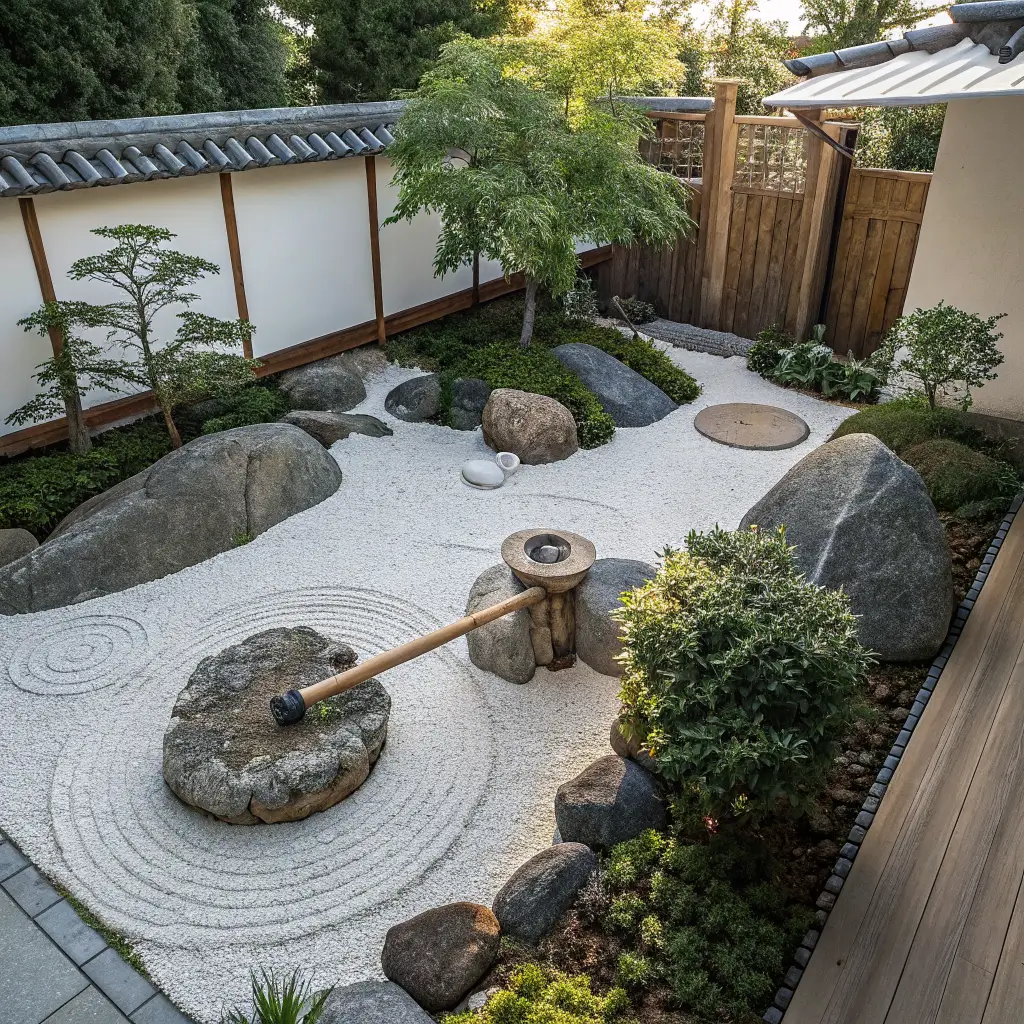
Ever walked into someone’s garden and immediately felt your shoulders drop? That’s the magic of a minimalist zen layout. This design philosophy centers around the “less is more” approach, and honestly, it’s perfect for those of us who break into a cold sweat at the thought of maintaining fifty different plant species.
Key Elements That Make It Work:
• Clean lines and simple shapes – Think rectangular gravel beds, straight pathways, and geometric planting areas
• Limited color palette – Stick to greens, whites, and natural stone colors
• Focal points that matter – One stunning sculpture, a single specimen tree, or a perfectly placed boulder
• Negative space – Empty areas aren’t wasted space; they’re breathing room for your soul
The beauty of this layout lies in its maintenance simplicity. You’re working with hardy plants like ornamental grasses, bamboo, and evergreen shrubs that basically take care of themselves. I learned this the hard way after my first garden attempt looked like a plant nursery exploded. Now? My zen corner requires about fifteen minutes of weekly maintenance, and it still gets more compliments than my high-maintenance rose beds ever did.
Plants That Actually Thrive:
• Japanese maple for that one show-stopping tree
• Hostas for reliable green coverage
• Ornamental grasses that move beautifully in the breeze
• Boxwood for structure that stays put year-round
The secret sauce is restraint. When you’re tempted to add “just one more thing,” step back and appreciate what you’ve already created.
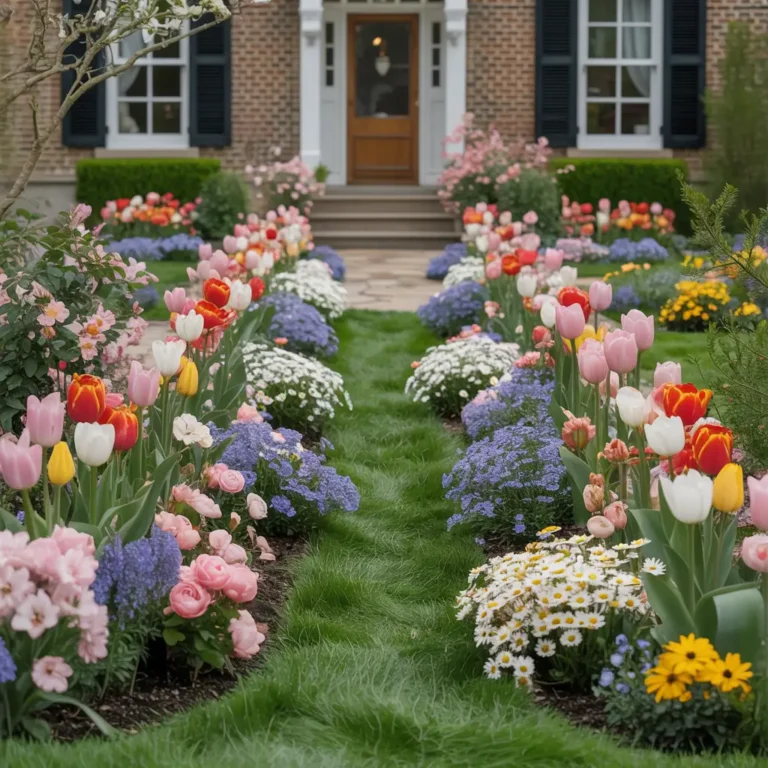
Cottage Style Flower Garden Layout
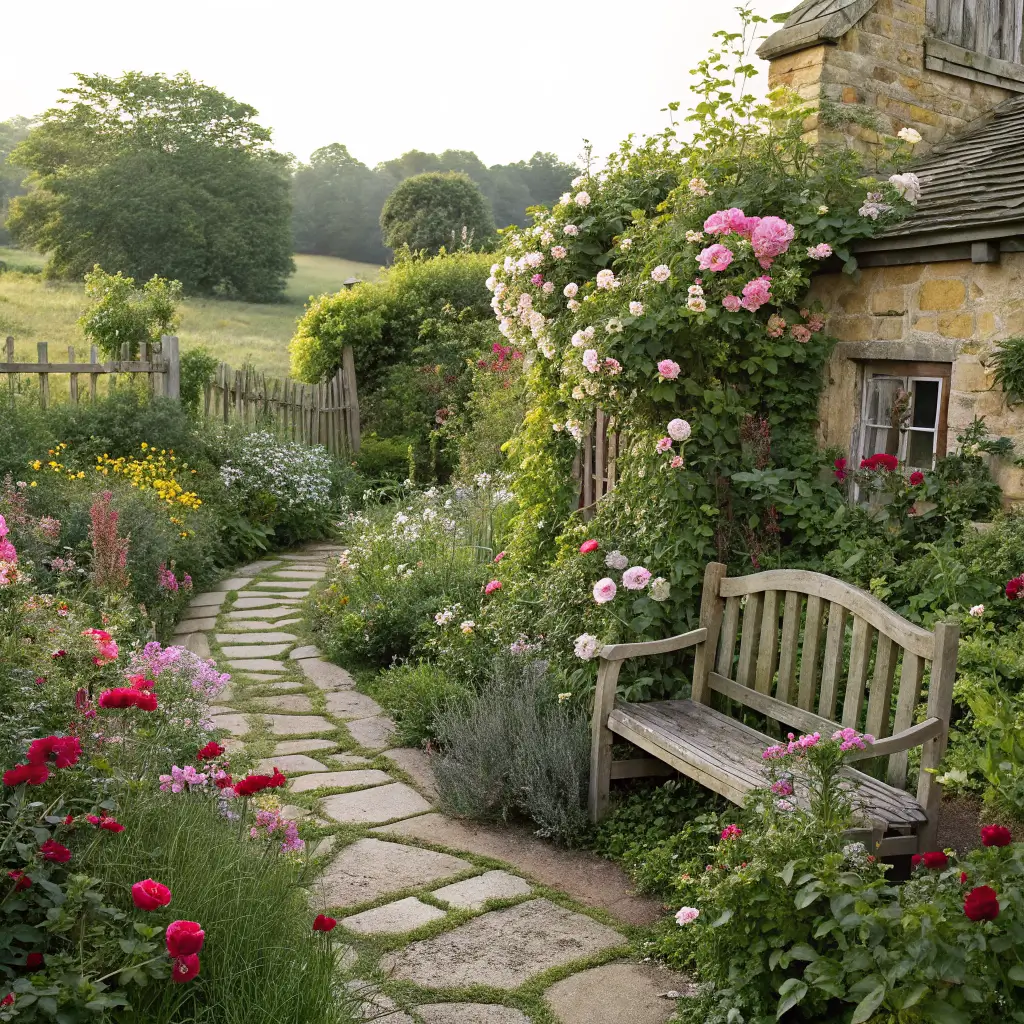
Now, if minimalism makes you feel like something’s missing, cottage style might be your jam. This layout embraces the “organized chaos” philosophy—it looks effortlessly wild but requires some serious planning behind the scenes.
I’ll be honest: cottage gardens are for people who love the idea of cutting fresh flowers for the kitchen table and don’t mind getting their hands dirty regularly. This isn’t a set-it-and-forget-it situation, but the payoff is incredible.
The Foundation Elements:
• Curved pathways that meander rather than march straight to their destination
• Mixed borders packed with perennials, annuals, and self-seeding flowers
• Vertical elements like arbors, trellises, and climbing roses
• Informal planting where things spill over edges and mingle freely
Plants That Create That Perfect “Messy” Look:
• Hollyhocks that self-seed everywhere (and you’ll love it)
• Delphiniums for dramatic height and cottage garden credibility
• Sweet peas climbing up anything they can grab
• Lavender for scent and that silvery-green texture contrast
The trick with cottage style is learning to embrace controlled wildness. You want it to look like nature decided to throw a party, but you still need to know where your pathways are. IMO, the best cottage gardens have clear structure underneath all that romantic abundance.
Pro tip: Start with a strong backbone of evergreen shrubs, then fill in with all the cottage favorites. This way, you’ve got year-round structure even when the perennials are having their winter nap.
Small Backyard Zone-Based Layout
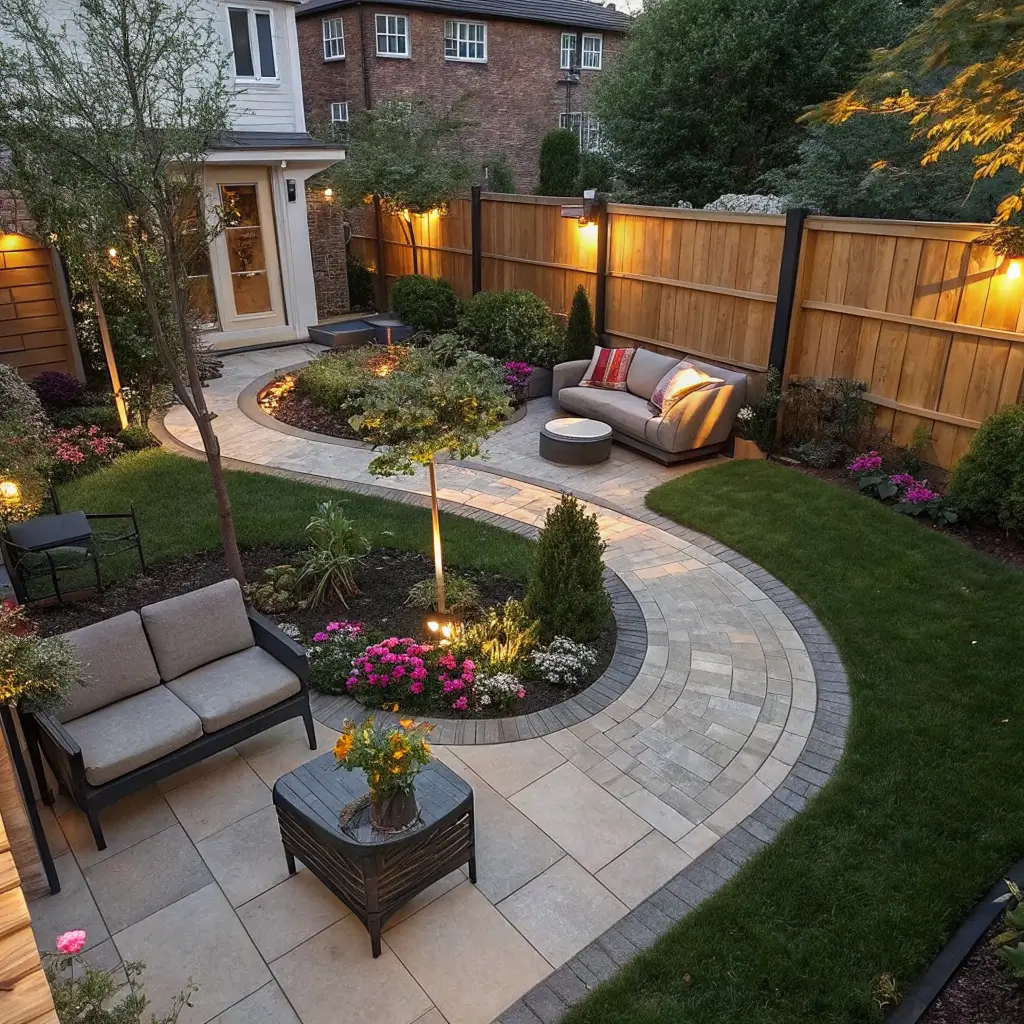
Small backyard? Join the club. Most of us aren’t working with sprawling estates, and trying to cram everything into a postage stamp-sized space usually results in outdoor chaos. The zone-based approach saves your sanity by giving every square foot a purpose.
How to Think in Zones:
• Entertainment zone – Where you’ll actually sit and enjoy your space
• Utility zone – Storage, composting, maybe a small shed
• Growing zone – Vegetables, herbs, or cutting flowers
• Transition zones – Pathways and borders that connect everything
I used to think my small yard was a limitation until I realized it’s actually an advantage. Everything is within arm’s reach, maintenance is manageable, and you can create intimate spaces that feel intentionally cozy rather than accidentally cramped.
Making Small Spaces Feel Bigger:
• Diagonal lines instead of straight borders create the illusion of more space
• Vertical gardening draws the eye up and maximizes planting area
• Multi-functional furniture like storage benches or planters that double as seating
• Strategic sight lines that guide the eye through the space rather than stopping at boundaries
The key is being ruthless about what you actually need. Do you really need space for a volleyball court, or would you rather have a killer herb garden and a spot to drink your morning coffee? Choose your priorities and design around them.
Also Read: 10 Gorgeous Mediterranean Garden Design Ideas Luxury Style
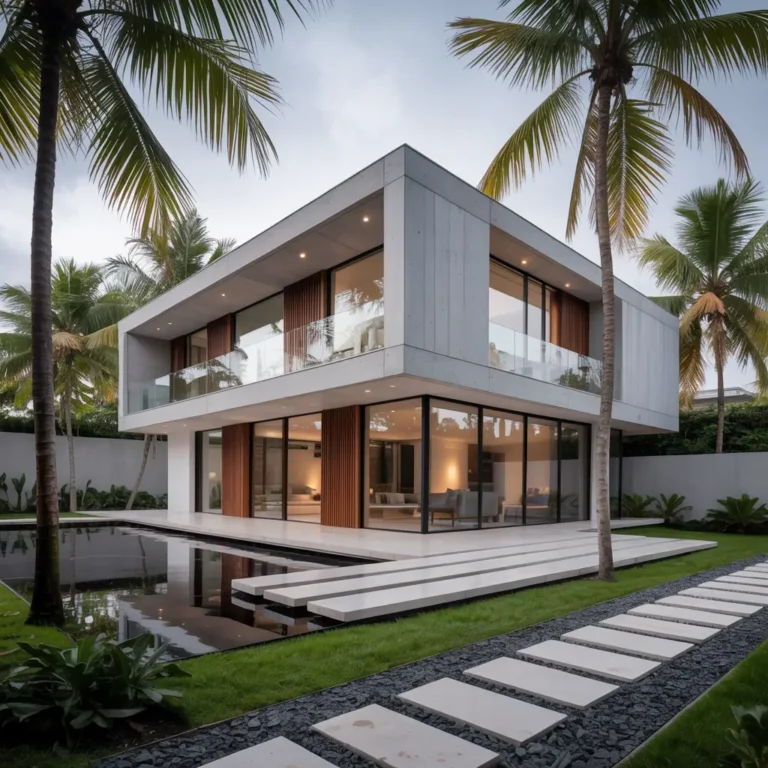
Modern Geometric Garden Layout
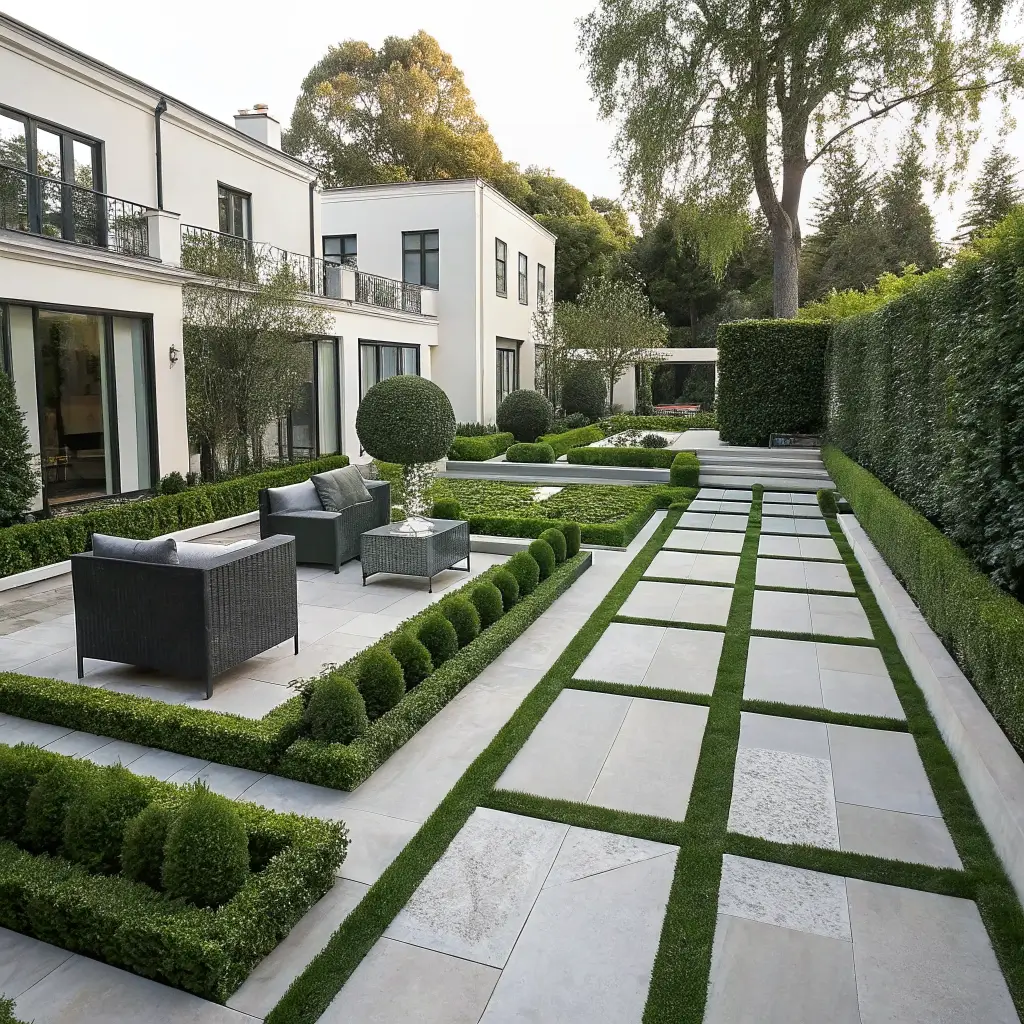
If you’re the type who color-coordinates their closet and gets genuinely excited about clean lines, modern geometric might be calling your name. This layout is all about bold shapes, architectural plants, and materials that wouldn’t look out of place in a contemporary art museum.
Signature Elements:
• Geometric planting beds – Think squares, rectangles, and circles with crisp edges
• Hardscaping that makes a statement – Concrete planters, steel edging, gravel patterns
• Architectural plants – Stuff that looks sculptural even without flowers
• Limited but impactful color palette – Usually dominated by greens with strategic pops of color
I love this approach because it’s basically foolproof. When everything follows a geometric pattern, even plant combinations that might look random elsewhere suddenly appear intentional and sophisticated.
Plants That Bring the Drama:
• Agave and other succulents for sculptural impact
• Ornamental grasses in block plantings
• Topiary or heavily pruned evergreens for structure
• Bold foliage plants like elephant ears or hostas in mass plantings
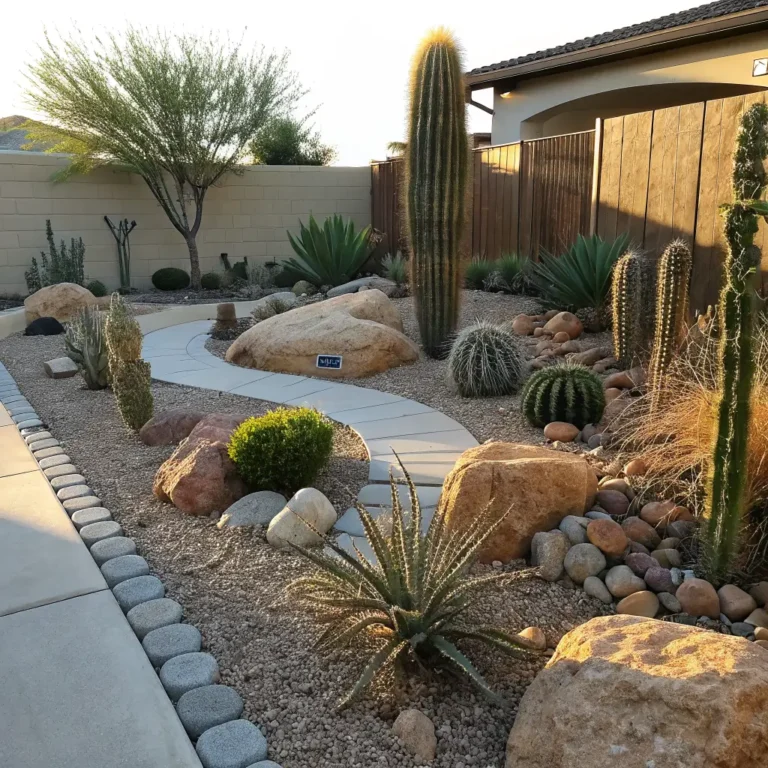
The materials you choose matter as much as the plants. Weathering steel, poured concrete, and natural stone all bring that contemporary edge. And here’s a little secret: this style is actually pretty low-maintenance once established. Those clean lines hide the fact that you’re mostly working with tough, drought-tolerant plants.
Mediterranean Courtyard Garden Layout
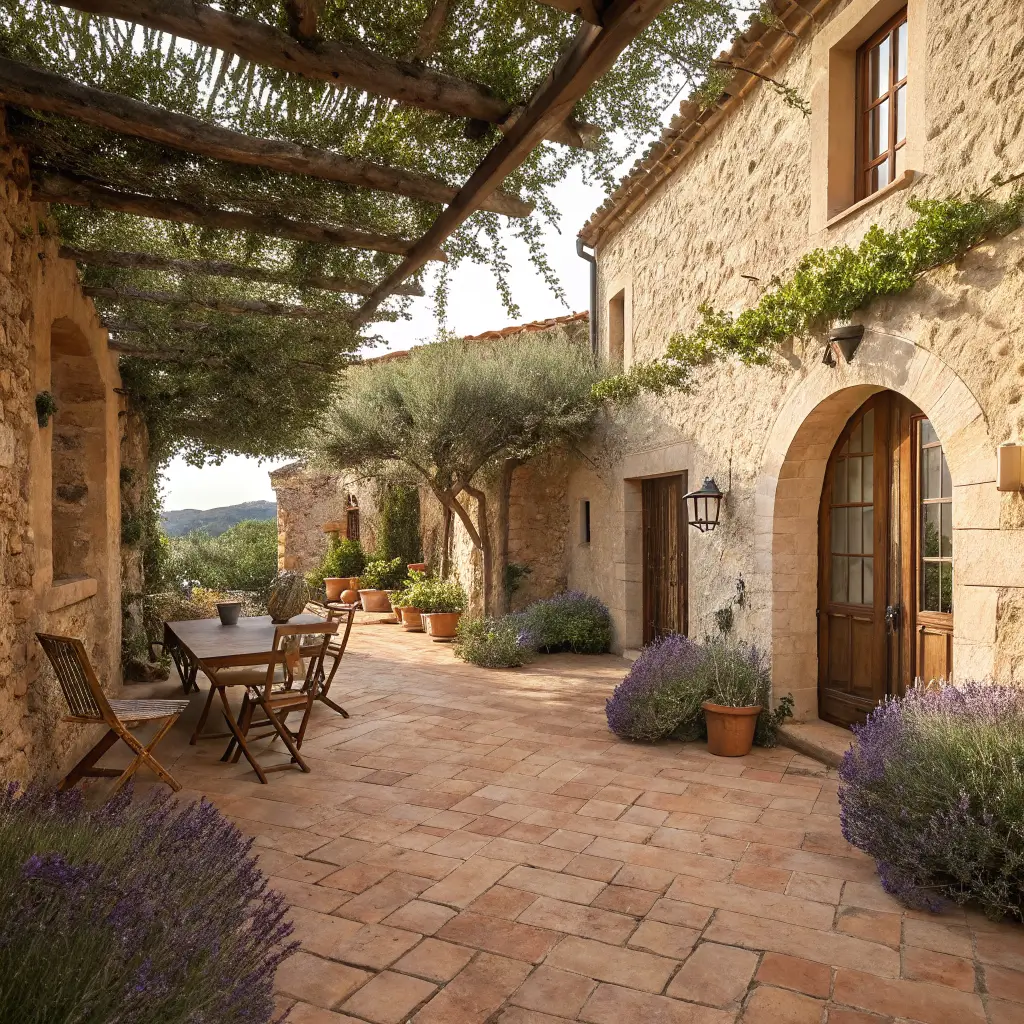
Close your eyes and imagine sipping wine while surrounded by lavender and olive trees. That’s the Mediterranean vibe, and it’s surprisingly achievable even if you live nowhere near the actual Mediterranean.
This layout works brilliantly for anyone dealing with hot summers, water restrictions, or just a general desire to feel like they’re on permanent vacation. The whole philosophy centers around drought-tolerant plants, warm-colored materials, and creating intimate spaces that feel like outdoor rooms.
Essential Components:
• Central water feature – Even a simple fountain adds that crucial sound element
• Paved areas with natural stone or terracotta tiles
• Container plantings that can be moved around seasonally
• Pergolas or arbors for filtered shade and vertical interest
Plants That Scream Mediterranean:
• Olive trees (even if they don’t fruit in your climate)
• Lavender in mass plantings
• Rosemary that doubles as cooking herb and landscape plant
• Bougainvillea for explosive color (where hardy)
• Gravel mulch that looks intentional and conserves water
The color palette sticks to terracotta, warm grays, and deep greens with pops of purple and blue from flowering plants. I’ve seen people try to force this style with the wrong materials, and it just doesn’t work. Stick to natural stone, avoid anything too polished, and embrace the weathered, lived-in feeling.
Reality check: If you live somewhere with harsh winters, you’ll need to adapt. Hardy lavender varieties, container plants you can move, and deciduous trees with Mediterranean-style bark can still give you the feeling without the plant casualties.
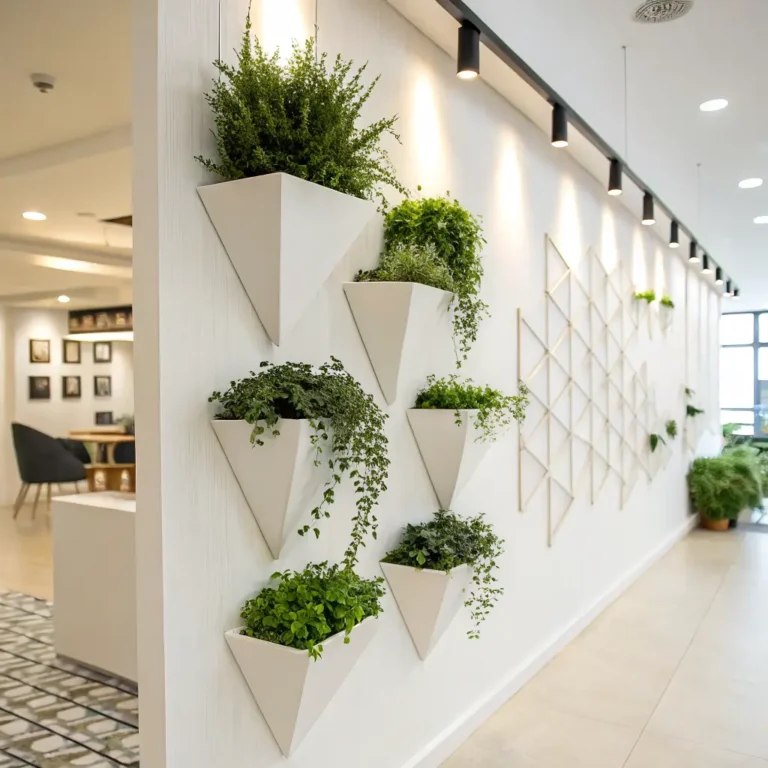
Vertical Wall Garden Layout
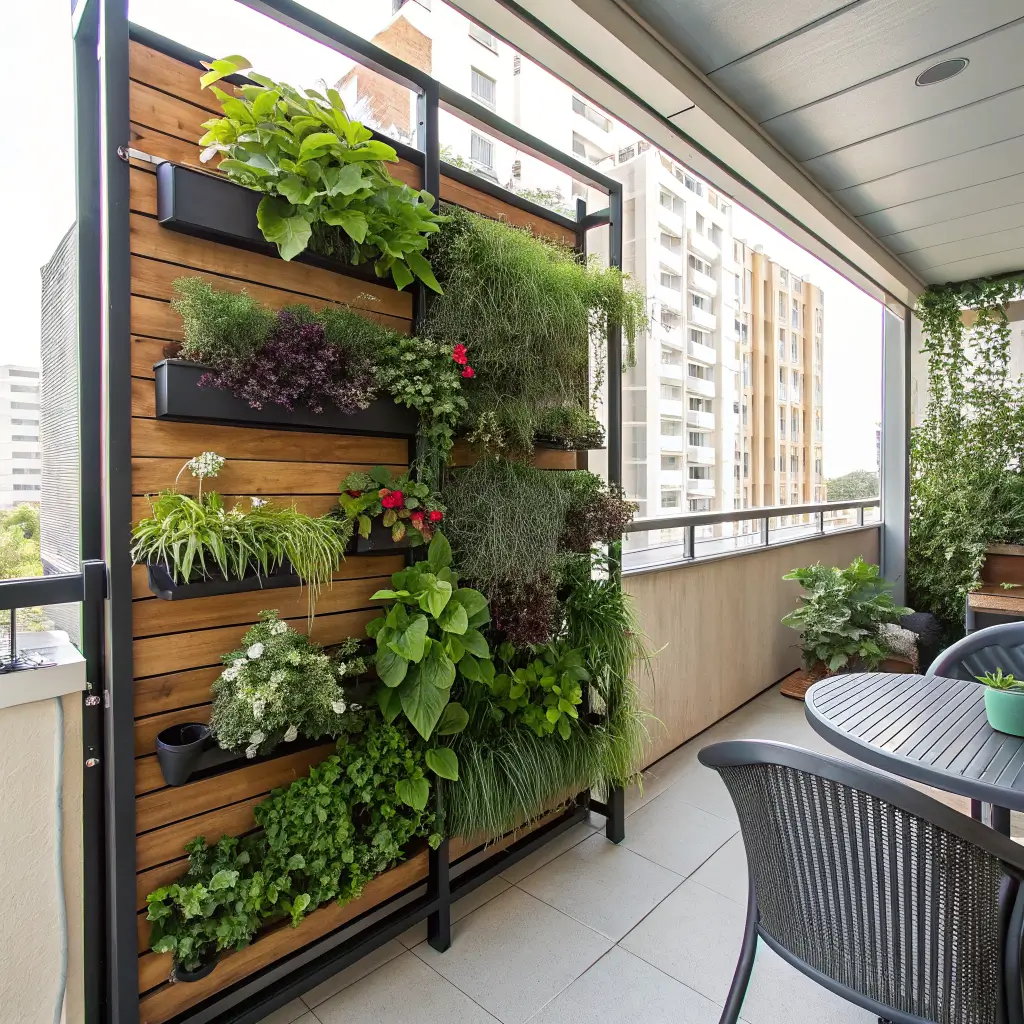
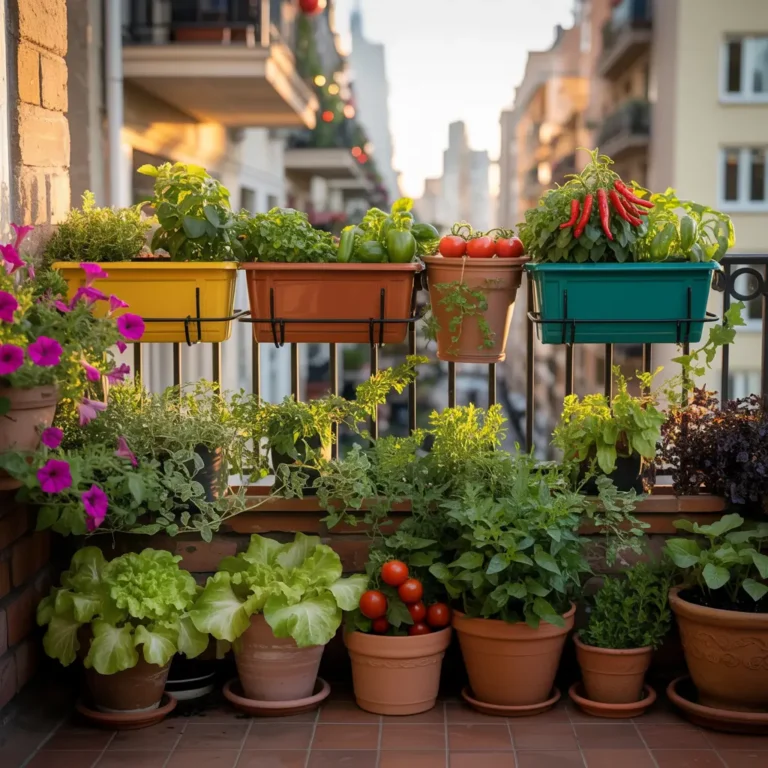
Running out of ground space? Look up. Vertical gardening isn’t just for tiny urban balconies—it’s a brilliant way to add visual interest and maximize your planting opportunities in any space.
I was skeptical about vertical gardens until I installed my first living wall. Now I’m convinced that thinking vertically is one of the best design moves you can make, especially if you’re dealing with privacy issues or ugly neighboring views.
Vertical Solutions That Actually Work:
• Living walls with built-in irrigation systems
• Trellis systems for climbing plants
• Tiered planters that create cascade effects
• Hanging gardens at different heights
Plants Perfect for Going Up:
• Climbing roses for classic beauty
• Clematis for seasonal drama
• Ivy for year-round coverage (but watch out—it’s aggressive)
• Annual vines like morning glories for quick color
• Succulents in vertical planters for low-maintenance walls
The key is choosing the right support system for your plants’ eventual weight and growth habits. I learned this lesson when my “lightweight” morning glory display pulled down my entire trellis mid-season. Plan for success, not just the cute seedling stage.
Installation tip: Whatever you think your irrigation needs will be, double it. Vertical gardens dry out faster than ground-level plantings, and nobody wants to hand-water a wall garden twice a day.
Also Read: 10 Serene Zen Garden Design Ideas for Peaceful Retreat Spaces
Japanese Rock Garden Layout
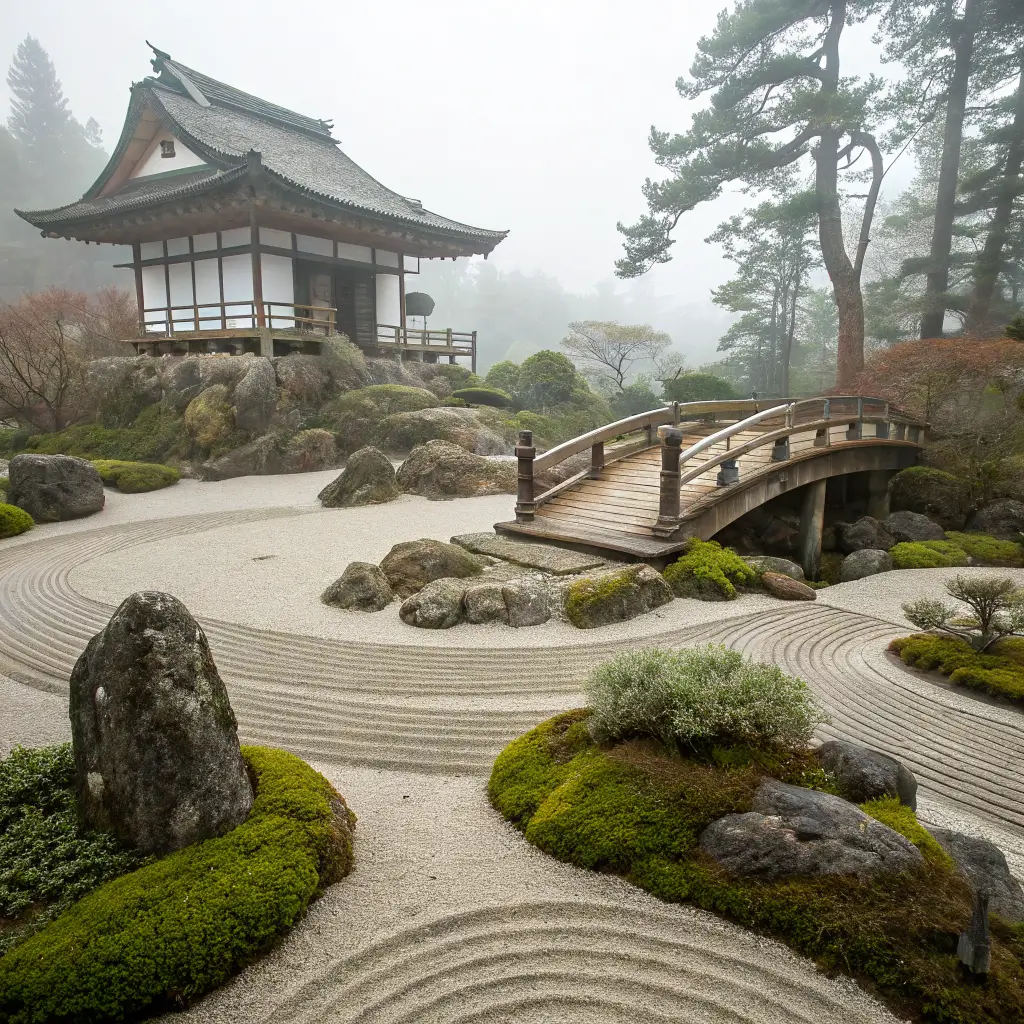
Japanese rock gardens (or karesansui if you want to get technical) are basically meditation made tangible. These aren’t your typical plant-heavy gardens—they’re about creating peace through careful placement of rocks, gravel, and minimal plantings.
This style appeals to people who find traditional flower gardens a bit… much. There’s something deeply satisfying about raking patterns in gravel and contemplating the perfect placement of three rocks.
Core Elements:
• Carefully chosen rocks that represent mountains or islands
• Raked gravel that symbolizes water
• Minimal plantings – usually just moss and maybe one specimen tree
• Clean boundaries that separate the garden from the surrounding space
When It Works Best:
• Small spaces where every element needs to count
• Areas where you want year-round structure
• Spots where you’ll actually sit and contemplate
• Gardens where you want minimal maintenance
The trick is understanding that every element has meaning. You’re not just randomly placing rocks—you’re creating a landscape in miniature. I spent months choosing the three rocks for my rock garden corner, and honestly, it was time well spent. The wrong rock would have bothered me every single day.
Plant additions that enhance rather than distract:
• Japanese maple for seasonal interest
• Bamboo for gentle movement and sound
• Moss for soft green contrast
• Small ornamental grasses
L-Shaped Corner Garden Layout
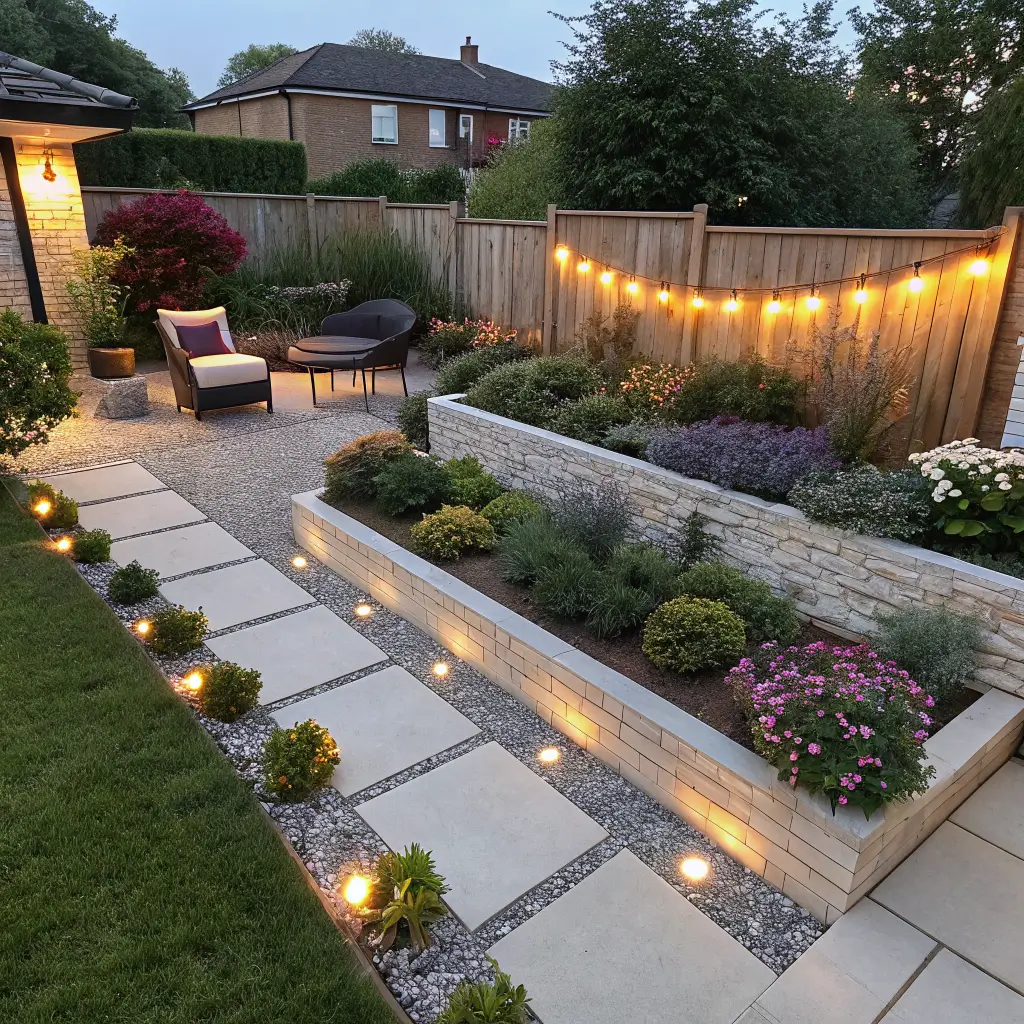
Got an awkward corner space? L-shaped layouts are your friend. These designs work brilliantly for corner lots, side yards, or any space where you need to work around existing structures.
The beauty of L-shaped gardens is their natural ability to create separate zones while maintaining flow between them. You can have your vegetable patch tucked into one arm of the L while keeping your entertaining space in the other section.
Design Strategies:
• Use the corner as a focal point – This is where your best tree or sculpture goes
• Create different functions in each arm of the L
• Connect the spaces with pathways or consistent design elements
• Take advantage of natural privacy that L-shapes provide
Making the Most of Corner Dynamics:
• Taller plants in the corner transitioning to shorter ones
• Different themes in each section (formal vs. casual, sun vs. shade)
• Pathways that encourage exploration of both areas
• Strategic seating that takes advantage of views into both sections
I love L-shaped gardens because they feel like you’re discovering hidden rooms. The corner becomes this natural gathering point, and you can create completely different moods in each arm while maintaining overall cohesion.
Plant placement tip: Use your tallest elements in the corner and let things get progressively shorter as you move outward. This creates natural sightlines and prevents any section from feeling closed off.
Tropical Jungle Garden Layout
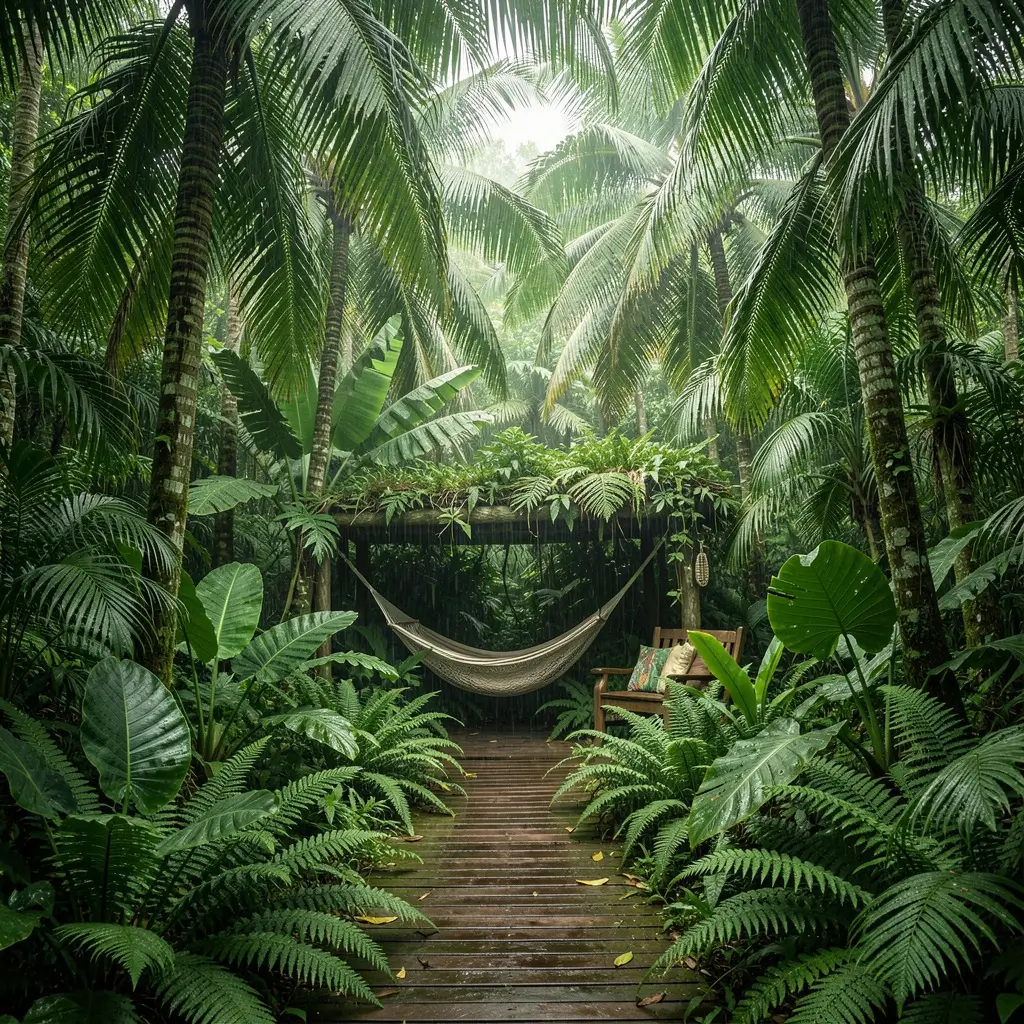
Want to feel like you’re on vacation every time you step outside? Tropical jungle style brings lush abundance and that “I might spot a toucan” vibe right to your backyard. Fair warning: this style isn’t for minimalists or anyone afraid of bold foliage.
This layout is all about layering—canopy trees, understory plants, ground covers, and climbing vines all working together to create that dense, mysterious jungle feeling. The key is choosing plants with different leaf textures, sizes, and shapes to build visual complexity.
Essential Jungle Elements:
• Large-leafed plants that make a dramatic statement
• Multiple layers from ground level to overhead canopy
• Winding paths that disappear around corners
• Dense plantings that create intimate, secluded spaces
Plants That Bring the Tropical Drama:
• Elephant ears for massive foliage impact
• Bamboo for that authentic jungle sound
• Ferns in every variety you can find
• Banana plants (even if they don’t fruit in your climate)
• Climbing vines to connect all the layers
Adapting for Different Climates:
If you’re not actually living in the tropics, don’t despair. Hardy alternatives can still give you that lush feeling:
• Hostas instead of tropical elephant ears
• Hardy bamboo varieties
• Native ferns that can handle your winters
• Deciduous vines that die back and return each spring
The secret is embracing abundance and not worrying about seeing every plant clearly. In a jungle garden, mystery is part of the appeal. Some plants should disappear behind others, and pathways should feel like discoveries rather than obvious routes.
Also Read: 10 Amazing Tropical Garden Design Ideas For Dream Retreats
Raised Bed Kitchen Garden Layout
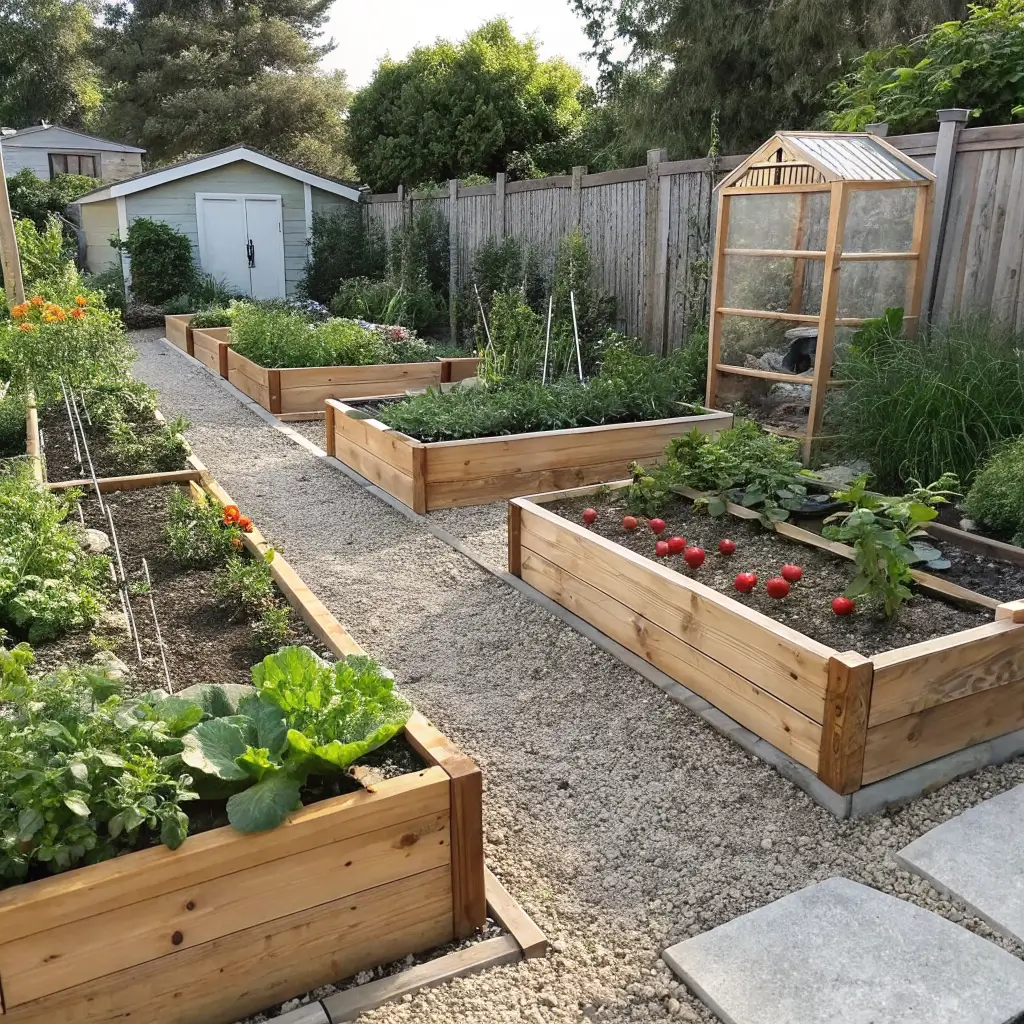
Let’s talk about the most practical garden layout of all—the raised bed kitchen garden. This isn’t about impressing the neighbors (although you might); it’s about having fresh herbs and vegetables just steps from your kitchen door.
I used to think vegetable gardens had to look utilitarian and slightly embarrassing. Then I discovered that well-designed raised beds can be just as beautiful as any ornamental garden, with the added bonus of actually feeding you.
Why Raised Beds Rule:
• Better soil control – You know exactly what you’re growing in
• Improved drainage – No more waterlogged roots
• Easier maintenance – Less bending, better access
• Season extension – Soil warms faster in spring
• Defined spaces – Keeps everything organized and intentional
Layout Strategies That Work:
• Wide enough for easy reaching (4 feet max width if accessed from one side)
• Pathways wide enough for wheelbarrows and comfortable walking
• Height appropriate for your back and knees
• Materials that complement your overall garden design
Plants Worth Growing:
• Herbs you actually use in cooking (no point growing oregano if you never cook Italian)
• Lettuces and greens that cost a fortune at the store
• Tomatoes because store-bought ones are basically crunchy water
• Whatever makes you excited to cook
The trick is designing your kitchen garden like you would any other garden room. Use attractive materials, consider the views from your house, and don’t forget that vegetable plants can be beautiful in their own right. Rainbow chard, purple kale, and flowering herbs prove that productive doesn’t have to mean ugly.
Pro tip: Include at least one raised bed just for cutting flowers. Having fresh blooms for the house adds another layer of satisfaction to your garden productivity.
Making It All Work Together
Here’s what I’ve learned after years of garden experiments, failures, and occasional successes: the best garden layout is the one you’ll actually maintain and enjoy. It doesn’t matter if cottage gardens are trending if you hate deadheading flowers. Don’t choose a high-maintenance tropical paradise if you travel half the year.
Questions Worth Asking Yourself:
How do you actually want to use your outdoor space? Be honest—not aspirational. If you’ve never meditated outside, maybe skip the zen garden. If you love cooking with fresh herbs, prioritize that kitchen garden over anything else.
What’s your realistic maintenance tolerance? Some layouts require weekly attention, others barely need monthly check-ins. Match your garden’s needs to your actual available time and energy.
What existing conditions are you working with? Sun, shade, soil, drainage, climate—these aren’t obstacles, they’re design parameters that can guide you toward the right layout choice.
Final Thoughts
The truth is, most great gardens combine elements from multiple layout styles. You might have a geometric vegetable garden, a cottage-style flower border, and a zen corner for morning coffee. The key is creating transitions that make sense and choosing a unifying thread—whether that’s materials, color palette, or overall design philosophy.
Your garden should feel like an extension of how you live, not a magazine photo you’re trying to recreate. Start with one area, get that right, and expand from there. Trust me, it’s better to have one beautiful, well-maintained section than an ambitious mess that overwhelms you every time you step outside 🙂
And remember—gardens evolve. What you plant this year doesn’t have to be permanent. Some of my best design discoveries happened when I was forced to move or change plants