10 Creative Cash Counter Design Ideas for Stylish Stores

Look, I’ll be straight with you – I’ve spent way too many hours obsessing over cash counter designs.
Some might call it weird, but I call it passion 🙂 After visiting countless stores, cafes, and boutiques (and yes, I’m that person who studies the checkout area instead of shopping), I’ve collected some seriously impressive counter designs that actually work.
Whether you’re setting up a new shop or tired of your current setup making customers run for the hills, these ten ideas will give you exactly what you need. No fluff, no generic “revolutionary” nonsense – just real designs that look great and actually function.
1. Minimalist Glass Top Cash Counter Design
Clean Lines That Actually Make Sense
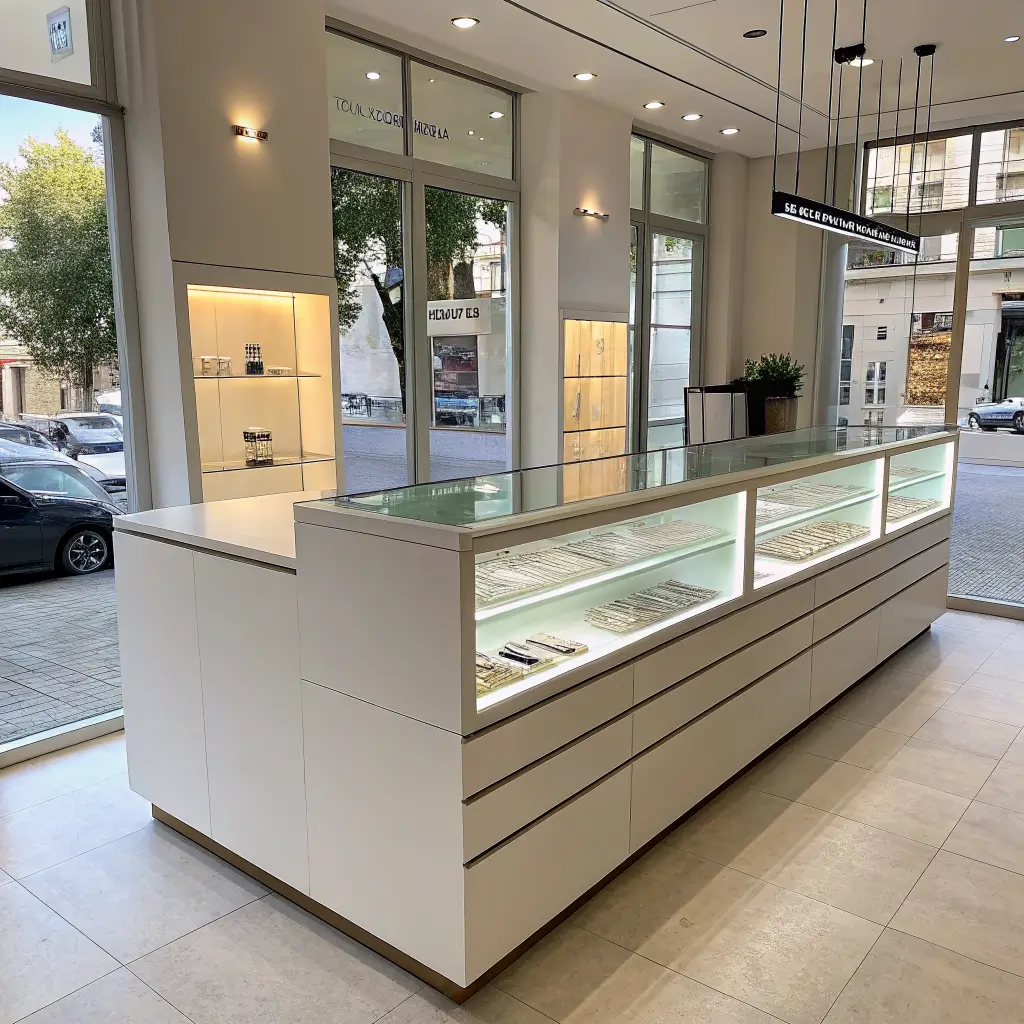
You know what’s refreshing? A cash counter that doesn’t scream “I’m trying too hard.” The minimalist glass top design does exactly that – it whispers sophistication while keeping everything functional.
I visited this boutique in downtown Portland last year, and their glass-top counter was absolutely perfect. The transparent surface created this amazing illusion of space, making their tiny shop feel twice as big. The best part? You could see everything underneath – no mysterious clutter or forgotten inventory hiding in dark corners.
Key Features That Work:
- Tempered glass top for durability (trust me, regular glass won’t cut it)
- Clean metal or wood frame underneath
- Built-in cable management for POS systems
- Optional LED strip lighting around the edges
- Minimal storage compartments that stay organized
The genius of this design lies in its simplicity. Customers can focus on their purchase without visual distractions, and you get a workspace that’s easy to clean and maintain. Ever tried cleaning a cluttered counter during busy hours? It’s basically impossible.
Why This Design Actually Works
Glass tops reflect light beautifully, which means your products look better and your space feels brighter. Plus, there’s something psychologically appealing about transparency – customers trust what they can see.
The downside? Fingerprints show up like crazy, so you’ll need to keep glass cleaner handy. But honestly, if you’re not cleaning your cash counter regularly anyway, we need to have a different conversation.
2. Modern LED Strip Retail Billing Counter
Lighting That Does More Than Just Light Up
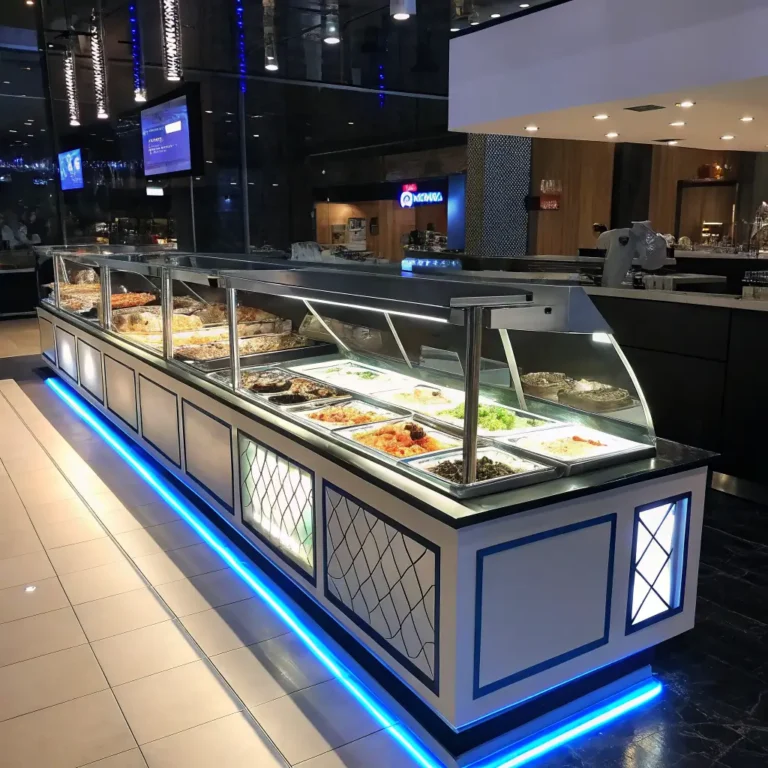
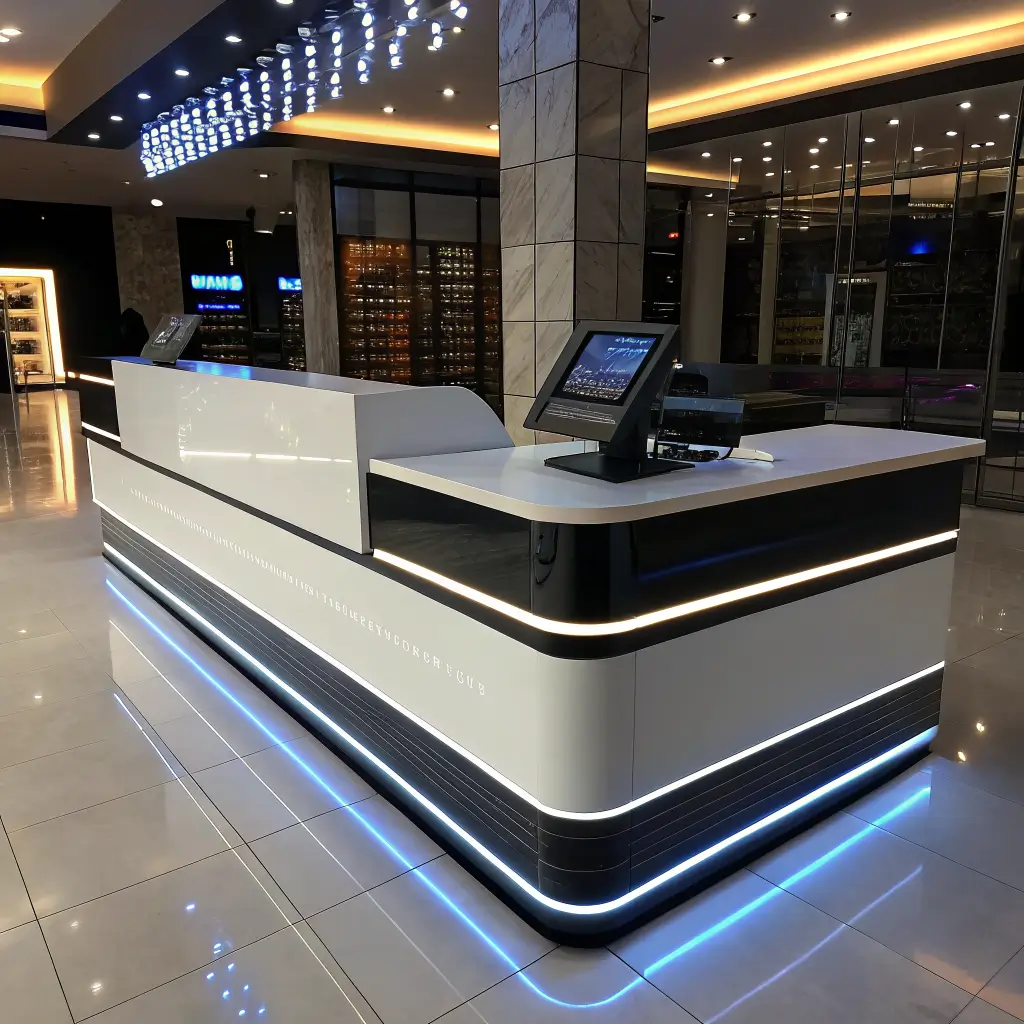
Okay, let’s talk about LED strips – and no, I don’t mean those cheesy rainbow ones your nephew uses in his gaming setup. Modern retail LED strips are sophisticated, energy-efficient, and they transform the entire checkout experience.
I stumbled upon this technique at a tech store in Seattle. Their cash counter had these subtle white LED strips running along the front edge and underneath the overhang. The effect was stunning – it created this soft, professional glow that made everything look premium.
Strategic LED Placement Options:
- Under-counter strips for ambient lighting
- Front edge accent lighting
- Back panel illumination for product display
- Color-changing options for seasonal themes
- Dimmable controls for different times of day
The Psychology of Good Lighting
Here’s something most people don’t realize – the right lighting actually makes customers more comfortable during checkout. Harsh fluorescent overhead lights create shadows and make everyone look tired. Soft LED accent lighting eliminates those shadows and creates a welcoming atmosphere.
FYI, LED strips also highlight your products better. I’ve seen clothing stores use warm LED strips to make their merchandise look more appealing right at the point of sale. Smart, right?
The installation is surprisingly straightforward too. Most modern LED strips come with adhesive backing and plug-and-play connectors. Just make sure you plan your electrical setup beforehand – nothing ruins a sleek design like visible cords everywhere.
3. Wooden Rustic Cash Counter Setup
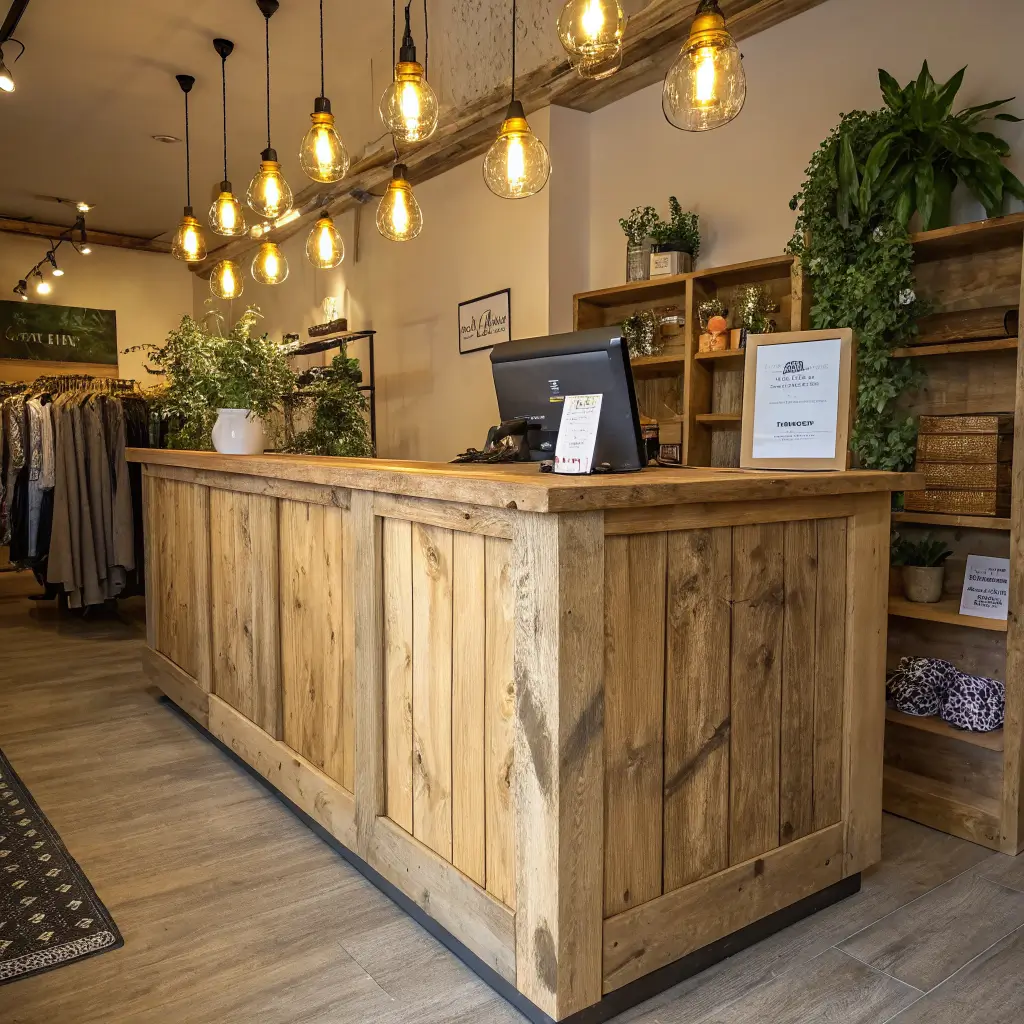
When Modern Meets Timeless
Sometimes you need to slow down and appreciate the beauty of natural materials. Wooden rustic cash counters bring warmth and character to retail spaces in ways that plastic and metal just can’t match.
I fell in love with this design at a farm-to-table market in Vermont. Their reclaimed wood counter told a story – you could see the grain patterns, the natural imperfections, and the rich patina that only comes with age. Customers constantly complimented it, and several asked where they could get something similar for their homes.
Essential Rustic Elements:
- Reclaimed or live-edge wood surfaces
- Visible wood grain and natural imperfections
- Iron or brass hardware accents
- Open shelving with woven baskets
- Vintage-inspired cash register or tablet stands
Making Rustic Work in Modern Retail
The trick with rustic design is balance. You want character without looking like a garage sale. The Vermont market nailed this by combining their reclaimed wood counter with modern POS equipment and clean organization systems.
Wood requires more maintenance than other materials – you’ll need to seal it properly and reapply finish periodically. But honestly? The maintenance becomes part of the charm. There’s something satisfying about caring for a beautiful wooden piece.
Pro tip: If you’re going rustic, invest in proper wood treatment. Nothing kills the vibe faster than water rings and stains from coffee spills.
Also Read: 10 Stunning Bar Counter Design Home Ideas for Modern Living
4. Compact Space-Saving Shop Counter Design
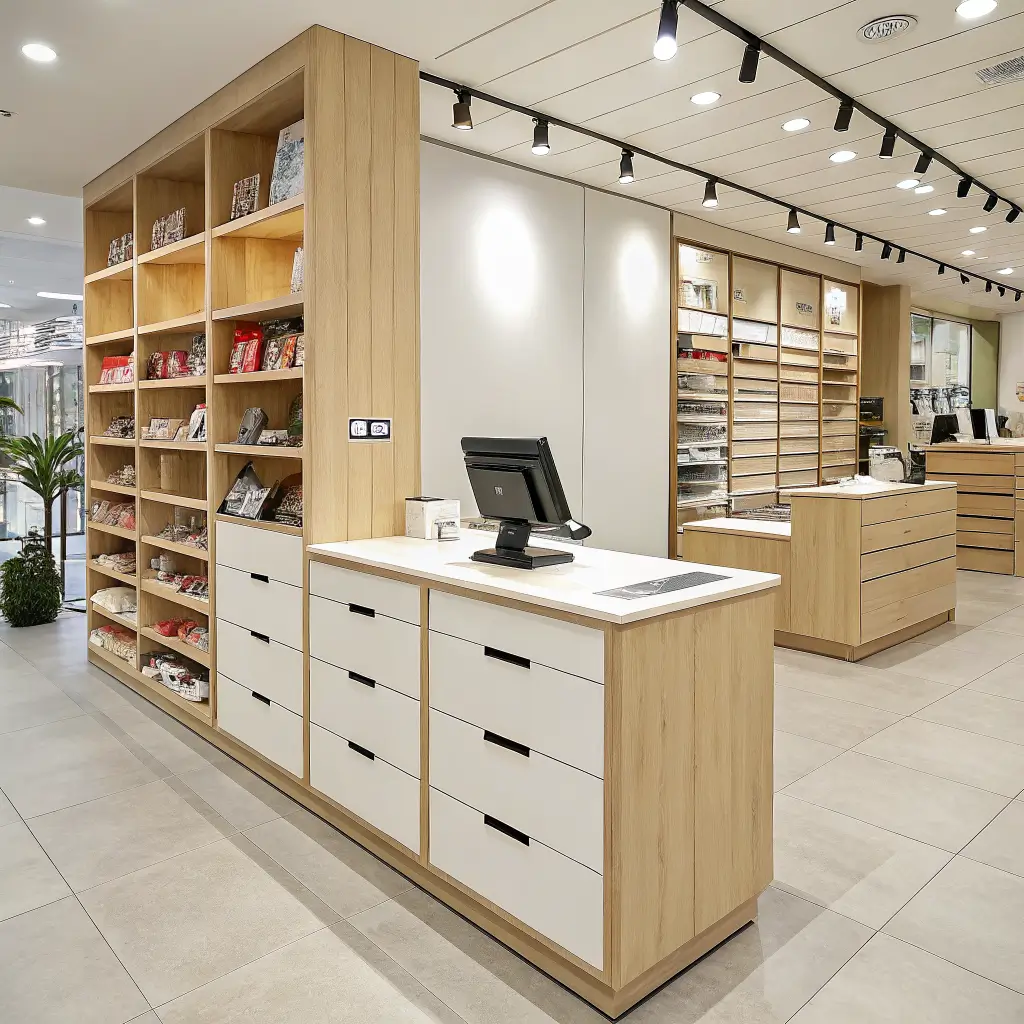
Small Spaces, Big Solutions
Let me tell you about spatial efficiency – it’s an art form. I’ve seen tiny shops maximize their checkout areas so cleverly that I actually took photos for reference (yes, I’m that person).
The key is vertical thinking. Instead of spreading out, you build up and dig down. Smart compact counters use every available inch without making the space feel cramped.
Space-Maximizing Features:
- Multi-level surfaces for different functions
- Built-in drawer systems with dividers
- Wall-mounted components to free floor space
- Foldable or sliding elements for flexibility
- Integrated storage that doesn’t look like storage
The Psychology of Compact Design
Here’s what’s interesting – customers actually prefer compact, well-organized checkout areas over sprawling, cluttered ones. A tight, efficient setup suggests professionalism and attention to detail.
I watched customers at this tiny coffee shop in Brooklyn. Their counter was maybe three feet wide, but it handled everything: espresso machine, register, pastry display, and storage. The secret? Everything had a specific place, and nothing was left to chance.
Real-world application: Measure everything twice, build once. Seriously. Compact designs leave no room for error, so planning becomes crucial.
5. Luxury Marble Finish Cash Counter Idea
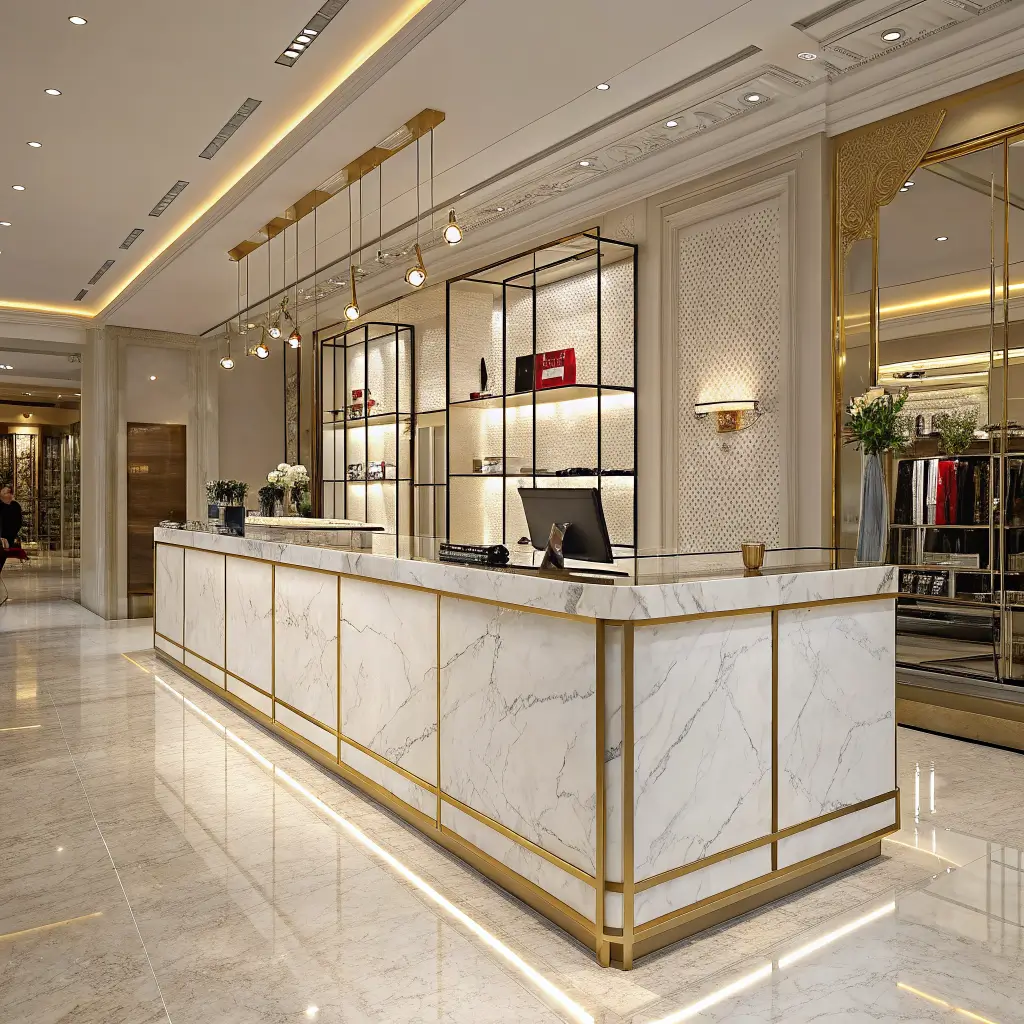
When You Want to Make a Statement
Marble isn’t just for fancy bathrooms anymore. A well-designed marble cash counter screams sophistication and establishes your brand as premium from the moment customers walk in.
I visited this high-end jewelry store in Manhattan where their Carrara marble counter was absolutely breathtaking. The natural veining caught the light beautifully, and the surface was so smooth and cool to the touch. Every interaction felt special – like you were part of an exclusive experience.
Marble Selection Considerations:
- Carrara for classic white with gray veining
- Calacatta for more dramatic, bold patterns
- Emperador for rich brown tones
- Nero Marquina for striking black elegance
- Honed vs. polished finishes for different looks
The Reality of Marble Maintenance
Let’s be honest – marble requires attention. It stains if you’re not careful, and it needs regular sealing. But here’s the thing: if you’re going for luxury, the maintenance becomes part of the investment.
The jewelry store I mentioned? They treated their marble counter like a prized possession, and customers noticed. The care they showed for their workspace reflected the care they took with their products.
Practical tip: Consider marble-look quartz if you want the aesthetic without the high maintenance. Modern quartz can be incredibly convincing, and it’s much more forgiving in busy retail environments.
6. L-Shaped Corner Billing Counter Design
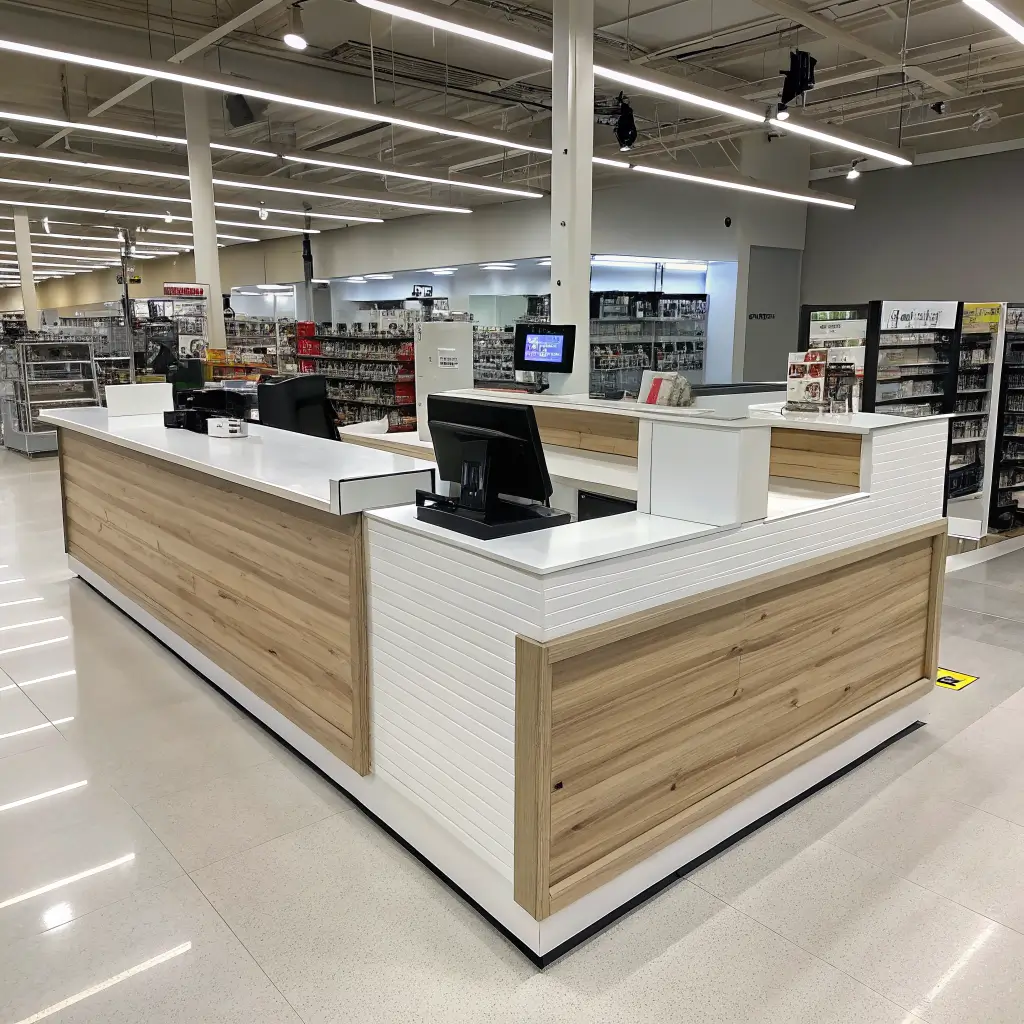
Maximizing Awkward Spaces
Corner spaces are tricky, but L-shaped counters turn these challenging areas into functional powerhouses. I’ve seen some brilliant corner setups that actually work better than traditional straight counters.
The genius of L-shaped design lies in workflow optimization. You can separate different functions – payment processing on one side, bagging and receipt printing on the other. It creates a natural flow that keeps things moving smoothly during busy periods.
L-Shaped Advantages:
- Separate zones for different checkout tasks
- Better customer flow and queue management
- Additional storage space in the corner area
- Flexibility for multiple employees
- Makes small spaces feel more organized
Getting the Angles Right
Here’s where most people mess up – they don’t consider the human element. The corner angle needs to accommodate natural movement patterns. Too sharp, and you’ll constantly bump into it. Too wide, and you lose the efficiency benefits.
I watched a bakery owner struggle with a poorly designed L-shaped counter for months before finally modifying it. The original design looked great on paper but created bottlenecks during their morning rush. After adjusting the angle and adding a small curved transition, everything flowed perfectly.
Design tip: Walk through your checkout process before finalizing the design. Actually simulate the movements you’ll make dozens of times daily.
Also Read: 10 Elegant Shop Counter Design Ideas for Luxury Look
7. Industrial Style Metal Frame Cash Counter
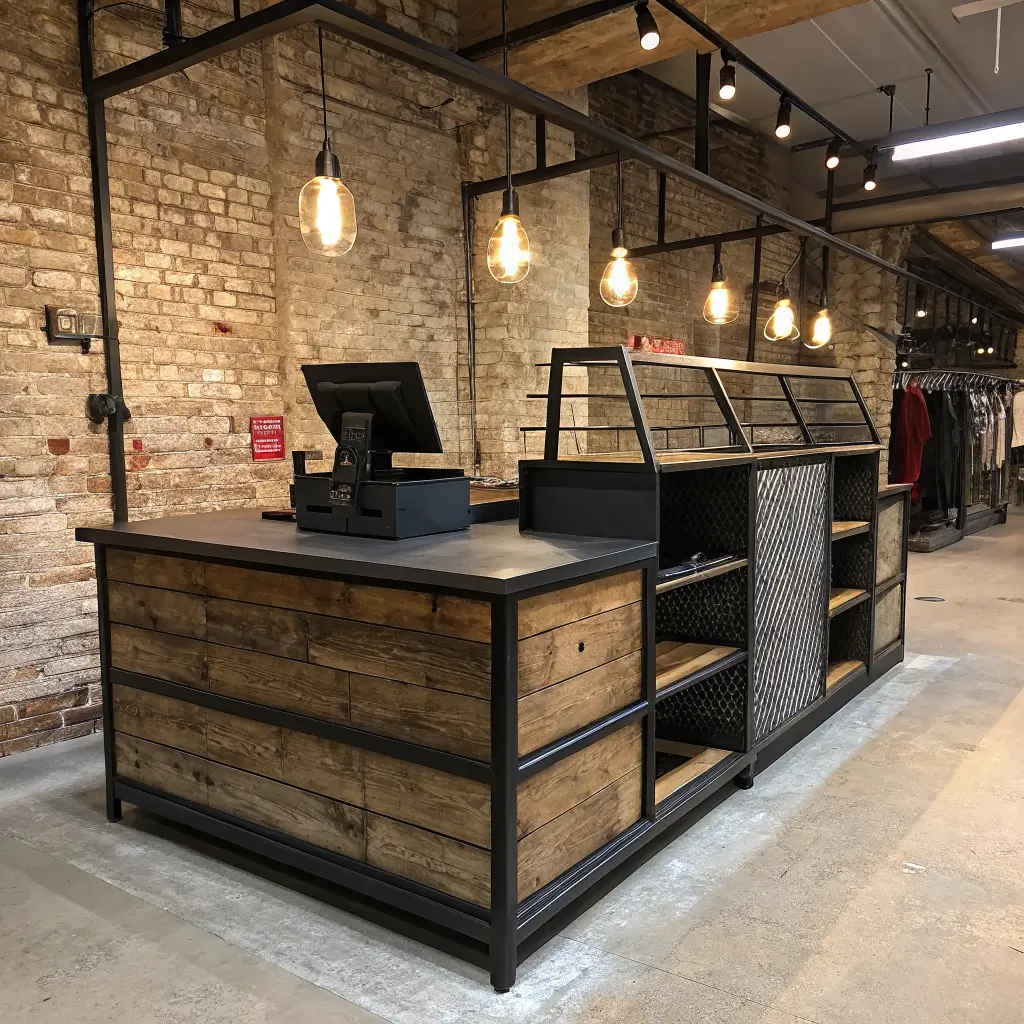
Raw Materials, Refined Function
Industrial design isn’t about looking unfinished – it’s about celebrating functional materials in their honest form. Metal frame cash counters bring strength, durability, and a distinctly modern aesthetic to retail spaces.
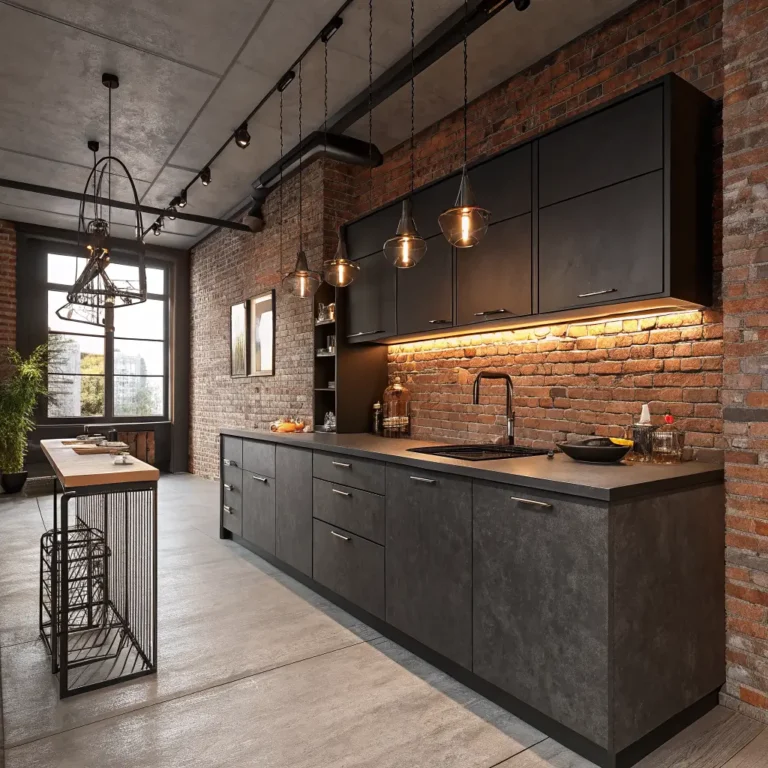
I love the industrial counter at this vintage clothing store in Austin. Black powder-coated steel frame, reclaimed wood top, and exposed bolt details. It perfectly matched their aesthetic while providing rock-solid functionality.
Industrial Design Elements:
- Steel tube or angle iron framing
- Powder-coated finishes for durability
- Exposed hardware and joints
- Mixed materials (metal, wood, concrete)
- Clean, geometric lines
Why Industrial Works in Retail
Industrial design suggests authenticity and durability. Customers subconsciously associate these qualities with trustworthy businesses. Plus, metal frames are practically indestructible – perfect for high-traffic environments.
The maintenance is minimal too. A quick wipe-down keeps metal frames looking fresh, and they age gracefully. Unlike painted surfaces that chip and scratch, good metal finishes actually look better with some wear.
Reality check: Industrial doesn’t mean harsh. The best designs balance raw materials with thoughtful details that create warmth and approachability.
8. Small Grocery Store Cash Desk Layout
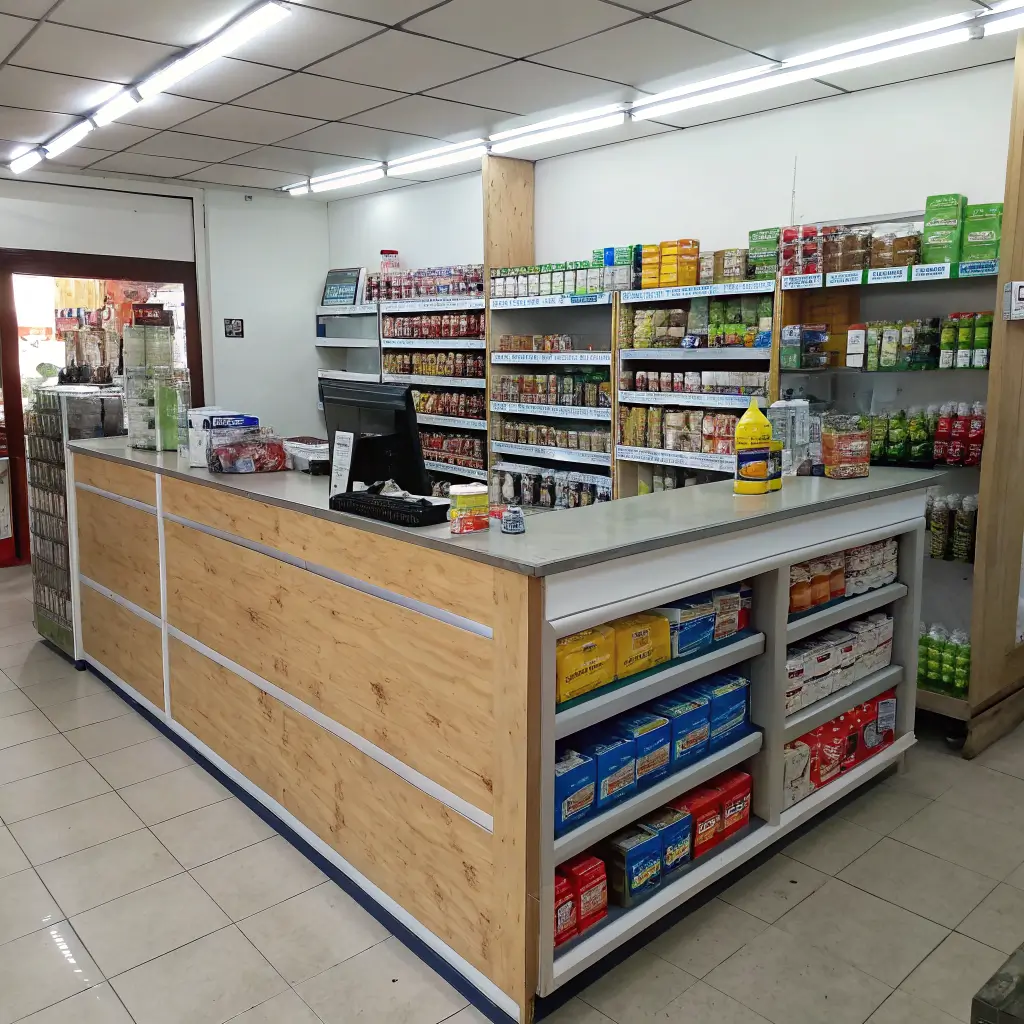
Efficiency Meets Accessibility
Grocery store counters face unique challenges. You need space for scanners, bag holders, conveyor systems, and payment processing – all while keeping everything accessible for both employees and customers.
I spent time observing this family-owned grocery store in my neighborhood, and their counter layout was masterfully planned. Everything flowed logically: scan, bag, pay, receipt. No wasted motion, no confusion.
Essential Grocery Counter Features:
- Adequate scanner placement and cord management
- Multiple bag storage options (paper and plastic)
- Easy-access payment terminal positioning
- Receipt printer within comfortable reach
- Storage for common items (batteries, gum, etc.)
The Ergonomics of Grocery Checkout
This is where many stores get it wrong – they forget that employees spend eight hours a day at these counters. Poor ergonomics lead to fatigue, slower service, and eventually higher turnover.
The scanner height, bagging area position, and register placement all need to work together. I’ve seen cashiers develop repetitive stress injuries from poorly designed workstations. It’s not just about efficiency – it’s about human welfare.
Practical consideration: Test everything at different heights. Your tallest and shortest employees should both be comfortable using the setup.
9. High-End Boutique Cash Counter Design
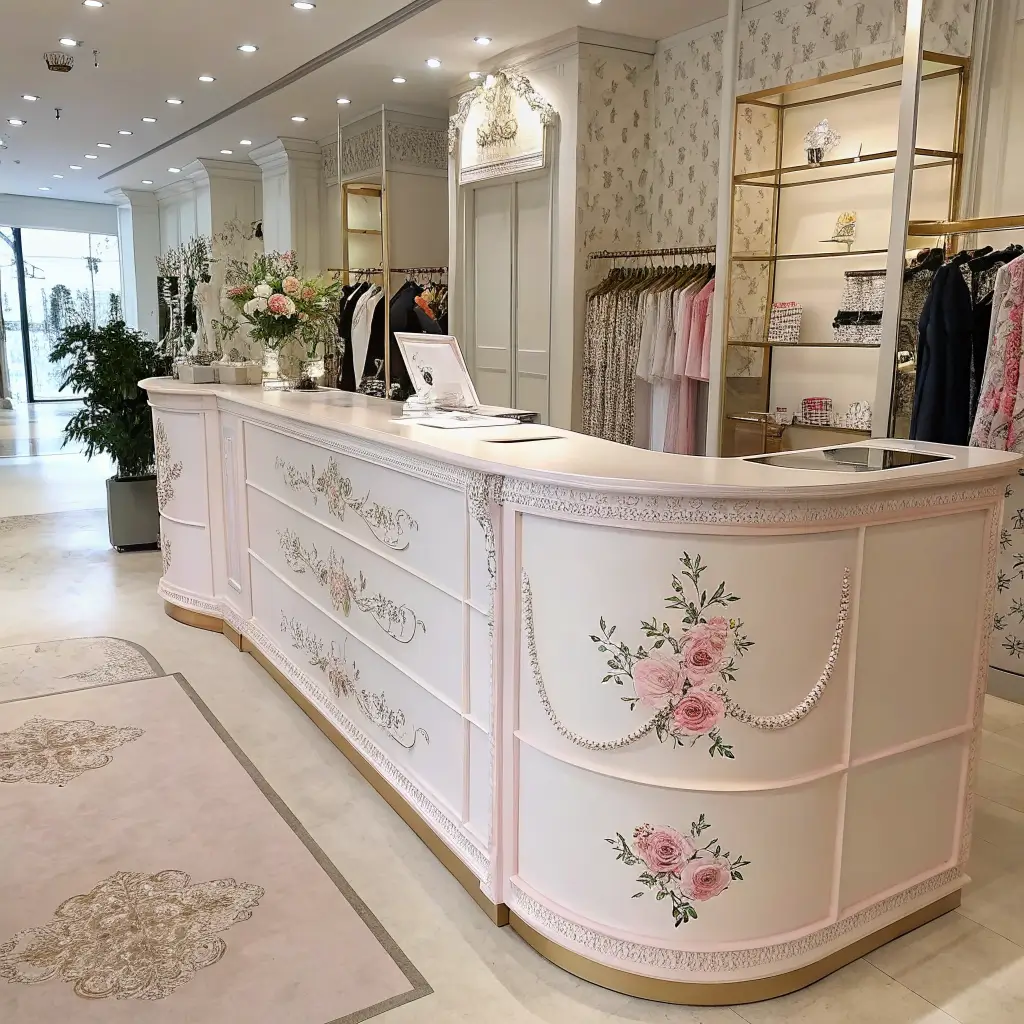
Where Function Becomes Art
Boutique counters need to do more than process transactions – they need to reinforce your brand identity and create memorable experiences. This is where design becomes crucial to business success.
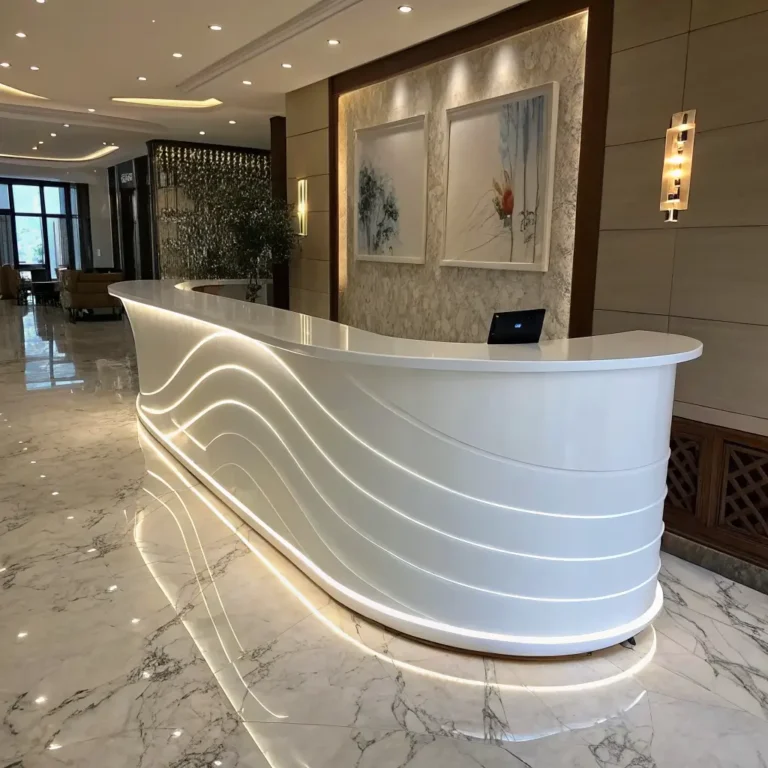
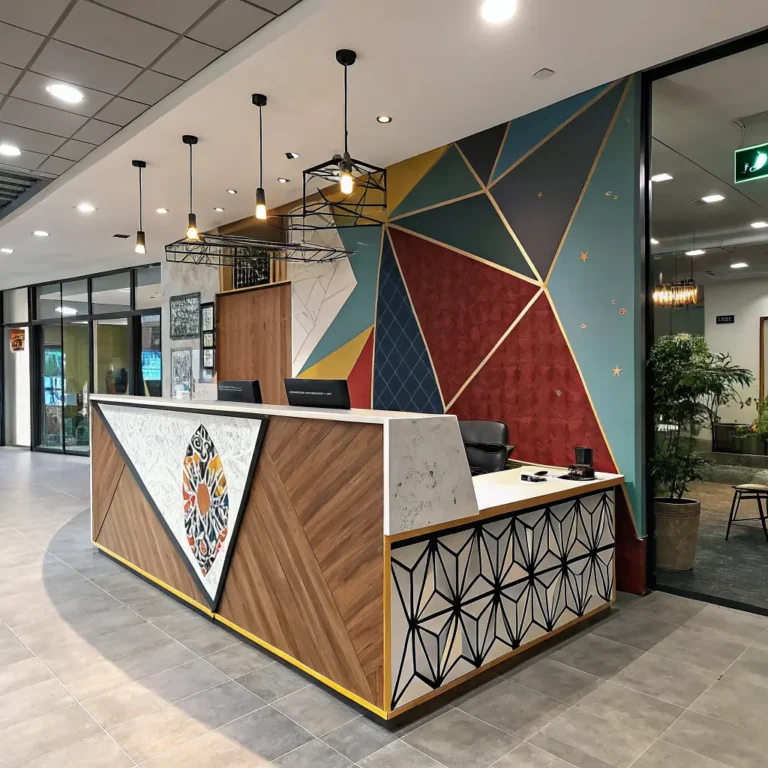
I visited this luxury handbag boutique where their counter was essentially a piece of furniture art. Curved edges, integrated lighting, hidden storage, and materials that matched their product aesthetic perfectly. The counter itself became part of the shopping experience.
Boutique Design Priorities:
- Custom materials that reflect brand identity
- Integrated product display opportunities
- Sophisticated cable and equipment concealment
- Comfortable interaction zones for both parties
- Flexible configuration for different transaction types
Investment vs. Impact
Yes, boutique counters cost more. But here’s the thing – they also generate more sales. When your checkout experience matches your product quality, customers feel confident about their purchase decisions.
That handbag store I mentioned? Their average transaction was significantly higher than competitors, partly because the entire experience felt premium. The counter played a crucial role in that perception.
Business reality: Calculate the cost per interaction. If a beautiful counter increases your average sale by even 10%, it pays for itself quickly.
Also Read: 10 Creative Bar Counter Design Ideas for Stylish Interiors
10. Smart Tech Integrated Digital Billing Counter
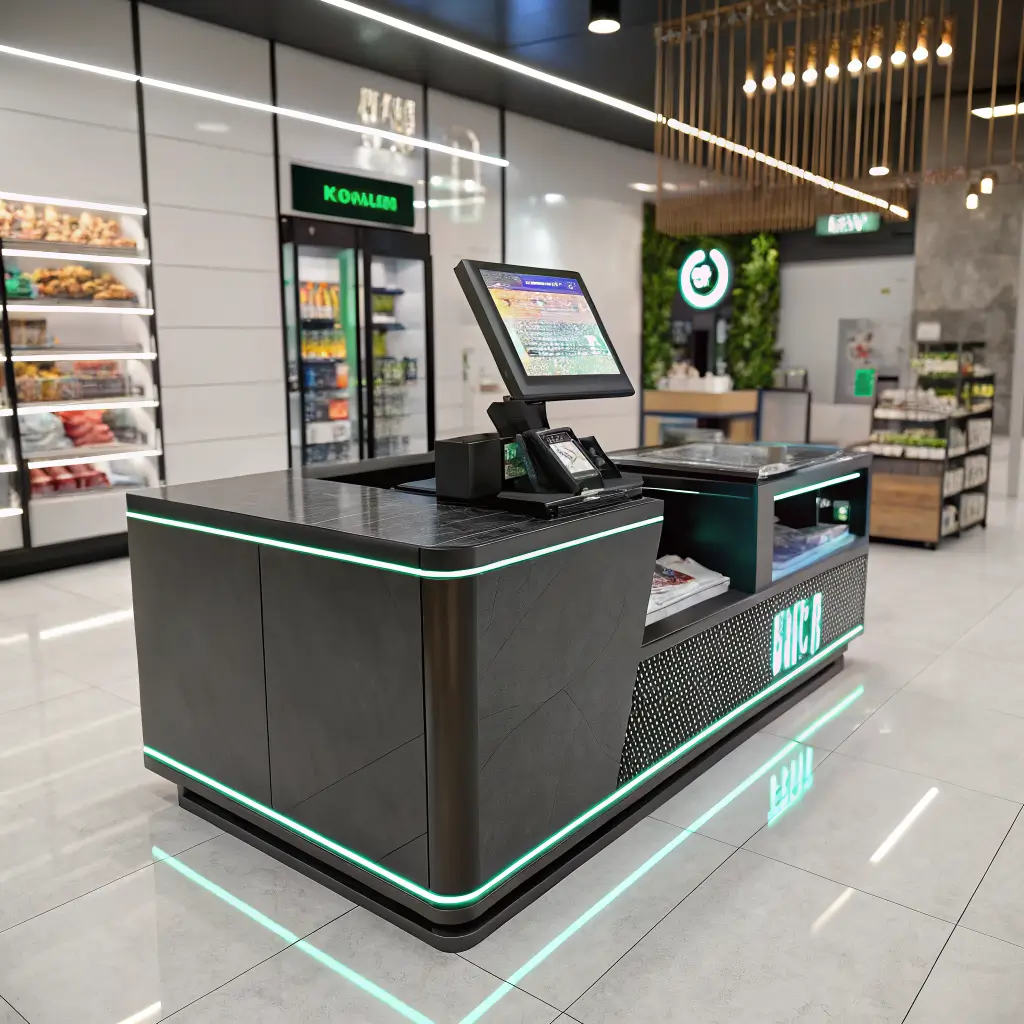
The Future is Already Here
Smart counters aren’t science fiction anymore – they’re practical tools that streamline operations and improve customer experiences. I’ve seen some incredible implementations that actually justify the technology investment.
This electronics store in Silicon Valley had a counter that blew my mind. Integrated tablet POS, wireless charging pads for customer phones, digital receipt options, inventory scanners, and even customer-facing screens for promotions. Everything worked seamlessly together.
Smart Integration Features:
- Built-in wireless charging stations
- Customer-facing digital displays
- Integrated tablet or POS mounting systems
- RFID inventory management compatibility
- Cloud-based analytics dashboard connections
Technology That Actually Helps
Here’s the key – smart features need to solve real problems, not just look impressive. The best smart counters reduce friction in the checkout process while providing valuable business insights.
Examples of practical smart features:
- Automatic inventory updates during sales
- Customer preference tracking and suggestions
- Real-time staff performance analytics
- Integration with loyalty program systems
- Predictive maintenance alerts for equipment
The learning curve exists, but modern systems are increasingly user-friendly. Plus, customers actually appreciate technology that makes their experience faster and more convenient.
Bringing It All Together
After exploring all these designs, here’s what I’ve learned: the best cash counter isn’t necessarily the most expensive or the most high-tech. It’s the one that fits your specific needs, reflects your brand personality, and makes every transaction smoother.
Whether you choose minimalist glass, rustic wood, or smart technology, success comes down to thoughtful planning and honest assessment of your requirements. Consider your space, your workflow, your customers, and your budget – then choose the design that balances all these factors effectively.
Remember, your cash counter is often the last impression customers have of your business. Make it count 🙂
IMO, the investment in a well-designed counter pays dividends in customer satisfaction, employee efficiency, and overall business success. So take your time, choose wisely, and create a checkout experience that people actually enjoy.