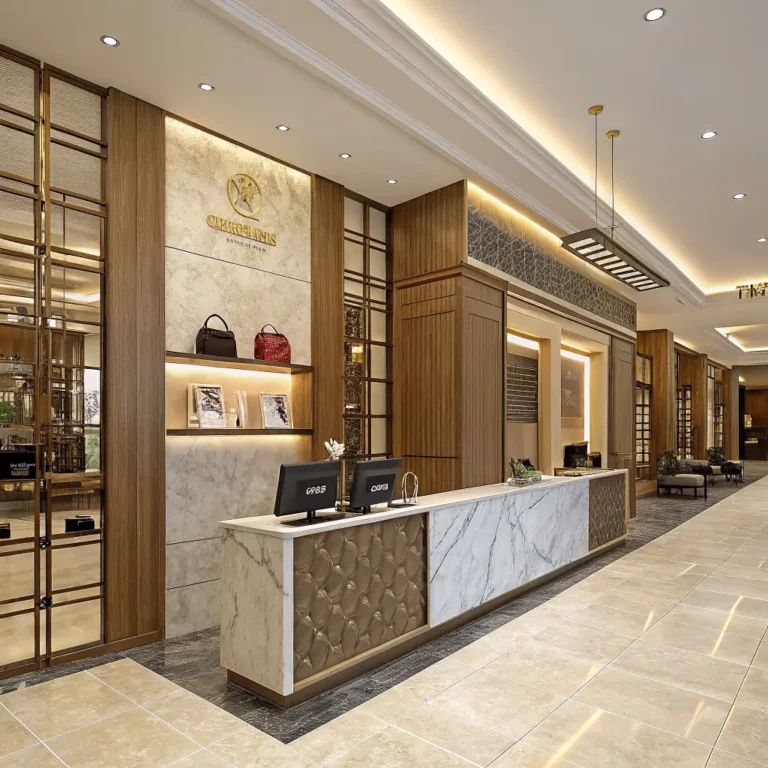
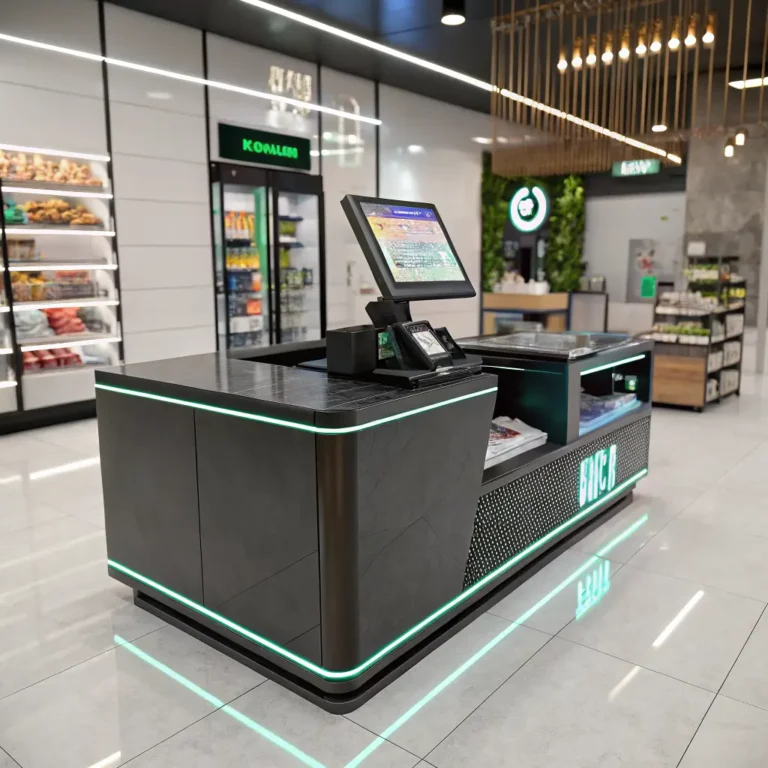
10 Creative Restaurant Counter Design Ideas for Stylish Setup

Picture this: you walk into a restaurant, and before you even smell the food, the counter design stops you in your tracks.
That’s the kind of magic we’re talking about today! Your restaurant counter isn’t just a functional piece – it’s your first impression, your brand ambassador, and honestly, your secret weapon for making customers feel something special.
I’ve spent countless hours observing restaurant designs (call it professional curiosity or an unhealthy obsession with good aesthetics), and I can tell you that the counter design can make or break the entire dining experience.
Whether you’re starting fresh or giving your existing space a makeover, these ten design ideas will transform your restaurant counter from “meh” to “magnificent.”
Modern Minimalist Restaurant Front Counter Design
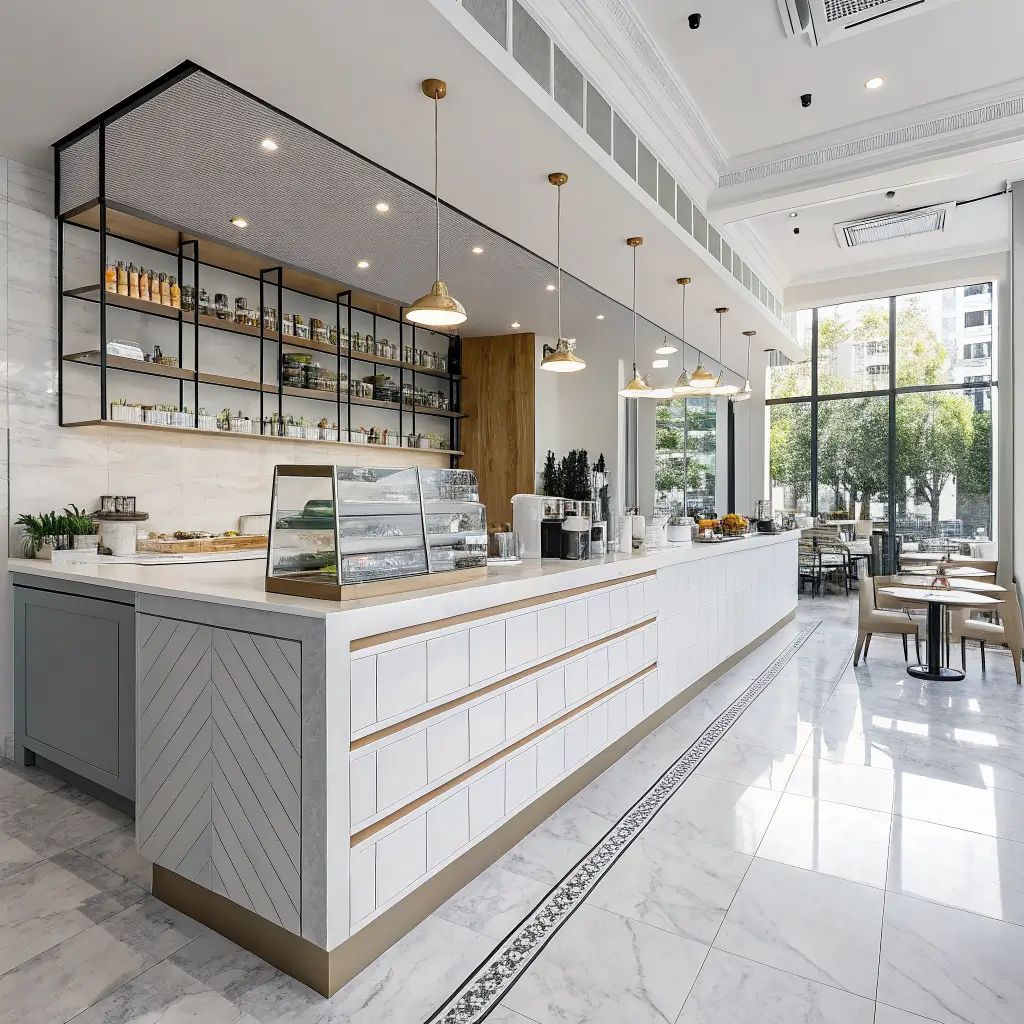
Less is definitely more when it comes to minimalist counter design, and trust me, your customers will thank you for the visual breathing room.
The modern minimalist approach strips away everything unnecessary, leaving you with clean lines, neutral colors, and functional beauty. Think sleek white or light gray surfaces with hidden storage compartments that keep clutter completely out of sight. I’ve noticed that minimalist counters create this almost zen-like atmosphere that makes customers feel calm and focused on what really matters – your amazing food.
The beauty of minimalist design lies in its versatility. You can pair it with virtually any interior style without creating visual chaos. Clean geometric shapes dominate this design philosophy, often featuring rectangular or square counter forms with sharp, defined edges. Materials like white quartz, light-colored concrete, or matte-finished wood work beautifully here.
What really sells me on minimalist counters is their timeless appeal. While trendy designs might look dated in five years, a well-executed minimalist counter will stay fresh and relevant. Plus, they’re incredibly easy to clean and maintain – something your staff will absolutely love during busy service periods.
Luxury Marble Finish Restaurant Reception Counter
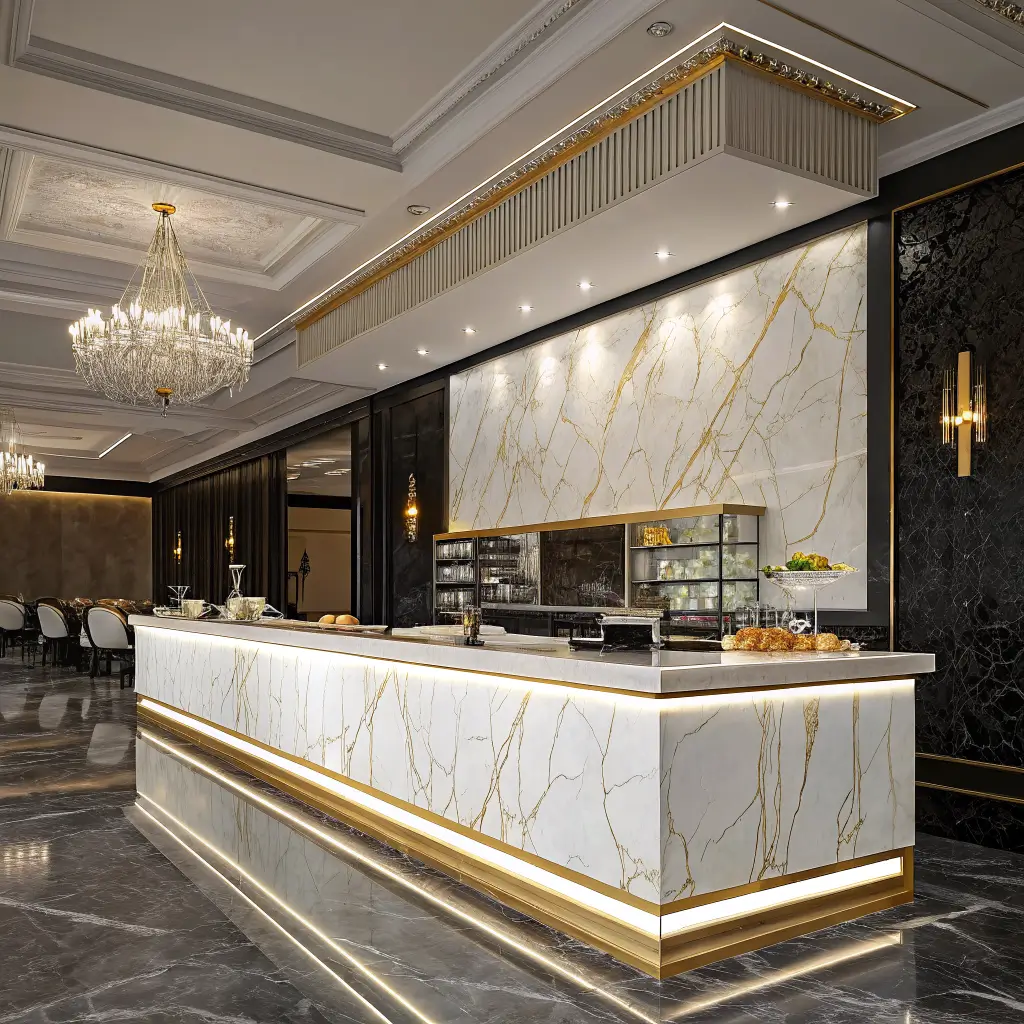
Nothing screams sophistication quite like genuine marble surfaces gracing your restaurant counter, and honestly, it’s hard to argue with that kind of elegant statement.
Marble brings an instant touch of luxury that customers associate with high-end dining experiences. I’ve seen Carrara marble counters that literally make people stop and run their hands across the surface – that’s the kind of tactile appeal you want in your restaurant. The natural veining patterns in marble ensure that each counter is completely unique, giving your space a one-of-a-kind personality.
Here’s what makes marble counters particularly compelling for restaurants:
- Natural temperature regulation keeps the surface cool, which feels refreshing to touch
- Unique veining patterns create visual interest without overwhelming the space
- Timeless appeal that works across different restaurant concepts
- Easy integration with both modern and traditional design elements
The key to pulling off marble successfully is choosing the right type for your specific needs. Calacatta marble offers bold, dramatic veining that creates a stunning focal point, while Statuario marble provides more subtle patterns perfect for understated elegance. FYI, darker marbles like Nero Marquina can create incredible contrast against lighter elements in your dining room.
Small Space Smart Restaurant Counter Layout
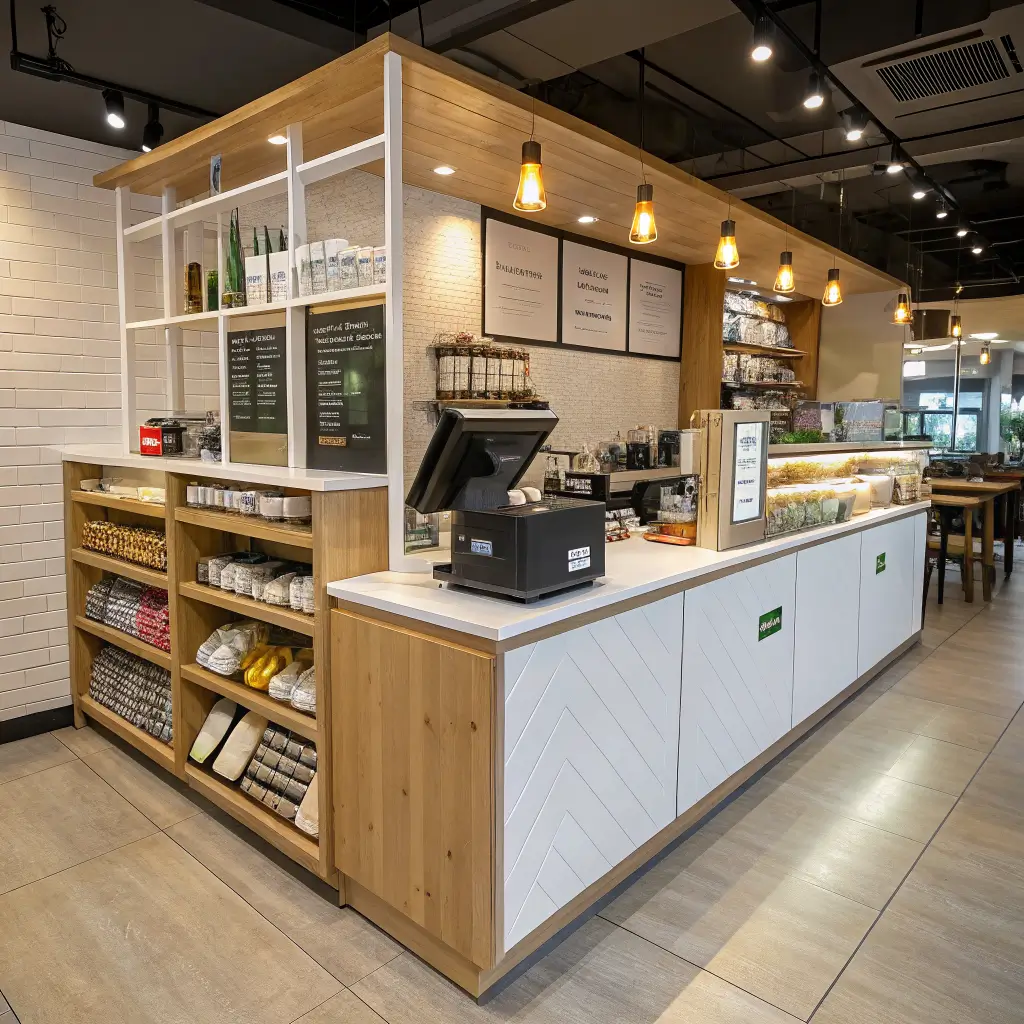
Working with limited square footage? Smart counter layouts can actually make your small restaurant feel more spacious and efficient than larger, poorly designed spaces.
Small space design is all about maximizing every single inch while maintaining functionality and visual appeal. I’ve witnessed tiny restaurants with brilliant counter designs that feel more welcoming than sprawling spaces with poor layout planning. The secret lies in strategic positioning, multi-functional elements, and clever storage solutions.
Vertical storage integration becomes crucial in small spaces. Consider counters with built-in shelving that extends upward, creating storage for supplies while maintaining a clean aesthetic. Wall-mounted elements can complement your counter design without eating into precious floor space.
Multi-level counter designs work exceptionally well in compact restaurants. You can create separate zones for ordering, payment processing, and food pickup without requiring additional floor space. L-shaped or corner counter configurations maximize your available wall space while creating natural traffic flow patterns.
Smart lighting plays a huge role in making small counter areas feel larger. Under-counter LED strips create the illusion of floating surfaces, while strategic overhead lighting can make low ceilings feel higher. Trust me, these details make a massive difference in how customers perceive your space.
Also Read: 10 Amazing Clothing Store Counter Design Ideas for Luxury Looks
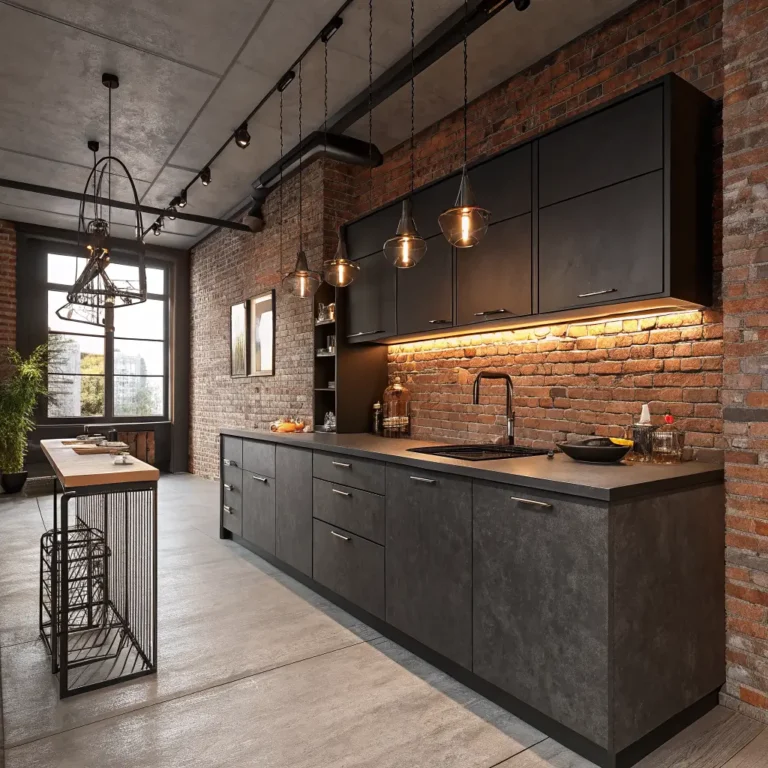
Industrial Style Metal & Wood Restaurant Counter Design
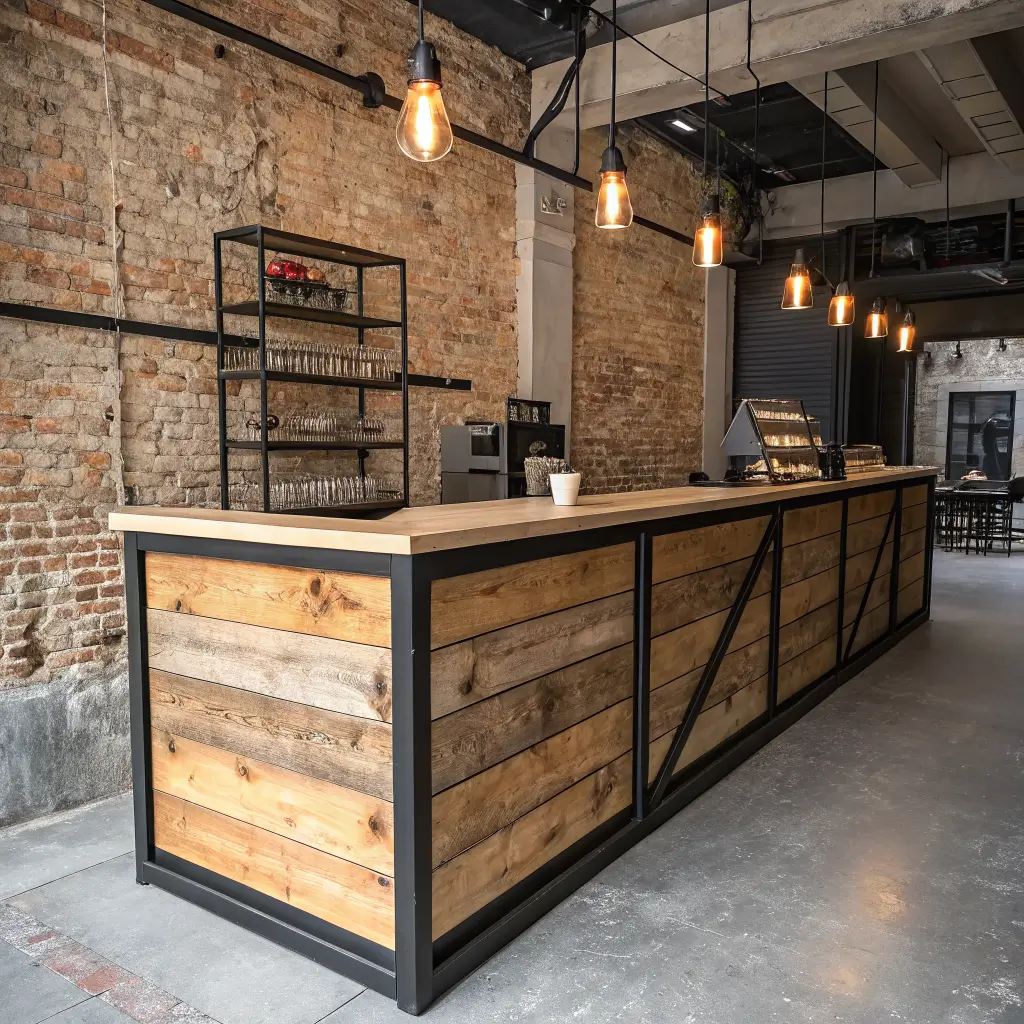
Raw materials meet refined functionality in industrial counter designs that celebrate authenticity and craftsmanship in ways that feel both edgy and welcoming.
Industrial design speaks to people who appreciate honest materials and straightforward functionality. I love how these counters combine weathered wood with metal framework, creating pieces that look like they could have been salvaged from an old factory and transformed into something beautiful. The contrast between warm wood tones and cool metal accents creates visual tension that keeps things interesting.
Reclaimed wood surfaces paired with black steel frames create the perfect industrial aesthetic. The wood brings warmth and natural texture, while the metal framework provides structural integrity and visual weight. These combinations work particularly well in restaurants with exposed brick walls, concrete floors, or visible ductwork.
Here are key elements that make industrial counters successful:
- Mixed material combinations that highlight the contrast between organic and manufactured elements
- Visible hardware like bolts, brackets, and welded joints that become design features
- Weathered finishes that suggest history and authenticity
- Functional elements like built-in condiment holders or menu displays that enhance usability
The industrial aesthetic pairs beautifully with Edison bulb lighting, exposed ceiling elements, and urban-inspired artwork. These counters feel substantial and permanent, suggesting to customers that you’re committed to quality and longevity.
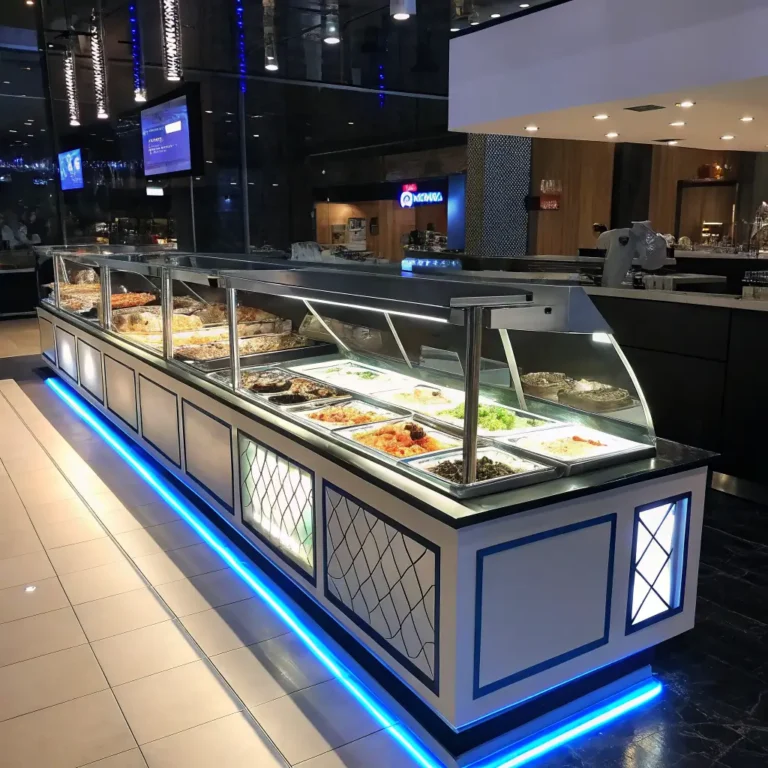
LED Backlit Modern Restaurant Counter Design
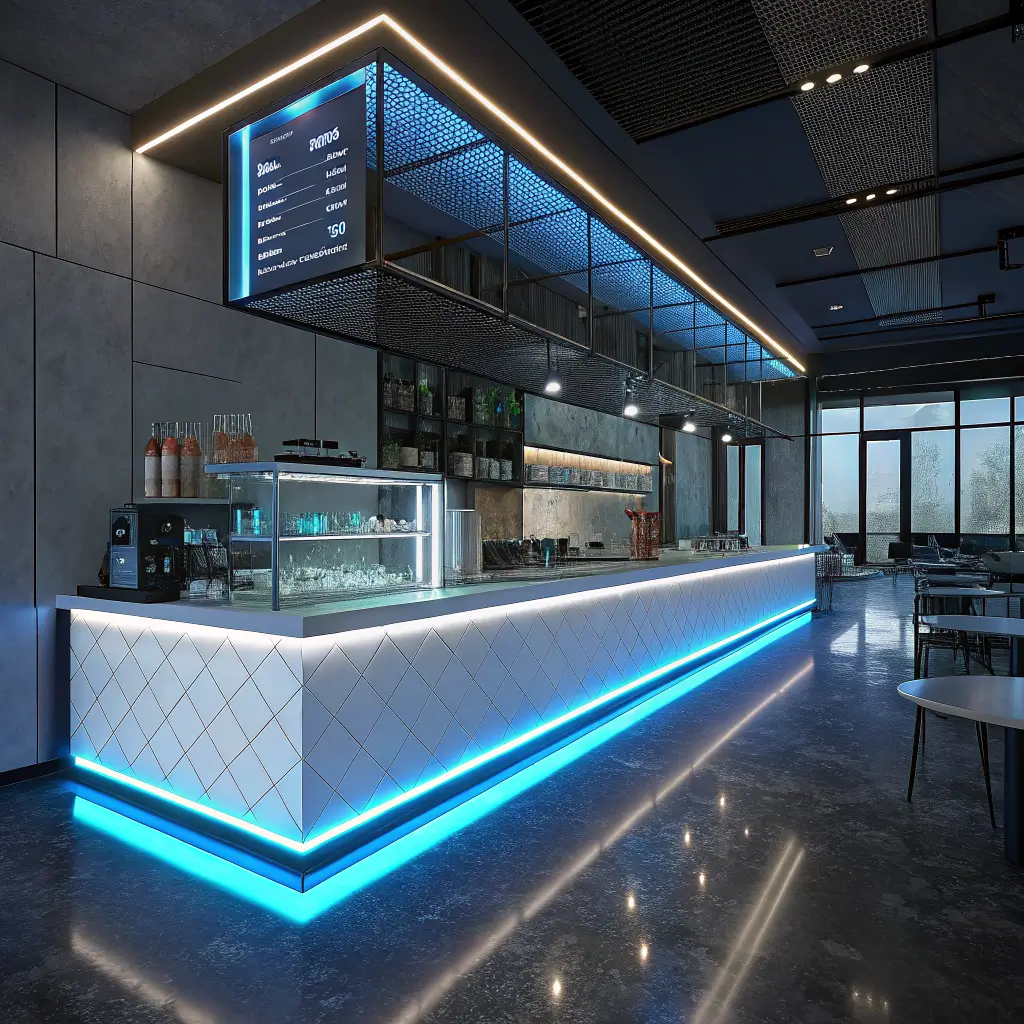
Strategic lighting transforms ordinary counters into dramatic focal points that create ambiance while providing functional illumination for your staff and customers.
LED backlighting has revolutionized restaurant counter design by offering endless possibilities for creating mood and atmosphere. I’ve seen backlit counters that completely change the energy of a restaurant space, shifting from warm and intimate during dinner service to bright and energetic during lunch rushes. The versatility of LED technology means you can adjust both color temperature and intensity to match your restaurant’s specific needs.
Color-changing LED systems allow you to adapt your counter’s appearance for different times of day, special events, or seasonal celebrations. Imagine transitioning from warm amber tones during cozy winter evenings to cool blue hues during summer happy hours. This kind of adaptability gives your restaurant a dynamic personality that keeps regular customers engaged.
Backlit translucent materials like frosted acrylic or specially treated glass create stunning visual effects. The light diffuses evenly across the surface, eliminating harsh shadows while creating a sophisticated glow. Edge-lit glass panels can make your counter appear to float, adding an almost magical quality to your restaurant’s atmosphere.
The practical benefits of LED backlighting extend beyond aesthetics. Improved visibility helps customers read menus more easily, while energy efficiency keeps your operating costs reasonable. Modern LED systems last for years with minimal maintenance, making them a smart long-term investment for your restaurant.
Rustic Wooden Farmhouse Restaurant Counter Idea
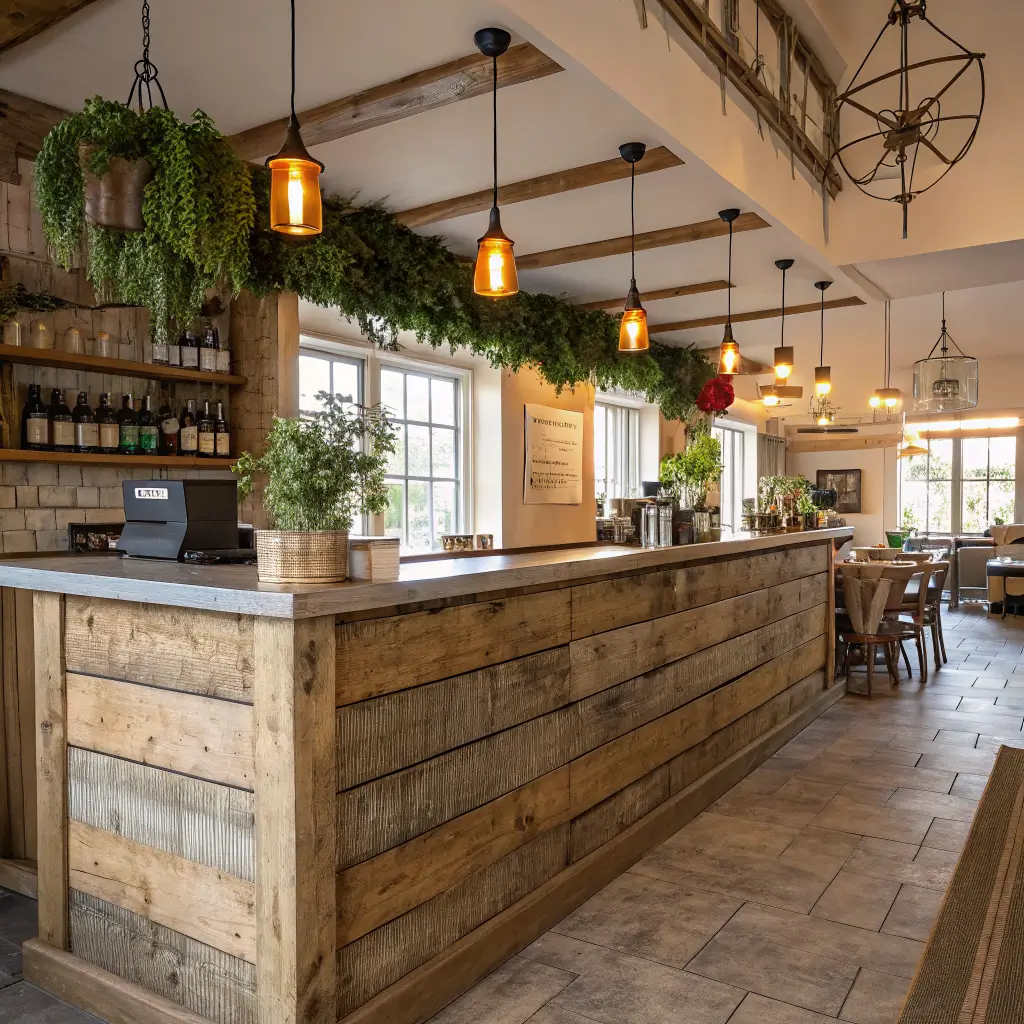
Warmth and comfort define farmhouse counter designs that make customers feel like they’re visiting a welcoming home rather than just another commercial establishment.
Farmhouse counters celebrate natural wood in all its beautiful, imperfect glory. I’m talking about thick, solid wood surfaces that show grain patterns, natural knots, and subtle color variations that tell the story of the tree they came from. These counters create an immediate sense of authenticity and connection to traditional craftsmanship that customers find deeply appealing.
Reclaimed barn wood makes exceptional counter material, bringing decades of character and patina that you simply cannot fake. The weathered surfaces and nail holes tell stories while providing incredibly durable work surfaces. Each piece of reclaimed wood is unique, ensuring your counter becomes a true original.
Key elements that make farmhouse counters irresistible include:
- Thick, substantial wood planks that suggest permanence and quality
- Natural edge details that celebrate the wood’s original form
- Distressed finishes that add character without looking artificially aged
- Traditional joinery techniques like visible wood pegs or mortise-and-tenon joints
Farmhouse counters pair beautifully with elements like mason jar lighting, vintage signage, and checkered floor patterns. The overall effect creates spaces where customers want to linger, chat with friends, and feel genuinely comfortable. IMO, there’s something deeply satisfying about running your hands across a well-crafted wooden surface that connects us to simpler times.
Also Read: 10 Stunning Showroom Counter Design Ideas for Modern Spaces
Open Kitchen Integrated Restaurant Counter Design
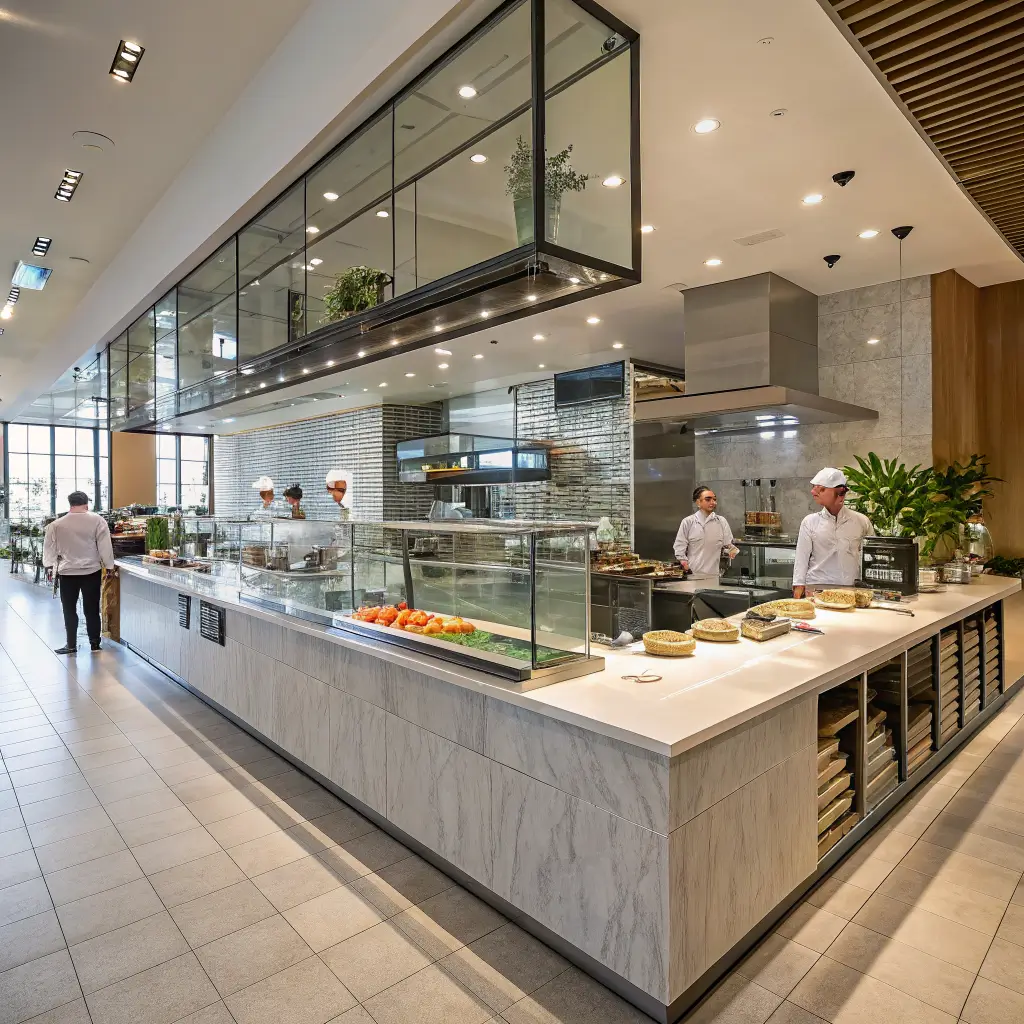
Transparency builds trust when your counter design seamlessly connects the dining area with food preparation spaces, creating theater and engagement that modern diners absolutely love.
Open kitchen integration transforms your counter from a simple ordering station into an entertainment venue where customers can watch culinary magic happen. I’ve observed how people gravitate toward these setups, fascinated by the choreography of professional kitchen work. The counter becomes a front-row seat to the cooking show, adding value to the entire dining experience.
Pass-through windows or completely open designs allow natural interaction between kitchen staff and customers. This connection humanizes your restaurant, making it feel more personal and authentic. Customers appreciate seeing their food prepared with care, and your skilled cooks become part of the entertainment.
Safety and functionality must balance with openness in these designs. Heat-resistant materials like stainless steel or engineered stone work well for surfaces that might encounter hot plates or steam. Proper ventilation becomes crucial to prevent cooking odors or heat from overwhelming the dining area.
Design elements that make open kitchen counters successful include:
- Durable, easy-to-clean surfaces that maintain their appearance under constant use
- Strategic lighting that illuminates both work areas and display spaces
- Sound management to control kitchen noise while maintaining the energy
- Flexible layouts that accommodate busy service periods without creating chaos
The psychological impact of open kitchens cannot be overstated. Customers feel more connected to their food, trust the preparation process, and often develop stronger relationships with your restaurant brand. It’s like inviting people into your culinary home rather than just serving them from behind closed doors.
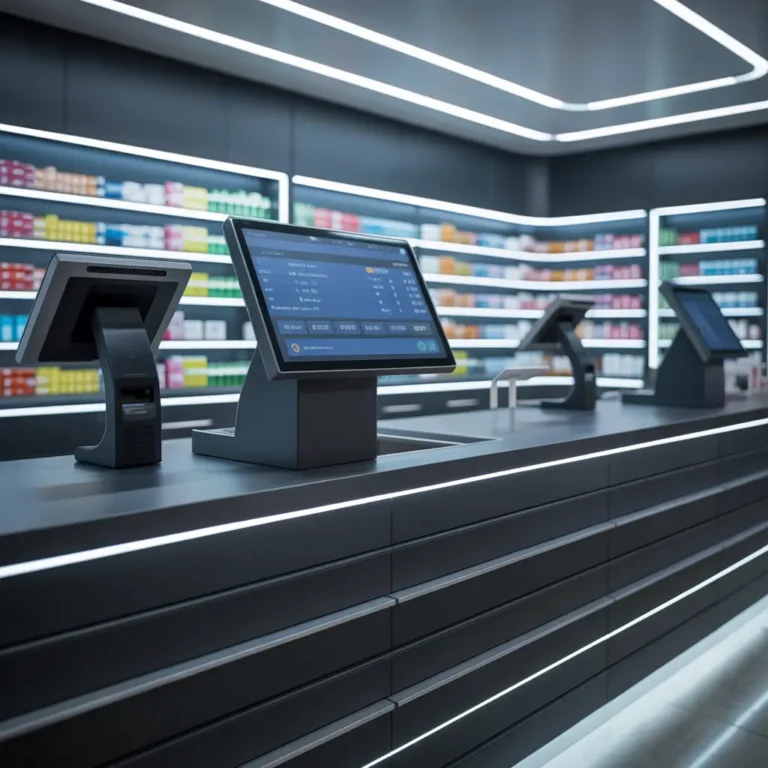
Fast Food Efficient Service Counter Setup
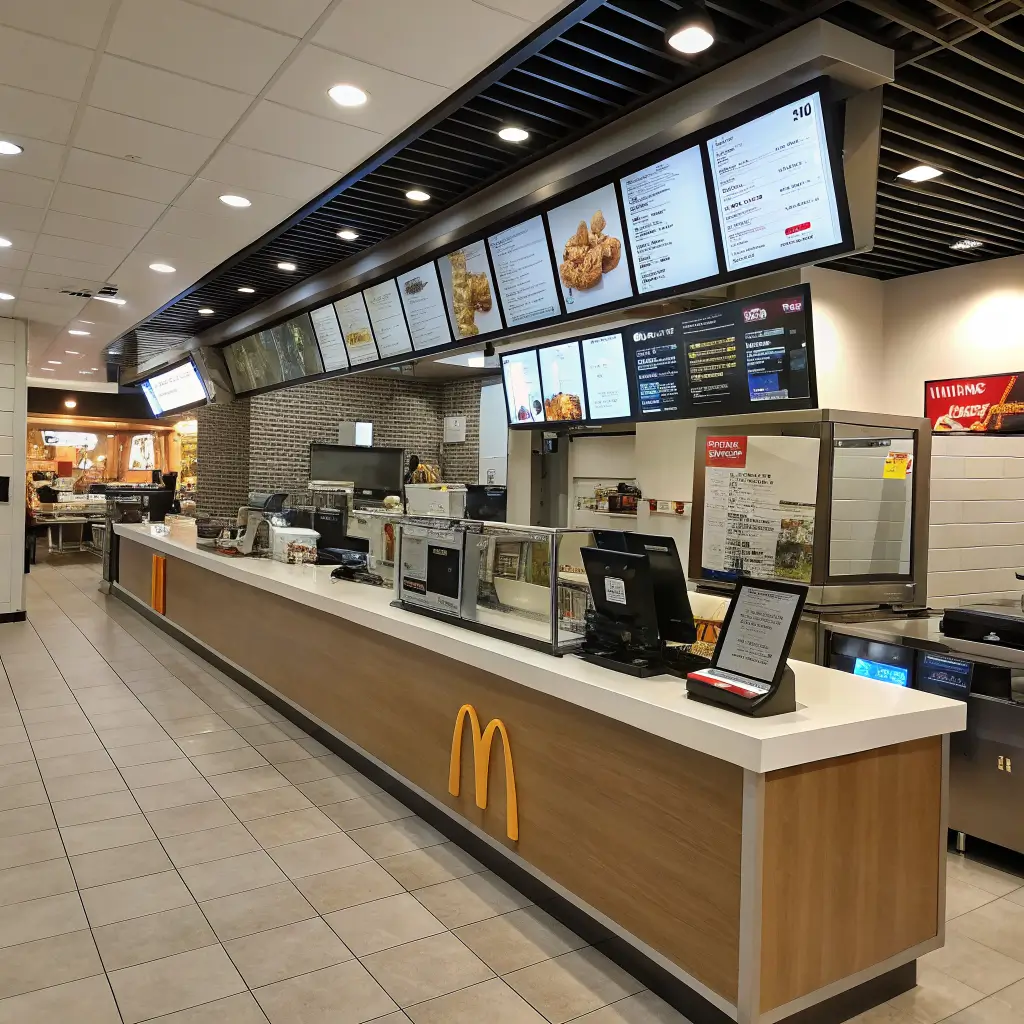
Speed and efficiency drive every design decision in fast food counter layouts that prioritize customer throughput without sacrificing the ordering experience.
Fast food counters face unique challenges that require specialized solutions. You need to process high volumes of customers quickly while maintaining accuracy and providing pleasant interactions. I’ve studied successful fast food operations, and the best counter designs create smooth traffic flow that prevents bottlenecks during rush periods.
Multiple ordering stations with clearly defined queuing areas help distribute customer load evenly. Digital menu boards positioned at optimal viewing heights ensure customers can make decisions before reaching the counter, reducing order time. Point-of-sale integration streamlines payment processing while providing upselling opportunities through suggested additions.
Efficiency features that make fast food counters successful:
- Modular design elements that can be reconfigured as needs change
- Built-in storage for cups, napkins, and condiments within easy staff reach
- Clear sight lines between ordering and pickup areas to reduce confusion
- Durable materials that withstand heavy daily use while remaining attractive
The challenge in fast food counter design is balancing efficiency with human connection. Even in high-speed environments, customers want to feel acknowledged and valued. Ergonomic design that reduces staff fatigue leads to better customer interactions, while strategic lighting can make even utilitarian spaces feel welcoming and clean.
Technology integration becomes increasingly important in modern fast food operations. Self-service kiosks can supplement traditional counters, while mobile ordering integration requires pickup areas that don’t interfere with traditional counter service. The best designs accommodate both current operations and future technological advances.
Glass Top Elegant Fine Dining Counter Design
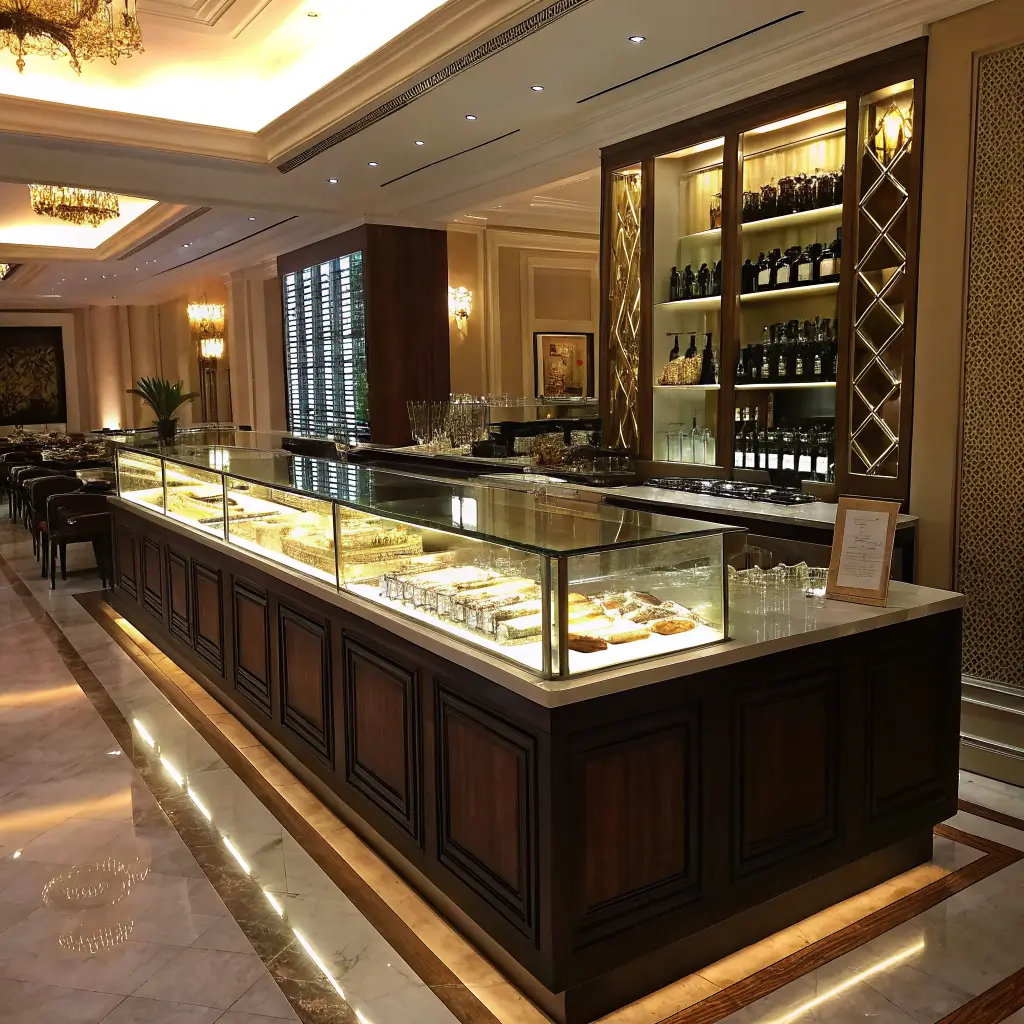
Sophisticated transparency elevates fine dining counters into artistic statements that reflect the culinary artistry happening in your restaurant.
Glass counter surfaces create an immediate impression of cleanliness, sophistication, and attention to detail that fine dining customers expect and appreciate. The reflective properties of glass amplify lighting effects while creating visual depth that makes spaces feel more expansive and luxurious. I’ve noticed how glass counters seem to elevate everything placed on them, making even simple elements look more refined.
Tempered glass construction ensures safety while providing crystal-clear surfaces that showcase beautiful base materials. You might feature exotic wood grains, natural stone patterns, or artistic metalwork underneath the protective glass surface. This layering effect creates visual interest while protecting delicate materials from daily wear.
Fine dining glass counters often incorporate these elegant elements:
- Beveled edges that catch and reflect light beautifully
- Integrated wine storage or display areas visible through the glass
- Subtle etching or frosted patterns that add texture without overwhelming
- Premium hardware in materials like brushed brass or polished chrome
The maintenance requirements of glass counters suit fine dining establishments perfectly. The surfaces clean easily to maintain pristine appearance, while the durability of quality glass ensures long-term beauty. Anti-fingerprint coatings can reduce maintenance needs while preserving the crystal-clear appearance that makes glass so appealing.
Lighting design becomes crucial with glass counters since the surfaces amplify both good and bad lighting choices. Strategic accent lighting can create stunning effects, while poor lighting can highlight every smudge or imperfection. The investment in quality lighting pays dividends in the overall impact of your counter design.
Also Read: 10 Gorgeous Breakfast Counter Design Ideas for Luxury Kitchens
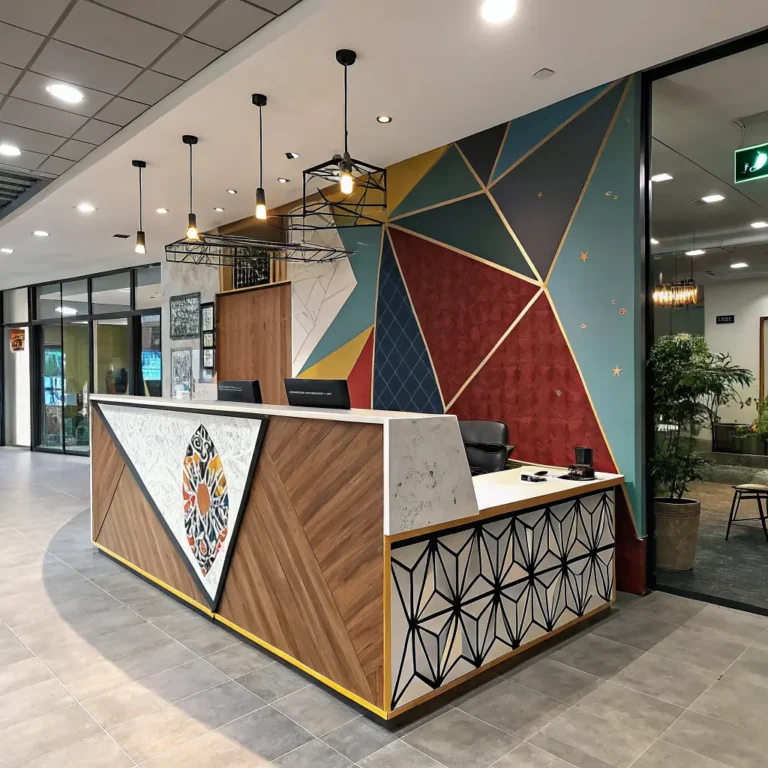
Curved Contemporary Restaurant Counter Design
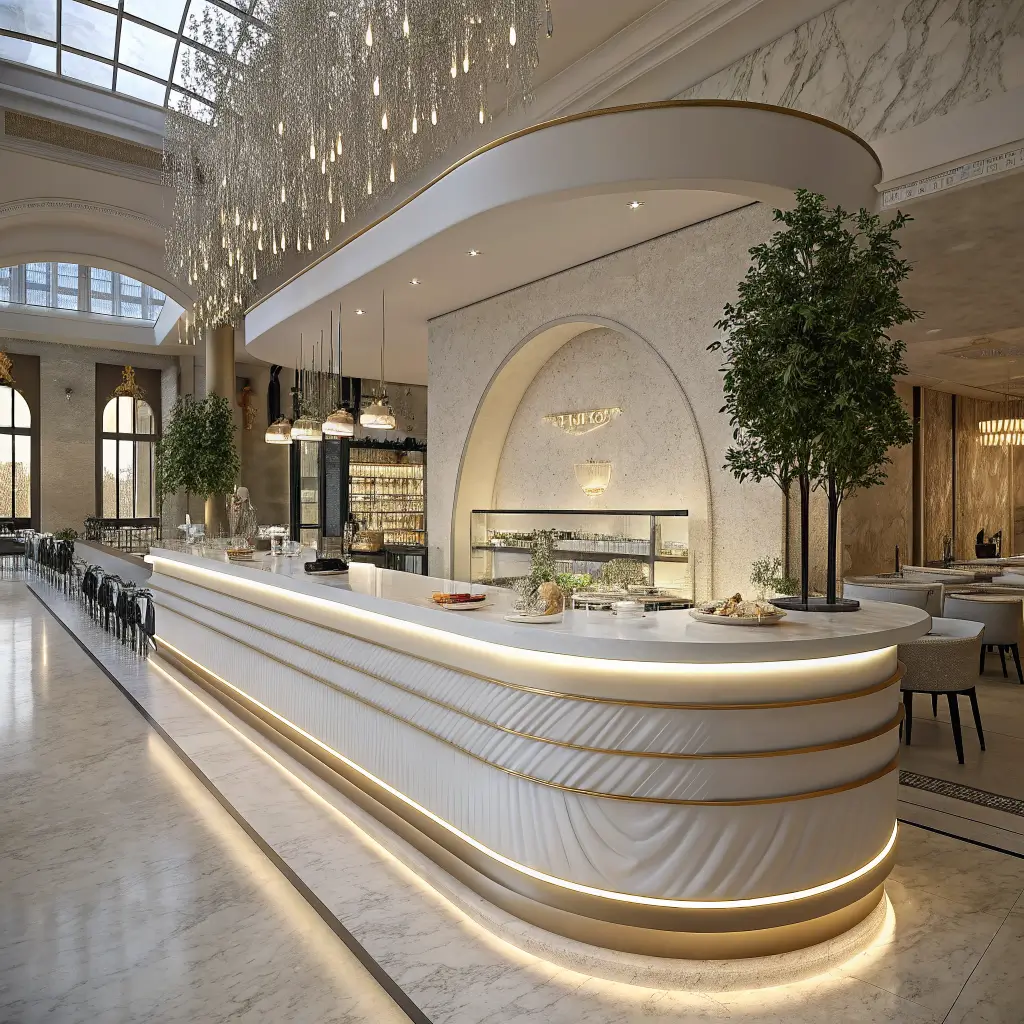
Flowing organic shapes soften harsh angles while creating dynamic visual interest that guides customer flow and creates memorable spatial experiences.
Curved counter designs break away from the rigid geometry that dominates most restaurant spaces, introducing organic movement that feels more natural and welcoming. I find that curved surfaces naturally encourage people to move around them rather than creating sharp stopping points, improving traffic flow throughout your restaurant space.
Radius considerations become crucial in curved counter design since too tight a curve creates unusable interior space, while overly gentle curves lose their visual impact. The sweet spot typically falls between 3-foot and 8-foot radius curves, depending on your overall space dimensions and intended function.
Contemporary curved counters often feature these design elements:
- Continuous surfaces that flow seamlessly without visible joints or seams
- Integrated seating that follows the counter’s curved profile
- Strategic lighting that emphasizes the flowing lines and creates dramatic shadows
- Mixed materials that highlight the curved form through contrasting textures
Construction challenges make curved counters more complex than straight designs, but the visual impact justifies the additional effort. Custom fabrication often becomes necessary since standard materials and hardware don’t accommodate curved applications. Working with experienced craftspeople ensures your curved counter achieves the smooth, flowing appearance that makes these designs so compelling.
The psychological impact of curved surfaces creates more welcoming, less intimidating environments compared to sharp angular designs. Customers tend to linger longer around curved counters, possibly because the organic shapes feel more comfortable and natural. This subtle effect can increase customer satisfaction and potentially improve sales through extended visit duration.
Conclusion
Your restaurant counter sets the stage for every customer interaction, from that first moment someone walks through your door to their final payment before leaving. Whether you choose minimalist elegance, rustic warmth, or contemporary curves, the key is creating a design that genuinely reflects your restaurant’s personality while serving your operational needs.
Remember, the best counter design is one that makes both your customers and staff happy every single day. Take time to consider how each element will function during your busiest service periods, because a beautiful counter that creates operational heada