10 Amazing Tiny Guest Bedroom Ideas for Cozy Comfort

You know that awkward moment when friends ask to crash at your place, and you’re suddenly very aware that your “guest room” is actually just a closet with delusions of grandeur? Yeah, we’ve all been there.
The thing is, you don’t need a mansion to create a welcoming space for overnight visitors – you just need to get creative with what you’ve got.
I’ve spent years figuring out how to make small spaces work overtime (mostly because my apartment budget has always been more “ramen noodles” than “real estate mogul”). Trust me when I say that with the right tricks, even the tiniest corner can become a cozy retreat that your guests will actually want to stay in.
Let’s dive into some game-changing ideas that’ll transform your space from “sorry about the air mattress” to “when can I move in permanently?”
Foldable Wall Bed Guest Room
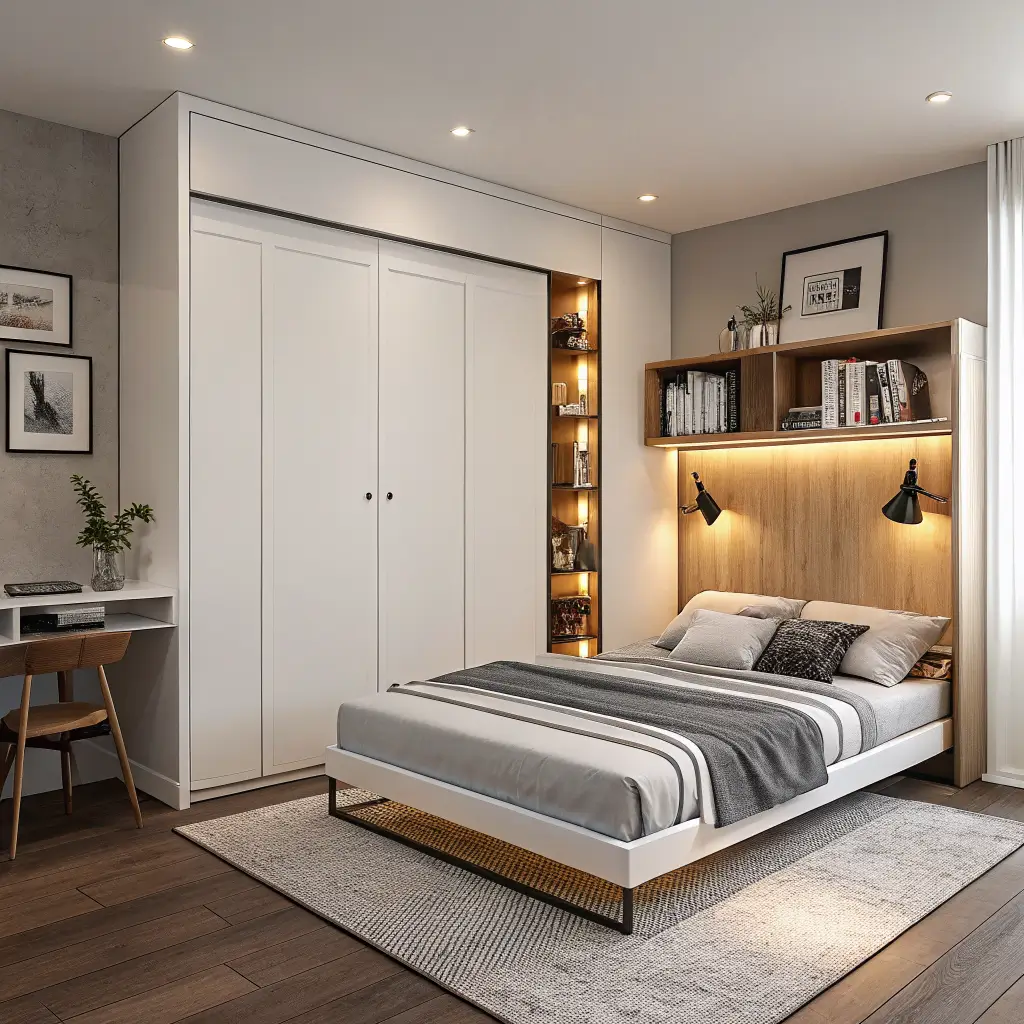
Murphy beds aren’t just for old movies – they’re basically the Swiss Army knife of small space furniture. I remember the first time I saw one in action at a friend’s studio apartment, and honestly, it felt like watching magic happen.
The beauty of a foldable wall bed lies in its dual personality. During the day, your guest room can function as a home office, workout space, or just extra breathing room. When evening rolls around, you pull down the bed, and voilà – instant bedroom. It’s like having a transformer in your wall, minus the robot noise.
Here’s what makes wall beds particularly brilliant for tiny spaces:
- Floor space multiplication: You literally double your usable square footage
- Professional installation options: Most companies will handle the heavy lifting for you
- Storage integration: Many models come with built-in shelving or desk surfaces
- Comfortable sleeping: Modern versions use real mattresses, not those torture devices from the 80s
The key is choosing the right mechanism. Vertical fold beds work better in rooms with higher ceilings, while horizontal folds suit wider walls. I’ve seen people try to DIY these, and let me tell you – this is one project where calling the professionals saves both your sanity and your friendships 🙂
Don’t forget about the surrounding décor. When the bed’s up, you want that wall to look intentional, not like you’re hiding evidence. Consider adding artwork that complements the bed’s design or floating shelves that create visual interest.
Minimalist Tiny Guest Bedroom Setup
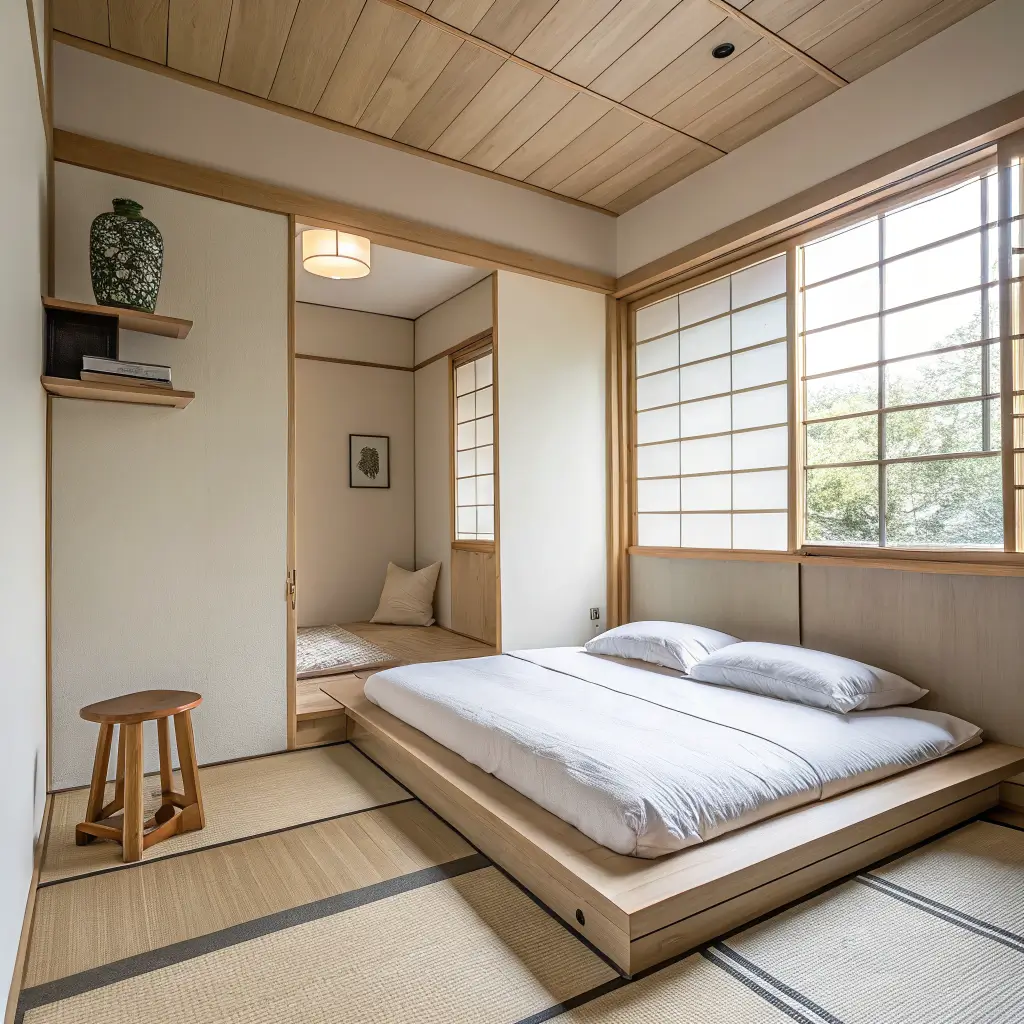
Less really is more when you’re working with minimal square footage. I learned this the hard way after trying to cram every piece of “essential” furniture into my first guest space. The result? A room that felt more like a storage unit than a bedroom.
The minimalist approach focuses on three core elements: a comfortable bed, adequate lighting, and one statement piece. That’s it. No throw pillows army, no decorative ladder that serves zero purpose, no “accent chair” that nobody will ever sit in.
Start with a platform bed or low-profile frame. These create the illusion of more space because they don’t break up sight lines. I’m partial to beds with built-in storage underneath – because where else are you going to stash your guests’ luggage?
Color palette matters tremendously in small spaces. Stick to 2-3 colors max, and lean toward lighter shades that reflect natural light. White walls aren’t boring; they’re strategic. You can always add personality through:
- A single bold piece of artwork
- Textured bedding in neutral tones
- One carefully chosen lamp with interesting design
- A small plant (if you can keep it alive – no judgment here)
Lighting deserves special attention in minimalist setups. Since you’re not relying on multiple décor pieces to create ambiance, your lighting has to work harder. A combination of natural light and one well-placed fixture can transform the entire mood of the space.
Sofa Bed Guest Room Design
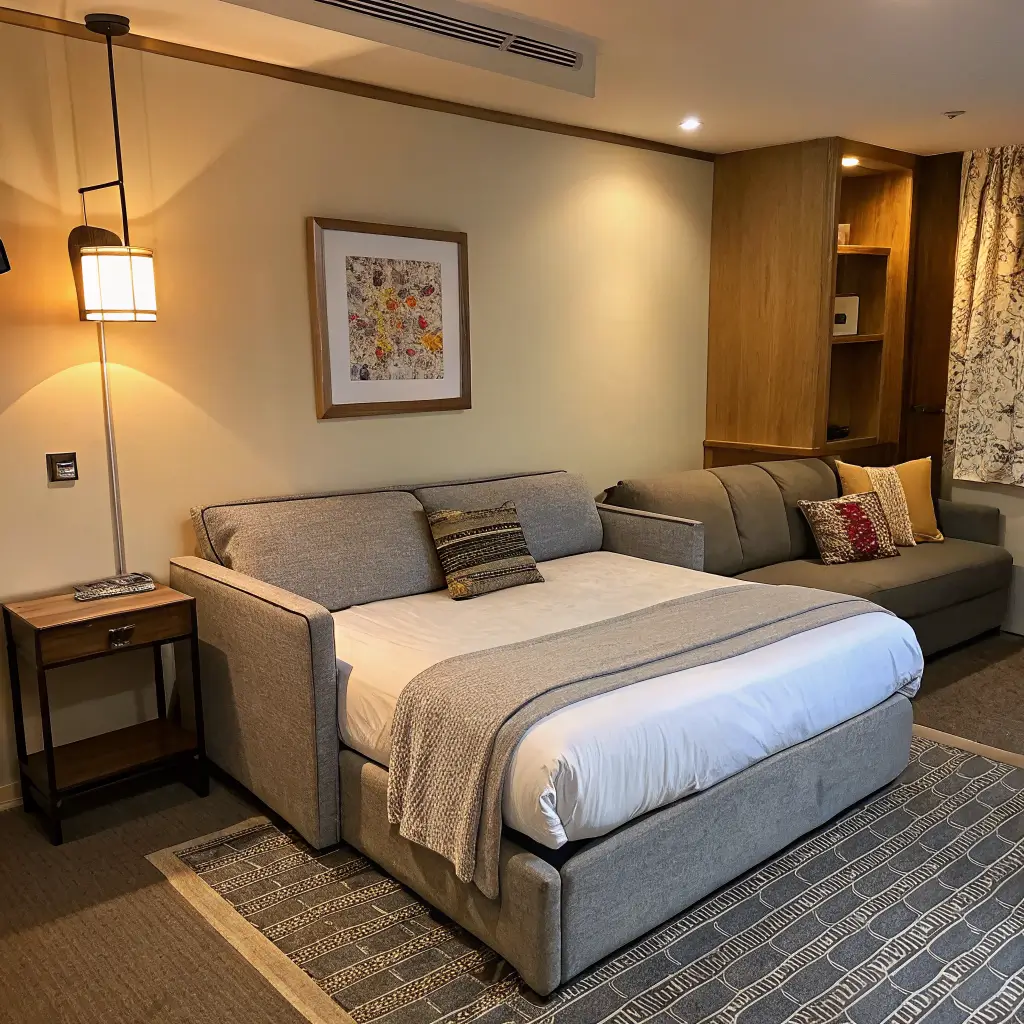
Let’s address the elephant in the room: sofa beds have a terrible reputation. But hear me out – modern sofa beds have come a long way from those medieval torture devices our parents used to inflict on overnight guests.
The trick is choosing quality over convenience. Yes, a good sofa bed costs more upfront, but your guests’ spines will thank you. Look for models with memory foam mattresses or, better yet, actual mattress systems that fold away during the day.
Styling a sofa bed room requires strategy. During the day, it needs to function as a living space, so think about traffic flow and daily activities. Position the sofa to face a focal point – maybe a wall-mounted TV or a large window. Add a coffee table that can double as extra seating when needed.
For the transformation magic to work smoothly, you need easy-access bedding storage. I use a storage ottoman that sits right next to the sofa. Guests can grab sheets and pillows without playing hide-and-seek in your linen closet. Pro tip: keep a spare set of sheets in there permanently, so you’re always ready for impromptu visitors.
Dual-purpose accessories become your best friends in sofa bed setups. Side tables with storage, floor lamps instead of table lamps (easier to move when converting), and wall-mounted shelving all help maintain functionality in both configurations.
The biggest mistake people make? Treating it like a regular couch with bed capabilities. Instead, design it as a bedroom that happens to have seating during the day. This mindset shift makes all the difference in creating a space that actually works.
Also Read: 10 Smart Very Tiny Bedroom Ideas Space Saving Tricks
Multi-Functional Office Guest Room Combo
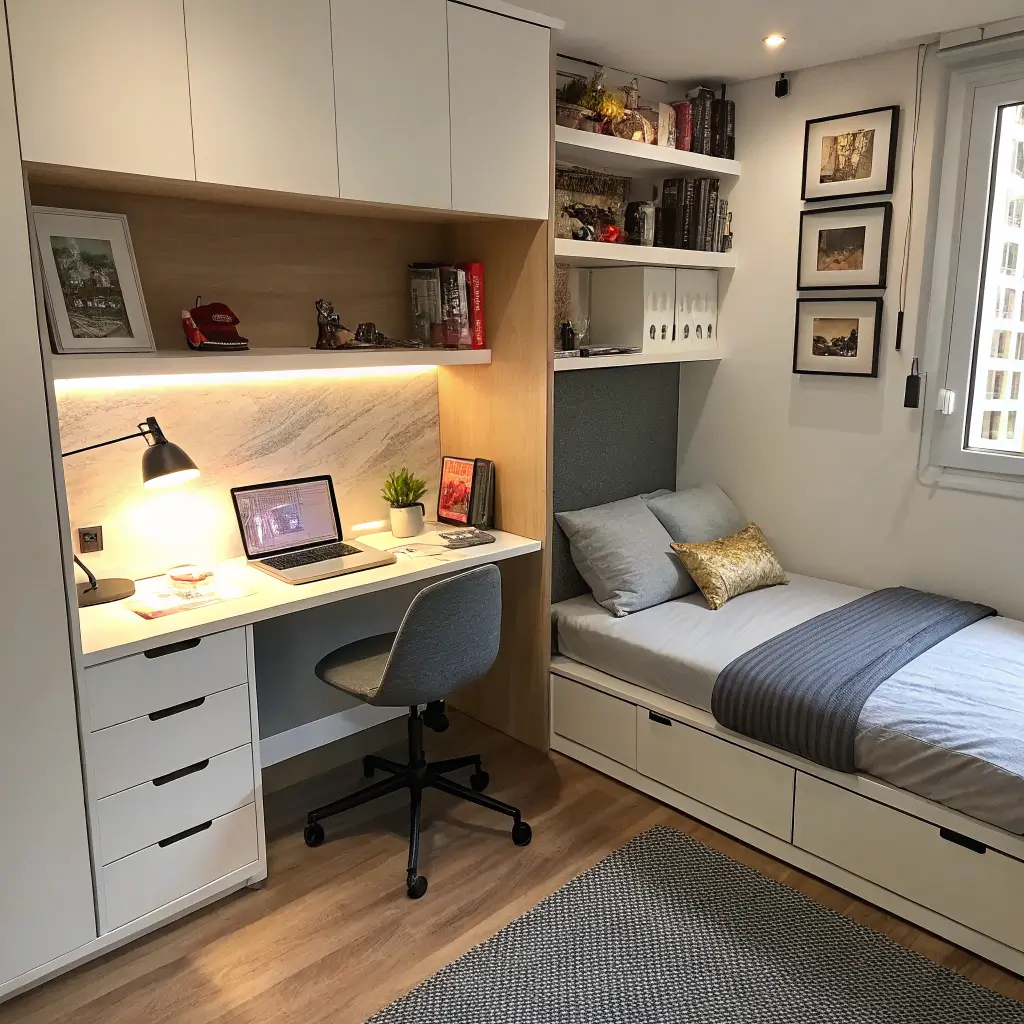
Working from home changed everything, didn’t it? Suddenly, that spare room needed to earn its keep as both an office and occasional guest quarters. The good news is that offices and bedrooms actually share a lot of functional DNA – both need good lighting, storage, and a sense of calm.
Desk placement is crucial in combo rooms. Position it so that it doesn’t interfere with bed setup, but also so it takes advantage of natural light during work hours. I’ve found that placing the desk perpendicular to the bed creates natural zones without requiring room dividers.
Storage solutions need to pull double duty. Filing cabinets can double as nightstands, and bookchelves can store both work supplies and guest essentials. Keep a basket on one shelf dedicated to guest items – extra towels, toiletries, and phone chargers. Your visitors will appreciate not having to ask for basic necessities.
Technology integration requires some planning. You’ll want adequate outlets near both the desk and bed areas. Consider a power strip with USB ports that can easily move between functions. And please, for the love of all that’s holy, invest in blackout curtains. Nobody wants to be awakened by your 6 AM video calls.
The key to making this combo work is establishing clear boundaries. When guests are staying, commit to keeping work materials organized and out of sight. Nothing kills relaxation vibes like staring at a pile of unfinished reports while trying to sleep.
Lighting becomes extra important in dual-function spaces. You need bright, focused light for work and softer, ambient lighting for rest. A combination of overhead lighting, task lighting, and bedside lamps gives you maximum flexibility.
Cozy Corner Guest Bedroom Nook
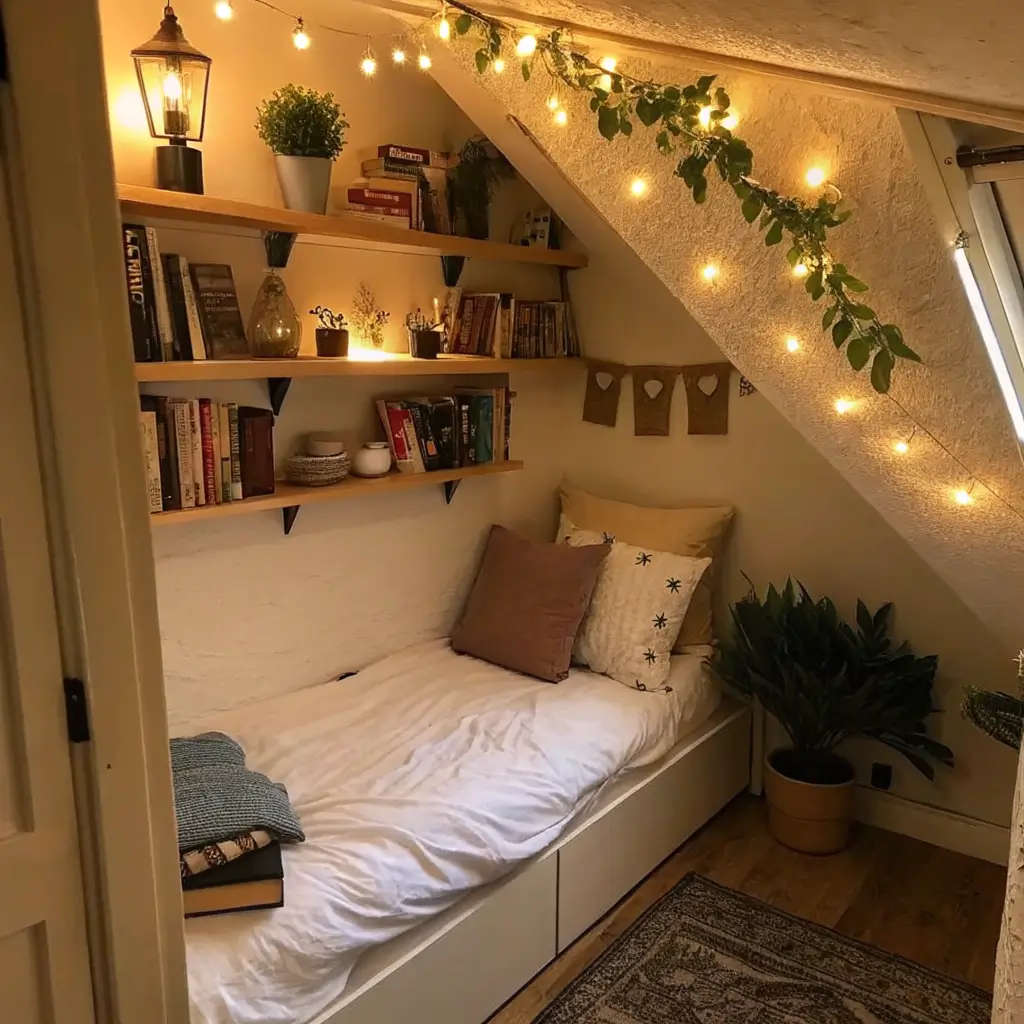
Sometimes the smallest spaces create the most memorable experiences. I once stayed in a corner nook that was barely bigger than the bed itself, but it felt like the coziest hideaway imaginable. There’s something psychologically comforting about defined, intimate spaces.
Working with corners requires strategic thinking. You’re dealing with two walls, which actually gives you more vertical storage opportunities than a standard room setup. Wall-mounted shelves, floating nightstands, and even ceiling-mounted storage can maximize every inch.
Bed placement in corner nooks usually means the bed goes against both walls, which some people worry about for accessibility. But honestly? Most solo travelers don’t mind climbing over a bed if the space feels special. It’s like staying in a cozy cabin or boat berth – part of the charm.
Creating warmth in small spaces is all about layering textures and controlling light. Soft throws, interesting wall textures (maybe some reclaimed wood or textured wallpaper on one wall), and warm lighting can make even the tiniest nook feel inviting rather than cramped.
Don’t forget about ventilation in corner spaces. They can feel stuffy if air doesn’t circulate well. A small fan or ensuring the HVAC reaches the corner adequately keeps the space comfortable. Nobody enjoys feeling like they’re sleeping in a closet – even if they technically are 🙂
Privacy matters in nook setups, especially if the corner opens to a larger room. Consider a curtain system or folding screen that guests can use to create separation when needed. It’s amazing how much better people sleep when they feel like they have their own defined space.
Vertical Storage Tiny Guest Room
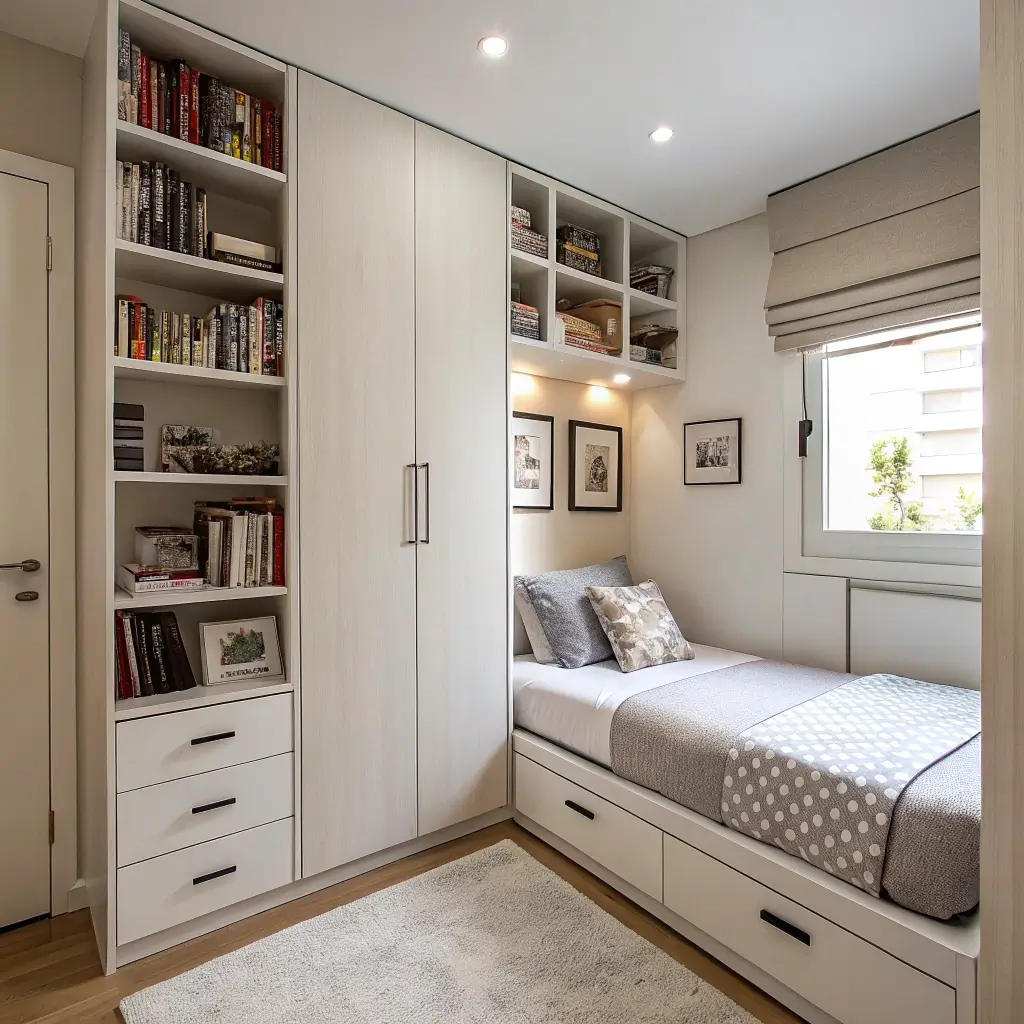
When you can’t go out, go up. Vertical storage isn’t just about cramming more stuff into a small space – it’s about creating a sense of height and airiness that makes the room feel larger than its footprint suggests.
Floor-to-ceiling solutions work wonders in tiny guest rooms. Built-in shelving, tall wardrobes, or even a ladder-style storage system can provide surprising amounts of storage without eating up precious floor space. I’ve seen people install shelving all the way to the ceiling and use the top shelves for seasonal items or extra linens.
Wall-mounted everything becomes your mantra. Nightstands, lighting, even hooks for hanging clothes – if it can go on the wall instead of taking up floor space, do it. Floating nightstands are particularly genius because they provide surface space without the visual weight of legs and bases.
The trick to vertical storage is making it look intentional rather than desperate. Mix open and closed storage, vary the heights of items on shelves, and include some decorative elements alongside the practical stuff. A bookshelf that’s all storage containers looks like you’re running a warehouse, not hosting guests.
Accessibility matters when you’re storing things vertically. Keep daily necessities at eye level and below, and use higher shelves for items guests won’t need regular access to. A small step stool tucked under the bed or in a corner helps guests reach higher shelves safely.
Don’t forget about visual breathing room. Just because you can fill every vertical inch doesn’t mean you should. Leave some negative space to prevent the room from feeling overwhelming. Sometimes the most effective storage solution is the one that doesn’t look like storage at all.
Also Read: 10 Stylish Tiny Bedroom Design Ideas for Modern Homes
Scandinavian Tiny Guest Bedroom Style
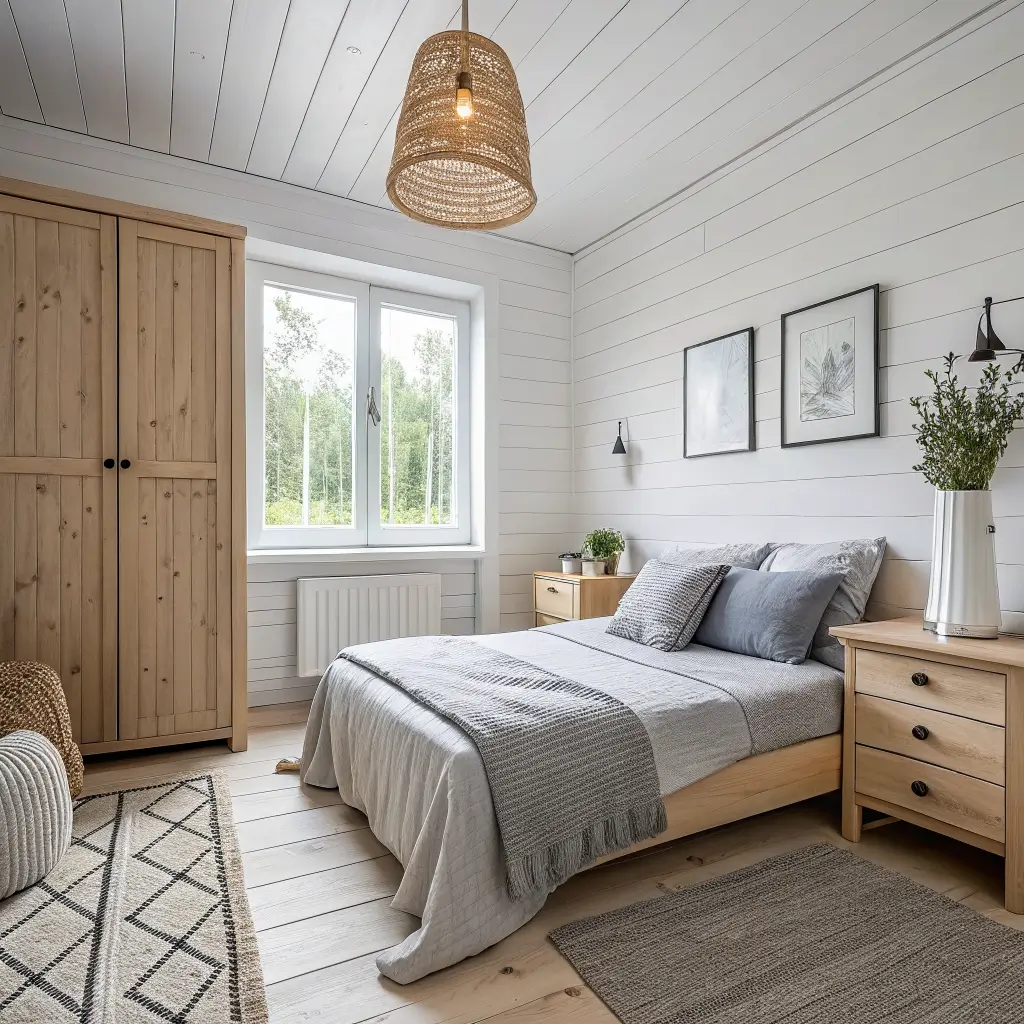
Scandinavian design feels like it was invented specifically for small spaces. The emphasis on light colors, natural materials, and functional beauty creates rooms that feel spacious and serene even when they’re objectively tiny.
The color palette is non-negotiable: whites, soft grays, and natural wood tones form the foundation. But don’t mistake this for boring – the beauty lies in the subtle variations and textures. A white room with five different shades of white and varied textures feels infinitely more sophisticated than a beige room trying to be “warm.”
Natural light is sacred in Scandinavian design. Keep window treatments minimal – maybe simple white curtains or natural wood blinds. If privacy is a concern, consider frosted window film that maintains light while obscuring the view. During darker months, multiple light sources at different heights create the illusion of natural light.
Functional beauty means every item should serve a purpose while looking good. A wooden stool that works as both seating and bedside table. A woven basket that stores extra blankets but also adds texture to the room. A simple mirror that reflects light while serving its practical function.
Textile choices in Scandinavian spaces favor natural fibers and simple patterns. Linen bedding (yes, even if it wrinkles – that’s part of the charm), wool throws, and cotton rugs in neutral tones. The goal is creating layers of comfort without visual chaos.
Plants bring life to the clean lines of Scandinavian design. Even a single well-chosen plant can transform the energy of a small space. Fiddle leaf figs, snake plants, or simple pothos – choose something that fits the light conditions and your ability to keep it alive.
Hidden Storage Bed Guest Room Idea
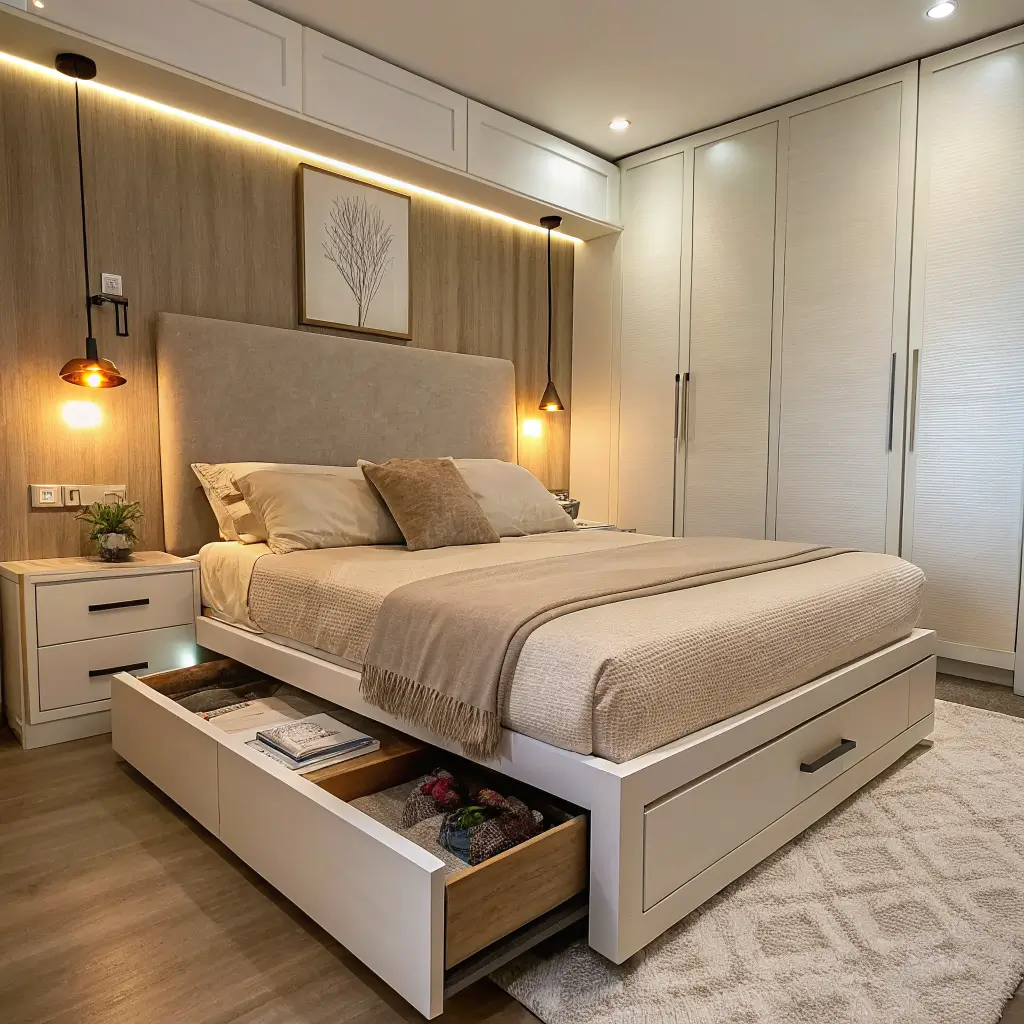
Storage beds are like having a secret compartment in plain sight. I’m convinced that whoever invented under-bed storage understood something fundamental about small space living: every piece of furniture needs to earn its keep.
Platform beds with built-in drawers offer the most seamless storage integration. Your guests won’t even realize they’re sleeping above a storage system until you show them where to stash their luggage. It’s like having a magic trick built into your furniture.
Ottoman storage at the foot of the bed creates additional seating while hiding extra pillows, blankets, or out-of-season items. I keep a basket of guest essentials in mine – phone chargers, travel-sized toiletries, even some snacks for late arrivals. It’s amazing how much goodwill you generate when someone discovers midnight munchies waiting for them.
Headboard storage takes the concept even further. Shelves built into the headboard provide easy access to books, water glasses, or personal items without requiring floor space for nightstands. Some designs even include hidden compartments behind what looks like solid panels.
The psychology of hidden storage is interesting – guests feel more comfortable in spaces that don’t look like storage units, but they also appreciate having places to put their belongings. Hidden storage solutions give you the best of both worlds: a clean, uncluttered appearance with practical functionality.
Installation considerations matter more with storage beds than regular furniture. Make sure the storage mechanisms open easily and smoothly – nothing ruins the magic like drawers that stick or require wrestling matches to access. Quality hardware makes all the difference between “clever storage solution” and “daily frustration.”
Light & Airy Small Guest Bedroom
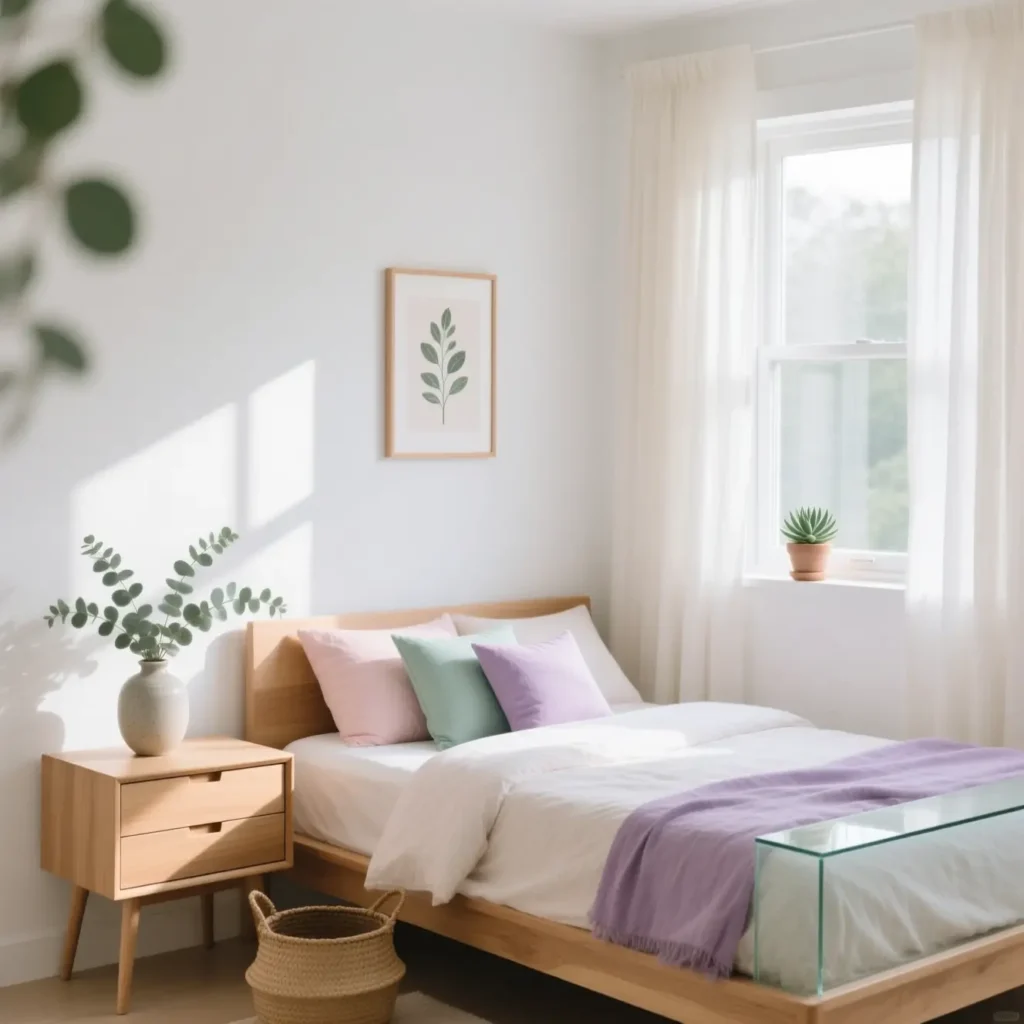
Light transforms everything in small spaces. I’ve seen identical rooms that felt completely different based solely on how well they used available light. The bright, airy room always wins in terms of comfort and perceived space.
Maximizing natural light starts with window treatments. Heavy curtains might provide privacy, but they also block precious daylight. Consider alternatives like top-down/bottom-up cellular shades that give privacy while still allowing light through the upper portion of windows.
Mirror placement becomes strategic in light-focused design. A large mirror opposite a window effectively doubles the natural light in a room. Smaller mirrors placed at angles can bounce light into corners that would otherwise feel dark and closed-in.
Color reflection matters more than you might think. Glossy or semi-gloss paint finishes reflect more light than flat finishes, though they also show imperfections more readily. Light-colored floors, whether actual hardwood or laminate, contribute significantly to the overall brightness of a space.
Artificial lighting layers become crucial during evening hours and darker days. Combine overhead lighting with task lighting and ambient options. String lights aren’t just for college dorms – when used thoughtfully, they can create a magical, soft light that makes small spaces feel cozy rather than cramped.
Avoiding light traps is just as important as creating light. Dark furniture against light walls can create harsh contrasts that make spaces feel smaller. Instead, look for pieces in light wood tones or painted finishes that complement rather than compete with your light-maximizing efforts.
Also READ: 10 Dreamy Office and Dressing Room Combo Ideas for Luxury Spaces
Closet Turned Guest Bedroom Idea
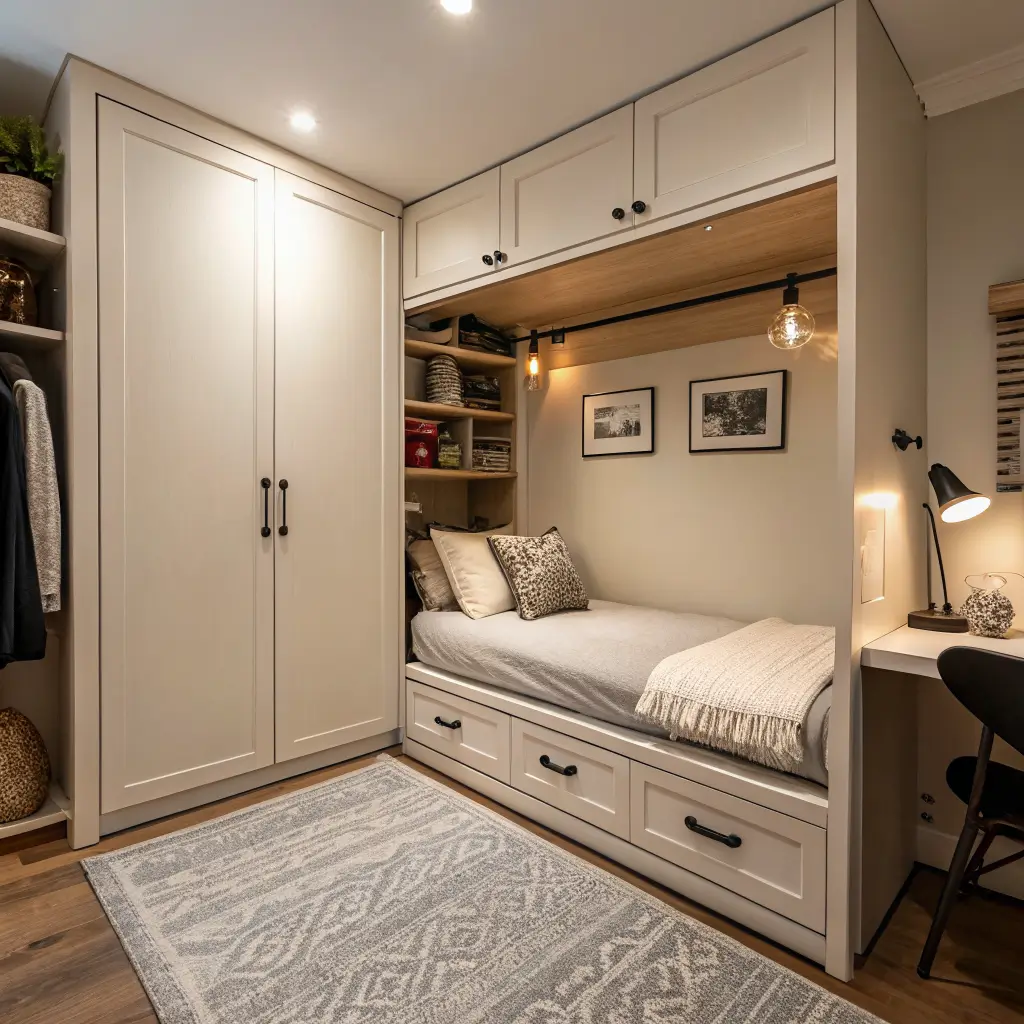
Converting a closet into a guest bedroom sounds crazy until you see it done well. Some of my favorite tiny spaces have been repurposed closets that feel more like cozy retreats than makeshift solutions.
Ventilation is non-negotiable in closet conversions. Most closets weren’t designed for human occupancy, so you’ll likely need to add ventilation. This might mean installing a small exhaust fan or ensuring the HVAC system extends into the space. Don’t skip this step – nobody enjoys sleeping in a stuffy box.
Electrical considerations usually require professional help. Closets typically have minimal electrical infrastructure, so you’ll need outlets, lighting, and possibly ceiling fan wiring. Plan for at least two outlets – one for bedside necessities and another for device charging.
Bed sizing becomes creative in closet conversions. Standard queen beds won’t fit in most closets, but a twin or daybed often works perfectly. Consider a Murphy bed or fold-down bed that maximizes daytime floor space in the tiny room.
Door solutions can make or break closet guest rooms. Traditional hinged doors swing out and take up space in the hallway. Sliding barn doors, pocket doors, or even heavy curtains can provide privacy without the space requirements of swinging doors.
Making it feel intentional rather than desperate requires attention to finishing details. Paint the space in light, welcoming colors. Install proper flooring rather than leaving carpet remnants. Add thoughtful touches like a small piece of artwork or a tiny plant shelf. The goal is creating a space that feels special, not claustrophobic.
Wrapping It All Up
Creating a functional guest bedroom in a tiny space isn’t about having the biggest budget or the most square footage – it’s about thinking creatively and making every element work harder. Whether you’re folding beds into walls, converting closets, or maximizing vertical storage, the key is designing with both form and function in mind.
FYI, your guests will remember how they felt in your space long after they forget the specific furniture pieces. A thoughtfully designed tiny guest room that prioritizes comfort and functionality will always beat a larger space that feels thrown together.
The most successful tiny guest bedrooms share common traits: they maximize natural light, provide adequate storage, and feel intentionally designed rather than like afterthoughts. Pick the approach that works best for your specific space and budget, then commit to making it the best version of itself.
Remember, you’re not just creating a place for people to sleep – you’re crafting