10 Gorgeous Mediterranean Garden Design Ideas Luxury Style

Picture this: you’re sipping your morning coffee while lavender gently sways in the breeze, olive trees cast dappled shadows across sun-baked stone, and the scent of rosemary fills the air.
No, you haven’t magically teleported to the Greek islands – you’ve just stepped into your own Mediterranean-inspired backyard paradise.
I’ve been obsessed with Mediterranean garden design ever since my neighbor transformed her bland suburban yard into what basically looks like a Greek villa courtyard.
And trust me, after years of experimenting with these designs myself, I’ve learned what works and what doesn’t (spoiler alert: not everything you see on Pinterest actually thrives in real life).
Ready to turn your outdoor space into a sun-soaked sanctuary? Let’s dive into ten Mediterranean garden ideas that’ll make your neighbors seriously jealous.
1. Olive Grove Courtyard Garden Design
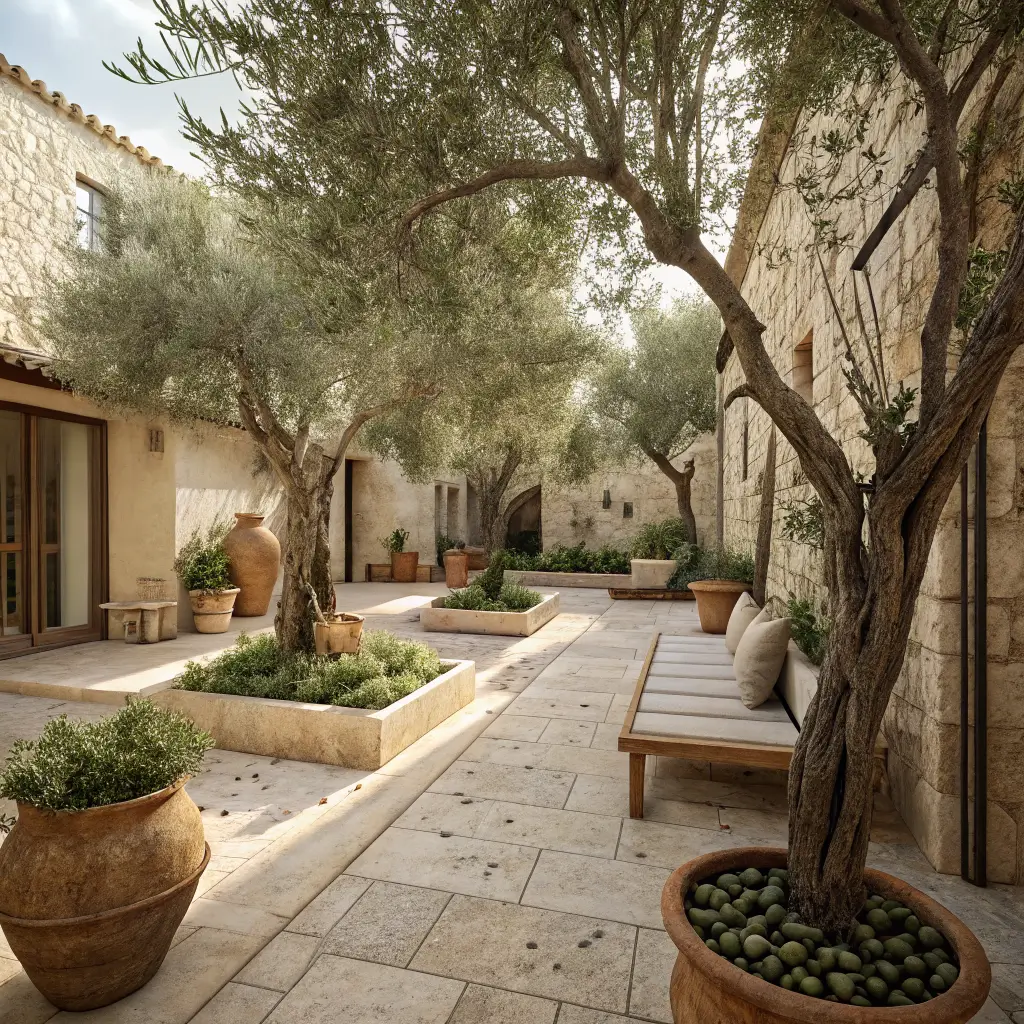
Ever wondered why every Mediterranean garden seems to have olive trees? It’s not just for the Instagram aesthetic – though they definitely deliver on that front.
Creating an olive grove courtyard is like bringing a piece of Tuscany to your backyard. I planted three olive trees in my side yard two years ago, and honestly, it’s become my favorite spot to unwind. The silvery-green foliage catches the light beautifully, and the trees provide just enough shade without blocking all the sunshine.
Here’s what makes this design work:
• Strategic spacing: Plant olive trees 8-10 feet apart to create natural “rooms” in your garden
• Understated ground cover: Use decomposed granite or pea gravel between trees
• Simple seating: Add a rustic wooden bench or wrought iron chairs
• Subtle lighting: String café lights between branches for evening ambiance
The best part? Olive trees are ridiculously low-maintenance once established. They actually prefer poor, well-draining soil (which explains why they thrive in rocky Mediterranean climates). Just don’t expect olives right away – mine are still young and apparently too busy looking gorgeous to produce fruit yet.
Pro tip: If you’re in a colder climate, consider dwarf olive varieties in large pots that you can move indoors during winter. Your back will thank you for not trying to drag full-sized trees around 🙂
2. Whitewashed Mediterranean Villa Garden
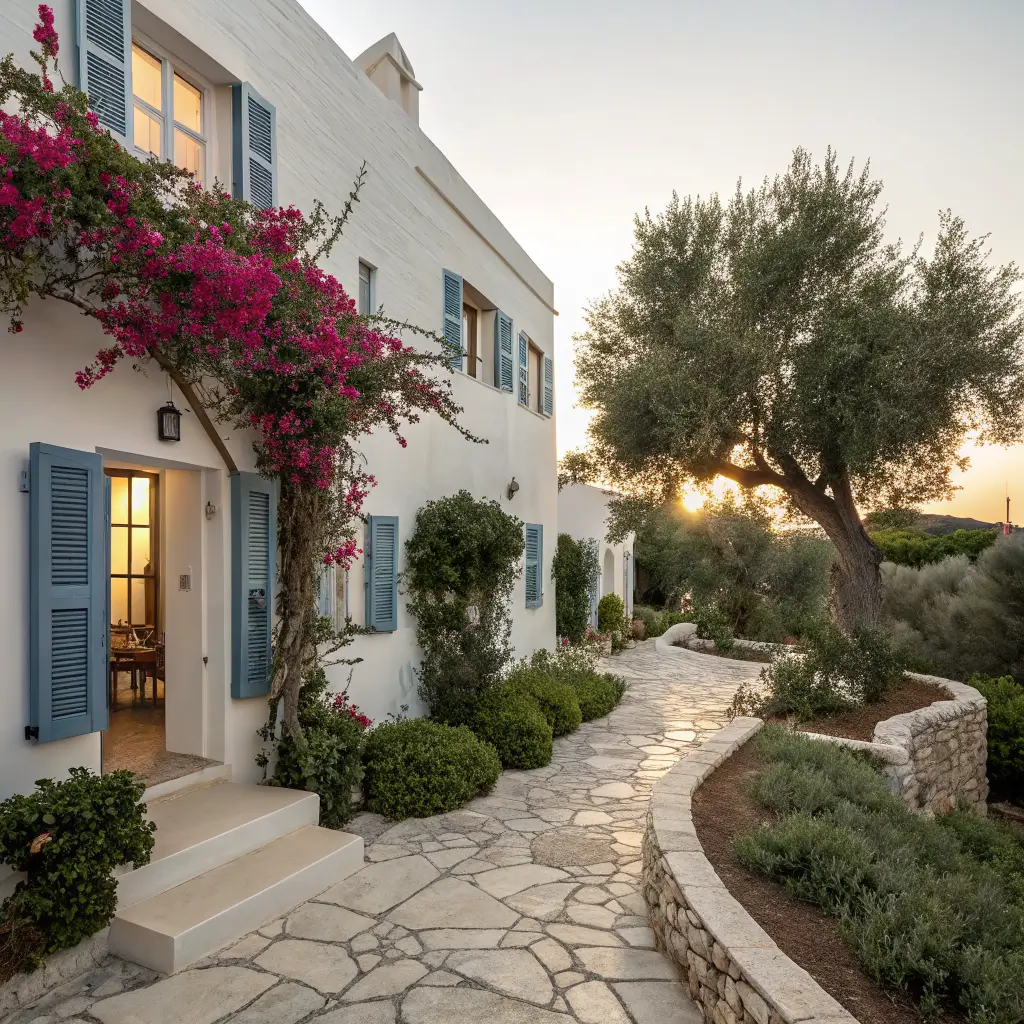
Nothing screams “Mediterranean elegance” quite like crisp white walls against vibrant greenery. This design is all about creating that iconic villa courtyard vibe – you know, the kind you see in travel magazines and immediately add to your vacation wishlist.
I helped my sister design her whitewashed garden last summer, and the transformation was absolutely stunning. The key is using white as your foundation and letting the plants provide all the color and texture.
Essential elements for this look:
• White or cream-colored walls, planters, and structures
• Bright green foliage plants: boxwood, bay trees, and ornamental grasses
• Pops of Mediterranean blue: ceramic pots, tiles, or painted accents
• Natural textures: weathered wood, aged terra cotta, rough stone
The magic happens when you contrast that clean white backdrop with lush, textured plantings. Think cascading rosemary spilling over white planters, or a dramatic bay tree in a whitewashed container. The simplicity lets each plant become a living sculpture.
One thing I learned the hard way? White surfaces show every speck of dirt, so factor in some maintenance time. But honestly, the crisp, fresh look is totally worth the occasional power washing.
3. Rustic Stone Path Herb Garden Layout
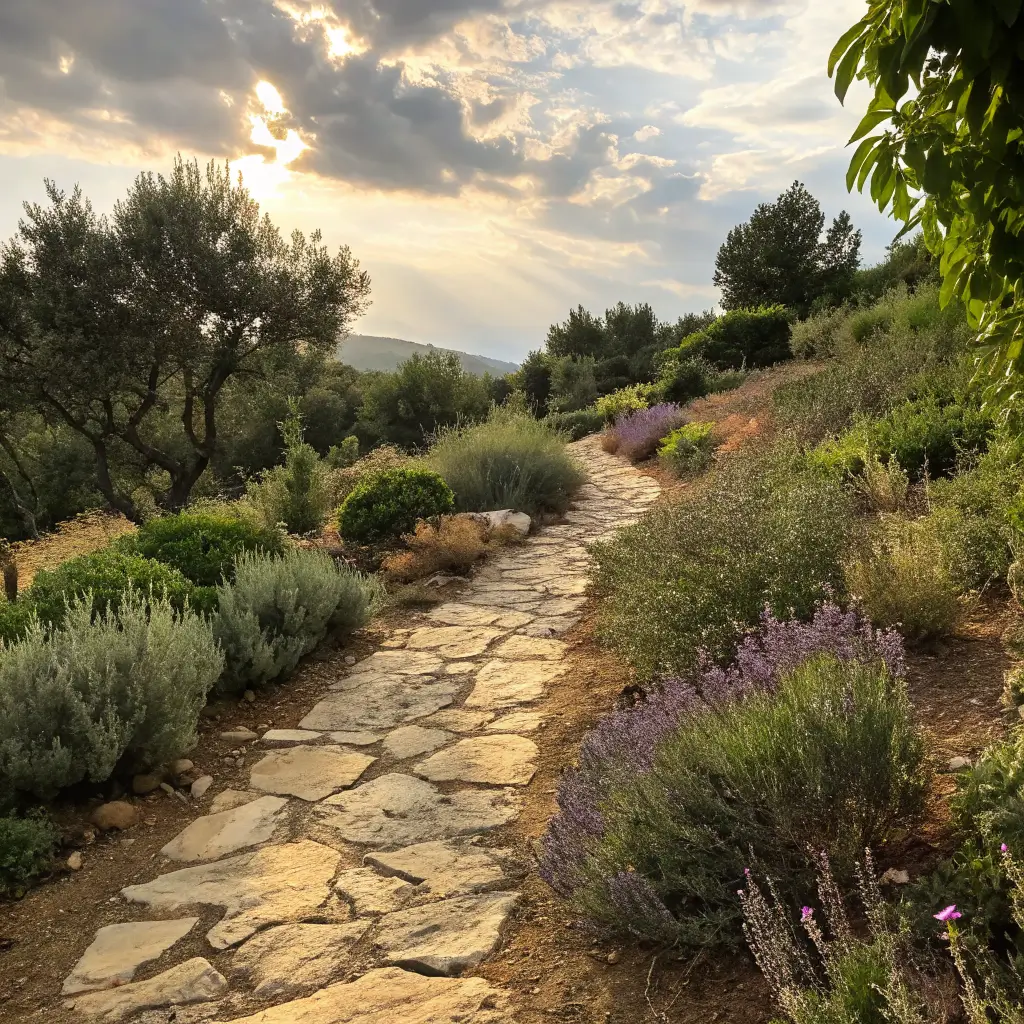
Want to know a secret? The most successful Mediterranean gardens I’ve visited all have one thing in common: incredible herb gardens. There’s something magical about being able to step outside and snip fresh basil, oregano, or thyme for dinner.
My rustic stone path herb garden started as a practical solution to an awkward side yard, but it’s evolved into one of my favorite garden features. The winding stone path creates natural planting pockets while giving the space an authentic, old-world feel.
Here’s how to nail this design:
• Irregular flagstone or slate paths: Avoid perfectly straight lines – meandering paths feel more natural
• Raised planting beds: Use stacked stone or weathered wood for rustic appeal
• Mixed herb varieties: Combine upright herbs (rosemary, sage) with sprawling ones (thyme, oregano)
• Seating nooks: Tuck in a small bench or stone seat along the path
The genius of this layout is that it’s both beautiful and functional. You can wander through your herb garden, harvesting ingredients while enjoying the textures and scents. Plus, herbs like lavender and rosemary double as natural pest deterrents – nature’s got your back!
FYI: Most Mediterranean herbs actually prefer poor, well-draining soil, so don’t over-fertilize. They develop better flavor when they’re slightly stressed (relatable, honestly).
Also Read: 10 Serene Zen Garden Design Ideas for Peaceful Retreat Spaces
4. Coastal Blue and White Patio Garden
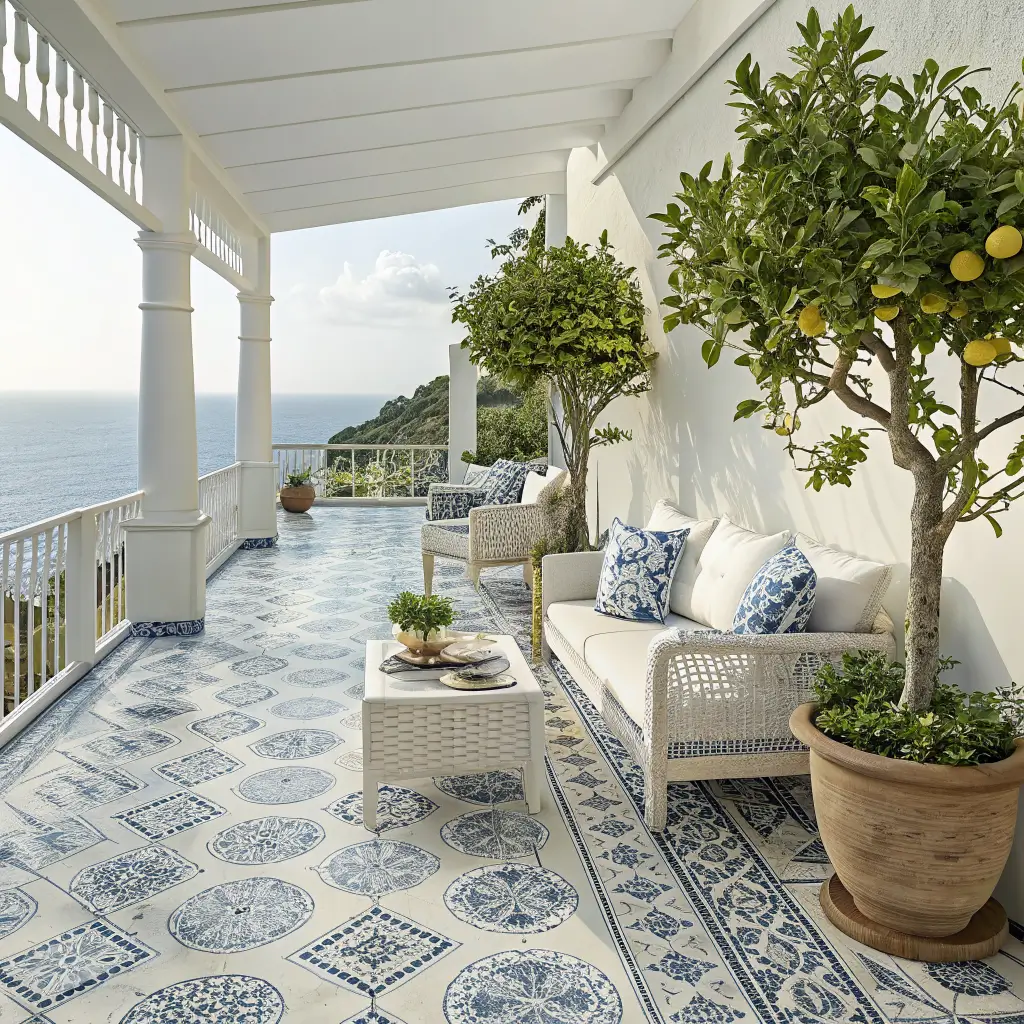
If you’ve ever lounged on a Greek island terrace, you know the power of the classic blue and white color palette. This coastal-inspired design brings those vacation vibes straight to your patio – minus the jet lag and overpriced airport coffee.
I’m particularly fond of this style because it works beautifully with both small urban patios and larger outdoor spaces. The color scheme is timeless, and you can easily switch out accessories seasonally without breaking the bank.
Key elements that make this design shine:
• Cobalt blue ceramic pots and planters
• White or cream-colored outdoor furniture
• Silver-leafed plants: dusty miller, artemisia, lavender
• Coastal accents: driftwood, shells, or sea glass details
The trick is balancing the blues – too much and it feels overwhelming, too little and you lose the coastal impact. I use the 60-30-10 rule: 60% white/neutral tones, 30% blue accents, and 10% pops of other colors (usually the natural greens of your plants).
Plant choices matter here. Go for varieties that echo the coastal Mediterranean climate: ornamental grasses that sway like seaside reeds, succulents that mimic sea anemones, and aromatic herbs that smell like salt air and sunshine.
5. Terracotta Pot Mediterranean Terrace Garden
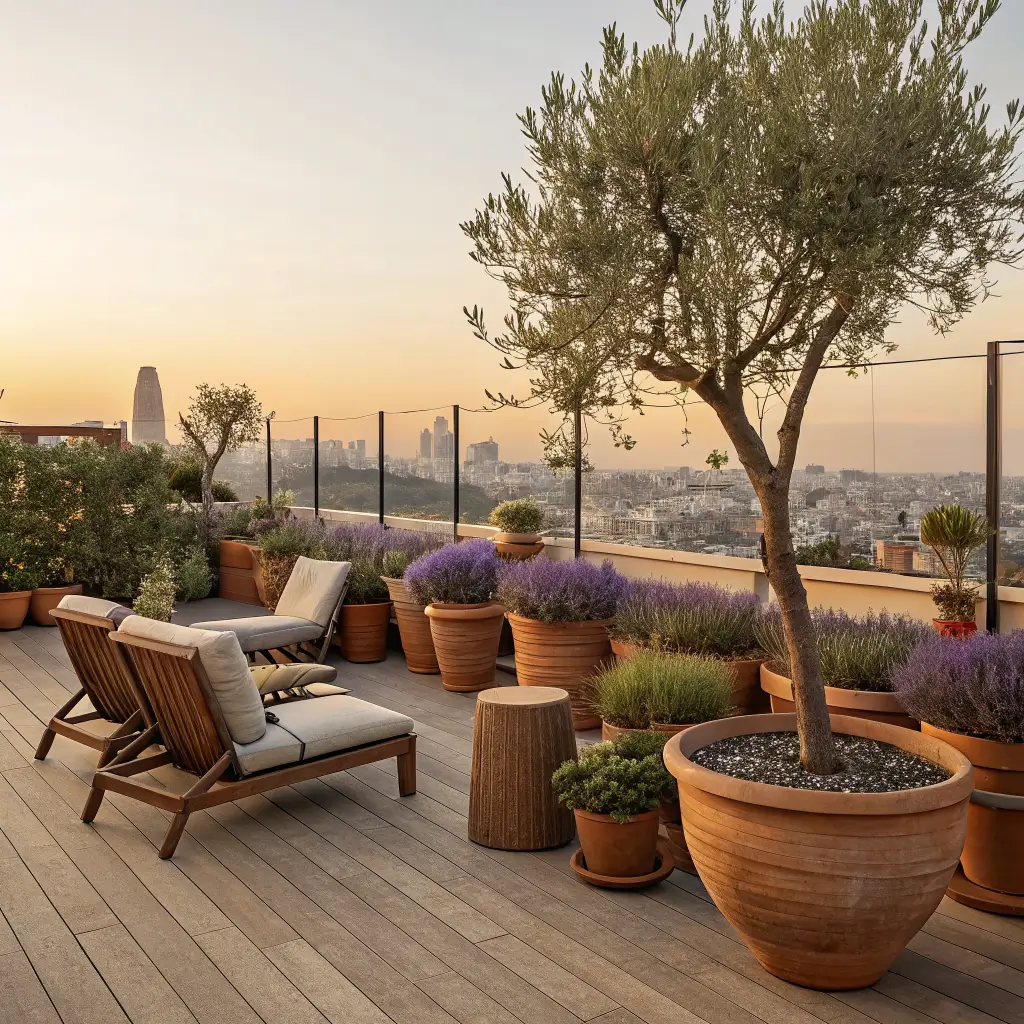
Let’s be real – terracotta pots are having a major moment, and for good reason. There’s something irresistibly charming about these earthy, weathered containers that perfectly captures the Mediterranean aesthetic.
My terrace garden started with just three terracotta pots, but somehow I’ve accumulated an entire collection. It’s like collecting vintage wine, except these beauties actually improve your outdoor space instead of gathering dust in a cellar.
What makes terracotta so perfect for Mediterranean gardens:
• Natural aging: They develop beautiful patina over time
• Excellent drainage: Perfect for Mediterranean plants that hate wet feet
• Thermal regulation: Clay helps protect roots from temperature swings
• Versatility: Available in countless sizes and styles
The secret to a cohesive terracotta garden is varying your pot sizes and heights while maintaining similar earthy tones. Group them in odd numbers (the design world’s favorite trick), and don’t be afraid to let some pots remain empty – negative space is your friend.
Pro tip: If you’re on a budget, check out thrift stores and estate sales. Some of my favorite pots cost less than $10 and have way more character than anything you’ll find at a garden center.
6. Drought-Tolerant Succulent Mediterranean Garden
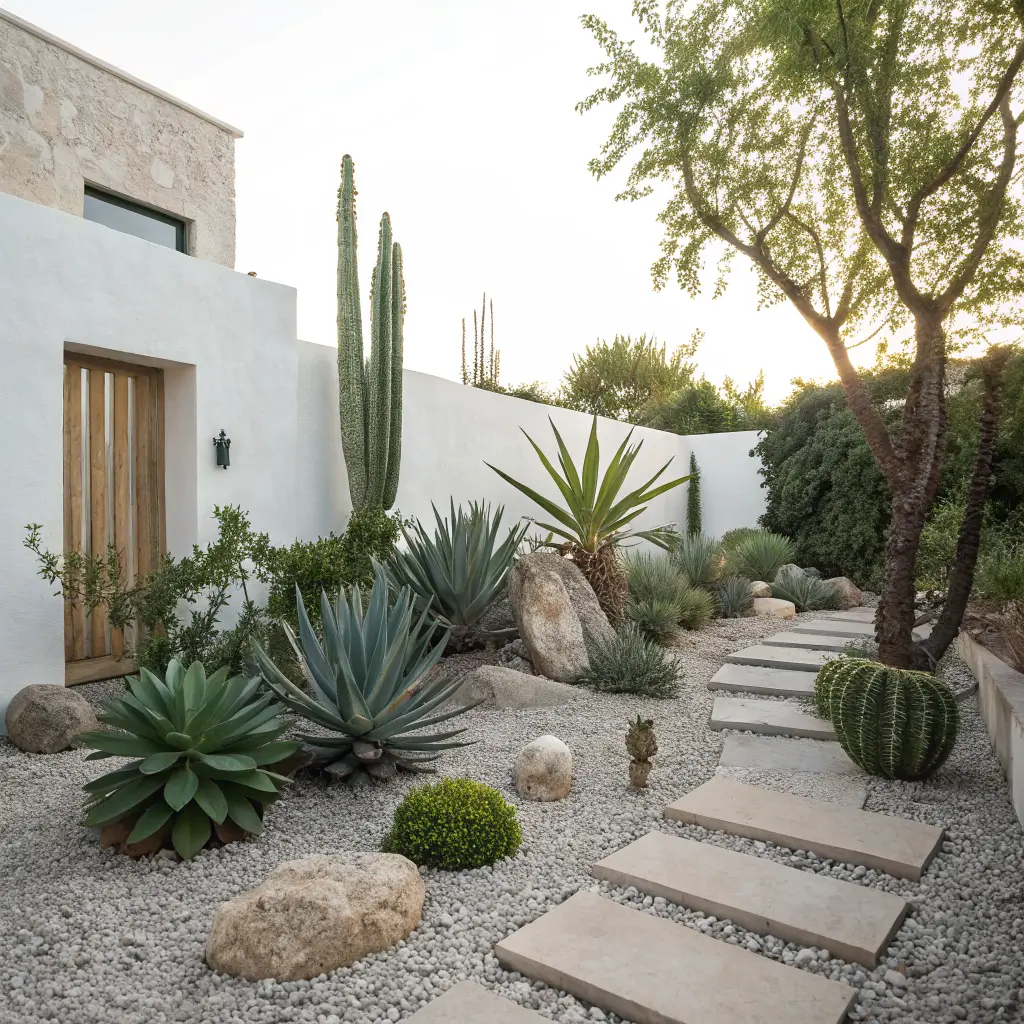
Here’s where Mediterranean garden design gets really smart: drought-tolerant plants that look stunning while requiring minimal water. It’s like having your cake and eating it too, except the cake is a gorgeous garden that basically takes care of itself.
I converted a problem area of my yard – a steep slope that was impossible to irrigate properly – into a succulent Mediterranean garden. Two years later, it’s the most low-maintenance section of my landscape, and it looks incredible year-round.
Top drought-tolerant plants for this style:
• Agave and aloe varieties: Architectural focal points
• Sedum groundcovers: Colorful, spreading textures
• Mediterranean herbs: Lavender, rosemary, sage
• Ornamental grasses: Fountain grass, Mexican feather grass
The design principle here is texture contrast. Pair spiky agaves with soft, mounding lavender. Combine silvery artemisia with dark green rosemary. Let sprawling thyme cascade over retaining walls while upright Mediterranean spurge adds vertical interest.
Water-wise tip: Even drought-tolerant plants need regular watering their first year while establishing. After that? You’ll wonder why you ever stressed about irrigation schedules :/
Also Read: 10 Amazing Tropical Garden Design Ideas For Dream Retreats
7. Arched Pergola Vine Covered Garden Space
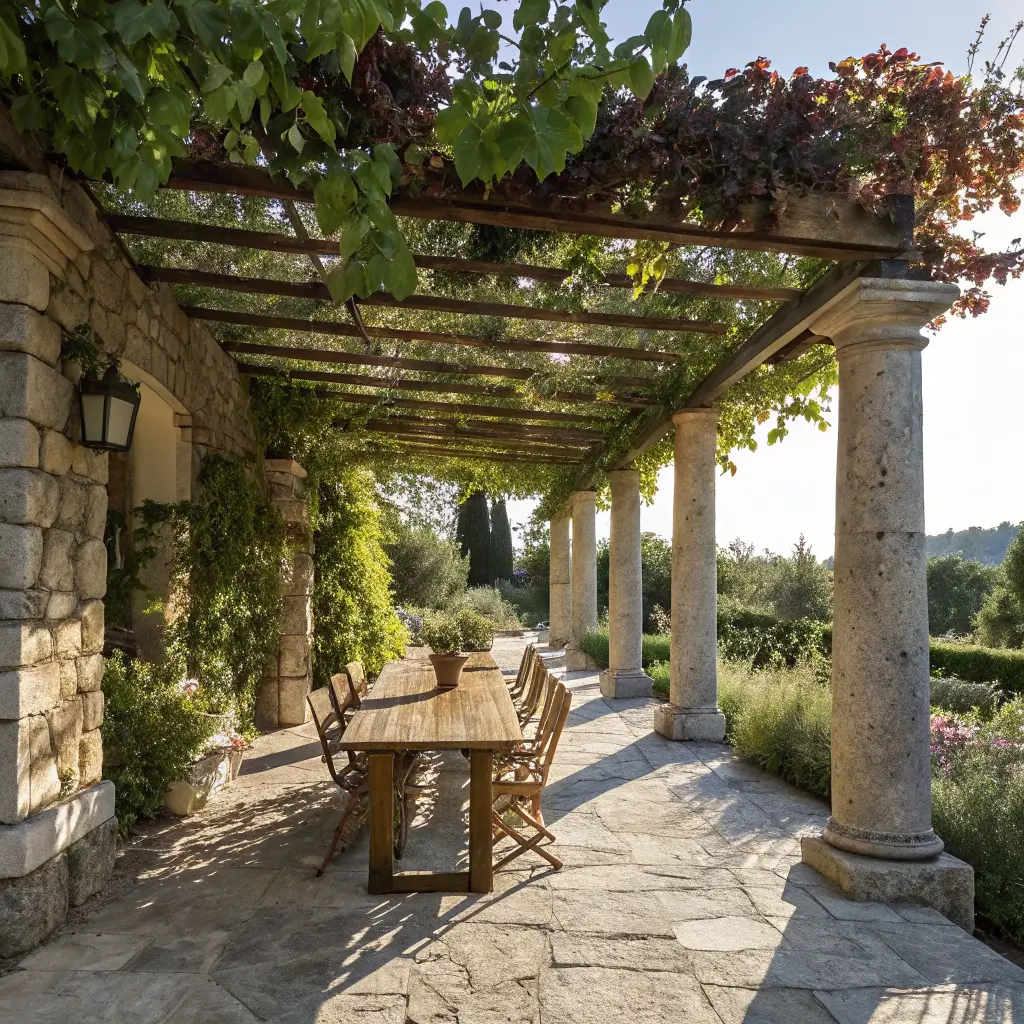
Want to add serious drama to your Mediterranean garden? An arched pergola covered in vines is like installing an outdoor cathedral. The dappled light, the sense of enclosure, the romantic overhead canopy – it’s basically garden magic.
I built a simple arched pergola last spring, and watching it transform as the vines fill in has been one of my favorite gardening experiences. There’s something deeply satisfying about creating living architecture.
Best Mediterranean vines for pergola coverage:
• Grapevines: Edible and beautiful, with gorgeous fall color
• Wisteria: Spectacular spring blooms (just be prepared to prune regularly)
• Jasmine: Incredible fragrance, especially in the evenings
• Bougainvillea: Vibrant colors and thorny enough to deter intruders
The pergola doesn’t have to be fancy – mine is basically lumber and galvanized hardware from the home improvement store. The vines do all the heavy lifting aesthetically. Start with a simple rectangular frame and add arched details as you gain confidence (or hire a carpenter if DIY isn’t your thing).
Timing matters: Plant your vines at least 3 feet from pergola posts to give them room to establish before they start their climbing journey.
8. Lemon Tree Mediterranean Backyard Garden
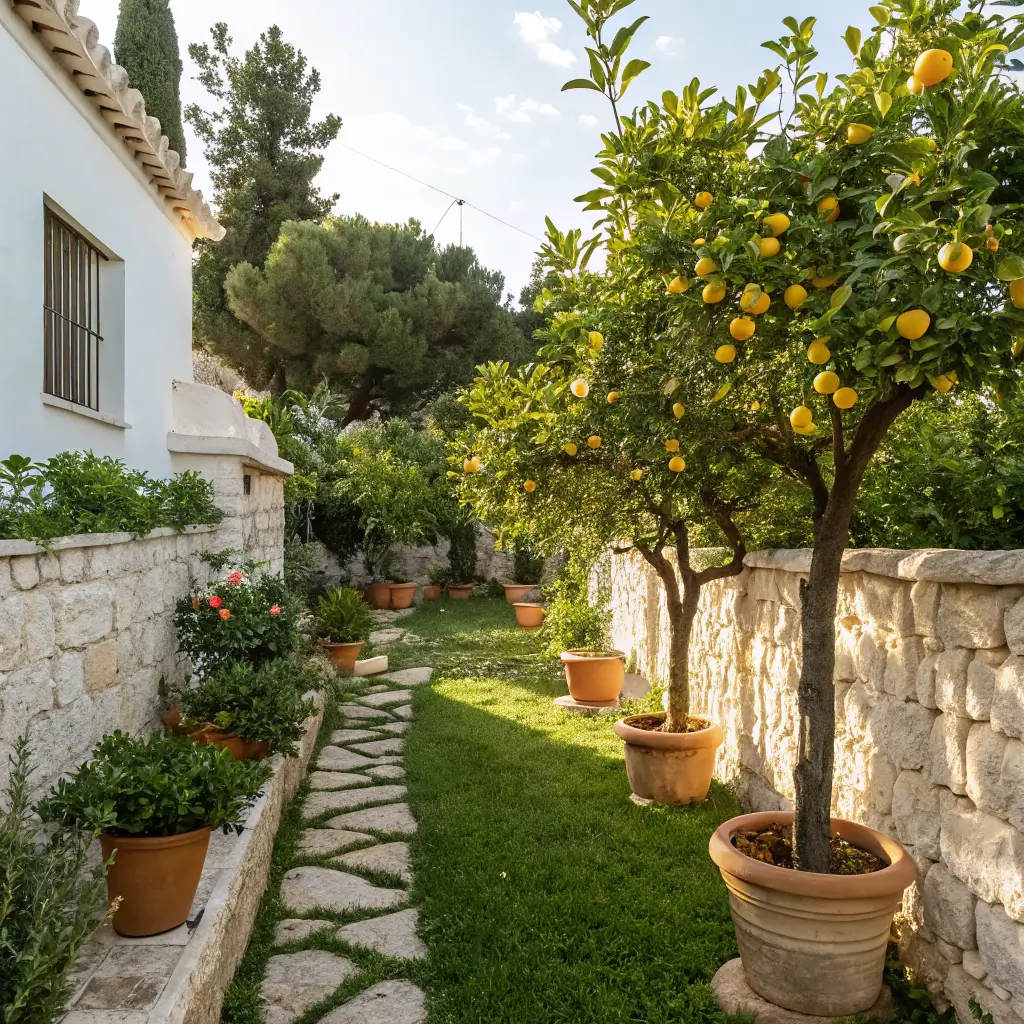
If I had to choose just one element that screams “Mediterranean garden,” it would be citrus trees. There’s something magical about having fresh lemons, oranges, or limes growing in your own backyard. Plus, the fragrant blossoms and glossy evergreen foliage look gorgeous year-round.
My Meyer lemon tree is probably my most prized garden possession. It’s planted in a sunny corner protected from harsh winds, and it produces enough fruit to keep me in fresh lemonade all summer (and homemade limoncello for special occasions).
Creating the perfect citrus garden environment:
• Full sun location: Citrus needs 6-8 hours of direct sunlight
• Wind protection: Plant near walls or use larger plants as windbreaks
• Well-draining soil: Raised beds or containers work beautifully
• Complementary plantings: Lavender, rosemary, and ornamental grasses
The design trick is treating your citrus tree as the star and building the rest of the garden around it. Use it as a focal point in your layout, then fill in with Mediterranean herbs and perennials that won’t compete for attention.
Climate reality check: If you live somewhere with harsh winters, consider dwarf citrus varieties in large containers that you can move to a protected location. IMO, the effort is totally worth it for fresh citrus in your backyard.
9. Minimalist Mediterranean Gravel Garden Design
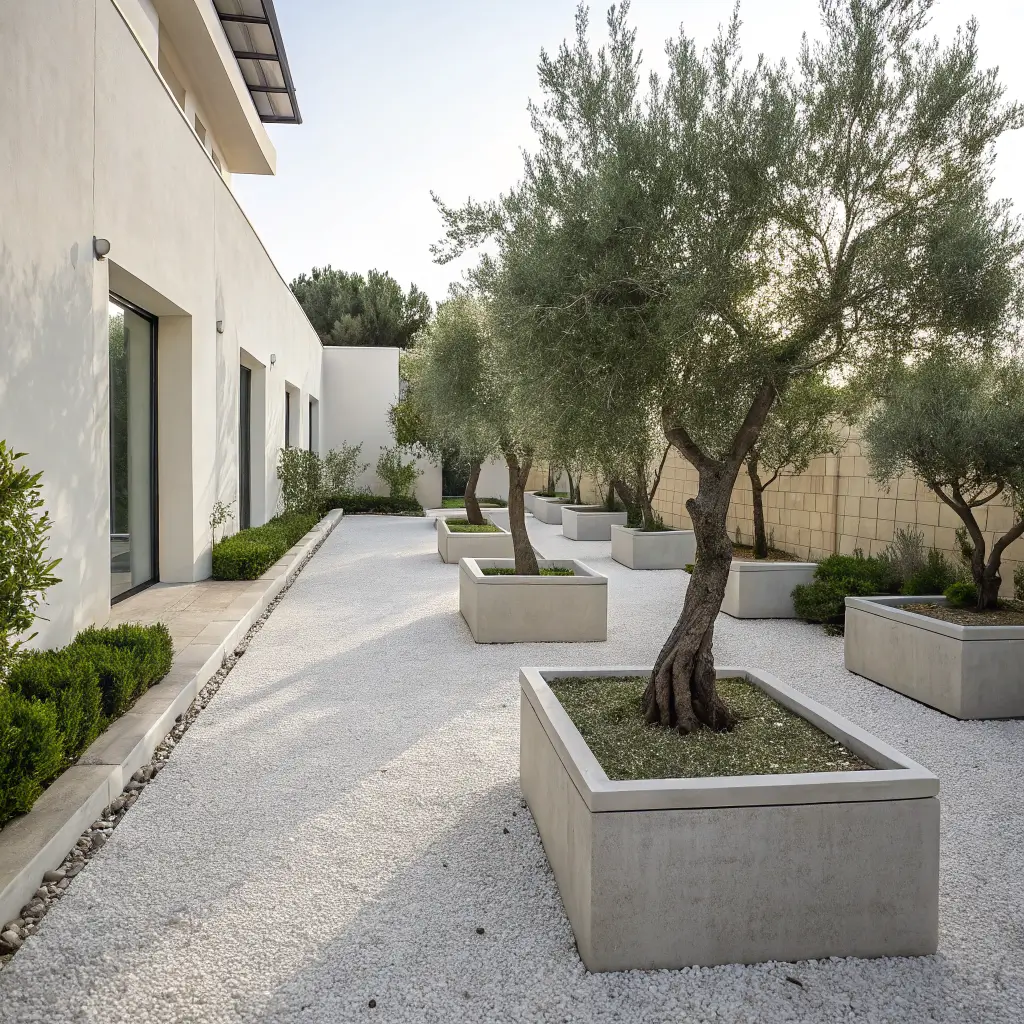
Sometimes the most stunning gardens are the simplest ones. A minimalist gravel garden captures the essence of Mediterranean landscapes – those gorgeous hillsides where aromatic plants emerge from rocky, sun-baked earth.
This style works incredibly well for modern homes or anyone who appreciates clean, uncluttered design. I created a small gravel garden in my front yard, and it’s become a conversation starter with neighbors who can’t figure out how something so simple looks so sophisticated.
Essential elements for minimalist Mediterranean gravel gardens:
• Neutral-toned gravel: Choose colors that complement your home’s exterior
• Carefully chosen focal plants: Quality over quantity is key
• Geometric hardscape elements: Simple paths, clean-lined planters
• Restrained color palette: Stick to silvers, grays, and muted greens
The secret to success here is restraint. Every plant should earn its place in the design. I use maybe six different plant varieties total, but I repeat them throughout the space to create rhythm and cohesion.
Plant suggestions: Silver-leafed plants like dusty miller and artemisia look stunning against gravel, while architectural plants like yucca or Mediterranean spurge provide structure and focal points.
Also Read: 10 Beautiful Backyard Garden Design Ideas for Cozy Living
10. Luxurious Poolside Mediterranean Landscape
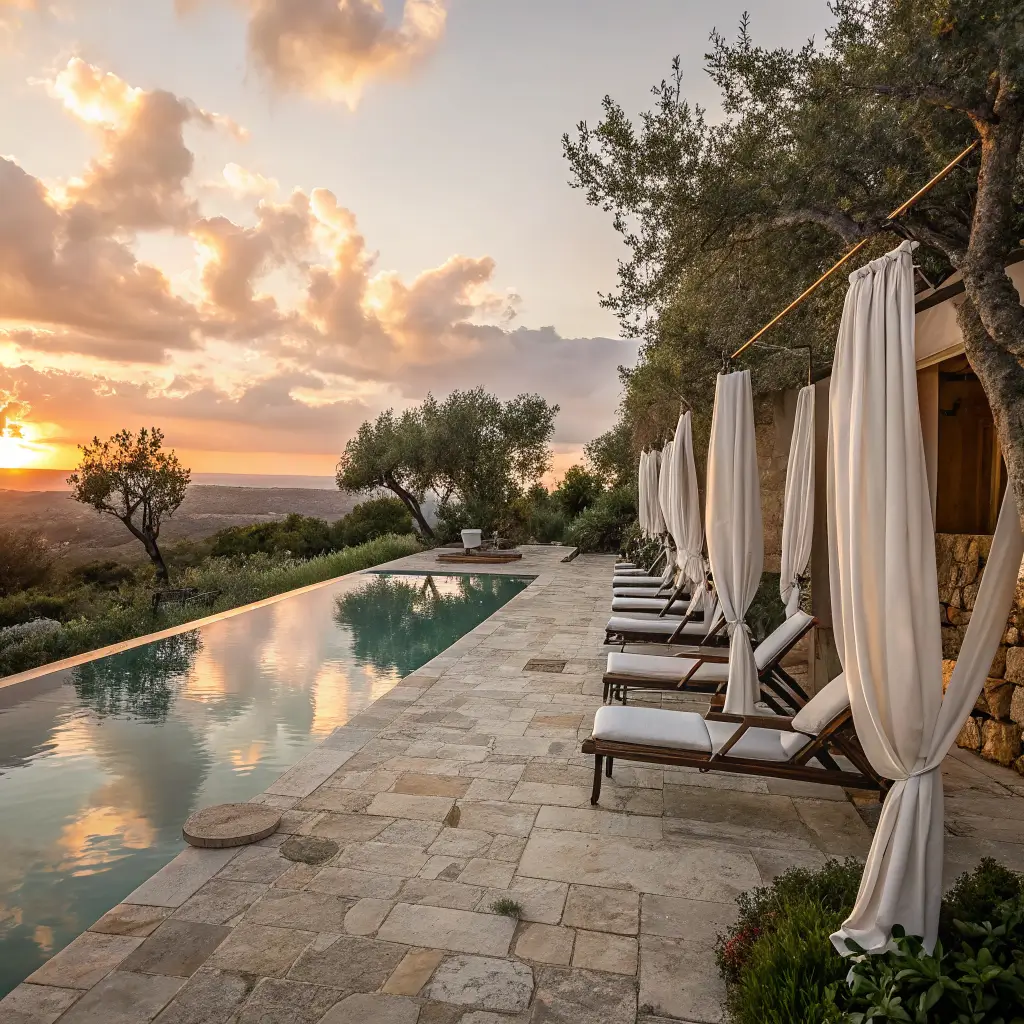
Ready to go full resort-style with your Mediterranean garden? A poolside Mediterranean landscape is the ultimate outdoor luxury – imagine floating in crystal-clear water surrounded by olive trees, lavender, and the gentle sound of a fountain.
I had the chance to design a poolside garden for friends last year, and it taught me a lot about balancing beauty with practicality around water features. The key is choosing plants that can handle pool chemicals, provide privacy without dropping too much debris, and look stunning reflected in the water.
Smart plant choices for poolside Mediterranean gardens:
• Non-shedding evergreens: Olive trees, Mediterranean fan palms
• Aromatic herbs: Rosemary, lavender (amazing scents while you swim)
• Architectural succulents: Agaves, aloes for dramatic focal points
• Ornamental grasses: Movement and texture without messy cleanup
Design tip: Create different “zones” around your pool. Use tall plants for privacy screening, medium-height shrubs for visual interest, and groundcover plants to soften hardscape edges. The goal is a seamless transition from water to garden.
Safety and maintenance matter too – avoid plants with thorns near walkways, and choose varieties that won’t constantly drop leaves or flowers into the pool. Your pool cleaner will thank you 🙂
Bringing It All Together
Creating a Mediterranean garden isn’t just about copying what you see in travel magazines (though let’s be honest, that’s pretty good inspiration). It’s about understanding the principles that make these gardens so appealing: sun-loving plants, natural materials, water-wise design, and that effortless connection between indoor and outdoor living.
The beauty of Mediterranean garden design is its adaptability. Whether you’re working with a tiny urban patio or a sprawling suburban yard, these ideas can be scaled and modified to fit your space and climate. Start small with a few terracotta pots and some lavender, then expand as you gain confidence and figure out what works in your specific conditions.
Remember, the best Mediterranean gardens develop character over time. Don’t stress about getting everything perfect right away – embrace the weathering, the patina, and the way plants naturally fill in spaces you never planned. Some of my favorite garden “mistakes” have become the most charming features.
So grab a glass of something refreshing, take a stroll through your outdoor space, and start planning your own Mediterranean escape. Trust me, once you experience the magic of harvesting fresh herbs while surrounded by the scent of lavender and the rustle of olive leaves, you’ll wonder why you waited so long to bring a little Mediterranean sunshine into your life.
Now, if you’ll excuse me, I need to go check on my lemon tree – I think I spotted some new buds forming, and that calls for a celebration with some homemade limoncello