10 Serene Zen Garden Design Ideas for Peaceful Retreat Spaces

You know that feeling when life gets a bit too hectic and you just need to hit the pause button? I’ve been there countless times, and honestly, creating my first zen garden was one of the best decisions I ever made.
There’s something almost magical about having a dedicated space where you can actually breathe and let your mind settle down.
Whether you’ve got a massive backyard or just a tiny corner in your apartment, these zen garden ideas will help you carve out that perfect slice of tranquility you’ve been craving.
Trust me, once you experience the calming effect of raking sand patterns or listening to gentle water trickling, you’ll wonder why you waited so long to create your own peaceful retreat.
1. Minimal Stone Path Zen Garden Retreat
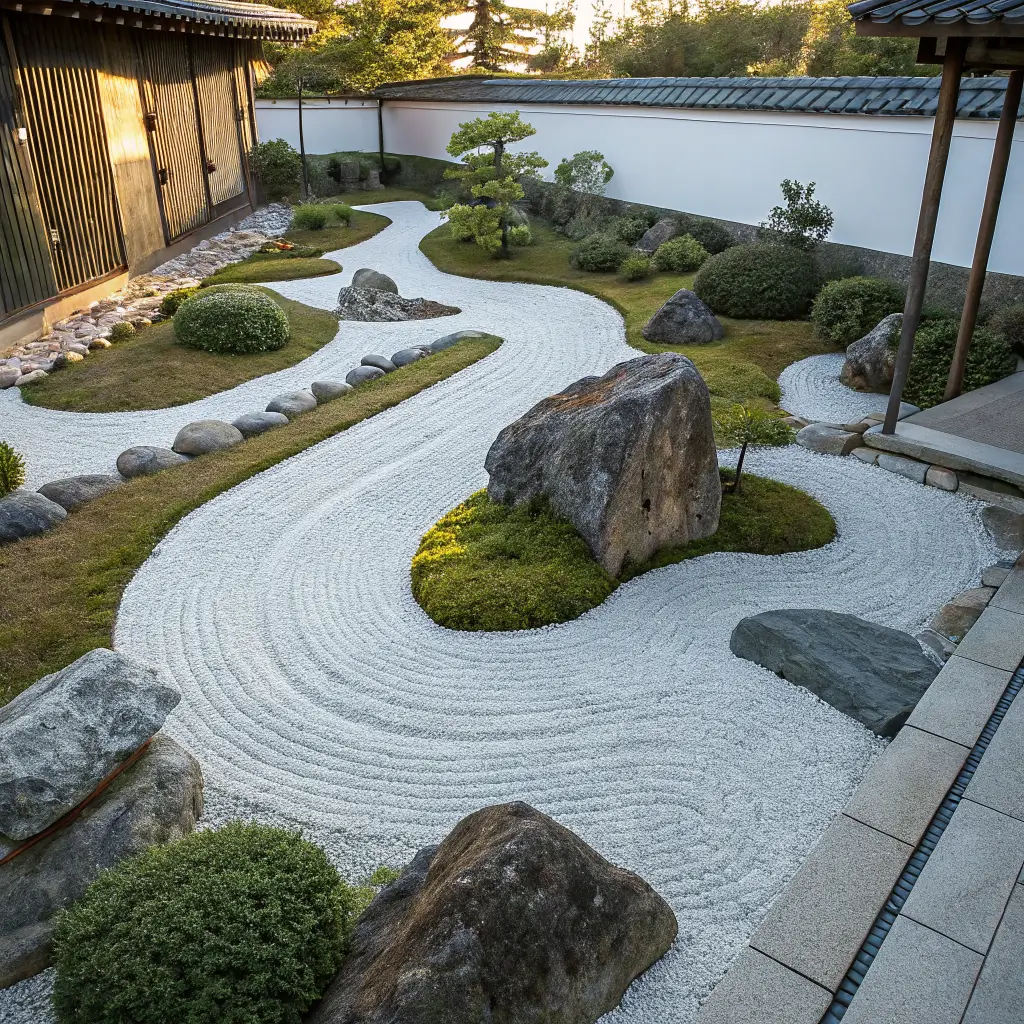
Let’s start with something that screams “less is more” – because honestly, isn’t that what zen is all about? A minimal stone path zen garden focuses on the beauty of simplicity, using carefully placed stones to create a walking meditation experience that’ll make your neighbors seriously jealous.
The magic happens in the selection and placement of your stones. I’ve learned that flat, smooth stepping stones work best for the actual path, while larger accent boulders can serve as focal points along the way. The key is creating a rhythm as you walk – not too close together that you’re taking baby steps, but not so far apart that you’re doing lunges either.
Creating Your Stone Path Layout
Want to know a secret? The best stone paths aren’t perfectly straight. Nature doesn’t do straight lines, and neither should your zen garden. I like to create a gentle curve that naturally draws the eye and encourages slow, mindful walking.
Start by laying out your stones without any mortar or cement – just place them on the ground and walk the path several times. Does it feel natural? Can you maintain a meditative pace? If you’re rushing or stumbling, adjust the spacing until it feels just right.
Pro tip: Use different sizes and textures of stones to add visual interest without breaking the minimalist vibe. River rocks, slate pieces, and weathered granite all work beautifully together.
The surrounding space should be kept deliberately simple. Think raked gravel, moss patches, or even just well-maintained grass. The stone path should be the star of the show, with everything else playing a supporting role.
2. Small Balcony Zen Meditation Corner
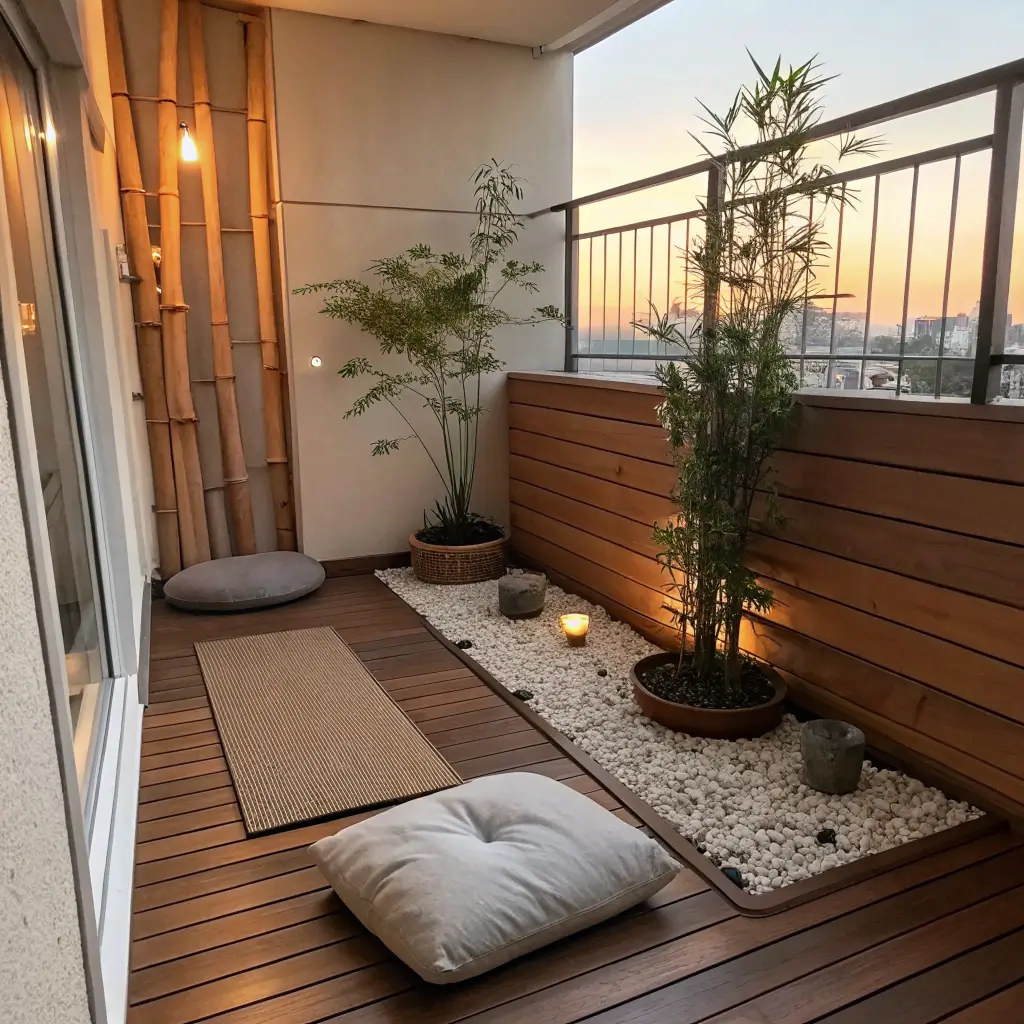
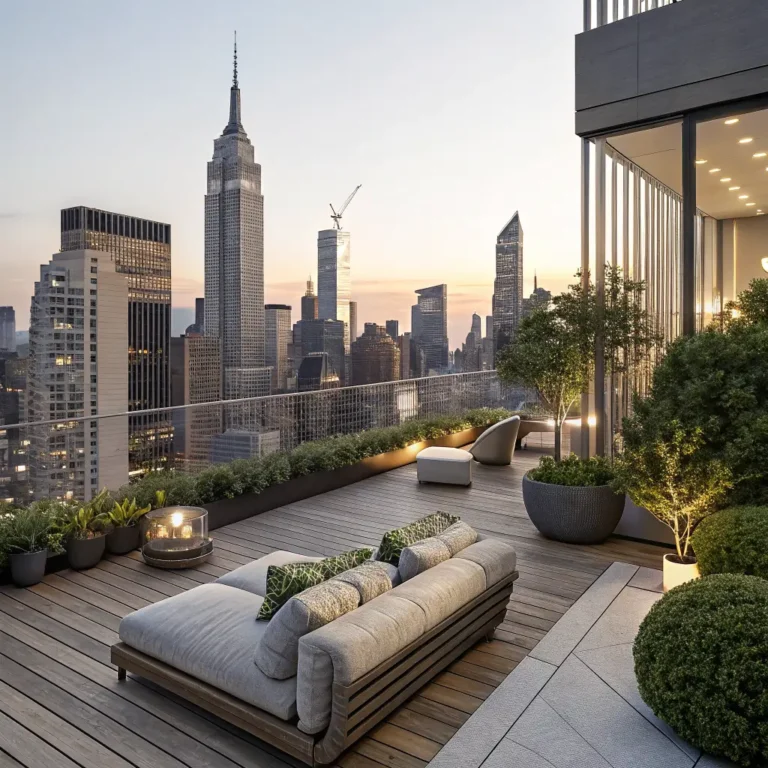
Living in an apartment doesn’t mean you have to give up on your zen garden dreams. I’ve seen some absolutely stunning balcony transformations that prove you can create serious tranquility in the tiniest spaces – and honestly, sometimes the size constraint actually forces you to be more creative.
The trick with balcony zen gardens is vertical thinking. Your floor space might be limited, but you’ve got walls and railings just begging to be part of your peaceful design. Wall-mounted planters with bamboo or ornamental grasses can create natural privacy screens while adding that essential green element.
Maximizing Your Tiny Space
Start with a small wooden platform or even a large, shallow ceramic tray that can hold your mini zen elements. I’m talking about a tabletop-sized sand garden where you can actually rake patterns – it’s surprisingly meditative, and the soft sound of the rake against sand works wonders for stress relief.
Add a small cushion or meditation mat in one corner, and you’ve got yourself a proper meditation spot. The key is keeping everything proportional to your space. You don’t want oversized elements that make the area feel cramped.
Container plants are your best friend here. Dwarf bamboo, small Japanese maples, or carefully pruned bonsai trees can provide that natural zen aesthetic without overwhelming your limited square footage.
Ever tried string lights for ambient evening meditation? They’re not traditional, but they create this magical atmosphere when the sun goes down that’s absolutely perfect for unwinding after a long day.
3. Japanese Rock Garden with Sand Patterns
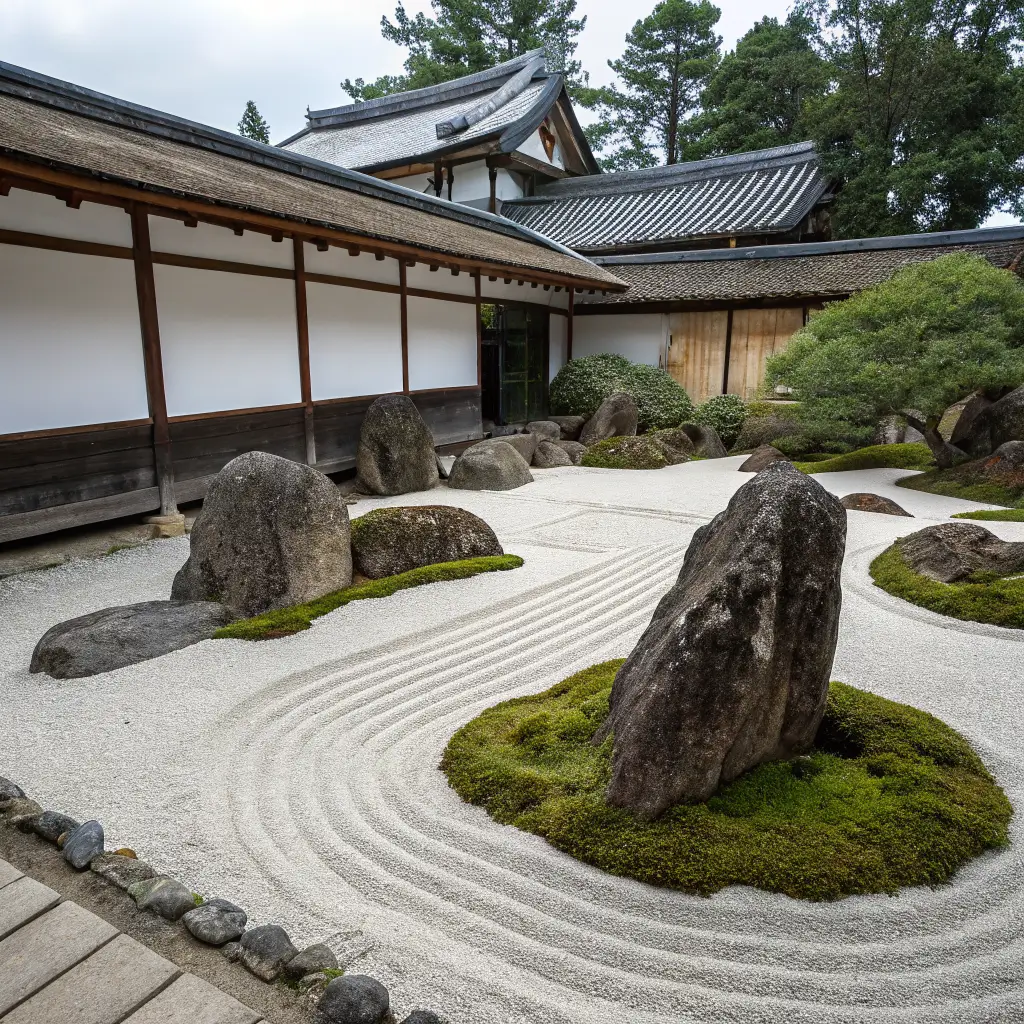
Now we’re talking about the classic – the type of zen garden that probably inspired your interest in the first place. Japanese rock gardens, or “karesansui,” are all about representing nature in its most abstract form. Think of it as landscape poetry where rocks become mountains and raked sand transforms into flowing water.
The beauty of these gardens lies in their symbolic representation rather than literal interpretation. Those carefully placed rocks aren’t just rocks – they’re islands in an ocean of sand, or peaks emerging from clouds. It’s pretty incredible how your mind starts to see these representations once you spend time with the garden.
The Art of Sand Raking
Here’s where things get really meditative. Raking sand patterns isn’t just about making pretty designs – it’s a moving meditation that requires focus and presence. I’ve spent countless early mornings creating parallel lines, spirals, and wave patterns, and there’s something deeply satisfying about the repetitive motion.
Different rake techniques create different moods:
- Straight, parallel lines suggest calm water or peaceful energy flow
- Circular patterns around rocks represent ripples from dropped stones
- Curved, flowing lines mimic natural water movement
- Intersecting patterns can represent the complexity of life
The sand itself matters more than you might think. Fine, light-colored sand works best – avoid anything too coarse or dark that won’t hold the rake patterns well. River sand or specially designed zen garden sand gives you those crisp, clean lines that make the patterns really pop.
Don’t stress about making it perfect, though. The whole point is the process, not the end result. Some days my patterns look like masterpieces, other days they look like my cat decided to help – and that’s totally okay 🙂
Also Read: 10 Amazing Tropical Garden Design Ideas For Dream Retreats
4. Bamboo Water Fountain Zen Space
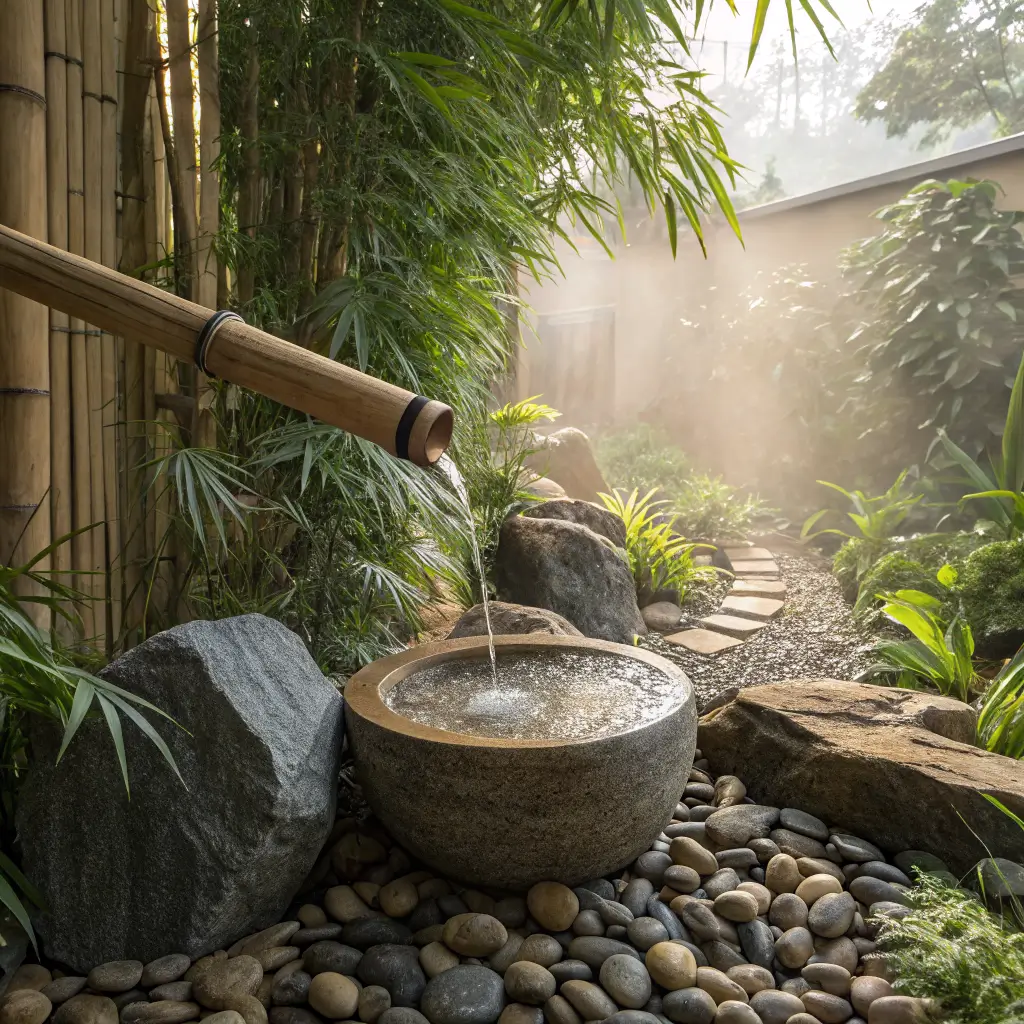
Water features take zen gardens to a whole different level. There’s something about the sound of gently flowing water that just melts stress away – it’s like nature’s own white noise machine, but infinitely more soothing.
Bamboo fountains are particularly special because they combine natural materials with functional beauty. The hollow bamboo tubes create this distinctive, almost musical sound as water flows through them. It’s rhythmic and hypnotic in the best possible way.
Choosing the Right Water Feature
You’ve got several bamboo fountain options, and honestly, each one brings its own personality to the space. Shishi-odoshi (the traditional bamboo deer scare) creates periodic sounds as it fills and tips, while continuous flow designs provide steady, gentle water sounds.
The placement of your fountain is crucial. You want it visible from your primary sitting or meditation area, but not so close that it becomes overwhelming. Water should enhance the peaceful atmosphere, not dominate it.
Installation considerations you’ll want to think about:
- Power source for the pump (solar options work great for eco-friendly setups)
- Water circulation system to prevent stagnation
- Winter protection if you live somewhere that freezes
- Regular maintenance access for cleaning
I’ve found that combining bamboo fountains with surrounding bamboo plants creates this incredible natural sound chamber. The rustling leaves complement the water sounds perfectly, especially on breezy days.
5. Indoor Zen Garden Coffee Table Design
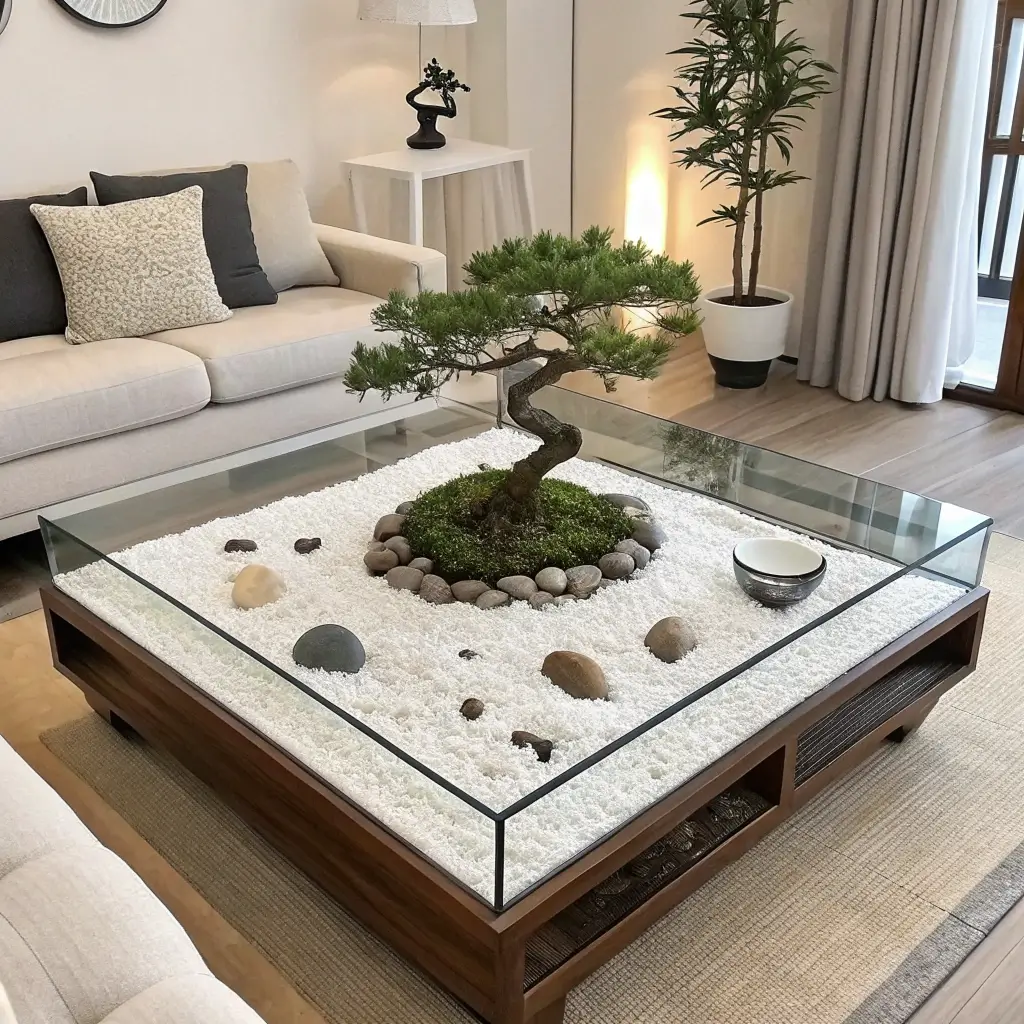
Who says zen gardens have to be outside? Some of my most peaceful moments have happened with a miniature zen garden right in my living room. Coffee table zen gardens bring that meditative energy into your daily indoor routine, and they’re perfect for those moments when you need a quick mental reset.
The compact size actually works in your favor here. You’re creating a contained universe of calm that fits perfectly into modern living spaces. Plus, there’s something wonderfully ironic about raking tiny sand patterns while binge-watching your favorite shows – it’s the ultimate multitasking relaxation.
Designing Your Tabletop Sanctuary
Start with a shallow wooden tray – something with raised edges to contain your sand and elements. The size should fit comfortably on your coffee table while leaving room for, you know, actual coffee 🙂
Essential elements for your indoor garden:
- Fine white or light gray sand (enough for a layer about half an inch deep)
- Small rake or mini zen garden tool set
- Carefully selected small stones or crystals
- Optional: tiny figurines, candles, or air plants
The beauty of indoor zen gardens is their flexibility. You can completely change the design whenever inspiration strikes. Monday morning calls for simple, parallel lines? Go for it. Friday evening feeling creative? Time for some elaborate spiral patterns.
Keep a small brush handy for maintenance – indoor gardens don’t have wind to help reset the sand, so you’ll occasionally need to smooth everything out and start fresh.
6. Courtyard Zen Garden with Lantern Lighting
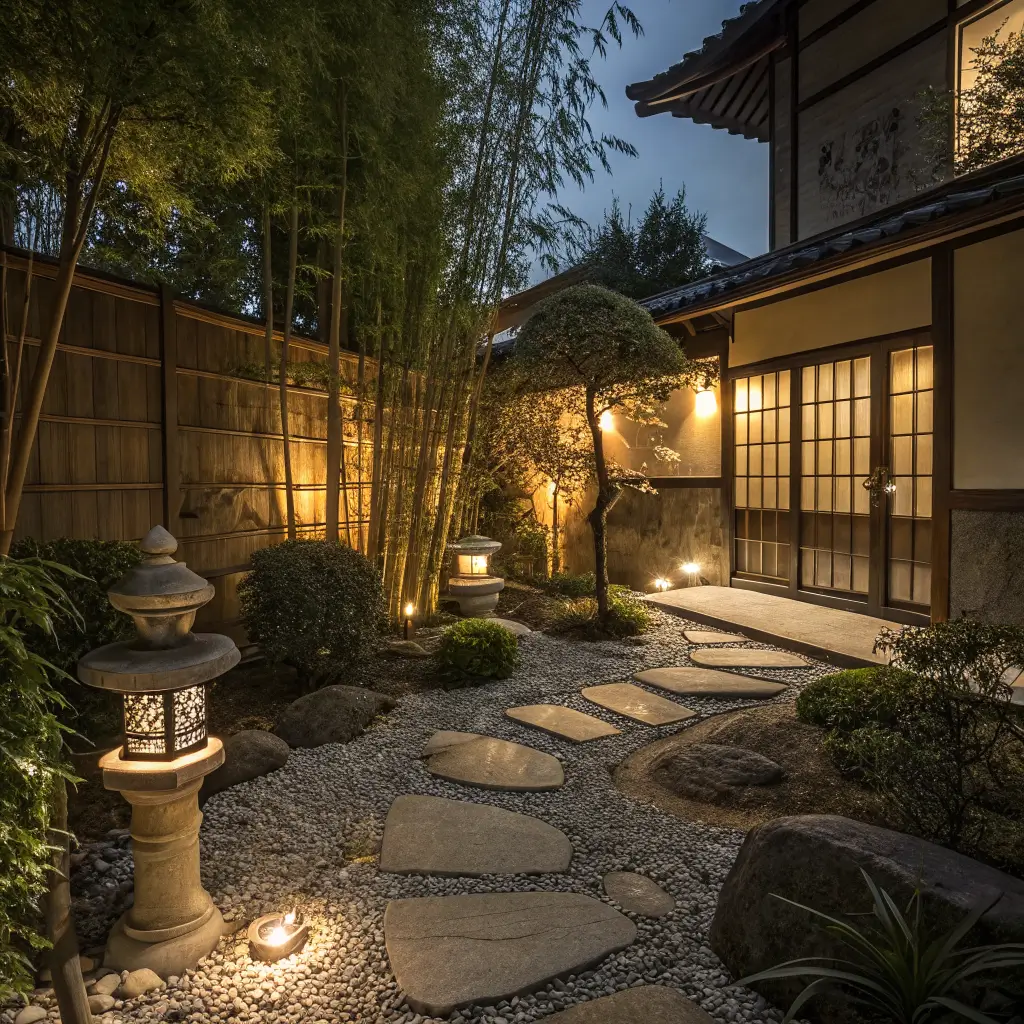
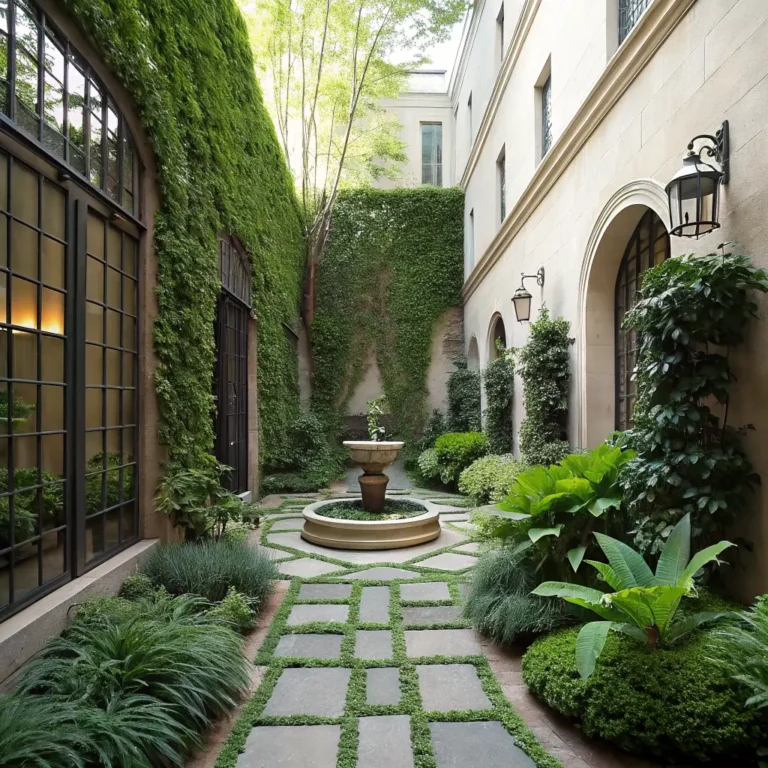
Courtyards offer this amazing opportunity to create an enclosed zen sanctuary that feels separate from the outside world. Add some carefully placed lanterns, and you’ve got a space that’s equally magical during the day and absolutely enchanting at night.
I’m particularly fond of courtyard designs because they create this sense of intimate enclosure without feeling claustrophobic. The walls provide natural boundaries for your zen space while offering opportunities for vertical elements like climbing plants or wall-mounted water features.
Lighting That Enhances Rather Than Dominates
The key with lantern lighting is subtlety. You’re not trying to light up a sports stadium here – you want soft, warm illumination that enhances the peaceful atmosphere. Traditional Japanese stone lanterns are gorgeous, but modern LED versions give you better control over brightness and energy efficiency.
Strategic lantern placement ideas:
- Along pathways to guide gentle evening walks
- Near water features to create beautiful reflections
- Beside seating areas for reading or quiet contemplation
- As focal points among plantings or rock arrangements
Solar-powered lanterns have come a long way in recent years. The ones with warm white LEDs can create this amazing ambiance without any wiring hassles. Just make sure they get enough daytime sun to charge properly.
The interplay between light and shadow becomes part of the garden’s design. Watch how the light moves across your space throughout the evening – those shifting patterns add another layer of visual interest that changes constantly.
Also Read: 10 Beautiful Backyard Garden Design Ideas for Cozy Living
7. Dry Landscape Zen Garden with Gravel Waves
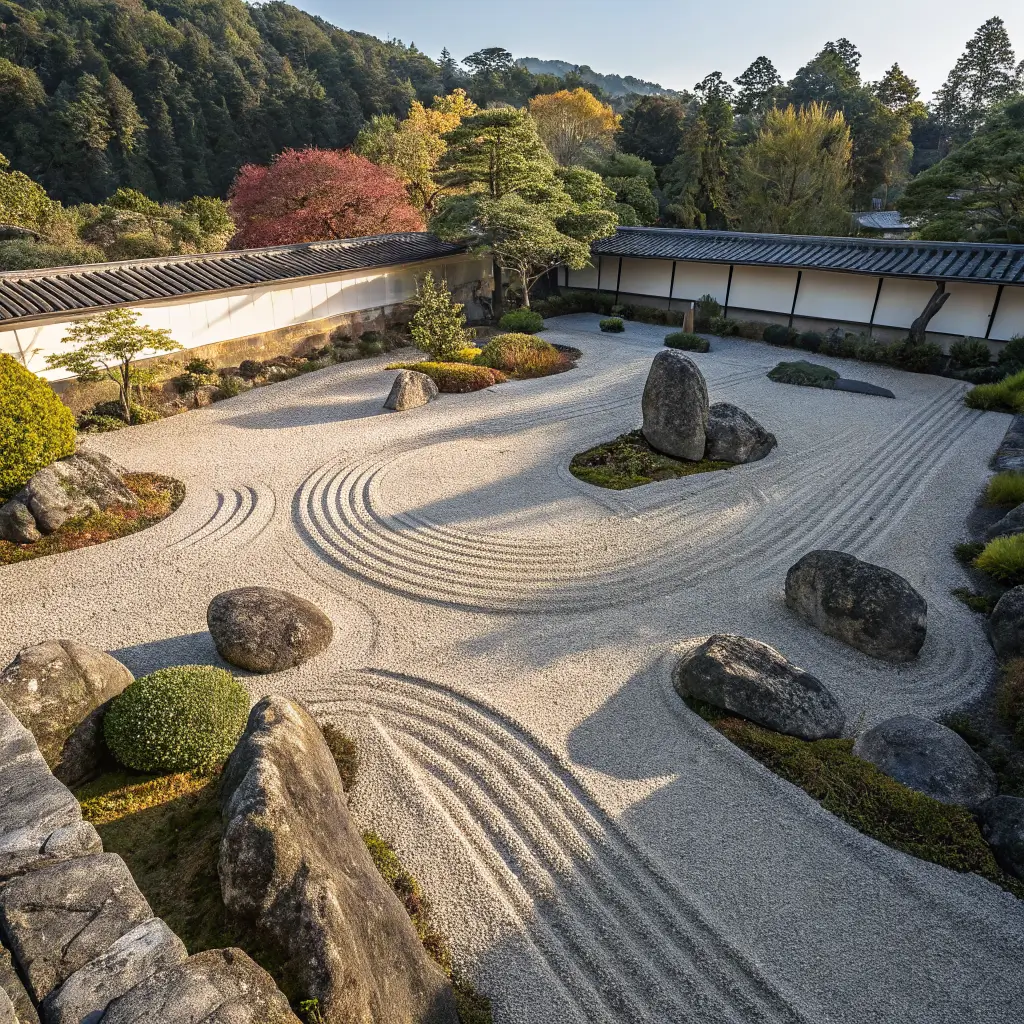
Dry landscapes, or “karesansui,” represent some of the most sophisticated zen garden designs. These spaces use rocks, gravel, and carefully planned negative space to create flowing, wave-like patterns that suggest water without using a single drop.
The gravel waves technique involves creating undulating patterns with different sized stones that catch light and shadow differently throughout the day. It’s like having a constantly changing artwork in your outdoor space – nature provides the lighting changes, and your design provides the canvas.
Creating Natural Flow Patterns
The secret to convincing gravel waves lies in understanding how real water moves. Spend some time watching actual waves, streams, or even water flowing down your driveway after rain. Notice how the movement isn’t uniform – there are areas of turbulence, calm zones, and natural rhythm patterns.
Gravel size variations create depth and movement:
- Larger stones (1-2 inches) for wave crests and dramatic areas
- Medium gravel (½ inch) for transition zones
- Fine gravel or coarse sand for calm water representations
- Strategic placement of accent rocks as focal points or obstacles that create flow patterns
The installation process is pretty therapeutic in itself. You’ll spend hours arranging and rearranging stones until the flow feels natural. Don’t rush this part – the meditative quality of the final garden depends on getting these patterns right.
Maintenance involves periodic re-raking to maintain clean lines and removing any debris that disrupts the flow patterns. It’s actually quite relaxing work that becomes part of your regular zen practice.
8. Modern Minimal Zen Garden with Moss Accents
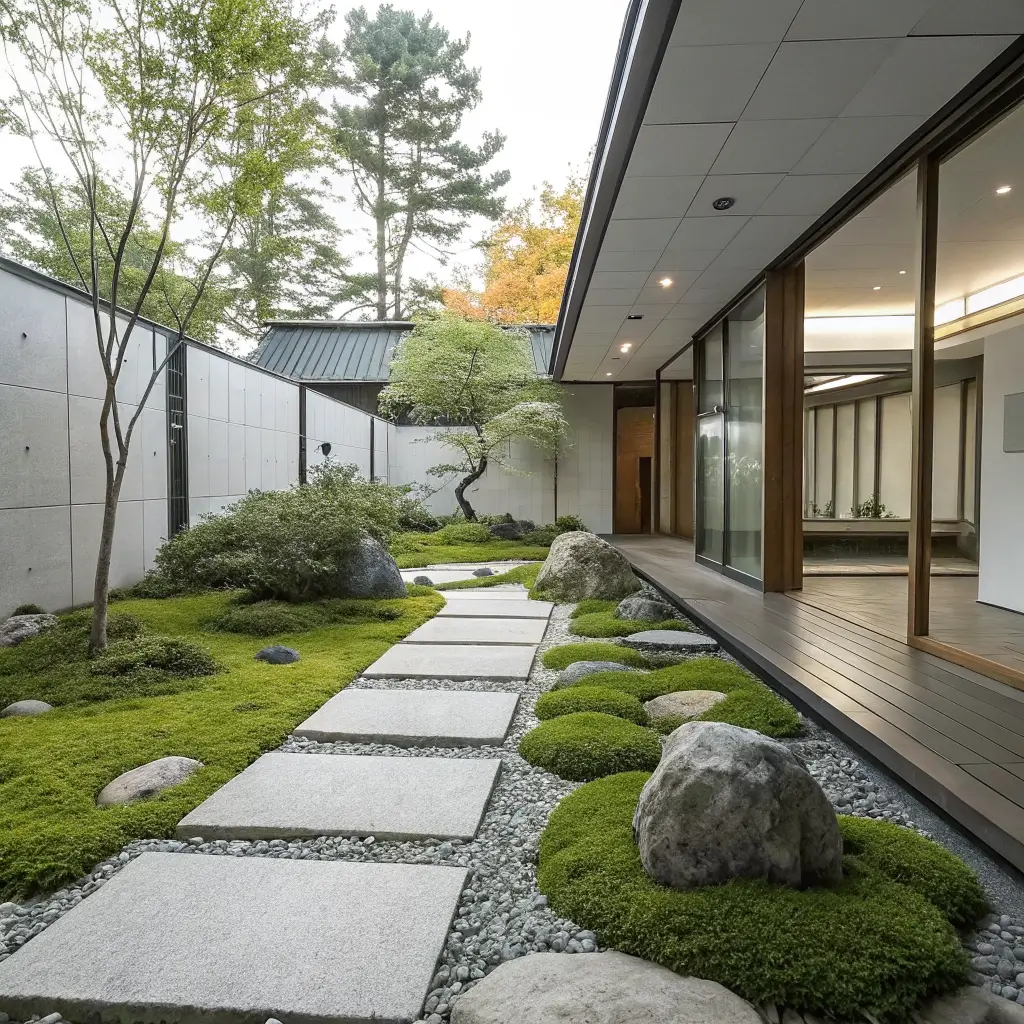
Sometimes traditional zen gardens can feel a bit formal for contemporary spaces. That’s where modern minimal designs shine – they take the essential principles of zen landscaping and adapt them for current aesthetic preferences. Moss accents add this incredible softness that perfectly balances harder stone and gravel elements.
I love how moss brings life and subtle color variation to minimal designs without overwhelming the simplicity. Plus, there’s something really satisfying about cultivating these little green patches – it’s like being a miniature landscape artist working with living paint.
Working with Moss Successfully
Moss isn’t as mysterious as people think, but it does have specific preferences:
- Prefers partial to full shade
- Needs consistent moisture but not waterlogged conditions
- Grows best on slightly acidic surfaces
- Benefits from good air circulation
You can either encourage existing moss to spread or introduce new moss varieties to your space. Sheet moss works great for larger areas, while cushion moss creates interesting textural accents around rocks and in crevices.
The modern minimal approach means restraint is everything. Choose one or two moss varieties rather than trying to create a botanical collection. Let the moss naturally define certain areas while leaving plenty of clean, open space for the eye to rest.
Combining moss with contemporary materials like weathered steel planters, concrete pavers, or modern outdoor furniture creates this beautiful tension between ancient zen principles and current design sensibilities.
9. Backyard Meditation Garden with Wooden Deck
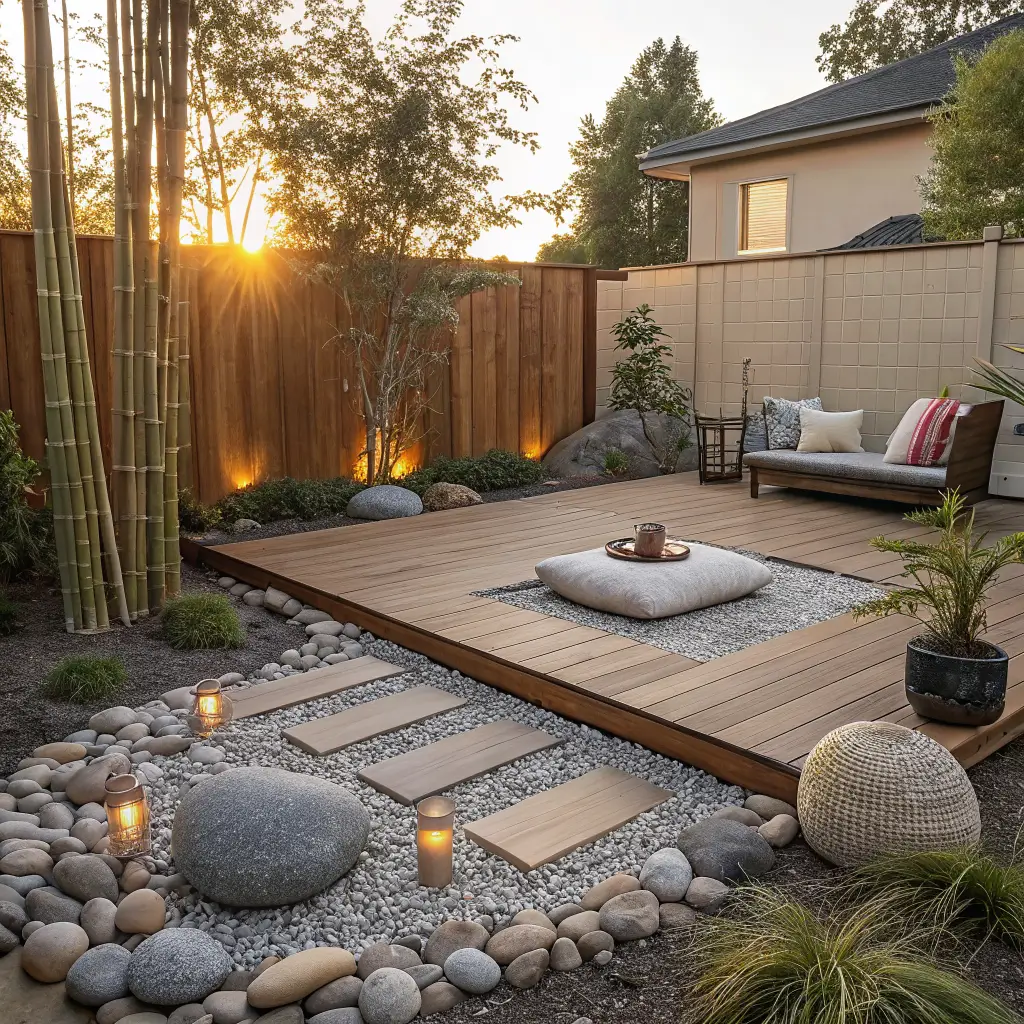
FYI, if you’ve got the space for a dedicated backyard meditation area, adding a wooden deck creates this perfect transition between your indoor and outdoor zen experiences. The raised platform gives you a clean, comfortable surface for meditation while maintaining that important connection to the natural elements around you.
Wooden decks work particularly well in meditation gardens because wood is inherently calming. The natural grain patterns, warm color tones, and organic texture complement zen garden principles perfectly. Plus, the slight elevation gives you better views of your surrounding garden elements.
Deck Design for Meditation
Keep the deck design simple and functional. You’re not building an entertainment space here – you want a platform that supports quiet contemplation and meditation practice. Natural wood finishes work better than painted surfaces, and simple rectangular or square shapes integrate more easily with zen aesthetics.
Consider these deck features for enhanced meditation:
- Built-in storage benches for cushions and meditation supplies
- Integrated planters for bamboo or other screening plants
- Simple privacy screens or partial enclosures
- Weather-resistant storage for meditation cushions
The surrounding landscape should flow naturally from the deck. Create pathways that connect your meditation platform to other garden areas, and use plantings that provide gentle screening without complete isolation.
Weather protection doesn’t have to be elaborate. A simple sail shade or strategically planted trees can provide enough coverage for comfortable outdoor meditation in various conditions.
Also Read: 10 Stunning Modern Garden Design Ideas for Dream Homes
10. Zen Garden with Koi Pond Serenity Design
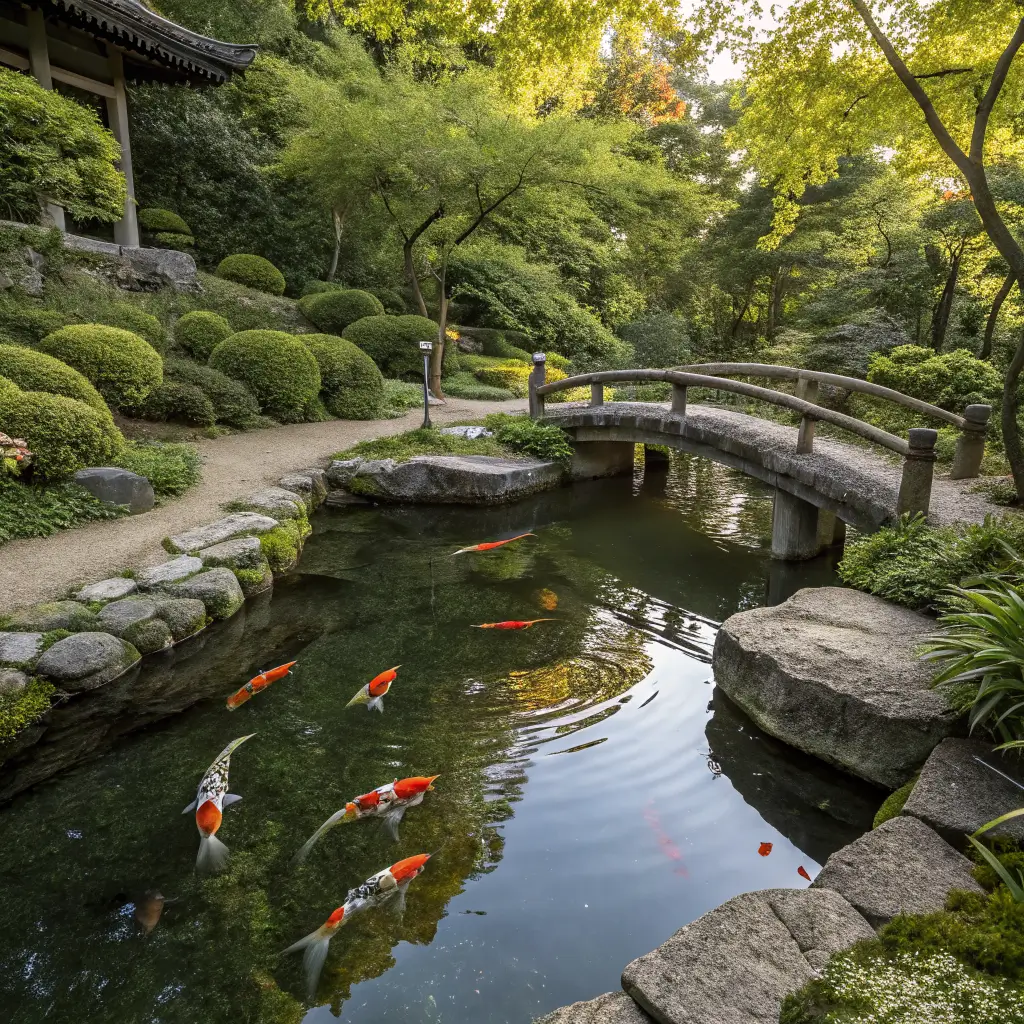
Let’s end with something really special – combining zen garden principles with the living meditation that koi ponds provide. Watching koi swim is incredibly calming, and their gentle movements add this dynamic element that pure rock gardens can’t match.
The interaction between still zen elements and moving koi creates this beautiful balance. You’ve got the permanence and stability of rocks and gravel alongside the fluid, ever-changing patterns of swimming fish. It’s like having your own private nature documentary playing in your backyard.
Balancing Water Features with Zen Elements
The challenge with koi pond zen gardens is maintaining the meditative quality while accommodating the technical requirements of fish keeping. Filtration systems, pumps, and water chemistry monitoring aren’t exactly zen, but they’re necessary for healthy fish.
Design integration strategies:
- Hide filtration equipment behind plantings or decorative screens
- Use natural stone edges that blend with zen garden rocks
- Create shallow areas with gravel bottoms for easy maintenance access
- Design feeding areas that don’t disrupt the garden’s peaceful lines
The sound of water moving through your filtration system can actually enhance the zen atmosphere if planned correctly. Position water returns to create gentle currents and soft bubbling sounds rather than aggressive splashing.
Seasonal considerations become important with koi ponds. Winter preparations, spring cleaning, and summer heat management all require planning that maintains the garden’s serene appearance year-round.
Koi themselves become part of the meditation practice. Their slow, graceful movements and brilliant colors provide natural focal points for contemplation. There’s something deeply satisfying about sitting quietly and watching these living jewels move through their underwater zen garden.
Creating Your Perfect Zen Space
Whether you choose one of these designs or combine elements from several, remember that the best zen garden is the one you’ll actually use and maintain. I’ve seen elaborate installations that looked amazing but never got used because they felt too precious to disturb.
Your zen garden should feel like a natural extension of your daily routine, not a museum exhibit you’re afraid to touch. Start simple, see how you use the space, and evolve the design based on what actually brings you peace and tranquility.
The most important element in any zen garden isn’t the rocks, sand, or water features – it’s your presence and intention. These designs just provide the framework for your own journey toward greater calm and mindfulness. And honestly, once you experience the profound peace that comes from having your own zen sanctuary, you’ll understand why this ancient practice has remained relevant for thousands of years.
So grab a rake, arrange some stones, and start creating your personal retreat from the chaos of modern life. Your future, more centered self will thank you for it.