10 Creative Home Garden Design Ideas for Cozy Living

You know that feeling when you walk past someone’s house and stop dead in your tracks because their garden is just chef’s kiss? Yeah, I’ve been there too, standing on the sidewalk like some kind of garden stalker, wondering how they managed to turn their outdoor space into something straight out of a magazine.
The thing is, creating an amazing home garden doesn’t require a degree in landscape architecture or a trust fund.
After years of trial, error, and way too many dead plants (RIP to my succulents that somehow drowned), I’ve figured out what actually works. Whether you’re dealing with a tiny balcony or blessed with acres of land, there’s a garden design that’ll fit your space and your sanity.
Ready to transform your outdoor area from “meh” to “magnificent”? Let’s explore ten garden design ideas that’ll have you actually wanting to spend time outside instead of just staring at it through your window.
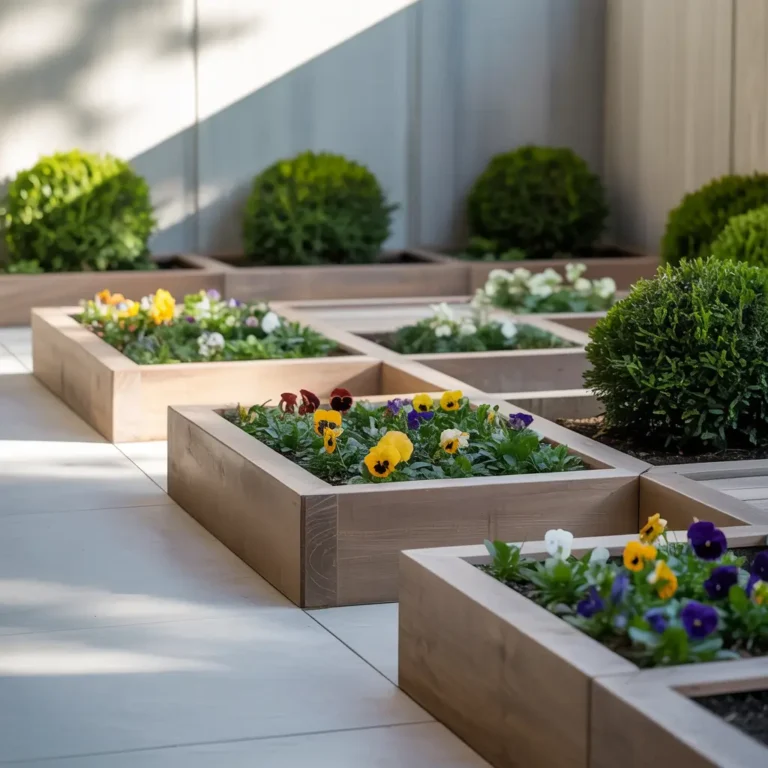
Modern Minimalist Home Garden Layout
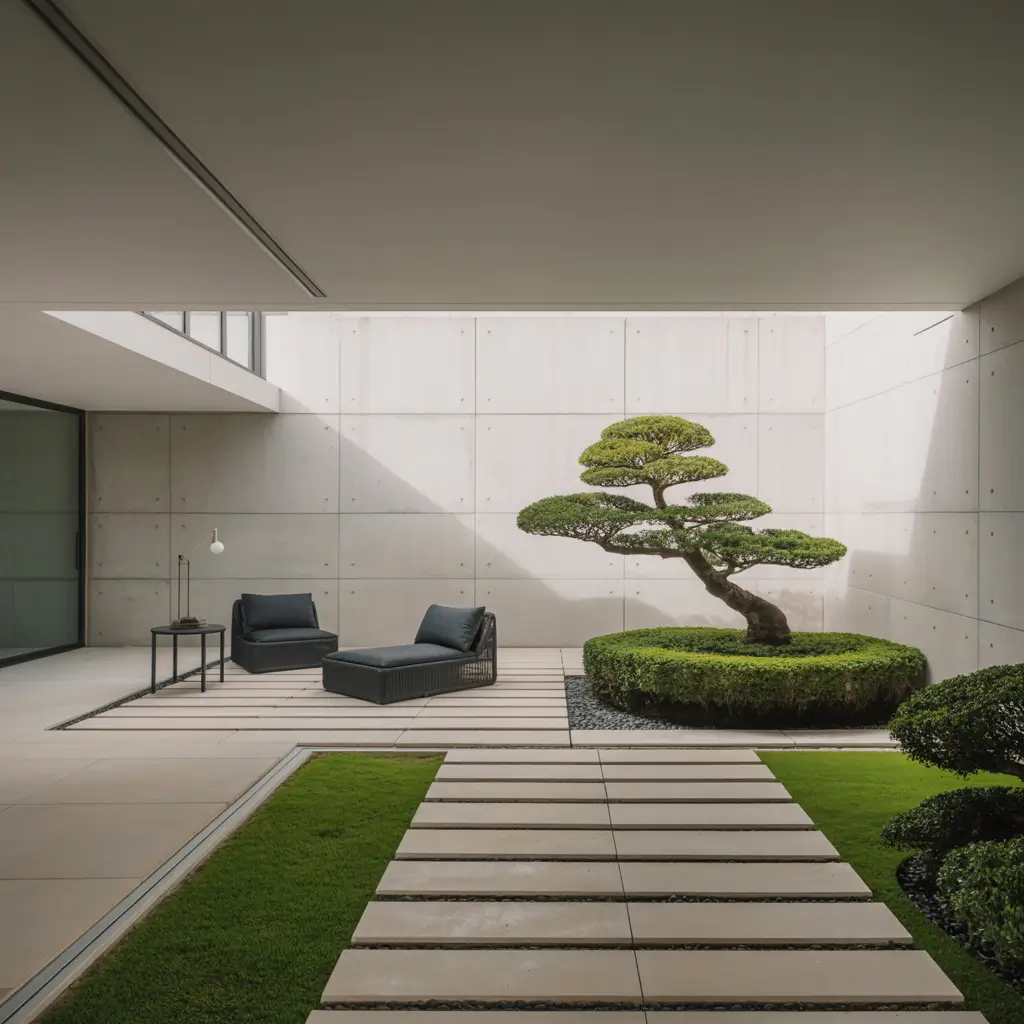
Ever notice how some gardens look incredibly sophisticated with what seems like barely any effort? That’s the magic of minimalist design – it’s like the Marie Kondo of outdoor spaces, but instead of sparking joy, everything just makes perfect sense.
The Beauty of Less is More
A modern minimalist garden focuses on clean lines, geometric shapes, and a carefully curated plant selection. Think of it as the garden equivalent of that friend who somehow looks effortlessly chic in a white t-shirt and jeans while you’re over here struggling to match your socks.
The key elements that make this style work include:
- Structured hardscaping with materials like concrete, steel, or natural stone
- Limited color palette focusing on greens, whites, and neutral tones
- Repetition of plants rather than a chaotic mix of everything at the garden center
- Strategic use of negative space because sometimes what you don’t plant is just as important
Making Minimalism Work for You
I’ll be honest – this style initially felt too stark for my taste. But after living with a cluttered garden that required more maintenance than a newborn, I started appreciating the zen-like quality of simplicity. You’ll spend less time weeding and more time actually enjoying your space.
Choose plants with strong architectural qualities like ornamental grasses, boxwood spheres, or sculptural agaves. Group plants in odd numbers and repeat the same species throughout the space for a cohesive look that doesn’t scream “I bought one of everything at the nursery.”
The hardscaping becomes your garden’s backbone here. Consider installing raised beds with clean concrete edges or creating pathways with large format pavers. Water features should be geometric – think rectangular reflecting pools rather than naturalistic ponds with fake rocks.
Small Space Vertical Home Garden Design
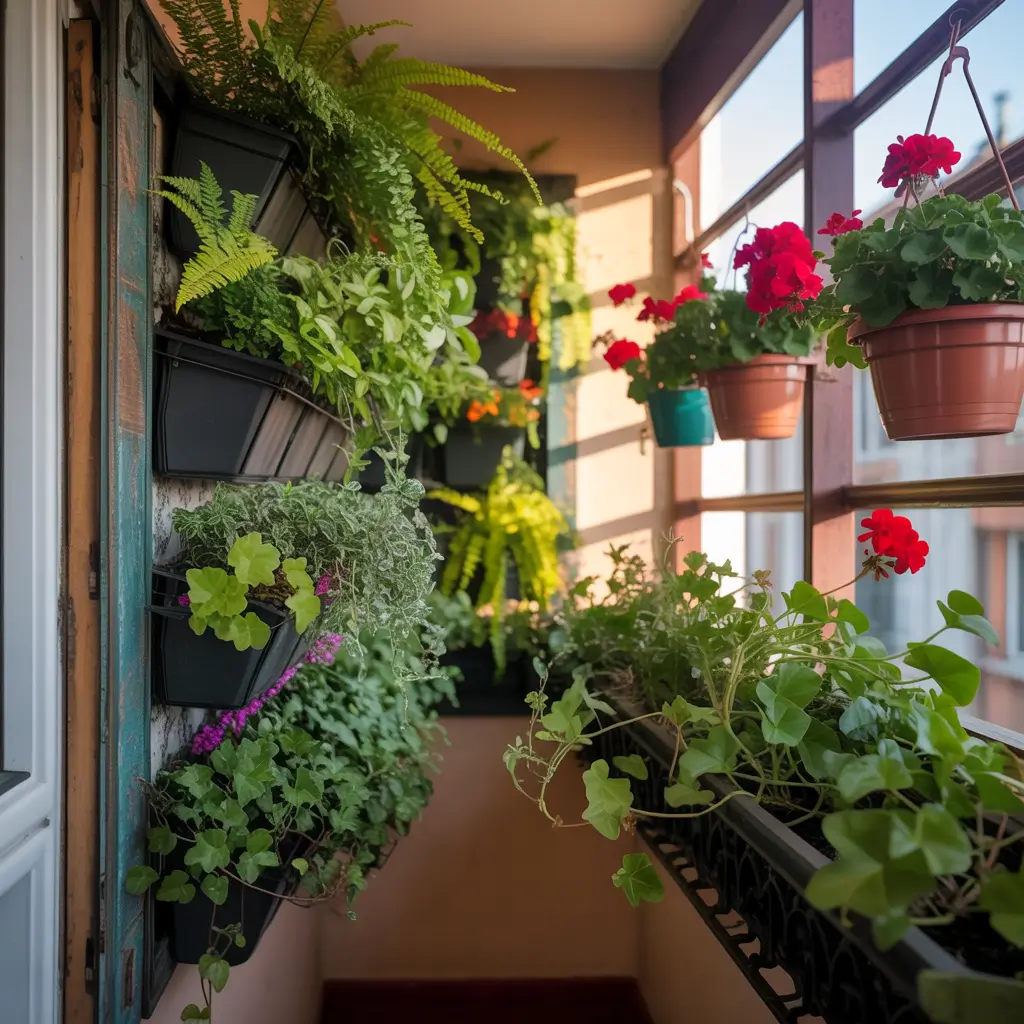
Who says you need a massive yard to have an impressive garden? Some of my favorite outdoor spaces belong to people who’ve mastered the art of thinking vertically. It’s like Tetris, but with plants and way more rewarding.
Maximizing Every Square Inch
Vertical gardening isn’t just about hanging a few planters on a wall and calling it a day. Strategic vertical design can triple your growing space while creating stunning visual impact that makes your small area feel larger and more lush.
The secret lies in layering different heights and textures:
- Wall-mounted planters at varying heights
- Trellises and climbing structures for vining plants
- Tiered plant stands that create depth
- Hanging baskets at different levels
Plant Selection That Actually Works
Not every plant loves living vertically, and I learned this the hard way after watching several expensive specimens literally fall off my wall. Choose plants based on their root systems and water requirements. Shallow-rooted herbs like basil and thyme thrive in vertical planters, while heavy feeders like tomatoes need deeper containers.
Succulents are your best friends here – they’re practically indestructible and look amazing cascading down walls. Combine different textures and colors with varieties like string of pearls, burro’s tail, and various echeveria types.
For edible gardens, consider compact varieties specifically bred for container growing. Cherry tomatoes, strawberries, and lettuce varieties work beautifully in vertical systems. FYI, the taste of a sun-warmed strawberry you grew yourself hits different than anything from the grocery store.
Making Maintenance Manageable
The biggest challenge with vertical gardens? Watering without creating a soggy mess below. Install a drip irrigation system if you’re serious about this, or choose plants with similar water requirements for each section.
Cozy Backyard Seating Garden Idea
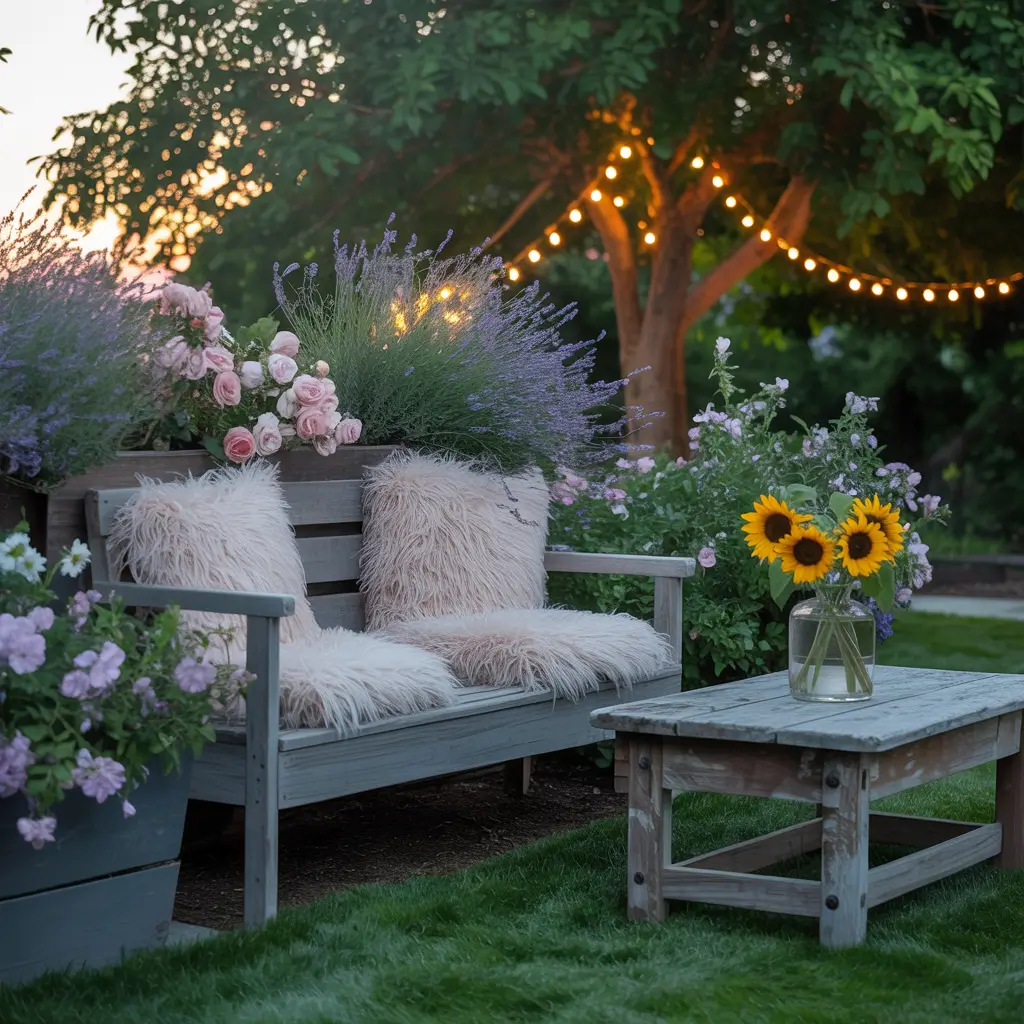
Picture this: it’s Friday evening, you’ve survived another week, and you want nothing more than to collapse somewhere beautiful with a cold drink. This is where a well-designed seating garden becomes your personal sanctuary.
Creating Intimate Outdoor Rooms
The best seating gardens feel like outdoor living rooms – spaces that naturally draw people in and make them want to stay. This isn’t about plopping a random bench in the middle of your lawn and hoping for the best.
Think about creating defined spaces using:
- Natural boundaries with hedges or ornamental grasses
- Overhead elements like pergolas or strategically placed trees
- Layered plantings that create privacy without feeling claustrophobic
- Multiple seating options for different moods and group sizes
Choosing the Right Spot
Not all areas of your yard are created equal for relaxation. Consider the sun patterns throughout the day – do you want morning coffee in gentle sunlight or evening wine in dappled shade? I made the mistake of placing seating in what seemed like the perfect spot until I realized it got blasted by afternoon sun, turning it into a human oven by 3 PM.
Wind patterns matter too. That lovely breeze might feel great on a hot day, but if it’s constantly blowing napkins off your table or making conversation difficult, it’s not ideal for a seating area.
Plants That Enhance the Experience
This is where sensory gardening really shines. Choose plants that engage multiple senses – lavender for its calming scent, ornamental grasses for the soothing sound they make in the breeze, and textural plants like lamb’s ear that people can’t help but touch.
Night-blooming plants like four o’clocks or evening primrose add magic to sunset gatherings. And if you’re into entertaining, nothing beats having fresh herbs within arm’s reach for cocktail garnishes. 🙂
Also Read: 10 Amazing Vegetable Garden Design Ideas for Modern Homes
Luxury Green Lawn Home Garden Setup

Okay, let’s talk about the elephant in the room – or should I say, the perfectly manicured lawn that makes your neighbors wonder if you have a secret groundskeeper hiding in your shed.
The Art of the Perfect Lawn
A luxury lawn isn’t just grass; it’s a canvas that showcases everything else in your garden. Think of it as the green carpet that makes your flower beds and landscape features pop like jewels on velvet.
But here’s the thing – achieving that country club look requires understanding what actually creates visual impact:
- Consistent mowing patterns that change weekly
- Crisp edge lines between grass and garden beds
- Healthy, thick turf that feels like walking on a cloud
- Strategic integration with hardscape elements
Beyond Basic Green
The most impressive lawn gardens use varied textures and levels to create interest. Consider incorporating gently rolling contours rather than perfectly flat expanses. Sunken seating areas surrounded by elevated lawn create dramatic visual depth.
Ornamental grass borders can soften the transition between formal lawn and wilder garden areas. I’ve seen incredible effects created by planting broad sweeps of fountain grass or feather reed grass that seem to flow into the traditional lawn space.
Maintenance Reality Check
Let’s be real – this look requires commitment. Weekly mowing, regular fertilizing, and consistent watering are non-negotiable. But if you’re someone who finds mowing meditative rather than torturous, this might be your calling.
Choose the right grass type for your climate and usage. Cool-season grasses like fescue work beautifully in northern areas, while warm-season varieties like Bermuda or Zoysia thrive in southern climates. The wrong choice will have you fighting nature instead of working with it.
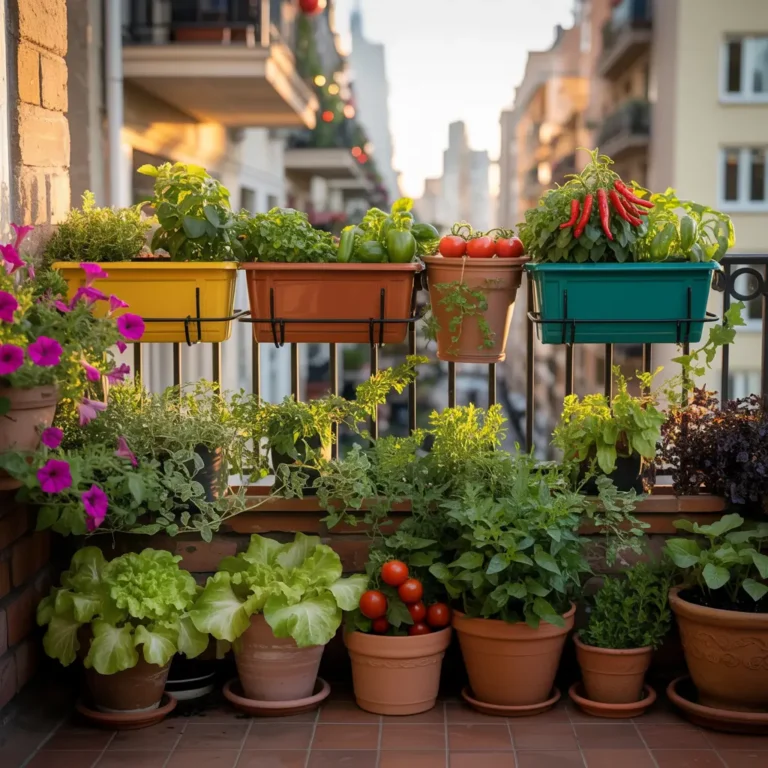
Balcony Home Garden with Hanging Plants
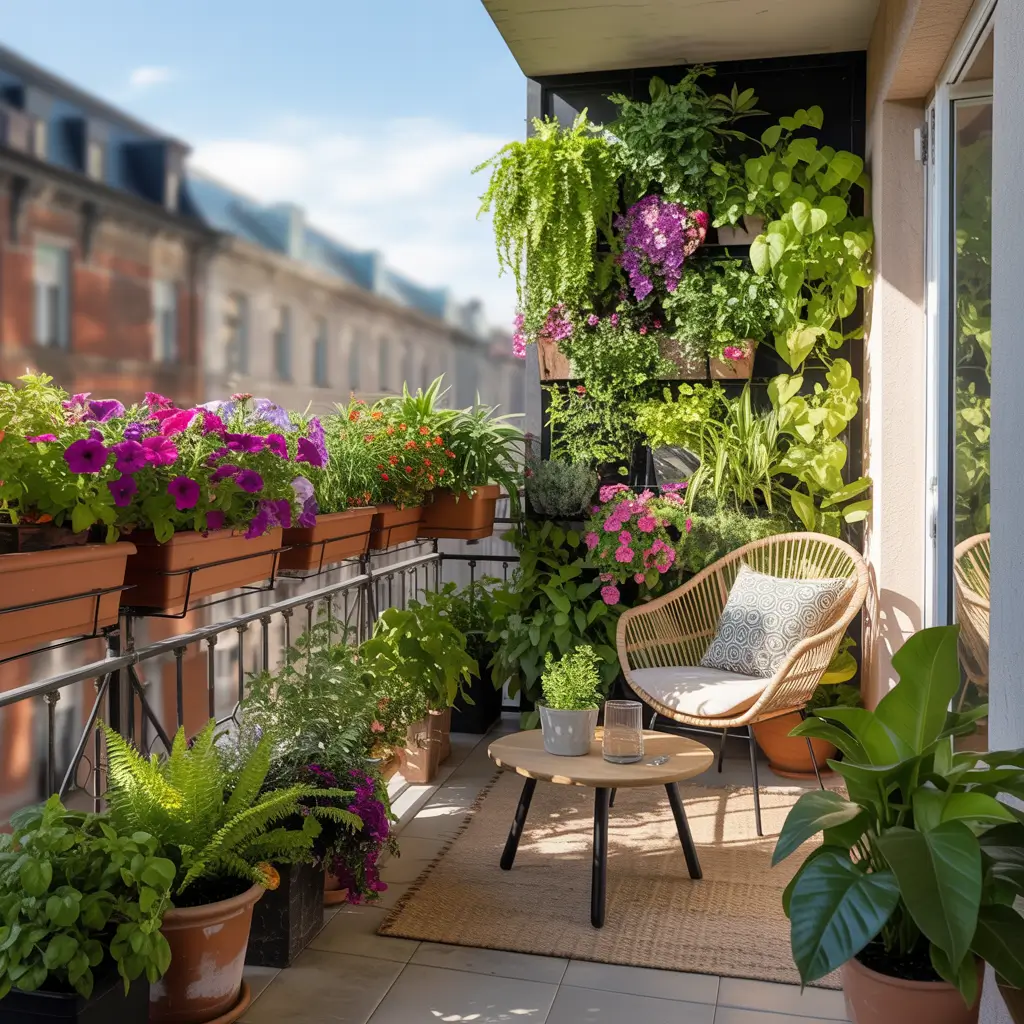
Small balconies have this amazing potential to become personal oases, but most people treat them like outdoor storage closets. With some creative thinking and the right plant choices, even a tiny balcony can become your favorite room in the house.
Maximizing Limited Square Footage
Every inch counts on a balcony, so traditional ground-level gardening rules don’t apply. The secret is creating layers that draw the eye upward and make the space feel larger than its actual dimensions.
Your balcony garden should work in three zones:
- Floor level with larger containers and possible seating
- Mid-level with rail planters and small tables
- Overhead with hanging baskets and trailing plants
Hanging Plant Selection That Won’t Disappoint
Not all hanging plants are created equal, and balcony conditions can be harsh. Wind, intense sun, and limited root space eliminate many traditional choices.
Proven performers for hanging balcony gardens include:
- Trailing petunias for constant color
- Boston ferns for lush green texture (in shadier spots)
- String of hearts for dramatic cascading effect
- Cherry tomatoes for edible beauty
- Trailing nasturtiums with edible flowers and leaves
The key is choosing plants that actually enjoy somewhat cramped quarters and don’t mind occasional neglect. IMO, succulents in hanging planters are nearly foolproof and create stunning geometric displays.
Creating Privacy and Ambiance
Balconies often lack privacy, but strategic plant placement can create intimate screening. Tall planters with bamboo or ornamental grasses along the railing provide natural barriers without blocking airflow.
Add string lights woven through hanging plants for magical evening ambiance. Solar-powered options eliminate the need for electrical outlets and automatically create atmosphere as the sun sets.
Japanese Zen Style Home Garden Design
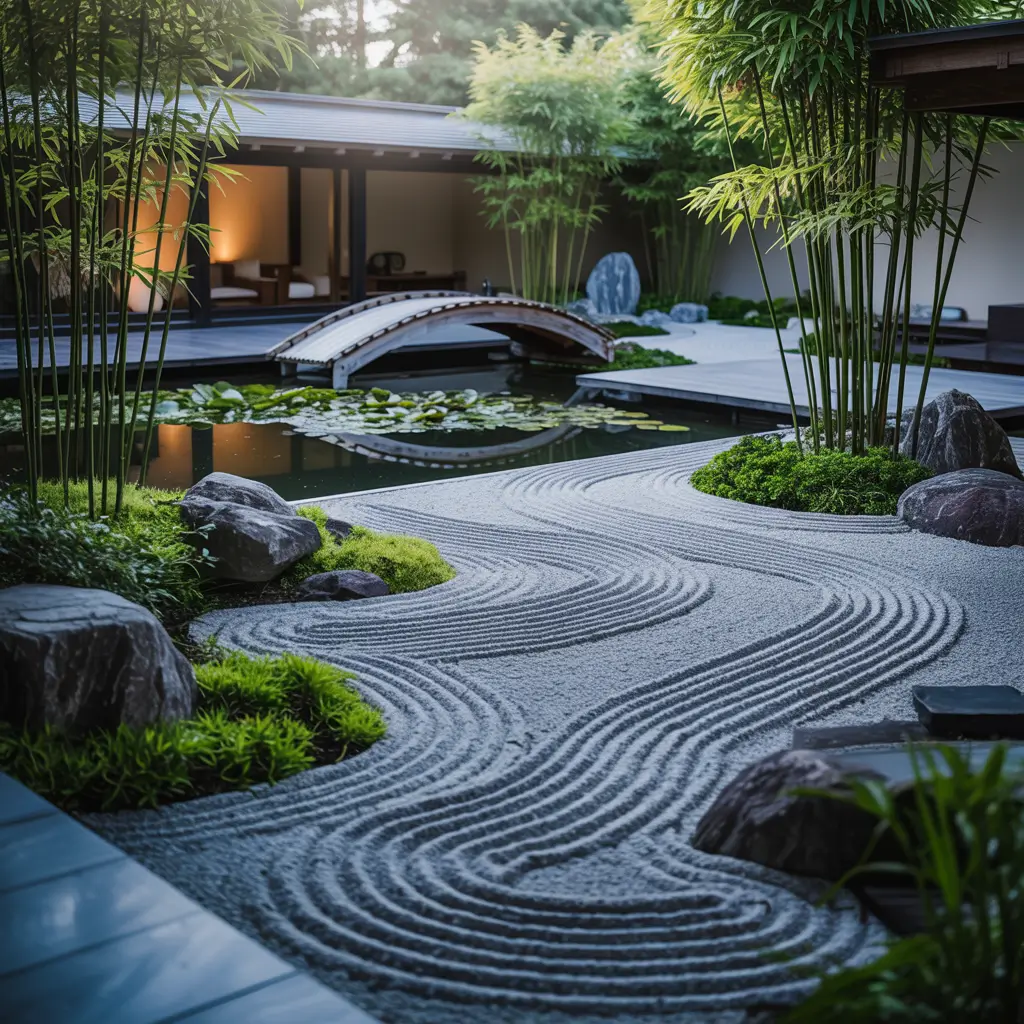
There’s something about Japanese garden design that makes you automatically speak in hushed tones and feel more centered. It’s like meditation made manifest in plants, rocks, and water.
The Philosophy Behind the Beauty
Japanese zen gardens aren’t just about looking pretty – they’re designed to create emotional and spiritual experiences. Every element has purpose and meaning, from the placement of stones to the way light filters through carefully positioned trees.
Core principles that make these gardens work:
- Asymmetrical balance rather than formal symmetry
- Natural materials like stone, bamboo, and water
- Negative space as an active design element
- Subtle color palette focusing on greens and earth tones
- Integration of natural and human-made elements
Key Elements and Plant Choices
Water features are essential but don’t need to be elaborate. A simple bamboo fountain or stone basin can provide the soothing sounds that make zen gardens so peaceful. The gentle trickle of water masks urban noise and creates natural white noise.
Plant selection focuses on texture and form rather than flashy blooms. Japanese maples provide stunning seasonal change, while evergreen shrubs like azaleas and camellias offer year-round structure. Moss becomes groundcover art, softening hard edges and creating that ancient, timeless feeling.
Bamboo serves multiple purposes – screening, sound, and vertical interest. But choose clumping varieties unless you want bamboo taking over your entire neighborhood (learned that one the hard way).
Creating Contemplative Spaces
Every zen garden needs a viewing area – a simple bench or even just a carefully placed stone where you can sit and absorb the tranquility. The garden should reveal itself gradually as you move through it, not give up all its secrets from one vantage point.
Stone lanterns and stepping stones guide movement and create focal points without overwhelming the natural elements. The goal is harmony, not drama.
Also Read: 10 Beautiful Small Garden Design Ideas for Dreamy Yards
Budget-Friendly DIY Home Garden Makeover
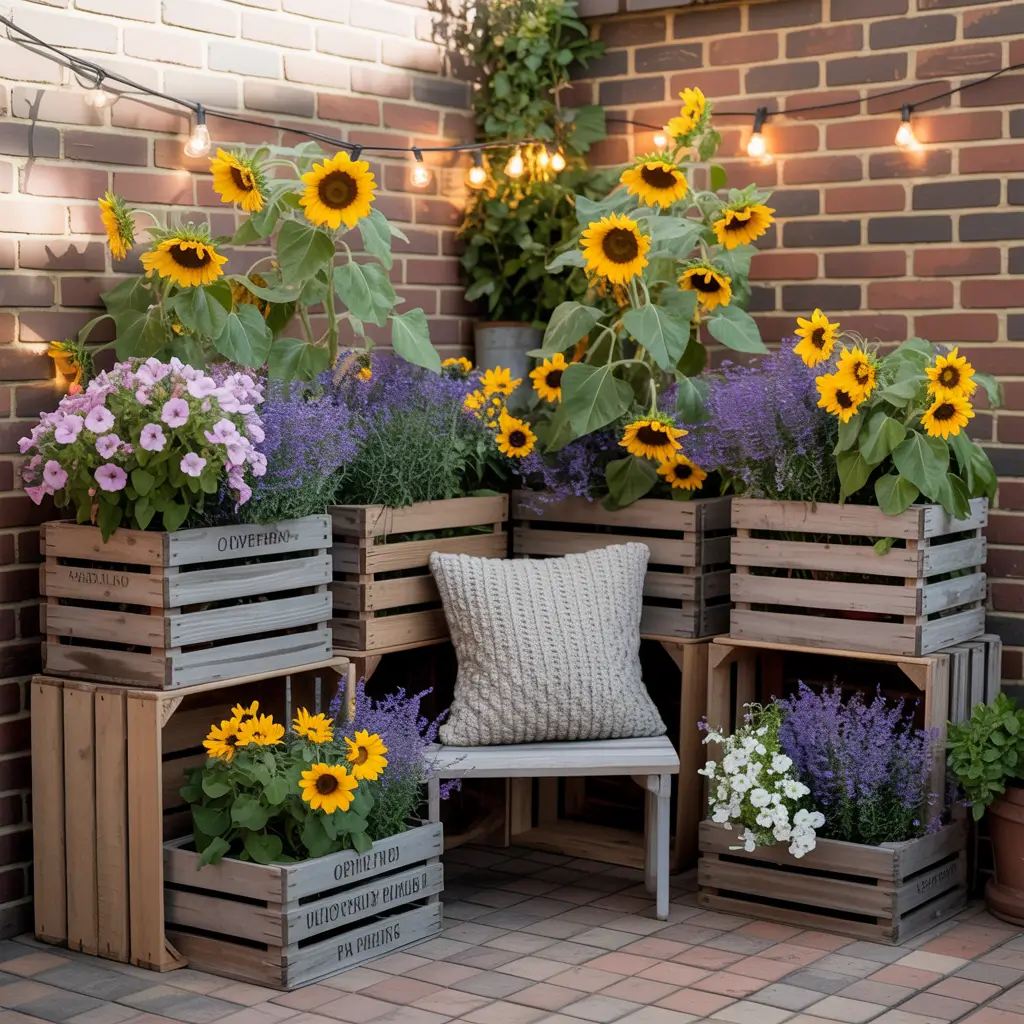
Who says you need to spend a fortune to create an amazing garden? Some of the most creative and charming outdoor spaces I’ve seen were born from necessity, creativity, and a healthy disregard for spending retail prices on everything.
Smart Shopping and Resource Hunting
The secret to budget gardening is knowing where to look and when to buy. End-of-season sales at garden centers can net you plants at 70% off. Sure, they might look a little rough, but most perennials bounce back beautifully with some TLC.
Plant swaps and community exchanges are goldmines for expanding your garden without emptying your wallet. Facebook marketplace often has people dividing perennials or moving and needing to rehome established plants.
DIY Solutions That Actually Look Good
Repurposing becomes an art form in budget gardening. Old pallets transform into vertical planters, vintage crates become raised beds, and that ugly concrete retaining wall disappears behind a trellis made from bamboo and wire.
Successful DIY projects that add major impact:
- Painted tire planters (yes, they can look chic with the right paint color)
- Wine bottle edging for garden beds
- Pallet furniture with weather-resistant stains
- Homemade trellises from branches or reclaimed wood
- Concrete pavers you cast yourself in interesting shapes
Growing from Seeds and Cuttings
This is where patience pays off big time. A packet of zinnia seeds costs the same as one established plant but gives you dozens of flowers. Many plants root easily from cuttings – I’ve propagated entire hedges from a single parent plant by taking cuttings over several seasons.
Start with easy-to-grow varieties like sunflowers, marigolds, and herbs. Once you get the hang of seed starting, you can tackle more challenging varieties and really stretch your plant budget.
Tropical Style Lush Green Home Garden

Want to feel like you’re vacationing in Bali every time you step outside? Tropical garden style brings that lush, resort-like atmosphere home, even if you live nowhere near the tropics.
Creating Paradise at Home
The key to tropical style is abundance – layered plantings with different textures, heights, and shades of green that create a sense of being surrounded by nature. This isn’t minimalism; this is maximum impact through strategic plant selection.
Essential elements for tropical feel:
- Large-leafed plants that create dramatic focal points
- Multiple shades of green from lime to deep forest
- Layered heights from ground covers to canopy trees
- Natural pathways that curve through plantings
- Water features that suggest natural streams or pools
Plant Selection for Different Climates
You don’t need to live in zone 10 to achieve tropical style. Many temperate plants can create similar effects, and container growing lets you bring tender tropicals indoors during winter.
Cold-hardy options that deliver tropical vibes:
- Japanese fatsia for huge, glossy leaves
- Hardy banana plants that die back but return each spring
- Large hostas with dramatic foliage
- Bamboo varieties for vertical jungle feeling
- Ferns in mass plantings for lush groundcover
For true tropical climates or container growing, bird of paradise, elephant ears, and various palms create authentic resort atmosphere.
Maintaining the Lush Look
Tropical gardens require consistent moisture and feeding to maintain that vibrant green growth. Mulching becomes critical both for moisture retention and to create the rich, organic look of forest floors.
Regular fertilizing keeps plants growing vigorously and maintains those deep green colors that define tropical style. This isn’t a low-maintenance choice, but the payoff in pure outdoor luxury makes it worthwhile.
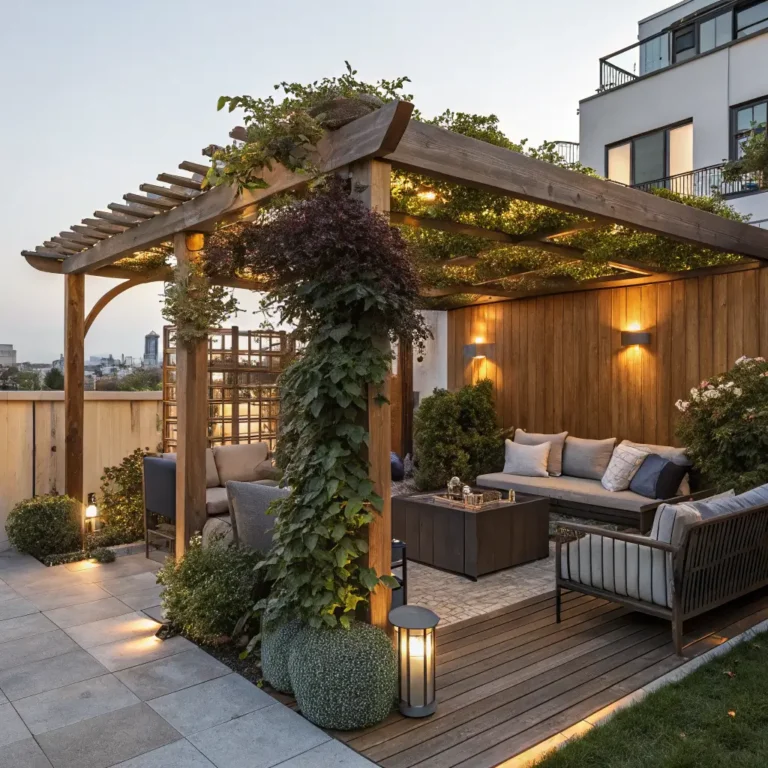
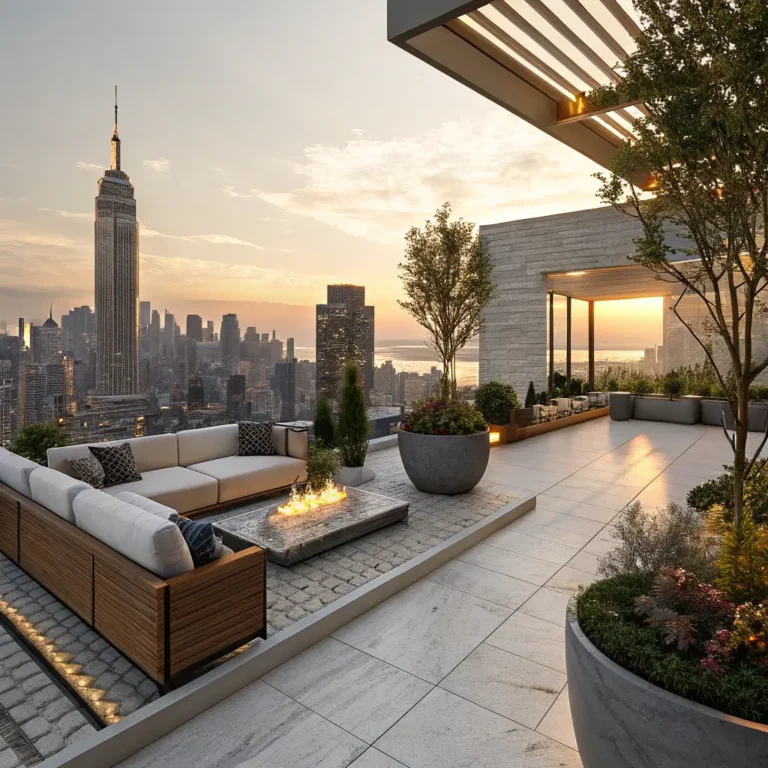
Rooftop Home Garden with Relaxing Space
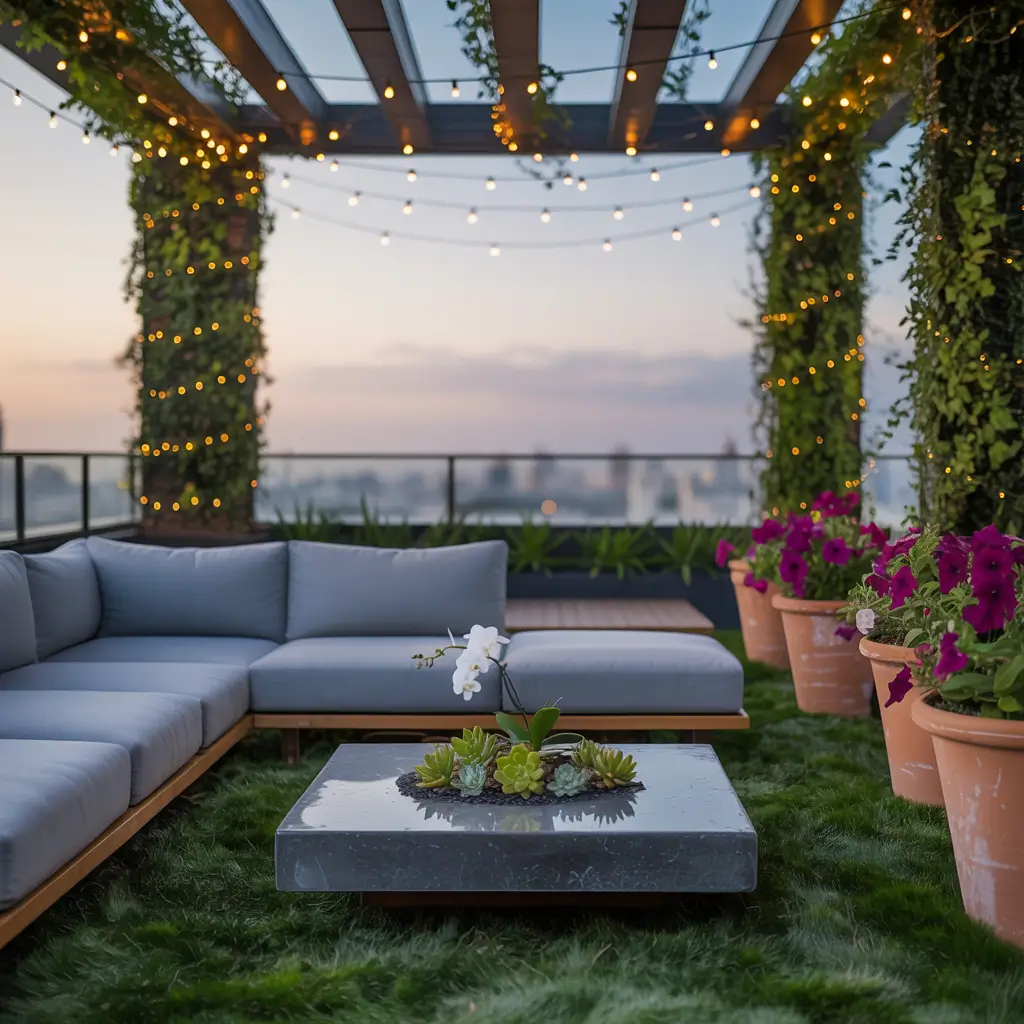
Rooftop gardens face unique challenges – wind, intense sun, weight restrictions, and exposure – but the rewards of creating a sky-high sanctuary make it worth the effort. Plus, there’s something undeniably cool about having your own private garden floating above the city.
Overcoming Rooftop Challenges
Wind is your biggest enemy on rooftops. Plants that thrive at ground level can get shredded by constant wind exposure. Choose sturdy, flexible plants and create windbreaks with trellises or strategically placed screens.
Weight restrictions require careful planning. Use lightweight containers and soil mixes specifically designed for roof gardens. Distribute weight evenly and consult a structural engineer if you’re planning anything substantial.
Container Selection and Arrangement
Large containers work better than small ones on rooftops because they’re more stable in wind and retain moisture longer in intense sun. Group containers of varying heights to create interesting compositions and natural windbreaks.
Rolling planters give you flexibility to rearrange your garden seasonally or move tender plants to protected areas during storms.
Plant Choices for Extreme Conditions
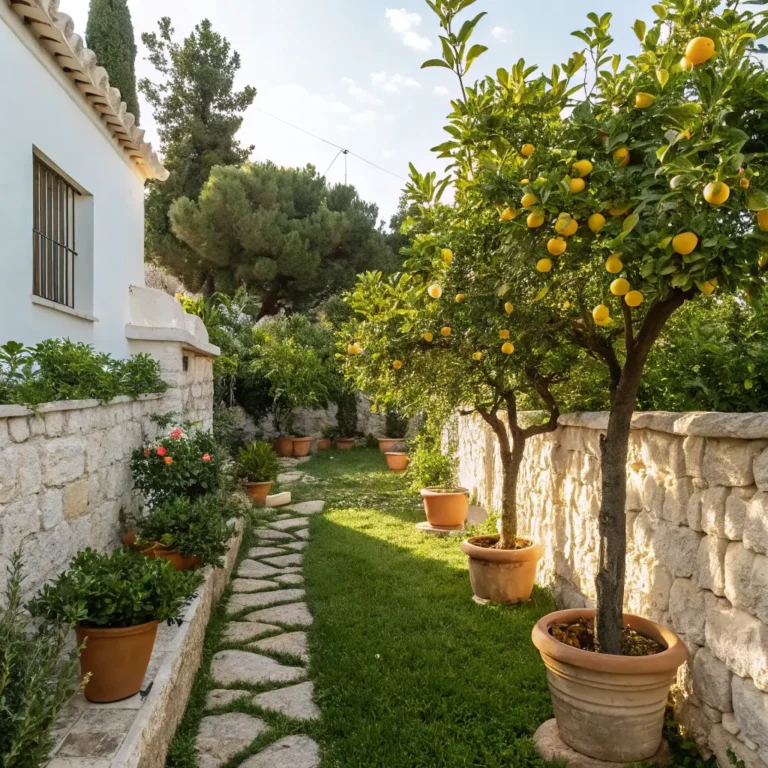
Rooftop plants need to be tough. Mediterranean herbs like rosemary and lavender love the intense sun and excellent drainage. Ornamental grasses bend with wind rather than breaking and add movement and sound to the space.
Drought-tolerant perennials like sedums, echinaceas, and ornamental alliums thrive in the challenging rooftop environment while providing seasonal interest.
Creating Comfort in the Sky
Shade structures are essential for human comfort. Pergolas, shade sails, or even large umbrellas create relief from intense sun. **Choose materials that
Also Read: 10 Stunning Garden Design Ideas for Dream Outdoor Spaces
Cottage Style Flower Home Garden Design
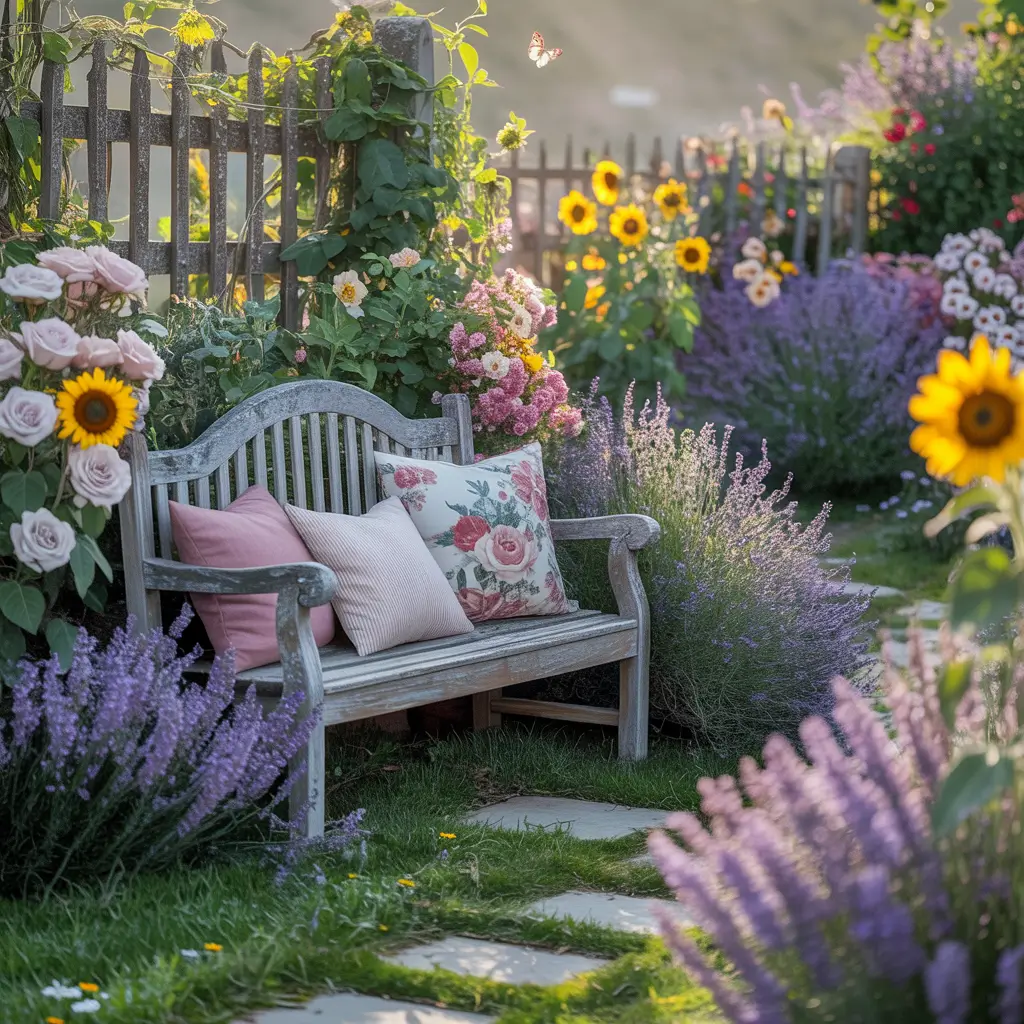
There’s something magical about cottage gardens that makes you feel like you’ve stepped into a fairy tale – or at least a really good British period drama. It’s that perfectly imperfect, overflowing-with-blooms aesthetic that looks effortless but actually requires some serious behind-the-scenes strategy.
The Charming Chaos That Actually Works
Cottage gardens celebrate abundance and apparent randomness, but the best ones follow subtle rules that create harmony within the beautiful chaos. Think of it as controlled wildness – like that friend who always looks perfectly tousled but definitely spent time on their hair.
The magic happens through:
- Mixed plantings that blur the lines between flowers, herbs, and vegetables
- Informal pathways that meander rather than march straight
- Vertical elements like climbing roses and clematis on rustic supports
- Self-seeding annuals that pop up in unexpected places
- Layered blooming seasons ensuring constant color from spring through fall
Choosing the Right Cottage Garden Plants
Traditional cottage garden plants are survivors – varieties that have thrived for generations without fussy care. These aren’t your high-maintenance hybrid tea roses; these are plants your grandmother would recognize.
Classic cottage garden favorites include:
- Hollyhocks towering against fences and walls
- Sweet peas climbing wooden tripods or wire supports
- Foxgloves creating dramatic spires in partial shade
- Delphiniums for true blue cottage garden color
- Peonies for spectacular early summer blooms
- Lavender edging pathways with fragrance and texture
The key is mixing annuals, perennials, bulbs, and herbs in seemingly random combinations that actually work because they share similar growing conditions.
Creating Authentic Cottage Garden Structure
Picket fences, arbors, and rustic gates provide the framework that prevents cottage gardens from looking like abandoned lots. Weathered wood and natural materials contribute to the lived-in, timeless feeling.
Pathways should feel organic – brick, flagstone, or even packed earth that curves naturally through the plantings. Let plants spill over edges and self-seed into pathway cracks for that authentic cottage garden softness.
Managing the Beautiful Mess
Here’s the thing about cottage gardens – they require a different mindset about “tidiness.” Deadheading becomes selective rather than obsessive. Some flowers you cut for bouquets, others you let go to seed for next year’s surprises.
Embrace the volunteers – those self-seeded poppies and cosmos that appear in unexpected spots often create the most charming combinations. The garden evolves and changes each year, which is part of its enduring appeal.
Seasonal maintenance focuses on the big picture rather than perfect order. Fall cleanup can wait until spring since many cottage garden plants provide winter interest and seed heads feed birds.
Wrapping Up Your Garden Journey
So there you have it – ten completely different ways to transform your outdoor space from “whatever that is” to “wow, can I move in?” Whether you’re drawn to the serene simplicity of zen design or the joyful chaos of cottage style, the perfect garden for you is out there waiting to be created.
The real secret isn’t having the biggest budget or the greenest thumb – it’s choosing a style that matches your personality and lifestyle. That minimalist garden won’t work if you’re someone who finds joy in collecting unusual plants, just like a high-maintenance tropical paradise isn’t realistic if you travel frequently.
Start with one area and let it evolve. Gardens aren’t meant to be finished projects anyway – they’re living, changing spaces that grow alongside you. That balcony herb garden might inspire you to tackle a larger space eventually, or your simple seating area could gradually expand into an elaborate outdoor room.
Don’t be afraid to steal ideas shamelessly from gardens you admire, then adapt them to your space, climate, and budget. The best gardens are personal expressions, not perfect copies of magazine photos.
Most importantly, remember that every expert gardener started as a beginner who killed their fair share of plants. Those “failures” teach you more about your space and preferences than any success ever could.
Now stop scrolling through garden photos and go make something beautiful happen in your own outdoor space. Your future self (and your neighbors) will thank you for it.