10 Creative Tiny Garden Design Ideas for Small Spaces

You know that feeling when you scroll through Instagram and see those massive sprawling gardens with perfectly manicured lawns and wonder where the heck these people find all that space? Yeah, me too.
But here’s the thing – you don’t need a mansion’s backyard to create something absolutely magical.
Some of the most stunning gardens I’ve ever seen have been squeezed into spaces smaller than my kitchen table.
Whether you’re dealing with a tiny balcony, a forgotten corner, or just want to bring some green life indoors, I’ve got your back.
Let’s talk about turning those cramped spaces into your personal slice of paradise, one creative idea at a time.
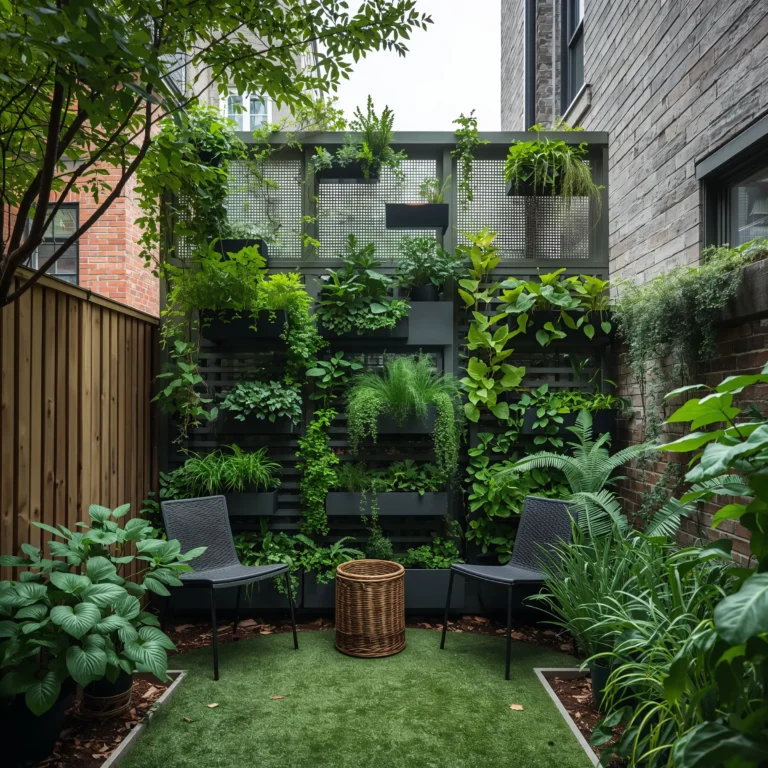
Vertical Wall Planter Garden: Going Up When You Can’t Go Out
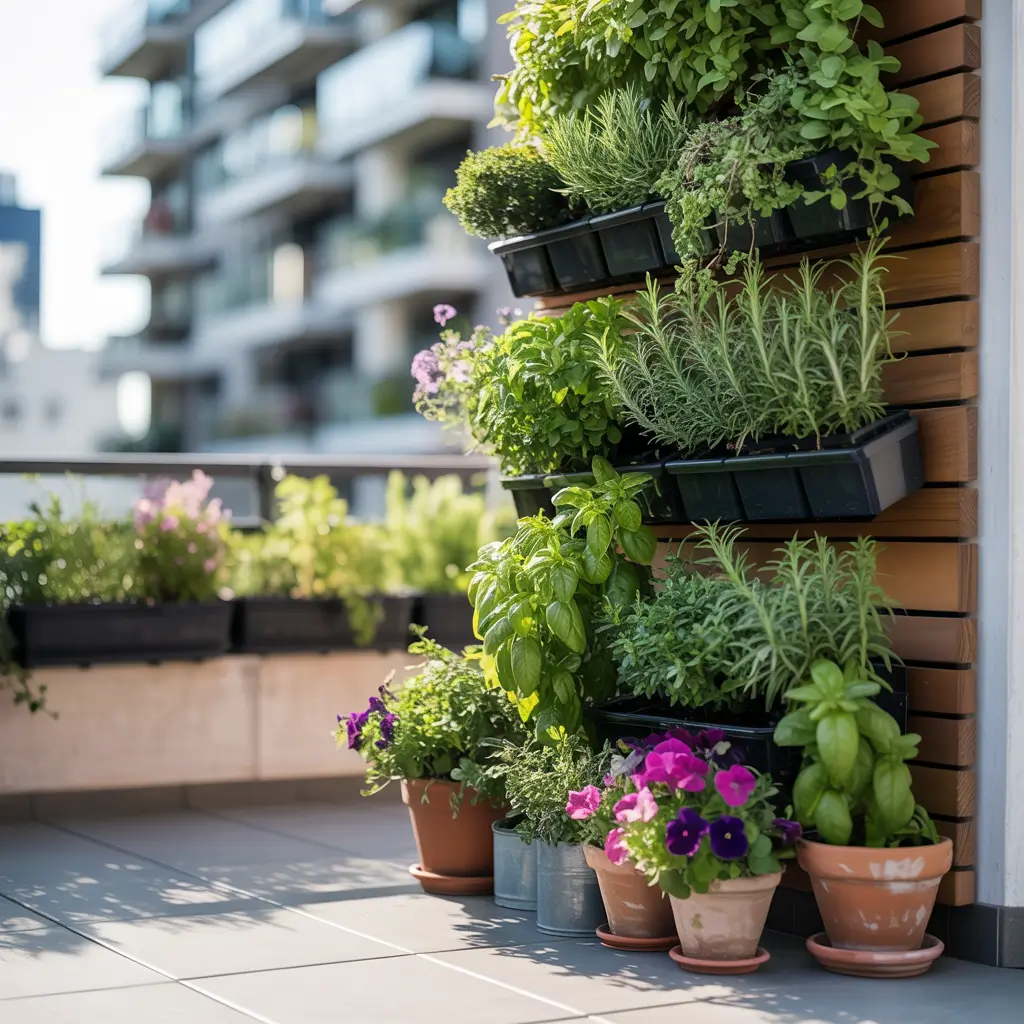
When floor space is basically non-existent, the only way is up. Vertical wall planters have completely changed my perspective on what’s possible in small spaces. I remember staring at this blank wall in my apartment thinking it was just… well, a wall. Now it’s practically a living artwork that gets more compliments than my actual art 🙂
The beauty of vertical gardens lies in their flexibility. You can install pocket planters made from felt, create a living wall with modular systems, or even repurpose old pallets. The key is choosing plants that won’t mind being neighbors – think succulents, herbs, or trailing plants that cascade beautifully.
Here’s what works best for vertical setups:
- Lightweight plants that won’t stress your wall structure
- Species with similar water requirements
- Mix of textures – spiky, trailing, and bushy plants
- Consider irrigation because watering individual pockets gets old fast
Pro tip from my own trial and error: start small. I went overboard on my first attempt and ended up with a wall that looked more like a green explosion than a garden. Sometimes restraint creates more impact than going full jungle mode.
Cozy Balcony Jungle Retreat: Maximizing Every Square Inch
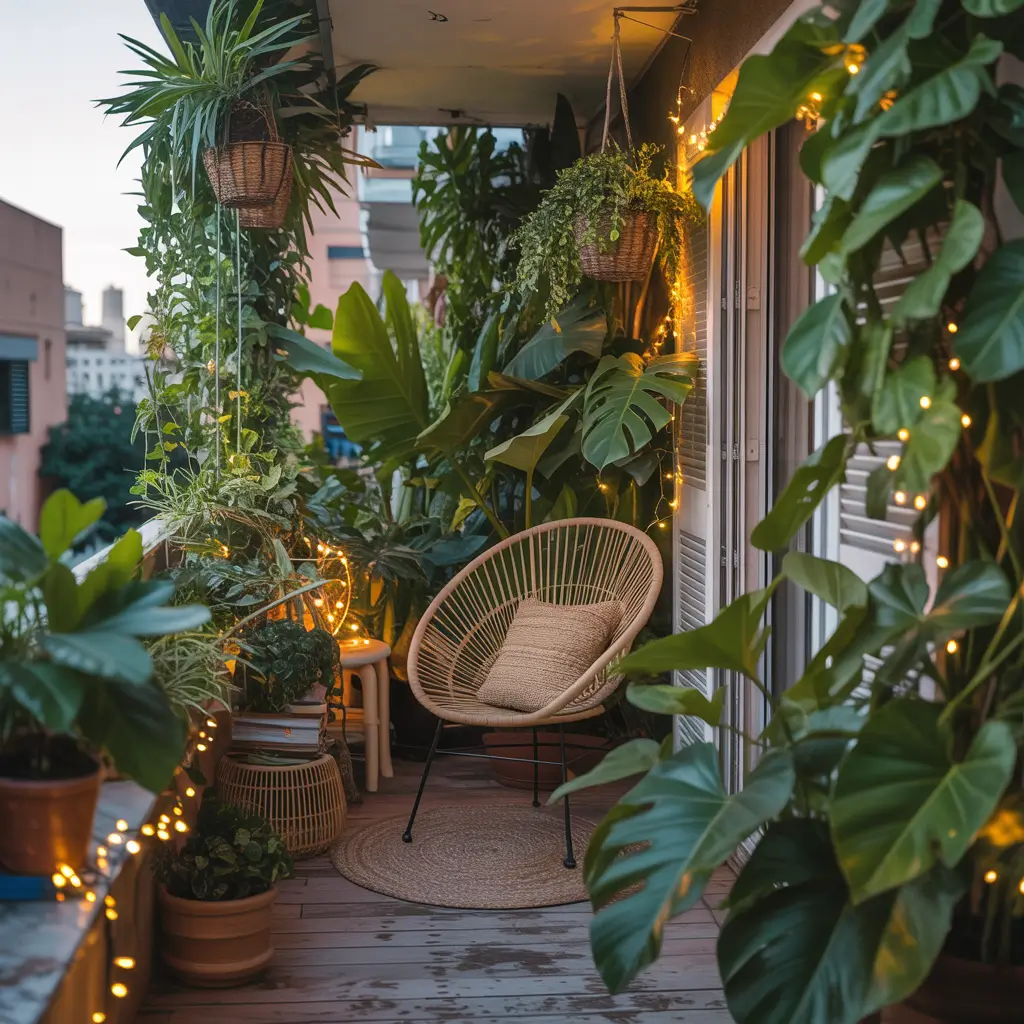
Ever wonder why some balconies feel like tropical getaways while others look like storage units with a plant thrown in as an afterthought? It’s all about layering and creating zones, even in the tiniest spaces.
My balcony is roughly the size of a large bath towel, but I’ve managed to cram in enough greenery to make it feel like a secret hideaway. The trick is thinking vertically and using every level – floor, railings, hanging spots, and even the ceiling if your lease allows it.
Create visual depth by placing taller plants in the back, medium-height ones in the middle, and trailing varieties that spill over the edges. It’s like staging a photo, but with living elements that actually improve your air quality.
For furniture, think multipurpose. That cute little stool? It’s also a plant stand. Those decorative boxes? Perfect for storing gardening supplies while doubling as seating. Every inch needs to earn its keep in a tiny space.
Plant suggestions that thrive in balcony conditions:
- Bamboo palms for instant privacy screens
- Pothos for trailing drama
- Snake plants because they’re practically indestructible
- Small fruit trees if you get decent sun (yes, really!)
Minimalist Zen Stone Garden: Less Really Can Be More
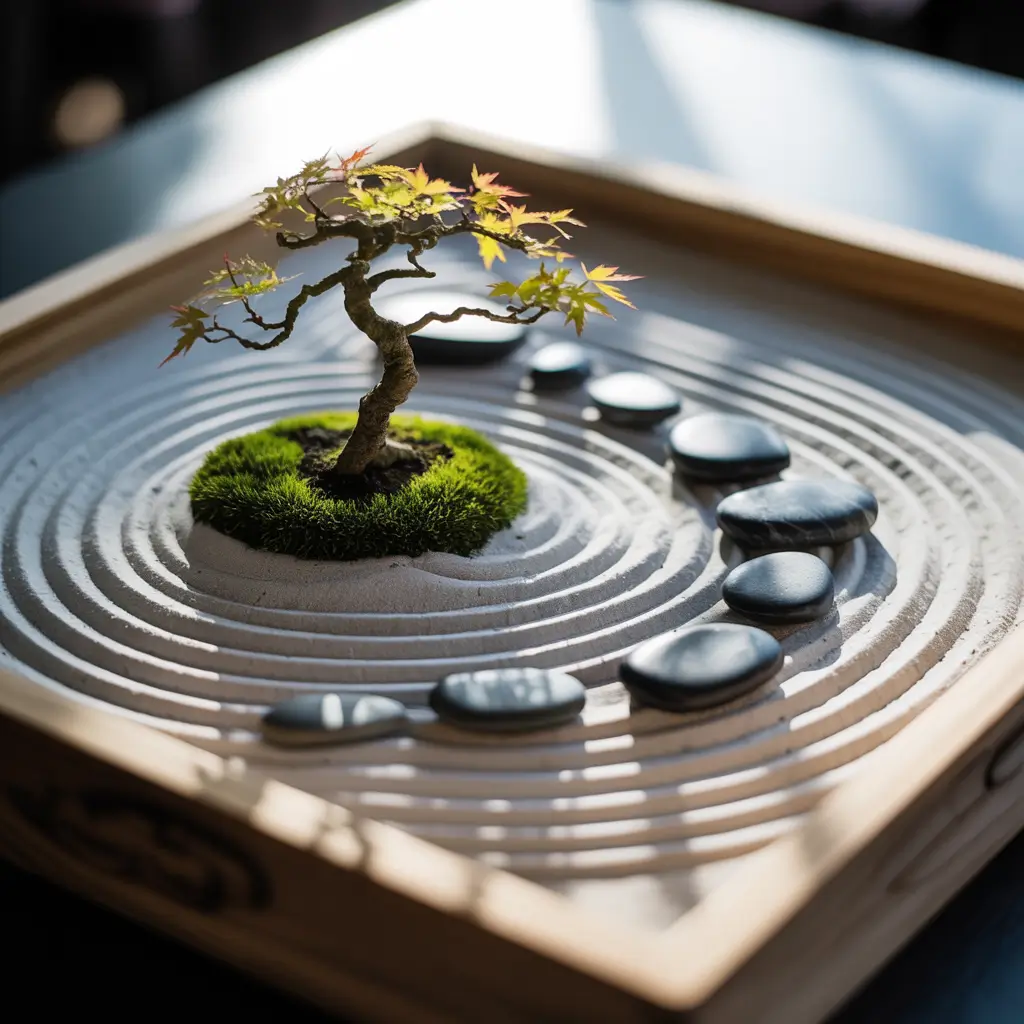
Sometimes the most powerful gardens are the ones that whisper instead of shout. Zen stone gardens prove you don’t need a single living plant to create something that feeds your soul. I was skeptical until I created a tiny one during a particularly stressful period – turns out, raking miniature sand patterns is surprisingly therapeutic.
The philosophy behind these gardens focuses on simplicity, balance, and contemplation. You’re creating a space that encourages mindfulness, which honestly, we all need more of these days. The repetitive patterns in the sand or gravel represent water, while carefully placed stones symbolize mountains or islands.
Essential elements for your mini zen garden:
- Fine sand or small gravel as your base
- A few carefully chosen stones (odd numbers work better visually)
- A small rake for creating patterns
- Maybe one sculptural plant like a small bonsai or succulent
The beauty is in the maintenance ritual. Spending five minutes each morning creating new patterns in the sand becomes a form of moving meditation. Plus, it’s probably the lowest-maintenance garden option on this entire list.
Also Read: 10 Beautiful Succulent Garden Design Ideas for Aesthetic Spaces
Hanging Pot Tiny Garden Setup: Defying Gravity with Style
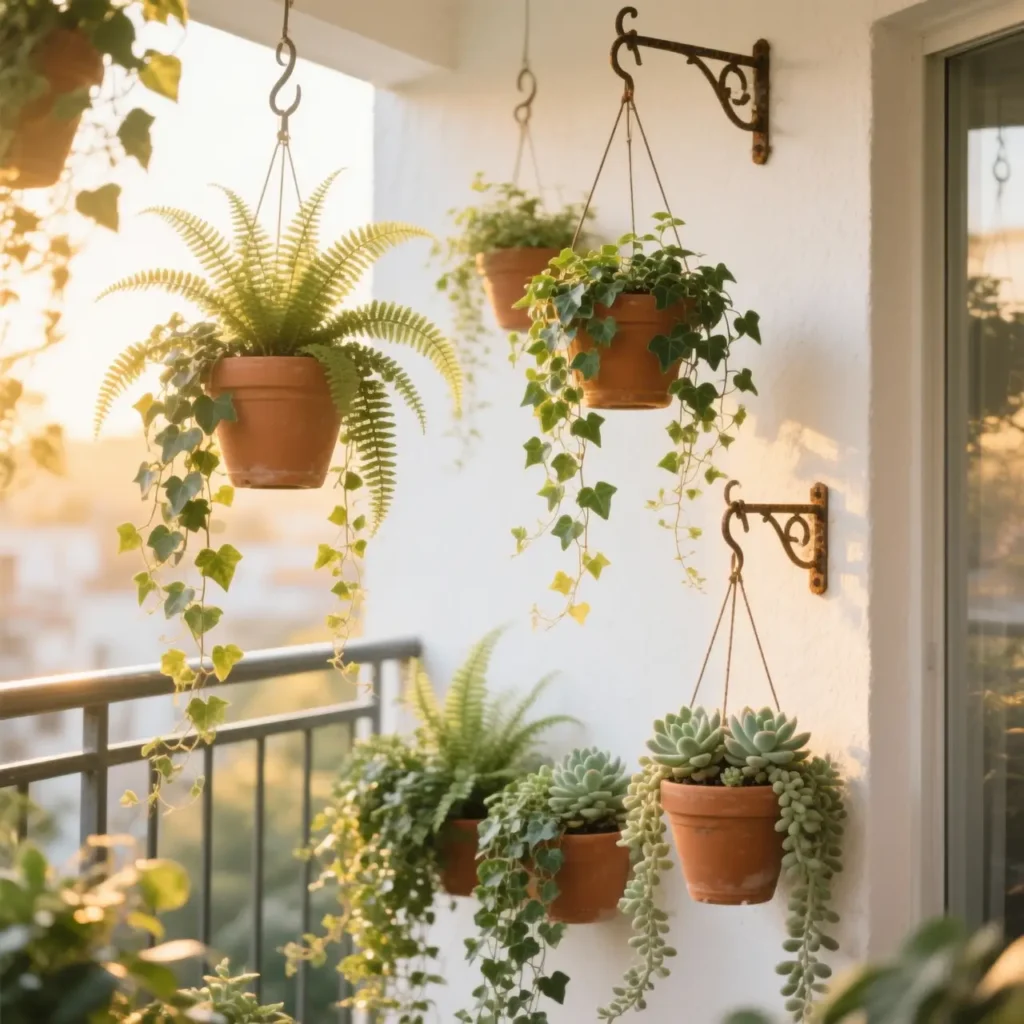
Let’s be real – hanging gardens are having a serious moment, and for good reason. They free up valuable surface space while adding visual interest at eye level. I’ve got hanging pots scattered throughout my place, and they never fail to surprise visitors who look up and discover this floating ecosystem.
The trick to successful hanging gardens isn’t just about finding the right pots (though that matters too). It’s about understanding weight distribution and choosing appropriate plants. Nobody wants a ceiling disaster because they hung a massive planter from a flimsy hook.
Consider these hanging garden essentials:
- Strong mounting hardware – seriously, don’t cheap out here
- Lightweight pots or macramé hangers
- Plants that look good from below (trailing varieties are perfect)
- Easy-access watering solutions because climbing on chairs gets old
My favorite hanging combo? Pothos mixed with string of hearts – the contrast in leaf shapes creates visual interest, and both plants are practically bulletproof. Plus, they grow fast enough that you’ll see progress without waiting months for results.
Small Corner Herb Garden: Practical Magic in Tiny Packages
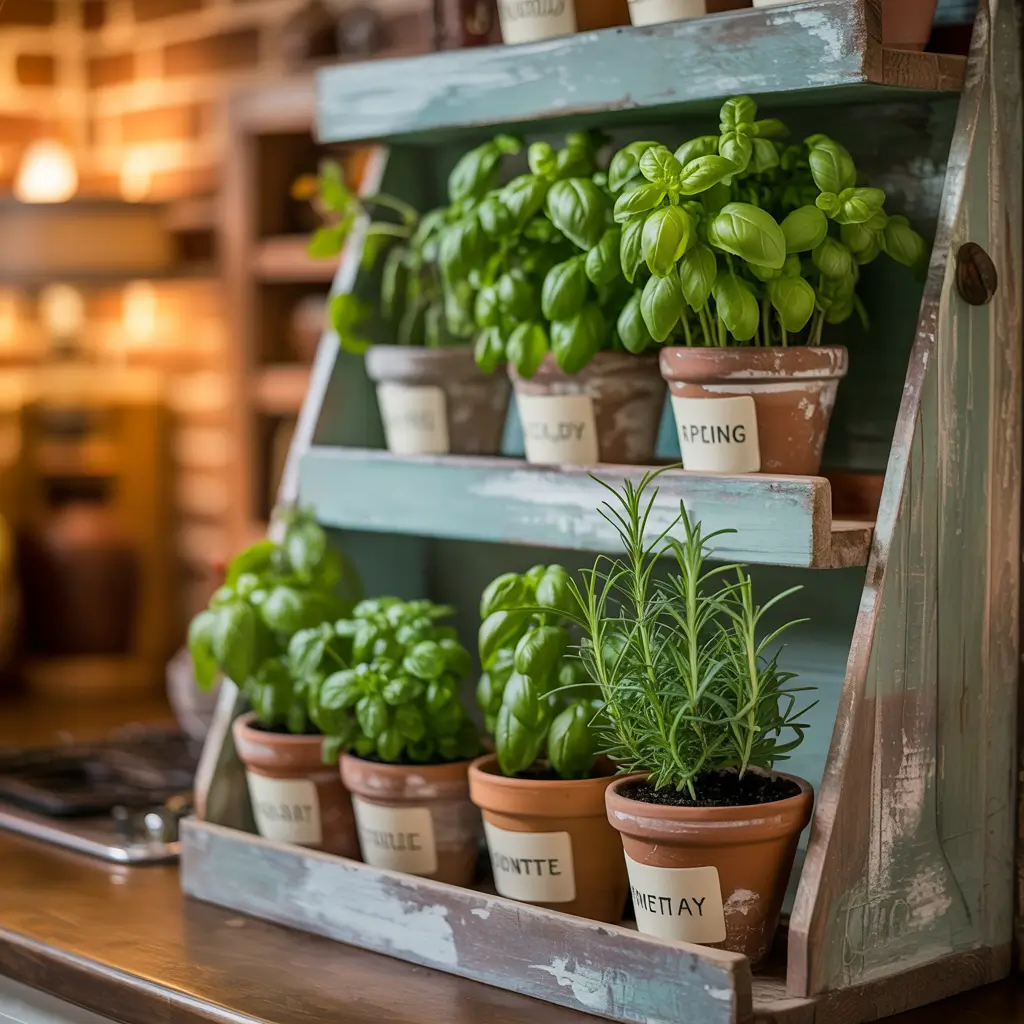
Nothing beats the satisfaction of snipping fresh herbs for your cooking, especially when they’re growing in a space that used to collect dust and random junk. Corner herb gardens are genius because they transform awkward spaces into functional beauty.
I started my herb corner purely for practical reasons – tired of buying expensive little packages of herbs that would wilt in my fridge. Now it’s become this charming focal point that makes my kitchen smell amazing and saves me money. Win-win situation, right?
The secret to successful herb gardening in small spaces is choosing varieties that play well together and understanding their growth patterns. Some herbs are bullies (looking at you, mint), while others are more polite neighbors.
Best herbs for compact growing:
- Basil varieties for continuous harvest
- Thyme and oregano for Mediterranean vibes
- Chives because they’re virtually indestructible
- Compact rosemary varieties (avoid the giant ones)
Set up your corner with tiered shelving or stacked planters to maximize vertical space. Group herbs by water needs – Mediterranean herbs like less frequent watering than leafy greens like basil.
Fairy Light Mini Garden Nook: Adding Magic After Dark
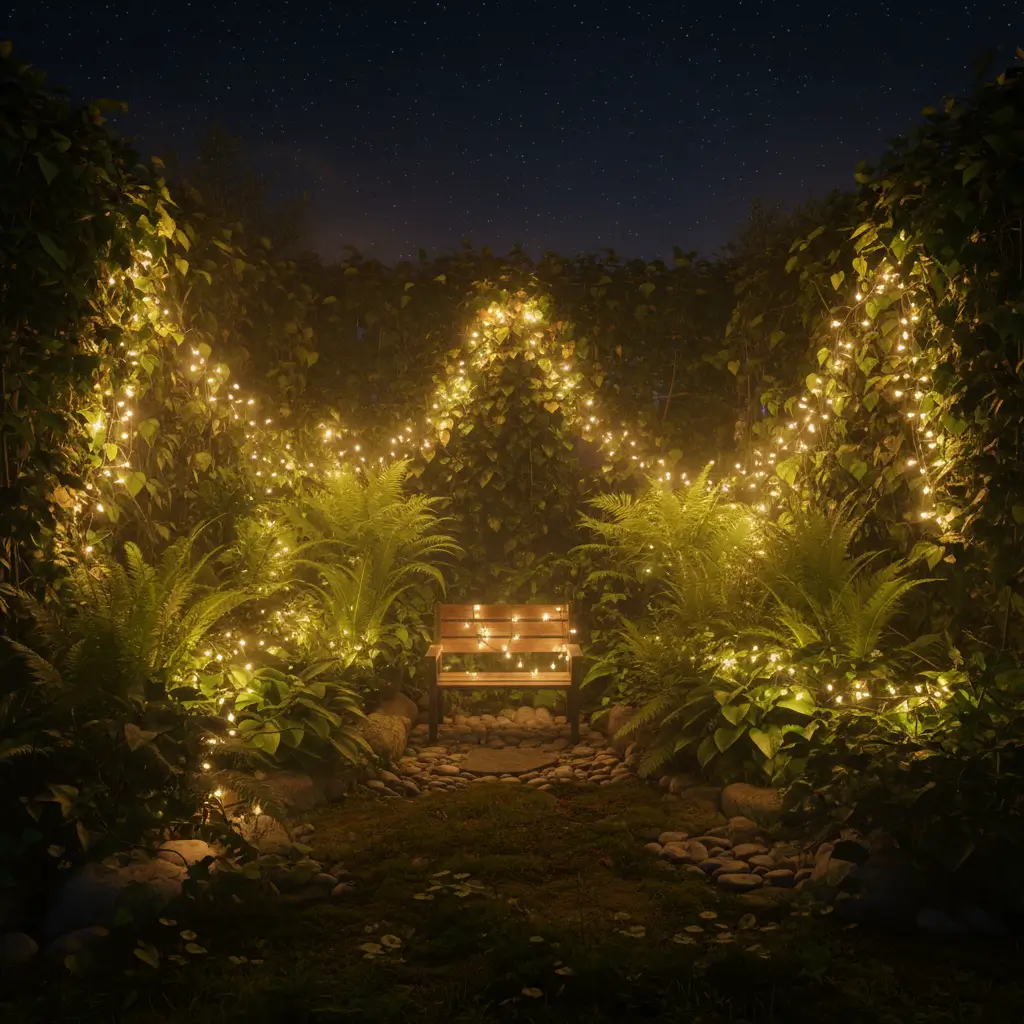
Who says gardens are only for daytime enjoyment? Fairy lights transform any tiny garden into an enchanted evening retreat. I discovered this accidentally when I left some string lights on my balcony plants – the soft glow completely changed the entire atmosphere.
The key is balancing illumination with plant health. You want enough light to create ambiance without overwhelming your green friends or running up your electricity bill. Solar-powered options work great for outdoor spaces, while battery-operated strings give you flexibility indoors.
Lighting placement strategies:
- Weave lights through trailing plants for a magical effect
- Outline planters or garden borders
- Create focal points by highlighting your favorite plants
- Use warm white lights for cozy vibes
Mix different light intensities and heights to avoid that “Christmas decoration in July” look. The goal is subtle enhancement, not turning your garden into a runway strip.
Also Read: 10 Stunning Garden Design Layout Ideas for Dreamy Spaces
Recycled Container Garden Design: Creativity Meets Sustainability
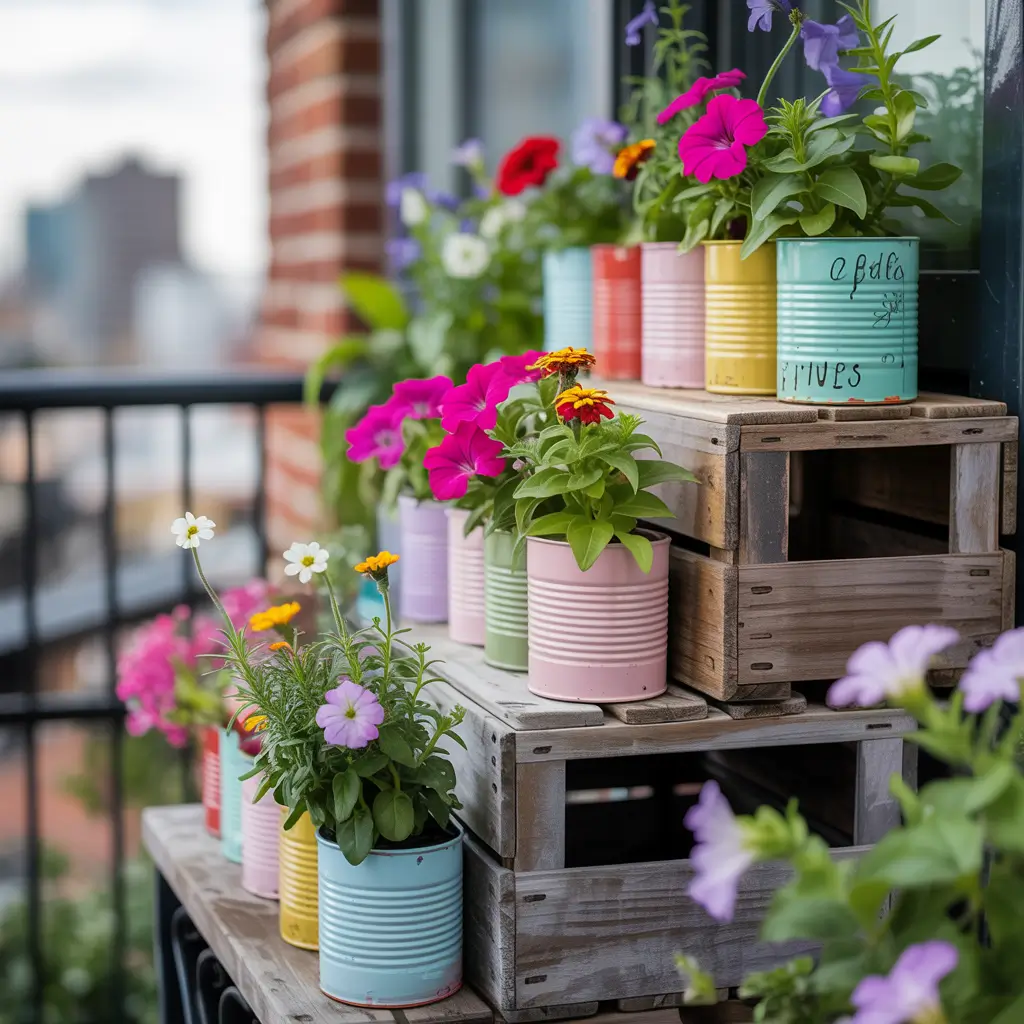
Some of my most successful tiny gardens have grown in containers that never saw the inside of a garden center. Upcycling random household items into planters scratches both my creative itch and my desire to reduce waste.
I’ve turned everything from old rain boots to vintage teapots into successful planters. The key is ensuring proper drainage and choosing containers that complement your space’s aesthetic. That said, there’s something deeply satisfying about giving new life to items destined for the trash.
Great candidates for container conversion:
- Large yogurt containers (drill drainage holes)
- Vintage finds from thrift stores
- Food cans (sand down sharp edges)
- Wooden crates or boxes
Before you go container crazy, consider the plant’s needs. Root vegetables need depth, while succulents are happy in shallow containers. Match the container size to the plant’s mature size – that tiny succulent won’t stay tiny forever.
Modern Wooden Box Garden Layout: Clean Lines, Maximum Impact
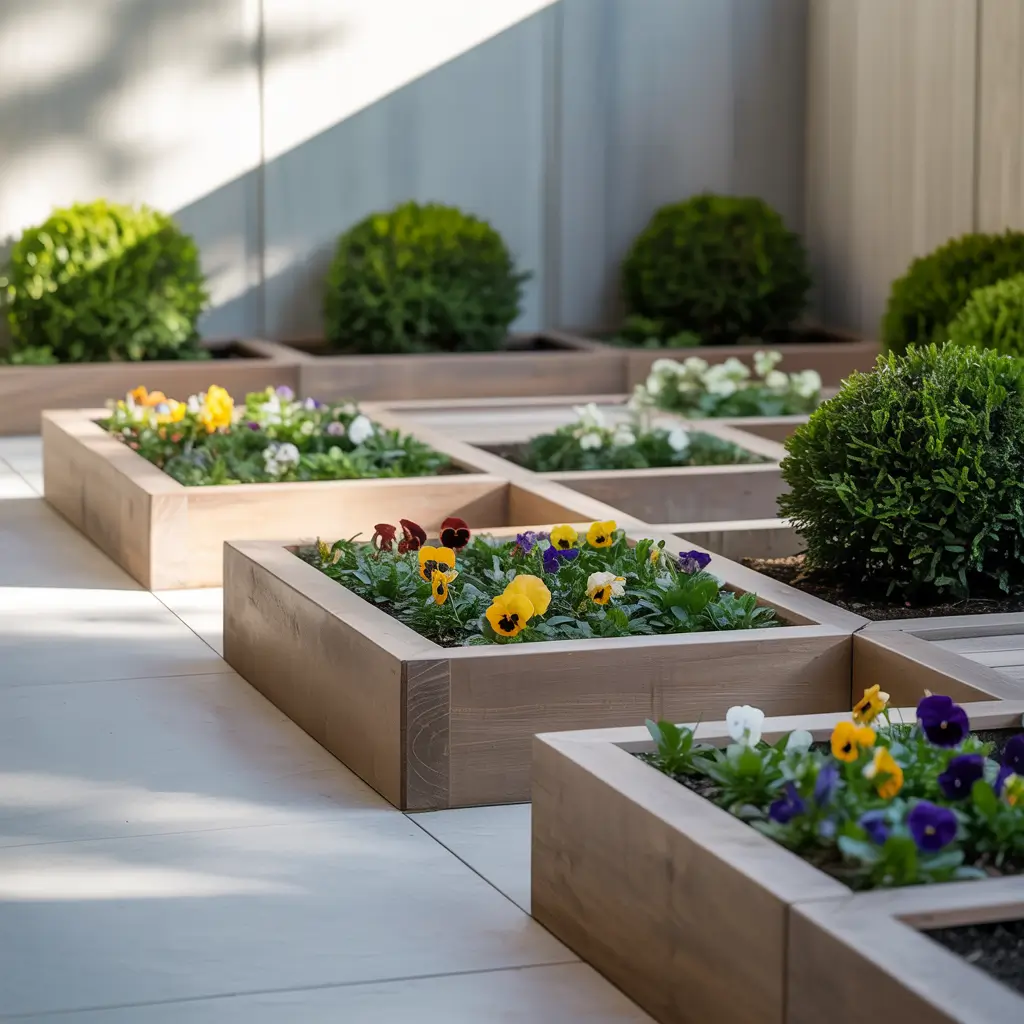
There’s something about clean wooden planters that makes any space feel more intentional and put-together. I invested in a few quality wooden boxes last year, and they’ve completely elevated the look of my tiny garden setup.
The beauty of wooden box gardens lies in their versatility and timeless appeal. They work equally well for vegetables, flowers, or mixed plantings, and the natural material ages beautifully over time. Plus, you can customize the size to fit your exact space requirements.
Design considerations for wooden box gardens:
- Choose rot-resistant woods like cedar or teak
- Ensure adequate drainage
- Consider mobility – add casters for larger boxes
- Plan for plant growth and spacing
Group boxes at different heights for visual interest. I use a combination of built-in boxes and portable ones, which lets me rearrange my layout based on seasonal needs or just when I’m feeling restless with the design.
Tiny Water Feature Garden Corner: The Sound of Serenity
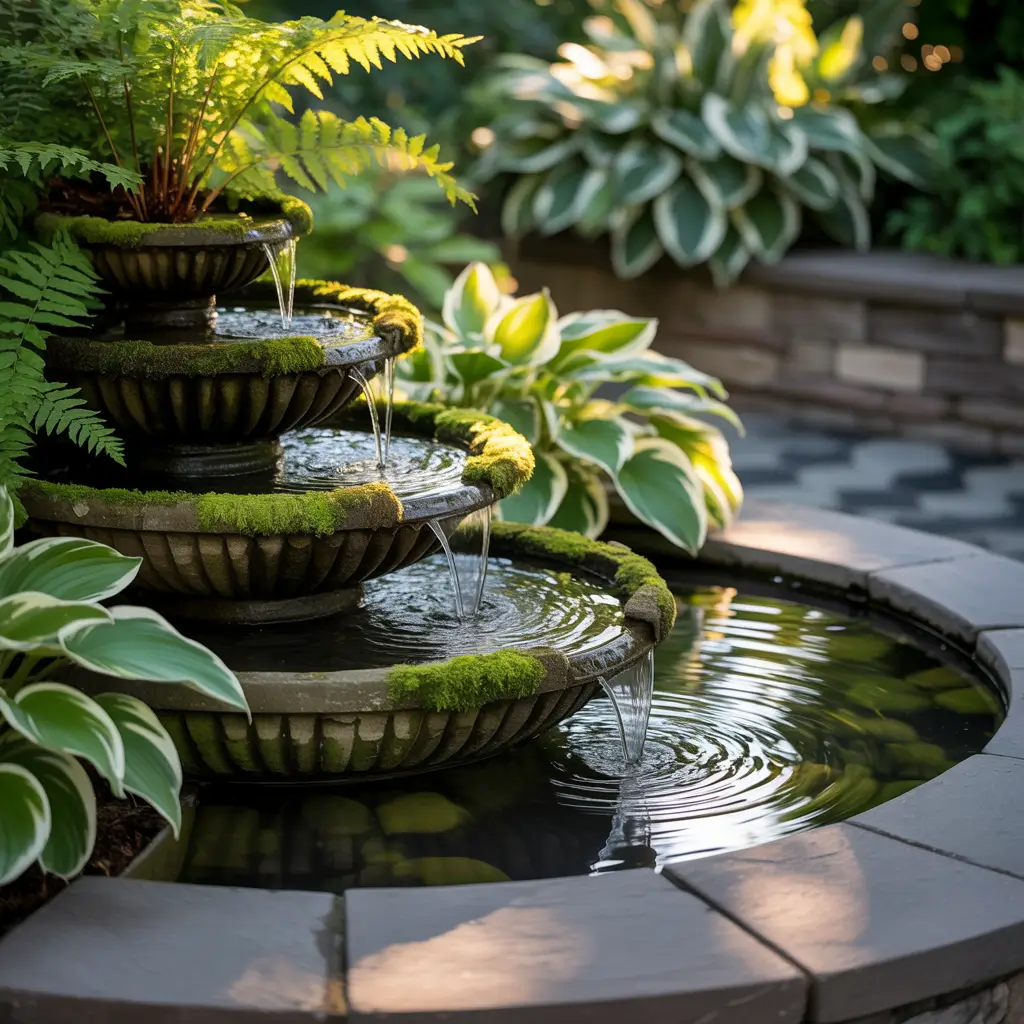
Adding moving water to tiny gardens might seem excessive, but hear me out. Even a small bubbling fountain transforms the entire sensory experience of your space. The sound masks urban noise and creates this peaceful bubble that makes you forget you’re in the middle of the city.
I was hesitant about water features because I imagined complicated installations and constant maintenance. Reality check: small tabletop fountains are surprisingly low-maintenance and create significant impact relative to their size.
Water feature options for small spaces:
- Tabletop fountains with recirculating pumps
- Wall-mounted water features
- DIY options using large containers
- Solar-powered features for outdoor use
The key is scale – you want the sound of gently moving water, not a rushing river. Position your water feature where you’ll spend time relaxing, and surround it with plants that enjoy humidity. Ferns and tropical plants particularly love being near water sources.
Also Read: 10 Gorgeous Mediterranean Garden Design Ideas Luxury Style
Tiered Plant Stand Garden Idea: Vertical Organization with Style
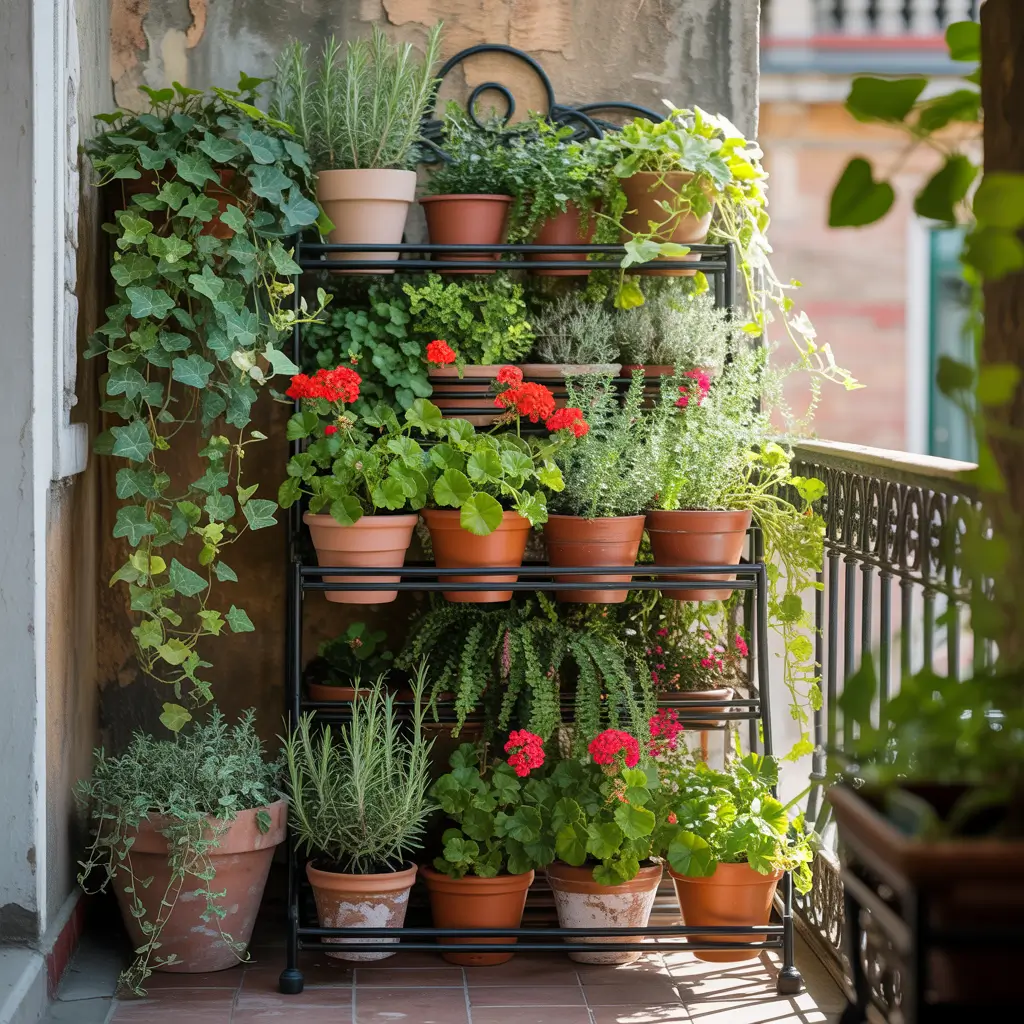
Tiered plant stands solve the eternal small-space dilemma of wanting more plants than you have surface area. Think of them as apartment buildings for your green friends – maximum density with individual space for each resident.
I love how tiered stands create this cascading effect that draws the eye upward and makes spaces feel larger. You can find beautiful ready-made options, or DIY your own using shelving and creativity. The key is choosing a style that complements your space rather than overwhelming it.
Effective tiered garden strategies:
- Mix plant heights and textures for visual interest
- Place light-loving plants on higher tiers
- Use trailing plants on lower levels for softening effects
- Consider weight distribution for safety
The beauty of tiered systems is their flexibility. You can rearrange plants seasonally, move the entire setup when needed, and easily adjust for plant growth. Plus, watering becomes more efficient when everything’s organized at comfortable heights.
Conclusion
Creating a stunning tiny garden isn’t about having the perfect space or unlimited budget. It’s about looking at what you’ve got and imagining what’s possible. Every windowsill, corner, and wall is potential green space waiting to be discovered.
The best part? Small gardens grow with you. Start with one idea that excites you most, learn what works in your specific conditions, and expand from there. Before you know it, you’ll be that person everyone asks for gardening advice – all from a space most people would write off as “too small for plants.”
Trust me, your future self will thank you for starting today. Your mental health, your air quality, and probably your Instagram feed will all benefit from bringing more green life into your world, no matter how tiny that world might be.