10 Beautiful Succulent Garden Design Ideas for Aesthetic Spaces

You know that moment when you walk into someone’s home and immediately feel this zen, Instagram-worthy vibe? Nine times out of ten, there’s a gorgeous succulent arrangement somewhere in sight.
These little drought-loving beauties have basically taken over the plant world, and honestly? I’m not mad about it.
I’ve been obsessing over succulents for years now, and trust me – I’ve made my fair share of mistakes along the way.
From accidentally drowning my first jade plant (RIP) to creating some seriously questionable color combinations, I’ve learned what works and what definitely doesn’t. The best part? Succulents are practically foolproof once you get the hang of them.
Whether you’re working with a tiny apartment balcony or have acres of space to play with, there’s a succulent garden design that’ll make your space pop.
Let’s dive into ten ideas that range from “I can do this in my pajamas” easy to “weekend project that’ll impress everyone” ambitious.
1. Mini Desert Oasis Succulent Garden
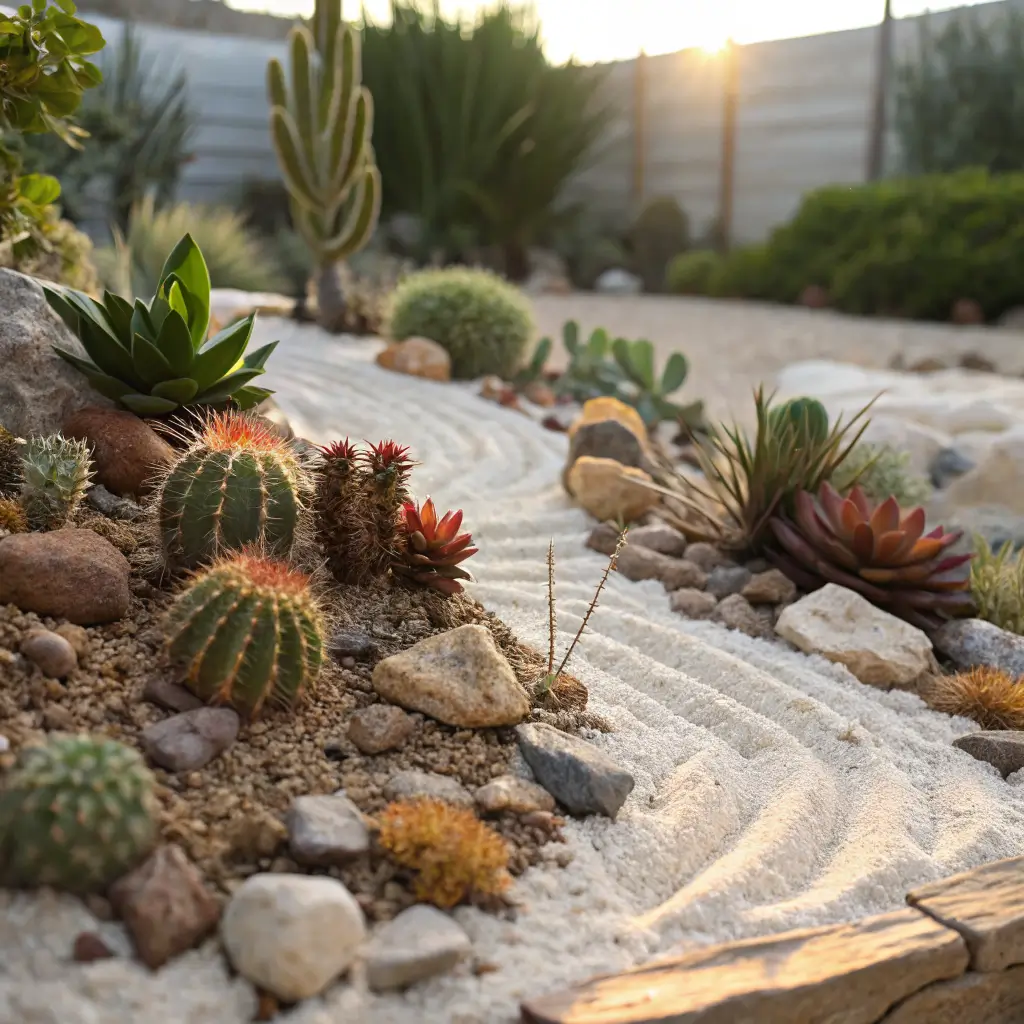
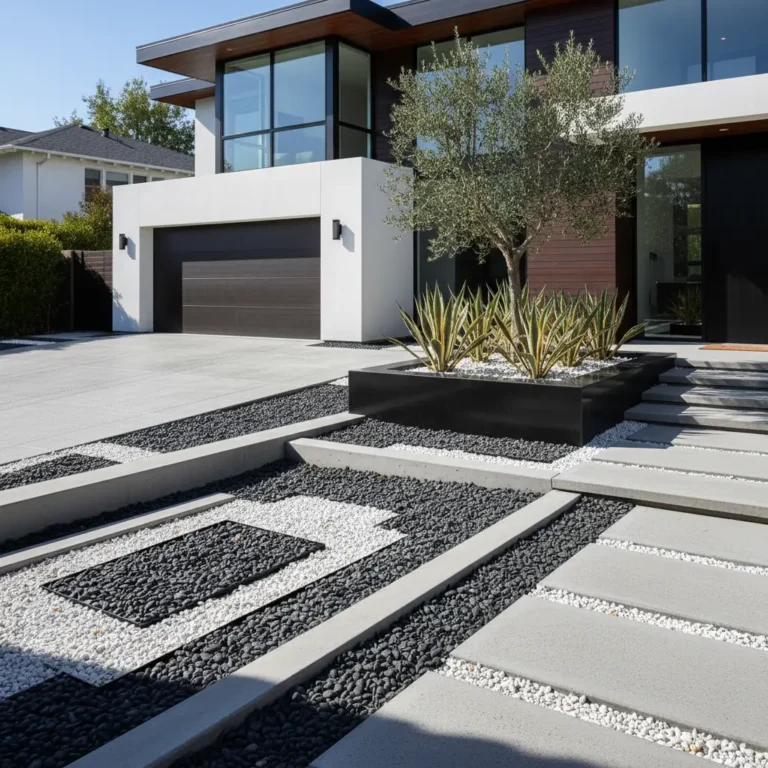
Ever dreamed of having your own little slice of Arizona without the scorching heat? A mini desert oasis might be exactly what your outdoor space needs. I created my first one in a raised planter bed about three feet square, and it’s become the star of my front yard.
The magic happens when you layer different heights and textures. Start with larger statement pieces like barrel cacti or agave plants as your anchors. I learned this the hard way after initially planting everything at the same height – it looked like a succulent army formation, and not in a good way.
For the middle layer, try adding some colorful echeveria or sempervivum varieties. These rosette-shaped beauties come in shades from deep purple to bright green, and they spread naturally to fill gaps. The ground level is where you can get creative with creeping varieties like string of pearls or burro’s tail.
Here’s where most people mess up: they forget about the hardscape elements. A few strategically placed rocks, some decorative sand, or even a small piece of driftwood can transform your succulent collection from “random plants” to “intentional desert landscape.” FYI, you don’t need to spend a fortune on fancy decorative stones – I’ve found some of my best pieces at local creek beds (with permission, of course).
The watering schedule for this setup is refreshingly simple. During growing season, I water deeply about once a week, letting the soil dry completely between waterings. In winter? Maybe once a month, if that. These plants literally thrive on neglect, which makes them perfect for anyone who travels frequently or tends to forget about plant care.
2. Vertical Wall Succulent Display
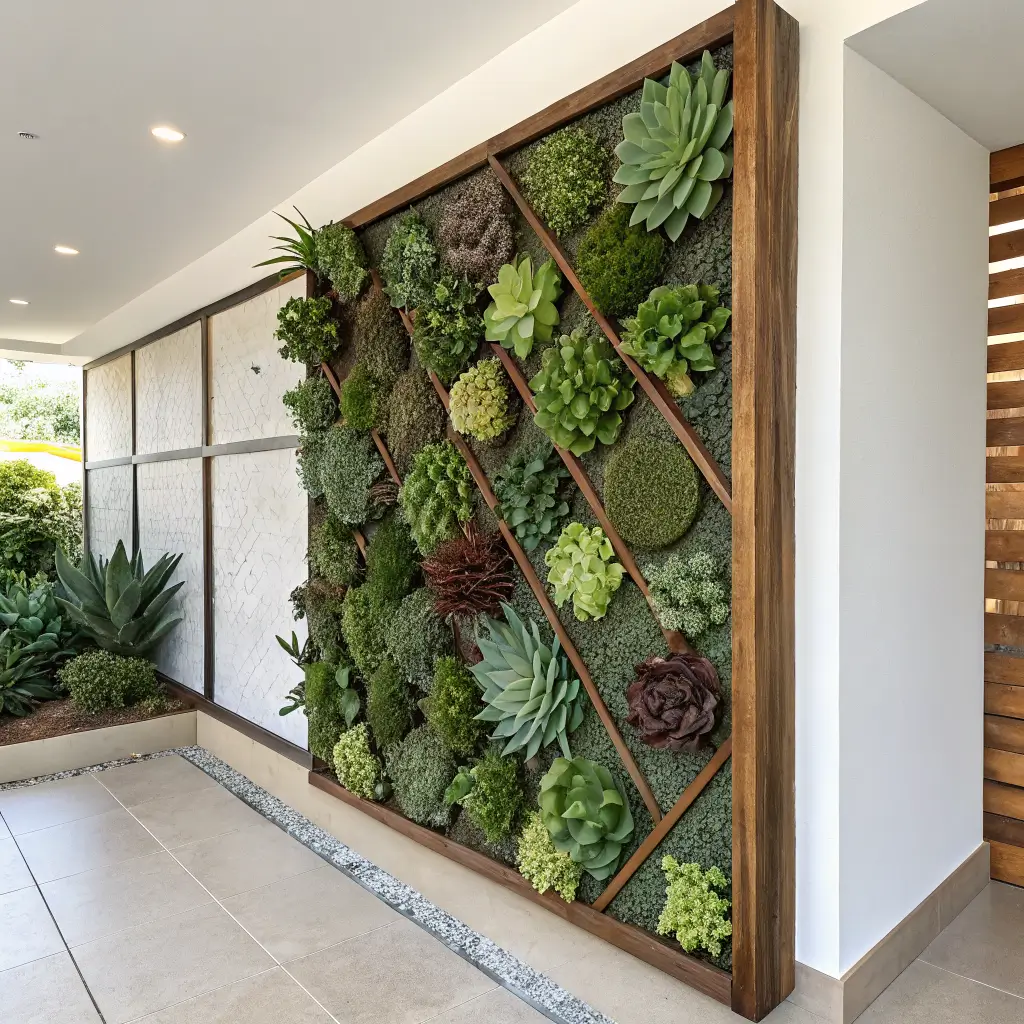
Okay, let’s talk about making a statement. Vertical succulent walls are having a major moment, and I can see why – they’re basically living art installations that happen to clean your air too.
I installed my first vertical garden using a simple wooden pallet and some landscape fabric. The key is choosing succulents that won’t get too heavy as they mature. String of hearts, various sedums, and smaller echeveria varieties work perfectly. Avoid anything that’s going to turn into a monster plant six months down the line.
The installation process is surprisingly straightforward, but there’s one trick that’ll save you major headaches: plant in a horizontal position first, then move to vertical after the roots establish. I learned this after watching half my carefully arranged display slide out during the first week. Not my finest gardening moment :/
Maintenance is where vertical gardens shine. Watering happens naturally from top to bottom, and you can easily spot any plants that aren’t thriving. Plus, there’s something incredibly satisfying about having a living wall that changes subtly with the seasons.
For indoor vertical displays, consider using a modular system with individual pockets. This makes plant replacement easy and prevents the dreaded domino effect if one plant decides to give up on life.
3. Glass Terrarium Succulent Landscape
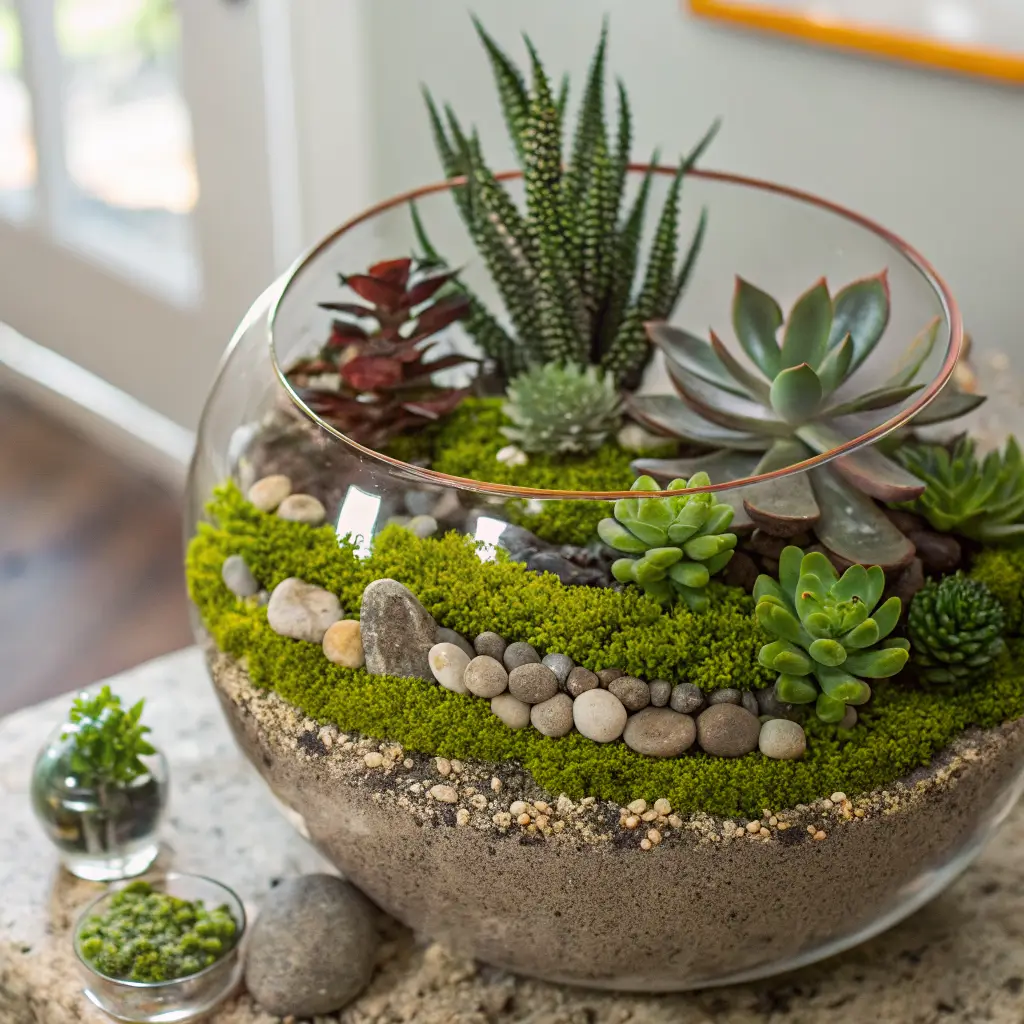
Terrariums are like tiny worlds you can control completely – which appeals to the control freak in me way more than it probably should. The glass container creates this perfect little microenvironment where you can observe every detail of your plants’ behavior.
The biggest mistake people make with succulent terrariums is treating them like tropical plant terrariums. Succulents need airflow and drainage, so skip the sealed glass globe idea. Instead, look for containers with wide openings – fishbowls, large glass vases, or geometric terrarium containers work beautifully.
Layering is everything in terrarium success. Start with a drainage layer of small stones or activated charcoal, add a thin barrier of moss or landscape fabric, then your well-draining succulent soil mix. This prevents the dreaded swamp effect that kills more terrarium plants than anything else.
Plant selection becomes crucial in the confined space of a terrarium. I stick with slow-growing varieties like haworthia, small echeveria, and lithops (living stones). These maintain their size and shape without trying to escape their glass prison.
The best part about terrariums? You can create themed landscapes. Desert scenes with colored sand and small cacti, zen gardens with carefully raked patterns, or even fairy garden setups with tiny decorative elements. Just remember that less is more – overcrowding leads to poor air circulation and eventual plant loss.
Also Read: 10 Stunning Garden Design Layout Ideas for Dreamy Spaces
4. Boho Style Hanging Succulent Garden
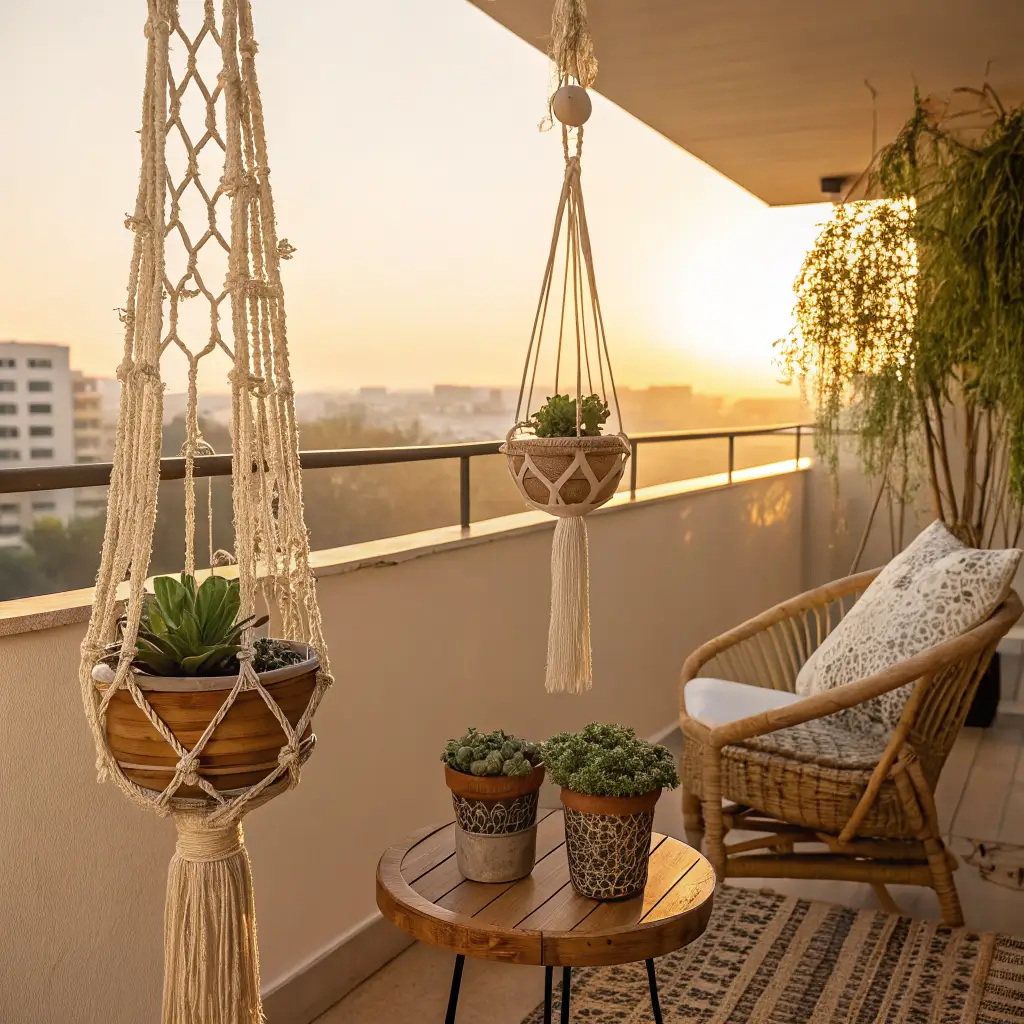
Hanging succulent gardens bring that effortless boho vibe that makes every space feel more relaxed and stylish. I’ve got three different hanging arrangements in my living room, and they’re constantly getting compliments from visitors.
Macrame plant hangers are having a renaissance, and honestly, it’s about time. You can buy them ready-made or try your hand at creating your own – YouTube has some surprisingly good tutorials that even craft-challenged people like me can follow.
The trick with hanging succulent gardens is choosing varieties that either trail naturally or stay compact. String of pearls, burro’s tail, and trailing jade are absolute stars in hanging containers. Avoid top-heavy varieties that’ll make your arrangement look unbalanced.
For the containers themselves, think beyond traditional pots. Coconut fiber baskets lined with moss create this organic, natural look that screams boho chic. Ceramic hanging planters in earth tones work beautifully too, especially if you can find ones with interesting textures or patterns.
Watering hanging gardens requires some strategy. I learned to place a towel underneath during watering sessions after creating several mysterious water spots on my hardwood floors. Also, consider the weight factor – wet soil is significantly heavier than dry soil, so make sure your ceiling hooks can handle the load.
5. Stone Bowl Zen Succulent Arrangement
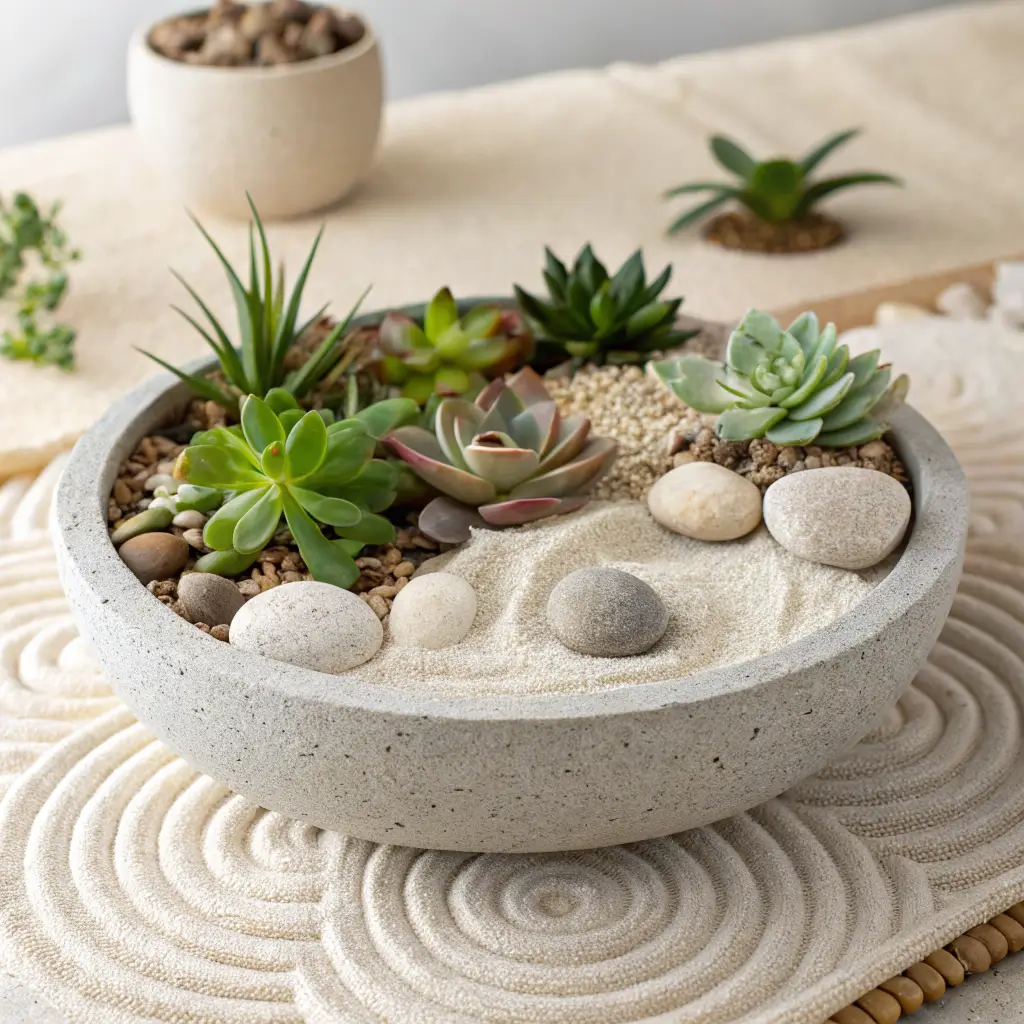
There’s something deeply calming about a well-designed stone bowl arrangement. It’s like having a meditation corner that happens to be filled with gorgeous plants. The key is embracing negative space as much as the planted areas.
I found my favorite stone bowl at a local garden center – it’s this gorgeous weathered concrete piece with a wide, shallow design. The patina and texture make it look like it’s been sitting in a zen garden for decades. Authentic stone or concrete bowls develop character over time, which is part of their appeal.
Plant selection for zen arrangements focuses on form and texture rather than bright colors. Think silvery-green echeveria, architectural agave varieties, and maybe a single statement piece like a jade plant or desert rose. The goal is harmony and balance, not a rainbow explosion.
The arrangement process becomes almost meditative itself. I start with the largest plant as an anchor, usually positioned slightly off-center according to the rule of thirds. Then I add smaller elements, creating visual triangles and ensuring each plant has breathing room.
Here’s a pro tip: add some decorative elements like smooth river rocks, a small piece of driftwood, or even colored sand in subtle patterns. These hardscape elements reinforce the zen aesthetic and provide visual interest during dormant seasons.
Maintenance stays beautifully simple. A light watering every two weeks during growing season, maybe monthly in winter. The stone bowl arrangement should feel timeless and unchanging, which makes it perfect for busy lifestyles.
6. Modern Minimalist Succulent Corner
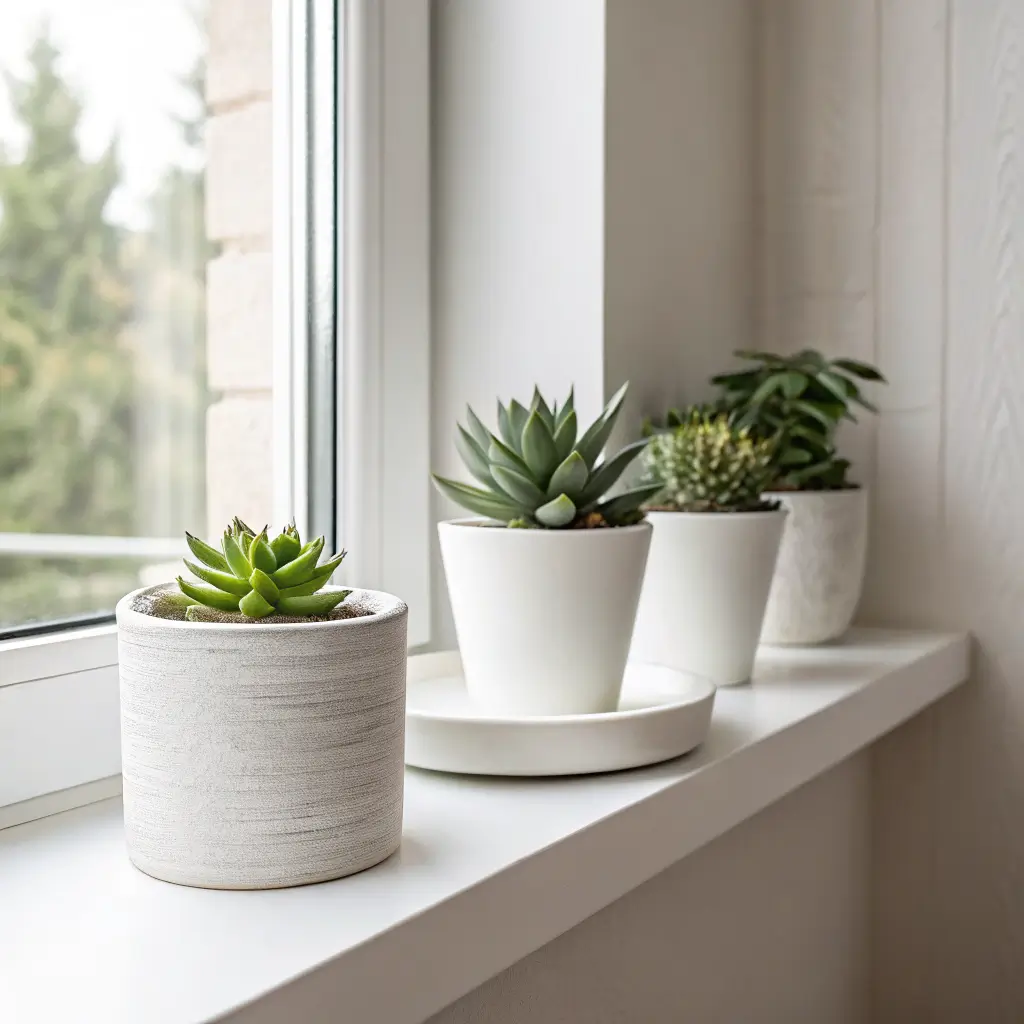
Minimalism and succulents are basically made for each other. Clean lines, simple forms, and a “less is more” philosophy work perfectly with these architectural plants. The challenge is creating visual impact while maintaining that stripped-down aesthetic.
I designed my minimalist corner using three different container sizes in the same material – matte white ceramic in my case. The repetition creates cohesion while the varied heights add visual interest. Stick to one material and color family for containers to maintain the minimalist vibe.
Plant selection becomes crucial in minimalist designs. Choose varieties with strong architectural forms like snake plants (okay, technically not a succulent but they fit the aesthetic), agave, or perfectly symmetrical echeveria. Avoid anything too busy or colorful – you want plants that look like living sculptures.
The corner location works perfectly because it creates a defined space without overwhelming the room. I positioned my tallest planter in the back corner, with medium and small containers creating a flowing line toward the open space. This draws the eye in and creates depth without clutter.
Negative space becomes as important as the planted areas in minimalist design. Resist the urge to fill every inch – the empty space around your plants is what makes them stand out as design elements rather than just houseplants.
Also Read: 10 Gorgeous Mediterranean Garden Design Ideas Luxury Style
7. Rustic Wooden Crate Succulent Planter
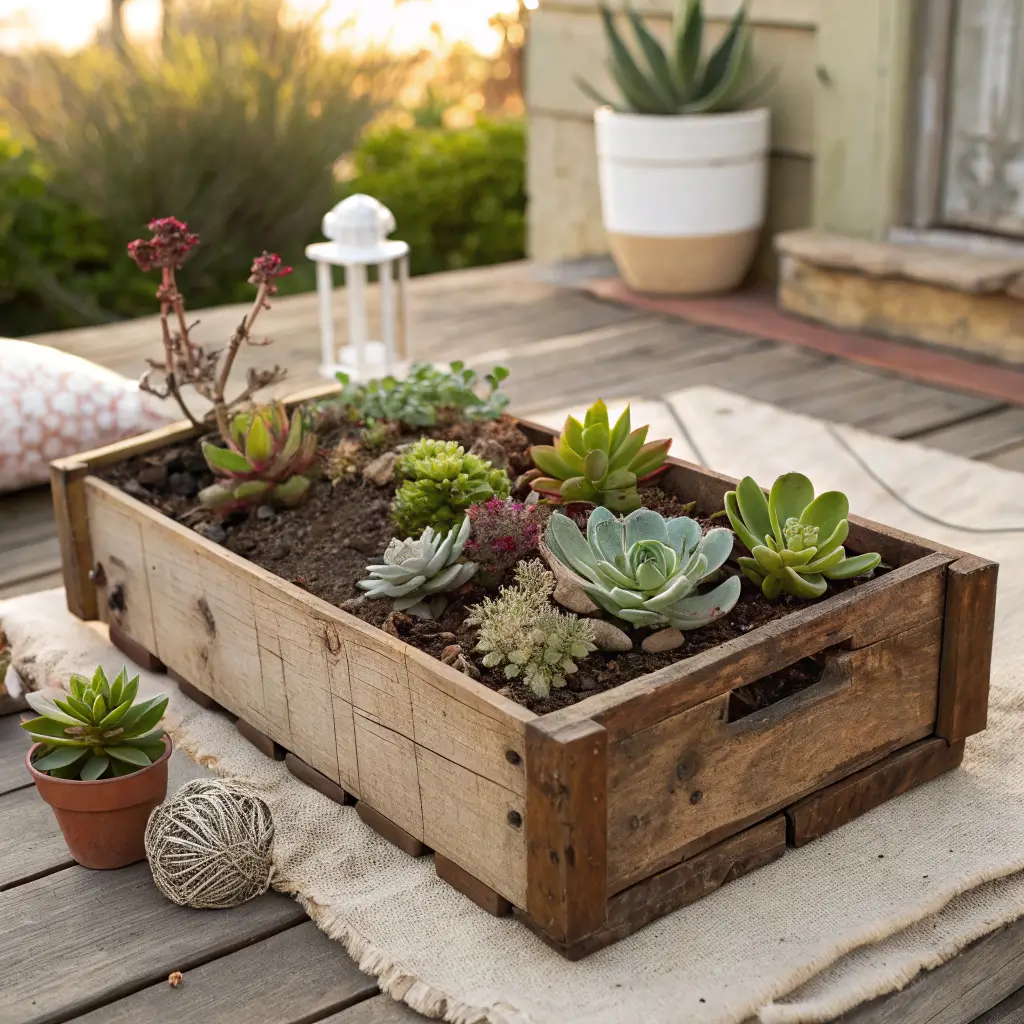
Nothing beats the charm of a weathered wooden crate filled with colorful succulents. It’s like country chic met desert style and had the most beautiful garden baby. The rustic element softens the sometimes stark look of succulent gardens.
I’ve made several of these using old apple crates from the farmer’s market, wine boxes from local wineries, and even some DIY versions using reclaimed fence boards. The more weathered and imperfect the wood, the better the final result.
Drainage modification is essential for wooden crate planters. Most weren’t designed for plants, so you’ll need to drill several holes in the bottom and possibly add a plastic liner with drainage holes. I learned this lesson after my first beautiful arrangement turned into a soggy mess within a month.
The planting approach differs from traditional containers. I treat wooden crates more like raised garden beds, creating different levels and zones within the space. Taller plants toward the back, trailing varieties spilling over the edges, and colorful clusters filling the middle ground.
Plant selection can be more diverse in larger crates. Mix different textures, colors, and growth habits for a cottage garden feel. Sedums, sempervivums, and various echeveria create beautiful tapestries of color that change with the seasons.
Weather protection becomes important with wooden containers. I apply a food-safe wood sealer annually to prevent rot while keeping the rustic appearance. Position them where they’ll get morning sun but afternoon shade to extend the wood’s lifespan.
8. Tiered Shelf Succulent Garden Setup
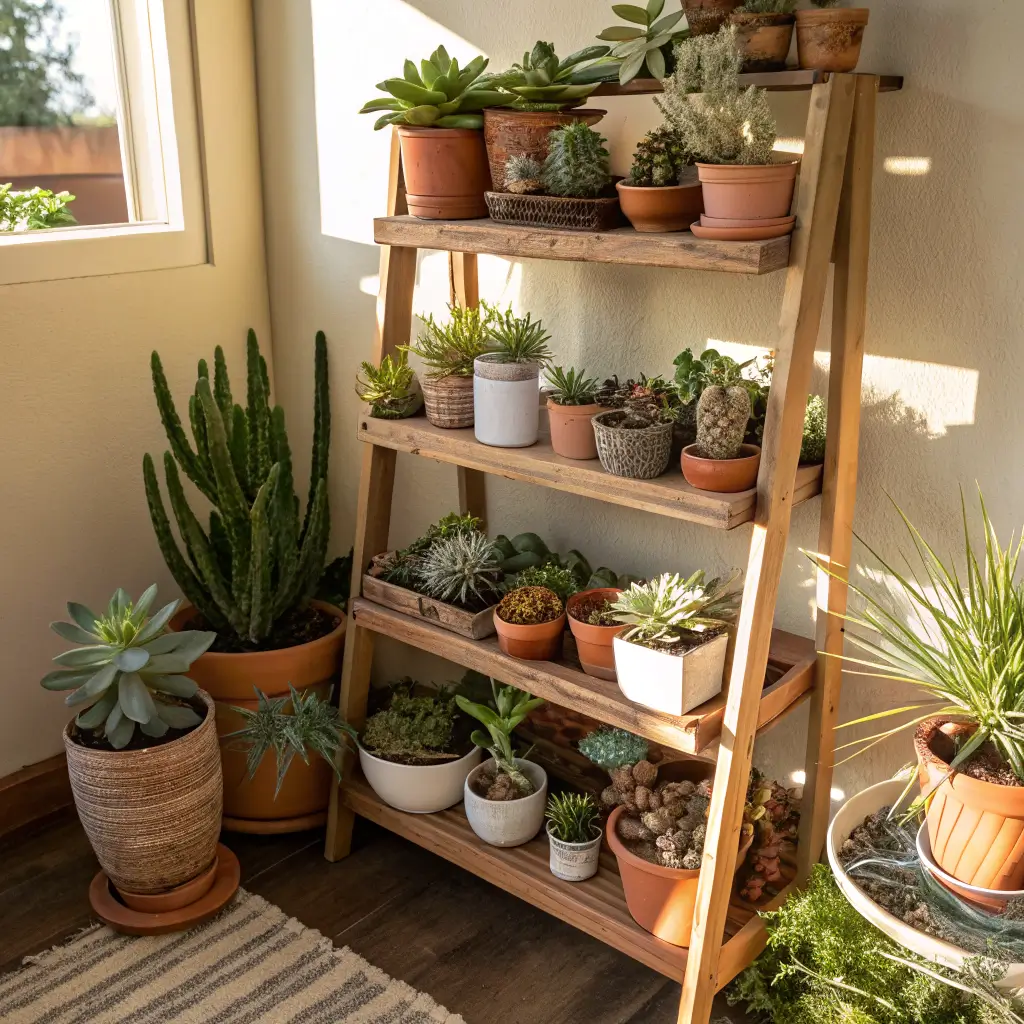
Tiered displays are like having a succulent library where every plant gets its moment to shine. The vertical organization maximizes growing space while creating this gorgeous cascading effect that works in any corner of your home or garden.
I started with a simple three-tier metal plant stand, but the possibilities are endless. Ladder-style displays, repurposed bookshelves, or even custom-built wooden tiers all work beautifully. The key is ensuring each level gets adequate light – avoid creating shadow zones where lower plants struggle.
Plant placement becomes a strategic game on tiered shelves. Trailing varieties work brilliantly on higher levels, creating natural curtains that soften the structure. I keep my string of pearls and burro’s tail on the top shelf where they can cascade down dramatically.
Middle shelves are perfect for your statement pieces – those gorgeous echeveria rosettes or colorful aeonium varieties that deserve center stage. This is eye level for most people, so make it count with your most photogenic plants.
The bottom level handles your larger, architectural pieces. Barrel cacti, larger agave varieties, or substantial jade plants create a solid foundation for the entire display. These anchor the arrangement and prevent it from looking top-heavy.
Watering tiered displays requires some coordination. I start from the bottom and work up, allowing any excess water to drain completely before moving to the next level. This prevents upper-level water from drowning lower plants.
9. Balcony Rail Succulent Garden Design
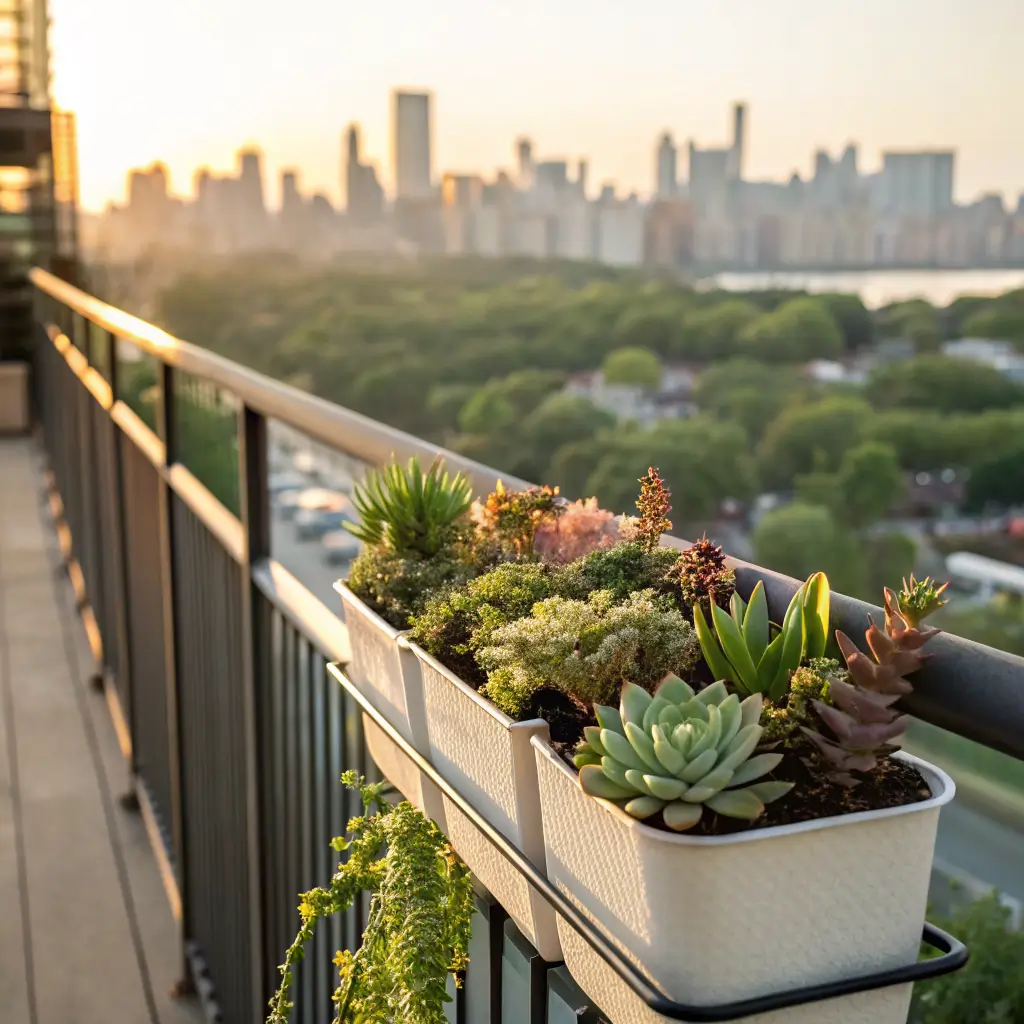
Balcony rails are seriously underutilized real estate in most apartments and condos. With the right container system, you can transform that empty rail into a stunning succulent garden that provides privacy and beauty without taking up floor space.
Rail planters come in various styles, but I prefer the ones that hook securely over the rail and have drainage built in. Safety first – make sure your planters are rated for outdoor use and wind resistance. Nobody wants their beautiful garden becoming a hazard to people below.
Wind exposure becomes a major consideration for balcony gardens. Choose sturdy, low-profile succulents that won’t snap in strong gusts. Sedums, sempervivums, and rosette-forming echeveria handle wind much better than tall, spindly varieties.
Sun exposure changes throughout the day on most balconies, which can actually work to your advantage. Morning sun with afternoon shade suits many succulent varieties perfectly, preventing the scorching that can happen in all-day sun locations.
The linear arrangement of rail planters creates opportunities for interesting repetition and rhythm. I alternate between different varieties while maintaining a cohesive color scheme. This creates unity while preventing monotony.
Maintenance stays simple with rail planters, but consider the accessibility factor. Choose planters that you can easily lift off the rail for thorough watering and cleaning. Your back will thank you later.
Also Read: 10 Serene Zen Garden Design Ideas for Peaceful Retreat Spaces
10. Indoor Coffee Table Succulent Centerpiece
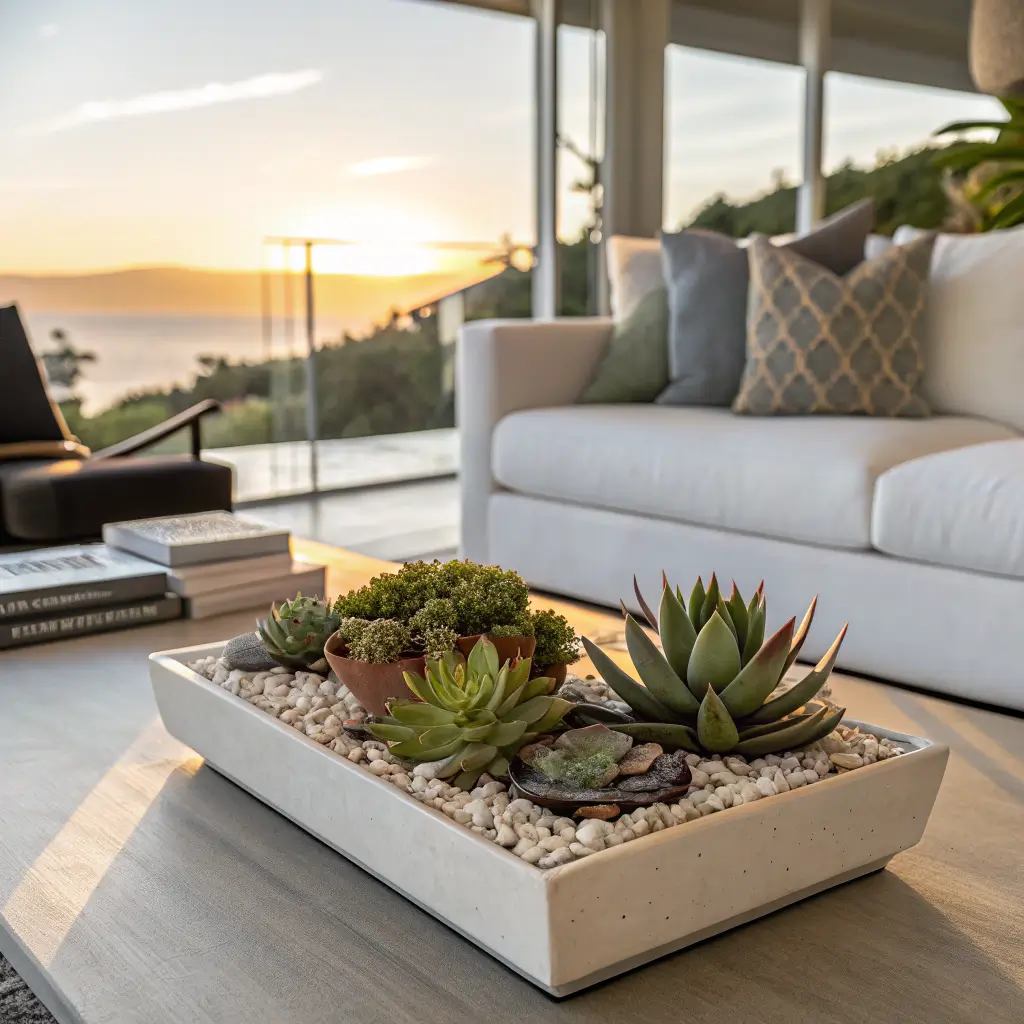
Nothing elevates a coffee table like a stunning succulent arrangement that guests can admire up close. Unlike fresh flower arrangements that wilt in a week, a well-designed succulent centerpiece keeps looking gorgeous for months with minimal care.
The container choice sets the entire tone for your centerpiece. I’ve used everything from vintage wooden dough bowls to modern ceramic planters to glass display cases. The key is choosing something that complements your existing décor while providing adequate space for plant growth.
Scale matters enormously in coffee table arrangements. You want visual impact without creating a barrier to conversation. I aim for arrangements that are no taller than 12 inches and leave plenty of table space for drinks and books.
Plant selection focuses on varieties that stay compact and look good from all angles. Rosette-forming succulents like echeveria and aeonium are perfect because they maintain their shape and provide symmetrical beauty from every viewing point.
Color coordination becomes important when your arrangement is a focal point in your living space. I tend to choose plants that complement my room’s color palette – silvery blues and greens for cool-toned spaces, warm oranges and reds for rooms with warmer palettes.
The beauty of indoor centerpieces is the controlled environment. No weather worries, consistent temperatures, and protection from pests make these arrangements surprisingly low-maintenance. A thorough watering every two to three weeks keeps most arrangements thriving.
Bringing It All Together
Creating stunning succulent gardens doesn’t require a horticulture degree or perfect growing conditions. These ten design ideas prove that with a little creativity and the right plant choices, anyone can create gorgeous living displays that enhance their space and lifestyle.
The best part about succulent gardening? You can start small and build your confidence with simple projects like terrariums or coffee table centerpieces. As you get comfortable with these amazing plants, you can tackle more ambitious projects like vertical walls or elaborate tiered displays.
Remember that succulent gardening is ultimately about creating spaces that bring you joy. Whether that’s a zen corner for meditation, a boho hanging garden for Instagram-worthy vibes, or a practical balcony rail garden that maximizes your growing space, the perfect succulent garden is the one that fits your lifestyle and makes you smile every time you see it.
IMO, the biggest mistake beginners make is overthinking the process. Start with one idea that excites you, choose a few easy-care varieties, and let your garden evolve naturally. Trust me – once you get started, you’ll be hooked on these incredible plants and the endless design possibilities they offer 🙂