10 Creative Small Coffee Shop Design Ideas for Stylish Vibes

Look, I’ve spent way too many hours in coffee shops – probably more than is healthy for my caffeine tolerance or my wallet.
But here’s what I’ve learned: the difference between a forgettable cup of joe and a place that becomes your second home? It’s all about the design.
Whether you’re planning to open your own little slice of coffee heaven or you’re daydreaming about what your perfect café would look like, I’ve got you covered.
These 10 design ideas will help you create a space that’s both Instagram-worthy and genuinely functional.
Trust me, I’ve seen enough cramped, poorly designed coffee shops to know what works and what definitely doesn’t.
1. Cozy Minimalist Small Coffee Shop Layout
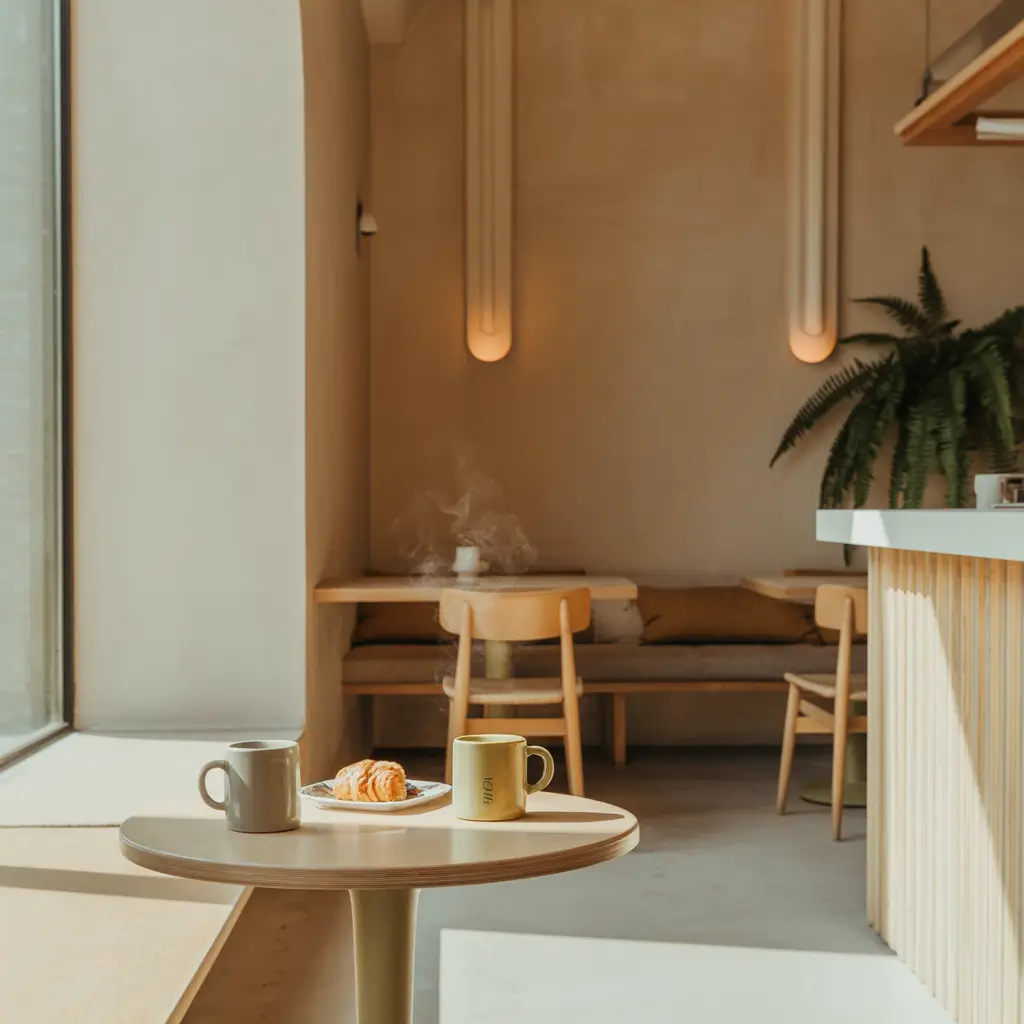
Less really is more – and nowhere is this more true than in a small coffee shop. I’m talking about clean lines, neutral colors, and strategic use of space that makes your tiny café feel like a breath of fresh air.
The magic happens when you focus on quality over quantity. Instead of cramming every corner with furniture, choose a few well-placed pieces that serve multiple purposes. A sleek wooden counter that doubles as a communal table? Genius. Wall-mounted shelving that displays your coffee beans while providing storage? Even better.
Your color palette should stick to whites, warm grays, and maybe one accent color – I’m partial to a soft sage green myself. The key is creating visual breathing room so customers don’t feel like they’re dining in a sardine can.
Ever notice how some tiny spaces feel spacious while others feel suffocating? It’s all about strategic lighting and mirrors. Large windows are your best friend, but if you’re working with limited natural light, invest in warm LED fixtures that mimic daylight. A well-placed mirror can literally double the perceived size of your space – just don’t go overboard or you’ll create a funhouse effect.
The furniture should be simple but comfortable. Think mid-century modern chairs that stack easily for cleaning, and tables with clean geometric shapes. Functionality is key – every piece should earn its place in your limited square footage.
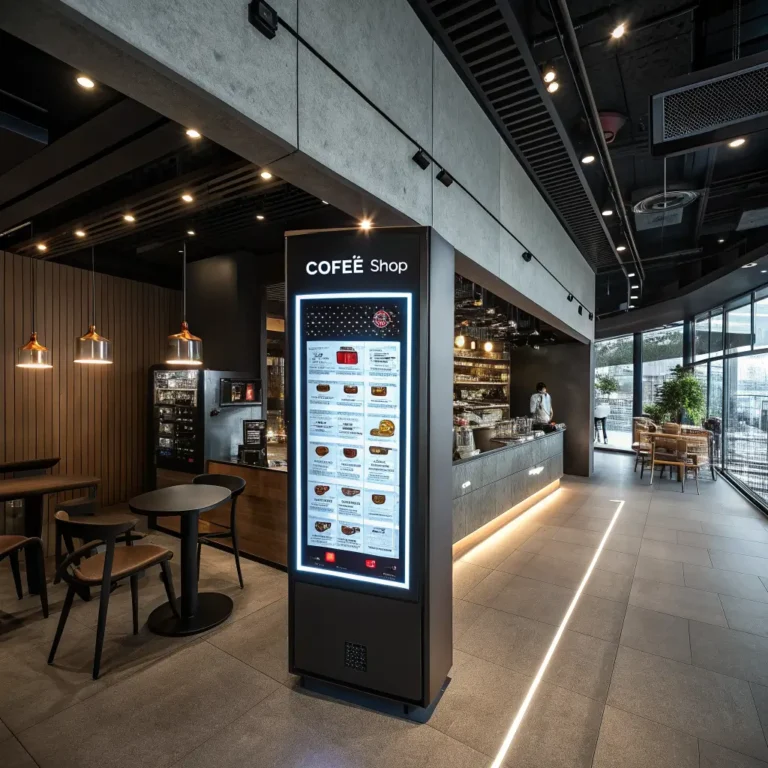
2. Modern Industrial Tiny Café Interior Design
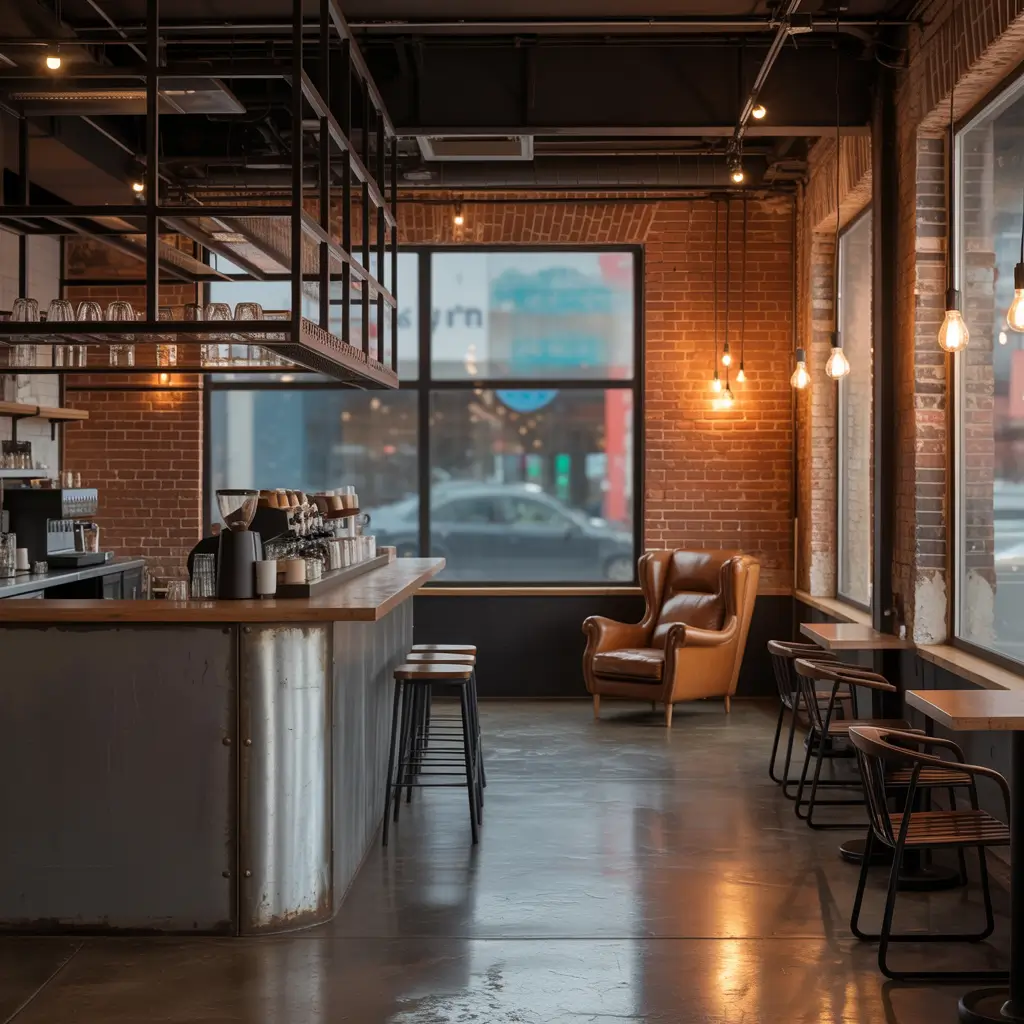
Nothing says “I know good coffee” quite like exposed brick walls and Edison bulb fixtures. The industrial aesthetic works particularly well in small spaces because it embraces the raw, unfinished look that can make limitations feel intentional rather than restrictive.
Start with your foundation: concrete floors (or concrete-look tiles if you’re on a budget), exposed brick or concrete walls, and visible ductwork if you’ve got it. Don’t try to hide the industrial elements – celebrate them. Those pipes running along your ceiling? Perfect spots for hanging pendant lights.
Your coffee bar becomes the star of the show with this design. Think stainless steel everything – counters, espresso machine backsplashes, even some of your storage solutions. Add some reclaimed wood elements to warm things up and prevent the space from feeling too cold or sterile.
The seating should match the vibe: metal stools with leather or wooden seats, perhaps a few repurposed industrial pieces like old factory tables. I’ve seen cafés use old warehouse carts as mobile coffee stations – creativity like this sets you apart from cookie-cutter coffee chains.
Lighting is crucial in industrial design. You want those exposed Edison bulbs, metal pendant fixtures, and maybe some vintage-style track lighting. The goal is to create dramatic shadows and highlights that add depth to your small space.
3. Scandinavian Style Compact Coffee Shop Concept
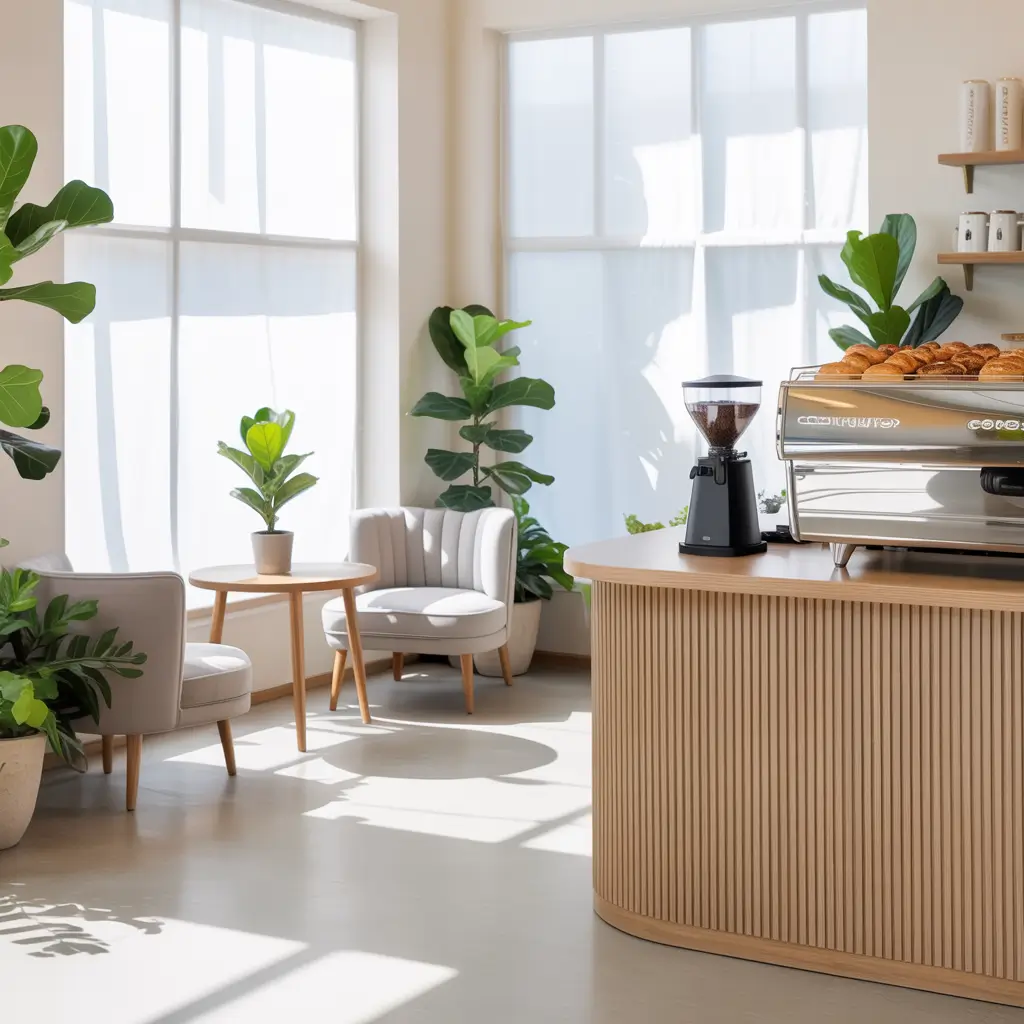
If hygge was a coffee shop, this would be it. Scandinavian design masters the art of creating warmth and comfort in minimal spaces – something every small café owner needs to learn.
The foundation starts with light woods – think birch, pine, or light oak for your floors, furniture, and accent pieces. White or very light gray walls keep everything bright, which is essential when you’re working with limited square footage. The overall feel should be clean, uncluttered, and impossibly cozy.
Your seating areas should feel like someone’s living room – in the best possible way. Comfortable cushions in muted colors, soft throws draped over chairs, and maybe a few well-placed plants to bring life to the space. IMO, nothing beats the combination of natural materials and greenery for creating that perfect Scandinavian atmosphere.
The coffee bar itself should be functional art. Light wood countertops, simple white subway tiles for the backsplash, and open shelving to display your beautiful coffee cups and equipment. Everything should have a purpose and a place – clutter is the enemy of good Scandinavian design.
Lighting plays a huge role here too. You want soft, warm light that makes people want to linger. Pendant lights with natural materials like rattan or light wood, table lamps for ambient lighting, and plenty of candles for that signature hygge feeling.
Also Read: 10 Beautiful Coffee Shop Interior Design Ideas for Cozy Vibes
4. Budget-Friendly Small Café Makeover Ideas
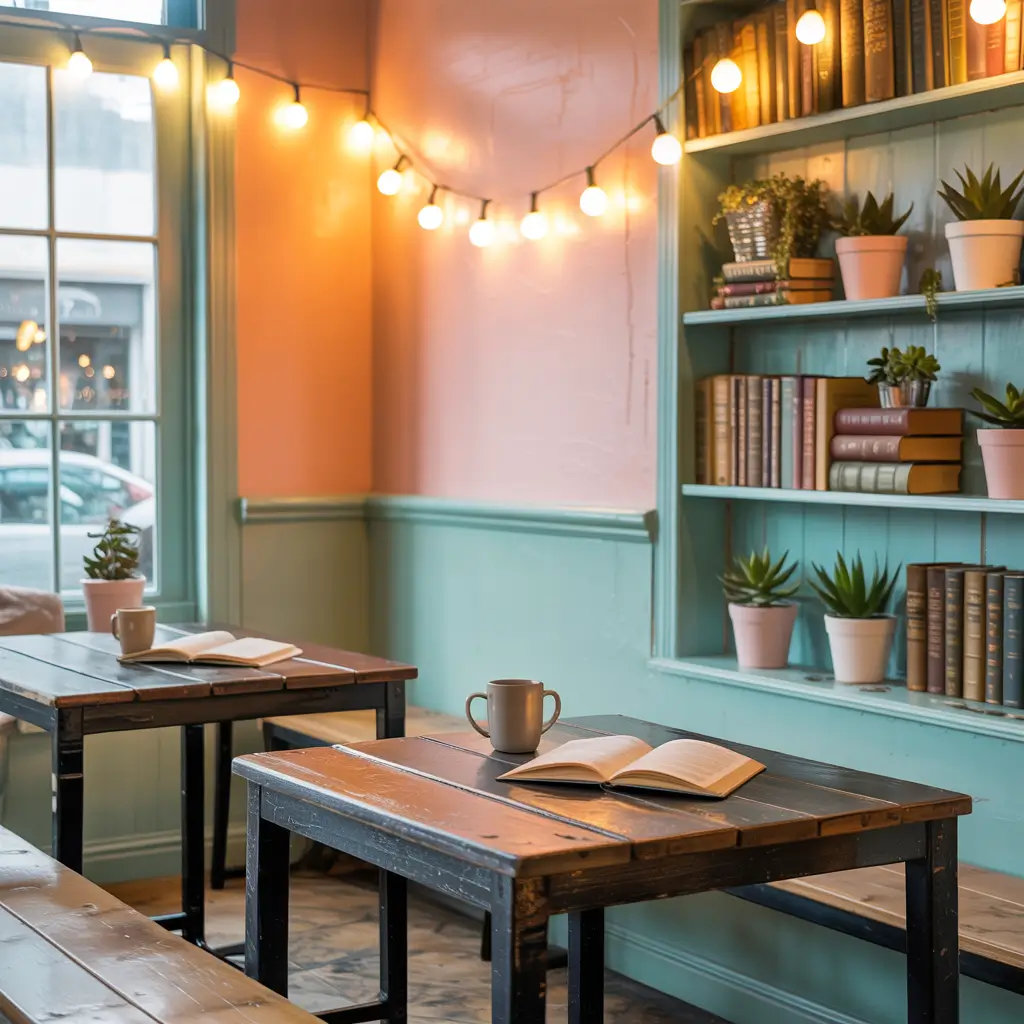
Let’s be real – not everyone has an unlimited budget for their coffee shop dreams. But here’s the thing: some of the most charming cafés I’ve visited were clearly designed on a shoestring budget, and they had more personality than places that spent five times as much.
Your best friend is going to be paint – it’s cheap, transformative, and you can do it yourself over a weekend. A fresh coat in the right color can completely change how a space feels. Don’t be afraid of bold accent walls; sometimes a deep navy or forest green can make a small space feel more intimate rather than cramped.
DIY projects are your secret weapon. Old wooden pallets can become rustic wall art or even seating with some cushions. Mason jars make perfect light fixtures when wired correctly (safety first, obviously). I’ve seen café owners turn vintage suitcases into unique tables and old ladders into magazine racks.
Thrift stores and Facebook Marketplace are goldmines for unique furniture pieces. You don’t need matching sets – in fact, mismatched vintage pieces often create more character than perfectly coordinated furniture. Just make sure everything ties together with a consistent color palette or material choice.
Plants are incredibly budget-friendly ways to add life and color to your space. A few well-placed pothos or snake plants can make your café feel fresh and welcoming without breaking the bank. Plus, they’re pretty hard to kill – always a bonus when you’re busy running a business 🙂
5. Warm Rustic Micro Coffee Shop Design
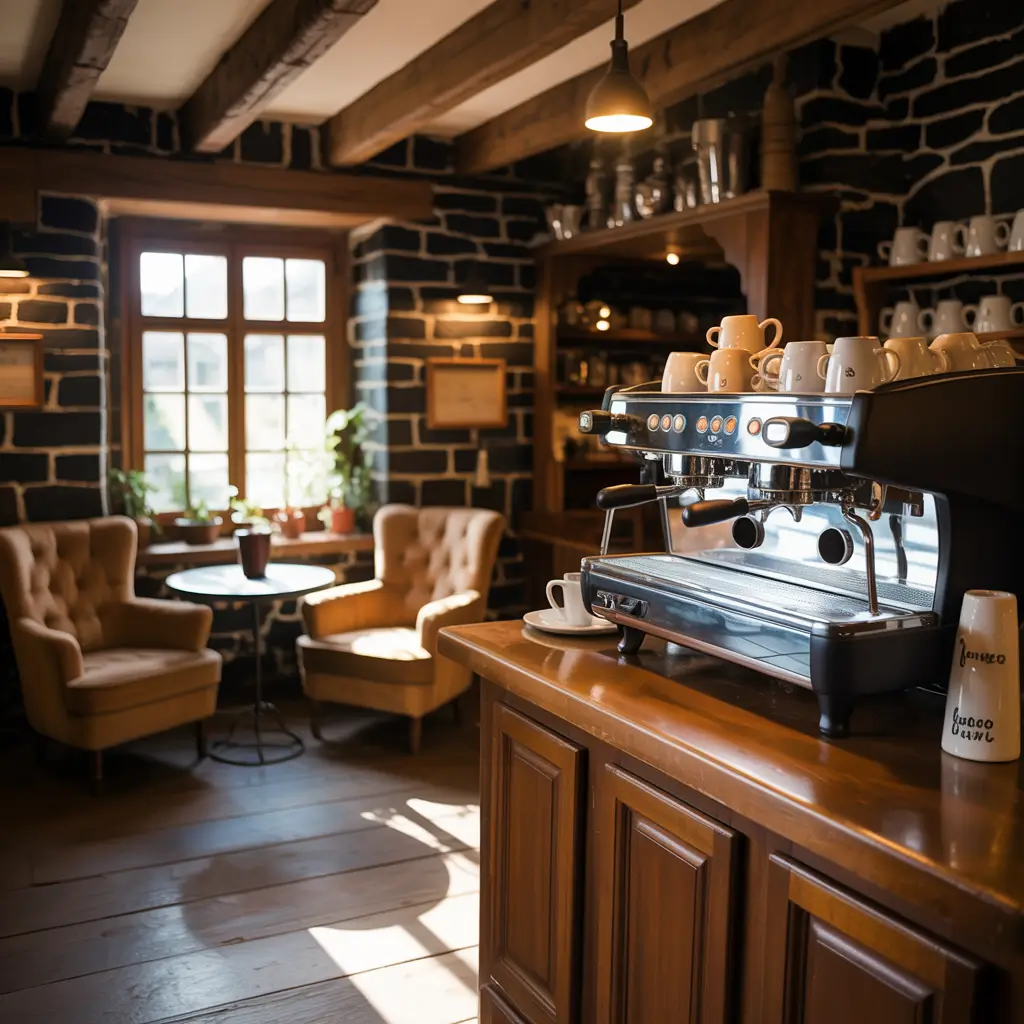
There’s something magical about rustic design in small spaces – it makes tiny feel cozy instead of cramped. This style is all about embracing natural materials, warm colors, and that lived-in feeling that makes customers want to settle in for hours.
Reclaimed wood is your star player here. Use it for accent walls, tabletops, shelving, and even ceiling treatments if your space allows. Each piece tells a story, and those imperfections and weathered edges add character you simply can’t buy new. I love how rustic wood catches and reflects light – it creates this warm, golden glow that’s incredibly inviting.
Your color palette should draw from nature: warm browns, deep greens, burnt oranges, and cream. These colors work together to create a space that feels like a cozy cabin retreat rather than just another urban coffee shop. Don’t be afraid to mix textures – smooth leather seating against rough wooden tables, soft wool throws over metal chairs.
Lighting in rustic spaces should feel warm and intimate. Think wrought iron fixtures, lantern-style pendants, and lots of candles. String lights aren’t just for patios – they can add a magical touch to rustic interiors when used thoughtfully.
The coffee bar should feel like part of a farmhouse kitchen. Butcher block countertops, open shelving made from reclaimed wood, and vintage-style hardware all contribute to the aesthetic. Every detail should feel authentic – this isn’t the place for sleek modern finishes.
6. Luxury Small Space Coffee Bar Setup
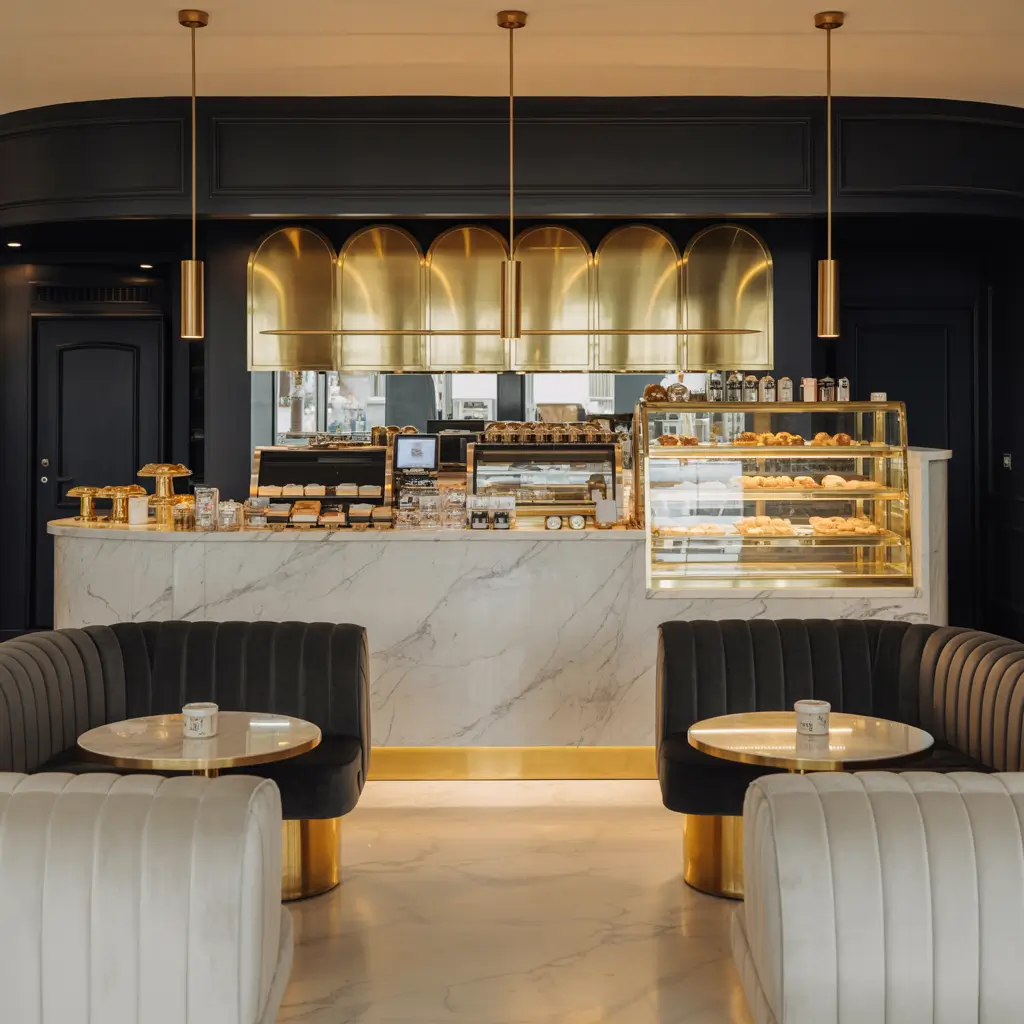
Just because your space is small doesn’t mean you can’t create a high-end experience. Luxury in small spaces is all about quality materials, perfect execution, and attention to detail that makes every square inch feel intentional and special.
Your materials should be the best you can afford: natural stone countertops, high-quality hardwood floors, genuine leather seating, and premium metal finishes. The key is choosing fewer elements but making sure each one is exceptional. A single stunning marble coffee bar can be more impactful than a dozen mediocre design elements.
The color palette should be sophisticated and timeless. Think rich charcoals, warm whites, gold or brass accents, and perhaps one jewel tone like deep emerald or sapphire blue. These colors photograph beautifully – important in our Instagram-obsessed world – and create an atmosphere of understated elegance.
Lighting becomes even more critical in luxury small spaces. Invest in statement fixtures that serve as both functional lighting and art pieces. A stunning chandelier or unique pendant light can become the focal point that elevates your entire space.
Every detail matters in luxury design. Custom millwork, high-end hardware, premium coffee equipment that looks as good as it performs – these elements separate luxury experiences from ordinary ones. Your customers should feel like they’re getting something special that they can’t find anywhere else.
Also Read: 10 Amazing Coffee Shop Design Ideas for Modern Spaces
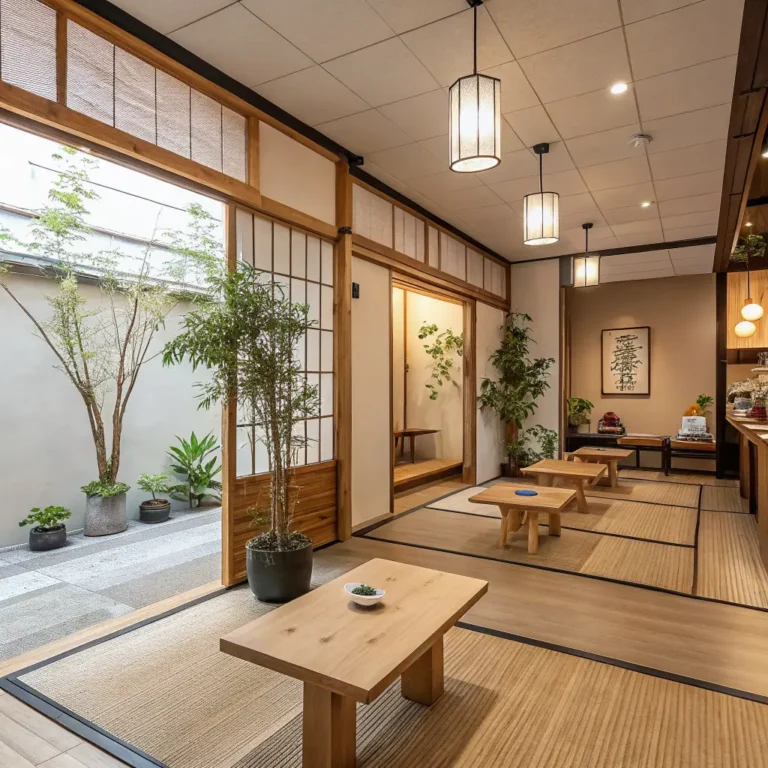
7. Japanese Zen Inspired Tiny Café Interior
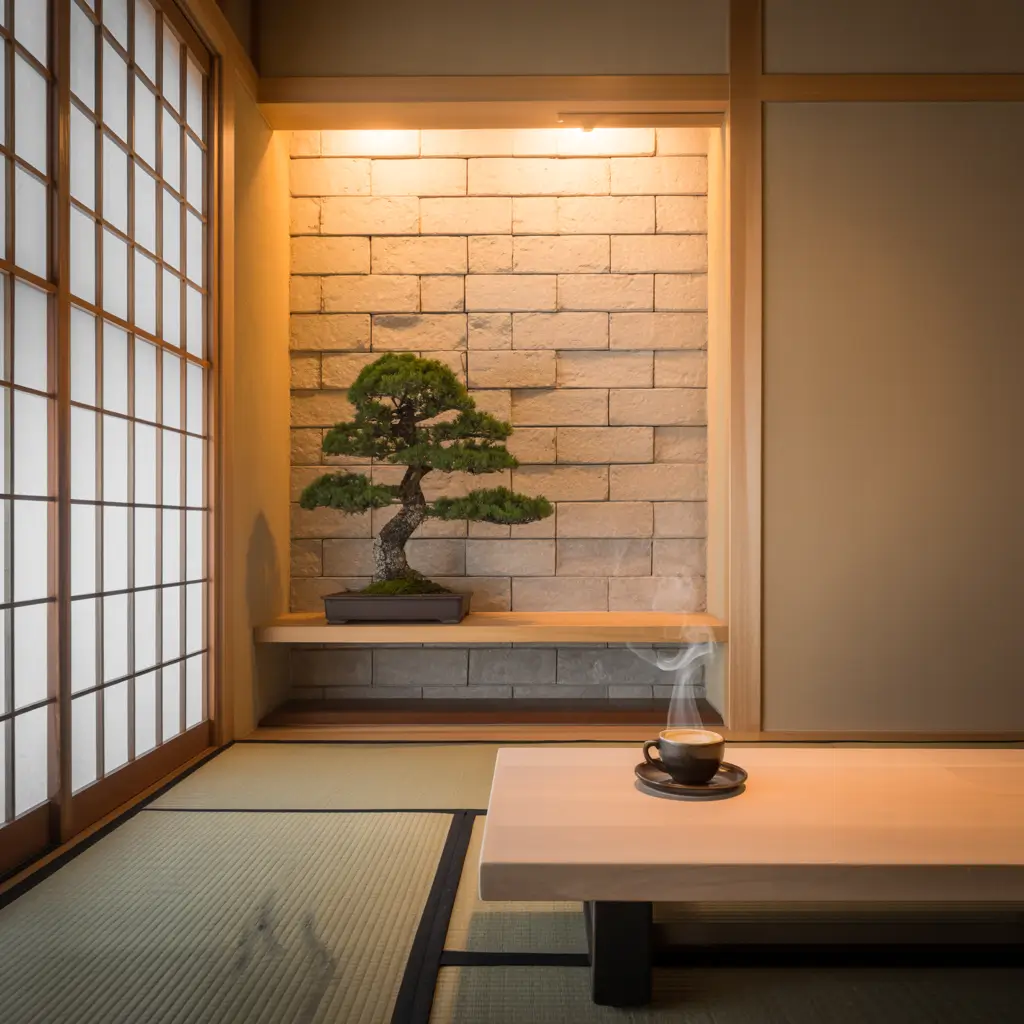
There’s a reason Japanese design principles work so well in small spaces – they’ve been perfecting the art of beautiful minimalism for centuries. This style focuses on creating tranquility, balance, and mindfulness – exactly what people need in their daily coffee ritual.
The foundation is clean, uncluttered lines with natural materials taking center stage. Light woods like bamboo or light oak, natural stone accents, and plenty of white or cream surfaces create a sense of calm. The goal is to eliminate visual noise so customers can focus on the experience of their coffee and maybe find a moment of peace in their busy day.
Your furniture should be low-profile and functional. Floor cushions around low tables create an authentic Japanese feel, while simple wooden stools at a counter work well for quick coffee stops. Everything should feel deliberate and peaceful – no unnecessary ornamentation or busy patterns.
Natural elements are essential in Zen design. A small rock garden, a water feature (even something as simple as a tabletop fountain), and carefully chosen plants create connections to nature. I’ve seen tiny cafés use a single, perfectly placed bonsai tree as their centerpiece – sometimes less really is more.
Lighting should be soft and natural. Paper lanterns, natural wood fixtures, and plenty of candles create the warm, meditative atmosphere that makes this style so appealing. The goal is to create a space where people naturally slow down and savor the moment.
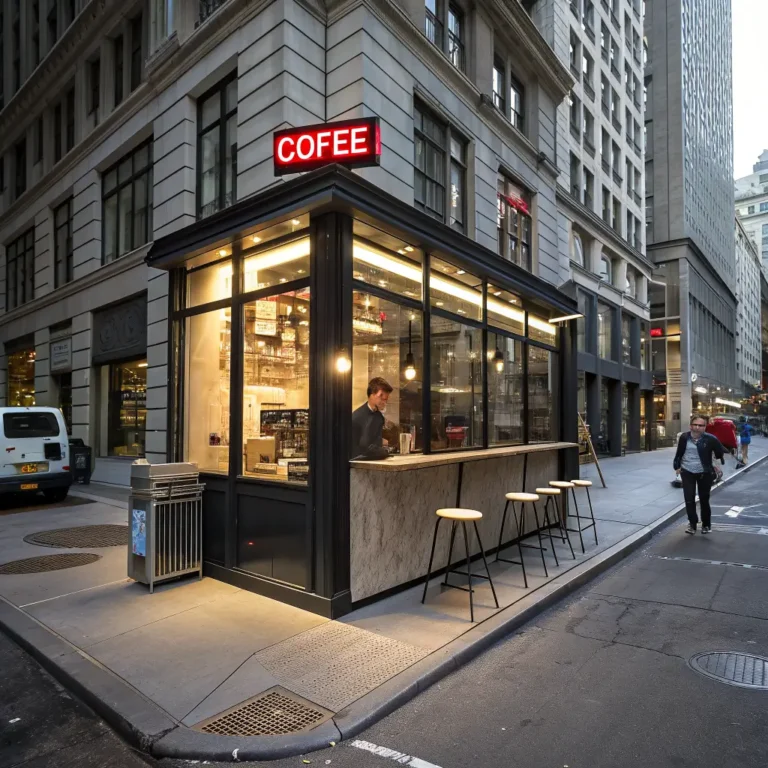
8. Street-Style Grab & Go Coffee Shop Design
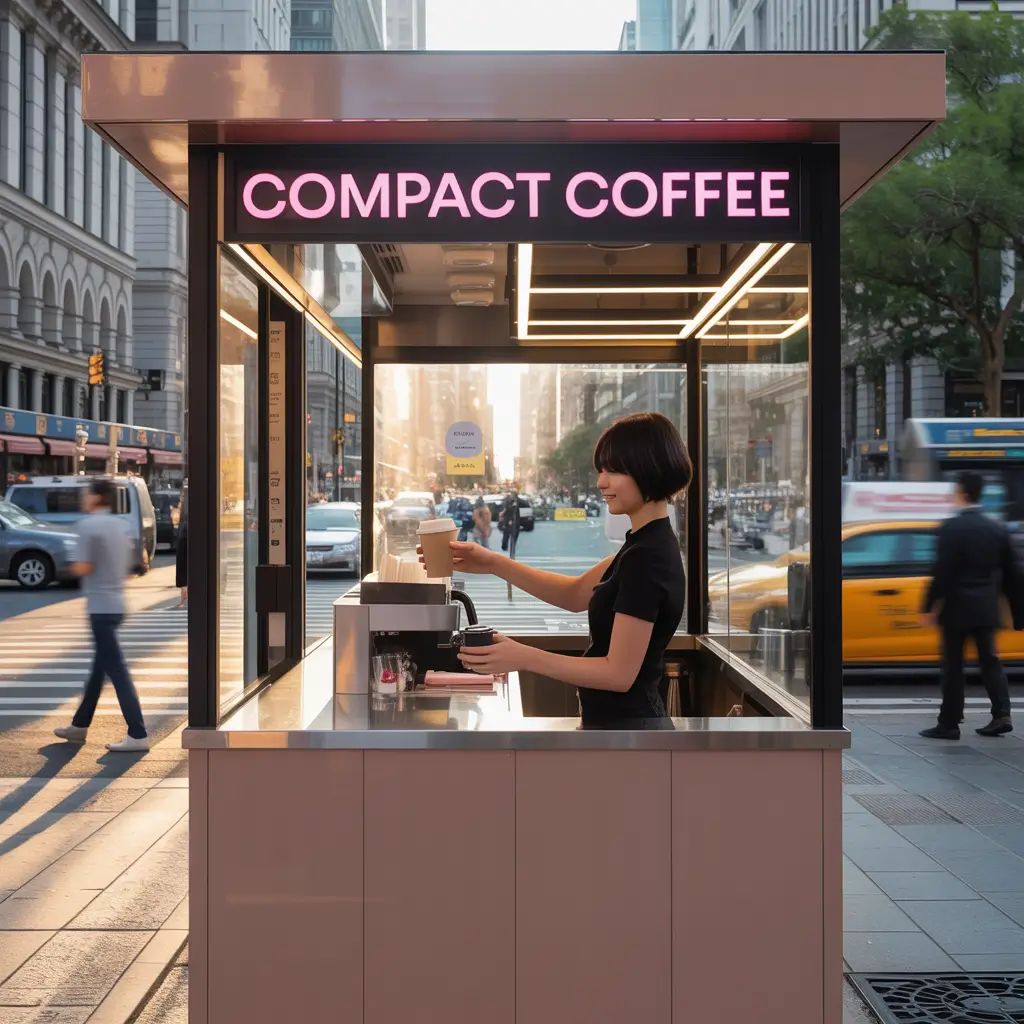
Not every coffee shop needs to be a destination for laptop warriors and first dates. Sometimes you want to create a space optimized for quick service and urban energy – and there’s definitely an art to doing this well in a small space.
Your layout should prioritize flow and efficiency. A prominent, accessible coffee bar, minimal seating (maybe a few high stools along a window counter), and clear sight lines to your menu and ordering area. Speed and convenience are your primary design goals, but that doesn’t mean sacrificing style.
The aesthetic should reflect urban culture: bold graphics, street art influences, industrial materials like steel and concrete, and a color palette that pops. Think blacks, whites, and one or two bright accent colors that make your brand memorable. Large-format graphics and typography can make a small space feel dynamic and energetic.
Your coffee equipment becomes part of the show in this setup. Don’t hide your espresso machine – make it a focal point. Customers love watching skilled baristas work, and the theater of coffee-making becomes part of your brand experience.
Storage and display should be sleek and accessible. Open shelving for grab-and-go items, clear refrigerated cases for pastries, and maybe some branded merchandise displayed prominently. Every element should reinforce the idea that this is the place for excellent coffee without the wait.
9. Botanical Green Small Café Interior Concept
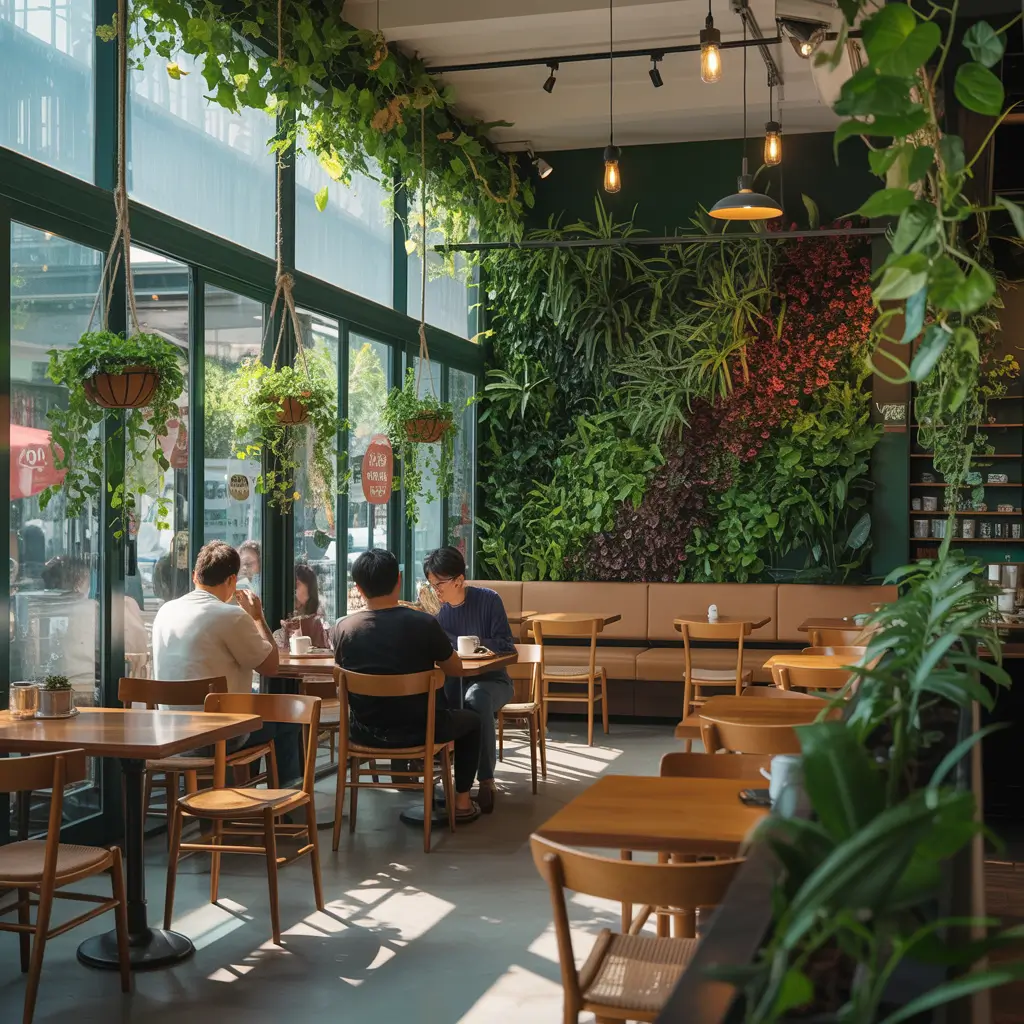
If you can’t bring your customers to a garden, bring the garden to your customers. Plant-filled cafés create an oasis feeling that’s particularly powerful in urban environments where people crave connections to nature.
Your plant selection should be both beautiful and practical. Choose varieties that thrive in indoor conditions and don’t require constant maintenance – you’ve got a business to run, after all. Pothos, snake plants, fiddle leaf figs, and various ferns are all great choices that add visual interest without being high-maintenance.
The key is creating layers of greenery at different heights. Hanging plants from the ceiling, wall-mounted planters, floor plants in attractive pots, and even small succulents on tables create a lush, immersive environment. Just make sure you’re not creating obstacles for movement or blocking important sight lines.
Your base design should complement, not compete with, your plant life. Neutral colors like whites, creams, and natural woods provide the perfect backdrop for green foliage. Natural materials like wicker, rattan, and unfinished wood reinforce the organic feeling.
Lighting becomes more complex when you’re essentially running an indoor garden. You need fixtures that provide good light for your human customers while also supporting your plant friends. Full-spectrum LED lights can serve double duty, and natural light should be maximized wherever possible.
Also Read: 10 Stunning Shoe Rack Wall Design Ideas for Modern Homes
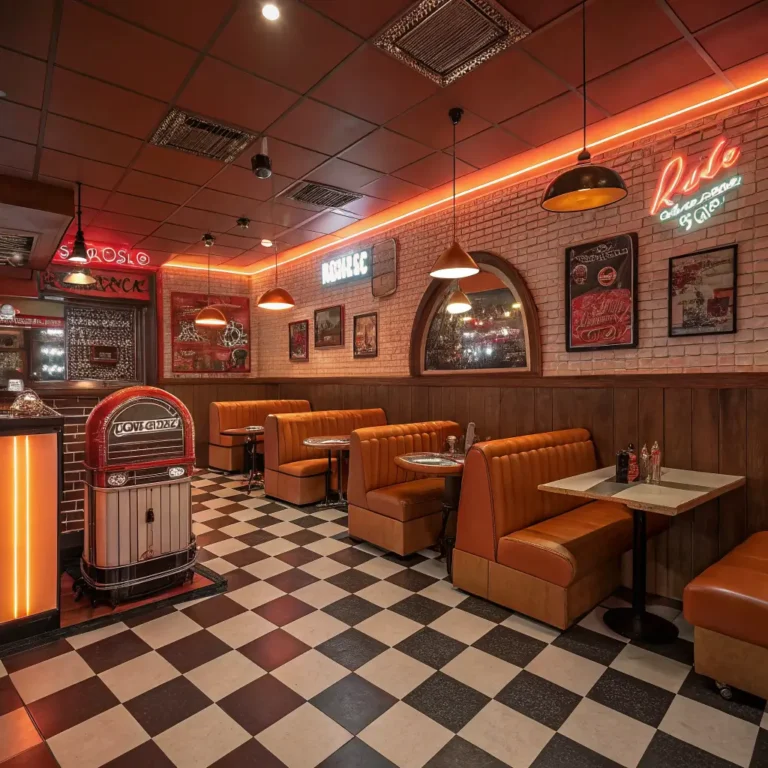
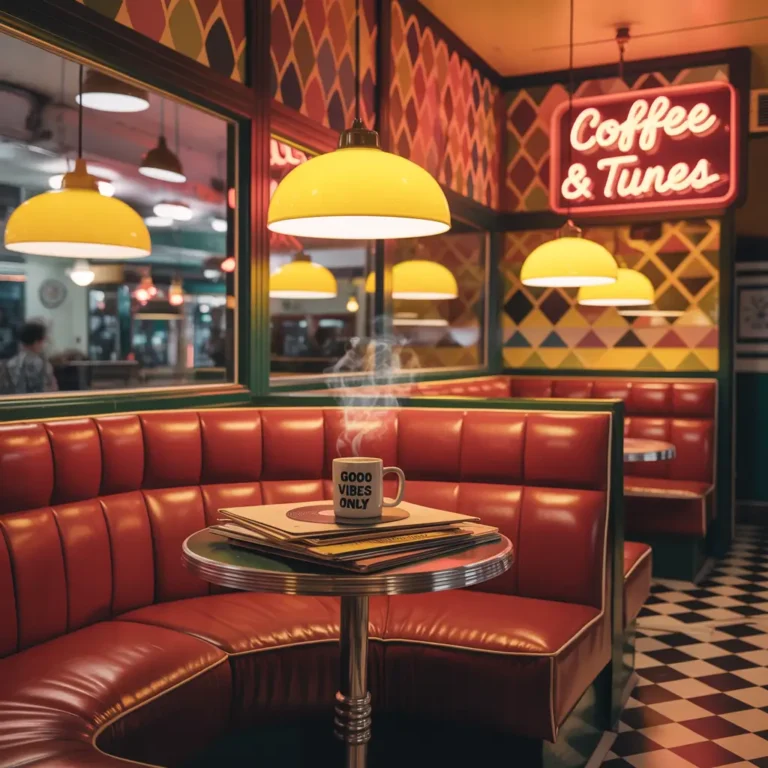
10. Retro Vintage Compact Coffee Shop Ideas
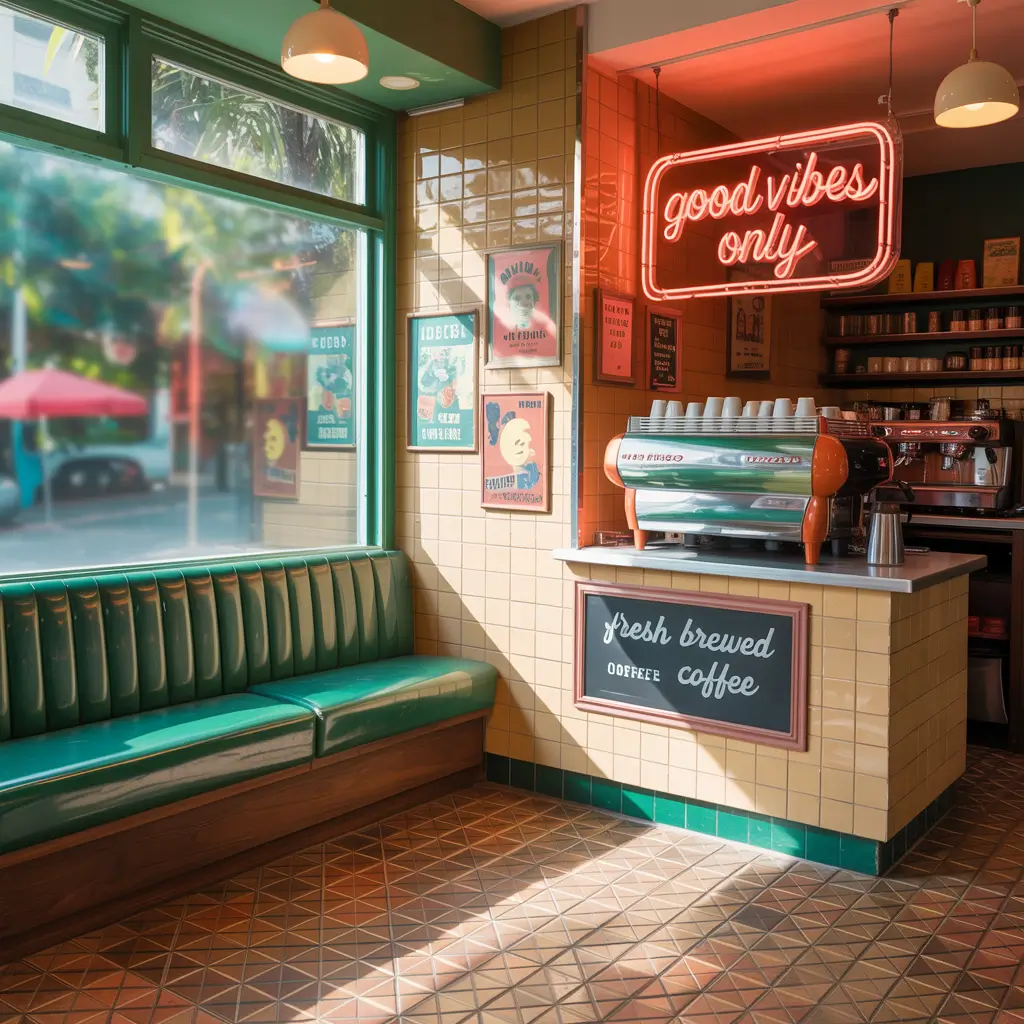
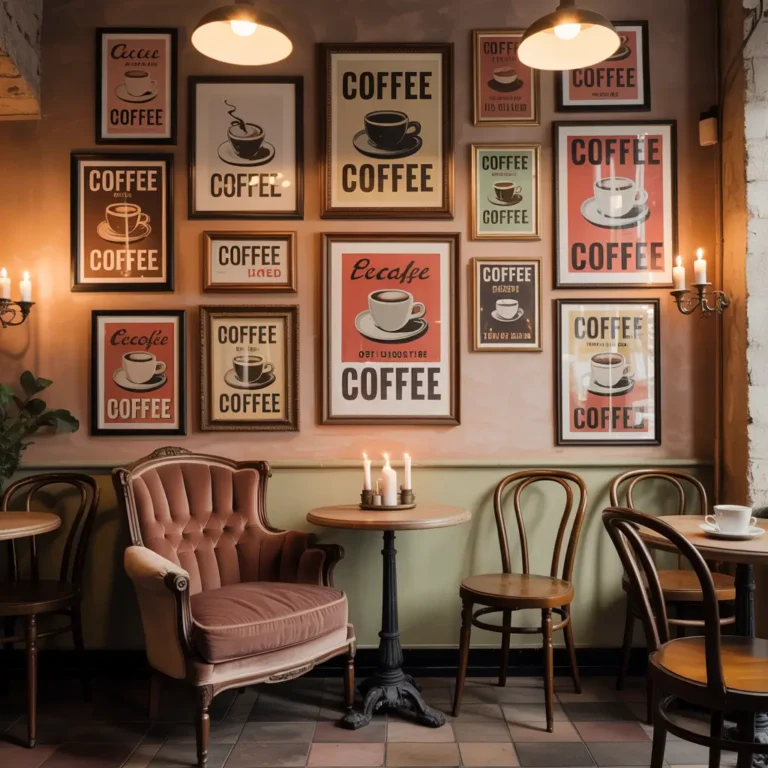
Sometimes the best way forward is looking backward. Vintage design in small spaces can create incredible character and charm that feels both nostalgic and fresh. Plus, vintage pieces often have better craftsmanship than modern equivalents – and they’ve already proven they can stand the test of time.
Your era selection matters – are you going for 1950s diner vibes, 1960s mod style, or 1970s bohemian charm? Staying consistent within your chosen decade creates a cohesive look that feels authentic rather than confused. I’m personally partial to mid-century modern elements – those clean lines and warm woods work beautifully in small spaces.
Furniture hunting becomes an adventure when you’re going vintage. Estate sales, antique shops, and online marketplaces are your best sources for authentic pieces. Look for items that are both beautiful and functional – a vintage coffee grinder that still works, retro bar stools that are actually comfortable, mid-century tables with the perfect patina.
Color palettes from vintage eras often work surprisingly well in modern small spaces. The muted oranges, avocado greens, and warm browns of the 1970s can feel fresh and welcoming when used thoughtfully. Just remember that bold vintage colors work best as accents rather than dominant themes in tiny spaces.
Your coffee equipment can either blend with the vintage theme or create interesting contrast. A gleaming modern espresso machine against a backdrop of vintage tile and retro furniture creates visual tension that can be really engaging. The key is making deliberate choices rather than randomly mixing old and new elements.
Making It All Work Together
Here’s the thing about small coffee shop design – it’s not just about looking good in photos (though that definitely doesn’t hurt in today’s social media world). The best small café designs create experiences that make people want to return, recommend your place to friends, and choose you over the chain coffee shop down the street.
Every design choice should serve multiple purposes in a small space. That beautiful reclaimed wood wall isn’t just aesthetic – it also provides acoustic benefits and visual warmth. Those strategically placed plants don’t just look good – they improve air quality and create natural conversation barriers between seating areas.
Remember that your customers’ needs should drive your design decisions, not the other way around. FYI, the most beautiful café in the world won’t succeed if people can’t find a comfortable place to sit or if your layout creates bottlenecks during rush hour.
The magic happens when you combine smart space planning with authentic style choices that reflect your personality and your community’s needs. Whether you go full minimalist zen or embrace maximalist vintage charm, the key is committing fully to your vision and executing it with attention to every detail.
Your small coffee shop has the potential to become someone’s favorite place – their go-to spot for morning coffee, afternoon breaks, or weekend treats. That’s a pretty special responsibility, and getting the design right is your first step toward creating something truly memorable in your community.