10 Amazing Coffee Shop Design Ideas for Modern Spaces

You know that feeling when you walk into a coffee shop and immediately think, “Okay, I could work here for the next six hours”? That’s not an accident.
Great coffee shop design creates an atmosphere that makes people want to linger, sip slowly, and come back tomorrow.
I’ve spent way too many hours in coffee shops (occupational hazard of being a caffeine addict), and I’ve noticed how certain design choices can make or break the entire experience.
Whether you’re planning to open your own café or just curious about what makes some spaces so irresistible, these ten design ideas will give you serious inspiration.
1. Minimalist Scandinavian Coffee Shop Design
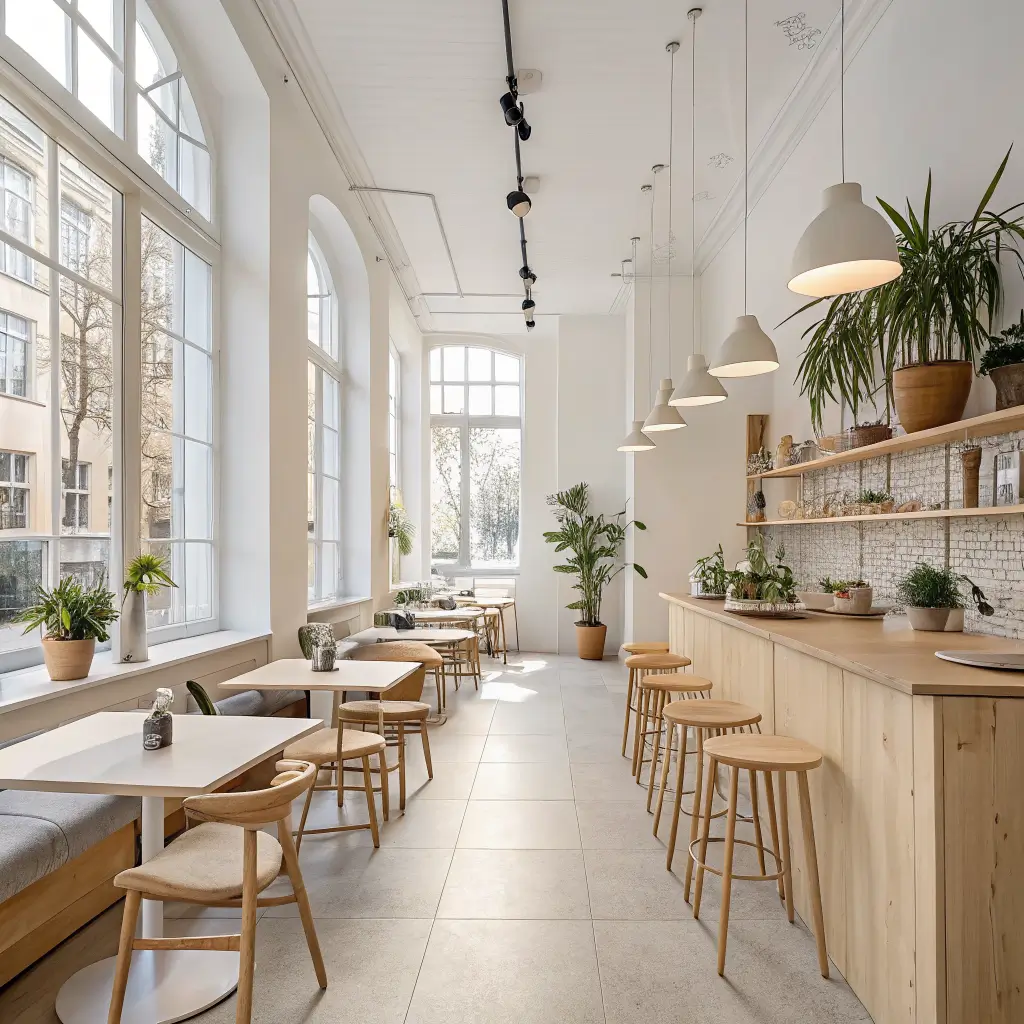
Let’s start with the design trend that basically took over Instagram – Scandinavian minimalism. This style screams “hygge” and makes everyone feel like they’re living their best Nordic life.
The magic happens with clean lines, neutral color palettes, and functional furniture. Think white walls, light wood accents, and maybe a pop of sage green or dusty pink. I’ve noticed that Scandinavian-inspired coffee shops always nail the lighting game – they use natural light whenever possible and supplement with warm, soft artificial lighting.
What makes this design work so well? It’s incredibly calming. When everything around you feels organized and peaceful, you can actually focus on your work or conversation. Plus, the Instagram factor is real – customers love taking photos in these spaces.
Key elements that make this style shine:
- Light wood furniture (birch or pine work beautifully)
- Neutral textiles like wool throws and linen cushions
- Plants (lots of them, but strategically placed)
- Simple, functional lighting fixtures
- Minimal décor that serves a purpose
The best part about this design? It ages well. While other trends come and go, minimalist Scandinavian style stays fresh because it focuses on quality over quantity.
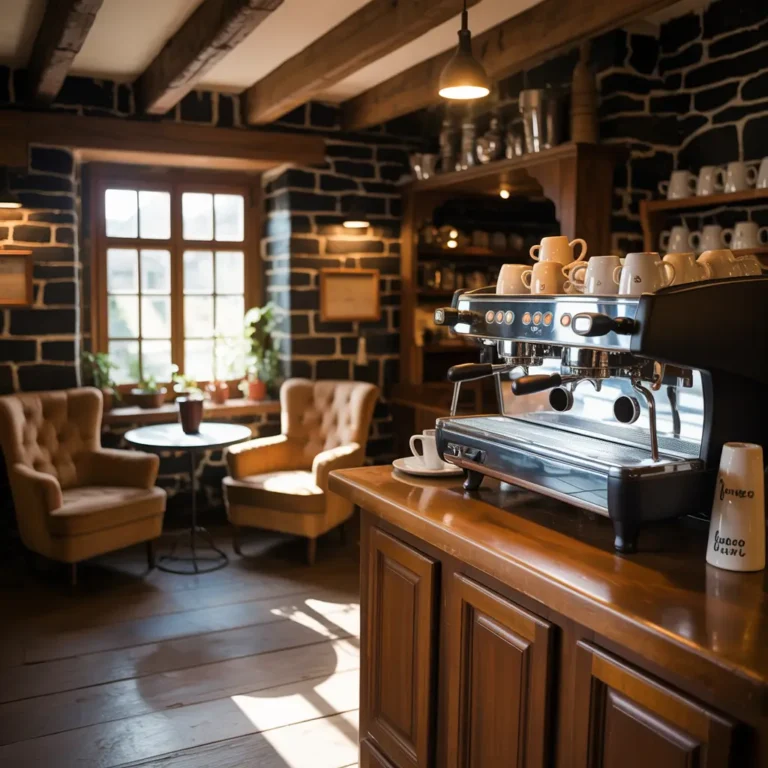
2. Cozy Rustic Wooden Café Interior Ideas
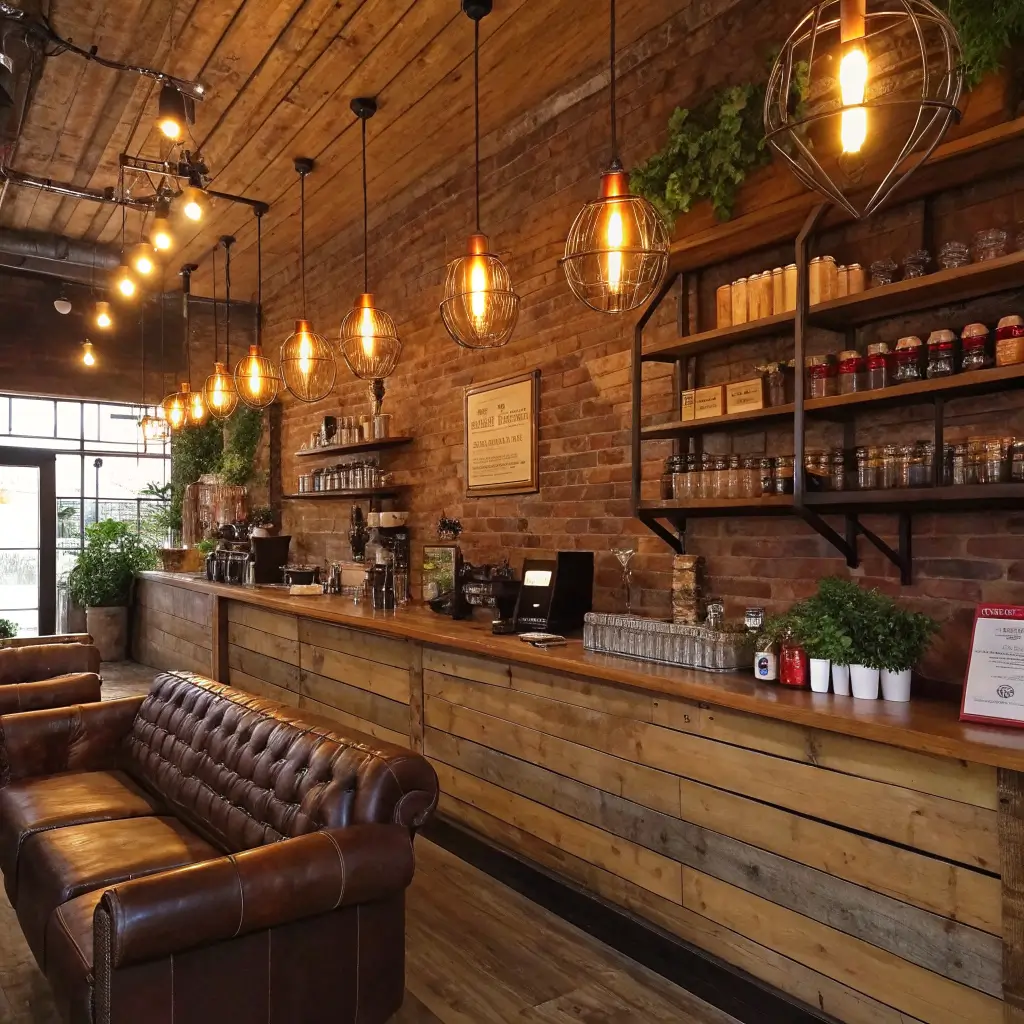
Ever walked into a coffee shop that felt like a warm hug? That’s what rustic wooden design does best. It creates this incredible sense of comfort that makes people want to settle in with a good book and stay for hours.
I’m talking about exposed wooden beams, reclaimed wood tables, and that lived-in feeling that makes a space feel like it has stories to tell. The beauty of rustic design lies in its imperfections – the weathered wood, the slightly mismatched furniture, the vintage accessories that look like they’ve been collected over decades.
Warm lighting is crucial here. Forget harsh fluorescents – you want Edison bulb fixtures, candles, and maybe some string lights to create that golden, inviting glow. The color palette should lean toward earth tones: deep browns, warm creams, and maybe some forest green or burgundy accents.
What really sells the rustic vibe:
- Reclaimed wood furniture and accents
- Vintage or antique accessories
- Cozy seating areas with plush cushions
- Fireplace or wood-burning stove (if possible)
- Mason jar lighting or wrought iron fixtures
The trick is balancing rustic charm with modern functionality. You want that cozy cabin feeling without making customers feel like they’re roughing it.
3. Modern Industrial Coffee Shop Aesthetic
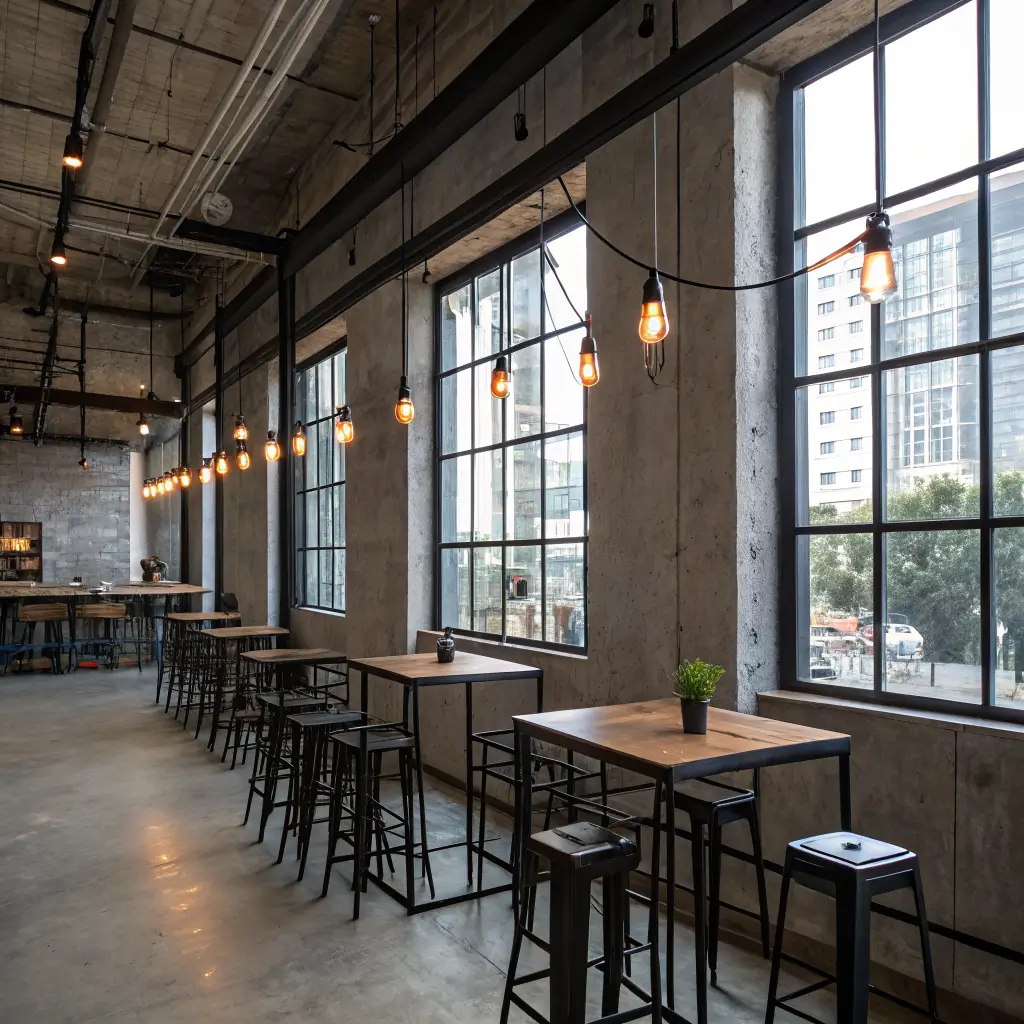
Industrial design isn’t going anywhere, and honestly, I get why. There’s something incredibly satisfying about exposed brick walls, metal fixtures, and that urban warehouse vibe. It’s edgy without being intimidating, and it creates a space that feels both sophisticated and unpretentious.
The foundation of industrial design starts with raw materials: concrete floors, exposed ductwork, brick or concrete walls, and metal furniture. But here’s where it gets interesting – you can’t just throw a bunch of metal around and call it industrial. The best industrial coffee shops balance those harsh elements with warmer touches.
I’ve seen this style work brilliantly when designers add leather seating, warm wood accents, and strategic greenery. The contrast between hard and soft materials creates visual interest and keeps the space from feeling too cold.
Industrial design elements that actually work:
- Exposed brick or concrete walls
- Metal bar stools and table bases
- Edison bulb pendant lights
- Concrete or polished cement floors
- Vintage industrial accessories (old scales, gears, etc.)
The coffee equipment becomes part of the décor in industrial spaces. Those shiny espresso machines and grinders aren’t hidden – they’re showcased as functional art pieces.
Also Read: 10 Stunning Shoe Rack Wall Design Ideas for Modern Homes
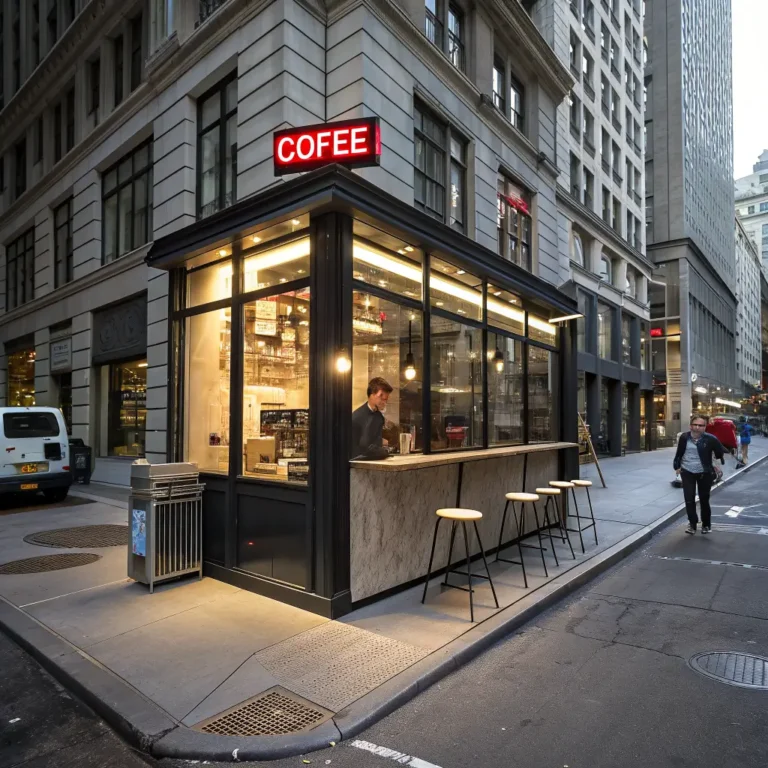
4. Small Space Coffee Shop Smart Layout Design
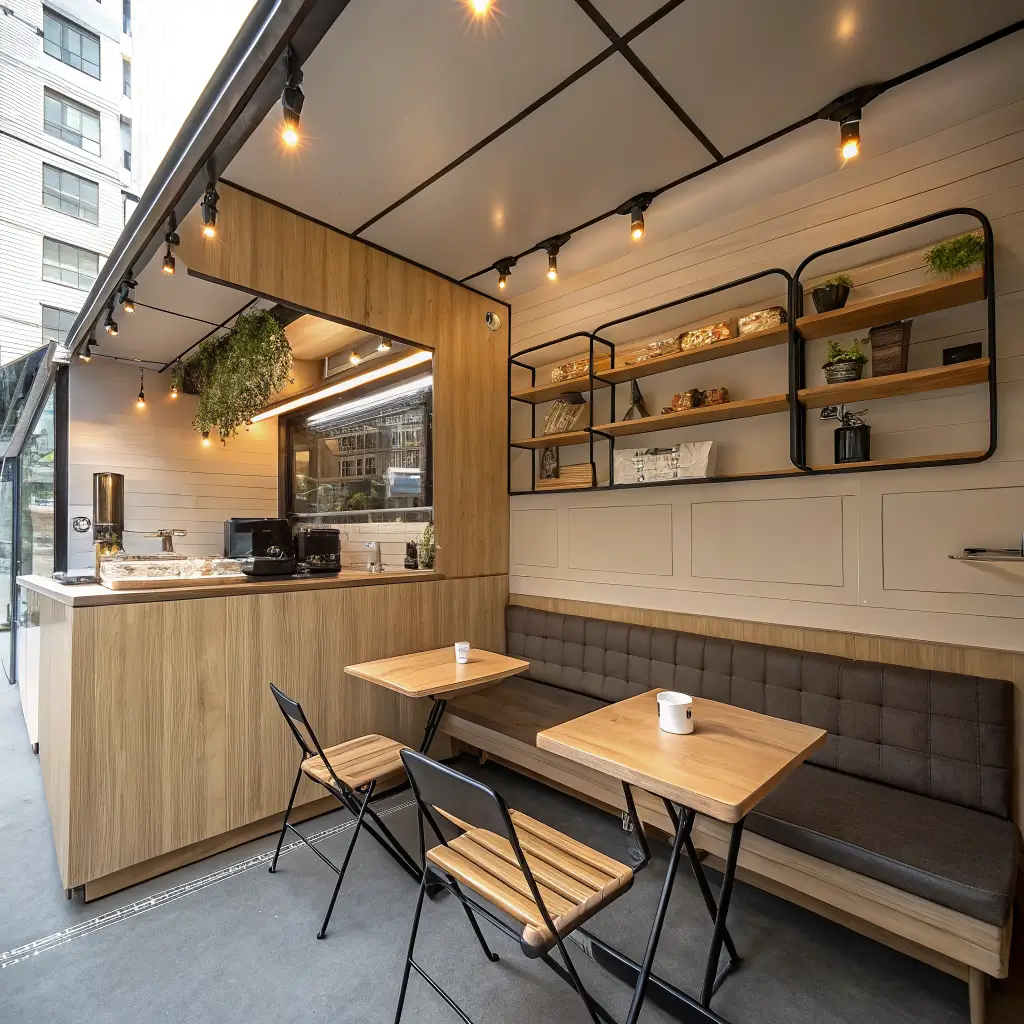
Working with a tiny space? Join the club. Small coffee shops can actually be more intimate and memorable than their sprawling counterparts, but you’ve got to be smart about every square foot.
The secret sauce for small spaces is vertical thinking. When you can’t expand outward, go up. Wall-mounted shelving, hanging plants, and tall, narrow furniture help draw the eye upward and create the illusion of more space. I’ve seen brilliant small cafés use mirrors strategically to make their space feel twice as big.
Multi-functional furniture is your best friend. Ottoman storage, tables with built-in charging stations, and modular seating that can be reconfigured based on crowd size – these choices maximize functionality without cluttering the space.
Smart small space strategies:
- Light color schemes to create openness
- Mirrors placed to reflect natural light
- Vertical storage solutions
- Compact, moveable furniture
- Strategic lighting to eliminate dark corners
The goal isn’t to trick people into thinking your space is bigger – it’s to make them forget about size entirely because the experience is so good. Cozy beats cramped every time.
5. Luxury Marble Theme Café Interior Concept
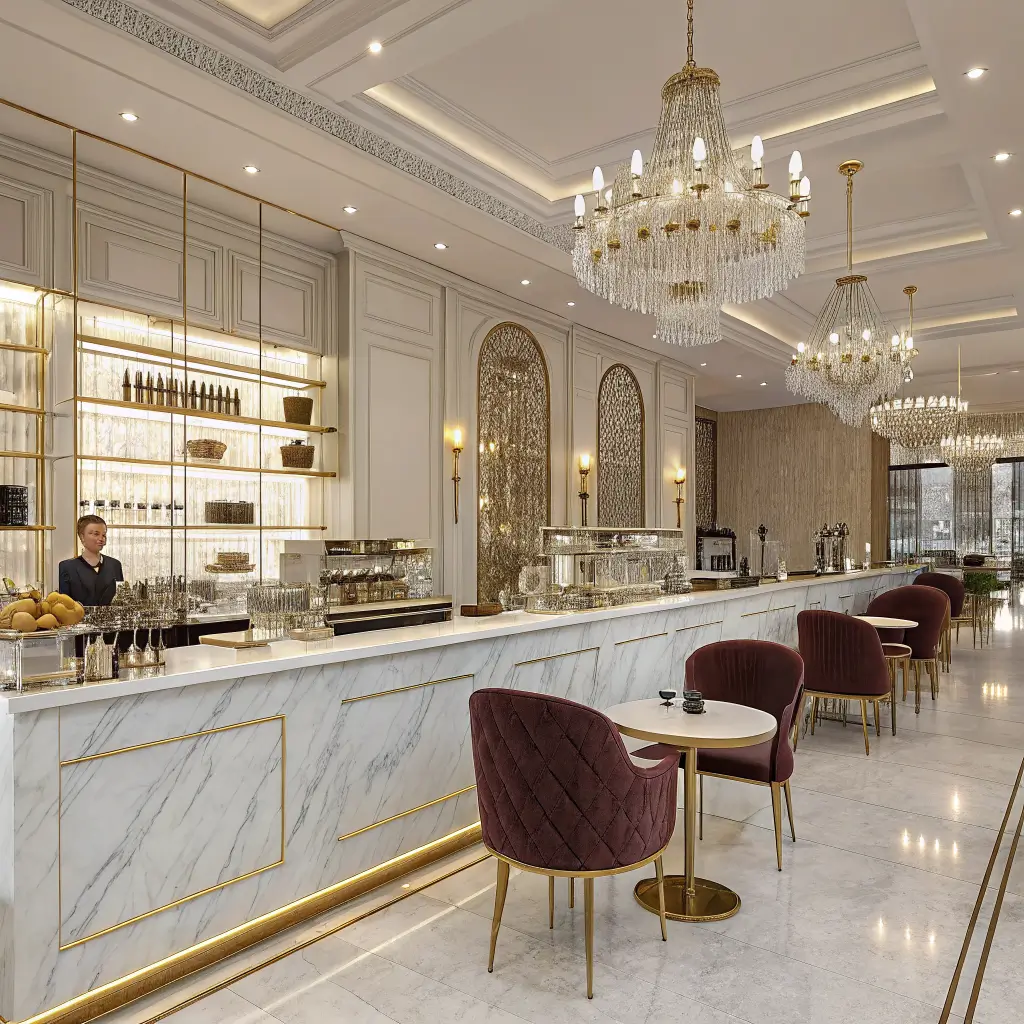
Want to create a space that feels like a high-end hotel lobby? Marble is your answer. There’s something undeniably elegant about marble surfaces, and when done right, they create an atmosphere of sophistication that makes every cup of coffee feel like a special occasion.
The key to marble design is restraint. You don’t need marble everything – that gets overwhelming fast. Instead, choose strategic marble elements: countertops, accent walls, or table surfaces. Pair marble with warm metals like brass or gold, and add soft textures through upholstery and lighting.
I’ve noticed that marble coffee shops photograph beautifully, which is huge for social media marketing. Customers love posting pictures from spaces that make them look sophisticated and well-traveled.
Luxury marble design elements:
- Marble countertops or accent walls
- Brass or gold fixtures and hardware
- Plush velvet or leather seating
- Statement lighting (think chandeliers or artistic pendants)
- Rich color accents in navy, emerald, or deep burgundy
The challenge with luxury design is making it feel approachable. You want elegance, not pretension. Comfortable seating and friendly service help balance the high-end aesthetic.
6. Boho Chic Coffee Shop Decor Inspiration
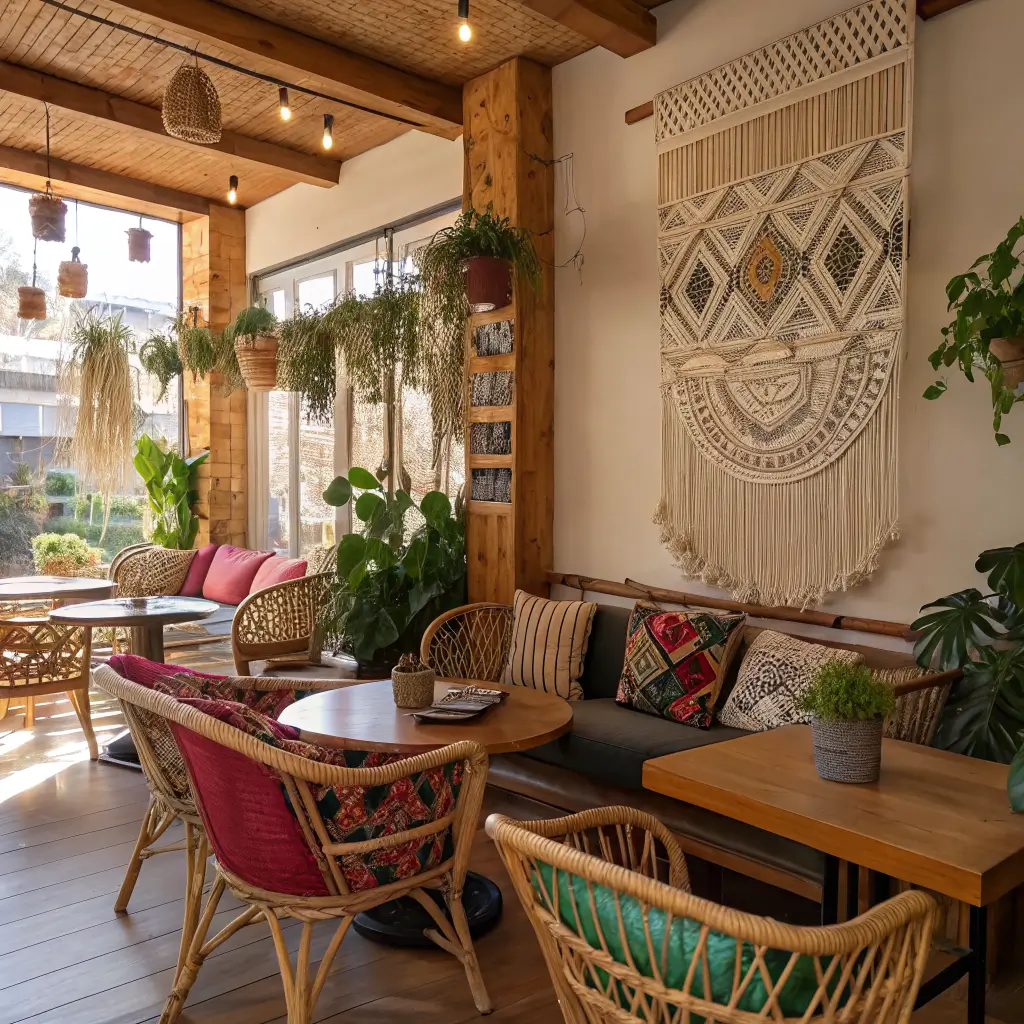
Bohemian design is all about creative freedom and eclectic charm. It’s the opposite of minimalism – more is more, patterns clash beautifully, and everything feels collected rather than purchased. This style creates spaces that feel artistic and inspiring.
The boho aesthetic thrives on layered textures and global influences. Think Persian rugs, macramé wall hangings, vintage furniture from different eras, and plants cascading from every available surface. The color palette can be rich and warm or soft and dreamy – there are no strict rules.
What makes boho design work in coffee shops is its inherent comfort. These spaces feel like visiting a creative friend’s living room. Customers relax immediately because everything looks inviting and touchable.
Essential boho elements:
- Mixed patterns and textures
- Vintage or handmade furniture
- Abundant plant life
- Artistic wall décor (paintings, textiles, etc.)
- Warm, ambient lighting with multiple sources
The trick is curating the chaos. Every piece should feel intentional, even if the overall effect is delightfully eclectic. IMO, the best boho spaces tell a story through their collected objects.
Also Read: 10 Brilliant Unique Shoe Rack Design Ideas for Stylish Spaces
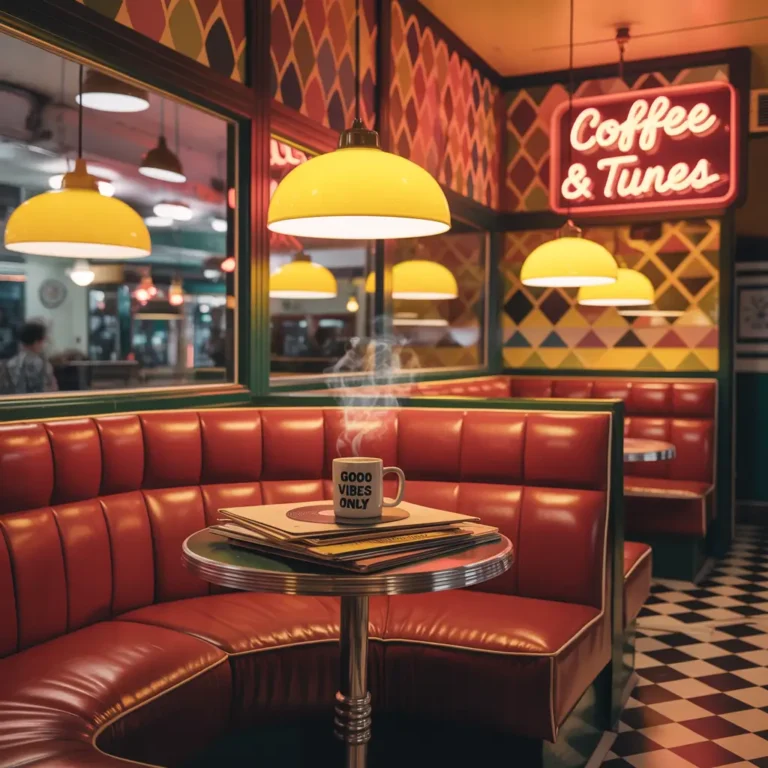
7. Vintage Retro Style Coffee Shop Design Ideas
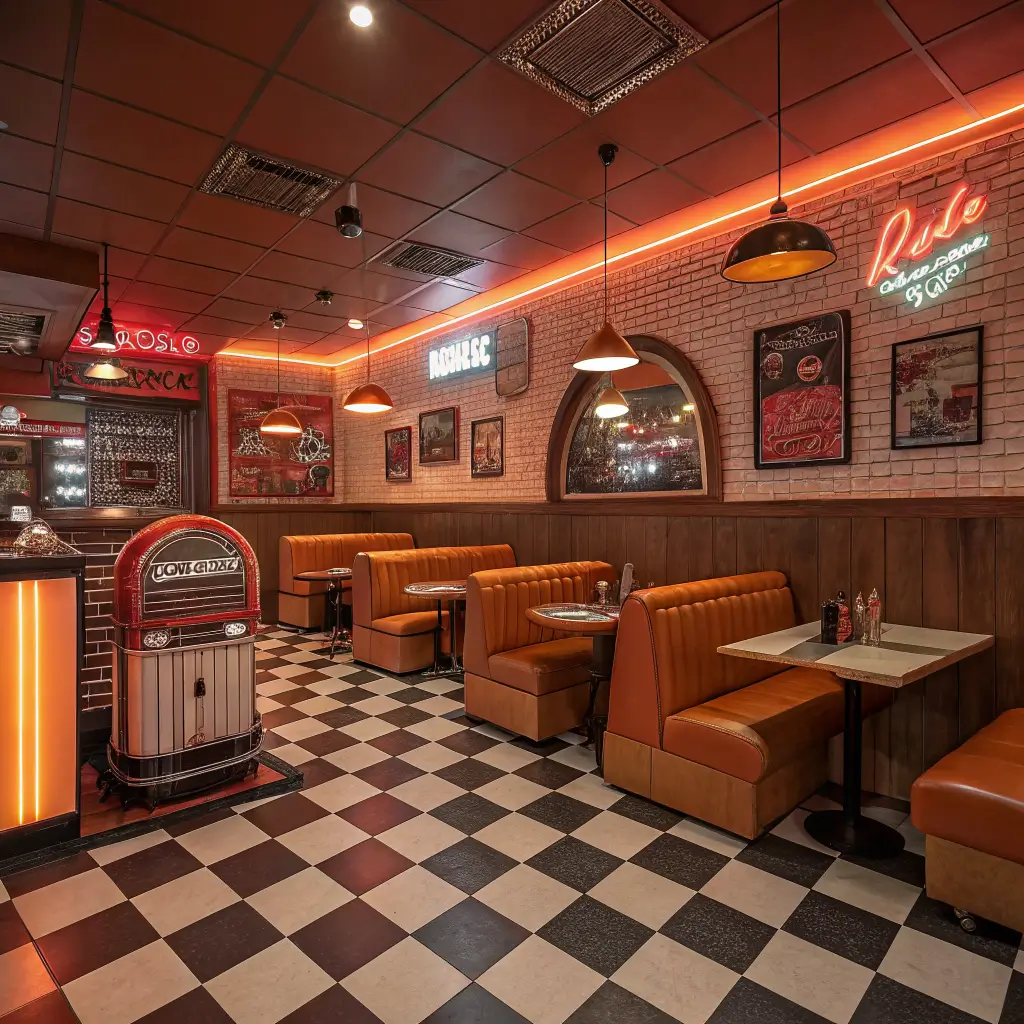
There’s something magical about stepping back in time, and vintage retro design does exactly that. Whether you’re channeling the 1950s diner aesthetic or going full 1970s with burnt orange and geometric patterns, retro design creates immediate nostalgia and conversation.
Color is huge in retro design. We’re talking bold, confident choices: turquoise and pink, mustard yellow and brown, or classic red and white. The furniture should have those distinctive retro silhouettes – think tulip chairs, boomerang tables, and curved banquettes.
I love how retro coffee shops often incorporate vintage coffee equipment and signage. Old espresso machines, vintage coffee advertisements, and retro menu boards all contribute to the time-travel effect.
Retro design must-haves:
- Period-appropriate color schemes
- Vintage or reproduction furniture
- Retro lighting fixtures (think atomic-style pendants)
- Classic diner elements (checkered floors, vinyl booths)
- Authentic vintage accessories and signage
The key is committing to your chosen era. Half-hearted retro feels like a costume party, but when you fully embrace the aesthetic, it becomes an immersive experience that customers remember.
8. Outdoor Garden Coffee Shop Setup Inspiration
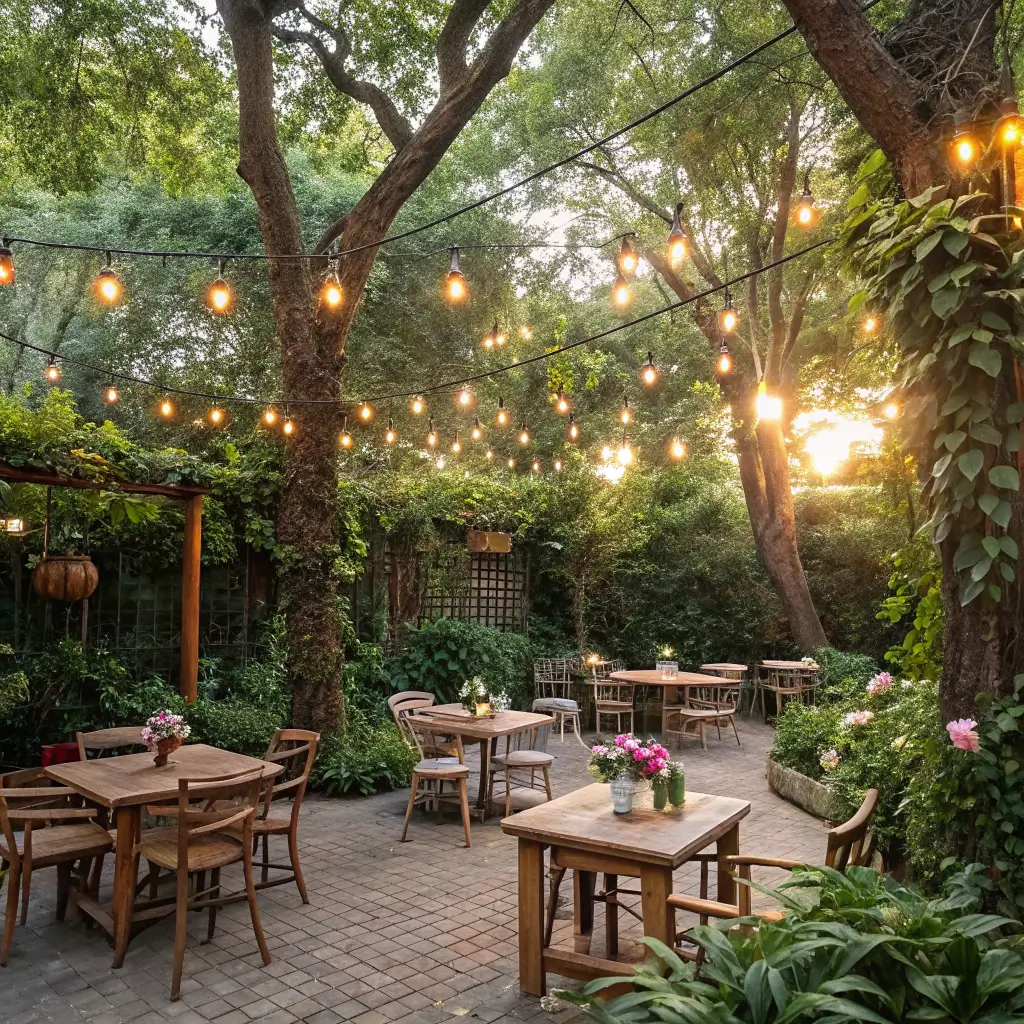
Garden coffee shops create something truly special – they blur the line between indoor and outdoor spaces, making every visit feel like a mini vacation. This design works whether you have a actual outdoor space or you’re bringing the garden inside.
The magic happens with abundant greenery, natural materials, and plenty of natural light. If you’re working with an outdoor space, weather-resistant furniture is essential, but it doesn’t have to look utilitarian. Teak, wrought iron, and high-quality synthetic materials can all look beautiful while standing up to the elements.
For indoor garden vibes, living walls and skylights are game-changers. I’ve seen incredible transformations where designers installed floor-to-ceiling windows and filled every corner with plants, creating an urban oasis effect.
Garden café essentials:
- Abundant plant life (both potted and planted)
- Natural materials like wood and stone
- Weather-appropriate furniture for outdoor areas
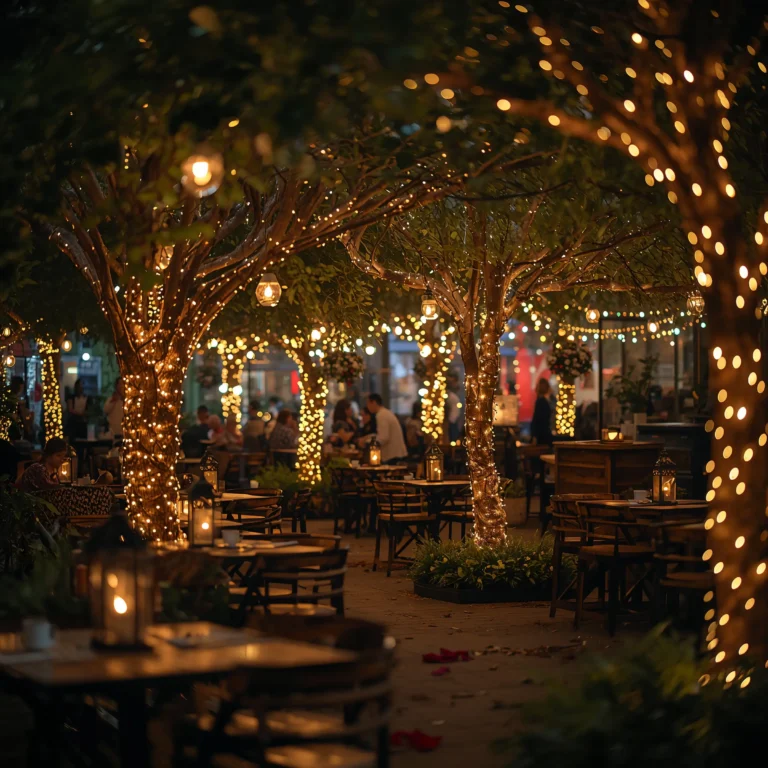
- String lights or lanterns for evening ambiance
- Water features if space allows
The goal is creating a connection with nature that most urban customers crave. Even if your “garden” is just a collection of beautiful planters, that green environment makes people feel more relaxed and refreshed.
9. Neon Lights Urban Café Design Concept
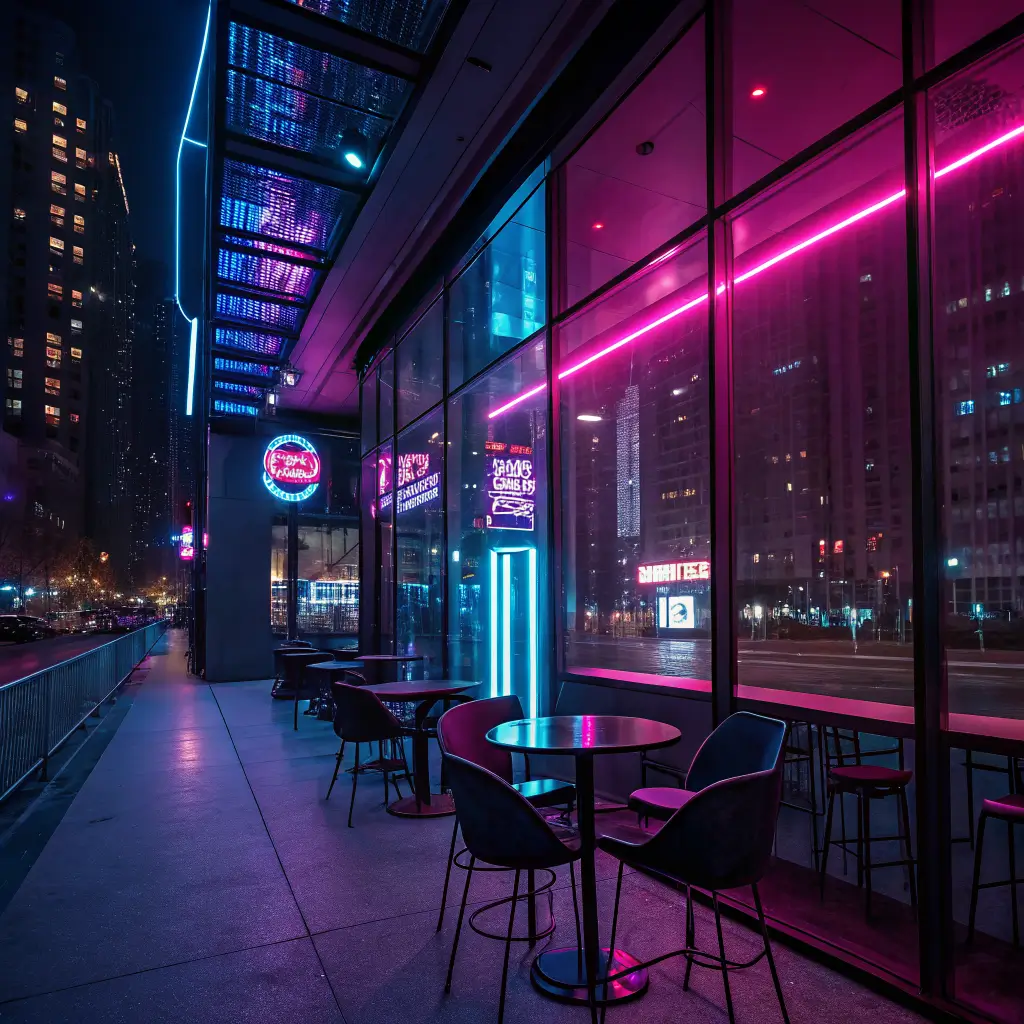
Neon lighting isn’t just for dive bars anymore. Modern coffee shops use neon strategically to create energy, personality, and that perfect Instagram moment. The trick is using neon as an accent, not the main event.
Contemporary neon design goes way beyond the classic pink and blue. Custom neon signs with coffee-related quotes, geometric shapes, or abstract art can become signature focal points. I’ve seen brilliant examples where designers use neon to highlight architectural features or create visual zones within the space.
The beauty of neon is its instant mood-setting power. It says “this place is cool and current” without being aggressive about it. Plus, neon photographs amazingly well, which customers absolutely love.
Effective neon design strategies:
- Custom signage with brand-relevant messaging
- Geometric or artistic neon installations
- Strategic placement to highlight key areas
- Dimmer controls for different times of day
- Balance with softer lighting sources
The challenge is avoiding the “trying too hard” trap. Neon should feel integrated into the overall design, not like an afterthought. When done well, it becomes an essential part of the space’s personality.
Also Read: 10 Elegant Book Rack Design Modern Ideas for Dream Interiors
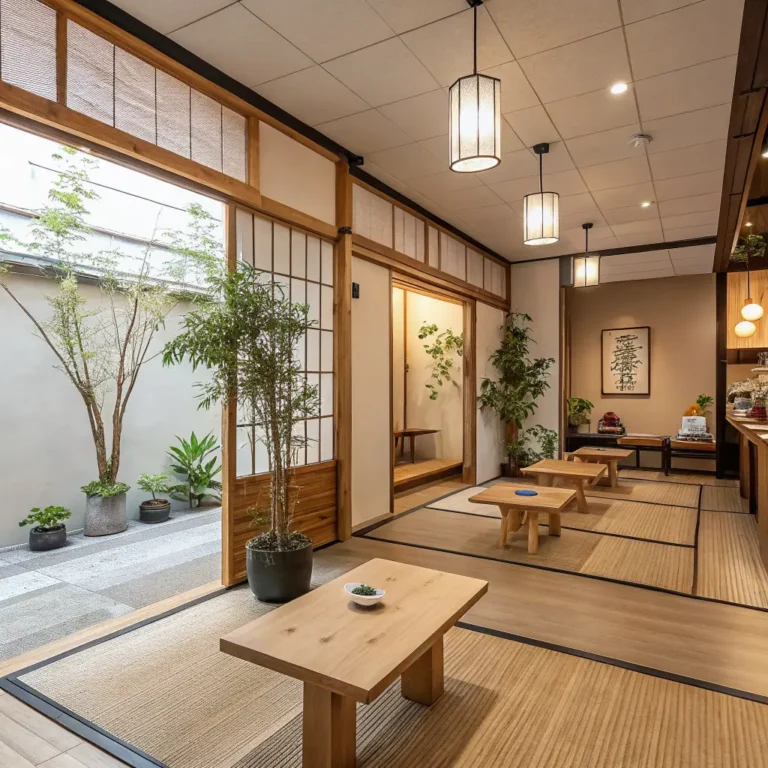
10. Japanese Zen Inspired Coffee Shop Interior
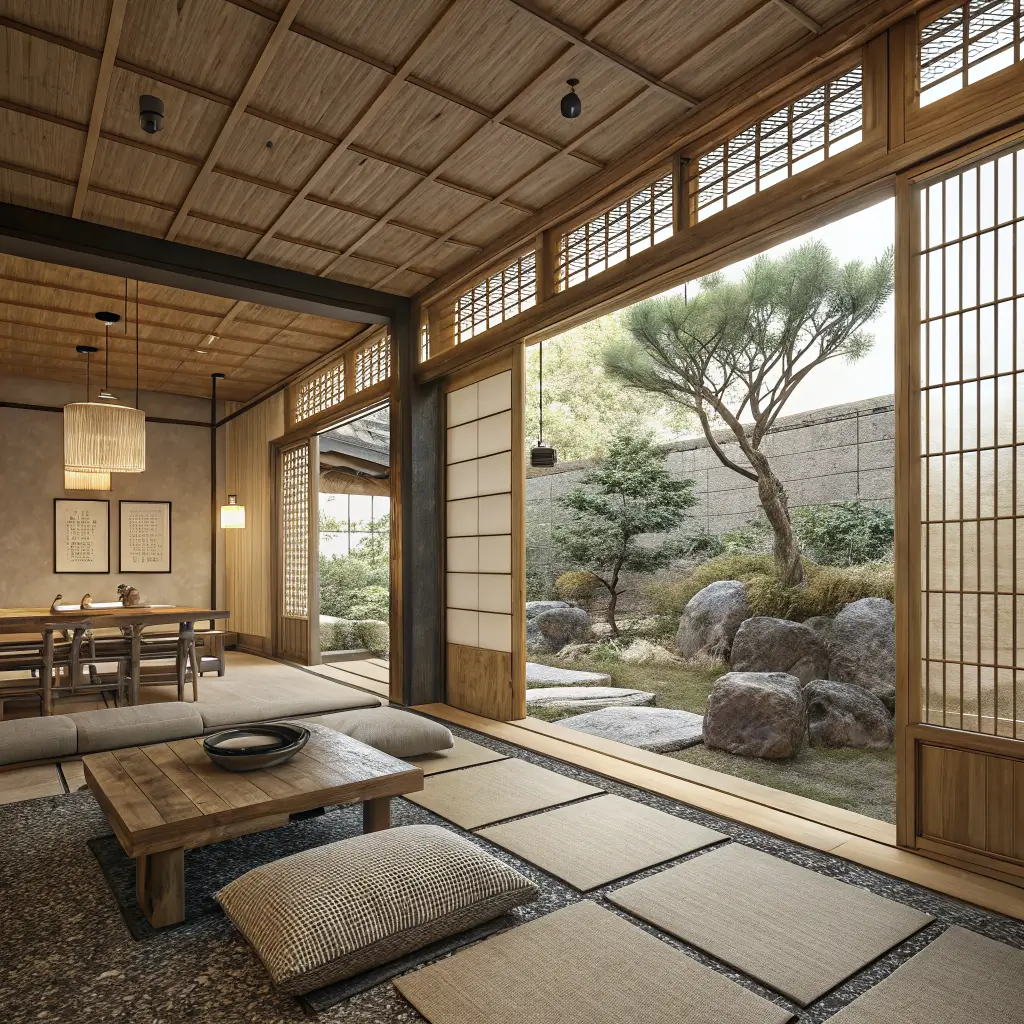
Japanese-inspired design creates some of the most peaceful, contemplative coffee shop environments I’ve ever experienced. This aesthetic is all about simplicity, natural materials, and that sense of mindful calm that makes every sip of coffee feel like a meditation.
The foundation is clean lines and natural materials: light wood, stone, bamboo, and paper screens. The color palette stays neutral and earthy, with occasional pops of deep green or soft blue. Furniture sits low and feels grounded, creating intimate conversation areas.
What I love most about zen-inspired design is how it encourages slower consumption. In our rushed world, these spaces remind customers to pause, breathe, and actually taste their coffee. The aesthetic itself becomes part of the service.
Japanese-inspired design elements:
- Natural wood furniture with clean lines
- Sliding screens or room dividers
- Minimalist décor with purposeful placement
- Natural materials like stone and bamboo
- Soft, diffused lighting
- Strategic use of negative space
The philosophy behind zen design is intentional simplicity. Every element serves a purpose, and there’s beauty in what’s left out as much as what’s included. It’s the opposite of busy, overwhelming spaces – everything feels deliberate and peaceful.
Wrapping It All Up
Here’s the thing about coffee shop design – it’s never just about how things look. Great design creates an experience, sets a mood, and gives customers a reason to choose your space over the chain down the street.
Whether you’re drawn to Scandinavian simplicity or industrial edge, the best coffee shops nail the balance between aesthetics and functionality. They create spaces that photograph well but also feel comfortable for the long haul. They’re Instagram-worthy but not impractical.
The secret sauce? Knowing your customers and staying true to your brand. A minimalist café in a bohemian neighborhood might struggle, just like an ultra-luxury marble space might feel out of place in a casual college town. The best design reflects both your vision and your community’s vibe.
FYI, trends will always come and go, but spaces that prioritize comfort, functionality, and authentic personality never go out of style. Focus on creating an environment where people genuinely want to spend time, and the aesthetic choices will follow naturally 🙂
Remember, your coffee shop’s design tells a story before customers even taste your coffee. Make sure it’s a story worth experiencing, sharing, and coming back to tomorrow.