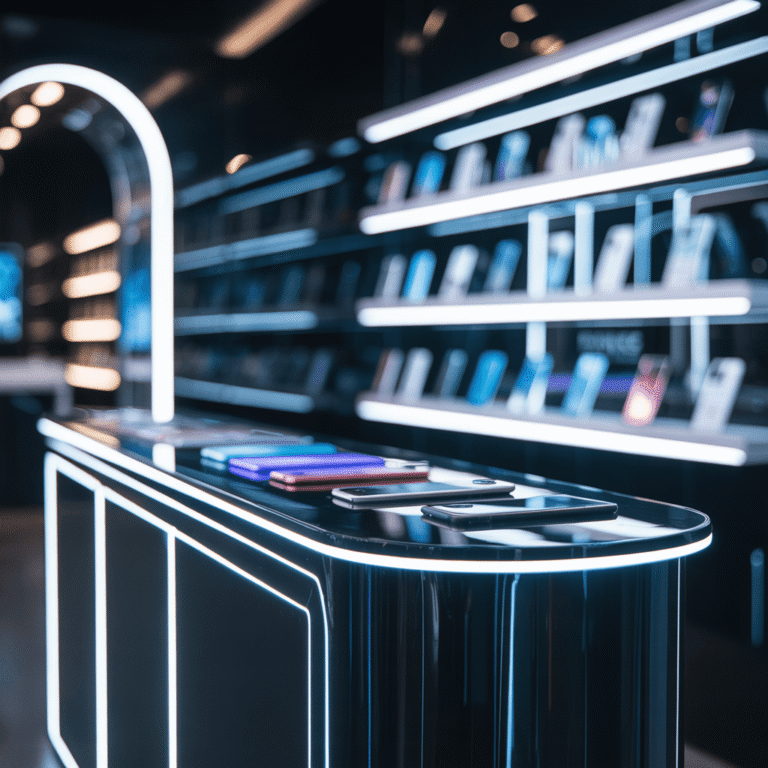
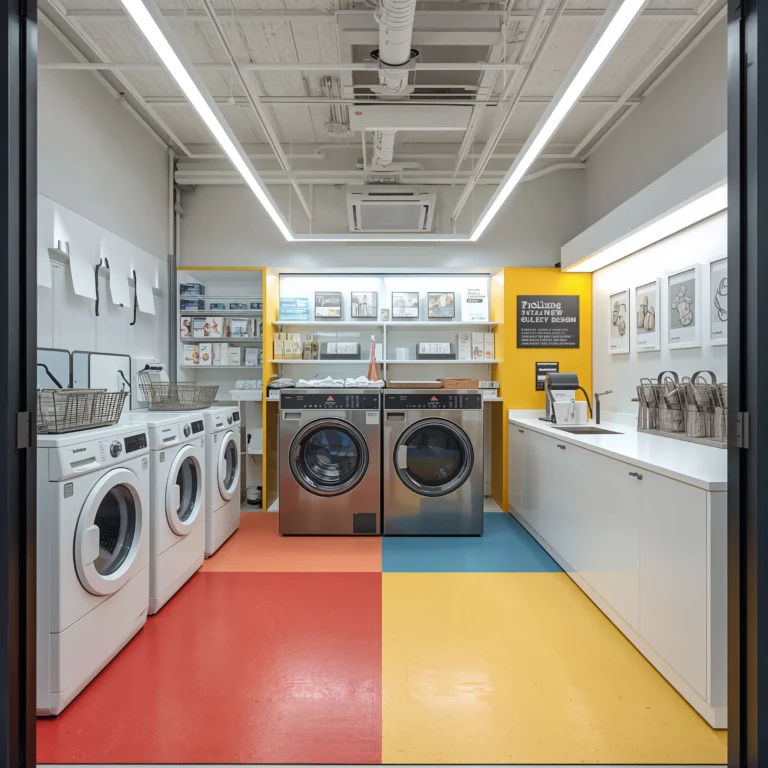
10 Inspiring Shop Interior Design Ideas for Stylish Shops

Let’s be honest—you could have the most amazing products in the world, but if your shop looks like it was decorated by someone who thinks beige is a personality trait, you’re in trouble.
I’ve walked into way too many stores that made me want to turn around faster than you can say “customer retention.”
Here’s the thing: your shop’s interior isn’t just about looking pretty (though that helps). It’s about creating an experience that makes people want to hang out, explore, and—most importantly—buy stuff.
After years of analyzing what makes some stores irresistible while others feel like aesthetic purgatory, I’ve compiled ten design ideas that actually work. No fluff, no generic advice—just real strategies that’ll transform your space into a customer magnet.
1. Modern Minimalist Magic: Less Really Is More
The Clean Slate Approach
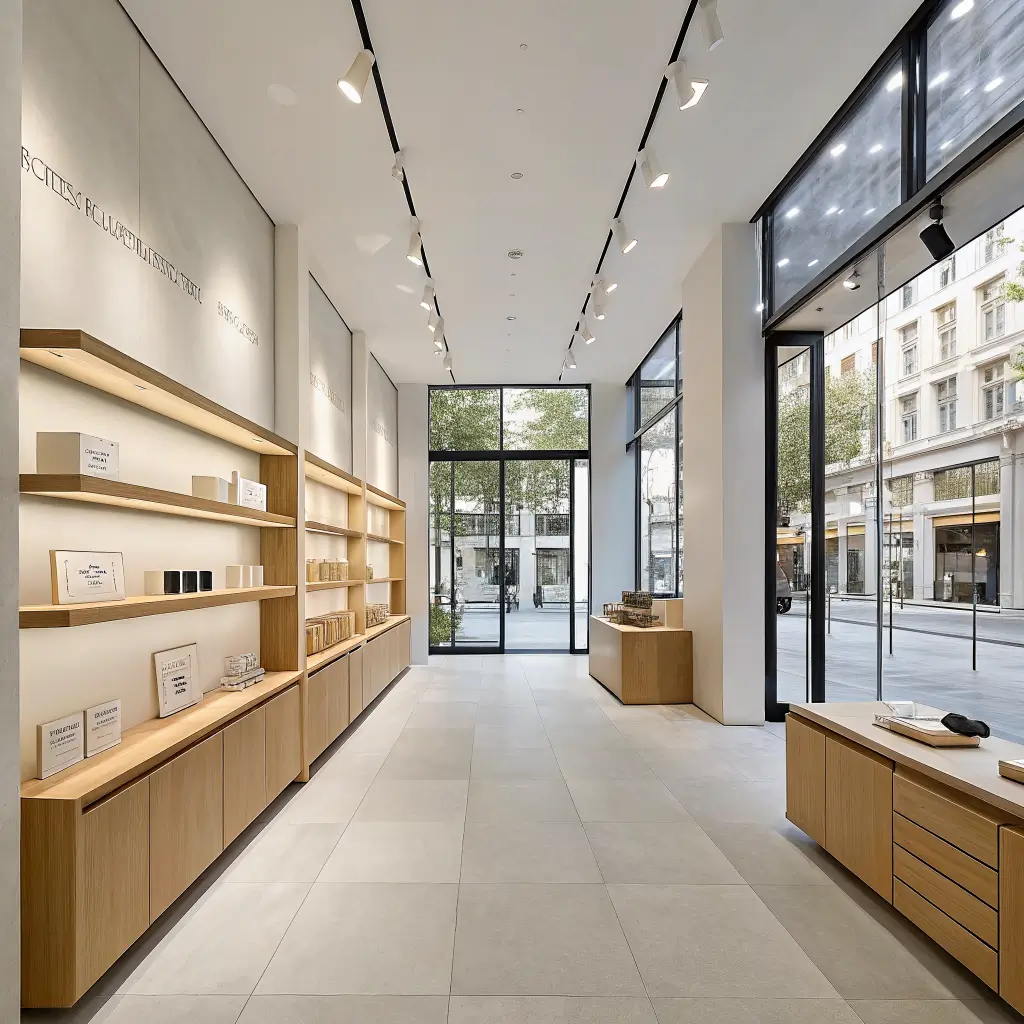
You know that feeling when you walk into an Apple Store? That’s modern minimalism at its finest. Clean lines, neutral colors, and strategic white space create an environment where your products can truly shine. I’m talking about deliberately choosing to show less so customers notice more.
The beauty of minimalist design lies in its simplicity. White or light gray walls serve as the perfect backdrop, while sleek fixtures in black, chrome, or natural wood add visual interest without overwhelming the space. Think of your shop as a gallery where every product is a piece of art deserving attention.
Key elements that make minimalism work:
- Streamlined fixtures with hidden storage
- Limited color palette (2-3 colors max)
- Plenty of natural light or clean LED lighting
- Strategic use of negative space
- High-quality materials in simple forms
Making Minimalism Feel Warm
Here’s where most people mess up minimalism—they make it feel cold and unwelcoming. The trick is adding texture through natural materials like light wood, stone, or soft fabrics. A single statement piece, like a beautiful wooden display table or a striking pendant light, can add personality without cluttering the space.
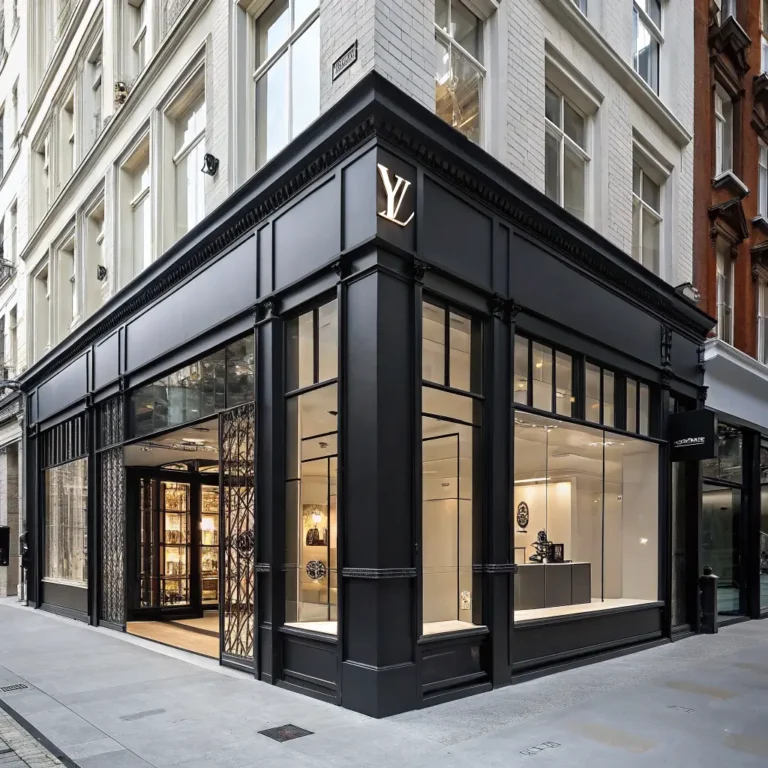
2. Luxury Boutique Vibes: Creating That High-End Feel
The Psychology of Luxury
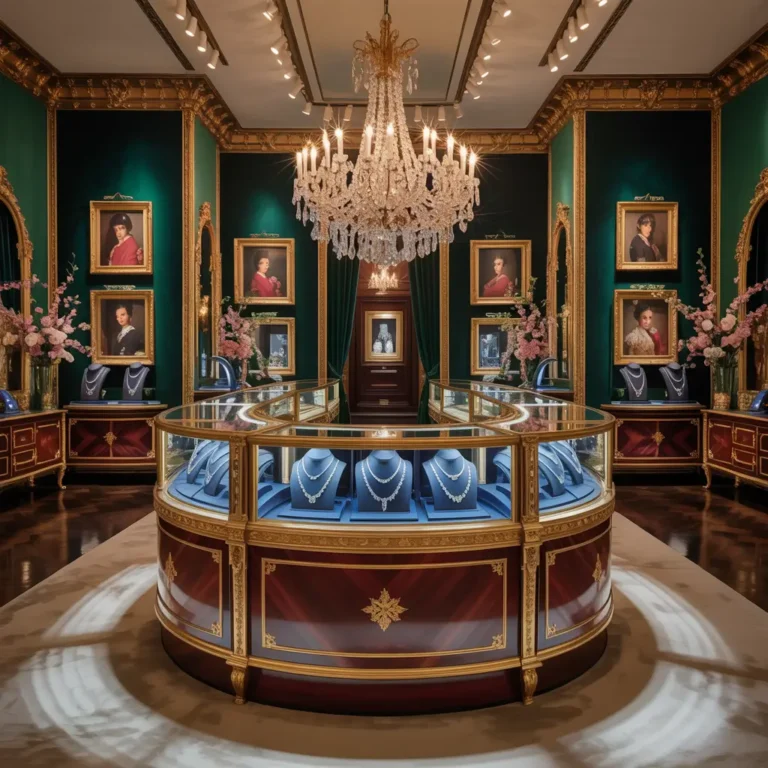
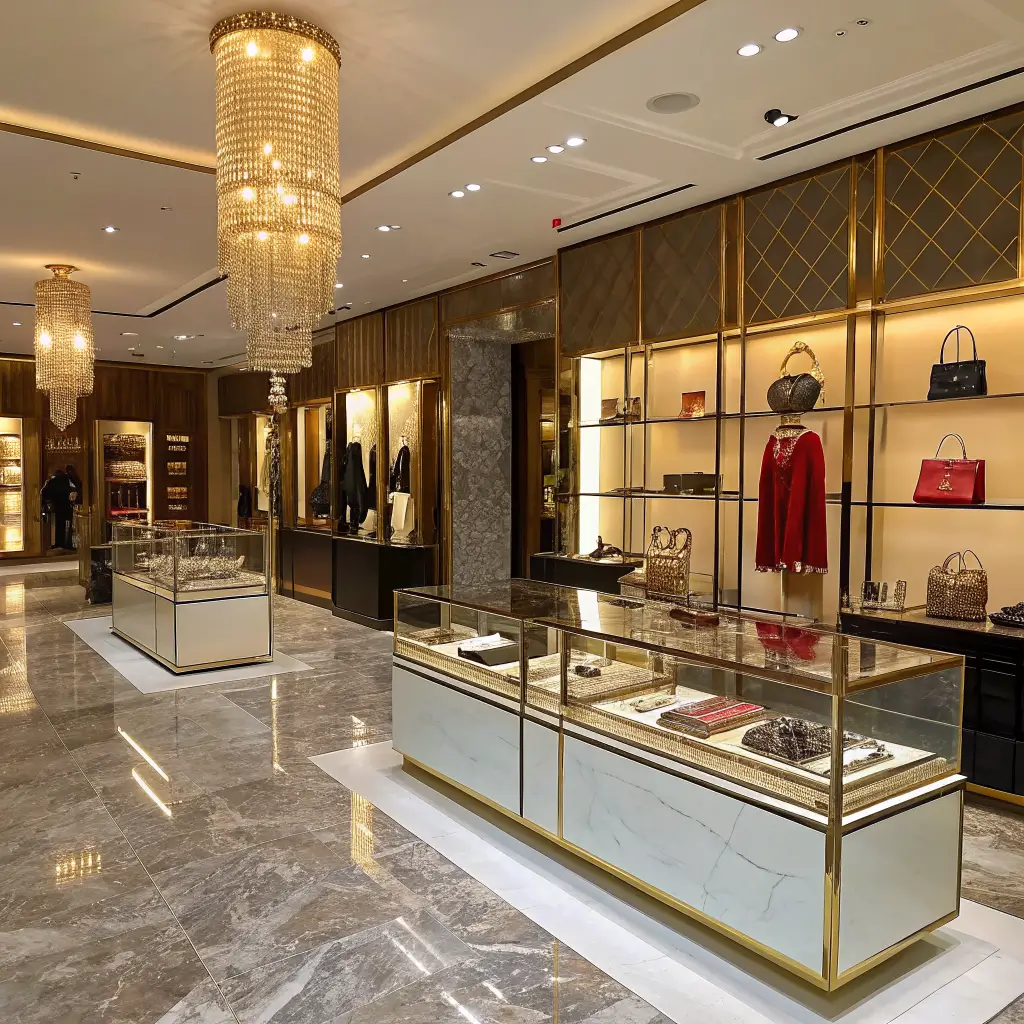
Ever wonder why luxury stores make you feel like royalty the moment you step inside? It’s all about the details, my friend. Rich materials, perfect lighting, and impeccable presentation send a subconscious message that everything here is worth the premium price.
Velvet seating areas, marble countertops, and brass accents instantly elevate the perceived value of your products. I’ve seen shops double their average transaction value simply by investing in better lighting and luxurious display cases. When customers feel like they’re shopping somewhere special, they’re willing to pay special prices.
The Devil’s in the Details
Custom millwork, unique light fixtures, and carefully curated scents transform a regular shop into a destination. Consider installing dimmer switches to control the ambiance throughout the day—brighter during busy periods, softer and more intimate during slower times.
Don’t forget about sound design. A carefully chosen playlist at the right volume can make or break the luxury experience. Classical music or ambient electronic works better than whatever’s trending on TikTok (trust me on this one).
3. Small Space Solutions: Maximum Impact in Minimal Square Footage
Vertical Strategy Wins
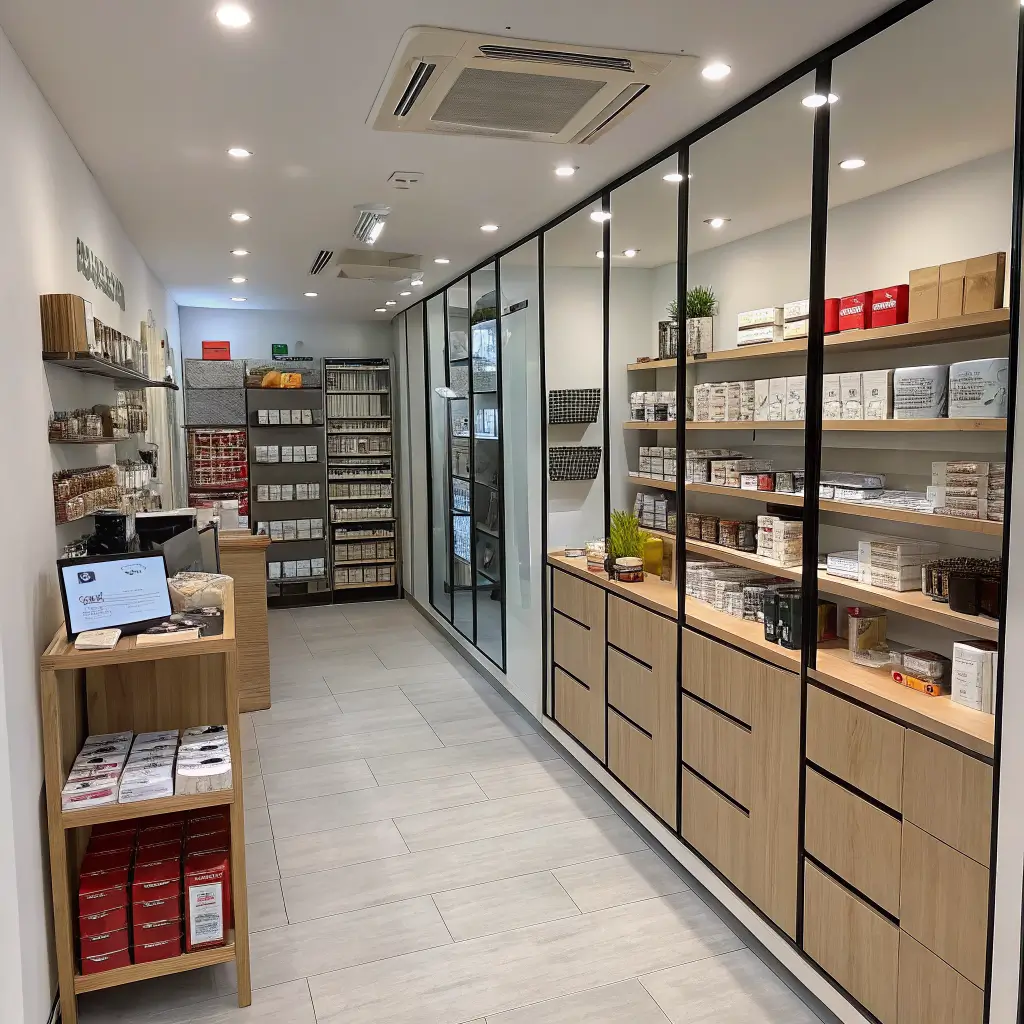
Working with limited space? Think vertical, think smart, think multifunctional. I’ve seen 200-square-foot shops that feel more spacious than sprawling department stores because they understood how to manipulate perception.
Floor-to-ceiling displays draw the eye upward, making spaces feel larger. Mirrors strategically placed opposite windows or light sources double the apparent space while adding brightness. Sliding panels or moveable fixtures let you reconfigure the layout for different needs—brilliant for shops that host events or seasonal displays.
The Art of Strategic Decluttering
In small spaces, every item needs to earn its place. Rotate your inventory regularly to keep things fresh without cramming everything into view. Hidden storage becomes your best friend—consider ottomans with storage, hollow display pedestals, or wall-mounted cabinets that blend seamlessly with your design.
Multi-level displays create depth and visual interest without eating up floor space. A simple riser system can transform a flat table into a dynamic showcase that guides customers’ eyes through your products naturally.
Also Read: 10 Beautiful Shop Front Design Ideas for Small Shops
4. Rustic Wooden Charm: Bringing Nature Indoors
The Warmth Factor
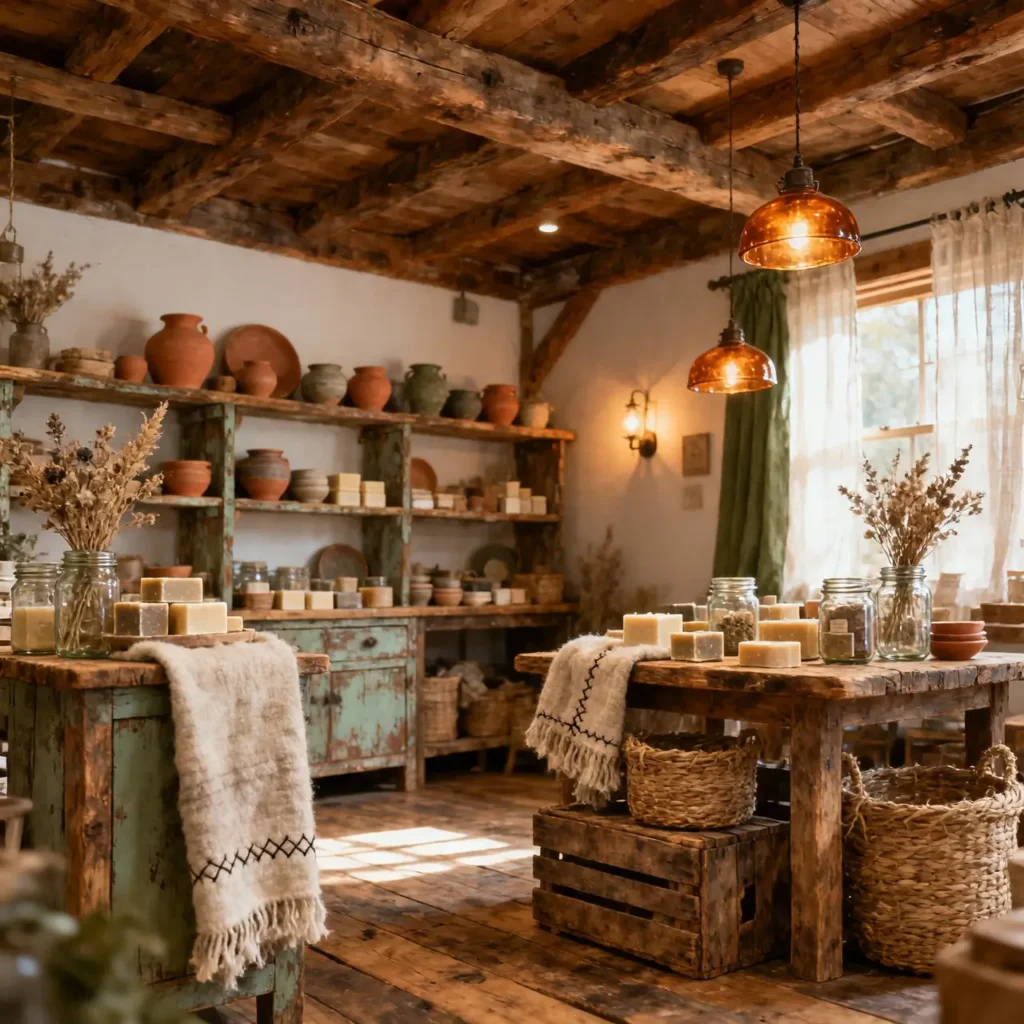
There’s something magical about reclaimed wood and natural textures that makes people want to touch everything (in a good way). Rustic design taps into our innate connection with nature, creating spaces that feel authentic and welcoming.
Exposed wooden beams, barn door fixtures, and weathered display tables tell a story. Customers don’t just buy products—they buy into the lifestyle your space represents. I’ve watched people spend an extra twenty minutes in rustic shops just because they felt comfortable and relaxed.
Balancing Rustic and Refined
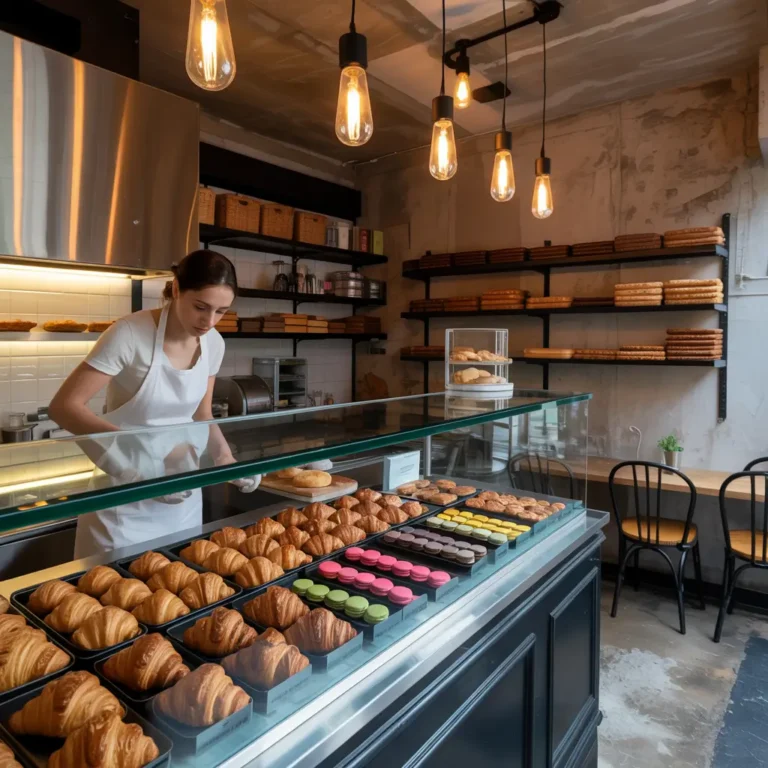
The key to nailing rustic design without looking like a theme park is mixing textures and finishes. Combine rough-hewn wood with smooth metal accents, or pair vintage fixtures with modern LED lighting. Edison bulb pendant lights add warmth while providing functional illumination.
Live plants or dried arrangements enhance the natural vibe while improving air quality. Choose low-maintenance options like succulents or snake plants if you’re not exactly blessed with a green thumb 🙂
5. High-End Retail Theater: Where Shopping Becomes Performance
Creating the Stage
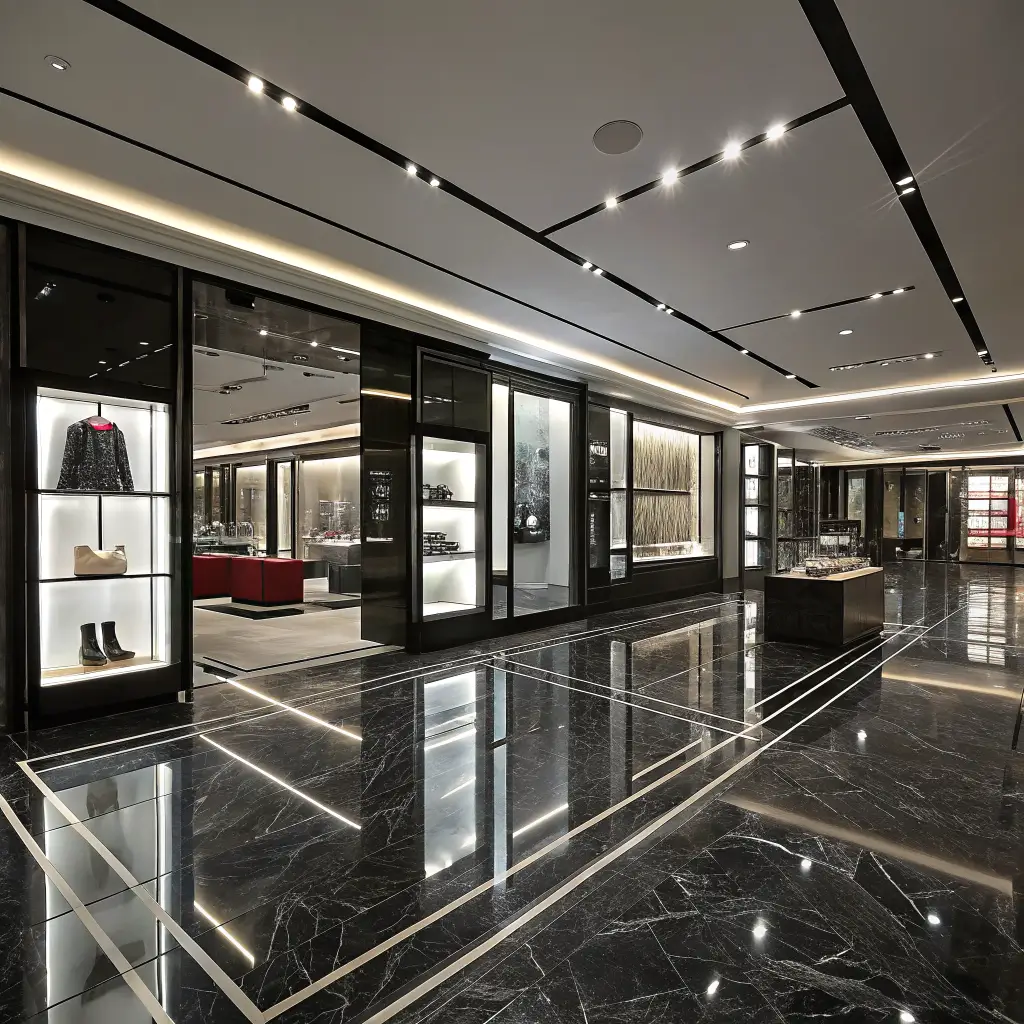
High-end retail isn’t just about selling products—it’s about creating an experience worth Instagram stories. Think dramatic lighting, statement architectural elements, and displays that could double as art installations.
Spotlighting individual products like museum pieces elevates their perceived value. Custom display cases with integrated lighting turn everyday items into treasures. The goal is making customers feel like they’ve discovered something exclusive and special.
The Experience Economy
Interactive elements keep customers engaged longer. Touch screens with product information, virtual try-on stations, or even simple QR codes linking to styling videos add value beyond the physical products. Comfortable seating areas encourage browsing and social sharing.
Color temperature matters enormously in high-end spaces. Warm white lighting (2700K-3000K) creates intimacy and luxury, while cooler temperatures feel more clinical and discount-oriented.
6. Colorful Creative Chaos: When Bold Choices Pay Off
The Energy of Color
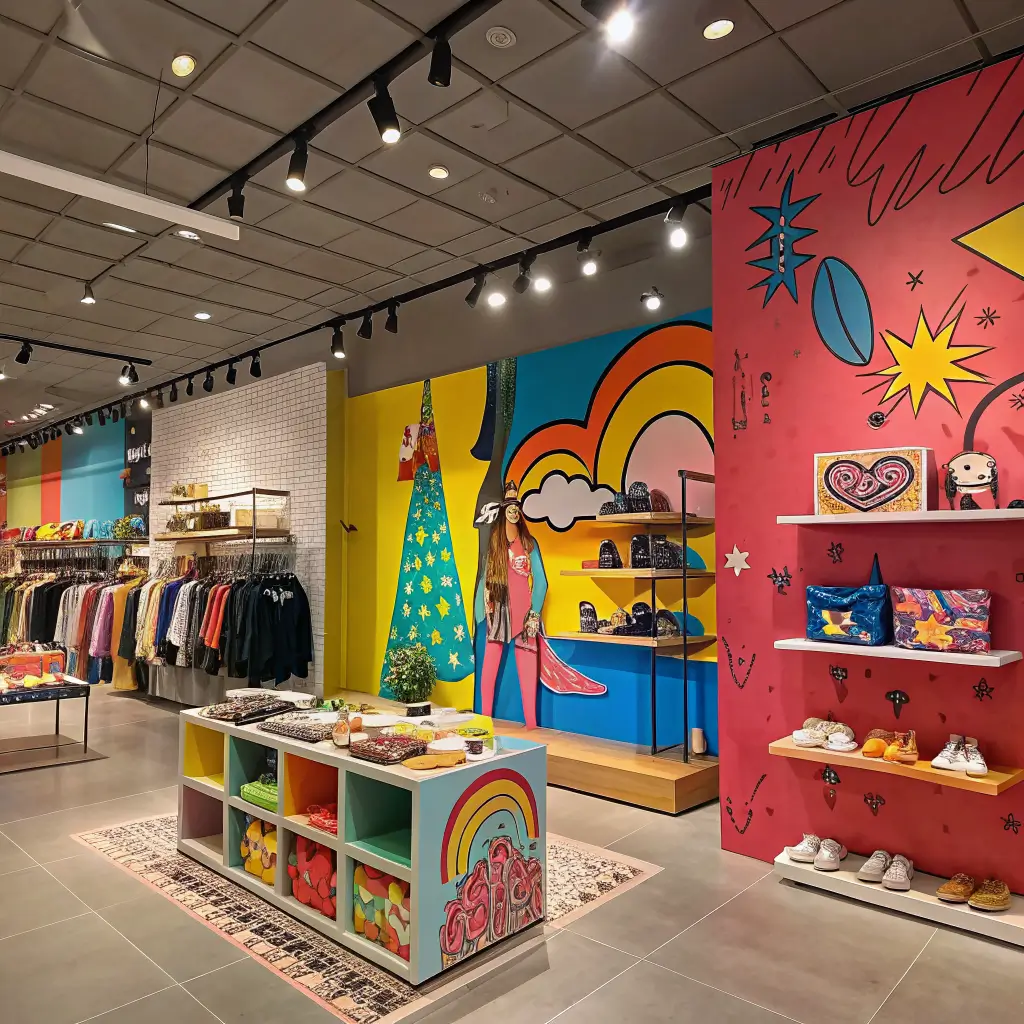
Sometimes you need to throw caution to the wind and embrace bold color choices. Creative shops selling art, crafts, children’s items, or lifestyle products can benefit enormously from energetic, vibrant interiors that reflect their brand personality.
Feature walls in unexpected colors create Instagram-worthy backdrops while establishing clear zones within your space. Colorful fixture powder coating turns functional elements into design statements. The trick is choosing a cohesive color story rather than throwing random hues together and hoping for the best.
Controlled Chaos Strategy
Use the 60-30-10 rule: 60% neutral base, 30% secondary color, 10% accent color. This prevents color overload while maintaining visual interest. Changeable elements like cushions, artwork, or small fixtures let you refresh the look seasonally without major renovations.
Color psychology actually works—warm colors encourage impulse purchases, while cool colors promote thoughtful consideration. Choose your palette based on your sales strategy.
Also Read: 10 Amazing Pharmacy Counter Design Ideas for Stylish Spaces
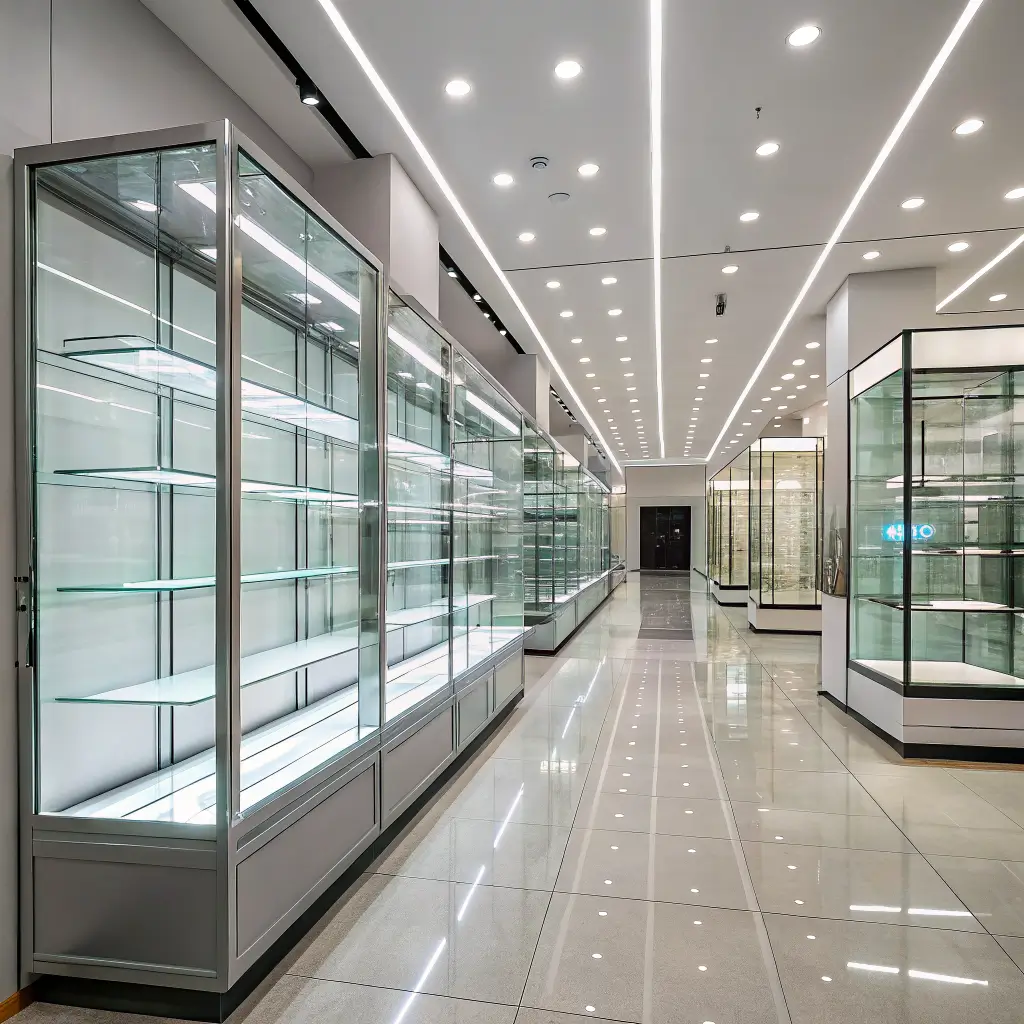
7. Glass and Transparency: Modern Display Solutions
The Power of See-Through
Glass fixtures and transparent elements create visual lightness while maintaining security for valuable products. Floating glass shelves showcase items without visual weight, making spaces feel larger and more open.
Tempered glass display cases offer protection while maintaining product visibility from multiple angles. LED strip lighting integrated into glass shelving creates a premium jewelry store effect that works for any high-value merchandise.
Playing with Reflections
Strategic use of glass and mirrors manipulates space perception brilliantly. Back-lit glass panels create depth and drama, while frosted glass elements provide privacy for storage areas without blocking light completely.
Safety considerations can’t be ignored—ensure all glass elements meet building codes and consider the liability implications of breakage in high-traffic areas.
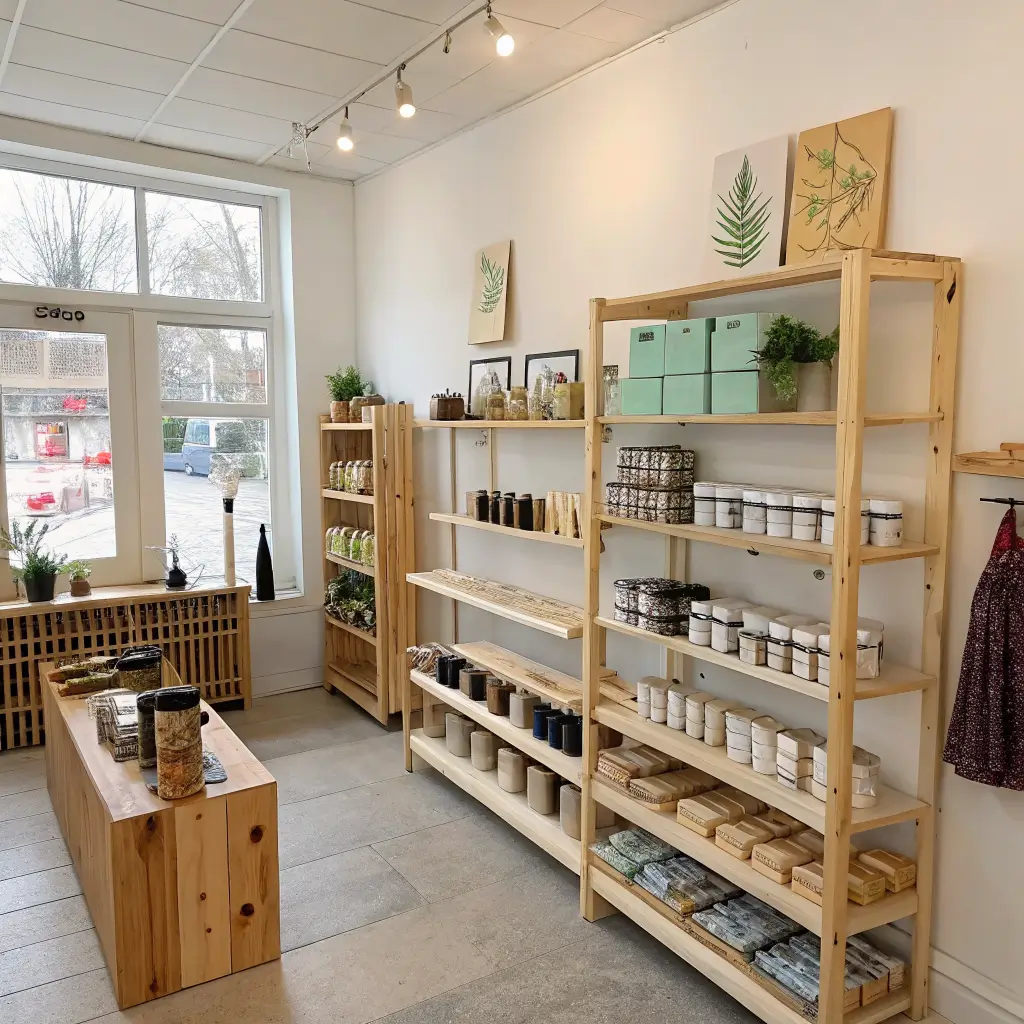
8. Budget-Friendly Brilliance: Looking Expensive Without Breaking the Bank
DIY Solutions That Work
You don’t need a Fortune 500 budget to create an impressive retail space. Paint is your cheapest transformation tool—a bold accent wall costs less than fifty dollars but delivers maximum visual impact.
Repurposed furniture and fixtures add character while saving money. Industrial pipe clothing racks look intentionally stylish while costing a fraction of custom millwork. Cinder blocks and wooden planks create adjustable shelving systems that adapt as your needs change.
Smart Shopping Strategies
Buy display fixtures during retail closeout sales—you’ll find professional-quality pieces at steep discounts. Wholesale lighting suppliers often sell to small businesses, offering better prices than retail home improvement stores.
Focus your budget on high-impact areas like the entrance and checkout counter. These zones make the strongest impressions and justify investing in higher-quality finishes.
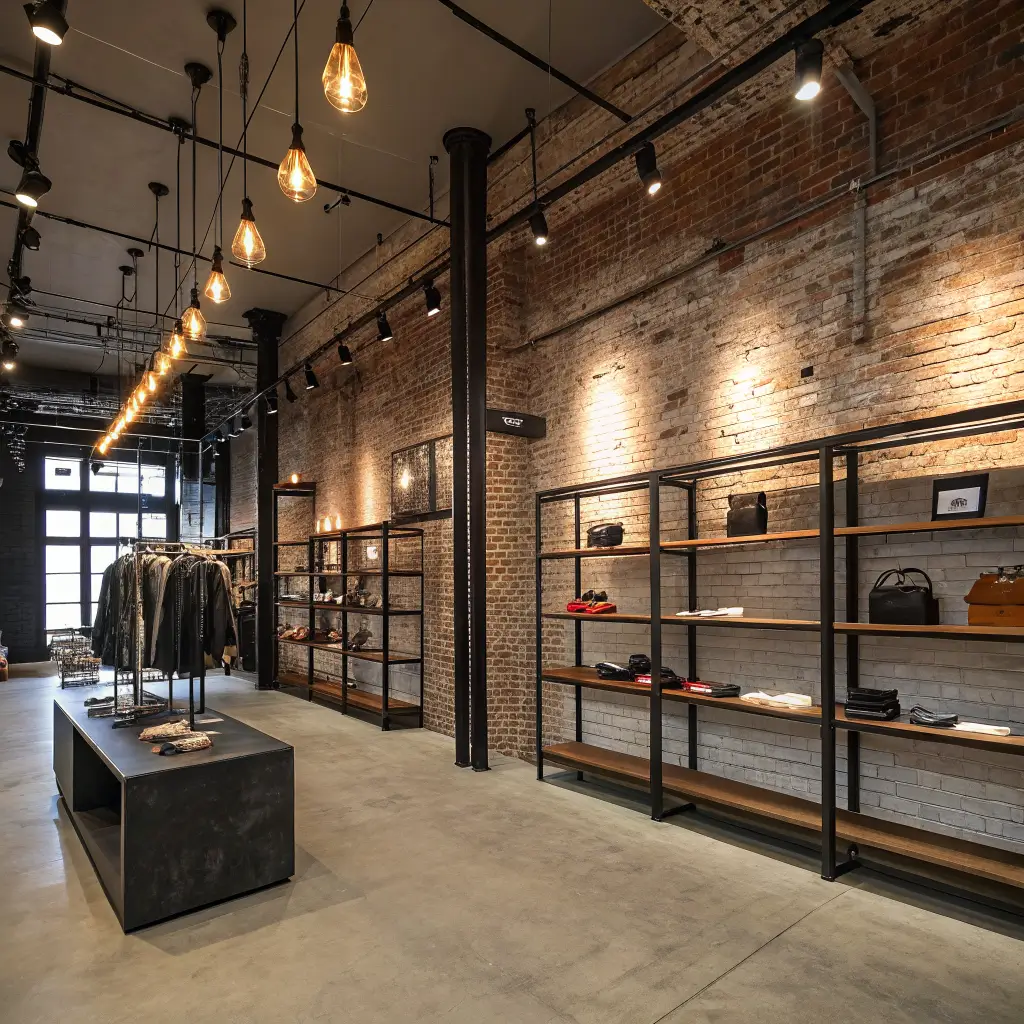
9. Industrial Edge: Embracing the Raw and Real
The Authenticity Appeal
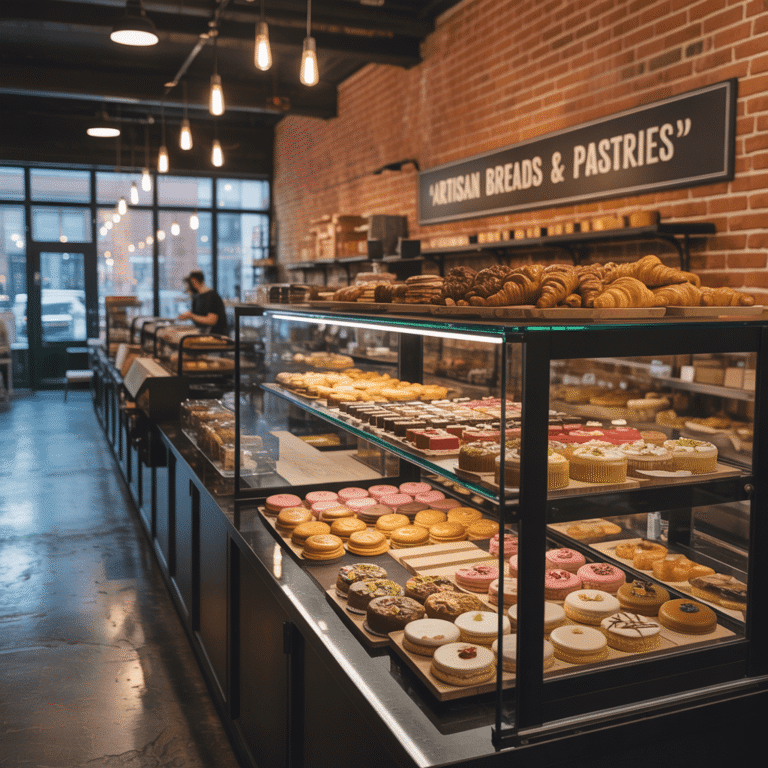
Industrial design celebrates imperfection and functionality, appealing to customers who value authenticity over polish. Exposed brick walls, metal fixtures, and concrete floors create an urban loft aesthetic that feels current and unpretentious.
Edison bulb lighting, vintage signage, and weathered metal accents reinforce the industrial theme while providing functional benefits. This style works particularly well for shops selling vintage items, artisanal products, or urban fashion.
Softening the Edges
Pure industrial can feel harsh and unwelcoming. Add warmth through textiles, plants, and wood accents. Leather seating, woven rugs, and warm lighting balance the hard edges while maintaining the overall aesthetic.
Functionality remains paramount in industrial design—every element should serve a purpose while looking effortlessly cool.
Also Read: 10 Elegant Buffet Counter Design Ideas for Luxury Spaces
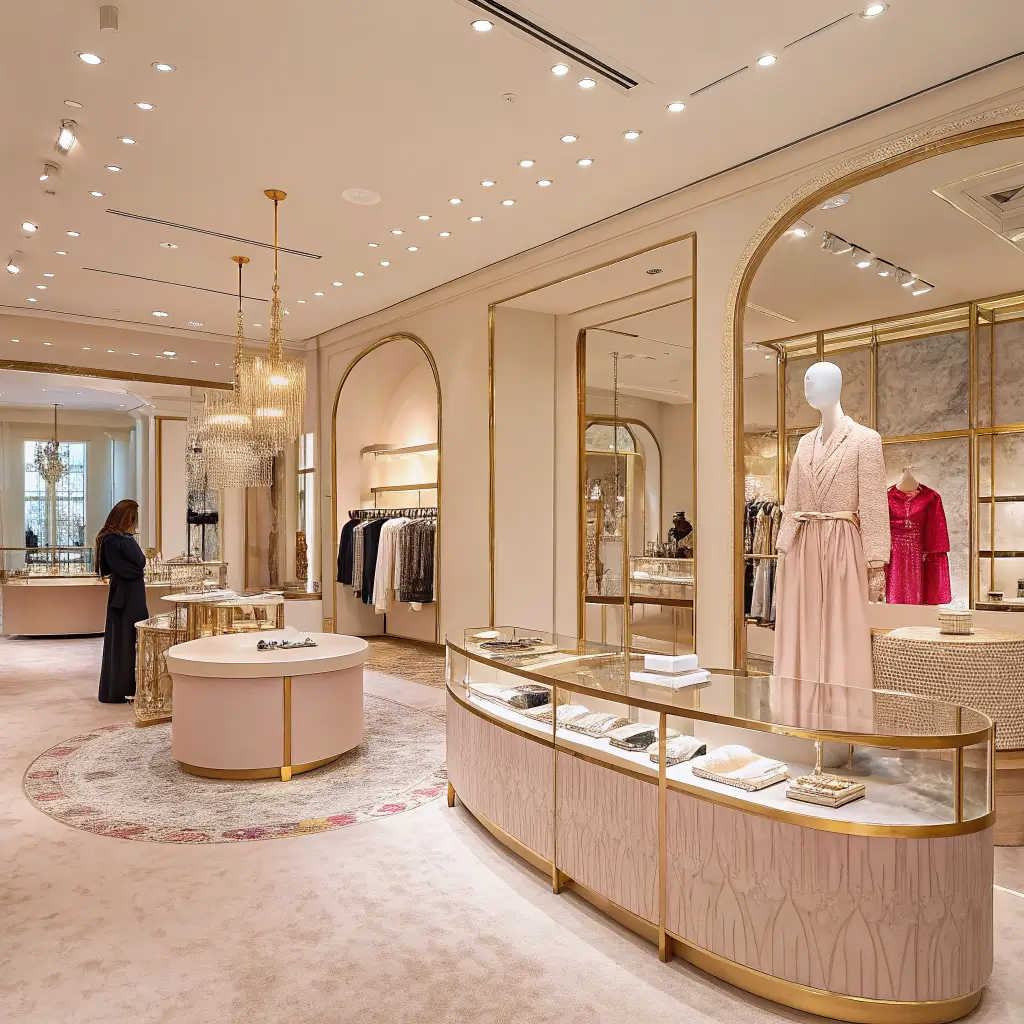
10. Fashion Store Elegance: Where Style Meets Commerce
Understanding Your Fashion Customer
Fashion retail requires creating environments that make customers feel attractive and confident. Flattering lighting, well-positioned mirrors, and comfortable fitting areas directly impact sales success.
Mannequin styling and display groupings tell styling stories that inspire customers to purchase complete looks rather than individual pieces. Seasonal color coordination keeps the space feeling fresh and current.
The Fitting Room Factor
Fitting room design often determines purchase decisions. Flattering lighting, spacious layouts, and convenient hooks create positive experiences that lead to sales. Three-way mirrors and comfortable seating for companions improve the shopping experience significantly.
Music, scent, and temperature control in fitting areas deserve special attention—these factors influence mood and buying decisions more than most retailers realize.
Bringing It All Together
Creating an effective shop interior isn’t about following design trends blindly—it’s about understanding your customers, your products, and your brand story, then translating those insights into a physical space that works hard for your business.
The most successful shop interiors balance aesthetic appeal with practical functionality. They create emotional connections while facilitating smooth operations. They reflect brand personality while remaining flexible enough to evolve with changing needs.
Remember, your interior design is never truly finished. Customer feedback, sales data, and your own observations should guide continuous improvements. The shops that thrive are those that treat their interior design as an ongoing conversation with their customers rather than a one-time project.
FYI, the best time to evaluate your space objectively is right when you open in the morning—that’s when you see it through fresh eyes, closer to how your customers experience it. Take notes, make changes, and never stop refining. Your customers (and your bank account) will thank you for it.