10 Amazing Vegetable Garden Design Ideas for Modern Homes

Let me guess – you’ve been staring at that sad patch of dirt (or concrete) in your yard, wondering how to turn it into something that actually produces food instead of just… existing? Yeah, I’ve been there.
After years of trial and error (emphasis on the error part), I’ve discovered that the secret isn’t just what you grow, but how you design your space. Trust me, a well-planned garden beats a chaotic mess of plants every single time.
Whether you’re working with a postage stamp-sized balcony or a sprawling backyard, these design ideas will help you maximize your harvest while keeping things looking sharp. Ready to ditch the boring rows and get creative? 🙂
Vertical Wall Vegetable Garden Layout
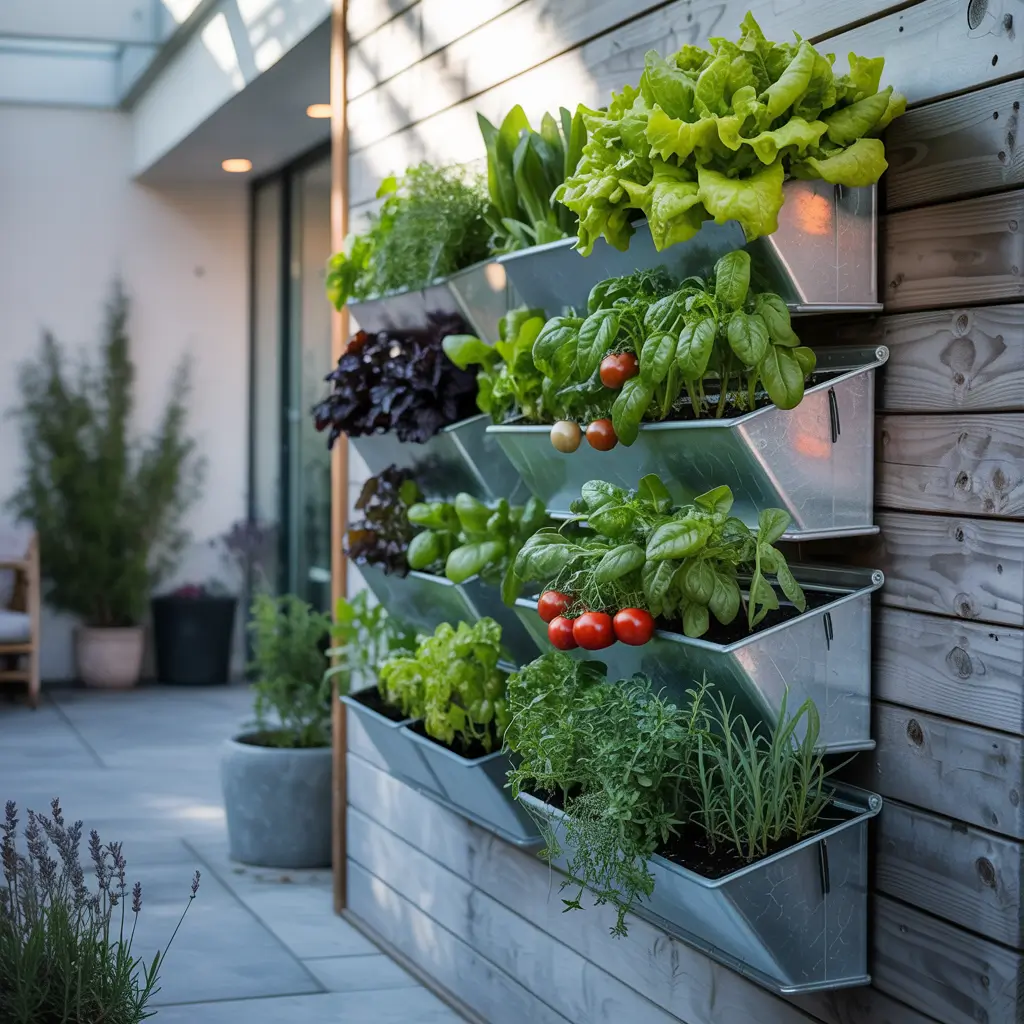
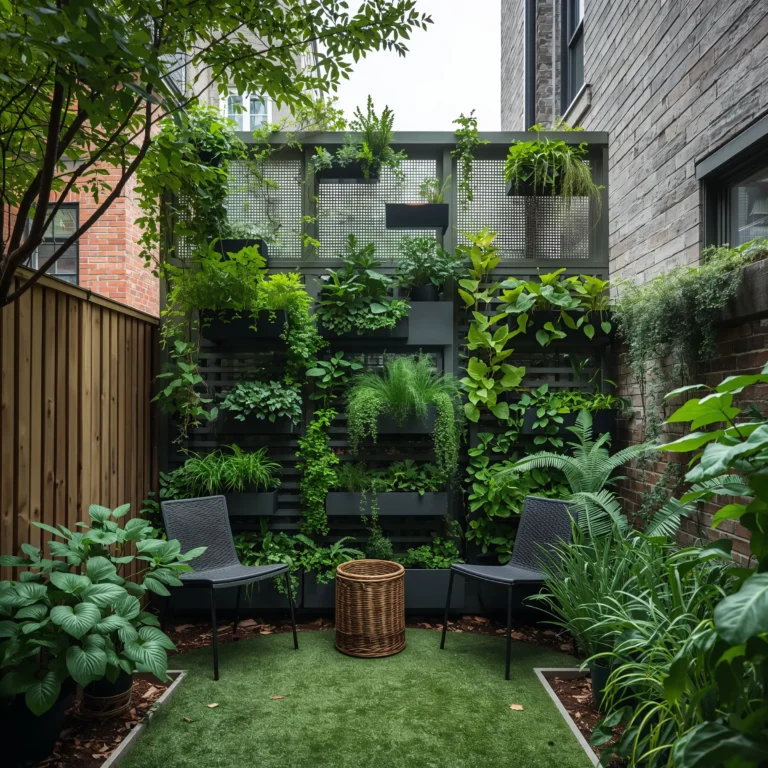
Ever looked at a blank wall and thought, “What a waste of space”? That’s exactly what I thought about my fence until I discovered vertical gardening. This approach transforms any vertical surface into a productive growing machine.
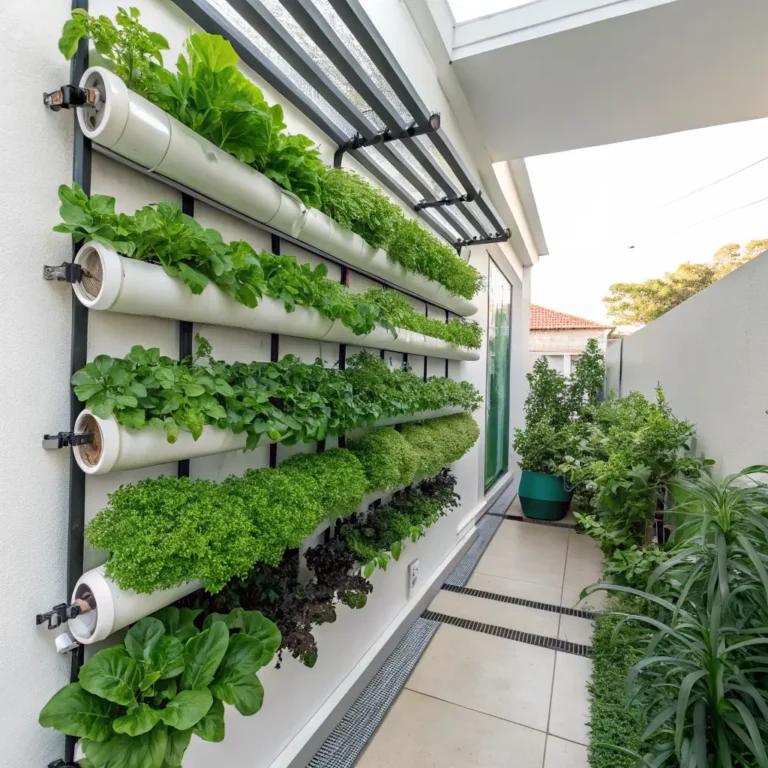
Wall-mounted planters work brilliantly for lettuce, spinach, and herbs. I use repurposed gutters mounted at different heights – they’re cheap, effective, and surprisingly stylish. The key is creating a slight downward slope so water drains properly from one level to the next.
For heavier plants like tomatoes or beans, you’ll need sturdy trellises anchored into the wall structure. I learned this the hard way when my first flimsy setup collapsed under the weight of enthusiastic cucumber vines. Now I always overengineer my supports – better safe than sorry.
The beauty of vertical gardens lies in their space efficiency. You can grow the same amount of produce as a traditional horizontal garden in roughly one-quarter the floor space. Plus, harvesting becomes way easier when everything’s at eye level instead of requiring you to crawl around on your hands and knees.
Pro tip: Install a drip irrigation system along the top row. Gravity does all the work, and your plants stay consistently watered without you having to play human sprinkler every day.
Small Raised Bed Vegetable Garden Design
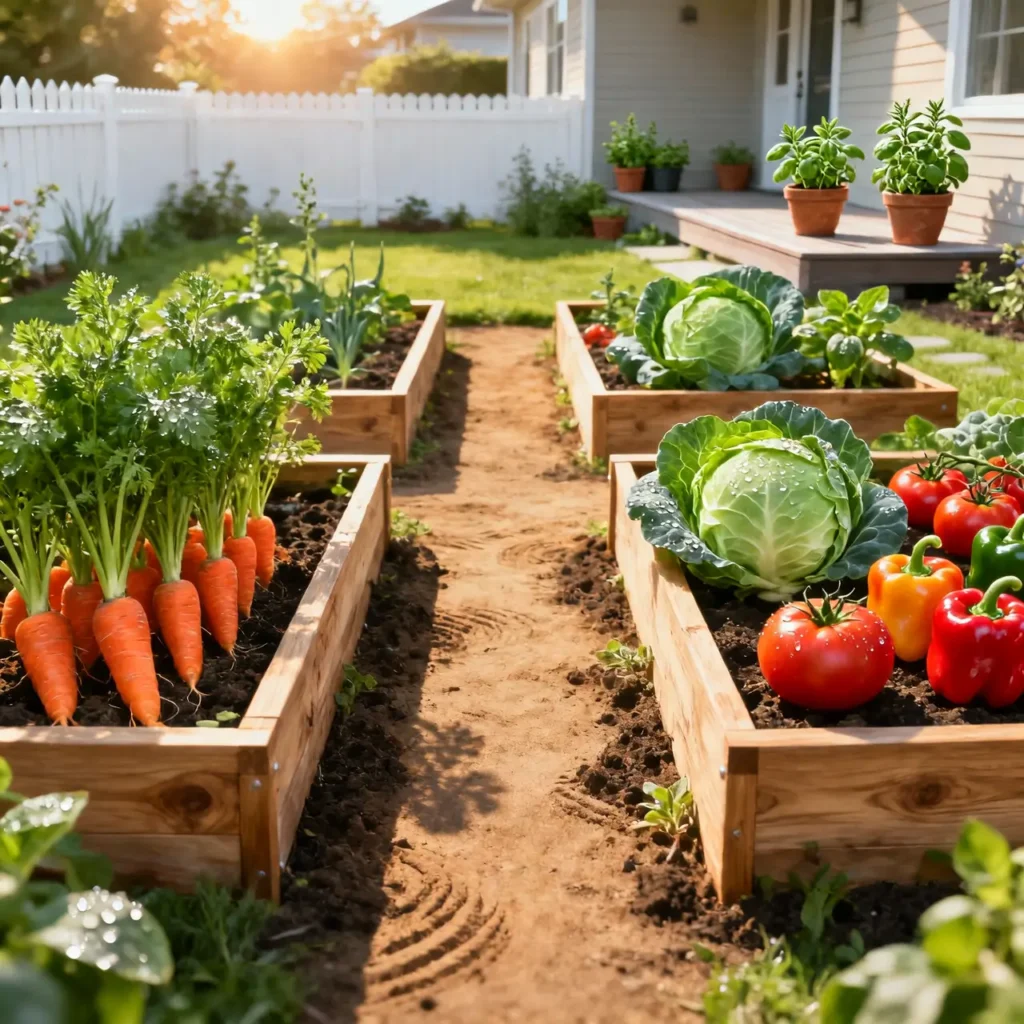
Small doesn’t mean limited – it means strategic. My 4×8 foot raised bed produces more vegetables than my neighbor’s sprawling traditional garden, and here’s why: intensive planting and smart design choices.
The magic happens with succession planting. Instead of planting everything at once like some kind of vegetable lottery, I stagger plantings every two weeks. This means I’m harvesting fresh lettuce while the next batch is growing, creating a continuous supply rather than a feast-or-famine situation.
I divide my bed into square foot sections using string or thin boards. Each square gets a specific plant density based on mature size – one tomato plant per square, four lettuce plants, or sixteen radishes. This prevents overcrowding and maximizes yield.
Vertical elements within the raised bed multiply growing space. Simple bamboo teepees support beans and peas, while tomato cages create structure for indeterminate varieties. I even grow cucumbers up one end using a basic trellis system.
The raised design offers better drainage and soil control compared to in-ground gardens. I can customize the soil mix for optimal nutrition and avoid dealing with whatever clay or sand disaster lurks beneath the surface.
Container Vegetable Garden for Balconies
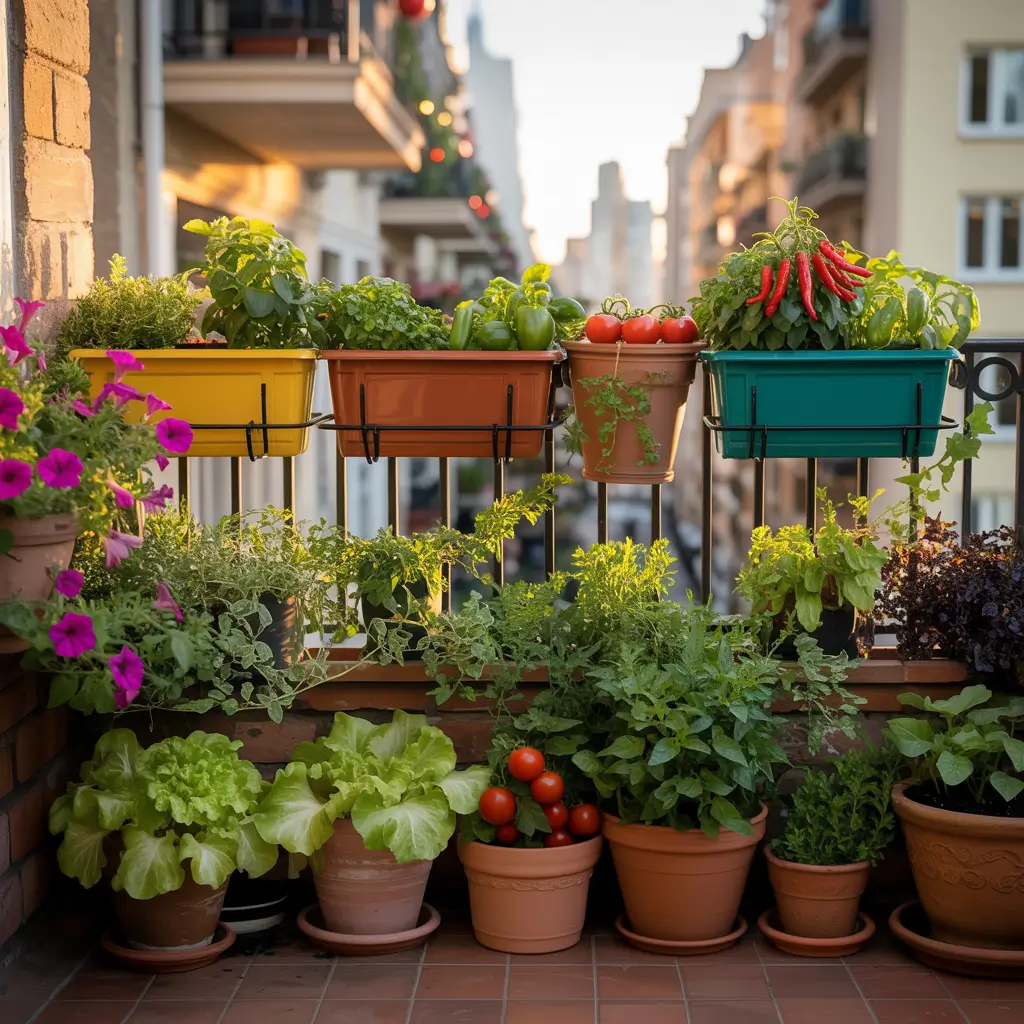
Balcony gardening taught me that container choice matters more than container size (within reason). Those cute little decorative pots? Forget them. Your plants need room to spread their roots, just like people need room to spread their… well, legs.
Five-gallon buckets become my go-to containers for almost everything. They’re cheap, functional, and hold enough soil for substantial root systems. I drill drainage holes in the bottom and place them on wheeled plant caddies – trust me, being able to move heavy containers around is a game-changer.
For leafy greens, shallow but wide containers work perfectly. I use plastic storage boxes (about 6 inches deep) for lettuce, spinach, and Asian greens. These crops don’t need deep roots but appreciate spreading horizontally.
Vertical stacking maximizes limited balcony space. I create tower gardens using stackable containers with holes cut in the sides for plants. It looks cool and produces an impressive amount of food in minimal square footage.
Wind becomes your biggest enemy on balconies. Lightweight containers blow over, and strong winds stress plants. I cluster containers together for mutual wind protection and use plant stakes even for normally sturdy plants. Better safe than cleaning up soil disasters, right?
Also Read: 10 Beautiful Small Garden Design Ideas for Dreamy Yards
Modern Square Foot Gardening Layout
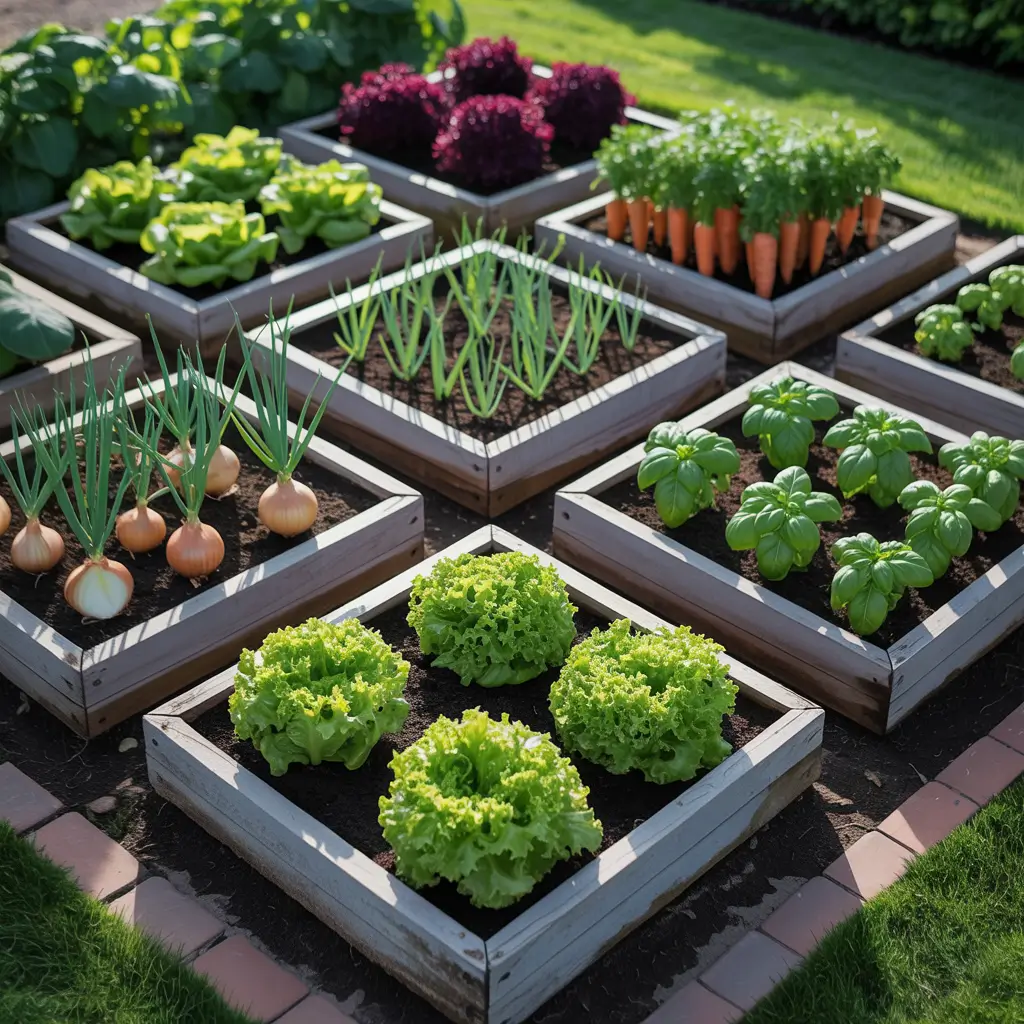
Square foot gardening revolutionized my approach to space management. Instead of traditional rows with wasted walkway space, this method maximizes every inch while keeping maintenance manageable.
The standard 4×4 foot bed size means you can reach the center from any side without stepping on the growing area. Soil compaction becomes a non-issue because you never walk on the growing medium. Your plants’ roots thank you for this consideration.
Grid systems keep everything organized and prevent the gradual chaos that seems to plague most gardens. I use thin strips of wood to create permanent 12-inch squares within each bed. It looks neat, helps with spacing, and makes crop rotation planning much easier.
Each square gets planted according to the mature size rule. Large plants like broccoli or cabbage get one square each. Medium plants like lettuce get four per square. Small plants like radishes can fit sixteen per square. This prevents overcrowding while maximizing yield.
Companion planting works beautifully within the square foot system. I pair nitrogen-fixing beans with heavy feeders like corn, or plant aromatic herbs next to pest-prone vegetables. The close spacing actually helps these beneficial relationships flourish.
Tiered Wooden Vegetable Garden Setup
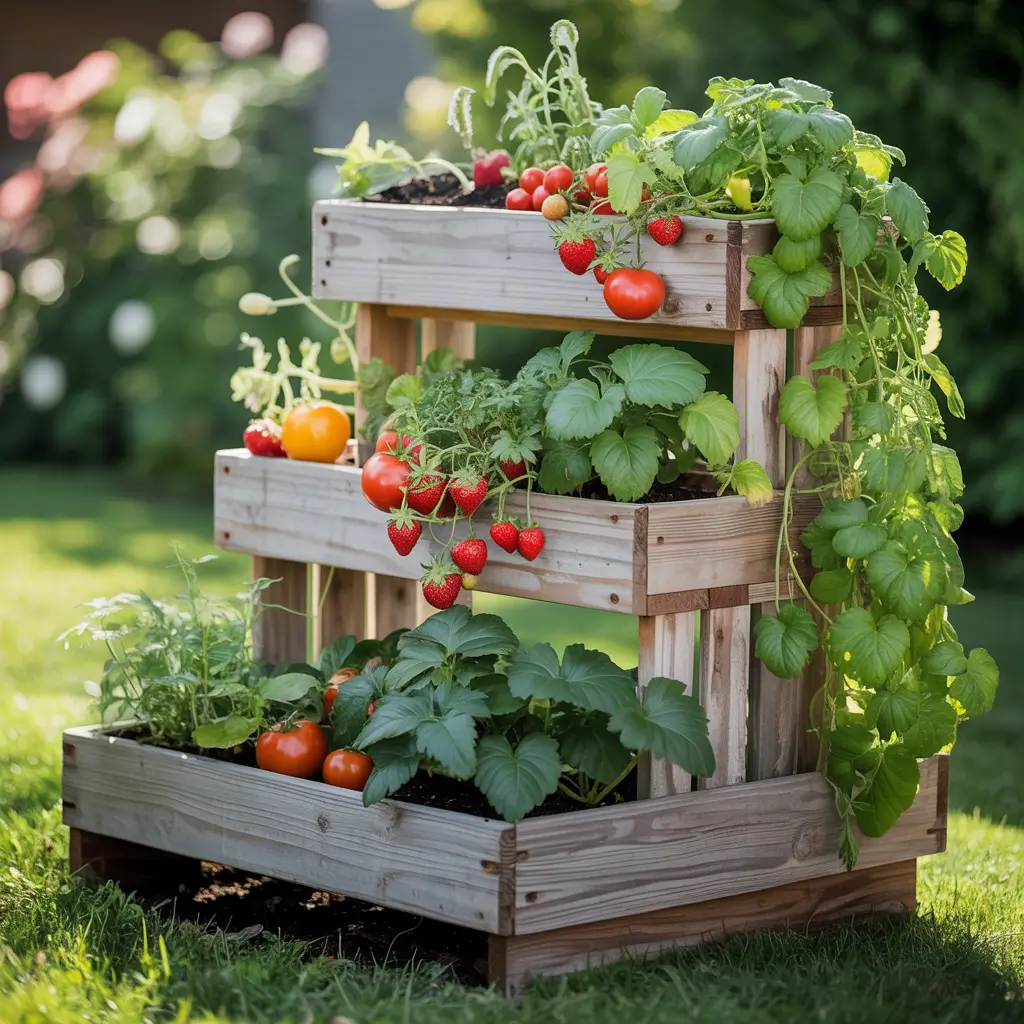
Tiered gardens solve the drainage and accessibility puzzle in one elegant design. Water naturally flows downward, preventing waterlogged roots, while each level creates a different microclimate for various plants.
I built my three-tier system using cedar boards – they resist rot and look great as they age. The top tier gets full sun and hosts heat-loving plants like tomatoes and peppers. The middle tier receives partial shade and works perfectly for lettuce and spinach. The bottom tier stays consistently moist and suits plants like celery and parsley.
Construction tips: Each tier should be at least 8 inches deep for most vegetables. I made mine 12 inches deep because deeper is almost always better for root development. Use landscape fabric to separate soil from the underlying structure but still allow drainage.
The stepped design creates natural windbreaks. Upper tiers protect lower ones from harsh weather, creating a more stable growing environment. This protection extends the growing season for tender plants that might otherwise struggle.
Harvesting becomes a pleasure instead of a chore when everything’s at different, comfortable heights. No more bending over constantly or trying to reach the back of deep beds. Your back will thank you after a long gardening session.
Kitchen Door Backyard Vegetable Garden Plan
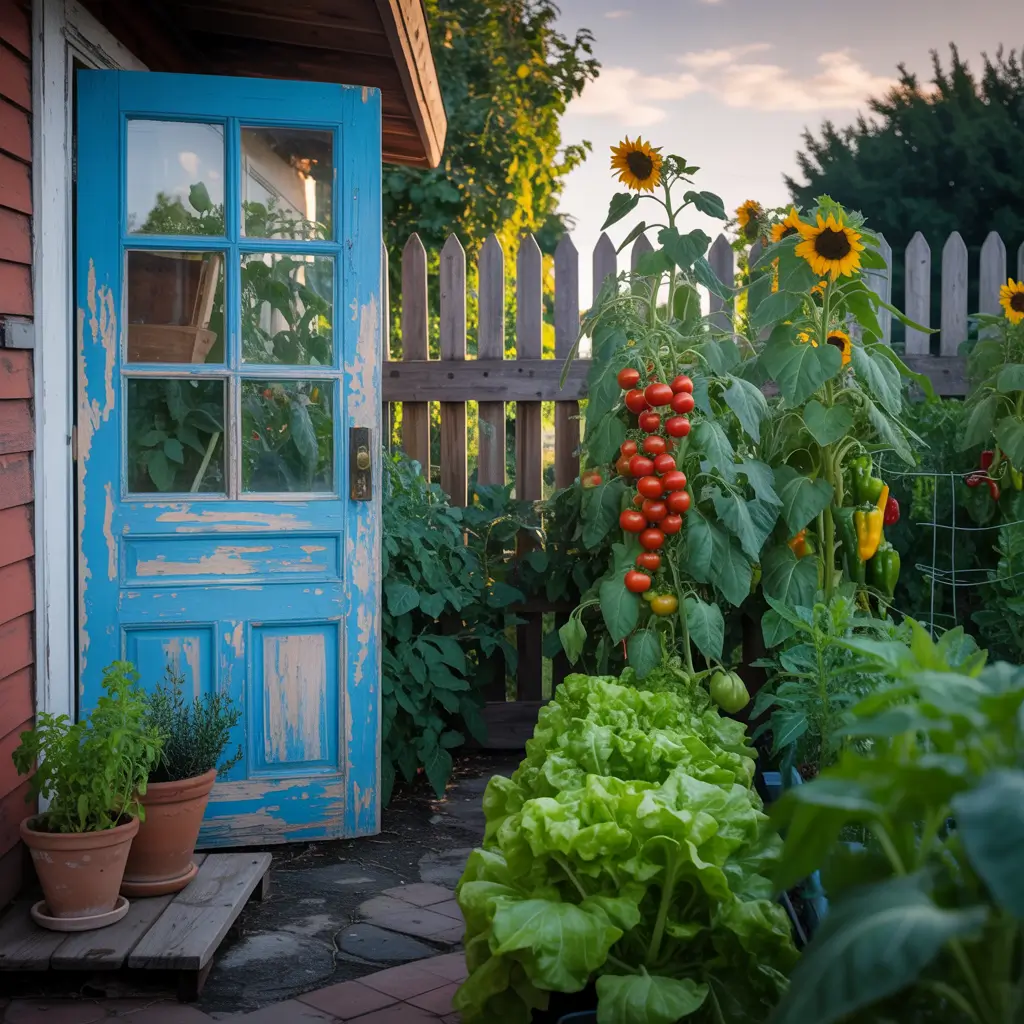
Convenience drives success in vegetable gardening. The closer your garden sits to your kitchen, the more likely you’ll actually use it. I learned this after placing my first garden at the far end of the yard – out of sight, out of mind.
Location strategy matters enormously. I positioned my kitchen garden within 20 steps of the back door. Close enough to grab fresh herbs while cooking, near enough to water quickly, and visible through the window so I notice when things need attention.
High-frequency vegetables get prime real estate closest to the door. Herbs, salad greens, and cherry tomatoes live in the front sections because I harvest from them almost daily. Storage crops like winter squash get relegated to the back areas.
I created defined pathways using stepping stones and mulch. This prevents the gradual garden creep that turns organized beds into wandering jungle paths. Clear boundaries keep everything looking intentional rather than accidentally agricultural.
Evening accessibility became important once I realized most of my gardening happens after work. I installed solar lights along the main pathways so I can water and harvest even after sunset. FYI, there’s something magical about picking fresh basil under soft garden lights.
Also Read: 10 Stunning Garden Design Ideas for Dream Outdoor Spaces
DIY Pallet Vertical Vegetable Garden Idea
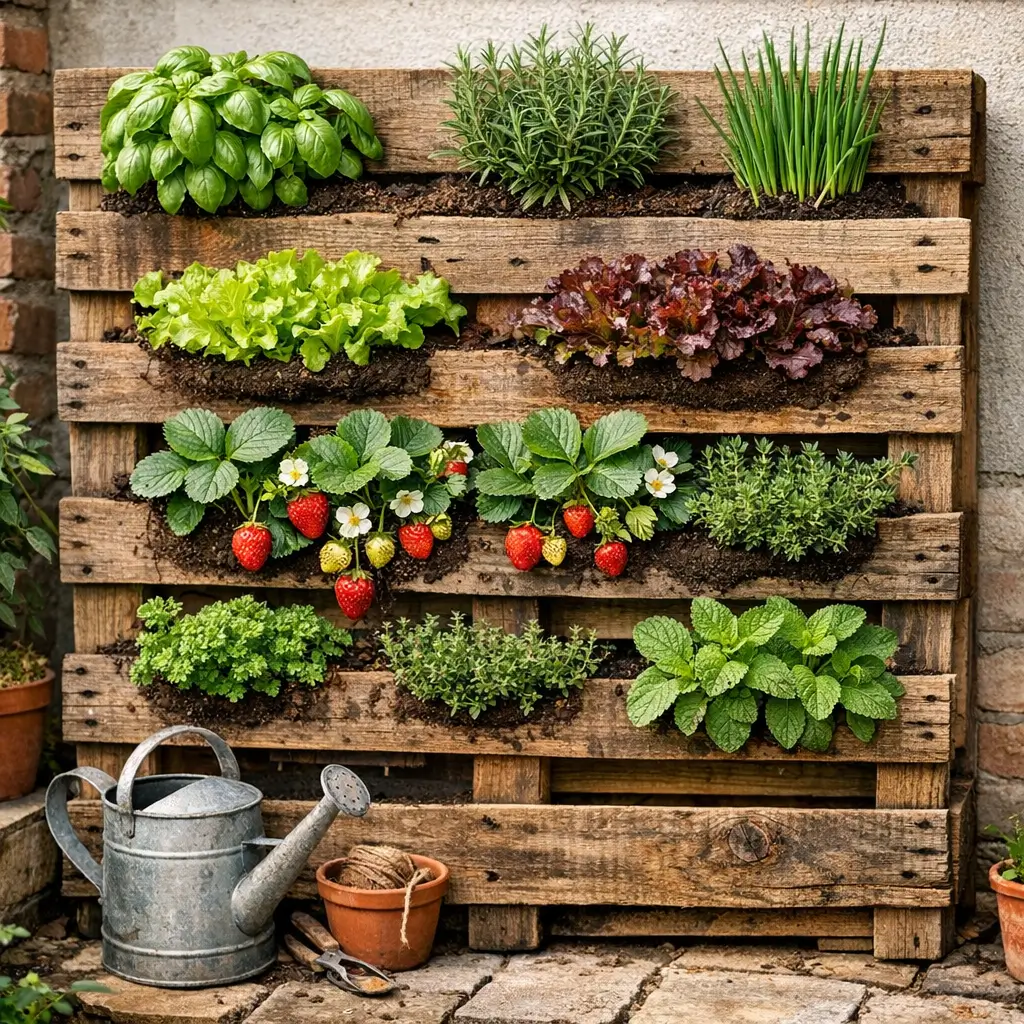
Pallet gardening represents the ultimate budget-friendly vertical solution. Free pallets transform into productive growing walls with minimal tools and maximum creativity. I’ve built dozens of these over the years, and they never stop surprising me with their productivity.
Pallet preparation requires some work upfront but pays dividends later. Sand rough edges, check for protruding nails, and ensure the pallet came from a safe source (look for the HT stamp indicating heat treatment rather than chemical treatment). Food safety matters when growing edibles.
I line the back and bottom with landscape fabric to contain soil while allowing drainage. Staple gun attachment works perfectly for this job. The fabric prevents soil spillage while maintaining necessary water flow.
Plant selection determines success with pallet gardens. Shallow-rooted plants like lettuce, herbs, and strawberries thrive in the limited soil depth. I avoid deep-rooted vegetables that need more space than pallet pockets provide.
Mounting requires solid wall attachment. These gardens get heavy when fully planted and watered. I use heavy-duty brackets anchored into wall studs, not just drywall. Learning this lesson the hard way involves cleaning up a lot of spilled soil and dead plants :/
Minimalist Urban Vegetable Garden Design
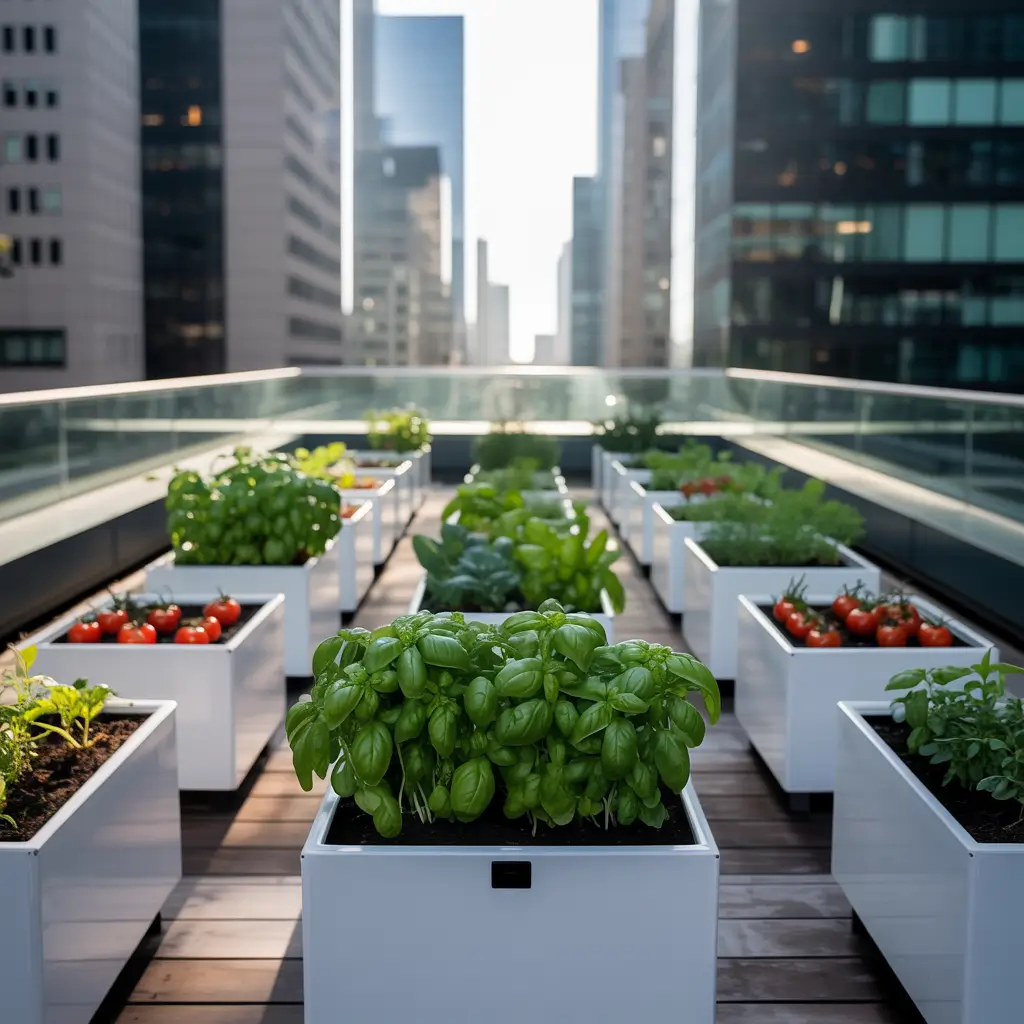
Urban gardening demands efficiency over abundance. Limited space means every element must serve multiple purposes while maintaining clean, uncluttered aesthetics that won’t annoy neighbors or violate building codes.
Container uniformity creates visual cohesion in small spaces. I use matching white or terracotta pots arranged in geometric patterns. This approach looks intentional and sophisticated rather than like a random collection of mismatched containers.
Color coordination extends beyond containers to plant selection. I choose vegetables with attractive foliage – purple kale, colorful chard, and ornamental peppers – that function as edible landscaping. The garden feeds both body and eyes.
Modular design allows flexibility as seasons change. Lightweight containers move easily to follow sun patterns or make room for outdoor furniture. This adaptability becomes crucial in multipurpose urban spaces.
I incorporate minimal maintenance features like self-watering containers and slow-release fertilizers. Urban gardening often means irregular schedules, so systems that function independently for several days prevent weekend getaway plant casualties.
Spiral Herb and Vegetable Garden Layout
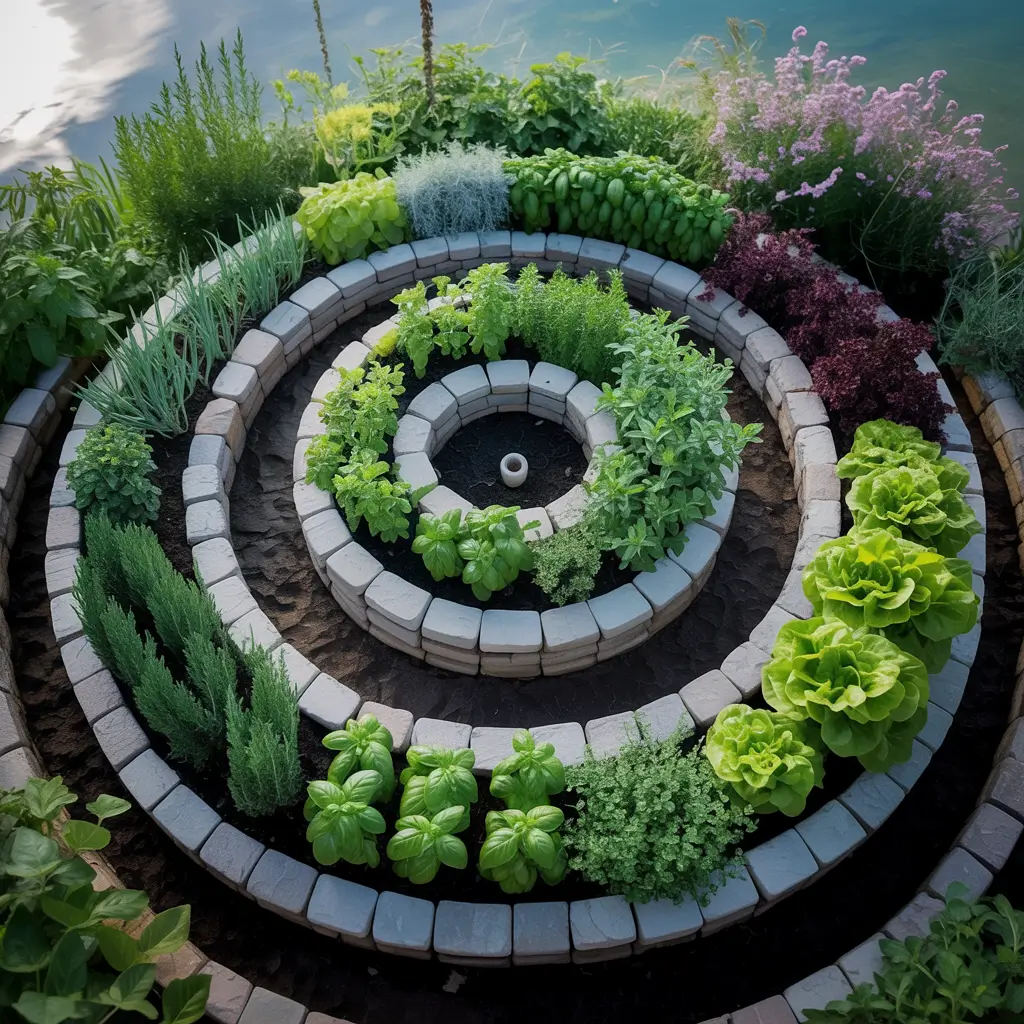
Spiral gardens pack maximum diversity into minimum space while creating distinct microclimates for different plant needs. The design looks artistic and functions brilliantly – a rare combination in practical gardening.
Height variation naturally creates different growing conditions. The top center stays dry and sunny, perfect for Mediterranean herbs like rosemary and thyme. The bottom outer edge stays moist and partially shaded, ideal for parsley and chives.
I built mine using stacked stones without mortar, allowing for drainage and easy modification. The spiral shape creates approximately 30 feet of growing edge in a 6-foot diameter circle – that’s some serious space efficiency right there.
Plant placement strategy follows the natural slope from dry to moist, sun to shade. Heat-loving plants occupy the upper reaches while water-loving varieties settle into the lower spirals. This arrangement mimics natural ecosystems where plants find their preferred niches.
The visual appeal makes spiral gardens conversation pieces that happen to produce food. Visitors always ask about the design, giving you perfect opportunities to evangelize about homegrown vegetables and sustainable living.
Also Read: 10 Inspiring Glass Wall Partition Design Ideas for Dream Homes
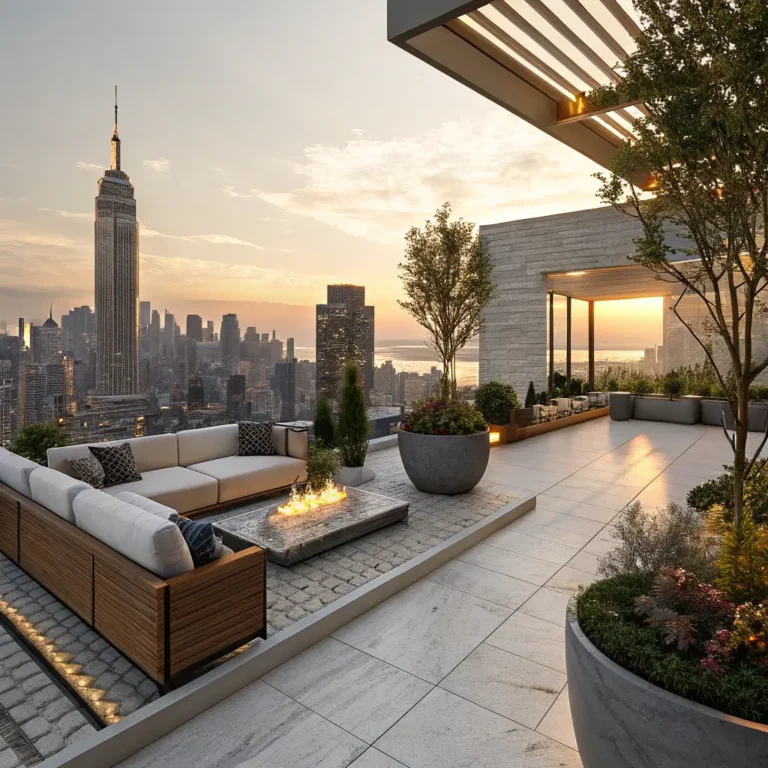
Compact Rooftop Vegetable Garden Design
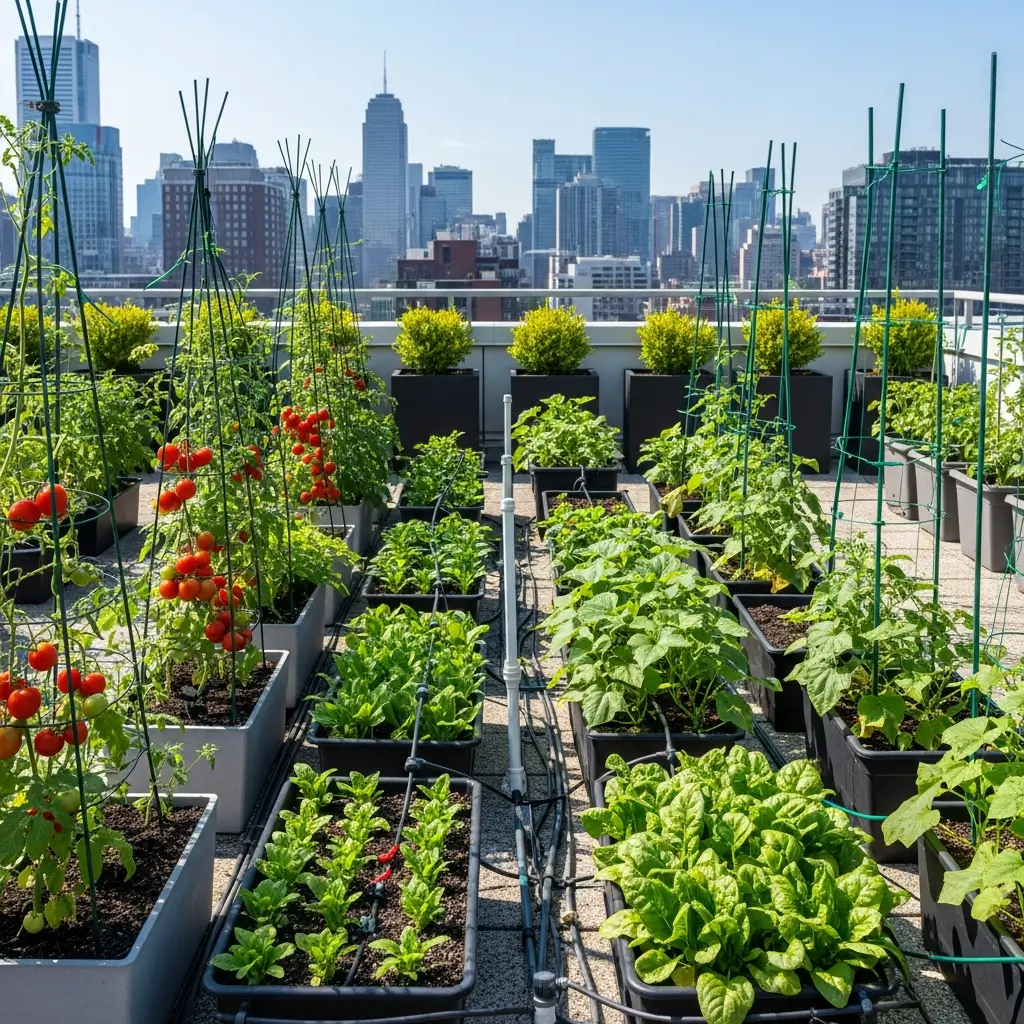
Rooftop gardening presents unique challenges: wind exposure, weight limits, and extreme weather conditions. But the rewards – unlimited sun, great drainage, and amazing views while you harvest – make the effort worthwhile.
Weight distribution becomes the primary concern. I use lightweight containers and soil mixes specifically designed for rooftop applications. Standard potting soil mixed with vermiculite reduces weight while maintaining good growing conditions.
Wind protection saves plants and prevents containers from becoming projectiles. I create windbreaks using trellises, screens, or strategically placed taller plants. Even partial wind reduction significantly improves growing conditions.
Water management requires more attention on rooftops. Wind and sun exposure dry out containers quickly, but excess water has nowhere to go except through drainage systems. I use saucers under containers to catch overflow while preventing standing water problems.
Heat reflection from rooftop surfaces can stress plants during peak summer. I use light-colored containers and provide afternoon shade during the hottest months. Sometimes working with extreme conditions means embracing spring and fall growing seasons while giving summer a break.
IMO, rooftop gardens represent the future of urban food production. They utilize otherwise wasted space, reduce building energy costs, and produce fresh food in the heart of concrete jungles.
Conclusion
These ten design ideas prove that successful vegetable gardening isn’t about having perfect conditions – it’s about working creatively with what you’ve got. Whether you’re dealing with tiny spaces, challenging environments, or budget constraints, there’s a design approach that fits your situation.
The best garden design is the one you’ll actually maintain and enjoy. Start with one idea that excites you, get it working well, then expand from there. Before you know it, you’ll be that person who always has fresh vegetables to share with neighbors and friends. And honestly? That’s a pretty great reputation to have.