10 Gorgeous Vertical Garden Design Ideas for Cozy Homes

Look, I’m going to be straight with you – if you’ve been staring at that blank wall in your apartment wondering why it looks so… well, blank, you’re not alone.
I spent months walking past this one wall in my living room, and it literally took my plant-obsessed friend Sarah pointing it out before I realized I was sitting on a goldmine of vertical growing space.
Vertical gardens aren’t just trendy Instagram eye-candy (though they definitely photograph well :)). They’re practical solutions for anyone dealing with limited floor space, poor natural light, or that nagging feeling that your home needs more life in it.
Whether you’re working with a tiny balcony or trying to bring some green into your kitchen without sacrificing counter space, these ten vertical garden ideas will give you plenty of options to work with.
Modular Pocket Vertical Garden Wall
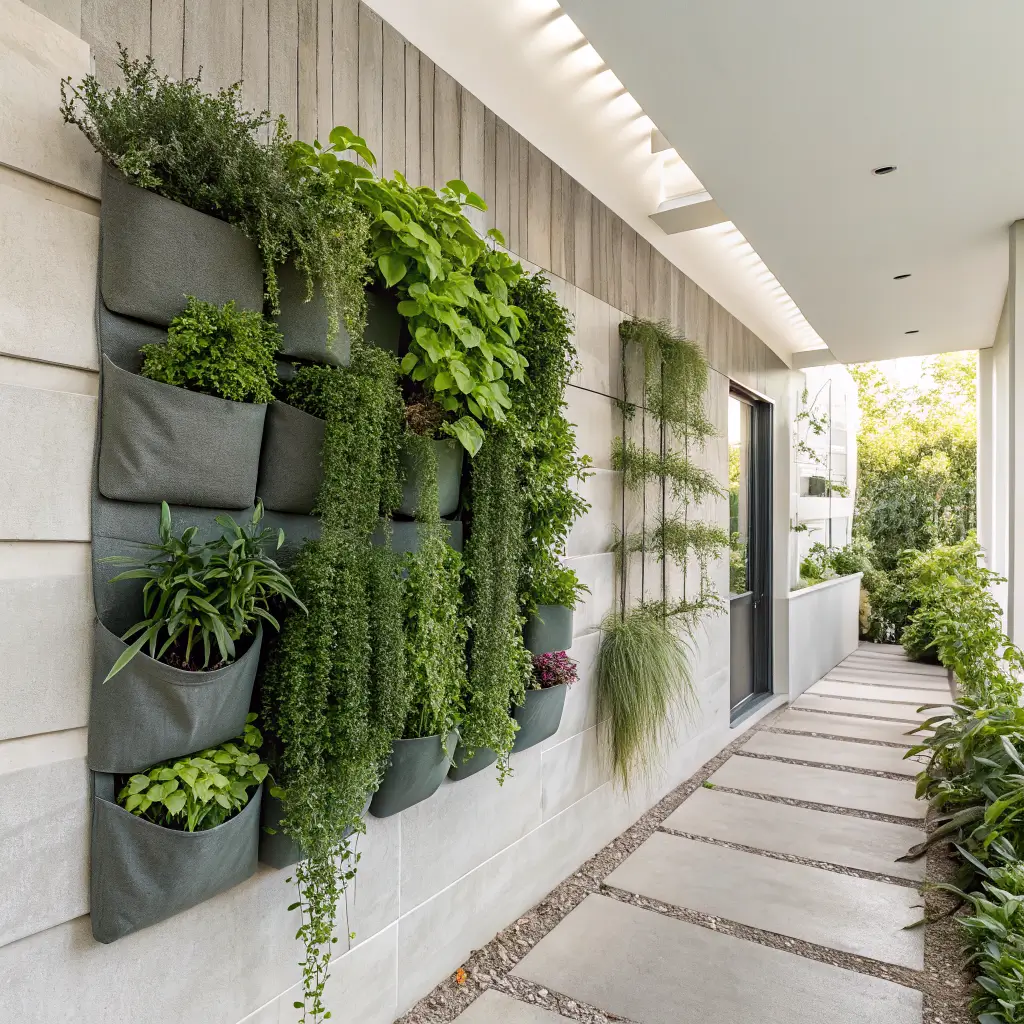
This one’s my personal favorite, and here’s why – you can literally build it piece by piece without committing to some massive project that’ll take over your weekend. Modular pocket systems use individual fabric or plastic pouches that hang on a frame or mount directly to your wall.
The beauty lies in the flexibility. Start with a 3×3 grid and expand when you feel like it. Each pocket holds its own plant and soil, so you can experiment with different herbs, succulents, or trailing plants without affecting the whole system. I’ve seen people create stunning living walls using these systems, mixing textures and colors like they’re painting with plants.
Installation tip: Mount the frame securely because once you add soil and water, the weight adds up quickly. Most systems come with heavy-duty brackets, but double-check your wall type before drilling.
The maintenance is surprisingly manageable too. Individual pockets mean you can replace or rearrange plants without disturbing the neighbors. Plus, if one plant decides to give up on life (happens to the best of us), you’re not stuck with a gaping hole in your design.
Hanging Bottle Vertical Herb Garden
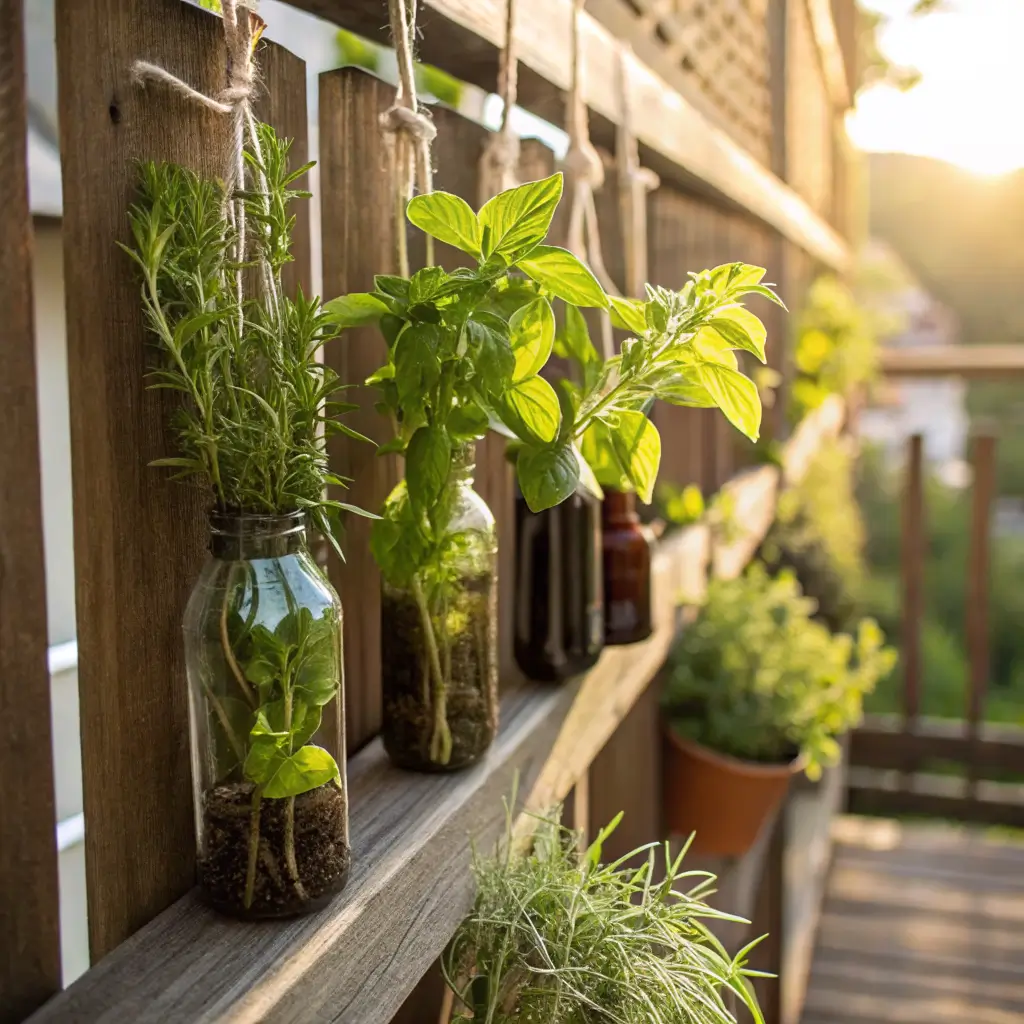
Ever wonder what to do with all those glass bottles you’ve been “saving for a project”? Well, here’s your project. This DIY approach transforms wine bottles, mason jars, or even plastic bottles into hanging planters that create a cascading garden effect.
The technique is straightforward – cut openings in the bottles, add drainage holes, and suspend them at varying heights using rope or wire. The key is planning your layout before you start cutting. I learned this the hard way when I ended up with a lopsided arrangement that looked more like a failed science experiment than a garden.
For herbs, this system works brilliantly because most don’t need massive root systems. Basil, mint, oregano, and small pepper plants thrive in bottle gardens. The transparent containers also let you monitor root health and water levels easily.
Pro tip: Use different bottle sizes and colors to create visual interest. Clear bottles show off root systems, while colored glass adds artistic flair. Just make sure darker bottles don’t block too much light from reaching the roots.
Wooden Pallet Plant Wall Design
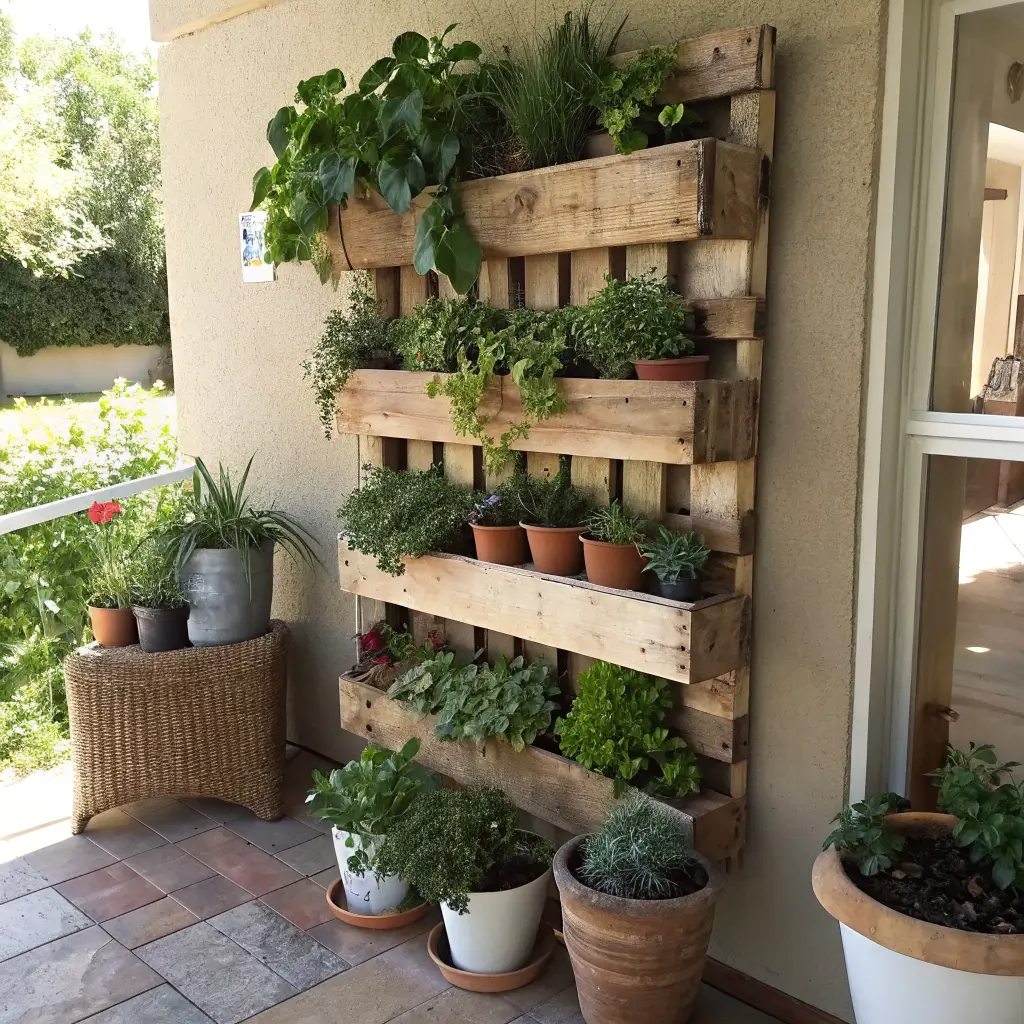
Nothing says “I’m resourceful and environmentally conscious” quite like turning shipping pallets into living art. This rustic approach gives you tons of planting space while adding that coveted farmhouse aesthetic everyone’s after.
Finding pallets is usually the easy part – check with local stores, construction sites, or online marketplaces. Make sure they’re heat-treated (look for “HT” stamps) rather than chemically treated. Nobody wants toxic chemicals leaching into their tomato plants.
The conversion process involves adding a backing (landscape fabric or plastic sheeting) to create planting pockets between the slats. You can plant directly in the gaps or attach small pots for easier maintenance. The horizontal slats create natural shelves for trailing plants, while the vertical spaces work perfectly for upright growers.
I’ve seen people get creative with pallet walls, adding built-in irrigation systems or LED grow lights for indoor setups. The wood ages beautifully over time, developing that weathered look that makes everything seem more authentic.
Also Read: 10 Inspiring Garden Layout Design Ideas for Perfect Yards
Indoor Living Green Wall Panel
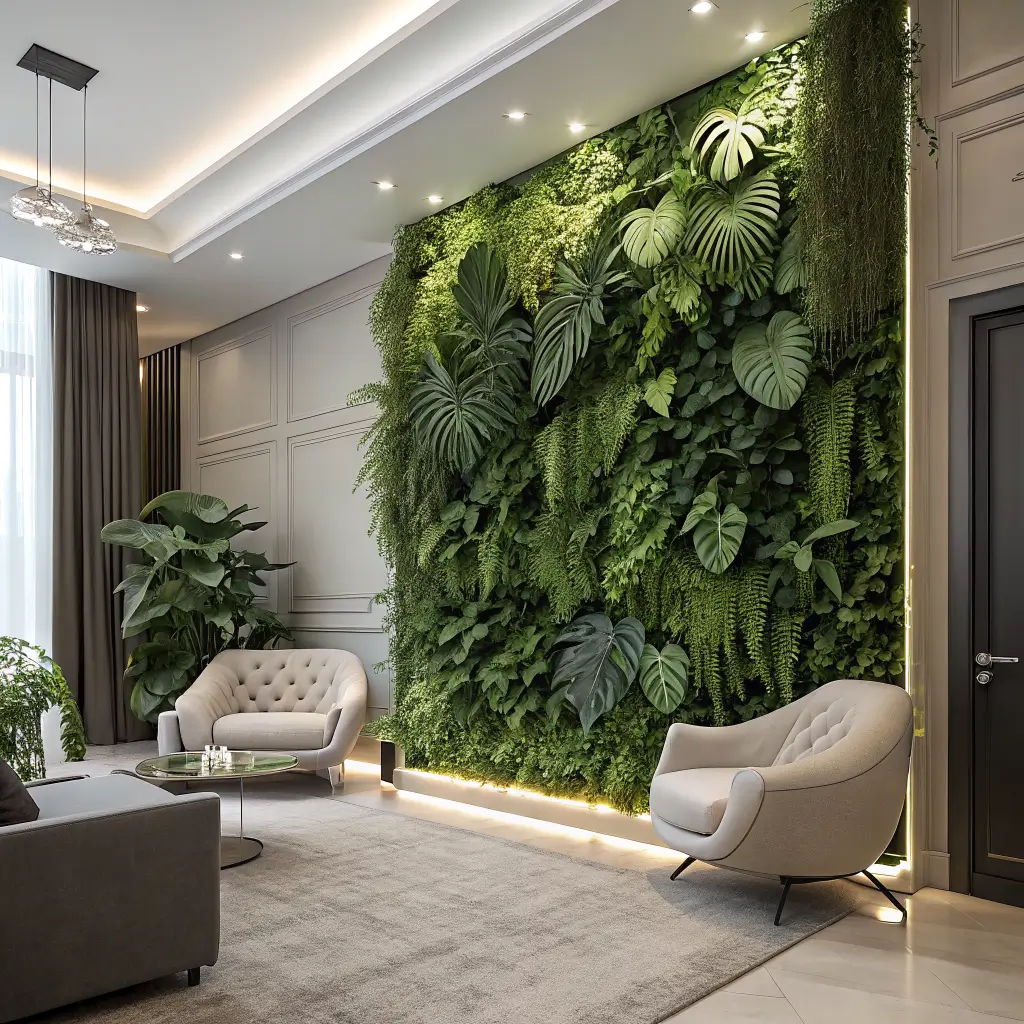
When you want the impact of a full living wall without the complexity of a custom installation, prefab green wall panels are your friend. These systems typically include built-in irrigation, mounting hardware, and sometimes even automated watering schedules.
The investment is higher upfront, but the convenience factor makes up for it if you’re not the DIY type. Most panels use hydroponic or soilless growing mediums, which means cleaner indoor installation and more consistent plant nutrition.
The plant selection becomes crucial with these systems since you’re working with a controlled environment. Pothos, philodendrons, and ferns typically perform well, while flowering plants might struggle without adequate light supplementation.
Installation requires careful planning for drainage and electrical connections if you choose an automated system. But once it’s up and running, maintenance mainly involves monitoring nutrient levels and occasional plant trimming.
Balcony Rail Vertical Garden Setup
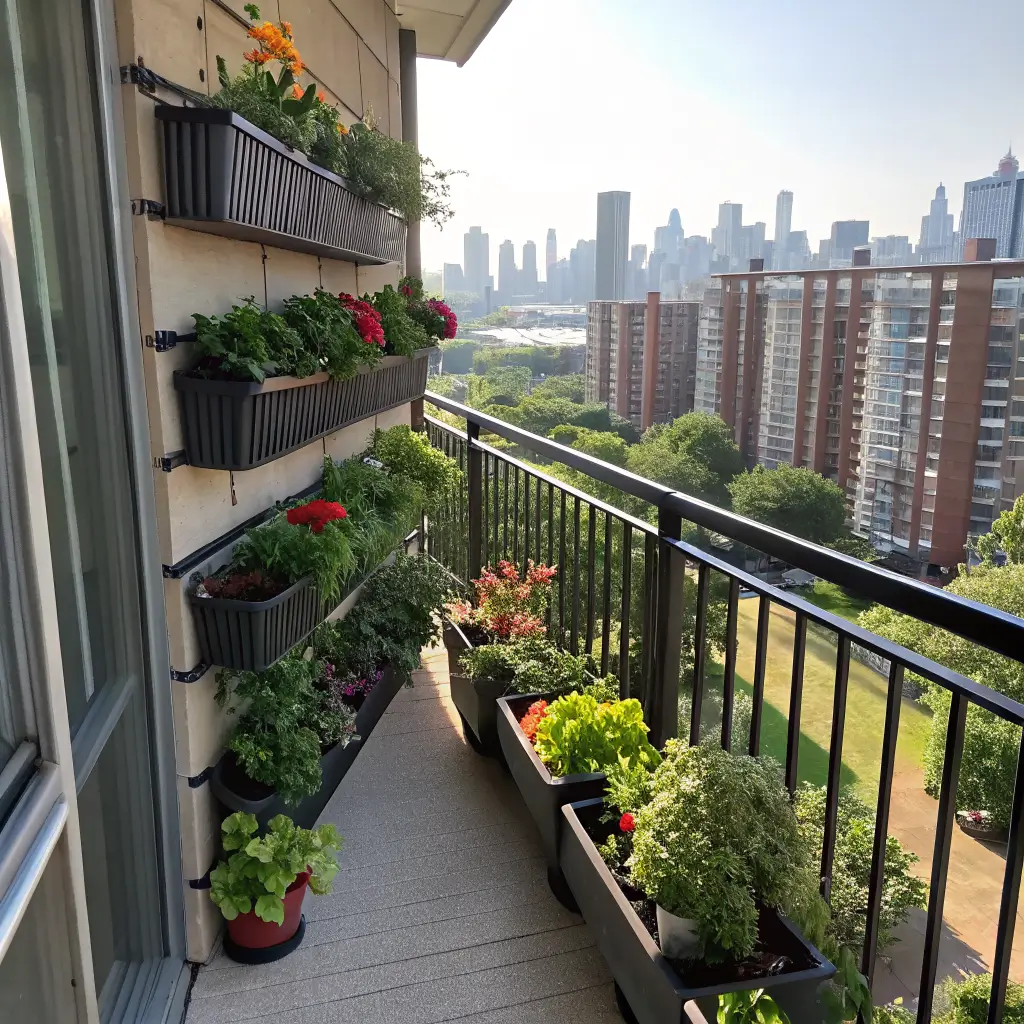
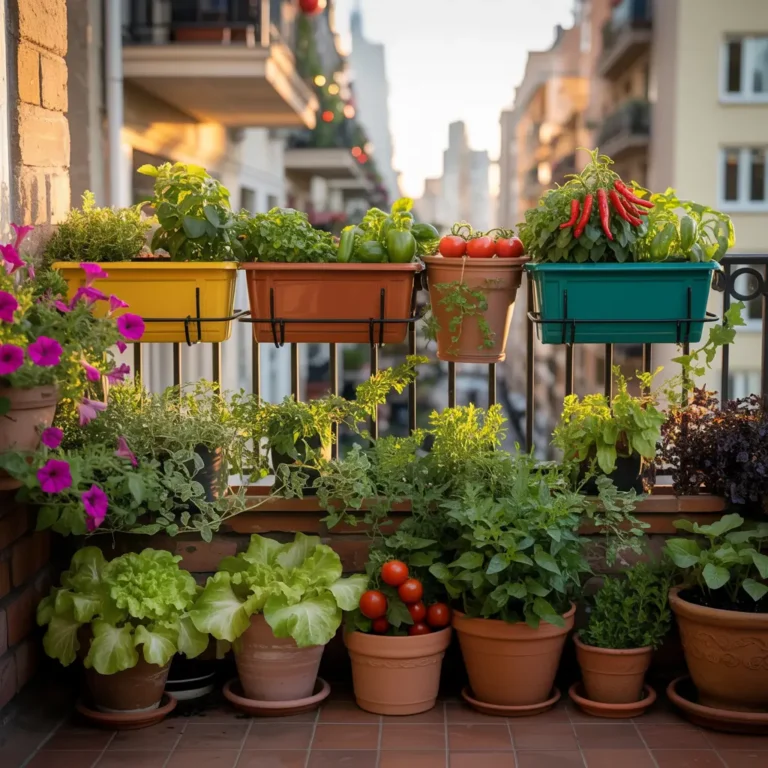
Apartment dwellers, this one’s for you. Balcony rails offer perfect mounting points for vertical gardens without requiring wall modifications that might upset your landlord. Rail planters, hanging systems, and over-the-rail containers can transform even the smallest balcony into a productive growing space.
Wind exposure is your biggest challenge here. Balconies, especially on higher floors, can be brutal on plants. Choose sturdy mounting systems and plants that can handle some movement. Ornamental grasses, hardy herbs, and flexible trailing plants usually adapt better than rigid, top-heavy varieties.
Consider weight distribution carefully. Rails aren’t designed to support massive loads, so spread your planters evenly and check mounting hardware regularly. I’ve seen elaborate setups come crashing down because someone underestimated the combined weight of soil, water, and mature plants.
Seasonal considerations matter too. If your balcony gets harsh winter weather, plan for plant rotation or choose systems that allow easy removal and storage.
Geometric Frame Vertical Plant Display
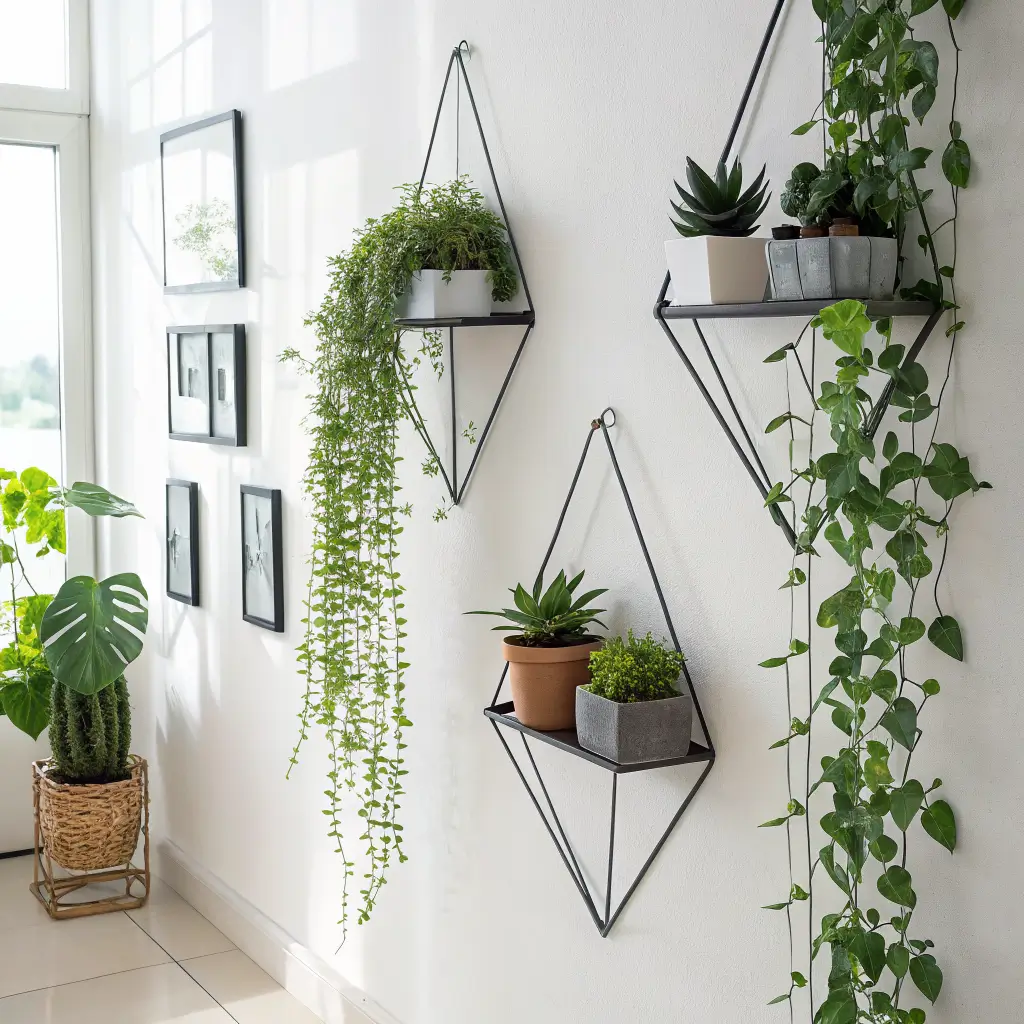
For those who appreciate clean lines and modern aesthetics, geometric frames offer a sophisticated approach to vertical gardening. These structures use triangular, hexagonal, or rectangular frames to create architectural plant displays that double as room dividers or statement walls.
The frames can be wooden, metal, or even PVC depending on your style preferences and budget. Metal frames offer the most durability, especially for outdoor installations, while wooden frames provide warmth and work well with rustic or farmhouse themes.
Plant selection becomes part of the design process. The geometric shapes create distinct planting zones, so you can play with color patterns, textures, and growth habits to enhance the architectural elements. Trailing plants soften hard edges, while upright growers emphasize the structure.
These systems work particularly well as room dividers in open floor plans. You get privacy screening plus air purification, and the geometric patterns create visual interest from multiple angles.
Also Read: 10 Creative Tiny Garden Design Ideas for Small Spaces
Self-Watering Vertical Garden System
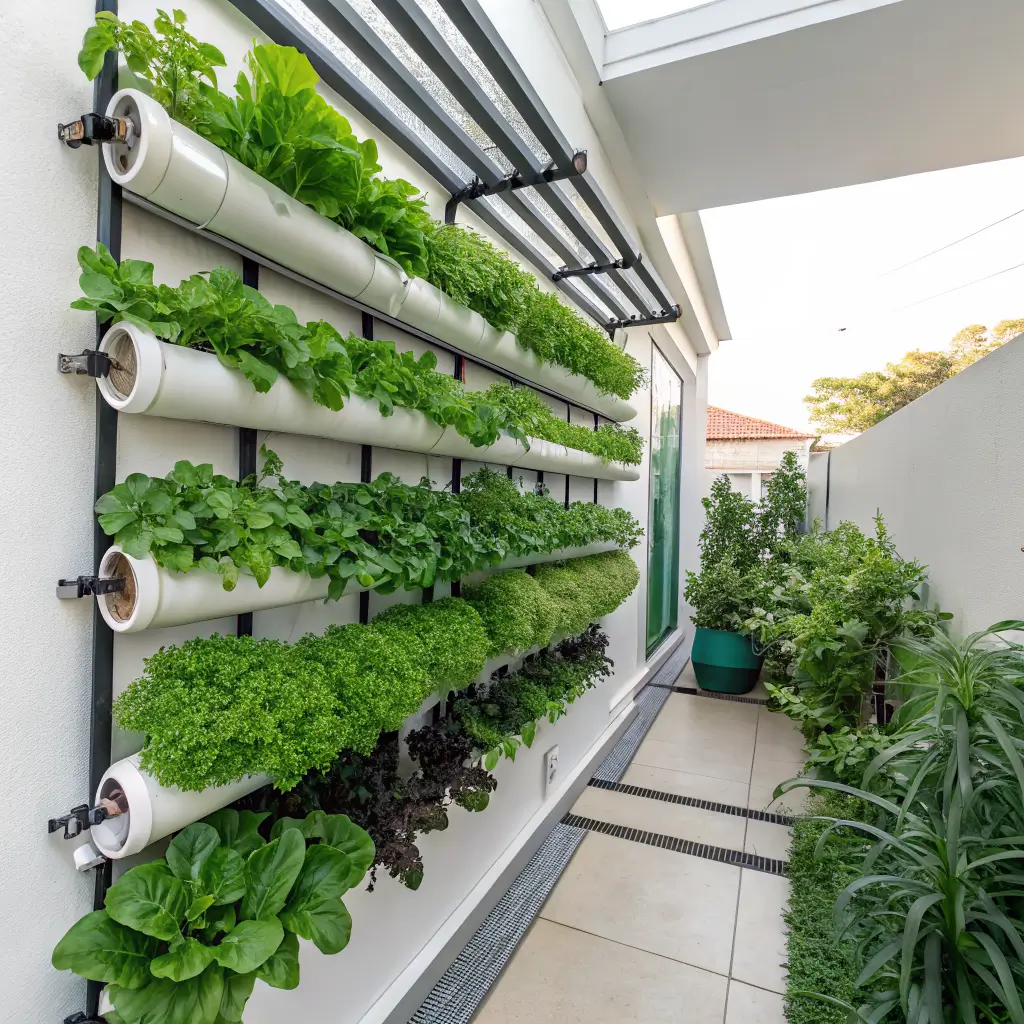
Let’s be honest – the biggest reason vertical gardens fail is inconsistent watering. Self-watering systems solve this problem by maintaining consistent moisture levels without daily attention. They’re perfect for busy people or anyone who travels frequently.
The basic principle involves a water reservoir that slowly releases moisture to plants through wicking materials or drip irrigation. Some systems use capillary action, while others employ gravity-fed drip lines. The more sophisticated versions include timers and moisture sensors.
DIY versions can be built using storage containers, aquarium tubing, and simple timers. Commercial systems offer more features but cost significantly more. Either way, the convenience factor makes these systems worthwhile for anyone serious about vertical gardening.
Plant selection still matters even with automated watering. Group plants with similar water needs together, and monitor the system regularly until you understand how different plants respond to consistent moisture levels.
Rustic Ladder Plant Shelf Garden
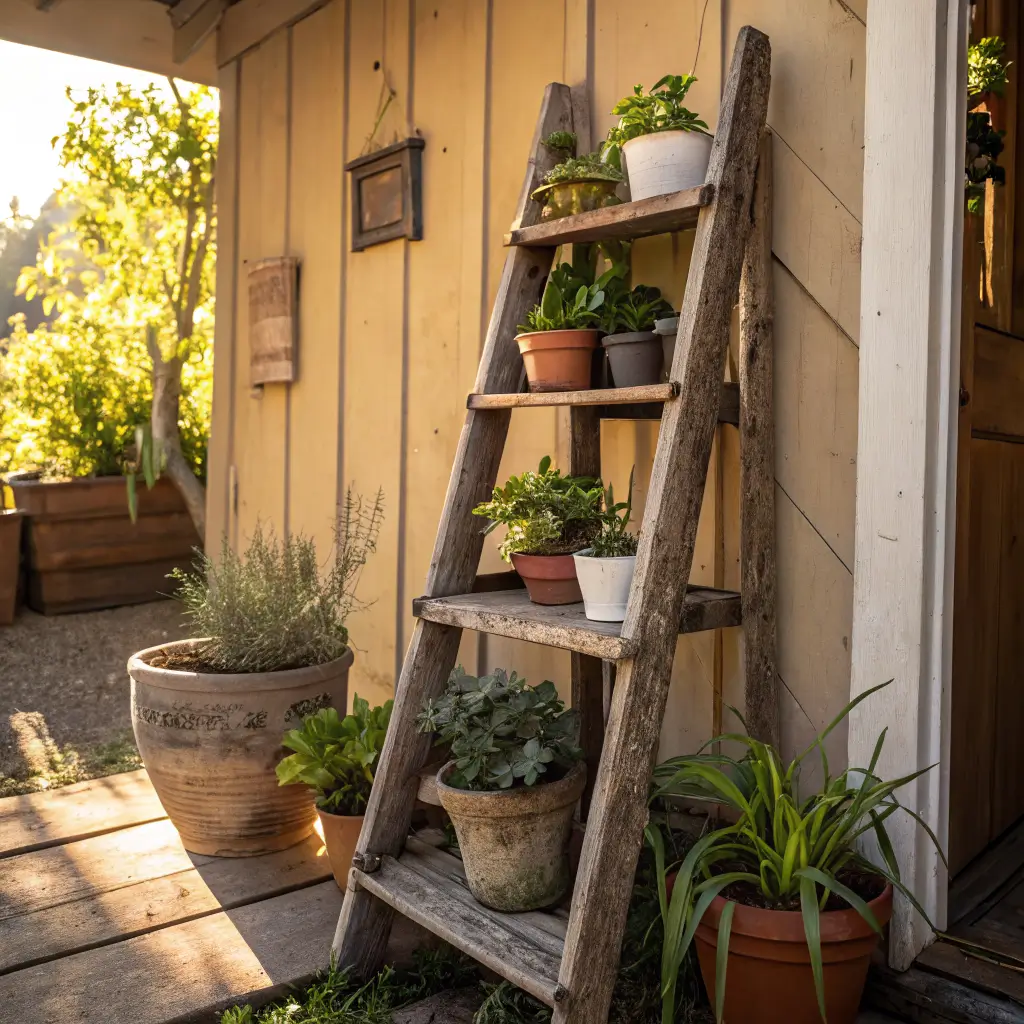
Old wooden ladders make fantastic vertical plant stands with minimal modification required. Each rung becomes a shelf for pots, and the vertical structure adds height without taking up much floor space. This approach works especially well for displaying a collection of potted plants rather than creating integrated growing systems.
The key is stabilizing the ladder properly. Lean-to styles need secure wall attachment, while A-frame ladders should be checked for joint stability. Add non-slip pads under pots to prevent sliding, and consider weight distribution to avoid top-heavy arrangements.
Ladder gardens shine in corners or against blank walls where you want to add vertical interest without permanent installation. They’re also portable, so you can move the whole display as lighting conditions change or when rearranging furniture.
For outdoor use, treat wooden ladders with weather-resistant finishes. Metal ladders handle weather better but may need rust prevention in humid climates. Either way, this approach offers maximum flexibility with minimum commitment.
Hanging Pot Macramé Garden Wall
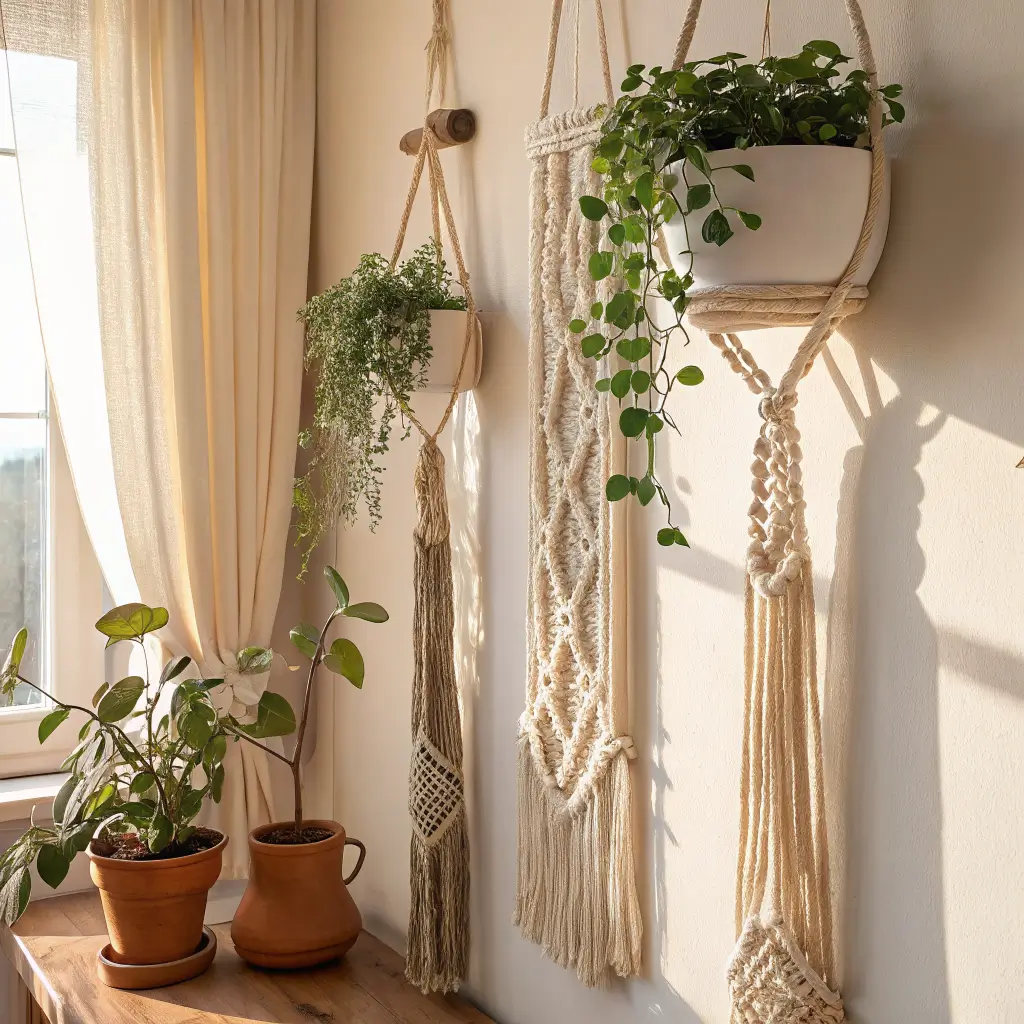
The 70s called, and they want their macramé back – but honestly, modern macramé plant hangers have evolved way beyond those chunky, beige monstrosities your aunt made. Today’s macramé gardens use varied cord materials, colors, and knotting patterns to create sophisticated hanging displays.
The technique involves creating cord cradles that support individual pots at different heights. The varying lengths create a cascading effect that works beautifully with trailing plants. Spider plants, pothos, and string-of-hearts look amazing in macramé hangers.
Learning basic macramé knots takes some practice, but the skills transfer across projects. Start with simple square knots and spiral patterns before attempting complex designs. YouTube tutorials make the learning process much easier than trying to decipher written instructions.
Installation requires strong ceiling hooks or wall mounts since the weight adds up quickly. Plan your layout before hanging anything – macramé gardens look best when the hanging lengths vary by 6-8 inches to create visual rhythm.
Also Read: 10 Beautiful Succulent Garden Design Ideas for Aesthetic Spaces
Kitchen Herb Vertical Garden Corner
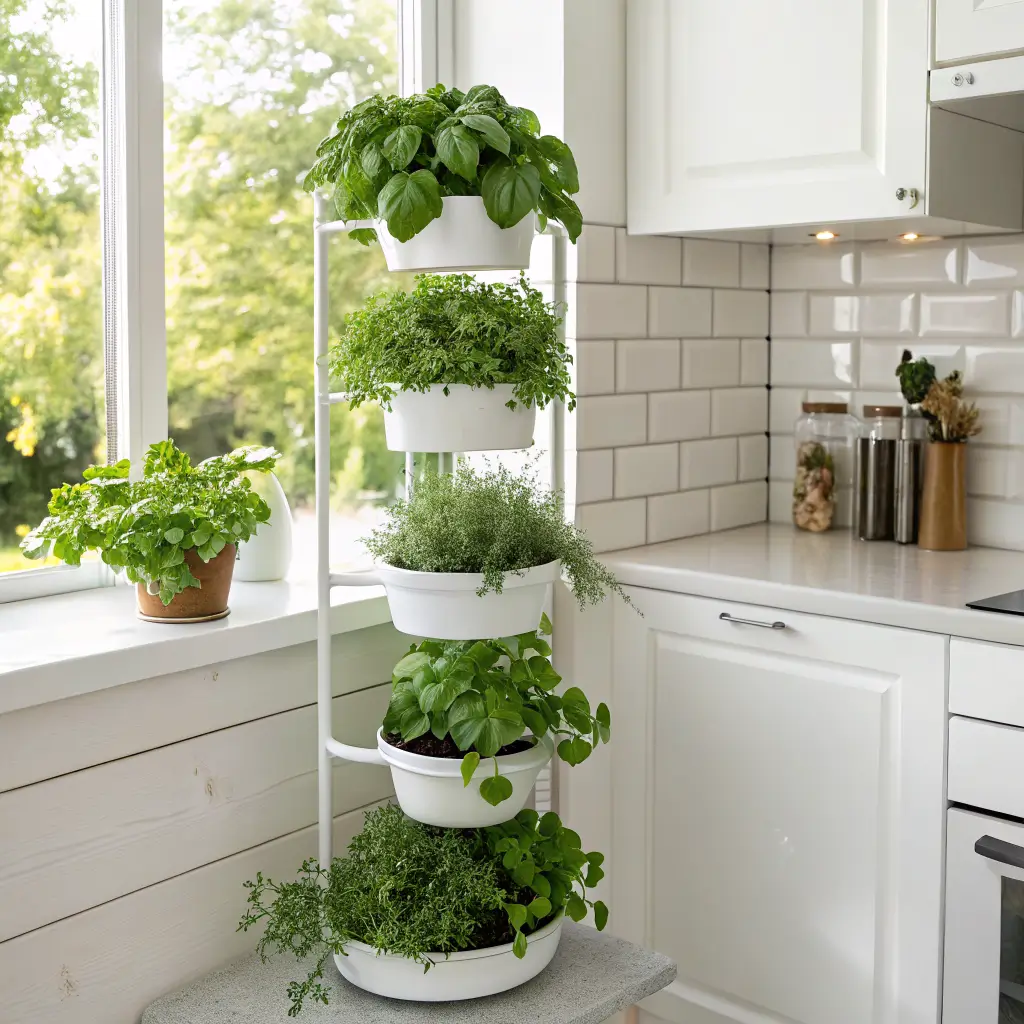
Nothing beats having fresh herbs within arm’s reach while cooking. Corner installations maximize space utilization while keeping herbs accessible from multiple directions. This approach works particularly well in galley kitchens where counter space is precious.
Light is crucial for kitchen herb gardens. Most herbs need at least 4-6 hours of direct sunlight daily. If your kitchen lacks natural light, invest in full-spectrum LED grow lights. The energy cost is minimal compared to buying fresh herbs constantly.
Choose compact, fast-growing varieties that you actually use in cooking. Basil, oregano, thyme, chives, and parsley are reliable choices. Avoid mint unless it’s contained – that stuff will take over everything given the chance :/
Drainage becomes critical in kitchen installations where water damage could be expensive. Use saucers under pots or install systems with built-in collection trays. Nobody wants herb garden runoff dripping onto kitchen electronics.
Consider ergonomics too. Place frequently used herbs at eye level or within easy reach. Taller plants can go higher, while smaller herbs work well at counter level.
Making Your Vertical Garden Dreams Reality
Here’s the thing about vertical gardens – they’re only as good as your commitment to maintaining them. The most gorgeous Instagram-worthy setup in the world becomes an expensive eyesore if you don’t keep up with watering, pruning, and general plant care.
Start small and expand gradually. Pick one system that matches your skill level, available time, and budget. Master that approach before diving into complex installations that might overwhelm you. IMO, a thriving small garden beats a struggling large one every time.
Consider your space constraints realistically. Measure everything twice, account for plant growth, and think about maintenance access. You’ll thank yourself later when you don’t need a stepladder to water the top tier of your vertical garden.
Most importantly, have fun with it. Vertical gardening should enhance your space and bring you joy, not become another source of stress. If something isn’t working, don’t be afraid to adjust your approach or try a different system entirely.
Whether you choose hanging bottles, geometric frames, or self-watering systems, you’re investing in more than just plants – you’re creating living art that improves air quality, reduces stress, and gives you something beautiful to look at every day. And honestly, in a world full of screens and artificial everything, we could all use a little more natural beauty in our lives.