10 Beautiful Small Garden Design Ideas for Dreamy Yards

Cramped balcony got you down? Think your postage-stamp backyard is hopeless? I’ve been there, friend. Staring at my own tiny outdoor space, wondering if I was destined for a life of plastic plants and dreams of sprawling English gardens.
But here’s the thing—some of my most satisfying gardening victories have happened in spaces so small, you’d need a magnifying glass to find them on Google Earth.
Small spaces don’t mean small possibilities. They just mean you get to be more creative, and honestly? That’s where the real fun begins. I’ve crammed more personality into a 4×4 balcony than some people manage in their entire backyards.
So grab your coffee (or wine, no judgment here), and let me walk you through 10 game-changing small garden ideas that’ll make your neighbors wonder if you hired a professional landscape designer.
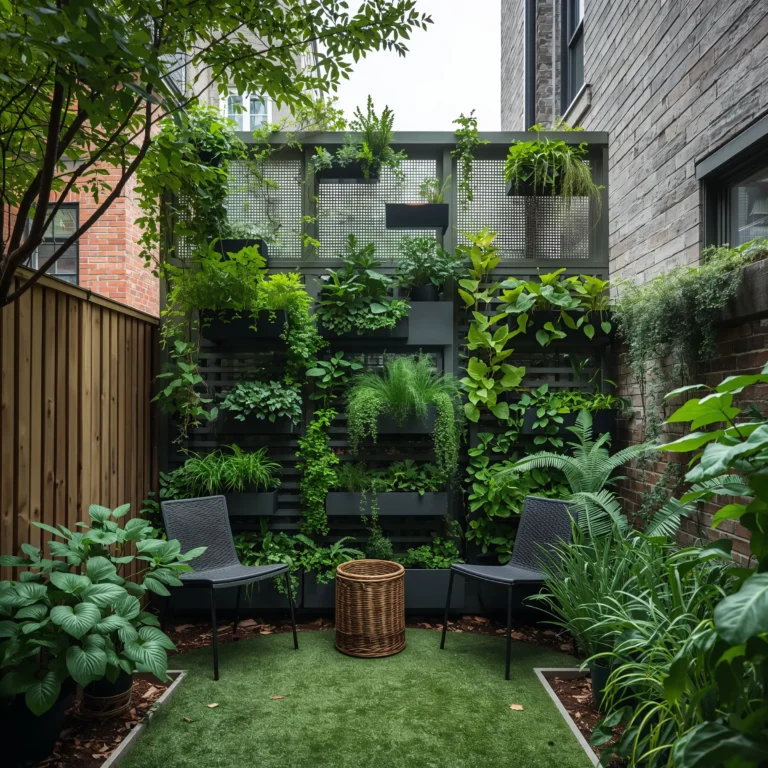
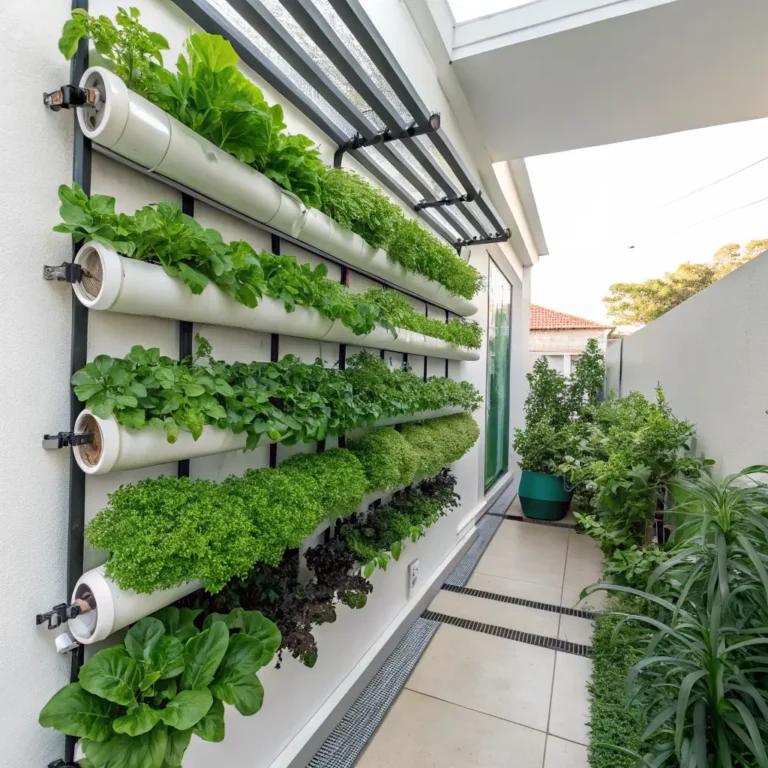
Vertical Wall Herb Garden Design
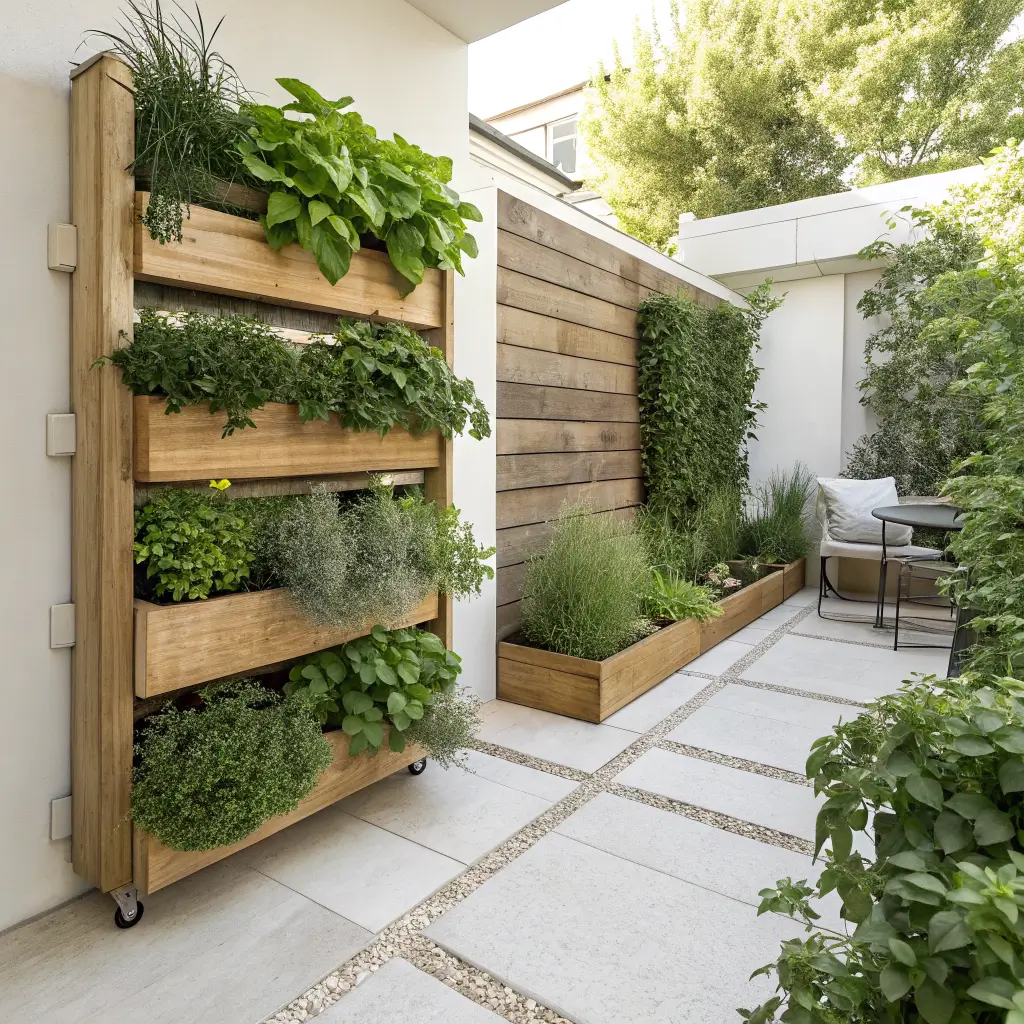
Let’s start with my personal favorite because, let’s be real, who doesn’t want fresh basil within arm’s reach of their pasta pot? Vertical herb gardens are the MVP of small space gardening—they give you maximum flavor with minimal footprint.
I installed my first wall herb garden on what used to be a boring fence panel, and it completely changed how I cook. No more sad, wilted supermarket herbs that cost more per ounce than gold. Now I’ve got fresh oregano, thyme, parsley, and mint cascading down my wall like some kind of edible waterfall.
Here’s what you’ll need to make this magic happen:
- Wall-mounted planters (cedar looks gorgeous, plastic works fine)
- Quality potting mix designed for herbs
- A drip irrigation system (trust me on this one)
- Your favorite herb varieties
The secret sauce? Layered planting. Put your sun-lovers like rosemary and sage at the top, then work your way down to partial-shade herbs like cilantro and chives. Your wall becomes this beautiful gradient of greens, and you look like a gardening genius.
Pro tip from someone who learned the hard way: install a small drip tray at the bottom. Your downstairs neighbors will thank you when you’re not accidentally watering their patio every morning. FYI, this setup pays for itself in about three months when you realize you’re not buying $4 herb packets anymore.
Cozy Balcony Mini Jungle Setup
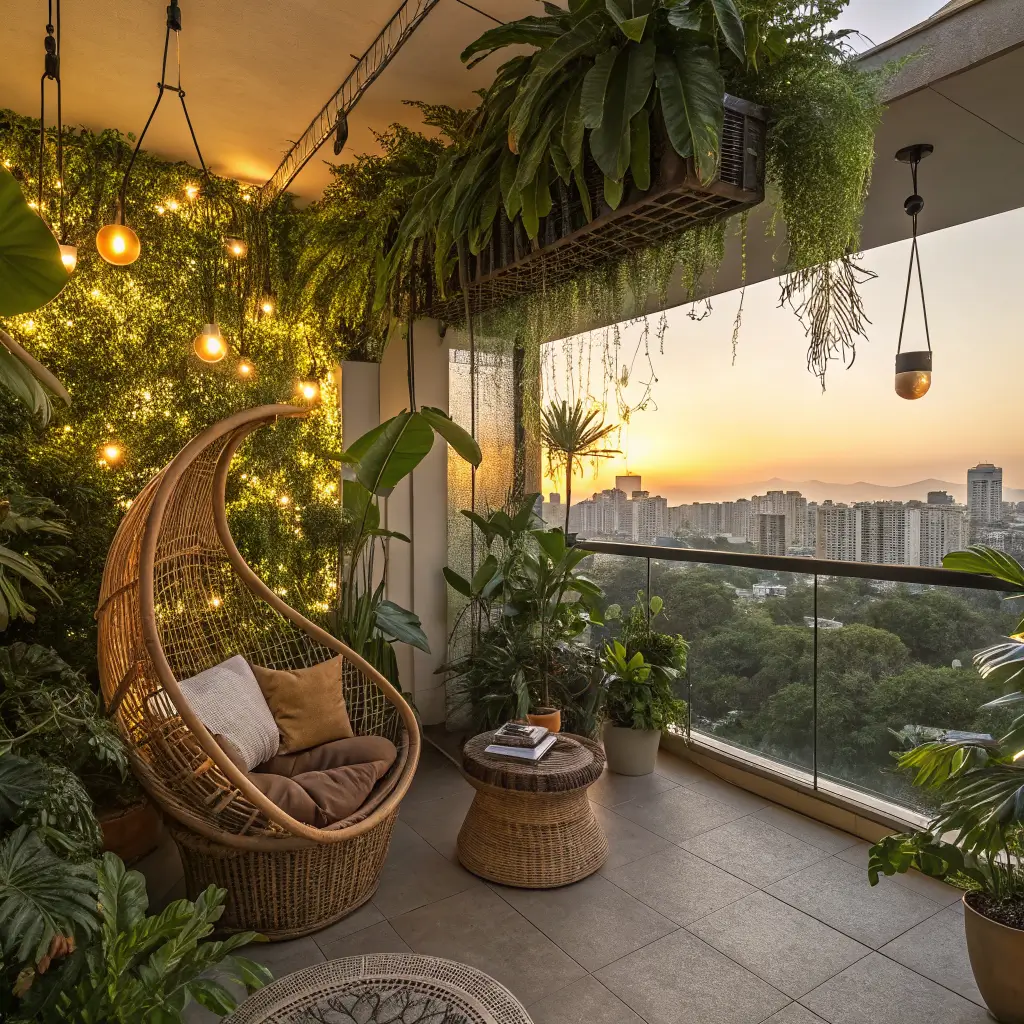
Ever walked into someone’s apartment and felt like you’d stepped into a tropical paradise? That’s the balcony mini jungle vibe, and it’s absolutely achievable even if your balcony is smaller than some people’s closets.
The trick is creating layers of green that make the space feel lush and alive. I’m talking about transforming your concrete slab into something that wouldn’t look out of place in a boutique hotel. Start with a few large statement plants—think fiddle leaf figs or bird of paradise if you’ve got the height, or go with bush-style plants like monstera deliciosa.
Your game plan should include:
- Large floor plants for dramatic impact
- Medium hanging plants to fill middle space
- Small trailing plants for texture
- Strategic placement of different leaf sizes and shapes
The real magic happens when you mix textures and heights. Broad leaves next to spiky succulents, cascading pothos alongside upright snake plants. It’s like composing a symphony, but instead of instruments, you’re using living, breathing green machines.
Want to know my secret weapon? Mirrors strategically placed behind plants. They double your green space visually and bounce light around, making everything look more lush. Plus, there’s something kind of meditative about sipping your morning coffee surrounded by all that life, even if you’re technically sitting five stories above a busy street.
Japanese Zen Small Garden Corner
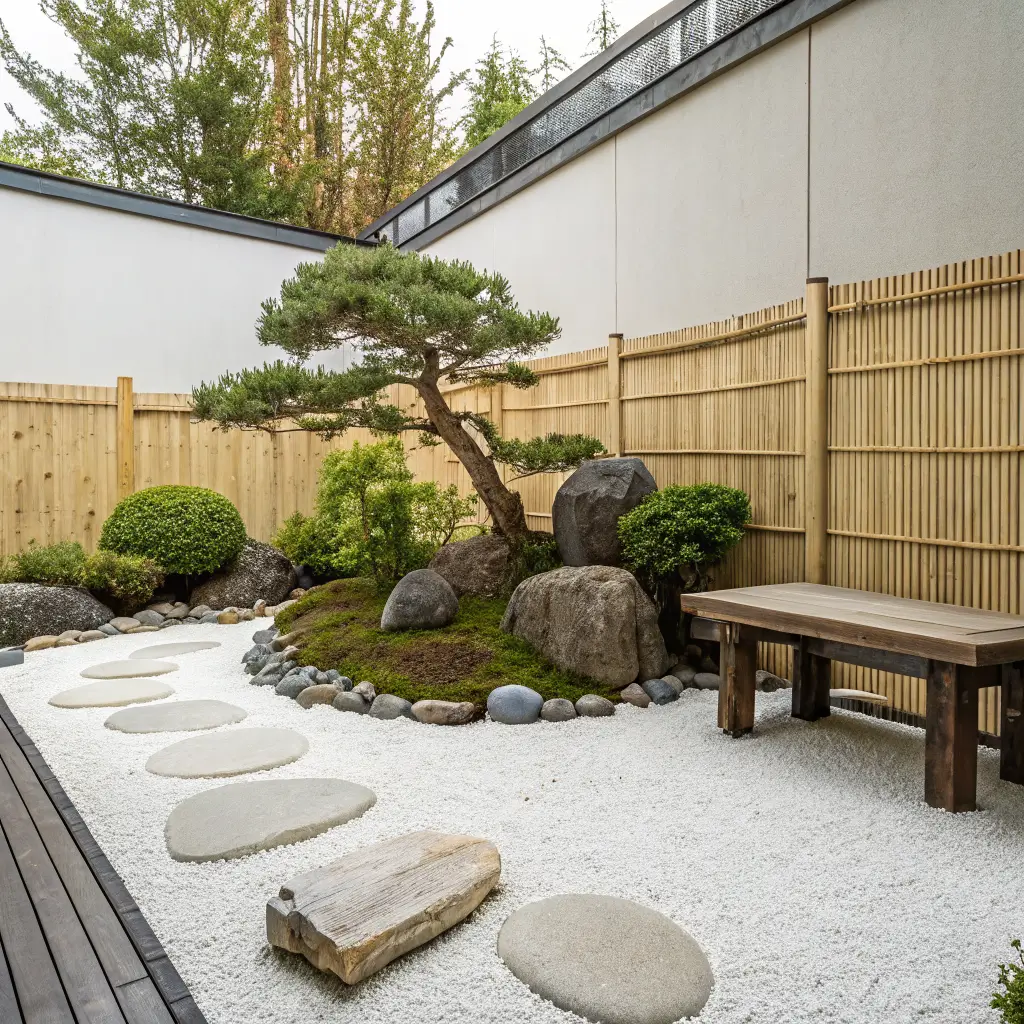
Sometimes the most powerful garden statements come from saying less, not more. Japanese zen gardens nail this concept—they’re proof that you can create profound tranquility in the tiniest spaces. I carved out a zen corner in my backyard that’s literally 3×3 feet, and it’s become my favorite spot for clearing my head.
Simplicity is the star here. We’re talking clean lines, natural materials, and plants chosen for their form rather than flashy flowers. Think elegant grasses, perfectly pruned small shrubs, and maybe one stunning focal point like a Japanese maple or carefully shaped juniper.
Essential elements for your zen corner:
- Raked gravel or sand for that classic meditation garden look
- One or two specimen plants maximum
- Natural stone placement (odd numbers work best)
- A simple water feature if space allows
The beauty of this approach is that maintenance becomes meditation. Raking those patterns in the sand, trimming your plants to perfect proportions—it’s incredibly grounding. And honestly, there’s something deeply satisfying about creating order and beauty in a world that often feels pretty chaotic.
I added a small bamboo fountain to mine (the kind that fills and tips with a gentle “clack”), and the sound completely transforms the space. Suddenly, traffic noise fades into background, and you’ve got your own little slice of peaceful paradise.
Also Read: 10 Stunning Garden Design Ideas for Dream Outdoor Spaces
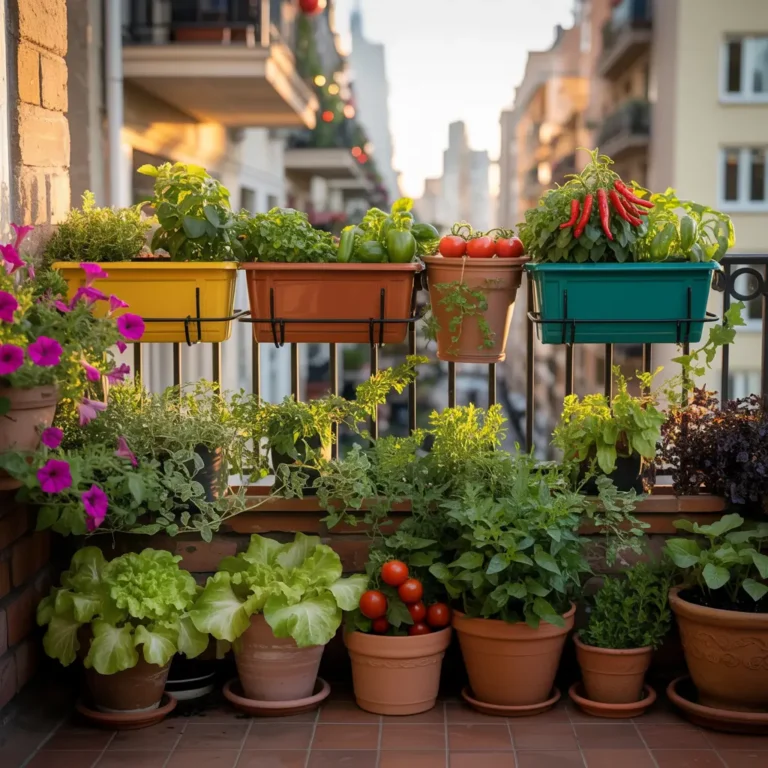
Budget-Friendly DIY Container Garden
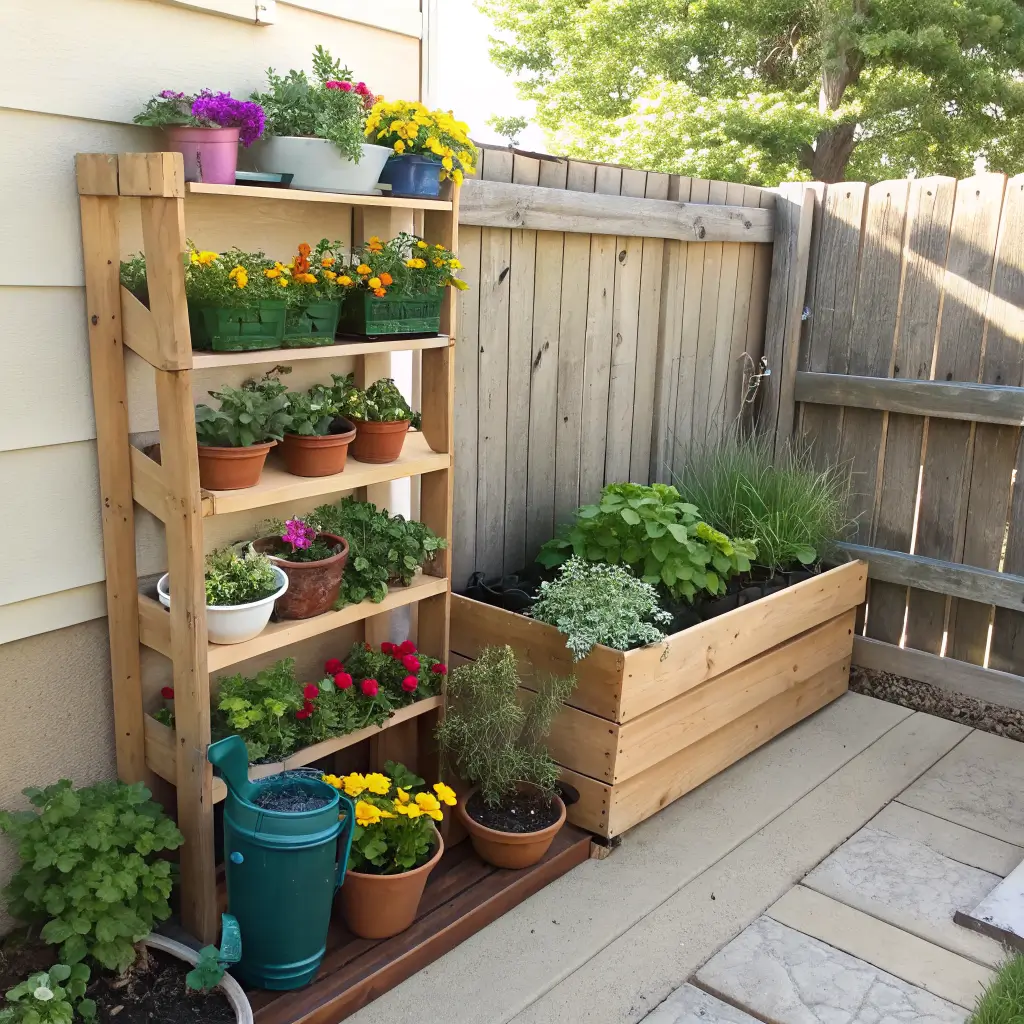
Here’s where things get fun for those of us who aren’t made of money but still want gorgeous gardens. Container gardening on a budget is like a creative challenge—how much beauty can you create with the contents of your recycling bin and a trip to the discount nursery?
I’ve grown everything from tomatoes to sunflowers in containers I found, made, or bought for less than the cost of a fancy coffee. Old boots, wooden crates, plastic storage bins—if it can hold soil and has drainage, it’s fair game. The trick is making your mismatched collection look intentional rather than random.
Your budget container arsenal might include:
- Repurposed household items (those big yogurt containers work great)
- Thrift store finds (vintage colanders make amazing planters)
- DIY wooden boxes from scrap lumber
- Discount store plastic pots dressed up with paint or rope
The real secret to making budget containers look expensive? Paint and grouping. Paint everything in a cohesive color scheme—maybe all terracotta tones, or crisp whites and grays. Then group them in odd numbers with varying heights. Suddenly, your collection of random containers looks like a carefully curated display.
My favorite budget win was turning old rain boots into herb planters. Drilled some holes in the bottom, painted them a sunny yellow, and hung them on my fence. Cost me maybe $10 total, and guests always ask where I found such “unique” planters. Sometimes the best design comes from thinking outside the box (or boot, in this case).
Hanging Planter Small Space Garden
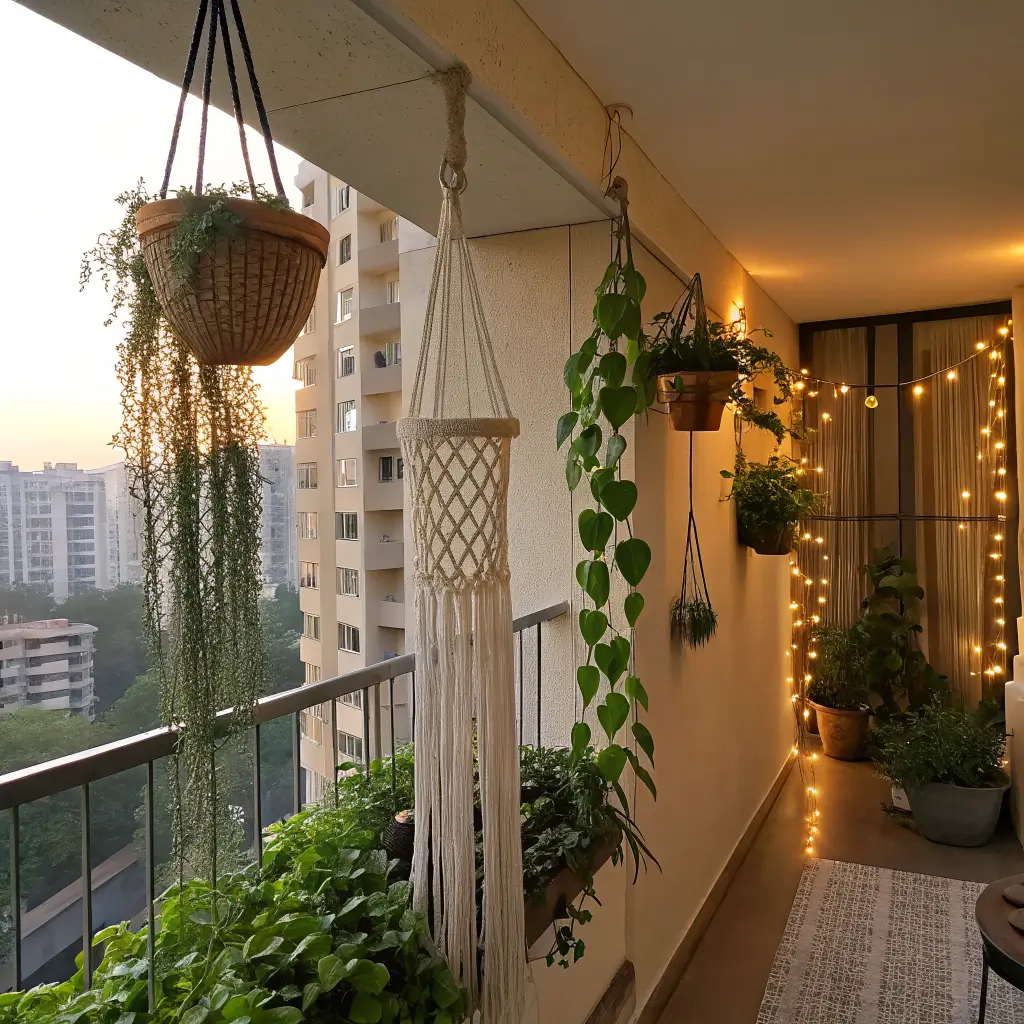
When floor space is at a premium, the sky’s the limit—literally. Hanging gardens add vertical interest and free up precious ground real estate for other things, like that outdoor chair you actually want to sit in.
I went through a serious hanging plant phase (okay, I’m still in it) and learned that successful hanging gardens are all about choosing the right plants and getting the watering situation figured out. Nothing kills the vibe like constantly dripping plants or dead hanging baskets swaying in the wind like botanical tumbleweeds.
Your hanging garden strategy should include:
- Trailing plants for dramatic cascading effects (pothos, trailing petunias, ivy geraniums)
- Self-watering systems or drip trays to protect floors below
- Varied chain lengths for visual interest
- Strong mounting hardware (please don’t let your beautiful creation crash down)
The real game-changer for me was discovering macramé hanging planters. They add this bohemian vibe that makes even basic plants look Instagram-worthy. Plus, you can adjust the hanging length easily, which is clutch when you’re trying to create that layered, jungle-like effect.
Pro tip that saved my sanity: group your hanging plants by watering needs. Put the thirsty ones together where you can reach them easily, and save the drought-tolerant hanging succulents for those hard-to-reach spots. Future you will appreciate not having to climb on chairs every other day 🙂
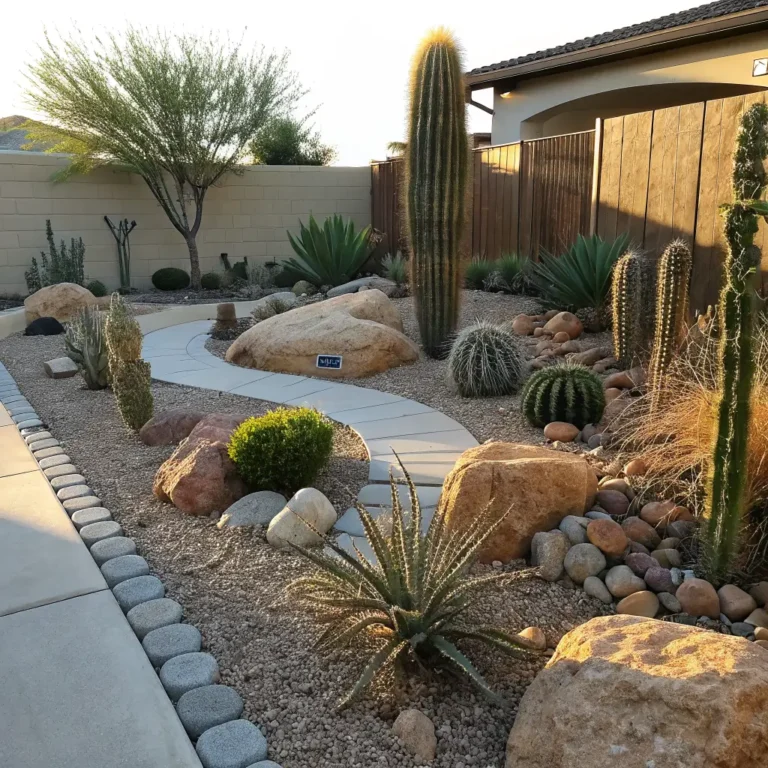
Modern Minimalist Patio Garden Design
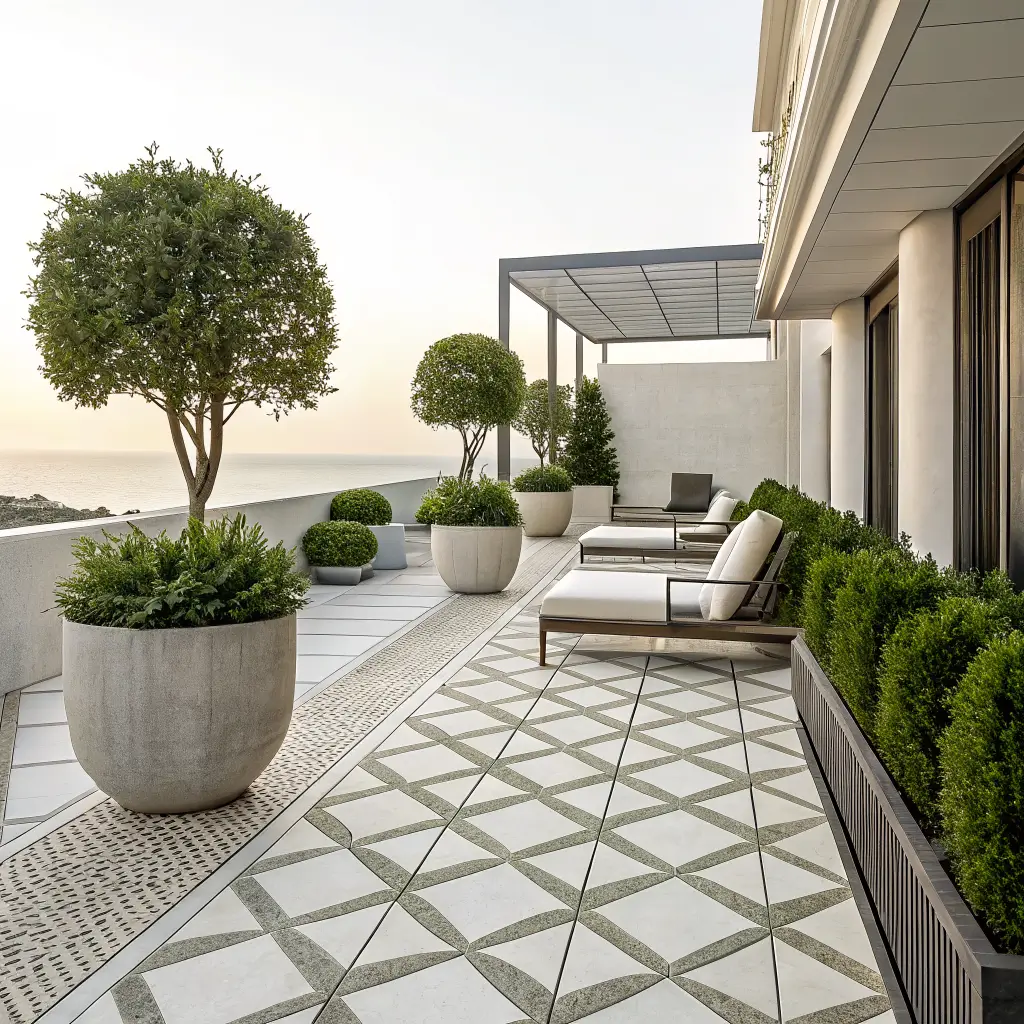
Sometimes less really is more, especially when your space is small to begin with. Modern minimalist gardens focus on clean lines, architectural plants, and a carefully edited color palette. Think of it as the Marie Kondo approach to gardening—every plant should spark joy and earn its place.
I redesigned my patio using minimalist principles after getting overwhelmed by my previous “more is more” approach. The result? A space that feels twice as large and infinitely more peaceful. The secret is choosing plants for their form and foliage rather than flowers, and sticking to a strict color scheme.
Key elements of minimalist garden design:
- Architectural plants with strong, geometric shapes (agave, ornamental grasses, box hedging)
- Neutral color palette (whites, grays, subtle greens)
- Clean-lined containers in matching materials
- Lots of negative space to let each element breathe
The beauty of this approach is that it’s incredibly low-maintenance once established. You’re not dealing with deadheading flowers or managing complex color combinations. Just clean, simple lines and plants chosen for their staying power and structural beauty.
My favorite minimalist discovery was using identical square planters in different sizes. Grouped together with different heights of ornamental grasses, they create this rhythmic, almost musical quality. It’s sophisticated without being stuffy, and maintenance involves mainly just keeping things tidy and well-watered.
Also Read: 10 Inspiring Glass Wall Partition Design Ideas for Dream Homes
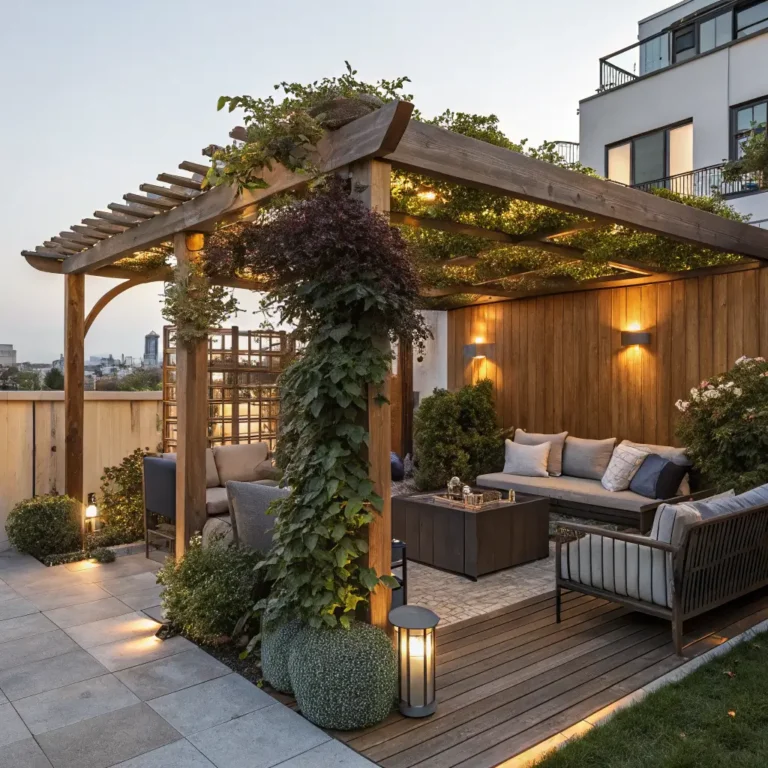
Fairy Lights Romantic Garden Nook
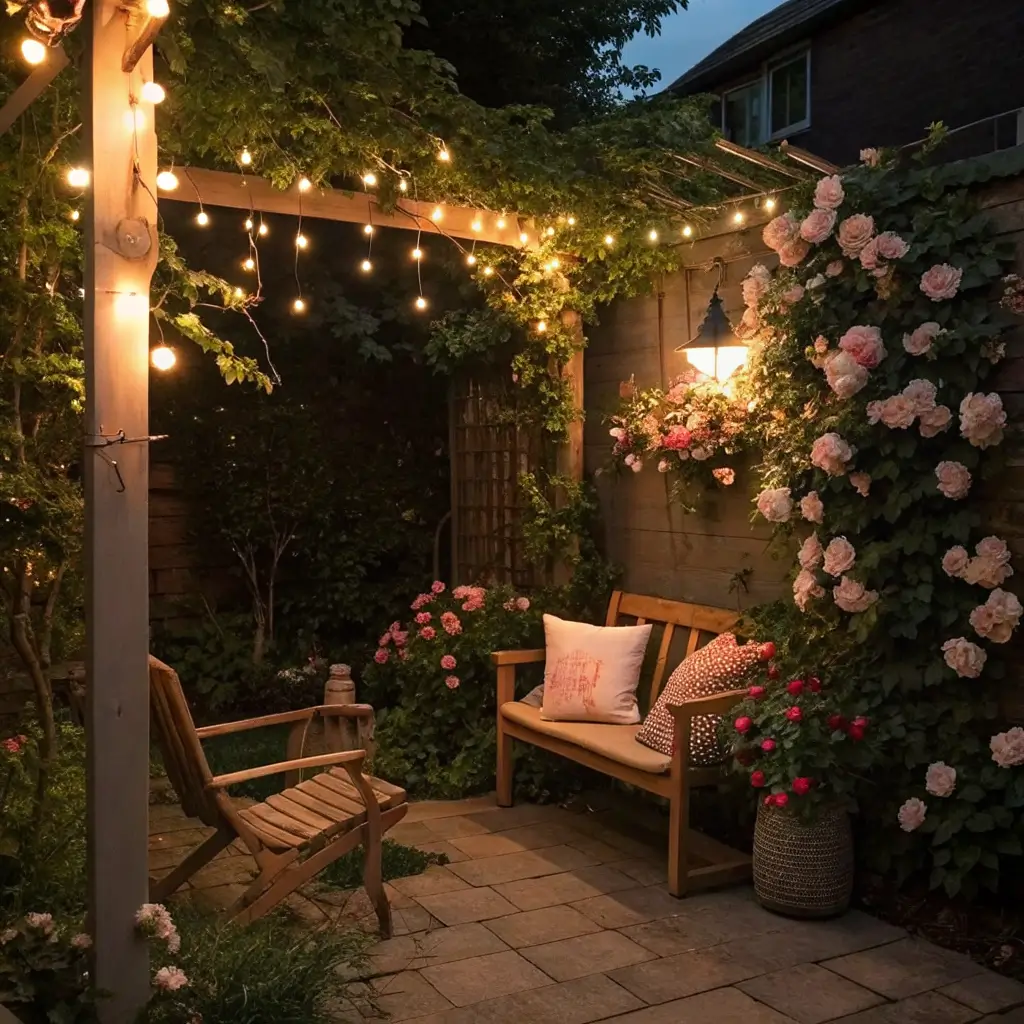
Now we’re getting into the realm of pure magic. Fairy light gardens transform any small space into something straight out of a romantic movie. I strung my first set of lights in my tiny courtyard, and suddenly my sad little concrete space became a place where you’d want to propose marriage or at least share a very good bottle of wine.
The secret to fairy light success isn’t just throwing up some lights and calling it done. It’s about layering different types of lighting and making sure your plants look as good after dark as they do during the day. Think of it as stage lighting for your garden theater.
Your lighting arsenal should include:
- String lights at varying heights for overall ambiance
- Solar stake lights tucked between plants for ground-level glow
- Uplighting to highlight special plants or garden features
- Candles or lanterns for moveable mood lighting
The plants you choose matter too. Go for things with interesting textures and forms that’ll cast beautiful shadows. Ornamental grasses are fantastic because they sway gently and create moving shadows. Large-leafed plants like hostas or elephant ears create dramatic silhouettes.
IMO, the most romantic garden lighting happens when you can’t see the actual light sources clearly—just their effect. Weave string lights through trellises, tuck solar lights behind plants, and use timers so everything comes alive automatically at dusk. It’s like having a lighting designer on staff, except way cheaper.
Small Courtyard Green Oasis Layout
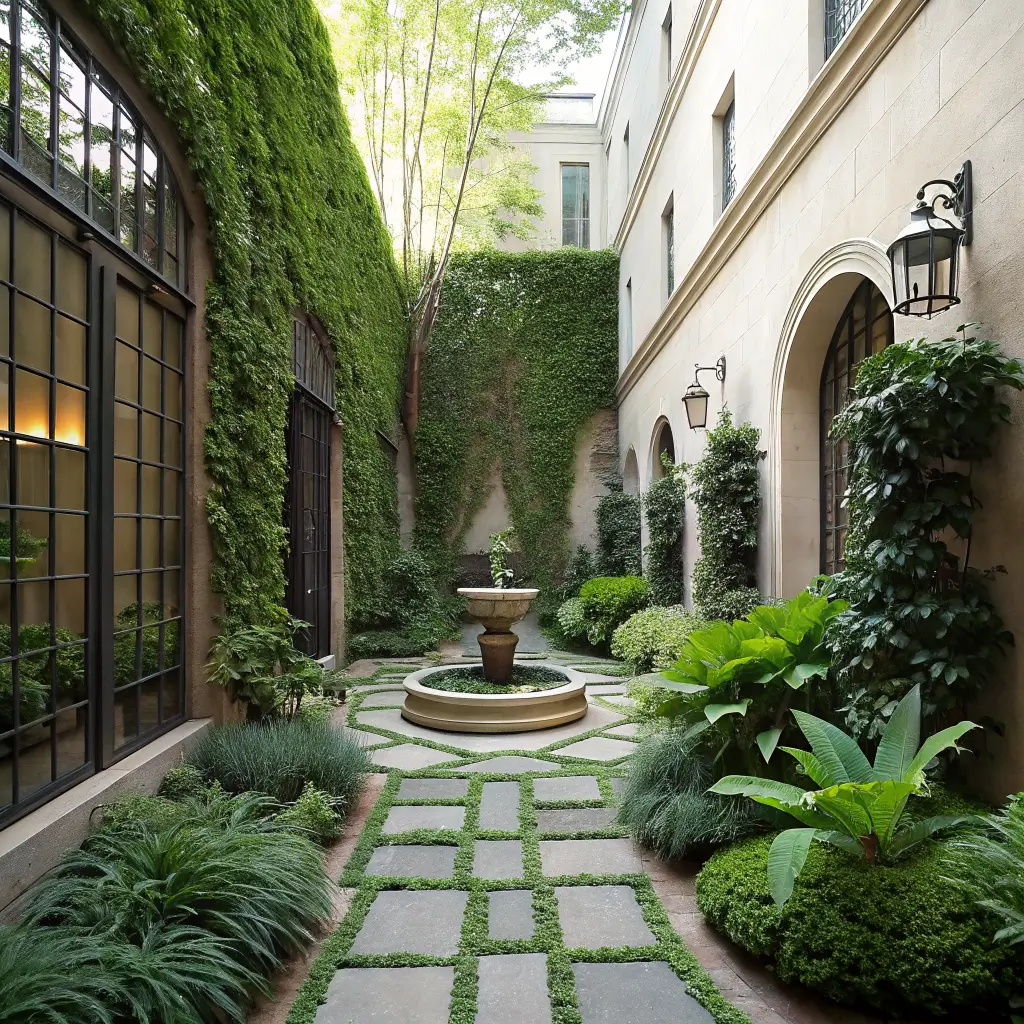
Courtyards present unique challenges because they’re often surrounded by walls or buildings, creating microclimates that can be tricky to navigate. But here’s what I’ve learned: enclosed spaces can become incredibly lush because they’re protected from wind and often create their own humid microenvironments.
My courtyard started as basically an outdoor hallway—functional but about as inspiring as watching paint dry. The transformation happened when I stopped thinking of the walls as limitations and started seeing them as opportunities for vertical growing and creating intimate, room-like spaces.
Your courtyard transformation toolkit:
- Wall-mounted planters to maximize growing space without blocking pathways
- Large containers that can be moved if needed
- Shade-tolerant plants that thrive in enclosed spaces
- Water features to add sound and humidity
The key is creating zones within your courtyard. Maybe a seating area surrounded by fragrant herbs, a mini meditation corner with grasses and stones, and a productive zone with vegetables or herbs you actually use. Each zone can have its own personality while contributing to the overall oasis feeling.
One unexpected bonus of courtyard gardening: the walls create perfect support for climbing plants. I trained jasmine up one wall and installed a simple trellis system for morning glories. Now I’ve got living walls that smell amazing and provide natural privacy screening. It’s like having your own secret garden, except it’s 10 feet from your kitchen door.
Raised Bed Compact Garden Design
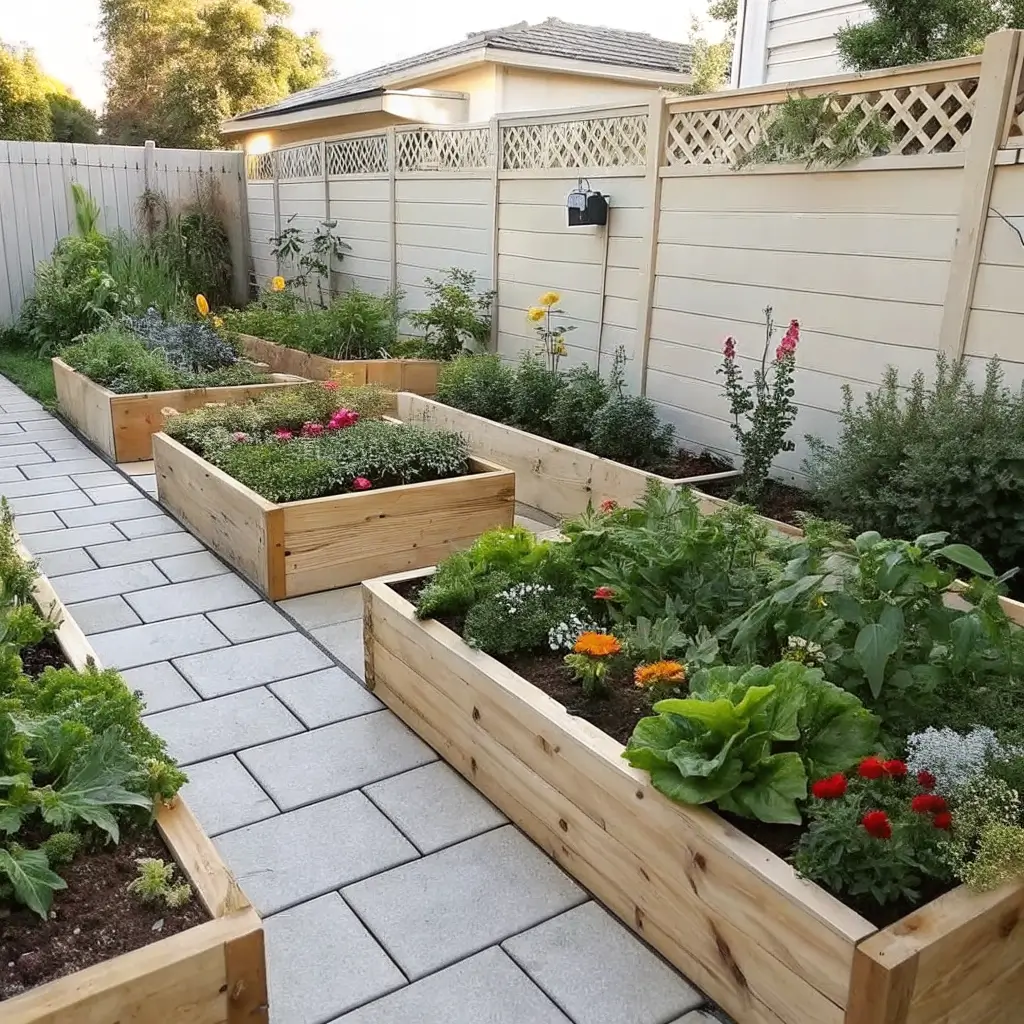
Raised beds are game-changers for small space gardening because they let you control everything—soil quality, drainage, and organization. Plus, they make gardening way easier on your back, which your future self will definitely appreciate.
I built my first raised bed system in a space that was maybe 8×6 feet, and the amount of food I grew in that tiny area was honestly ridiculous. The secret is intensive planting methods and choosing varieties bred for compact spaces. You can easily triple your production compared to traditional row planting.
Essential raised bed considerations:
- Height matters—at least 12 inches for most vegetables, 18+ for root crops
- Width should allow you to reach the center from both sides (4 feet max)
- Quality soil mix is worth the investment
- Succession planting to maximize harvests
The beauty of raised beds is that you can create a complete growing system in a surprisingly small footprint. I use a simple rotation system: quick crops like lettuce and radishes in spring, tomatoes and peppers in summer, and cool-season greens in fall. The soil stays productive year-round, and I’m never without something fresh to harvest.
My favorite space-saving trick is vertical trellising within the raised beds. Peas climb up in early spring, followed by cucumbers in summer, then fall beans. The vertical growing space effectively doubles my garden without expanding the footprint. Plus, it looks way more interesting than traditional flat gardens.
Also Read: 10 Elegant TV Partition Wall Interior Design Ideas for Stylish Spaces
Rustic Wooden Planter Garden Style
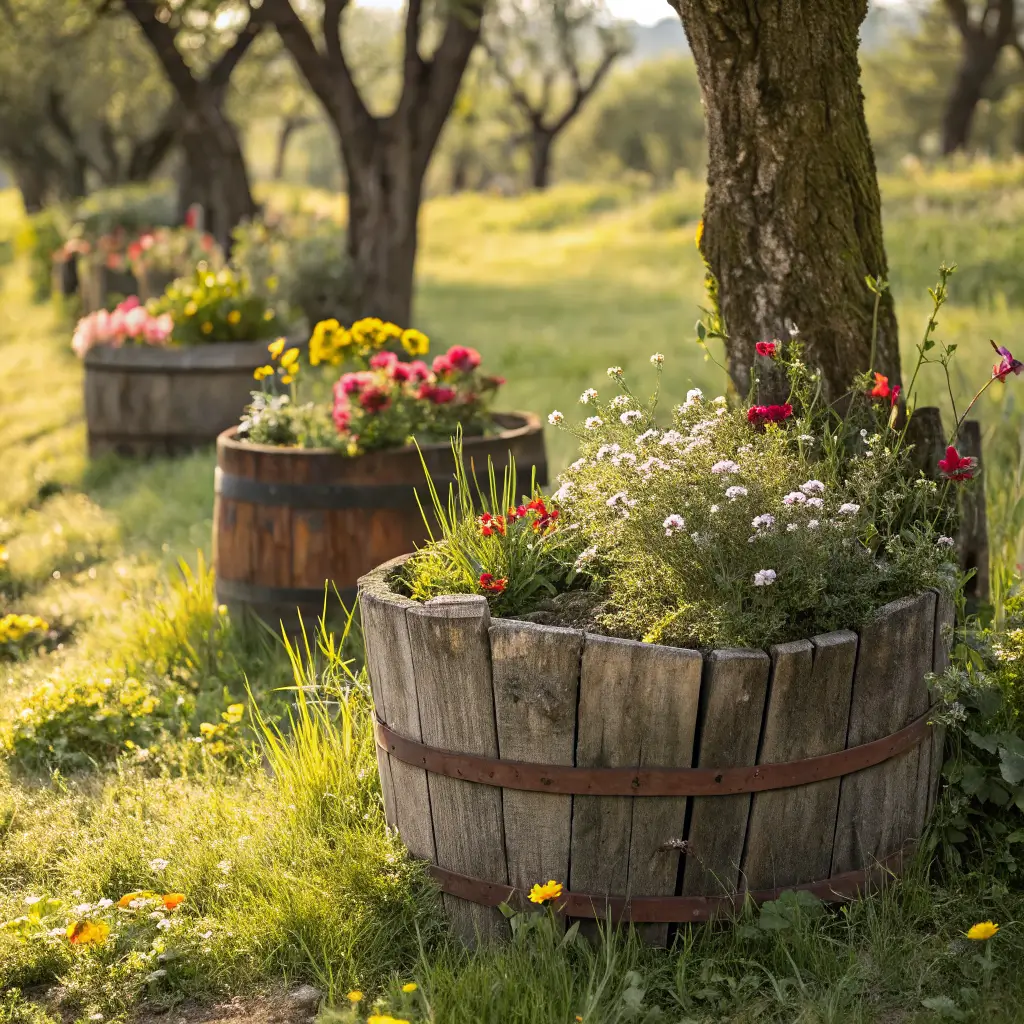
There’s something deeply satisfying about rustic wooden planters—they bring warmth and natural texture that plastic and ceramic just can’t match. I went through a serious rustic phase and built planters from reclaimed wood, old wine barrels, and even fallen tree branches. The result was a garden that looked like it had been growing in place for decades.
The rustic approach works especially well in small spaces because wood weathers beautifully and gets more character over time. Unlike pristine materials that show every imperfection, weathered wood actually looks better with a little wear and some plant staining.
Your rustic planter options include:
- Reclaimed wood boxes with that perfect weathered patina
- Half wine barrels for substantial plantings
- Log planters made from fallen trees
- Driftwood arrangements for coastal vibes
The plants you choose can enhance the rustic feeling. I lean toward cottage garden favorites like lavender, rosemary, and trailing nasturtiums. These plants have that slightly wild, unstructured growth that complements weathered wood perfectly. Plus, many of them are incredibly drought-tolerant once established.
One thing I learned the hard way: invest in proper drainage and lining. Rustic doesn’t have to mean rotten. Line your wooden planters with landscape fabric, add drainage holes, and consider raising them slightly off the ground. Your beautiful rustic planters will last for years instead of turning into expensive compost bins.
Wrapping It All Up
Listen, small space gardening isn’t about settling for less—it’s about getting creative with what you’ve got. Every tiny balcony, cramped patio, or postage-stamp backyard has the potential to become something special. I’ve seen magic happen in spaces so small you’d think twice about putting a single chair there.
The best small gardens aren’t trying to be something they’re not. They embrace their limitations and turn them into design opportunities. Vertical space becomes growing space. Containers become portable flexibility. Walls become living art installations.
Whether you go zen with a minimalist corner, wild with a fairy-lit jungle, or practical with raised bed production, the key is starting somewhere and letting your space evolve. My own garden has gone through more iterations than iPhone updates, and each version taught me something new about what works in small spaces.
So pick one idea that speaks to you, grab some plants, and start creating. Your perfect small garden is out there waiting—it just needs you to give it a chance to grow.